













From the majestic spiral of a markhor’s horns to the formidable shield of an African buffalo, animals with horns have always held a captivating allure. They’re more than just striking features; they’re testaments to millions of years of evolution, sculpted by the pressures of survival, reproduction, and the ever-changing landscapes of our planet. Have you ever paused to truly consider the incredible diversity and purpose behind these remarkable growths?
This blog post is a deep dive into the world of horned creatures – a global exploration of their origins, functions, and the fascinating stories they tell. We’ll unravel the mystery of what exactly constitutes a horn, distinguishing them from antlers and other head adornments. We’ll journey across continents, from the rugged mountains of Eurasia to the vast African savannas, meeting the incredible animals with horns that call these places home – rhinos, ibex, bison, and many more.
But this isn’t just about identification. We’ll delve into the why behind the horns. Why did they evolve? What roles do they play in defense against predators, in the fierce battles for mating rights, and even in the subtle art of attracting a mate? You might be surprised to learn that their purpose extends beyond combat and protection, encompassing thermoregulation and even sensory functions.
Beyond the biological marvel, we’ll also explore the intricate relationship between horns and humans – their cultural significance in mythology and art, the devastating impact of hunting and poaching, and the crucial conservation efforts underway to protect these magnificent species for future generations. Prepare to be amazed by the enduring symbolism of horns and the ongoing research that continues to unlock their secrets. This is a story of adaptation, resilience, and the breathtaking beauty of the natural world. Let’s begin!
Introduction: The Majesty and Mystery of Horns
Horns. The very word evokes images of power, resilience, and a primal connection to the wild. They are arguably one of the most visually striking features in the animal kingdom, adorning the heads of creatures great and small, from the towering rhinoceros to the nimble gazelle. But horns are far more than just ornamentation. They are testaments to millions of years of evolution, intricate biological structures, and deeply ingrained cultural symbols. This introduction will delve into the fascinating world of animals with horns, exploring their defining characteristics, their global distribution, and the compelling reasons why understanding these remarkable appendages is so crucial.
What are Horns? Defining Characteristics
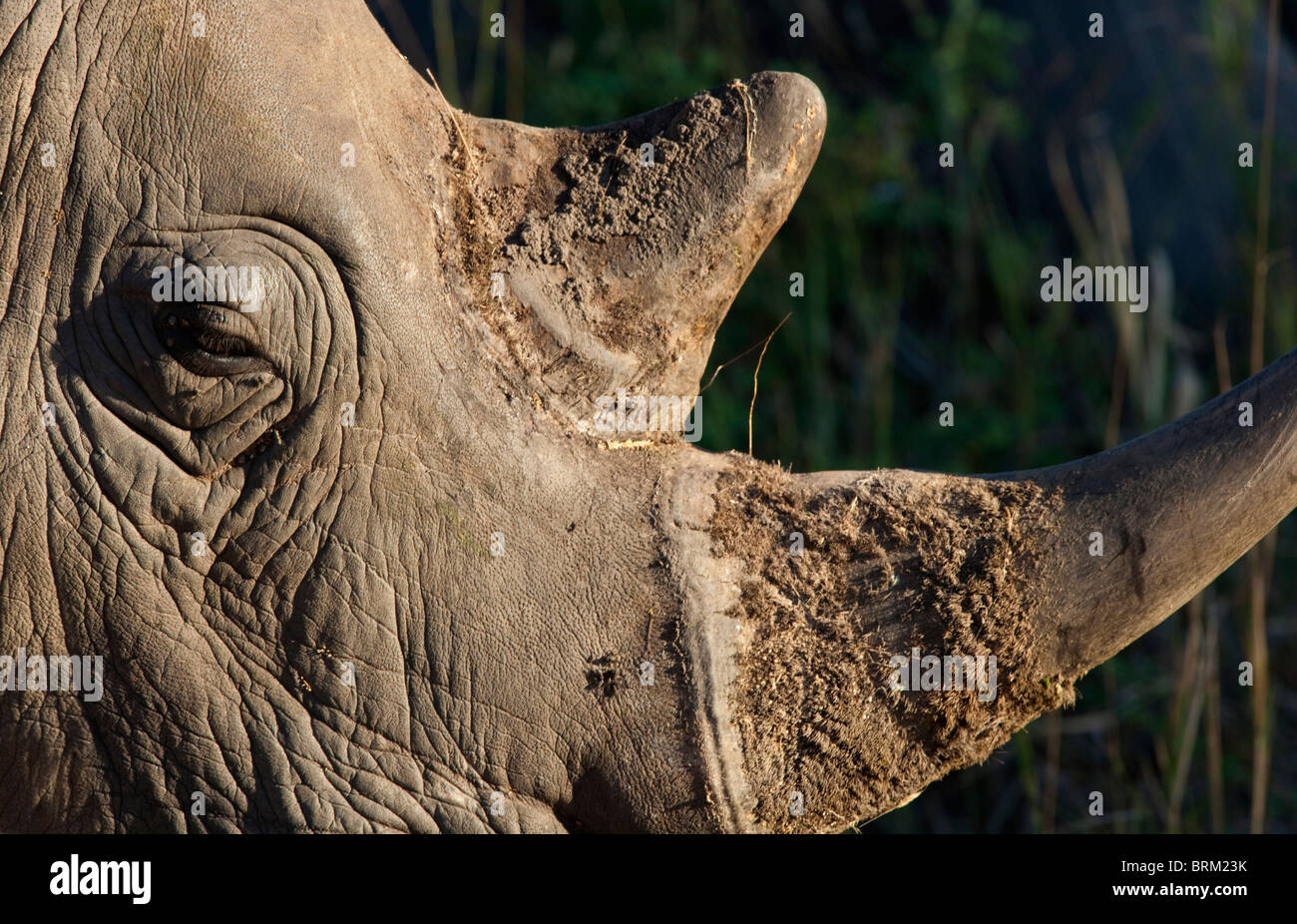
The intricate texture of a rhinoceros horn showcasing its keratin composition
Defining a “horn” isn’t as straightforward as it might seem. We often use the term loosely, but in the biological sense, a true horn possesses very specific characteristics. Unlike antlers, which are branched, shed annually, and composed entirely of bone, true horns consist of a bony core covered by a sheath of keratin. Keratin, you’ll recognize, is the same protein that makes up our fingernails and hair – a remarkably strong and durable material. This keratinous sheath is permanently attached to the bony core, meaning horns are not shed. They grow continuously throughout the animal’s life, though the rate of growth can vary significantly between species.
This permanent nature is a key differentiator. Think of the majestic markhor of Central Asia, with its spiraling horns that grow larger and more impressive with each passing year, a visible record of the animal’s age and vitality. Or consider the rhinoceros, whose horn, though composed entirely of keratin and not bone, is still considered a true horn due to its growth pattern and composition.
The bony core itself is an extension of the frontal bone of the skull, meaning the horn is an integral part of the animal’s skeletal structure. This connection provides incredible strength and stability. The shape and size of the horn are determined by a complex interplay of genetics, nutrition, and environmental factors. It’s also important to note that horns are typically found in pairs, though variations exist, and are present in both males and females in many species – a point we’ll revisit later.
It’s easy to fall into the trap of equating any head projection with a horn, but it’s vital to distinguish between true horns and other similar structures. Antlers, as mentioned, are shed annually and are made of bone. Ossicones, found in giraffes and okapis, are bony structures covered in skin and fur, and they develop differently than true horns. Even the “horns” of a chameleon are not true horns, but rather bony projections of the skull covered in scales. Understanding these distinctions is fundamental to appreciating the unique biology of animals with horns.
A Global Overview: Where Horns Thrive

A map illustrating the global distribution of various horned animal species
The distribution of animals with horns is remarkably diverse, spanning nearly every continent and habitat on Earth. While often associated with the African savanna, horned animals thrive in a far wider range of environments.
Africa, of course, is home to some of the most iconic horned species. The rhinoceros, with its imposing horn, roams the grasslands and woodlands. The African buffalo, a formidable herbivore, utilizes its curved horns for defense and social dominance. The elegant oryx, adapted to the harsh desert conditions, possesses long, straight horns that serve as both weapons and tools for digging for water. The kudu, with its spiraling horns, graces the woodlands and savannas of Southern and Eastern Africa.
But the story doesn’t end there. Eurasia boasts a rich diversity of horned animals. The ibex, a mountain-dwelling goat-antelope, navigates treacherous terrain with the aid of its backward-curving horns. The gazelle, a symbol of grace and speed, uses its horns for intraspecies combat and defense. And, of course, the ubiquitous cattle, domesticated for millennia, exhibit a wide variety of horn shapes and sizes.
North America is home to the majestic bighorn sheep, whose massive, curled horns are a testament to their strength and agility. The bison, a symbol of the American West, utilizes its horns for defense and establishing dominance within the herd. The pronghorn, often mistaken for an antelope, possesses unique horns with a forked sheath.
Even South America and Australia have their share of horned inhabitants. The guanaco and vicuña, relatives of the llama, roam the Andes Mountains with their slender horns. The water buffalo, introduced to Australia, has become a significant part of the continent’s fauna.
This global distribution highlights the adaptability of horned animals and their ability to thrive in a wide range of ecological niches. The shape and size of horns have evolved in response to specific environmental pressures, resulting in the incredible diversity we see today. From the spiraling horns of mountain dwellers to the broad horns of grassland herbivores, each horn is a testament to the power of natural selection.
Why Study Horns? Significance in Biology and Culture

Researchers analyzing the growth rings of a bighorn sheep horn to determine the animals age and health
The study of horns extends far beyond mere zoological curiosity. Understanding these structures provides valuable insights into a wide range of scientific disciplines, from evolutionary biology and genetics to ecology and conservation.
From a biological perspective, horns offer a unique window into the processes of growth and development. The growth rings within a horn, much like those in a tree, can reveal an animal’s age, nutritional history, and even exposure to environmental stressors. Analyzing the genetic basis of horn development can shed light on the mechanisms that drive evolutionary change. Furthermore, studying the biomechanics of horns – their strength, flexibility, and ability to withstand impact – can inspire the development of new materials and technologies.
But the significance of horns extends beyond the realm of science. Throughout human history, horns have held profound cultural and symbolic meaning. In many cultures, horns represent power, strength, and virility. They have been depicted in art, mythology, and religious ceremonies for millennia. The horns of animals have been used to create tools, weapons, and ceremonial objects.
However, this cultural significance has also contributed to the exploitation of horned animals. The demand for horn, particularly rhinoceros horn, has driven these magnificent creatures to the brink of extinction. Understanding the cultural factors that drive this demand is crucial for developing effective conservation strategies.
The study of animals with horns is therefore inextricably linked to the challenges of conservation. By understanding the ecological roles these animals play, the threats they face, and the cultural factors that influence their fate, we can work towards ensuring their survival for future generations. The future of these iconic creatures depends on our ability to appreciate their majesty, understand their biology, and address the complex challenges they face. The ongoing research into horn biology and behavior is not just an academic pursuit; it’s a vital step towards safeguarding a precious part of our planet’s biodiversity.
The Evolutionary Origins of Horns
The story of horns is, at its heart, a story of adaptation, of survival, and of the relentless sculpting power of natural selection. To truly appreciate the majesty and mystery of animals with horns, we must journey back in time, peeling away the layers of millennia to uncover the origins of these remarkable structures. It’s a detective story written in bone, genetics, and the fossil record, a tale that reveals how a simple bony protuberance could evolve into the diverse array of horns we see today.
Ancient Ancestors: Tracing the First Horns
Pinpointing the very first horn is a challenge, akin to finding the first brushstroke on a masterpiece. Evolution rarely leaves neat, definitive markers. However, paleontological evidence suggests that the precursors to true horns likely emerged in the early Bovidae family – the family that includes antelopes, cattle, sheep, and goats – during the Oligocene epoch, roughly 34 to 23 million years ago. These weren’t the elaborate, spiraled, or dramatically curved horns we recognize today. Instead, they were likely small, simple bony projections, perhaps resembling thickened areas of the skull.

Reconstruction of a fossil skull showing early hornlike projections in an ancient bovid
The environment of the Oligocene played a crucial role. The Earth was undergoing significant climatic shifts, with grasslands expanding and forests receding. This transition favored animals capable of efficient grazing and, importantly, of defending themselves in more open landscapes. These early bony protuberances likely provided a degree of protection against the predators of the time – early canids and felids – and may have also been used in intraspecies competition for mates and resources.
One key fossil find that sheds light on this early evolution is Eoeudemos, an extinct genus of early bovid from North America. Eoeudemos possessed small, conical horns, demonstrating that the basic building blocks of horn development were already present in these ancient ancestors. Further research into the fossil record of other early bovids in Africa and Eurasia continues to refine our understanding of this crucial period. It’s important to note that these early “horns” weren’t necessarily permanent structures covered in keratin like the horns we see today. They were more rudimentary, consisting primarily of bone. The development of the keratin sheath – the tough outer layer that provides strength and protection – came later in the evolutionary process.
The story isn’t simply linear. There were likely multiple evolutionary experiments, with different lineages of early bovids exploring different horn morphologies. Some may have favored larger horns for defense, while others may have experimented with different shapes for display. The horns we see today are the result of the successful lineages – those that found horn configurations that provided a significant survival and reproductive advantage.
Genetic and Developmental Biology of Horn Growth
Understanding how horns grow is just as important as understanding when they first appeared. Horn development is a complex process orchestrated by a delicate interplay of genes and signaling pathways. Unlike antlers, which are shed and regrown annually, horn growth is a continuous process, driven by specialized cells in the dermis (the layer of skin beneath the epidermis).
The foundation of a horn lies in the frontal bone of the skull. During development, a bony core extends outwards, and this core is then covered by a sheath of keratin, the same protein that makes up our fingernails and hair. This keratin sheath is produced by specialized epidermal cells called keratinocytes. The continuous growth of the horn is fueled by a region of actively dividing cells at the base of the horn, known as the germinal layer.
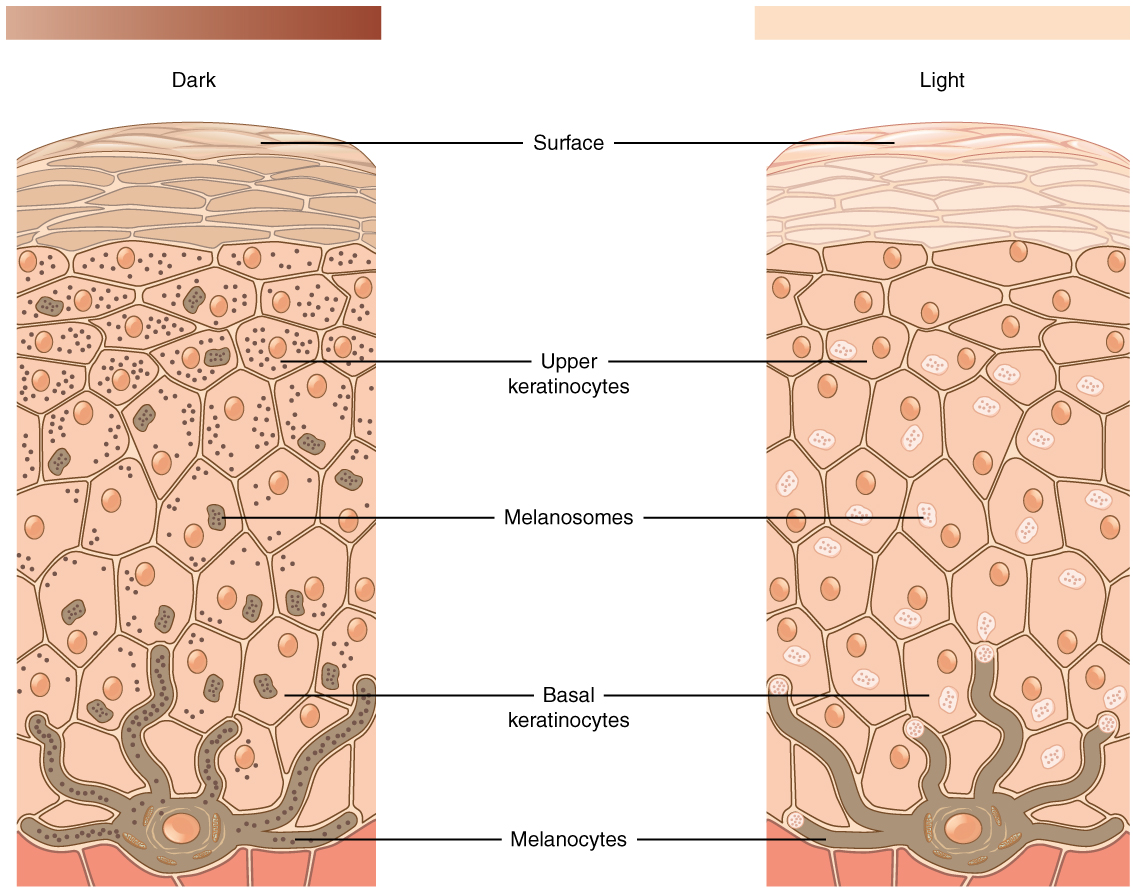
Microscopic image illustrating the germinal layer of a horn and the production of keratin
Several key genes are involved in regulating horn development. BMP (Bone Morphogenetic Protein) signaling plays a crucial role in initiating and shaping the bony core. Other genes, such as those involved in keratin production and dermal development, contribute to the formation of the keratin sheath. Mutations in these genes can lead to abnormalities in horn development, ranging from stunted growth to misshapen horns.
Recent research has focused on identifying the specific genetic switches that control horn size and shape. Scientists are using techniques like genome-wide association studies (GWAS) to identify genetic variants that are associated with horn traits in different species. This research is not only providing insights into the evolutionary history of horns but also has potential applications in livestock breeding, allowing farmers to selectively breed animals with desirable horn characteristics.
The developmental process is also influenced by hormonal factors. Testosterone, for example, plays a role in promoting horn growth in males. This explains why horns are often larger and more developed in males than in females. However, the extent of sexual dimorphism (differences in horn characteristics between males and females) varies considerably among species. In some species, like oryx, both males and females have prominent horns, while in others, like bighorn sheep, horns are primarily a male trait.
Horns vs. Antlers vs. Ossicones: Understanding the Differences
The world of headgear in the animal kingdom is surprisingly diverse. While we’ve focused on horns, it’s crucial to distinguish them from other similar structures, namely antlers and ossicones. Confusing these structures is a common mistake, so let’s break down the key differences.
Antlers, found in members of the Cervidae family (deer, elk, moose, caribou), are fundamentally different from horns. Antlers are bony structures that shed and regrow annually. They are covered in a velvety skin during growth, which provides nutrients and blood supply. Once fully grown, the velvet dries and is rubbed off, leaving behind the polished bone. Antlers are primarily used for male-male competition during the breeding season. Their annual regrowth makes them a remarkable example of regenerative biology.
Ossicones, on the other hand, are found in Giraffidae (giraffes and okapi). Ossicones are bony structures covered in skin and fur, and they are permanent, like horns. However, unlike horns, ossicones are formed from ossified cartilage, not directly from the frontal bone of the skull. They are present in both males and females, and their function is not fully understood, but they likely play a role in social signaling and thermoregulation.
Here’s a quick summary table:
| Feature | Horns | Antlers | Ossicones |
|---|---|---|---|
| Composition | Bony core + Keratin | Bone | Ossified Cartilage |
| Shedding | Permanent | Shed Annually | Permanent |
| Velvet | No | Yes (during growth) | No |
| Family | Bovidae | Cervidae | Giraffidae |
| Growth | Continuous | Annual Regrowth | Permanent |
Understanding these distinctions is vital for accurately interpreting the evolutionary history and functional significance of these structures. The convergence of these different headgear types – horns, antlers, and ossicones – highlights the power of natural selection to arrive at similar solutions to similar challenges in different lineages of animals with horns and related species. Each structure represents a unique evolutionary pathway, shaped by the specific ecological pressures faced by each group of animals. The study of these differences continues to reveal fascinating insights into the adaptive radiation of mammals and the intricate relationship between form and function in the natural world.
Horns in the Animal Kingdom: A Regional Exploration
The sheer diversity of life on Earth is breathtaking, and nowhere is this more apparent than in the incredible array of animals with horns. These magnificent structures, born of bone and keratin, aren’t simply decorative; they are testaments to millions of years of evolution, sculpted by the pressures of survival, reproduction, and the unique demands of each environment. To truly appreciate the majesty and mystery of horns, we must embark on a journey across the globe, exploring the horned giants and wonders that inhabit each region. This isn’t just a catalog of species, but a glimpse into the ecological stories woven into the very shape and purpose of these remarkable appendages.
African Horned Giants: Rhinos, Wildebeest, and More
Africa, the cradle of humankind, is also home to some of the most iconic animals with horns on the planet. Perhaps the most recognizable is the rhinoceros, a creature whose very existence is tragically intertwined with the demand for its horn.

There are five species of rhino – black, white, greater one-horned, Javan, and Sumatran – each facing varying degrees of threat. Their horns, composed entirely of keratin, are not attached to the skull like those of most horned mammals, but rather grow from a dermal papilla, a specialized area of skin. This unique structure means they can be broken off, but will continue to grow throughout the rhino’s life. The myth that rhino horn possesses medicinal properties fuels a devastating illegal trade, pushing these magnificent creatures towards extinction.
Beyond the rhino, the African savanna teems with other horned species. The African buffalo, a formidable herbivore, boasts impressive curved horns that form a bony shield across its forehead. These horns aren’t just for show; they are used in fierce battles for dominance within the herd and as a crucial defense against predators like lions. Buffalo are known for their cooperative defense strategies, forming a protective circle around vulnerable members when threatened.
The wildebeest, with their distinctive lyre-shaped horns, are another iconic African species. While not as imposing as those of the rhino or buffalo, wildebeest horns play a vital role in establishing social hierarchies and during the dramatic mating season. The annual Great Migration, where millions of wildebeest traverse the Serengeti and Maasai Mara ecosystems, is a spectacle of nature driven, in part, by the need to find suitable grazing lands and secure mating opportunities. Even the smaller gazelles and impala of Africa possess elegant, often spiraled horns used for similar purposes – asserting dominance and attracting mates. The diversity of horn shapes and sizes within Africa reflects the varied ecological niches these animals occupy.
Eurasian Horned Wonders: Ibex, Gazelles, and Cattle
Moving eastward, across the vast landscapes of Eurasia, we encounter a different suite of horned marvels. The mountainous regions of Europe and Asia are home to the ibex, a wild goat renowned for its incredible climbing abilities and spectacular, backward-curving horns.

Male ibex horns can grow to over a meter in length, and are used in dramatic head-to-head clashes to establish dominance and win access to females. The size and shape of an ibex’s horns are often indicators of its age, health, and social status.
The Eurasian steppes and grasslands support a variety of gazelles, each adapted to its specific environment. The Saiga antelope, with its bizarre, bulbous nose, is a particularly unique example. While its nose is its most striking feature, the Saiga also possesses short, translucent horns that are used in intraspecies competition. Sadly, the Saiga has suffered catastrophic population declines in recent years due to disease and poaching.
Perhaps the most widespread and influential horned animal in Eurasia is cattle. Domesticated from the aurochs, an extinct wild ancestor, cattle have been selectively bred for millennia, resulting in a remarkable diversity of breeds, each with its own unique horn characteristics. From the long, sweeping horns of the Scottish Highland cattle to the smaller, more compact horns of other breeds, cattle horns have served various purposes throughout history – defense, social signaling, and even as tools for managing livestock. The story of Eurasian horned animals is a story of adaptation, resilience, and the profound impact of human interaction.
North American Horned Species: Bighorn Sheep, Bison, and Pronghorn
North America, a continent of vast plains, rugged mountains, and diverse ecosystems, boasts its own impressive array of animals with horns. The bighorn sheep, a symbol of the American West, is perhaps the most iconic. Male bighorn sheep, known as rams, possess massive, curled horns that can weigh up to 30 pounds. These horns are used in spectacular displays of dominance, where rams charge at each other at speeds of up to 30 mph, the impact reverberating through the mountains. The size and curl of a ram’s horns are indicators of its age, health, and social standing.
The American bison, another iconic North American species, also possesses horns, though they are shorter and more curved than those of the bighorn sheep. Bison horns are used for defense against predators, for digging through snow to access forage, and for establishing dominance within the herd. The near-extinction of the bison in the 19th century, driven by overhunting, is a stark reminder of the vulnerability of even the most seemingly robust species.
The pronghorn, often mistakenly called an antelope, is a unique North American ungulate with a distinctive horn structure.

Pronghorn possess horns that are shed annually, making them more akin to antlers than true horns. However, the pronghorn’s horn structure is unique in that it has a keratinous sheath that is permanently attached to a bony core. Pronghorn are renowned for their incredible speed and endurance, and their horns play a role in both intraspecies competition and predator avoidance.
South American Horned Fauna: Guanacos and Vicuñas
South America, with its towering Andes Mountains and vast grasslands, is home to a more limited, but equally fascinating, array of horned animals. The guanaco and vicuña, both members of the camelid family, are the most prominent examples. These elegant animals are closely related to the llama and alpaca, and are adapted to the harsh conditions of the high Andes.

Both guanacos and vicuñas possess horns that are used for defense and intraspecies competition. Vicuña horns are generally smaller and more slender than those of the guanaco. The vicuña’s fine wool is highly prized, and the species has been subject to overexploitation in the past. Conservation efforts have helped to stabilize vicuña populations, but they remain vulnerable to poaching.
Australian Horned Animals: Water Buffalo and Unique Species
Australia’s unique fauna presents a slightly different picture when it comes to horned animals. The water buffalo, introduced to Australia from Asia, is the most prominent horned species.

These massive animals have adapted well to the Australian environment, and are now found in large numbers in northern Australia. Water buffalo horns are used for defense and for establishing dominance within the herd.
While Australia doesn’t have a large number of native horned mammals, some species, like certain species of goats that have become feral, exhibit horns. The story of horned animals in Australia is largely a story of introduction and adaptation, highlighting the complex interplay between human activity and the natural world.
The global distribution of animals with horns is a testament to the power of evolution and the remarkable adaptability of life on Earth. Each region boasts its own unique horned species, shaped by the specific environmental pressures and ecological interactions of that area. Understanding these regional variations is crucial for effective conservation efforts and for appreciating the full majesty and mystery of these magnificent creatures.
The Diverse Purposes of Horns
Horns. They evoke images of power, majesty, and a primal connection to the wild. But beyond their striking appearance, horns are testaments to the incredible adaptability of animals with horns, serving a multitude of purposes crucial for survival and propagation. To simply say they’re for “fighting” or “defense” feels… reductive. It’s like saying a Swiss Army knife is just for cutting. The reality is far more nuanced, a beautiful interplay of evolutionary pressures shaping these remarkable structures. Let’s delve into the fascinating world of horn functionality, exploring how these bony protrusions have become integral to the lives of countless species.
Defense Against Predators: A Primary Function
The most immediately obvious purpose of horns is, undoubtedly, defense. In a world teeming with predators, the ability to ward off an attack can be the difference between life and death. This isn’t always about a direct, head-to-head confrontation. Often, the mere presence of horns acts as a deterrent. A predator assessing a potential meal will likely think twice before targeting an animal equipped with such formidable weaponry.

A powerful African buffalo uses its horns to fend off a lion showcasing the defensive capabilities of these structures
Consider the African buffalo, a prime example of this defensive strategy. Their massive, curved horns, fused at the base to form a bony shield called a “boss,” aren’t just for show. They’re used to deliver devastating blows to lions, leopards, and even crocodiles. Buffalo are renowned for their collective defense, forming a protective circle around vulnerable members of the herd and charging at any perceived threat. The horns become extensions of their collective will to survive.
But defense isn’t always about brute force. The oryx, inhabiting the harsh deserts of Africa, utilizes its long, straight horns for a more subtle form of protection. These horns are incredibly sharp and are used to stab at predators attempting to bring them down. The oryx’s ability to quickly and accurately deploy these weapons, combined with its incredible stamina, makes it a challenging target. Even the angle and shape of the horns can play a role, deflecting attacks and creating distance. The rhinoceros, with its iconic horn (composed of keratin, not bone!), relies on powerful charges and sweeping motions to deter predators. While often targeted for their horns, these animals are far from defenseless. The effectiveness of horns as a defensive mechanism is also influenced by the predator’s hunting style. Against ambush predators, horns provide a quick reaction defense, while against pursuit predators, they can be used to maintain distance and wear down the attacker.
Intraspecies Combat: Establishing Dominance and Territory
While defending against external threats is vital, horns also play a crucial role in the internal dynamics of animal populations. Intraspecies combat, particularly among males, is a common occurrence, driven by the need to establish dominance and secure access to mating opportunities and valuable resources. This is where the spectacle of horn-locking truly comes into its own.
The Bighorn sheep of North America provides a breathtaking illustration of this behavior. During the breeding season, known as the “rut,” male rams engage in intense battles, repeatedly crashing their massive, curled horns together. These clashes aren’t about inflicting serious injury (though injuries do occur). Instead, they’re about demonstrating strength, stamina, and determination. The sound of the impact reverberates through the mountains, a clear signal of dominance. The ram who can withstand the force of the collisions and maintain his footing is typically the one who wins the right to mate with the females. The size and shape of the horns are often indicators of a ram’s age, health, and genetic quality, making them valuable signals in these contests.
Similar displays of horn-based combat can be observed in species like the ibex and the markhor. The spiraled horns of the markhor, in particular, are perfectly adapted for these clashes, providing both leverage and protection. The battles aren’t always about direct collisions. Sometimes, rams will engage in “sideways” clashes, attempting to unbalance their opponent. The outcome of these contests can have significant consequences for the future of the population, as successful males pass on their genes to the next generation. The energy expenditure during these fights is immense, highlighting the importance of physical condition and horn strength.
Mate Attraction: Displaying Fitness and Genetic Quality
The role of horns extends beyond simply winning fights; they also serve as a powerful signal of fitness and genetic quality to potential mates. In many species, females prefer to mate with males who possess larger, more symmetrical, and well-maintained horns. This preference isn’t arbitrary. Horns are a reliable indicator of a male’s overall health, nutritional status, and ability to survive.

A magnificent Kudu male displays his impressive spiraled horns attracting the attention of a female during the breeding season
The kudu of Southern and Eastern Africa exemplifies this principle. Male kudus boast spectacular spiraled horns that can reach over 1.5 meters in length. Females carefully assess the size and shape of these horns when choosing a mate. A male with impressive horns demonstrates that he has access to sufficient resources, is free from disease, and is capable of defending himself and his offspring. The horns essentially act as a visual resume, showcasing the male’s genetic worth.
This “handicap principle” suggests that only the strongest and most capable males can afford to grow and maintain such elaborate ornaments. The energy investment required to develop large horns is significant, and only individuals in peak condition can successfully bear this cost. Therefore, the horns serve as an honest signal of quality, assuring females that they are choosing a mate who will produce healthy and vigorous offspring. Even the color and texture of the horns can contribute to their attractiveness, indicating the male’s overall health and vitality. The display of horns during courtship rituals often involves elaborate posturing and movements, further emphasizing their importance in mate selection.
Thermoregulation and Sensory Functions: Beyond Combat and Defense
While combat and attraction are prominent roles, the functions of horns aren’t limited to these areas. Emerging research suggests that horns can also play a role in thermoregulation and sensory functions, adding another layer of complexity to their purpose.

A Yak utilizes its horns to help regulate body temperature in the harsh environment of the Tibetan Plateau
The yak, inhabiting the frigid Tibetan Plateau, provides a compelling example of thermoregulation. The yak’s horns are highly vascularized, meaning they contain a network of blood vessels. This allows the yak to dissipate excess body heat through its horns, helping to prevent overheating in the intense high-altitude sun. The large surface area of the horns facilitates heat exchange with the surrounding air.
Furthermore, some researchers believe that horns may enhance sensory perception. The bony core of the horn is connected to the skull and may amplify vibrations, allowing animals to detect subtle sounds or changes in their environment. This could be particularly useful for detecting approaching predators or locating potential mates. The horns may also contain specialized nerve endings that detect changes in air pressure or temperature. While this area of research is still developing, it suggests that horns may be more than just weapons and ornaments; they may also be sophisticated sensory organs. The shape and orientation of the horns could also influence their ability to capture and direct sound waves.
Tool Use and Environmental Adaptation: Unexpected Roles
Perhaps the most surprising function of horns is their potential use as tools and aids in environmental adaptation. While not widespread, there are instances where animals have been observed utilizing their horns in ways that go beyond the typical defensive or competitive behaviors.
Water buffalo, for example, have been observed using their horns to clear vegetation, creating pathways through dense undergrowth. This behavior allows them to access food sources and navigate their environment more efficiently. They may also use their horns to dig for roots and tubers. The gaur (Indian bison) has been observed using its horns to scrape bark off trees, potentially to access nutrients or minerals.
These examples suggest that horns may be more versatile than previously thought. The shape and strength of the horns can be adapted to specific environmental challenges, allowing animals to exploit resources and survive in diverse habitats. The ability to learn and adapt tool-use behaviors is a sign of intelligence and cognitive flexibility. Further research is needed to fully understand the extent to which animals with horns utilize their horns as tools, but these observations offer a fascinating glimpse into the potential for behavioral innovation. The horns, in these instances, become extensions of the animal’s problem-solving abilities, demonstrating the remarkable adaptability of life on Earth.
Horns and Human Interaction
Cultural Significance: Horns in Mythology and Art
The presence of animals with horns has resonated deeply within human cultures for millennia, weaving its way into mythology, religious symbolism, and artistic expression. It’s a testament to the sheer power and mystique these creatures – and their distinctive adornments – evoke. From ancient cave paintings depicting aurochs, the wild ancestors of modern cattle, to elaborate headdresses worn by tribal leaders, horns have consistently represented strength, virility, and a connection to the natural world.
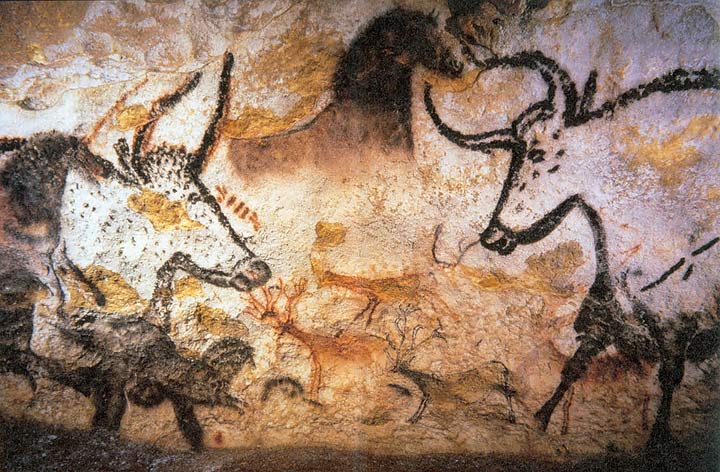
Aurochs depicted in the Lascaux cave paintings showcasing the early human fascination with horned animals
Consider the Minoan civilization of Crete, where the bull – and by extension, its horns – held immense religious significance. The iconic “bull-leaping” frescoes, found at the palace of Knossos, depict acrobats fearlessly vaulting over charging bulls, a ritual believed to be connected to fertility and the divine. The horns themselves weren’t merely anatomical features; they were symbols of power, representing the bull’s untamed energy and connection to the earth. This reverence for horned animals extended beyond Crete, influencing the mythology of ancient Greece, where the Minotaur – a creature with the body of a man and the head of a bull – became a terrifying symbol of primal instinct and the labyrinthine complexities of the human psyche.
In Norse mythology, the mead of poetry, a drink that bestowed wisdom and eloquence, was said to be contained within the skull of a wise boar, a creature often depicted with prominent tusks that can be seen as analogous to horns. The horns of Odin’s ravens, Huginn and Muninn (Thought and Memory), are often interpreted as symbols of his far-reaching knowledge and ability to perceive the world. The imagery of horned deities and spirits is prevalent across numerous cultures. Cernunnos, the Celtic horned god, is a prime example, often depicted with antlers (closely related to horns in symbolic meaning) and associated with fertility, animals, and the forest. His image speaks to a deep-seated reverence for the natural world and the power of the animal kingdom.
The artistic representation of horns isn’t limited to religious or mythological contexts. Throughout history, horns have been incorporated into secular art as symbols of status, wealth, and hunting prowess. Medieval tapestries often featured scenes of noble hunts, showcasing the magnificent horns of stags and boars as trophies of skill and courage. In still life paintings, horns were sometimes included as memento mori, reminders of mortality and the fleeting nature of life. Even today, the image of horns continues to inspire artists, appearing in everything from contemporary sculpture to graphic design. The sheer visual impact of a well-formed horn – its curves, textures, and imposing presence – makes it a compelling subject for artistic exploration. The symbolism, however, remains potent, often evoking themes of wildness, freedom, and untamed beauty. The enduring appeal of animals with horns in art is a testament to their lasting cultural significance.
The Impact of Hunting and Poaching on Horned Animals
The very qualities that make horns so culturally significant – their imposing presence and perceived value – have also made animals with horns tragically vulnerable to human exploitation. For centuries, hunting, driven by sport, subsistence, or the demand for trophies, has exerted a significant pressure on horned animal populations. However, in recent decades, the rise of illegal poaching, fueled by the lucrative black market for horn-based products, has pushed many species to the brink of extinction.
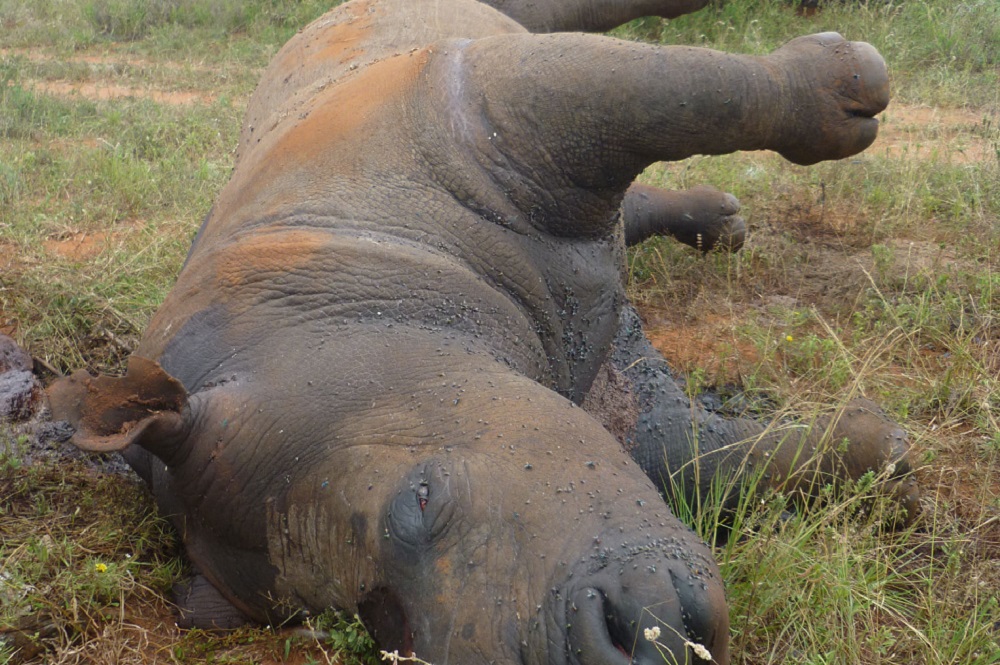
A heartbreaking scene of a rhino poached for its horn in Africa
The most notorious example is the plight of the rhinoceros. Rhino horns, composed of keratin, are falsely believed in some cultures to possess medicinal properties, particularly in traditional Asian medicine. This unfounded belief has driven a relentless demand for rhino horn, leading to a catastrophic decline in rhino populations across Africa and Asia. Despite overwhelming scientific evidence debunking these claims, the demand persists, and poachers continue to slaughter rhinos at an alarming rate. The situation is particularly dire for the critically endangered black rhino and Javan rhino, both of which face imminent extinction if poaching isn’t effectively curbed.
But the impact of hunting and poaching isn’t limited to rhinos. Species like the Saiga antelope, with its distinctive, drooping nose and unique horns, have suffered devastating population crashes due to illegal hunting for their horns, which are used in traditional Chinese medicine. Similarly, the Markhor, a majestic wild goat found in Central Asia, has been heavily hunted for its impressive, spiraled horns, leading to significant declines in its range and numbers. Even species like the Bighorn sheep in North America have been impacted by trophy hunting, although regulated hunting programs can, in some cases, contribute to conservation efforts when managed sustainably.
The consequences of these activities extend far beyond the loss of individual animals. The removal of horned animals from ecosystems can have cascading effects, disrupting food webs, altering vegetation patterns, and impacting other species. For example, the decline of large herbivores like wildebeest, which rely on their horns for defense and social interaction, can lead to changes in grassland ecosystems, affecting the availability of food and habitat for other animals. The illegal wildlife trade also fuels corruption, undermines the rule of law, and poses a threat to national security in many countries. Addressing the issue requires a multifaceted approach, including strengthening law enforcement, reducing demand for horn-based products, and empowering local communities to participate in conservation efforts. The future of animals with horns hinges on our ability to confront this crisis head-on.
Conservation Efforts: Protecting Horned Species for the Future
Recognizing the dire threats facing horned animals, a global network of conservation organizations, governments, and local communities are working tirelessly to protect these magnificent creatures and their habitats. These efforts encompass a wide range of strategies, from anti-poaching patrols and habitat restoration to community-based conservation programs and international collaborations.

Armed antipoaching rangers patrolling a rhino sanctuary in Africa
One of the most critical components of conservation is anti-poaching efforts. This involves deploying well-trained and equipped rangers to patrol protected areas, monitor animal populations, and intercept poachers. Advanced technologies, such as drones, camera traps, and GPS tracking, are increasingly being used to enhance surveillance and improve the effectiveness of anti-poaching operations. However, simply arresting poachers isn’t enough. Addressing the root causes of poaching – poverty, lack of economic opportunities, and demand for horn-based products – is essential for long-term success.
Habitat restoration is another crucial aspect of conservation. Many horned animal populations have declined due to habitat loss and degradation, caused by deforestation, agricultural expansion, and infrastructure development. Restoring degraded habitats, creating wildlife corridors, and establishing protected areas are vital for providing animals with the space and resources they need to thrive. This often involves working with local communities to promote sustainable land-use practices and reduce human-wildlife conflict.
Community-based conservation programs are gaining increasing recognition as a powerful tool for protecting horned animals. These programs empower local communities to become stewards of their natural resources, providing them with economic incentives to conserve wildlife. This can involve ecotourism initiatives, sustainable agriculture projects, and community-based anti-poaching patrols. By involving local communities in conservation efforts, we can ensure that they benefit directly from the protection of horned animals, fostering a sense of ownership and responsibility.
International collaborations are also essential for addressing the global challenges facing horned animals. The Convention on International Trade in Endangered Species (CITES) plays a crucial role in regulating the trade of endangered species, including those targeted for their horns. International organizations like the World Wildlife Fund (WWF) and the International Union for Conservation of Nature (IUCN) provide funding, technical expertise, and advocacy support to conservation efforts around the world. Raising awareness about the plight of animals with horns and mobilizing public support are also vital for driving change. The fight to protect these iconic creatures is far from over, but with continued dedication, innovation, and collaboration, we can ensure that future generations will have the opportunity to marvel at their majesty and mystery.
The Future of Horns: Adaptation and Change
The story of horns isn’t etched in stone, a static tale of evolutionary success. It’s a dynamic narrative, constantly being rewritten by the forces of nature, and increasingly, by the hand of humanity. To contemplate the future of horns is to delve into the complex interplay of climate change, evolutionary pressures, and the relentless pursuit of scientific understanding. It’s a future that, while uncertain, promises to be as fascinating as the history of these remarkable structures.
Climate Change and its Effect on Horn Development
The looming shadow of climate change casts a long and potentially disruptive influence over the animal kingdom, and animals with horns are no exception. The effects aren’t likely to be uniform; rather, they’ll manifest in subtle, yet significant, ways, impacting horn development, growth rates, and even the very selective pressures that favor certain horn morphologies.
One of the most pressing concerns is the alteration of habitats. As temperatures rise and rainfall patterns shift, the availability of essential nutrients – minerals like calcium and phosphorus crucial for bone and keratin formation – will fluctuate. This could lead to horns that are weaker, more brittle, or grow at a slower rate. Imagine a population of bighorn sheep struggling to acquire sufficient calcium in a drought-stricken landscape. Their horns, normally a symbol of strength and dominance, might become more prone to breakage during the intense mating battles that define their social structure.
Furthermore, changes in vegetation patterns will impact the diet of many horned animals. A shift from nutrient-rich grasses to less palatable shrubs could indirectly affect horn development. The energy expenditure required to digest lower-quality food might divert resources away from horn growth, resulting in smaller or less elaborate horns. This is particularly relevant for species like the African buffalo, whose horns are integral to their defense against predators and their ability to compete for resources.
The impact extends beyond mere physical changes. Altered climates can also disrupt breeding cycles and migration patterns. If mating seasons are thrown off balance, the timing of horn growth might become mismatched with peak nutritional availability, leading to suboptimal development. Consider the markhor, whose spiraled horns are a testament to its genetic fitness. If climate change disrupts the timing of their rutting season, the quality of those horns could decline, potentially impacting their mating success.
We also need to consider the increased frequency of extreme weather events – droughts, floods, and heatwaves. These events can cause physiological stress in animals, diverting energy away from non-essential functions like horn growth. A prolonged drought, for example, could lead to stunted horn development in young animals, leaving them vulnerable to predators and less competitive in the long run. The resilience of animals with horns will be tested as never before.
Evolutionary Trends: What Does the Future Hold?
Predicting the future of evolution is a notoriously difficult task, but by examining current trends and applying principles of natural selection, we can begin to speculate about the potential trajectories of horn evolution. The key lies in understanding how changing environmental pressures will shape the traits that confer a survival and reproductive advantage.
One potential trend is a reduction in horn size. In a warmer world, thermoregulation will become increasingly important. Larger horns, while offering advantages in combat and display, can also increase an animal’s heat load. Smaller, more streamlined horns might be favored in environments where minimizing heat absorption is crucial. This isn’t to say that horns will disappear entirely, but we might see a shift towards more compact and efficient designs.
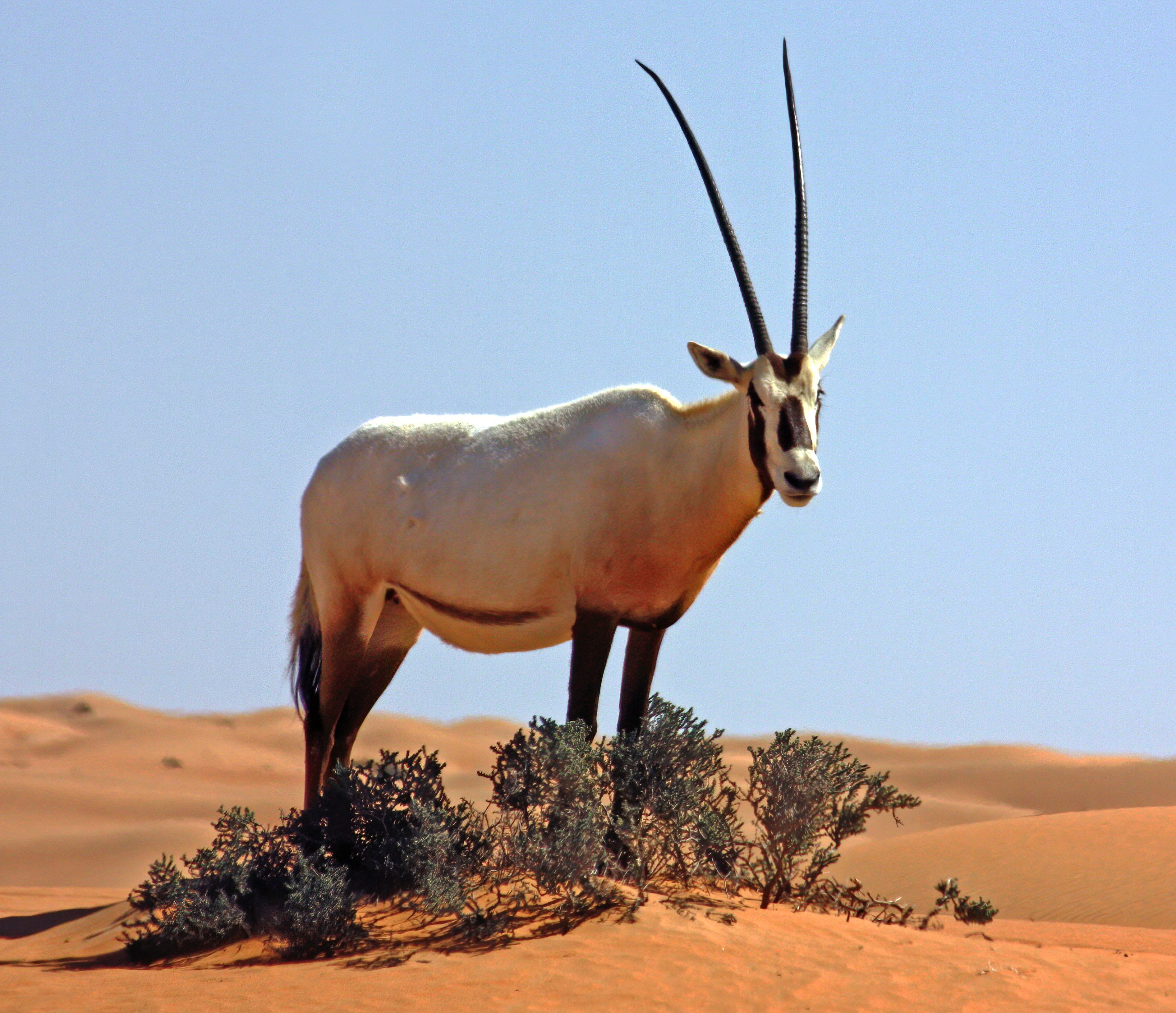
A hypothetical illustration of an oryx population evolving smaller horns in response to increasing desert temperatures
Another possibility is a change in horn shape. In areas experiencing increased predation pressure, we might see the evolution of horns that are more effective for defense – sharper, more pointed, or positioned in a way that provides better protection. Conversely, in environments where intraspecies competition is less intense, horns might become less elaborate, focusing instead on sensory functions or display.
The concept of evolutionary trade-offs is also crucial. Horns are energetically expensive to grow and maintain. In a resource-limited environment, animals might need to prioritize other traits – such as disease resistance or reproductive capacity – over horn development. This could lead to a decline in horn quality or even a loss of horns altogether in some species.
Interestingly, we might also see instances of convergent evolution, where unrelated species independently evolve similar horn morphologies in response to similar environmental pressures. For example, if multiple species in a particular region face increased predation from a new predator, they might all evolve sharper, more defensive horns.
The future of horns isn’t just about physical changes. It’s also about behavioral adaptations. Animals might learn to use their horns in new ways to cope with changing conditions – for digging for water, for stripping bark from trees, or for manipulating their environment in other ways. The plasticity of animal behavior is often underestimated, and it could play a significant role in shaping the future of horns.
The study of animals with horns provides a unique window into the power of natural selection. By observing how these animals respond to the challenges of a changing world, we can gain valuable insights into the fundamental processes that drive evolution.
The Ongoing Research into Horn Biology and Behavior
The scientific community is actively engaged in unraveling the mysteries of horn biology and behavior, and this research is crucial for understanding the future of these remarkable structures. Advances in genetics, developmental biology, and behavioral ecology are providing new insights into the complex interplay of factors that govern horn development and function.
One area of intense research is the genetic basis of horn growth. Scientists are identifying the genes that control horn size, shape, and composition. This knowledge could be used to predict how populations of horned animals will respond to climate change and other environmental pressures. Furthermore, understanding the genetic basis of horn development could help us to identify and protect populations that are particularly vulnerable to extinction.
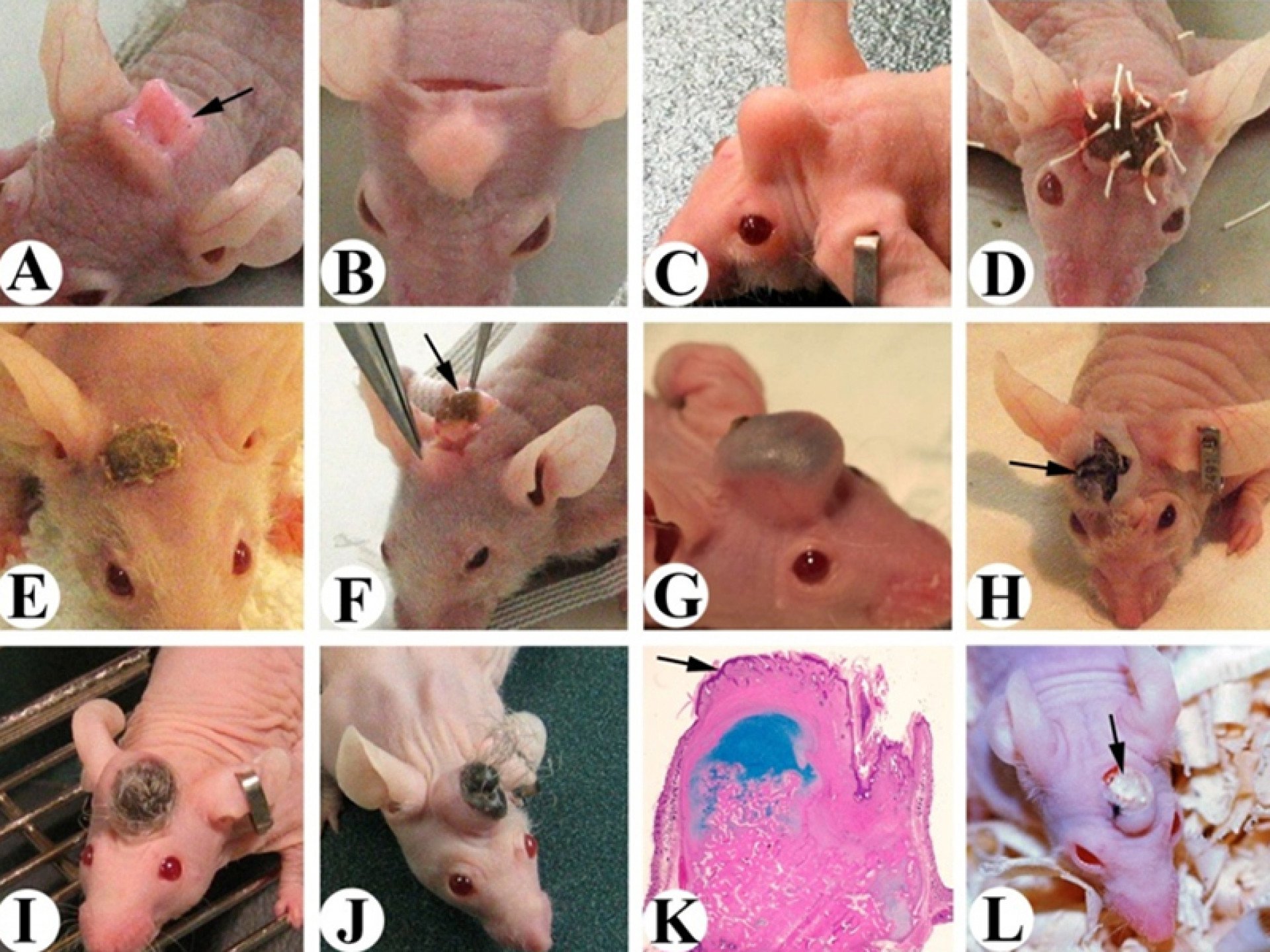
Researchers analyzing horn tissue samples in a laboratory setting highlighting the ongoing scientific investigation into horn biology
Developmental biology is also shedding light on the processes that govern horn formation. Researchers are studying how hormones, growth factors, and other signaling molecules regulate the growth and differentiation of cells in the developing horn bud. This knowledge could be used to develop interventions to mitigate the negative effects of environmental stressors on horn development.
Behavioral ecologists are investigating how horns are used in social interactions – in combat, in courtship, and in defense. They are studying the signals that horns convey and how these signals influence the behavior of other animals. This research is helping us to understand the evolutionary pressures that have shaped horn morphology and behavior.
The use of advanced technologies – such as 3D scanning, isotope analysis, and GPS tracking – is revolutionizing the study of horns. 3D scanning allows researchers to create detailed models of horn shapes, which can be used to analyze their biomechanical properties and to track changes over time. Isotope analysis can reveal information about an animal’s diet and habitat, providing insights into the factors that influence horn development. GPS tracking allows researchers to monitor the movements of animals and to study how they use their horns in different environments.
The collaborative efforts of scientists around the world are essential for addressing the challenges facing animals with horns. By sharing data, expertise, and resources, we can accelerate the pace of discovery and develop effective conservation strategies. The future of horns depends on our ability to understand these magnificent structures and to protect the animals that bear them. The continued study of these creatures is not merely an academic pursuit; it’s a vital step in safeguarding biodiversity and ensuring the enduring legacy of these iconic symbols of the natural world.
A Lasting Legacy: The Enduring Symbolism of Horns
Horns, those magnificent protrusions adorning the heads of a diverse array of creatures, have captivated humanity for millennia. Beyond their biological functions – defense, mating rituals, and territorial displays – horns have woven themselves into the very fabric of human culture, mythology, and art. They represent power, nobility, virility, and even spiritual connection, echoing through the ages in stories, symbols, and artistic expressions. To understand the true significance of animals with horns, we must delve into this rich tapestry of symbolism, exploring how these remarkable structures have shaped our perceptions and beliefs.
Horns in Ancient Mythology and Religion
The reverence for horned figures stretches back to the earliest civilizations. In ancient Mesopotamia, deities were often depicted with horns, symbolizing their power and divine authority. The bull, with its imposing horns, was a particularly potent symbol, representing strength, fertility, and even the storm god.
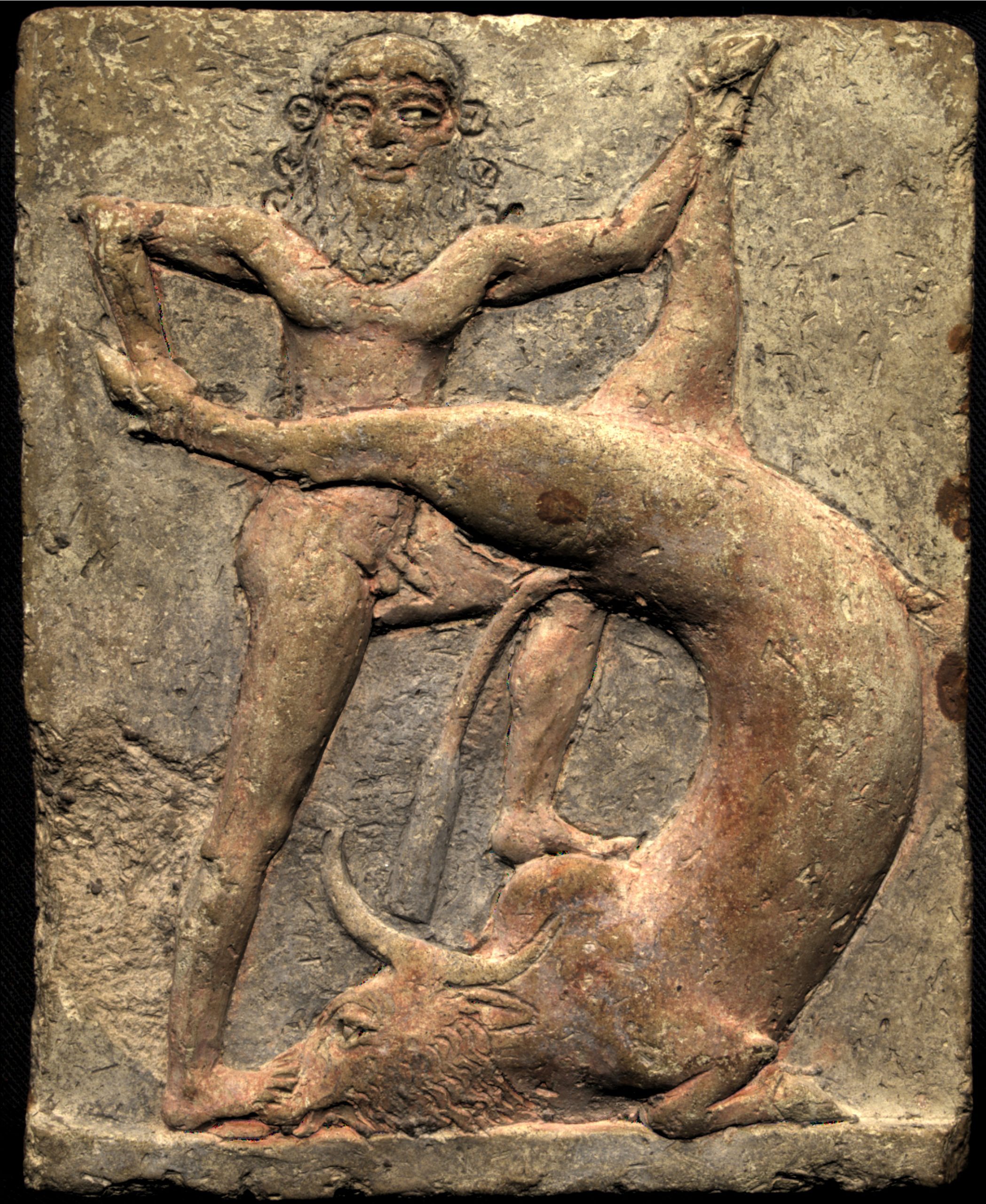
The crescent-shaped horns of the bull were often associated with the moon, further enhancing its mystical significance.
Similarly, in ancient Egypt, the goddess Hathor was frequently portrayed with cow horns, sometimes enclosing a sun disk. This imagery linked her to motherhood, nourishment, and the life-giving power of the sun. The horns weren’t merely decorative; they were integral to her identity and the attributes she embodied.
The Minoan civilization of Crete also held the bull in high esteem, as evidenced by the famous bull-leaping frescoes found at Knossos. These depictions suggest a ritualistic significance, perhaps involving a test of courage or a symbolic representation of dominance. The horns of the bull were central to these ceremonies, representing both the animal’s power and the skill of the participants.
In Greek mythology, the Amalthea, the goat who nursed the infant Zeus, possessed a broken horn that miraculously always refilled with whatever its owner desired. This “Horn of Plenty,” or cornucopia, became a symbol of abundance, prosperity, and nourishment, a legacy that continues to this day.
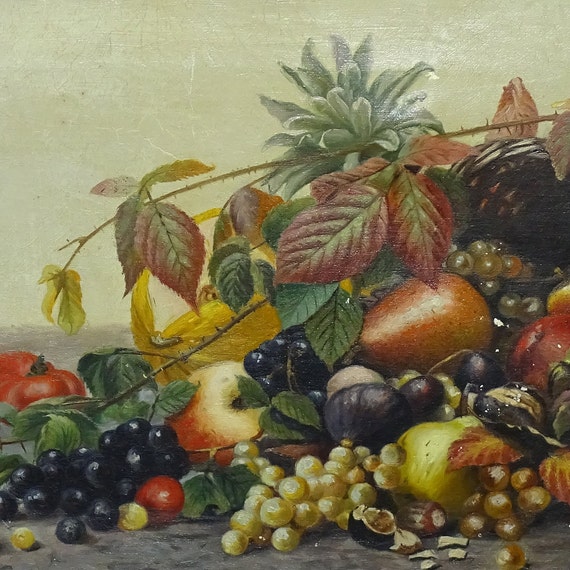
The association of horns with plenty and good fortune highlights the positive connotations they held in ancient cultures.
Horns as Symbols of Power and Nobility
Throughout history, horns have been consistently linked to power, nobility, and leadership. In many cultures, wearing or possessing horns – or representations of them – was a sign of status and authority.
The Vikings, renowned for their seafaring prowess and warrior culture, adorned their helmets with horns (though historical evidence suggests this is a later romanticized depiction). Regardless of its historical accuracy, the image of the horned Viking warrior has become deeply ingrained in popular culture, symbolizing strength, ferocity, and a connection to the wild.
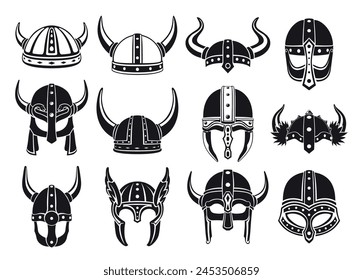
Medieval European heraldry frequently incorporated horned animals, such as the stag and the bull, into coats of arms. The stag, with its majestic antlers (often mistakenly referred to as horns), represented nobility, grace, and leadership. The bull, on the other hand, symbolized courage, strength, and determination. These symbols were carefully chosen to convey the values and attributes of the families or individuals they represented.
Even in modern times, the imagery of horned animals continues to evoke a sense of power and authority. The use of bull imagery in advertising and branding often aims to convey strength, reliability, and a sense of unwavering determination.
Horns in Art and Literature
The artistic representation of animals with horns is as diverse as the animals themselves. From prehistoric cave paintings depicting aurochs (wild cattle) with impressive horns to contemporary sculptures celebrating the beauty and power of these creatures, horns have consistently served as a focal point for artistic expression.
Cave paintings in Lascaux, France, dating back over 17,000 years, feature remarkably detailed depictions of aurochs, showcasing their massive horns. These paintings suggest that these animals held significant cultural or spiritual importance for the people who created them.

In Renaissance art, the stag hunt was a popular subject, often depicted with dramatic flair and symbolism. The stag, with its magnificent antlers, represented Christ in some interpretations, while the hunt itself symbolized the struggle between good and evil.
In literature, horns often serve as metaphors for strength, resilience, and even vulnerability. Shakespeare frequently used animal imagery, and horns – or the lack thereof – could be employed to convey character traits or symbolic meaning.
The enduring appeal of horned animals in art and literature speaks to their inherent visual impact and the rich symbolic associations they carry.
The Darker Side of Horn Symbolism: The Devil and the Beast
While horns often represent positive attributes, they also have a darker side, associated with the demonic and the monstrous. In Judeo-Christian tradition, the Devil is frequently depicted with horns, a visual representation of his power, wickedness, and defiance of God. This association likely stems from the ancient Near Eastern depictions of horned deities, which were later demonized by monotheistic religions.

The “Beast” described in the Book of Revelation is also depicted with horns, symbolizing its power and destructive nature. This imagery has been used throughout history to represent tyrannical rulers, oppressive regimes, and the forces of evil.
The association of horns with the demonic has contributed to a sense of fear and superstition surrounding these animals, particularly in cultures influenced by Judeo-Christian beliefs.
Horns in Contemporary Culture and Conservation
Today, the symbolism of horns continues to evolve. While the traditional associations with power and nobility persist, there is also a growing awareness of the plight of animals with horns facing threats from poaching and habitat loss.
The illegal trade in rhino horn, driven by unfounded beliefs in its medicinal properties, has pushed these magnificent creatures to the brink of extinction. The symbolism of the horn has been tragically twisted, transforming it from a symbol of life and vitality into a commodity fueling a destructive and unsustainable industry.
Conservation efforts are increasingly focused on challenging these harmful beliefs and protecting these vulnerable species. Raising awareness about the ecological importance of horned animals and the cultural significance of their horns is crucial to ensuring their survival.
The image of the horn, once a symbol of power and majesty, now serves as a poignant reminder of the fragility of our natural world and the urgent need for conservation. The legacy of horns is not just one of mythology and art, but also one of responsibility and stewardship.
The enduring symbolism of horns is a testament to their profound impact on the human imagination. From ancient deities to modern conservation efforts, these remarkable structures continue to inspire, challenge, and captivate us. Understanding this rich history is essential to appreciating the true value of animals with horns and ensuring their survival for generations to come.
WildWhiskers is a dedicated news platform for animal lovers around the world. From heartwarming stories about pets to the wild journeys of animals in nature, we bring you fun, thoughtful, and adorable content every day. With the slogan “Tiny Tails, Big Stories!”, WildWhiskers is more than just a news site — it’s a community for animal enthusiasts, a place to discover, learn, and share your love for the animal kingdom. Join WildWhiskers and open your heart to the small but magical lives of animals around us!