







In the grand tapestry of nature, the diets of animals reveal fascinating stories of adaptation and survival. Among these myriad dietary niches, omnivores animals stand out as the versatile diners of the natural world. These creatures exhibit a remarkable ability to consume and digest both plant and animal matter, granting them a unique edge in a variety of environments. From lush forests and expansive savannas to bustling urban landscapes, omnivores navigate their worlds with an adaptability that ensures their survival even amidst ecological changes. This blog delves into the intriguing distinctions between omnivores and their meat-specializing counterparts, carnivores, exploring what sets these dietary paths apart.
As we embark on this exploration, we’ll uncover the anatomical marvels that equip omnivores animals with their flexible diets, examining how dental structures and digestive systems are finely tuned to process diverse food sources. Beyond physiology, we’ll venture into the behaviors and ecological roles that define omnivores and carnivores alike. Imagine the opportunistic foraging of a bear or the strategic hunting of a lion; each tells a story of survival strategies honed by evolution. By spotlighting examples like humans, raccoons, and chickens, we’ll answer the question: what animals are omnivores?
Join us as we unravel the evolutionary advantages that both omnivores and carnivores hold, shedding light on their essential contributions to ecosystem balance. Through this lens, we gain a deeper appreciation for the complexity and beauty of dietary diversity in the natural world. Let us embark on this journey to understand how these dietary paths not only shape the lives of individual species but also the intricate web of life itself.
Defining Omnivores and Carnivores
Omnivores: Flexible Eaters
Omnivores are fascinating creatures known for their dietary versatility. What sets omnivores animals apart is their ability to consume and digest both plant-based and animal-based foods. This adaptability gives them a survival advantage, allowing them to thrive in diverse environments—from lush forests and expansive savannas to bustling urban areas.
The dietary flexibility of omnivores means they can feast on a wide array of foods, which might include fruits, vegetables, insects, and meat. This ability is supported by their adapted dental structures. Typically, omnivores possess sharp canines that are perfect for tearing meat, alongside flat molars ideal for grinding plant material. Their digestive systems are equally adept, capable of processing both protein and fiber efficiently.
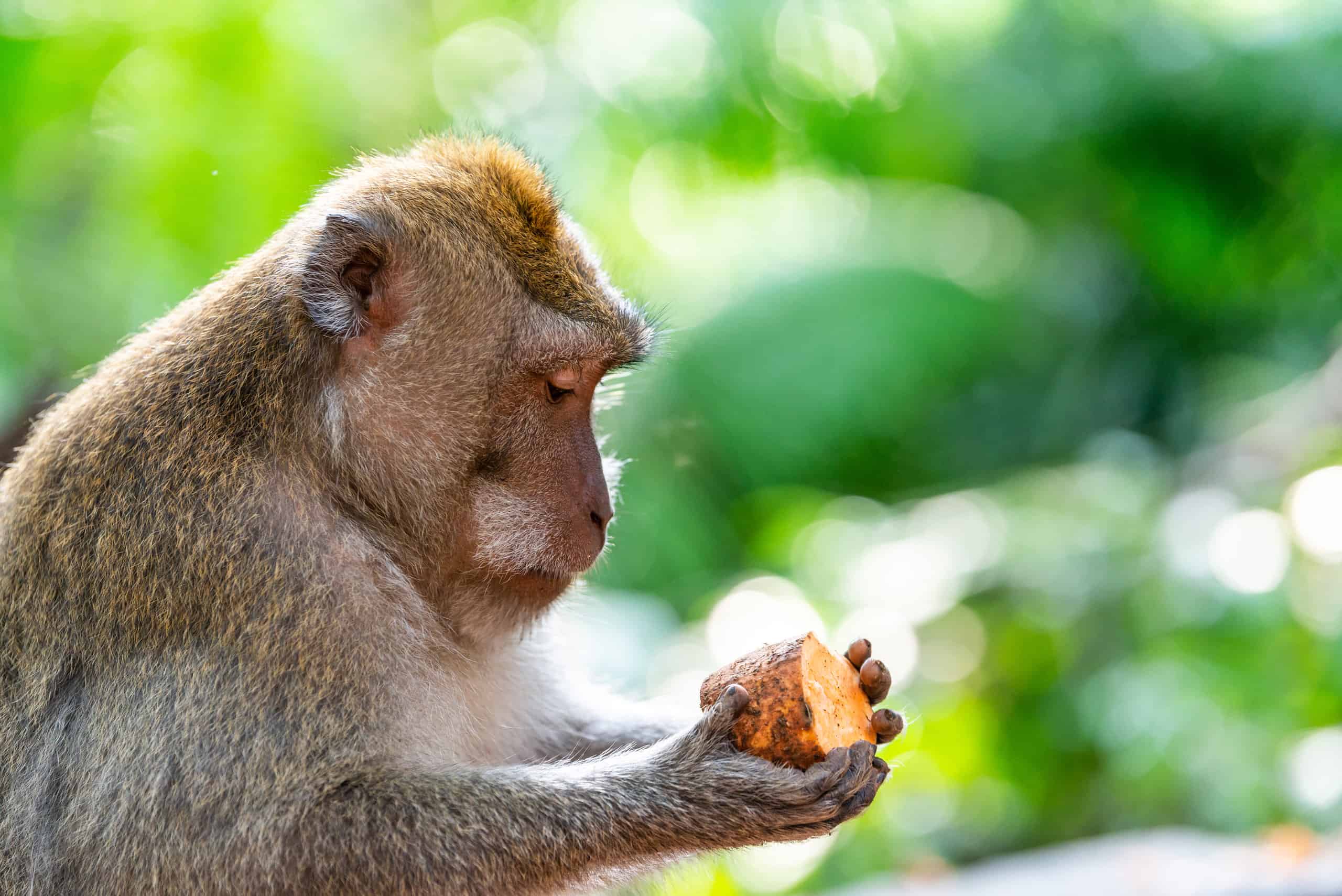
Behaviorally, omnivores demonstrate remarkable flexibility. They can forage for plants, hunt smaller animals, or scavenge when necessary. This adaptability is crucial, especially in environments where food sources might fluctuate seasonally or due to other ecological pressures. For instance, a bear, which is a well-known omnivore, might feast on berries and nuts during certain times of the year, while turning to fish or small mammals when plant-based food is scarce.
Carnivores: Meat Specialists
In contrast to the dietary flexibility of omnivores, carnivores are specialists in consuming meat. These animals have evolved to be highly efficient predators, with adaptations that make them formidable hunters. Carnivores rely predominantly on animal flesh for their nutritional needs, which defines their role as the apex predators in many ecosystems.
The anatomy of carnivores is distinctly suited to their diet. They possess sharp, pointed teeth designed for killing prey and tearing flesh. Their jaws and skulls are typically robust, allowing them to exert significant force to subdue and consume their prey. Additionally, the digestive tract of carnivores is relatively short compared to that of herbivores, as their diet of protein and fat requires less complex processing than plant matter.
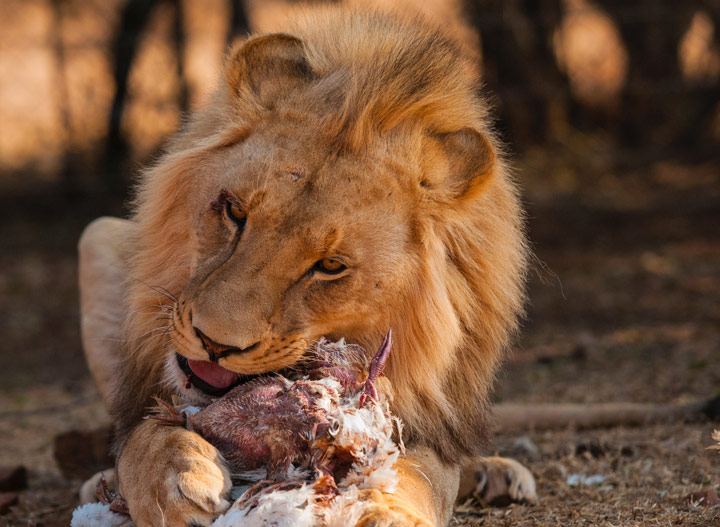
Behaviorally, carnivores are often strategic and cooperative hunters. For example, wolves hunt in packs to take down large prey, while solitary hunters like the lion rely on stealth and strength. These predators play a critical role in maintaining the balance of ecosystems by controlling the populations of herbivores and other prey species.
In summary, while omnivores animals thrive on their dietary flexibility, allowing them to adapt to various environments, carnivores excel as meat specialists, with physical and behavioral traits that make them effective predators. Understanding these differences not only highlights the diversity of life but also underscores the intricate balance within ecosystems where both omnivores and carnivores play vital roles.
Anatomical Differences
Understanding the anatomical differences between omnivores animals and carnivores is crucial for grasping how these creatures have adapted to their respective diets. This section will delve into the distinctive dental structures and digestive systems of both groups, revealing the fascinating ways in which evolution has shaped their biology.
Dental Structures: Adaptations for Diet
The dental structures of animals are perhaps the most direct indicators of their dietary habits. Omnivores animals, with their varied diets, possess a unique combination of teeth that allows them to process both plant and animal matter efficiently. Typically, omnivores have sharp canines to tear meat, similar to carnivores, but they also have flat molars that are well-suited for grinding plant material. This dual functionality in their dentition is a testament to their dietary flexibility. For instance, humans, who are classic examples of omnivores, have incisors for cutting, canines for tearing, and molars for grinding, reflecting our ability to consume a wide range of foods.
In contrast, carnivores are equipped with teeth that are specialized for a meat-centric diet. Their sharp, pointed canines are designed to pierce and hold onto prey, while their carnassial teeth—a pair of specialized molars—act like scissors to slice through flesh and sinew. This dental configuration minimizes the need for extensive chewing, allowing carnivores to consume large chunks of meat quickly. The lion, for example, exemplifies this dental arrangement, using its powerful jaws and sharp teeth to bring down and consume prey efficiently.
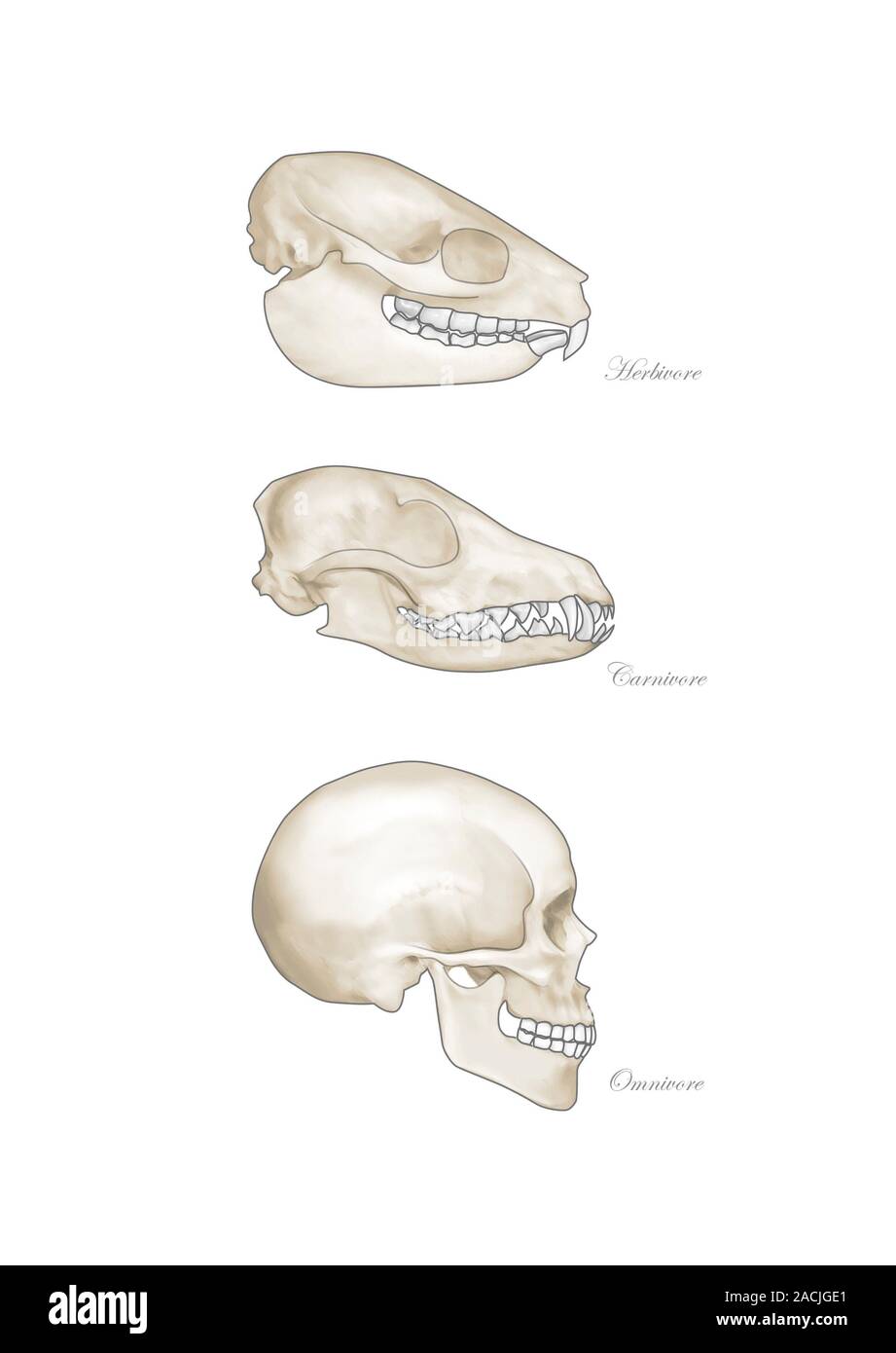
Illustration comparing the teeth of omnivores and carnivores
Digestive Systems: Processing Food
The digestive systems of omnivores and carnivores further highlight the differences in how these animals process their food. Omnivores have relatively complex digestive systems that are adept at breaking down both protein from meat and fiber from plants. Their stomachs and intestines are designed to extract nutrients from a wide variety of food sources. For example, the human digestive tract is equipped with a moderately acidic stomach to handle meat digestion and a long intestine that provides ample time for the breakdown and absorption of plant materials.
Carnivores, on the other hand, have digestive systems that are streamlined for rapid processing of meat. Their stomachs are highly acidic, which aids in the quick breakdown of protein and fat, reducing the risk of bacterial infection from consuming raw prey. The intestines of carnivores are typically shorter than those of omnivores, reflecting the need for efficient digestion and absorption of nutrients from meat without the extended processing time required for plant material. Wolves, as an example, have a digestive system perfectly suited for their role as predators, capable of quickly extracting energy from their prey.
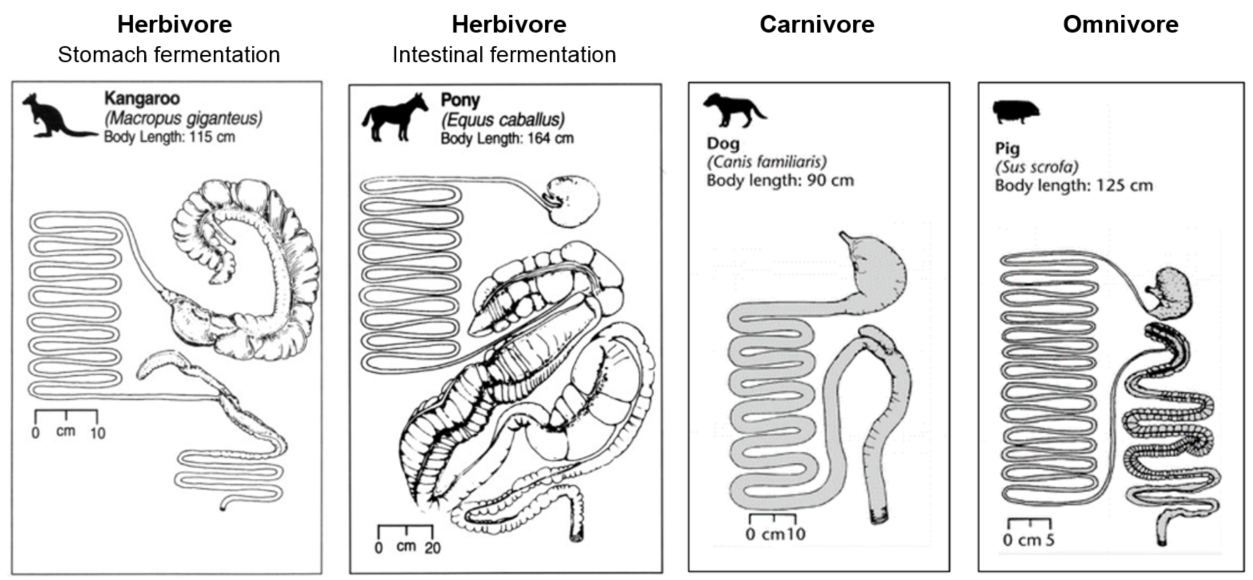
Comparison of digestive systems in omnivores and carnivores
These anatomical differences in teeth and digestive systems underscore the ways in which omnivores animals and carnivores have evolved to thrive in their respective ecological niches. By examining these adaptations, we gain a deeper appreciation for the intricate balance of nature and the evolutionary pressures that shape the lives of these fascinating creatures.
Behavioral and Ecological Roles
Omnivores in Varied Habitats
Omnivores are fascinating creatures due to their dietary flexibility. They have the ability to thrive in a multitude of environments, from lush forests to bustling urban areas. This adaptability is a significant evolutionary advantage, allowing them to exploit a wide range of food sources. Omnivores like raccoons, for example, are known for their ability to forage in diverse settings, from rural woodlands to the trash cans of city suburbs. Their diet can include anything from fruits and nuts to insects and small vertebrates, which positions them as versatile survivors capable of adjusting to seasonal changes and food availability.
The presence of omnivores in varied habitats contributes to their role as ecological balancers. They help control populations of both plants and animals, preventing any single species from dominating the environment. This balance is crucial in maintaining healthy ecosystems. For instance, by consuming both prey and plant material, omnivores can regulate the populations of insects and small mammals, while also dispersing seeds through their droppings, promoting plant diversity.
Moreover, omnivores’ ability to inhabit different regions means they often serve as key indicators of environmental health. An area that supports a healthy population of omnivores is likely to be rich in biodiversity and resources. This adaptability also makes them excellent subjects for studying ecological changes, as their presence—or absence—can reveal much about habitat conditions.
Carnivores as Predators
On the other hand, carnivores are specialists in their ecological roles, primarily acting as predators. Their existence is crucial in maintaining the balance of ecosystems by controlling prey populations, which in turn influences the vegetation and overall biodiversity. Carnivores like lions and wolves are often at the top of the food chain and play an essential role in the natural selection process by preying on the weakest and sickest members of prey populations, thus promoting healthier gene pools.
The behavior of carnivores is heavily shaped by their need to hunt, which has led to remarkable adaptations. For instance, lions have evolved to work in prides, using teamwork to take down large prey such as zebras and wildebeests. Wolves, similarly, employ pack strategies to hunt efficiently in the wild. These social structures not only enhance their hunting success but also strengthen social bonds and improve survival rates of the young.
Carnivores also contribute to the health of their habitats in ways that are often less visible. For example, by controlling herbivore populations, they prevent overgrazing, which can lead to soil erosion and habitat degradation. This indirect influence supports the maintenance of diverse plant species, which in turn sustains a variety of other wildlife.
In addition to their ecological roles, carnivores often hold cultural significance and are featured prominently in human mythology and storytelling, symbolizing strength and prowess. Their presence in an ecosystem is a sign of a healthy environment, as top predators require extensive territories and sufficient prey populations to thrive.
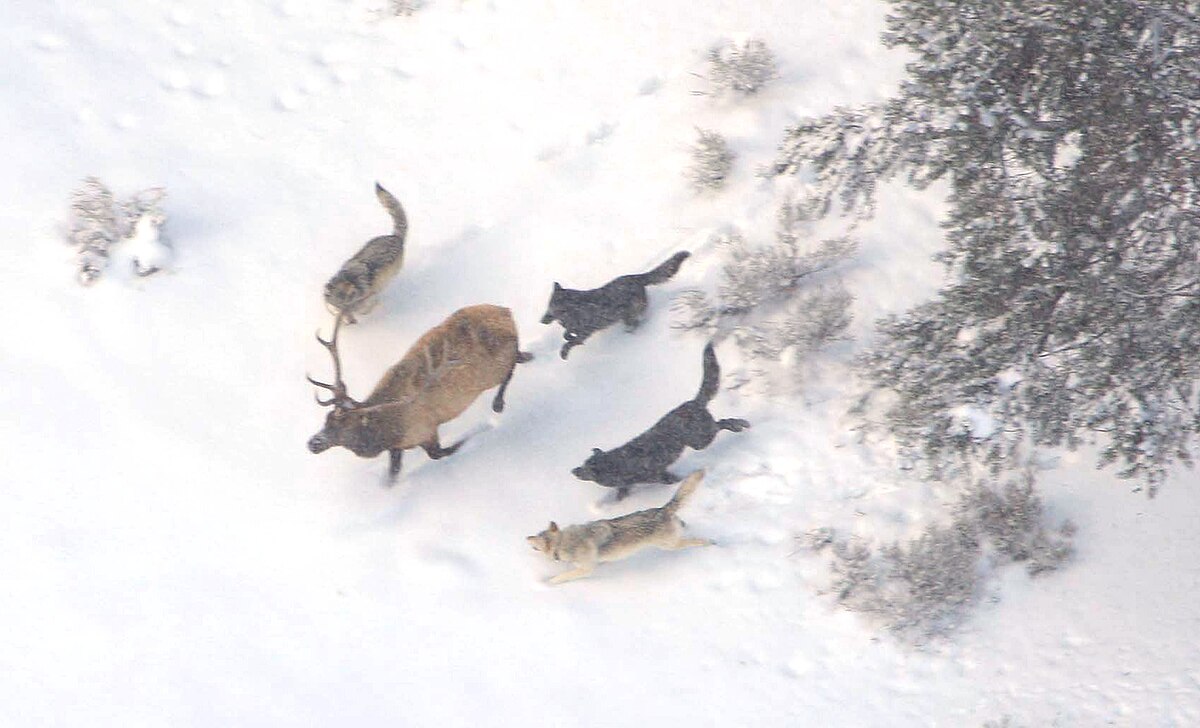
A wolf pack demonstrating strategic hunting behavior
The interplay between omnivores and carnivores in their respective environments illustrates the complexity and interdependence of ecosystems. While omnivores exhibit flexibility and resilience, carnivores embody specialization and precision, together shaping the intricate web of life on Earth.
Examples of Omnivores and Carnivores
Common Omnivores: Bears, Humans, and More
Omnivores are fascinating creatures, characterized by their ability to consume and digest both plant-based and animal-based food. This incredible dietary flexibility allows them to thrive in a multitude of environments, making them some of the most adaptable species on the planet. Let’s dive into the world of common omnivores animals and explore their unique dietary habits.
Bears are a quintessential example of omnivores. While different species of bears have varying diets, most are known for their diverse food choices. For instance, the American black bear’s diet includes berries, nuts, insects, and occasionally fish or small mammals. Interestingly, the polar bear, although primarily carnivorous, is technically considered an omnivore due to its minimal consumption of plant matter in certain situations. This ability to switch between diet sources aids bears in surviving harsh climates where food availability fluctuates.
Humans are perhaps the most well-known omnivores. Our species has evolved to consume a wide range of foods, from grains and fruits to meats and dairy products. This adaptability has been a key factor in our survival and expansion across the globe. The human digestive system is capable of processing both fiber from plants and protein from meat, which allows us to thrive in diverse environments, from tropical rainforests to arid deserts.
Pigs are another example of omnivores animals, renowned for their hearty appetites and non-discriminatory eating habits. Pigs consume a variety of foods, including roots, tubers, small animals, and even human scraps. Their strong sense of smell enables them to locate food sources effectively, whether they’re foraging in the wild or rummaging in a farmyard.
Raccoons have earned their reputation as the “masked bandits” of the animal kingdom due to their propensity to raid garbage cans. These clever creatures consume fruits, insects, eggs, and small animals, showcasing their omnivorous nature. Their adaptability to urban environments further highlights their dietary versatility.
Lastly, chickens are often overlooked as omnivores. While typically associated with pecking at grains and seeds, chickens also eat insects, small lizards, and frogs when the opportunity arises. Their diet reflects their ability to adjust to available food sources in various settings.
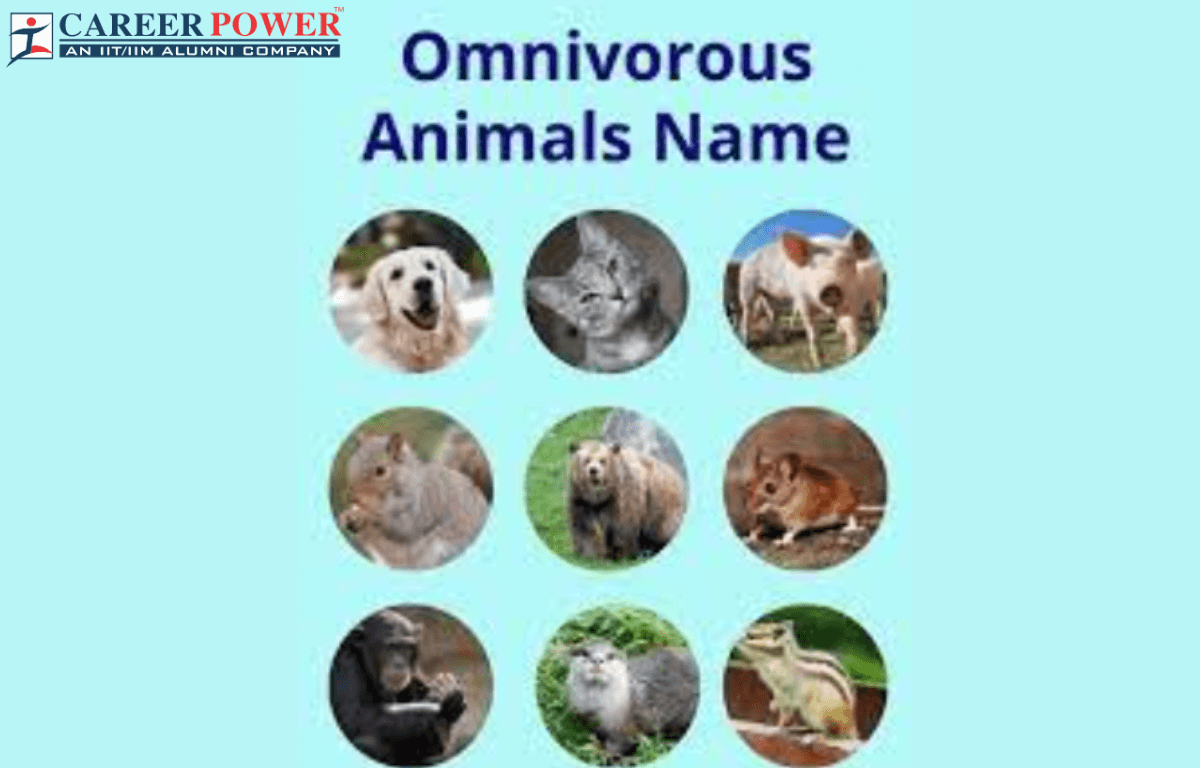
Examples of common omnivores including bears humans and more
Iconic Carnivores: Lions, Wolves, and Beyond
Carnivores, on the other hand, are specialists when it comes to consuming meat. These animals are typically equipped with specialized adaptations that make them efficient hunters and processors of animal flesh. Let’s explore some iconic carnivores and understand what makes them such effective predators.
Lions are often referred to as the “kings of the jungle,” not only because of their majestic presence but also due to their position at the top of the food chain. Lions primarily hunt large herbivores such as zebras, antelopes, and buffalo. Their powerful jaws and sharp claws are perfectly designed for taking down large prey, while their social hunting strategies, often involving coordinated efforts by the pride, increase their hunting success.
Wolves are another iconic example of carnivores. These pack animals are known for their complex social structures and cooperative hunting tactics. Wolves primarily prey on ungulates like deer and elk, using endurance and teamwork to outmaneuver and exhaust their prey. Their diet is primarily composed of meat, which provides the high energy needed to sustain their active lifestyle.
Beyond these well-known examples, other carnivores like tigers, leopards, and cheetahs also demonstrate the remarkable adaptations that come with a meat-centric diet. Each of these big cats has evolved unique hunting techniques and physical attributes to suit their specific environments. Tigers rely on solitary ambush tactics, leopards are adept at climbing and stealth, and cheetahs are built for speed.
In the aquatic world, orcas (killer whales) are apex predators, consuming a varied diet that includes fish, seals, and even whales. Their intelligence and complex hunting strategies make them formidable hunters in the ocean’s vast expanse.
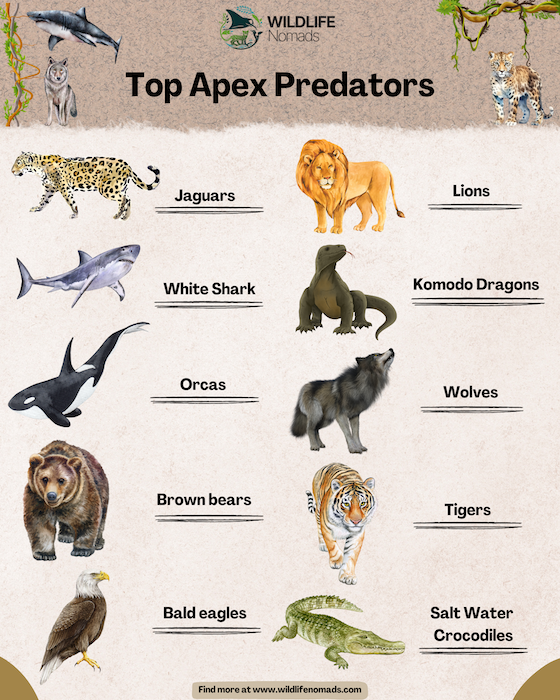
Examples of iconic carnivores like lions wolves and orcas
These examples of omnivores and carnivores highlight the diverse dietary strategies animals have evolved to survive and thrive in their respective ecosystems. Understanding these differences not only reveals the complexity of the natural world but also underscores the importance of biodiversity in maintaining ecological balance.
The Evolutionary Advantage
Survival Strategies in Changing Environments
In the complex web of life, omnivores animals have carved out a niche that grants them remarkable adaptability. This flexibility is primarily rooted in their ability to consume both plant-based and animal-based foods, which allows them to thrive even when environmental conditions change. Unlike specialists such as carnivores or herbivores, omnivores can effortlessly transition between different types of food sources depending on availability.
For instance, in a lush forest abundant with fruits and insects, an omnivore might lean more towards a plant-based diet. However, if a natural disaster reduces the availability of these resources, they can switch to hunting or scavenging for meat without skipping a beat. This dietary versatility enables them to inhabit a wide range of environments, from dense forests and open savannas to urban landscapes bustling with human activity.
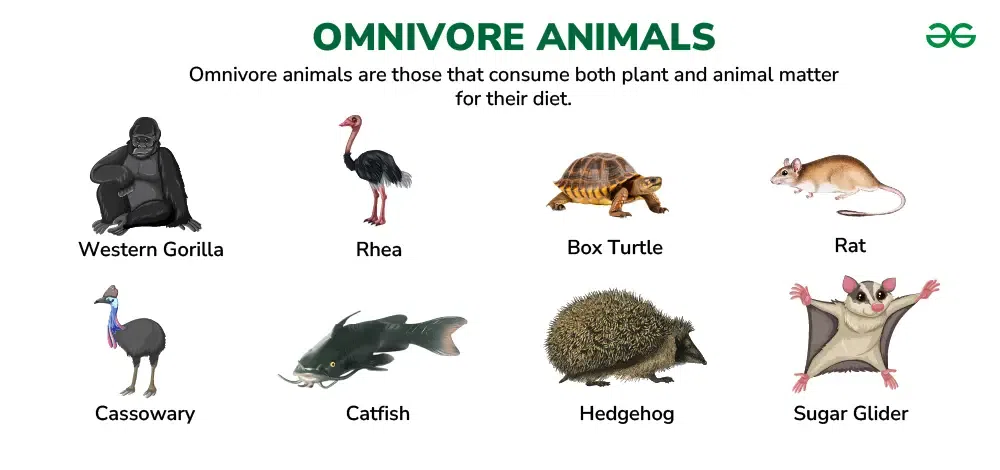
Omnivores like raccoons thrive in diverse environments
Consider the case of raccoons, which are often spotted rummaging through urban garbage. Their ability to consume a wide array of foods, from discarded human meals to naturally occurring fruits and small animals, demonstrates their survival acumen in environments that are constantly fluctuating due to human influence. This adaptability not only ensures their survival but also encourages their proliferation in new and challenging habitats.
Contributions to Ecosystem Balance
The role of omnivores in maintaining ecosystem balance is both profound and multifaceted. By consuming a diverse range of food sources, omnivores help control populations of prey species, preventing any single group from overwhelming the ecosystem. This dynamic is crucial in maintaining the health and stability of natural environments.
For example, bears, which are exemplary omnivores animals, consume a diet that includes berries, plants, fish, and small mammals. By doing so, they help regulate the populations of each of these food sources, inadvertently supporting the growth and diversity of the ecosystem. When bears consume berries, they aid in seed dispersal, while their predation on fish and small animals helps keep those populations in check.
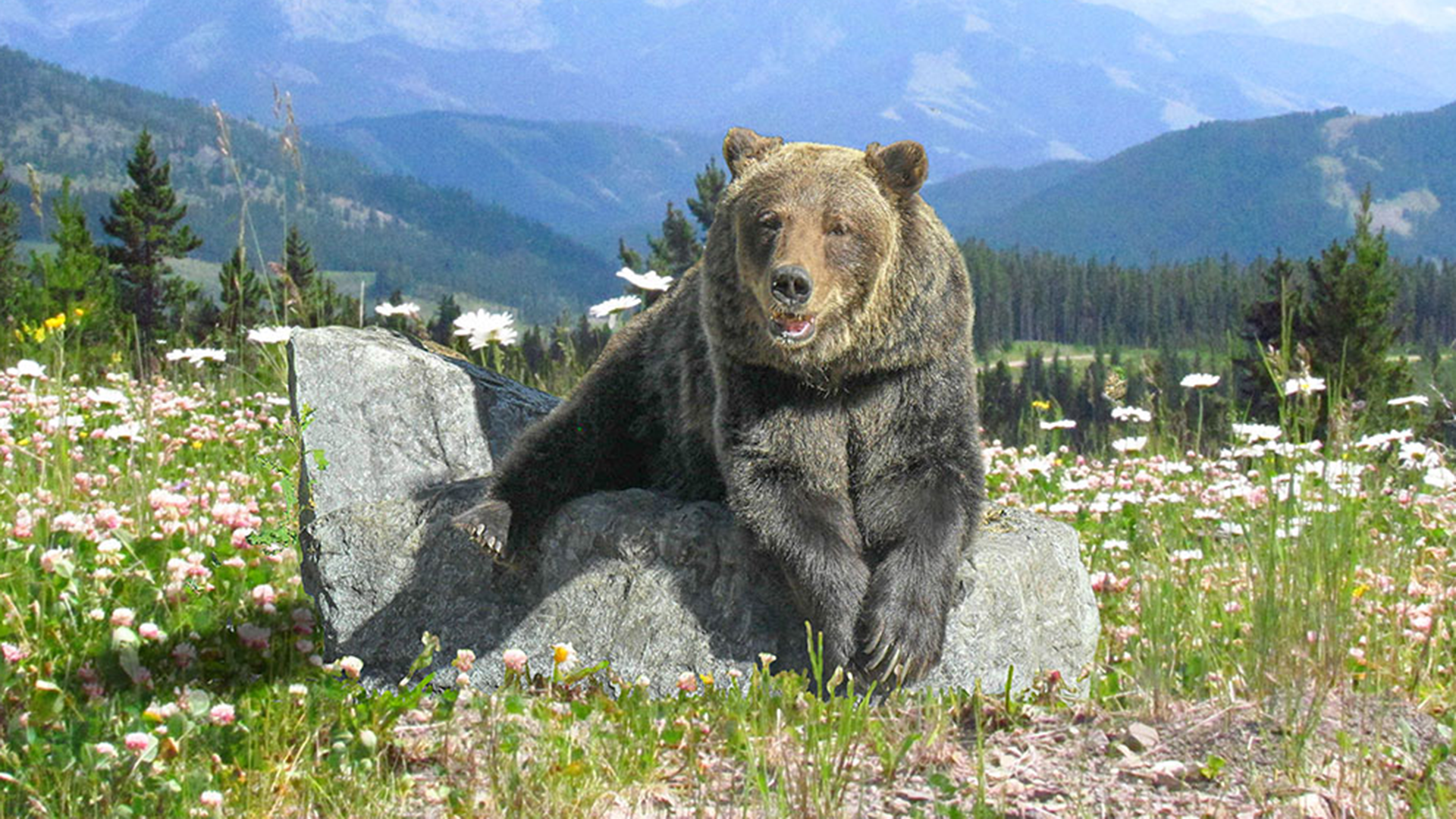
Bears contribute to ecosystem balance through their diverse diet
Moreover, omnivores often play a critical role in nutrient cycling. By breaking down both plant and animal matter, they facilitate the decomposition process, enriching the soil and promoting plant growth. This, in turn, supports herbivores and maintains the intricate food webs that underpin healthy ecosystems.
While omnivores’ dietary habits can sometimes bring them into conflict with humans—such as when they raid crops or garbage bins—their contributions to nature’s balance cannot be overstated. Their presence ensures that ecosystems remain resilient and capable of withstanding environmental changes, underscoring the importance of preserving these adaptable creatures in our increasingly unpredictable world.
The Importance of Dietary Diversity in Nature
In the intricate web of ecosystems, dietary diversity plays a pivotal role in maintaining balance and ensuring the survival of numerous species. This diversity is a testament to the adaptability and resilience of life on Earth. By examining the importance of dietary diversity, we can better appreciate the roles that omnivores animals, carnivores, and herbivores play in their respective habitats.
Nutritional Balance and Health
Dietary diversity is crucial for the nutritional health of animals. Just as humans require a variety of nutrients to maintain health, so do animals. Omnivores animals like bears and raccoons benefit from their ability to consume a wide range of foods, which helps them acquire different nutrients from both plant and animal sources. For example, proteins from meat support muscle growth and repair, while vitamins and fiber from plants aid in digestion and overall health. This variety in diet ensures that omnivores are better equipped to handle fluctuations in food availability.
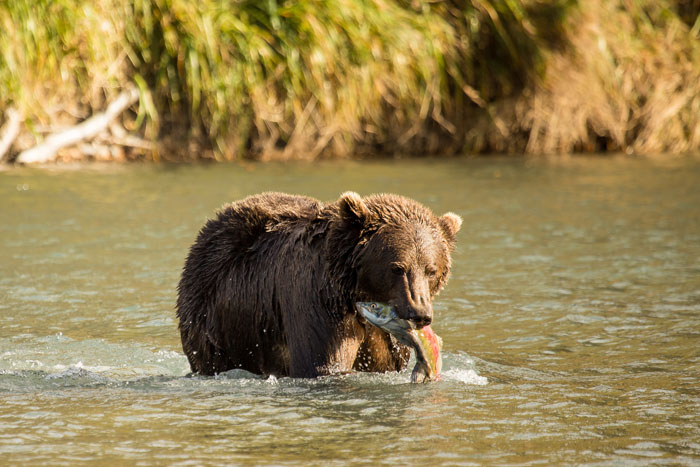
A bear enjoying a varied diet of berries and fish
Ecological Stability
Dietary diversity contributes significantly to ecological stability. Omnivores, carnivores, and herbivores each occupy unique niches within their ecosystems. Omnivores, with their flexible eating habits, can help control the populations of both plants and smaller animals, thus preventing any single species from dominating the ecosystem. This ability to balance plant and animal populations is crucial for maintaining biodiversity.
Carnivores, such as lions and wolves, often act as top predators, controlling herbivore populations and preventing overgrazing. This, in turn, supports plant growth and maintains the health of habitats. Herbivores, on the other hand, facilitate the spread of plant seeds and contribute to the cycling of nutrients through their waste. Together, these dietary roles create a harmonious balance that supports a thriving ecosystem.
Adaptation to Environmental Changes
One of the most significant advantages of dietary diversity is the ability to adapt to environmental changes. Omnivores animals are particularly adept at this due to their flexible diets. In times of scarcity, they can switch food sources, ensuring their survival even when specific resources become limited. This adaptability is a key factor in why omnivores are found in a wide range of habitats, from lush forests to urban environments.
For example, raccoons are known for their ability to thrive in both rural and urban settings. Their omnivorous diet allows them to scavenge through human waste or forage for natural foods, making them resilient in the face of habitat changes. This adaptability not only aids in their survival but also demonstrates the broader importance of dietary diversity in nature.
Contribution to Human Understanding
Understanding the dietary habits of animals enriches our knowledge of the natural world and aids in conservation efforts. By studying how different species interact with their environments and each other, we gain insights into the delicate balance necessary for ecosystems to flourish. This knowledge can inform conservation strategies, ensuring that we protect not only individual species but also the complex networks that sustain them.
In conclusion, dietary diversity is not merely a characteristic of individual species but a cornerstone of ecological health and stability. It fosters adaptability, supports biodiversity, and ensures the resilience of ecosystems in the face of change. As we continue to explore the wonders of the animal kingdom, let us appreciate the intricate connections that dietary diversity weaves across nature’s tapestry.
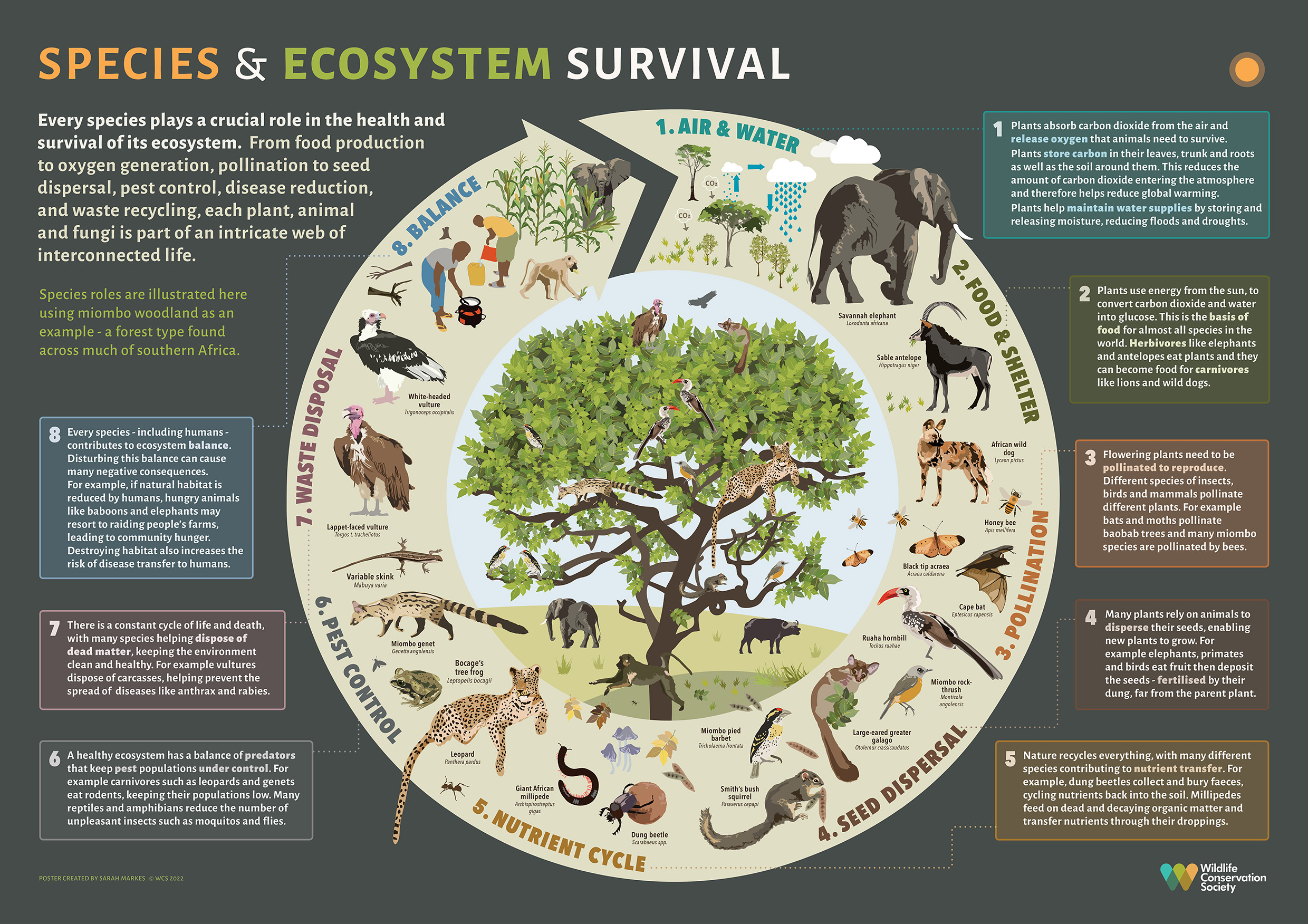
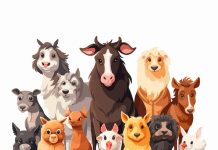
A diverse ecosystem showcasing various animal species
WildWhiskers is a dedicated news platform for animal lovers around the world. From heartwarming stories about pets to the wild journeys of animals in nature, we bring you fun, thoughtful, and adorable content every day. With the slogan “Tiny Tails, Big Stories!”, WildWhiskers is more than just a news site — it’s a community for animal enthusiasts, a place to discover, learn, and share your love for the animal kingdom. Join WildWhiskers and open your heart to the small but magical lives of animals around us!