










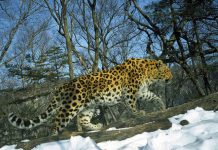
The Amazon Rainforest is a mesmerizing world teeming with life, a sanctuary of unparalleled biodiversity where nature unfolds in layers of complexity. While the spotlight often shines on the animals in the Amazon Rainforest, from the elusive jaguar to the vibrant macaw, there lies an equally fascinating narrative beyond the animal kingdom. This blog aims to peel back the layers of the Amazon’s hidden ecosystems, inviting you to explore the intricate web of life that thrives beneath the forest canopy.
Imagine walking through this lush expanse, where every step reveals a new story. The towering trees, each with unique ecological roles, stand as sentinels of time, while the diverse plant life offers a treasure trove of medicinal benefits. Below the surface, a world of insects buzzes with life, serving as vital pollinators and decomposers, ensuring the continuity of life. As we delve deeper, the vital role of fungi comes into focus, creating mycorrhizal networks that sustain plant growth and drive nutrient cycling.
Our journey doesn’t stop at the forest floor. The Amazon’s aquatic ecosystems, with their intricate riverine systems and overlooked wetlands, boast a biodiversity that rivals the terrestrial world. Yet, this rich tapestry of life is not untouched by human hands. Understanding the impact of human activity and the conservation efforts led by indigenous knowledge and global initiatives is crucial for the preservation of these ecosystems.
Join us as we embrace the complexity and wonder of the Amazonian ecosystems, where every element, from the smallest insect to the largest tree, plays an integral part in the majestic symphony of life. Together, let’s discover the hidden worlds that make the Amazon not just the lungs of the Earth, but a vibrant heart of natural beauty and resilience.
The Rich Diversity of Plant Life
The Amazon Rainforest is often celebrated for its incredible array of animals in the Amazon Rainforest, but the plant life here is equally fascinating. The lush greenery of the Amazon is home to some of the most diverse and unique plant species on the planet, each playing a vital role in maintaining the balance of this complex ecosystem.
Unique Trees and Their Ecological Roles
The Amazon Rainforest is home to an estimated 16,000 tree species, each with its own ecological significance. Among them, the Brazil nut tree stands out not only for its towering height, reaching up to 50 meters, but also for its role in the rainforest’s ecology. This tree relies on a unique relationship with the agouti, a rodent that is one of the few creatures capable of chewing through the tough outer shell of the Brazil nut fruit. In doing so, agoutis help in seed dispersal, ensuring the continuation of this vital species.
Another remarkable tree is the kapok tree, which can grow up to 70 meters tall. Its massive trunk and sprawling branches provide habitat and nesting sites for numerous animals of the Amazon, including birds and insects. Moreover, the kapok’s flowers are pollinated by bats, highlighting the intricate web of interactions between flora and fauna in the rainforest.
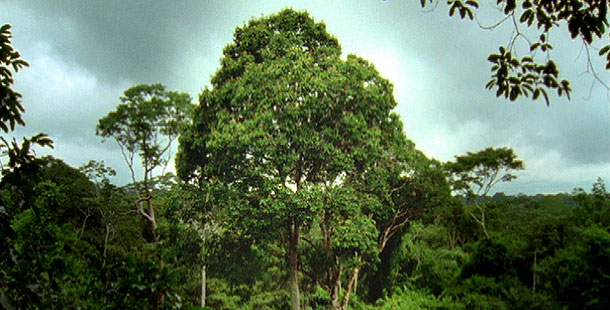
Majestic Brazil nut tree standing tall in the Amazon
Medicinal Plants and Their Benefits
Beyond their ecological roles, many Amazonian plants have been used for centuries by indigenous peoples for their medicinal properties. The cinchona tree, for instance, is the source of quinine, a compound that has been historically used to treat malaria. This discovery has had a global impact, saving countless lives and highlighting the importance of preserving plant biodiversity for potential pharmaceutical developments.
Another significant plant is the ayahuasca vine, used by indigenous tribes in spiritual practices. The vine, combined with other plants, creates a brew that is said to facilitate profound spiritual experiences and healing. As Western interest in traditional medicine grows, the pharmacological potential of such plants continues to attract scientific attention, emphasizing the need to protect these invaluable resources.
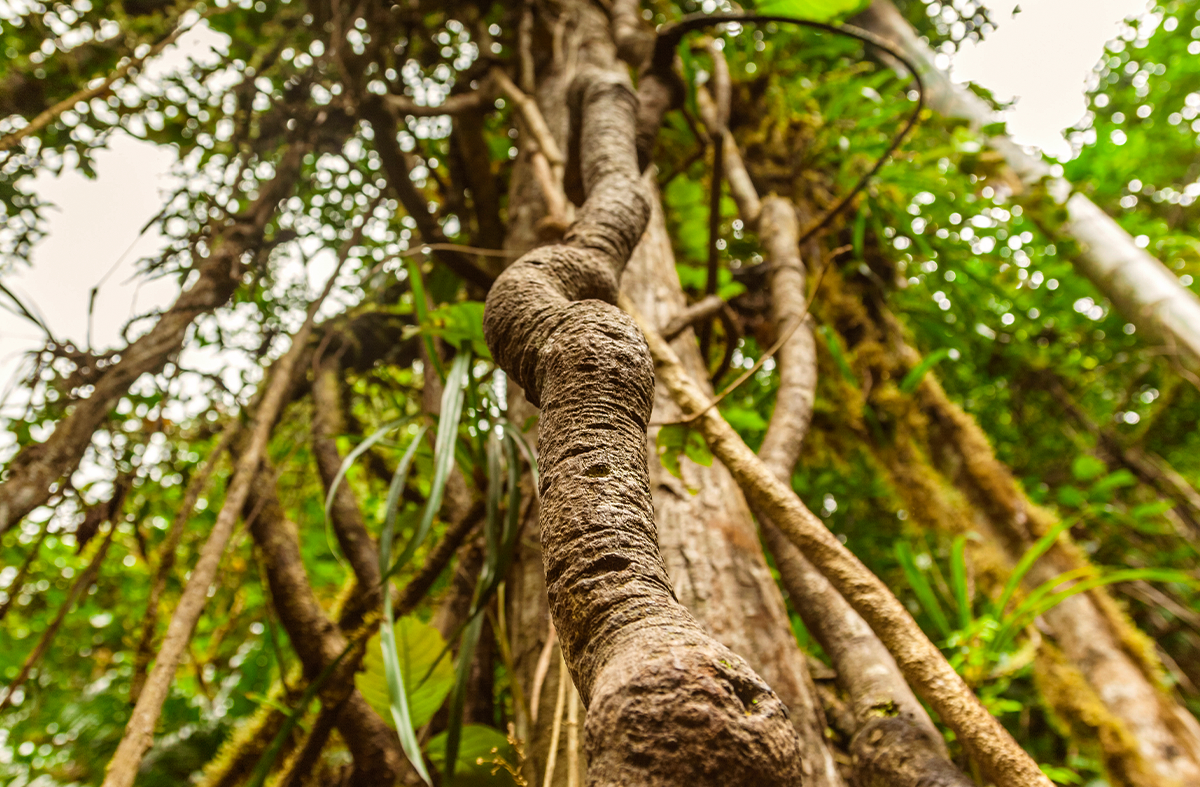
The sacred Ayahuasca vine used in traditional healing rituals
The Amazon Rainforest’s plant life is not just a backdrop to the more famous animals of the Amazon; it is a vibrant and integral component of the ecosystem that supports and sustains life in myriad ways. Understanding and preserving this rich tapestry of plant life is crucial for maintaining the ecological balance and uncovering potential benefits for humanity.
The Intricate World of Insects
The Amazon Rainforest is not only home to iconic mammals, dazzling birds, and stealthy reptiles but also hosts a fascinating and complex world of insects. These tiny creatures, often overlooked, play pivotal roles in maintaining the health and vitality of the rainforest ecosystem. From pollinators that facilitate the reproduction of plants to decomposers that recycle nutrients, insects are indispensable to the web of life in the Amazon.
Pollinators of the Amazon
In the lush, vibrant environment of the Amazon, plant reproduction relies heavily on a diverse cast of pollinators. While birds and bats play their part, insects are the unsung heroes of pollination. Among these, bees stand out as some of the most crucial pollinators. Species like the orchid bee are particularly vital. These bees not only pollinate a wide variety of plant species, including economically significant crops like Brazil nuts, but they also contribute to the genetic diversity and resilience of the forest flora.
Bees aren’t the only insect pollinators in the Amazon. Butterflies and moths also play significant roles. The Heliconius butterflies, for example, are known for their intricate interactions with passionflowers, where they both pollinate and lay eggs on the plants. This relationship is a perfect example of the delicate balance and interconnectedness of life in the rainforest.
Moreover, flies and beetles contribute to pollination, often visiting flowers that emit strong odors, which mimic the decaying matter these insects are typically attracted to. Such intricate relationships underscore the importance of maintaining the diversity of insect species within the Amazon.
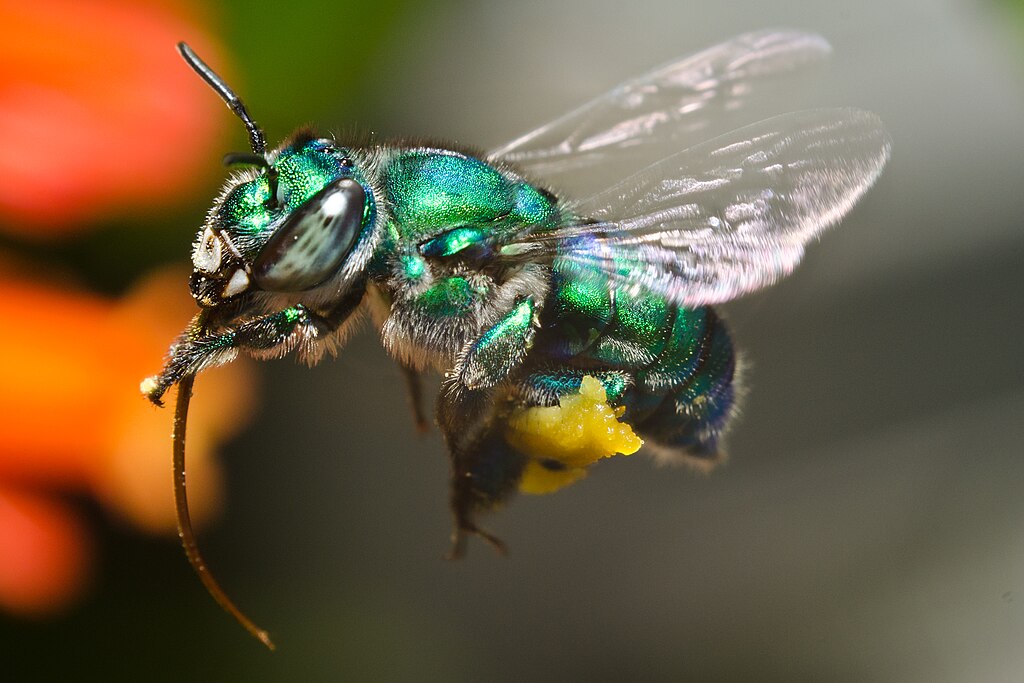
An orchid bee pollinating a flower in the Amazon Rainforest
Insects as Decomposers
While the role of insects as pollinators is crucial, their function as decomposers is equally vital. The humid and warm conditions of the Amazon create a perfect environment for rapid decomposition, and insects are at the forefront of this essential process. Decomposers break down dead organic matter, recycling nutrients back into the soil, which in turn supports new plant growth.
Termites are among the primary decomposers in the Amazon Rainforest. These industrious insects are known for breaking down tough plant material, such as wood and leaf litter, which would otherwise take much longer to decompose naturally. By doing so, they facilitate nutrient cycling and help maintain soil structure and fertility.
Another key player in the decomposition process is the dung beetle. These beetles specialize in breaking down animal feces, which not only recycles nutrients but also helps control parasite populations and disperses seeds. The presence of dung beetles is a sign of a healthy ecosystem, as they contribute to maintaining the balance between various animal populations and their waste.
Ants, too, play a significant role in decomposition. Leafcutter ants, for example, are renowned for their ability to farm fungi. They cut leaves and transport them to their colonies, where they cultivate fungi on the decomposing plant material. This mutualistic relationship showcases the complexity and interdependence of life forms in the rainforest.
In conclusion, the world of insects in the Amazon Rainforest is a tapestry of intricate roles and relationships, vital for the health of this vast ecosystem. From pollinators ensuring the reproduction of flora to decomposers recycling nutrients, these tiny creatures underscore the importance of preserving the biodiversity of the animals in the Amazon rainforest.
The Vital Role of Fungi
The Amazon Rainforest, often celebrated for its vibrant and diverse wildlife, is also home to countless hidden ecosystems that include a myriad of fungi. These organisms, though often overlooked, play a crucial role in maintaining the health and vitality of the rainforest. From facilitating plant growth through complex networks to cycling nutrients back into the ecosystem, fungi are indispensable to the animals in the Amazon Rainforest and the forest’s overall ecology.
Mycorrhizal Networks and Plant Growth
One of the most fascinating aspects of fungi is their symbiotic relationship with plants, particularly through mycorrhizal networks. These networks are formed when fungi colonize the root systems of plants, creating an intricate web that extends far beyond the visible parts of the forest. This relationship is mutually beneficial: the plant provides the fungi with carbohydrates, while the fungi increase the plant’s water and nutrient absorption capabilities. This is especially important in the nutrient-poor soils of the Amazon, where plants rely heavily on these networks for survival and growth.
The mycorrhizal networks can connect multiple plants, forming a vast underground web that facilitates communication and resource sharing among plants. This connectivity not only enhances plant growth but also contributes to the resilience of the forest. For example, when one plant is stressed or damaged, others in the network can provide support by transferring nutrients or signaling danger. This level of cooperation is crucial for maintaining the biodiversity that characterizes the Amazon Rainforest.
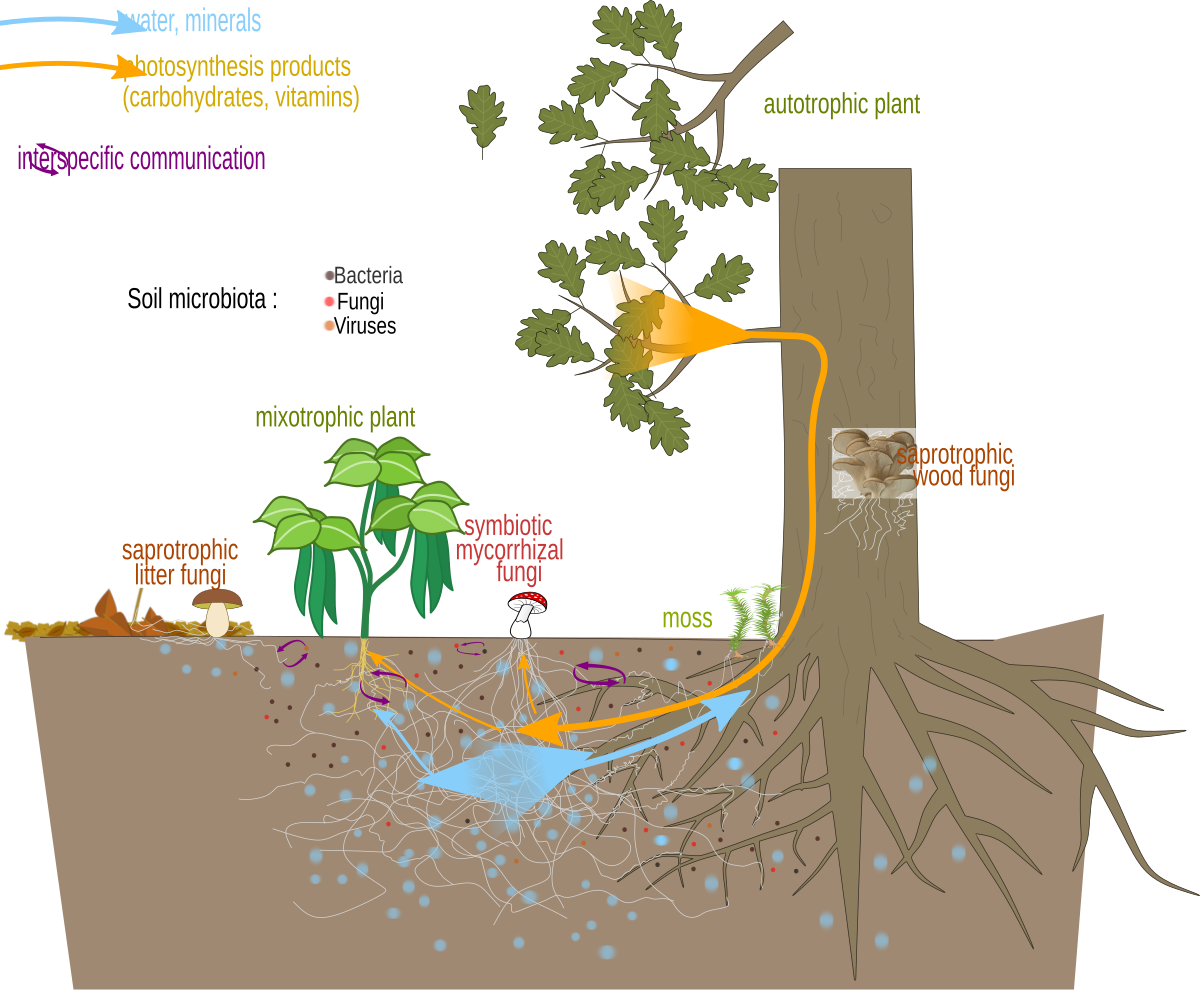
Intricate mycorrhizal networks beneath the forest floor
Decomposition and Nutrient Cycling
Fungi are also paramount in the decomposition process, breaking down organic matter such as fallen leaves, dead trees, and animal remains. This process is essential for nutrient cycling, as it converts complex organic materials into simpler compounds that are then absorbed by plants. Without fungi, the forest floor would become overwhelmed with debris, and the nutrients locked within dead organic matter would remain inaccessible to living plants.
In the Amazon, fungi like saprotrophic species specialize in decomposing tough plant materials, such as lignin and cellulose, which are prevalent in the dense plant life. Their ability to break down these materials rapidly and efficiently ensures that nutrients are continuously recycled, supporting the lush growth that the rainforest is known for. This decomposition process also plays a critical role in carbon cycling, influencing global climate patterns by controlling the release and storage of carbon dioxide.
The presence of fungi and their activities are indispensable not only for the plants but also for the animals in the Amazon Rainforest. Herbivores depend on nutrient-rich plants, and predators rely on healthy herbivore populations. Thus, fungi indirectly support the entire food web, maintaining the ecological balance and diversity that the Amazon is famous for.
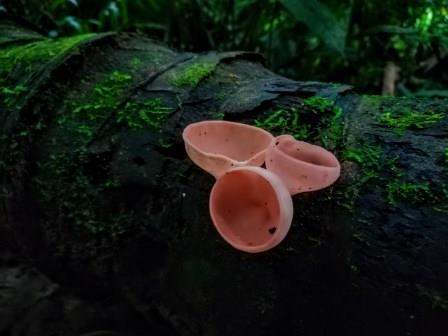
Fungi at work decomposing organic matter in the Amazon
In conclusion, while fungi may not have the immediate allure of the jaguar or the macaw, their contributions to the Amazon Rainforest are profound. By understanding and appreciating the role of fungi, we gain a deeper insight into the complexity and resilience of this vital ecosystem, highlighting the interconnectedness of all life forms within.
Aquatic Ecosystems in the Amazon
The Amazon Rainforest is renowned not only for its lush greenery and diverse animals in the Amazon rainforest, but also for its intricate aquatic ecosystems. These systems provide habitats for countless species and play a crucial role in maintaining the ecological balance of the region. Let’s delve into the fascinating world of the Amazon’s aquatic environments.
Riverine Systems and Their Biodiversity
The Amazon River, a majestic waterway stretching over 4,000 miles, is the lifeline of the rainforest. Its vast network of tributaries supports an incredible array of life forms, from tiny microorganisms to massive fish species. The riverine systems are teeming with diversity, offering a unique glimpse into the complex interdependence of species.
One of the most iconic animals of the Amazon found in these waters is the Amazon River Dolphin, also known as the pink river dolphin. These intelligent creatures navigate the murky waters with ease, using echolocation to hunt for fish. Their presence is a testament to the rich biodiversity that these riverine systems support.
The riverine systems are also home to the formidable Arapaima, one of the largest freshwater fish in the world. Known for its massive size and ability to breathe air, the Arapaima is a symbol of the Amazon’s aquatic might. Additionally, the electric eel, with its shocking defense mechanism, adds to the river’s intrigue, showcasing the unique adaptations of Amazonian wildlife.
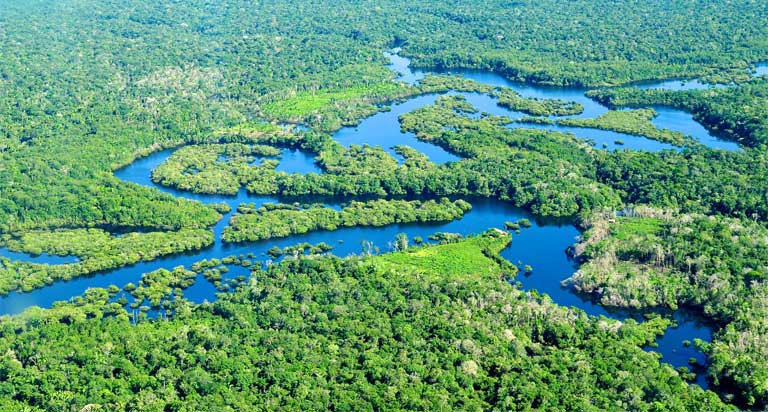
The Amazon River teeming with aquatic biodiversity
Wetlands: The Overlooked Habitats
While the riverine systems often steal the spotlight, the wetlands of the Amazon are equally vital yet frequently overlooked. These areas, characterized by their water-saturated soils and diverse plant life, provide essential services such as water filtration, flood control, and carbon storage.
Wetlands are a haven for a wide range of species, including many that are adapted to both aquatic and terrestrial life. The animals in the Amazon rainforest found in these habitats include the capybara, the world’s largest rodent, which thrives in the marshy regions. Additionally, caimans make their home here, using the wetlands to hunt and breed.
The wetlands are also crucial for birdlife, serving as breeding grounds and feeding areas for numerous species, including the vibrant macaws and the elusive hoatzin. These birds contribute to the rich tapestry of life that makes the Amazon’s wetlands so unique and vital.
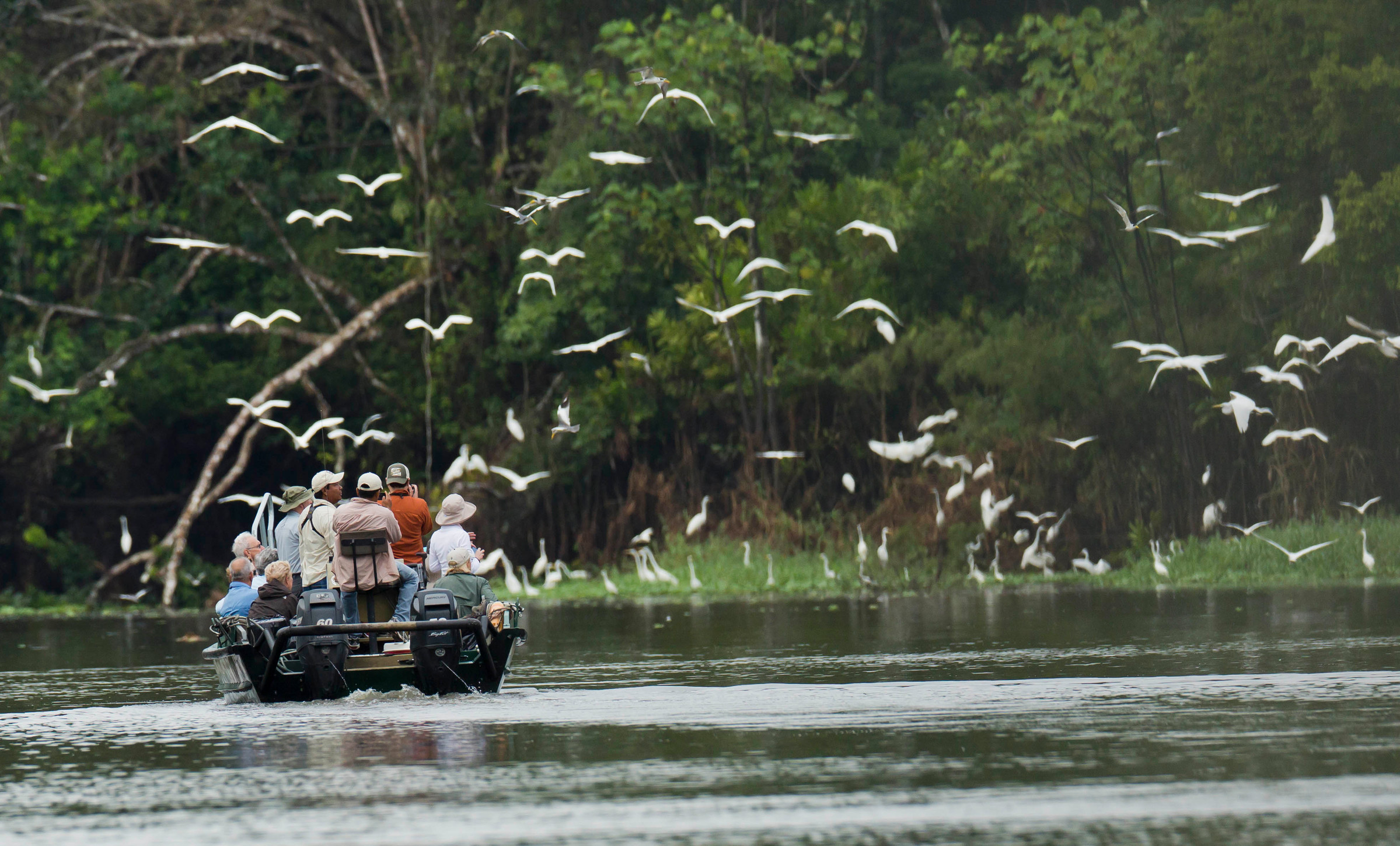
The vibrant birdlife in Amazonian wetlands
In conclusion, the aquatic ecosystems of the Amazon Rainforest are a testament to the incredible biodiversity and complexity of this region. From the powerful Amazon River to the serene wetlands, these environments support a wide range of life forms and play a crucial role in the overall health of the rainforest. Protecting these ecosystems is essential for preserving the delicate balance of nature and ensuring the survival of countless species that call the Amazon home.
Human Impact and Conservation Efforts
Indigenous Knowledge and Sustainable Practices
The Amazon Rainforest, often referred to as the “lungs of the Earth,” is not only home to an extraordinary variety of plant and animal life but also to a rich tapestry of indigenous cultures. These communities have thrived for centuries, developing a profound understanding and respect for their environment. Their traditional knowledge and sustainable practices are vital to the conservation of the Amazon’s ecosystems.
Indigenous peoples of the Amazon have long used the forest’s resources in a manner that maintains ecological balance. For example, they practice shifting cultivation, which involves rotating plots of land for farming, allowing previously used areas to regenerate. This method prevents soil degradation and maintains biodiversity. Moreover, their deep understanding of the forest’s flora has led to the discovery of numerous medicinal plants, some of which are crucial to modern medicine.
The role of indigenous people in conservation is increasingly recognized worldwide. Their land management practices are often more effective than conventional conservation methods. They have successfully managed vast areas of the Amazon, preserving habitats for countless species, including many animals in the Amazon rainforest. These practices underscore the importance of integrating indigenous knowledge into broader conservation strategies.
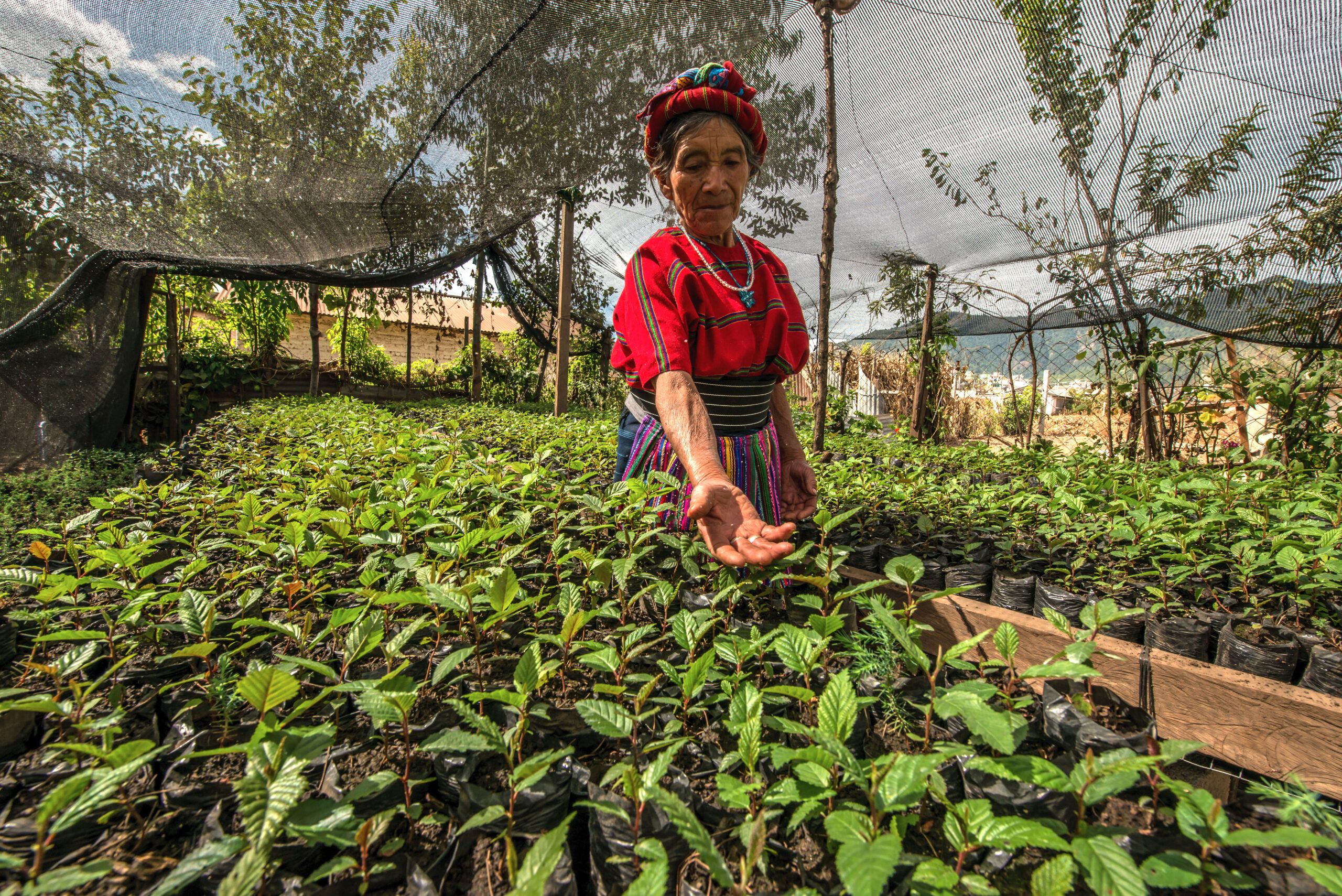
Indigenous people practicing sustainable agriculture in the Amazon
Global Initiatives for Rainforest Protection
The Amazon Rainforest faces numerous threats, from deforestation and illegal mining to the impacts of climate change. In response, various global initiatives have been launched to protect this crucial ecosystem and its diverse inhabitants. These efforts involve governments, non-governmental organizations (NGOs), and international bodies working collaboratively to address the challenges.
One significant initiative is the creation of protected areas and indigenous territories, which cover a substantial portion of the Amazon. These areas serve as critical refuges for the animals of the Amazon, providing them with the necessary habitats to thrive. Additionally, international agreements such as the Paris Agreement aim to combat climate change, which indirectly benefits the Amazon by reducing the global carbon footprint.
NGOs play a pivotal role in conservation efforts, raising awareness and funding for projects that focus on reforestation, anti-poaching measures, and sustainable development. Organizations like the World Wildlife Fund (WWF) and Greenpeace are actively involved in campaigns to halt deforestation and promote sustainable land use practices.
Furthermore, ecotourism has emerged as a sustainable economic alternative for local communities. By promoting responsible tourism, these initiatives help generate income while educating visitors about the importance of preserving the Amazon and its unique ecosystems.
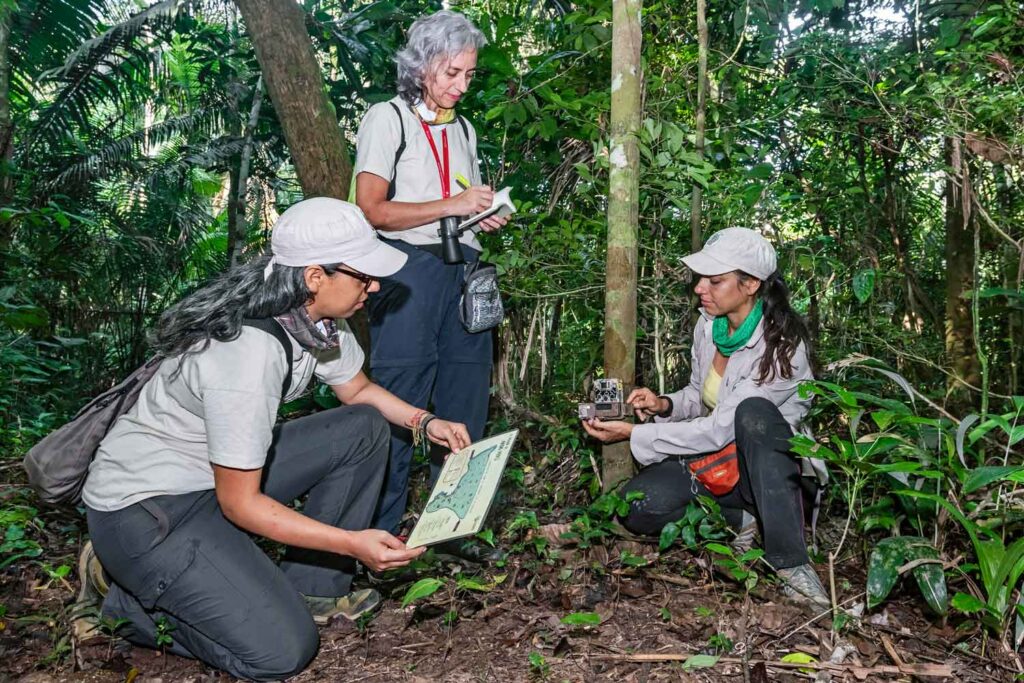
Global conservation efforts in the Amazon Rainforest
In conclusion, the combined efforts of indigenous communities and global initiatives are essential in safeguarding the Amazon Rainforest. By respecting and integrating traditional knowledge with modern conservation strategies, we can work towards a sustainable future for this vital ecosystem and the countless species, including the animals in the Amazon rainforest, that depend on it.
Embracing the Complexity of Amazonian Ecosystems
The Amazon Rainforest, often referred to as the “lungs of the Earth,” is a bewildering tapestry of life that extends far beyond the animals in the Amazon rainforest. Its astonishing complexity is a testament to millions of years of evolutionary processes, resulting in an ecosystem that is both intricate and resilient. To fully appreciate this biodiversity hotspot, one must delve into the interwoven relationships that exist between its myriad of species, including the plants, insects, fungi, and aquatic systems that sustain it.
The Interconnected Web of Life
At the heart of the Amazon’s complexity is the interdependence of its ecosystems. Each component, from the towering canopy trees to the tiniest microbes, plays a crucial role in maintaining ecological balance. These interactions are not just linear but form a network where the presence or absence of one species can significantly impact the entire system.
For instance, consider the role of pollinators like bees and butterflies. These insects are vital for the reproduction of countless plant species. Without them, the forest’s flora would struggle to sustain itself, leading to cascading effects on the animals that rely on these plants for food and habitat. Similarly, the presence of decomposers such as fungi and insects ensures that nutrients are recycled back into the soil, facilitating new plant growth and sustaining the food web.
The Role of Keystone Species
Keystone species, like the jaguar and certain types of large trees, have disproportionately large effects on their environment relative to their abundance. The jaguar, for example, is a top predator that helps control the population of herbivores, maintaining a balance that prevents overgrazing and allows vegetation to thrive. This balance is crucial for the survival of various plant species, which in turn support a multitude of other creatures.
Similarly, certain towering trees act as keystone species by providing essential resources such as food and shelter to a wide range of animals of the Amazon. These trees often support entire ecosystems within their branches, fostering a diverse array of life forms that contribute to the forest’s overall health and resilience.
Human Influence and Adaptation
Human activity has introduced both challenges and adaptations within this complex ecosystem. Indigenous communities have lived in harmony with the forest for centuries, developing sustainable practices that ensure the preservation of the Amazon’s biodiversity. Their deep knowledge of the rainforest’s intricate workings serves as a valuable guide for modern conservation efforts.
However, the impact of deforestation, climate change, and other anthropogenic pressures cannot be ignored. These activities disrupt the delicate balance of the Amazonian ecosystems, threatening the survival of countless species, including those not typically spotlighted as animals in the Amazon rainforest. Conservation initiatives, both local and global, are crucial in mitigating these effects and ensuring the rainforest’s future.
The Beauty of Complexity
Embracing the complexity of the Amazonian ecosystems requires an appreciation of the subtle and overt interactions that define this natural wonder. From the symbiotic relationships between mycorrhizal fungi and plant roots to the crucial role of aquatic ecosystems in supporting both terrestrial and aquatic life forms, the Amazon is a masterclass in ecological interdependence.
By understanding and preserving this complexity, we not only protect the unique flora and fauna of the Amazon but also ensure the continued health of our planet. The Amazon’s intricate tapestry is a reminder of nature’s ingenuity and the delicate balance that sustains life on Earth. As we strive to protect this invaluable resource, we honor not only the animals of the Amazon but the entire web of life that thrives within its bounds.
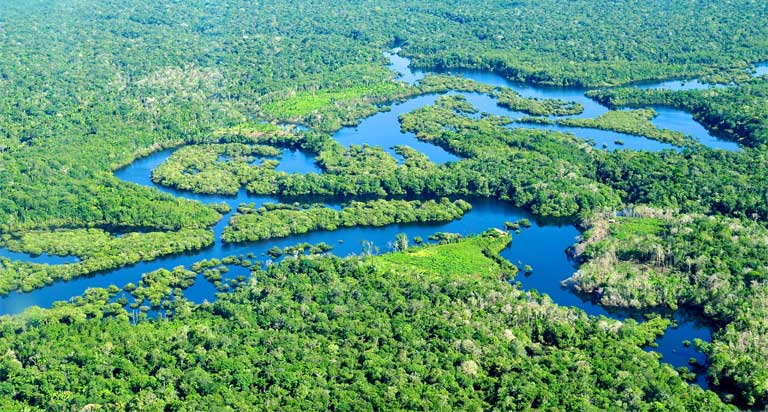
The Amazon river teeming with diverse aquatic life
WildWhiskers is a dedicated news platform for animal lovers around the world. From heartwarming stories about pets to the wild journeys of animals in nature, we bring you fun, thoughtful, and adorable content every day. With the slogan “Tiny Tails, Big Stories!”, WildWhiskers is more than just a news site — it’s a community for animal enthusiasts, a place to discover, learn, and share your love for the animal kingdom. Join WildWhiskers and open your heart to the small but magical lives of animals around us!