








Embarking on a journey to explore the Big 5 animals is like stepping into a world where nature’s grandeur unfolds in the most breathtaking ways. These five iconic creatures—lion, elephant, buffalo, leopard, and rhinoceros—represent the pinnacle of Africa’s wildlife heritage. Originally coined by big-game hunters for the formidable challenge they posed, these animals have transcended their origins to become symbols of beauty, power, and conservation. Today, they are celebrated as the crown jewels of the African safari experience, captivating travelers and wildlife enthusiasts alike with their majestic presence.
Imagine witnessing a mighty African elephant as it gracefully treads across the savannah, or hearing the spine-tingling roar of the African lion, echoing through the wild. Picture the enigmatic leopard stealthily navigating its territory, the formidable buffalo commanding respect with its sheer strength, and the imposing rhinoceros, its very survival a testament to the ongoing battle against poaching. These five big animals do not merely exist in isolation; they are integral to the ecosystems they inhabit, playing crucial roles in maintaining the delicate balance of nature.
As we delve deeper into the world of the Big 5 animals, we’ll uncover not only their unique characteristics and behaviors but also the profound challenges they face. From conservation efforts to cultural significance, understanding these creatures is key to appreciating their role in Africa’s natural and economic landscape. Join us on this exploration as we unravel the stories and mysteries of these magnificent beings, and discover how each of us can contribute to preserving their legacy for generations to come.
Introduction to the Big Five
The Big Five Animals are among the most revered and iconic wildlife species on the African continent. These magnificent creatures — the lion, elephant, buffalo, leopard, and rhinoceros — captivate the imagination of wildlife enthusiasts and adventurers alike. Their presence in the wild symbolizes Africa’s rich biodiversity and the untamed spirit of its landscapes.
Origin and Significance of the Term
The term “Big Five” was originally coined by big-game hunters during the colonial era, referring to the five most difficult animals to hunt on foot due to their size, strength, and ferocity. These animals were not only challenging to hunt but also posed a significant danger to hunters, earning them a place of respect and fear. Over time, as hunting practices shifted towards conservation and tourism, the Big Five evolved into a symbol of wildlife preservation rather than a hunting trophy.
The significance of the Big Five extends beyond their formidable nature. They serve as ambassadors of Africa’s wildlife, drawing attention to the need for conservation efforts to protect these and other species. The Big Five are not merely animals to observe; they are integral components of the ecosystems they inhabit, playing crucial roles in maintaining ecological balance.

The Big Five animals lion elephant buffalo leopard and rhinoceros in their natural habitat
The Role of the Big Five in Safaris
The allure of the Big Five animals is a major driving force behind Africa’s thriving safari industry. For many, witnessing these majestic creatures in their natural habitats is the highlight of a lifetime. Safaris offer a unique opportunity to experience the raw beauty of African wildlife, providing insights into the behavior and interactions of these iconic animals.
Each of the Big Five contributes uniquely to the safari experience. The lion, often dubbed the “King of the Jungle,” captivates with its regal presence and familial social structures. Observing a pride of lions under the African sun is a spectacle of power and grace. The elephant, the largest land mammal, fascinates with its intelligence and complex social dynamics, often demonstrating deep empathy and intricate communication within their herds.
The buffalo, with its unpredictable nature, adds an element of suspense and excitement to any safari. Known for their herd mentality and protective instincts, buffalo sightings are often dynamic and engaging. Meanwhile, the leopard, elusive and stealthy, challenges safari-goers with its cunning ability to remain hidden, making a sighting all the more rewarding.
Lastly, the rhinoceros, whether black or white, stands as a poignant reminder of the conservation challenges facing Africa’s wildlife. Their iconic horns make them targets for poaching, yet their presence in the wild underscores the success of conservation efforts and the ongoing fight to protect these creatures.
The Big Five are more than just a checklist for tourists; they are a testament to Africa’s natural beauty and the importance of preserving it for future generations. By drawing visitors from around the world, these animals also generate significant economic benefits for local communities, providing jobs and supporting conservation initiatives. In this way, the Big Five play a vital role not only in the natural world but also in the cultural and economic landscapes of Africa.
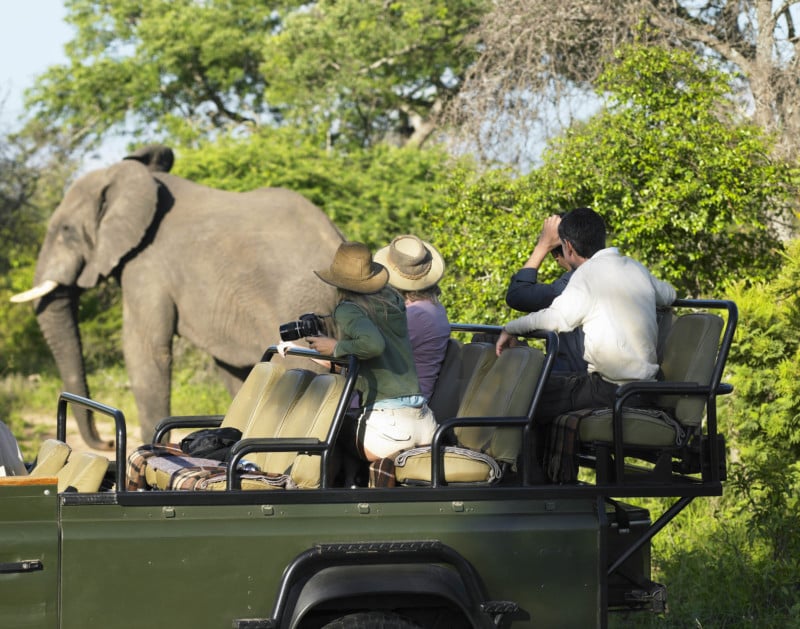
Safari tourists enjoying a view of the Big Five animals in Africa
Meet the Majestic African Elephant
In the vast and diverse landscapes of Africa, the African Elephant stands as a symbol of grandeur and strength. As one of the big 5 animals, the African Elephant captivates hearts with its immense size, intelligence, and complex social structure. Let’s delve into the fascinating world of the largest land animal on Earth.
Characteristics and Behavior
The African Elephant is renowned for its incredible size and distinctive features. Weighing up to 6,000 kg (13,000 lbs), these gentle giants are characterized by their massive bodies, large ears, and long trunks. Their ears serve a crucial role in regulating body temperature and communicating with other elephants. The trunk, a versatile appendage, is used for feeding, drinking, and social interactions.
Elephants are highly intelligent creatures, possessing a remarkable memory that aids in their survival. They are known for their ability to recognize themselves in mirrors, indicating a level of self-awareness rare in the animal kingdom. Their intelligence extends to their social interactions; elephants live in matriarchal family groups led by the oldest female, known as the matriarch.
In their natural habitats—savannahs, forests, and deserts—African Elephants play a pivotal role in maintaining ecological balance. They are keystone species, meaning their presence significantly impacts the environment. For instance, by feeding on trees and shrubs, they prevent overgrowth, which in turn supports the ecosystem’s biodiversity.
Elephants are also known for their deep emotional connections. They display complex social behaviors, such as mourning the loss of a family member. This emotional depth, combined with their formidable appearance, makes them a truly majestic part of the African landscape.
Conservation Challenges
Despite their awe-inspiring presence, African Elephants face numerous threats that challenge their survival. As a species listed as Vulnerable, their numbers have dwindled due to habitat loss, human-wildlife conflict, and, most critically, poaching for ivory.
The illegal ivory trade has decimated elephant populations across Africa. Despite international bans on ivory trading, demand continues to drive poaching activities. This has led to a significant decline in elephant numbers, and in some areas, entire herds have been wiped out. Conservationists are fighting tirelessly to combat poaching through increased protection measures and anti-poaching initiatives.
Human-wildlife conflict also poses a significant threat to elephants. As human populations expand, agricultural and urban development encroaches on elephant habitats. This leads to conflicts when elephants, in search of food, enter farmlands and destroy crops, resulting in retaliatory killings by farmers.
Conservation efforts are crucial in ensuring the survival of elephants. Organizations across Africa are working to protect elephant habitats, implement anti-poaching measures, and promote coexistence between humans and elephants. Community-based conservation projects are particularly effective, involving local communities in conservation efforts and providing them with sustainable livelihood options.
Education and awareness are key components of conservation strategies. By educating local populations and the global community about the importance of elephants and the threats they face, we can foster a collective effort to protect these magnificent animals. Supporting eco-tourism initiatives can also help by providing economic incentives for local communities to conserve elephant populations.
In conclusion, the African Elephant is not just a member of the five big animals; it is a cornerstone of Africa’s natural heritage. Protecting these majestic creatures is essential not only for their survival but also for the health of the ecosystems they support. Through collective conservation efforts, we can ensure that future generations will continue to witness the awe-inspiring sight of elephants roaming free in the wild.
The Mighty African Lion
The African lion, often referred to as the “King of the Jungle,” is one of the most majestic and revered creatures among the big 5 animals. Its regal presence and formidable prowess make it an apex predator in its ecosystem, playing a crucial role in maintaining the balance of its habitat. Let’s delve into the fascinating world of the African lion, exploring its social structure, hunting habits, and the conservation efforts aimed at protecting this iconic species.
Social Structure and Hunting Habits
Lions are unique among the big 5 animals for their complex social structure. They live in groups known as prides, which typically consist of 10 to 15 lions, although some prides can be larger. A pride usually includes a few adult males, a dozen or more related females, and their cubs. This social system is not only pivotal for their survival but also defines their hunting strategies and territorial behavior.
Social Structure:
The social hierarchy within a pride is clearly defined. The adult males are responsible for defending the pride’s territory, which can span up to 260 square kilometers. These territories are marked by scent markings and loud roars, which can be heard up to 8 kilometers away. Male lions often form coalitions with their brothers or other males to effectively protect the pride and maintain dominance over other rival males.
Female lions, on the other hand, are the primary hunters and caregivers within the pride. They work cohesively to hunt and provide for the entire group. Females usually remain in their natal pride for life, ensuring stability and continuity of the pride’s lineage.
Hunting Habits:
Lions are primarily nocturnal hunters, preferring to hunt under the cover of darkness when temperatures are cooler, and their prey is less alert. Their hunting techniques are a testament to their strength and teamwork. A lioness will typically initiate a hunt by stalking close to their prey, using the cover of tall grasses to remain unseen. Once they are close enough, they will launch a surprise attack, aiming to capture their prey with a swift and powerful leap.
The prey of lions varies depending on the region and availability, but common targets include zebras, wildebeests, and antelopes. Lions are opportunistic feeders, meaning they will also scavenge from other predators when the opportunity arises.
Conservation Efforts and Threats
Despite being symbols of strength and dominance, African lions face numerous threats that have led to a significant decline in their populations. The International Union for Conservation of Nature (IUCN) currently lists lions as Vulnerable, with only approximately 20,000 individuals remaining in the wild.
Threats:
- Habitat Loss: The expansion of agricultural activities and human settlements has led to significant habitat loss and fragmentation, reducing the areas where lions can roam freely and hunt.
- Human-Wildlife Conflict: As human populations expand, lions often come into conflict with farmers and pastoralists. Livestock predation by lions can lead to retaliatory killings, further threatening their survival.
- Poaching and Illegal Trade: While not as heavily targeted as rhinos or elephants, lions are still victims of poaching for their bones, skins, and other body parts, which are in demand for traditional medicine and trophy hunting.
- Decline in Prey Population: The depletion of natural prey due to overhunting and habitat degradation directly impacts lion populations, as they struggle to find adequate food sources.
Conservation Efforts:
Numerous initiatives are underway to protect and conserve African lions. Conservation organizations and governments are collaborating to create and enforce protected areas, where lions can thrive without the pressure of human encroachment. Efforts are also being made to mitigate human-wildlife conflicts through community engagement and education, providing communities with tools and strategies to protect their livestock without harming lions.
Additionally, research and monitoring programs are crucial in understanding lion behavior and ecology, providing data that informs effective conservation strategies. Innovative approaches, such as the establishment of wildlife corridors, are being implemented to ensure lions can safely traverse between fragmented habitats.
The future of the African lion is intricately tied to the health of their ecosystems and the success of conservation efforts. By understanding their social structures and the threats they face, we can contribute to the preservation of these magnificent creatures, ensuring that they continue to reign as a keystone species among the big 5 animals for generations to come.
Understanding the African Buffalo
Traits and Habitats
The African Buffalo, often referred to as the Cape buffalo, is a remarkable member of the big 5 animals known for its sheer power and unpredictability. These formidable creatures are a sight to behold, especially when seen grazing in large herds across the vast African plains. Distinguished by their robust bodies and large, curved horns, African buffaloes can weigh over 900 kilograms (approximately 2,000 pounds), making them one of the heaviest land animals in Africa.
Buffaloes are primarily found in sub-Saharan Africa, inhabiting a wide range of environments from open savannahs and grasslands to dense forests and swamps. This adaptability is one of the reasons they have thrived in various ecosystems across the continent. Their preferred habitats are usually near water sources, as they need to drink daily. This dependency on water not only influences their migratory patterns but also their interactions with other species, including predators and humans.
African buffaloes are social animals, living in large herds that can range from a few dozen to several hundred individuals. These herds are primarily made up of females and their offspring, while males either stay with the herd or form smaller bachelor groups. The social structure of buffalo herds is complex, with a dominant female leading the group. This organization helps them effectively communicate and coordinate movements, especially when faced with threats from predators like lions.

A large herd of African Buffalo in their natural savannah habitat
Human-Wildlife Conflict
The African buffalo is often involved in human-wildlife conflicts, primarily due to its proximity to human settlements and agricultural lands. As human populations expand and encroach on wildlife habitats, the overlap between buffalo territories and agricultural fields becomes inevitable. This leads to instances where buffaloes raid crops, causing significant economic losses to local farmers.
Moreover, buffaloes are considered one of the most dangerous animals in Africa, responsible for more hunter deaths than any other member of the big 5 animals. Their unpredictable nature means they can charge without warning, leading to fatal encounters with humans. This has resulted in a complex relationship between local communities and these majestic creatures, where fear and respect coexist.
Efforts have been made to mitigate these conflicts through various conservation and community engagement initiatives. For example, constructing barriers and employing community-based conservation strategies can help protect both human interests and buffalo habitats. Additionally, educational programs aimed at raising awareness about buffalo behavior and the importance of coexistence are crucial in reducing tensions.
Despite being listed as “Least Concern” on the IUCN Red List, local threats to buffalo populations persist, primarily due to habitat loss and disease transmission from domestic cattle. Conservation efforts continue to focus on balancing the needs of wildlife and human communities, ensuring that both can thrive in Africa’s rich and diverse landscapes.
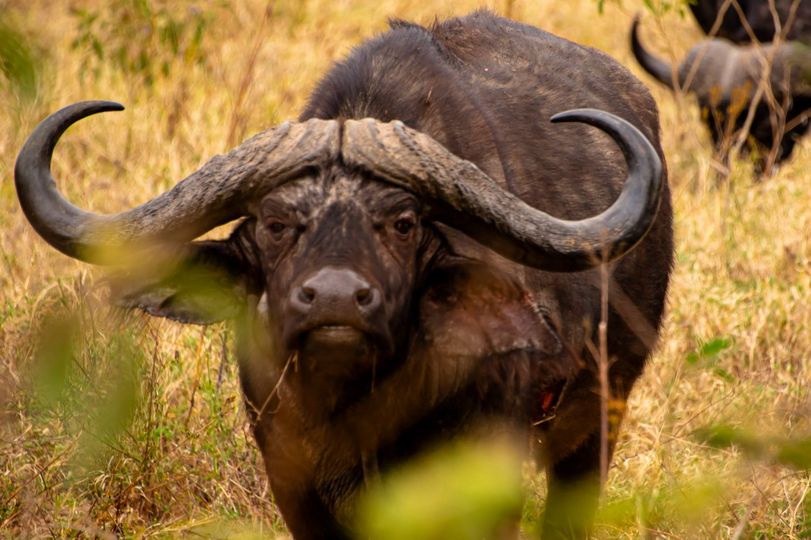
An African Buffalo grazing near a human settlement illustrating potential humanwildlife conflict
The African Buffalo remains a symbol of strength and resilience, embodying the wild and untamed spirit of the African continent. Understanding their traits and the challenges they face is crucial for their conservation and for maintaining the delicate balance between nature and human development.
The Elusive Leopard
The leopard, one of the five big animals, captivates wildlife enthusiasts with its stealth and grace. Known for its elusive nature, the leopard is often the hardest of the Big 5 animals to spot in the wild. This solitary and predominantly nocturnal feline has adapted to various environments across Africa, showcasing remarkable survival strategies that make it a formidable predator.
Adaptations and Survival Strategies
Leopards are marvels of evolution, equipped with a set of adaptations that ensure their survival in diverse habitats ranging from dense forests to arid savannahs. One of their most distinctive features is their spotted coat, which provides excellent camouflage, allowing them to blend seamlessly with their surroundings. This natural disguise is not just for stealth but also for protection, as it helps them avoid detection by both prey and potential threats.
Their muscular build and exceptional agility enable leopards to climb trees effortlessly, a skill that is not only critical for hunting but also for safeguarding their kills from scavengers like hyenas and lions. By dragging their prey up into the branches, leopards can dine in peace, away from ground-level competition. This behavior is not merely opportunistic but a well-honed survival tactic refined over millennia.
Leopards also possess an extraordinarily keen sense of hearing and smell, which aids in detecting prey and potential dangers from a distance. Their solitary nature means they rely heavily on these senses to navigate and hunt in the dark, making them highly effective nocturnal predators. Additionally, their diet is highly adaptable; leopards are known to consume a wide range of prey, from small rodents to larger ungulates, showcasing their ability to thrive in varying conditions.

A leopard showcasing its remarkable camouflage in the African savannah
Conservation Status and Initiatives
Despite their adaptability, leopards face significant threats that have placed them in the vulnerable category of conservation status. The increasing loss of habitat due to human encroachment and agricultural expansion has fragmented leopard populations, restricting their natural ranges and isolating them from potential mates. This habitat fragmentation not only limits their territory but also increases the risk of human-wildlife conflict, as leopards are forced into closer proximity with human settlements.
Poaching and illegal wildlife trade also pose dire threats to leopards. Their beautiful skins are highly sought after in the illegal market, and despite international efforts to curb poaching, these majestic animals are still targeted. Conservation organizations are working tirelessly to protect leopards through various initiatives, including anti-poaching patrols and community education programs aimed at reducing human-leopard conflict.
There are also innovative conservation projects focusing on habitat restoration and the creation of wildlife corridors. These corridors aim to reconnect fragmented habitats, allowing leopards to roam freely and maintain genetic diversity. Furthermore, technology such as camera traps and GPS collars is being utilized to monitor leopard populations and gather critical data on their movements and behaviors.

A leopard demonstrates its unique behavior of storing prey in trees
In conclusion, the leopard’s survival in the wild is a testament to its remarkable adaptations and resilience. However, the ongoing conservation efforts are crucial in ensuring that these iconic animals continue to thrive in their natural habitats. By supporting these initiatives and promoting awareness, we can help preserve the leopard and its place among the revered Big 5 animals of Africa.
The Iconic Rhinoceros
Rhinoceroses are among the most recognizable members of the big 5 animals, often symbolizing the wild and rugged beauty of Africa. They are a testament to nature’s grandeur, yet they face immense challenges that threaten their existence. Two of the most prominent species of rhinoceroses found in Africa are the Black Rhino (Diceros bicornis) and the White Rhino (Ceratotherium simum). Understanding the differences between these two magnificent creatures is essential for appreciating their unique roles in the African ecosystem.
Differences Between Black and White Rhinos
At first glance, one might assume that Black and White Rhinos are distinguished by their color; however, this is a common misconception. Both species are, in fact, similar in color, typically ranging from gray to brown. The distinction between them lies primarily in their size, shape, behavior, and habitat preferences.
Physical Characteristics:
The White Rhino is the larger of the two, often weighing between 1,800 and 2,500 kilograms (4,000 to 5,500 pounds), whereas the Black Rhino typically weighs between 800 and 1,400 kilograms (1,800 to 3,100 pounds). White Rhinos have a broad, square-shaped mouth adapted for grazing on grasses. In contrast, Black Rhinos possess a pointed, prehensile upper lip suited for browsing shrubs and trees.
Behavior and Habitat:
White Rhinos are primarily found in open savannahs and grasslands where they graze on short grasses. They are generally more social, often seen in groups or pairs. Black Rhinos, preferring dense bush and wooded areas, are more solitary and territorial, with a reputation for being more aggressive.
Conservation Status:
The conservation status of these rhinos highlights the urgent need for protection efforts. The Black Rhino is classified as Critically Endangered, with fewer than 5,000 individuals left in the wild due to poaching and habitat loss. The White Rhino, with its two subspecies, has a mixed status: the Southern White Rhino is classified as Near Threatened, while the Northern White Rhino is on the brink of extinction, with only two individuals left, both of which are females.

Black and White Rhinos in their natural habitat
The Threat of Poaching
Poaching poses the most severe threat to the survival of both Black and White Rhinos. The demand for rhino horn, driven by black markets in Asia where it is wrongly believed to have medicinal properties, has led to a dramatic increase in illegal hunting. Rhino horns are composed of keratin, similar to human hair and nails, yet myths surrounding their supposed benefits have fueled their high market value.
Impact on Populations:
The impact of poaching is devastating. In the early 20th century, there were hundreds of thousands of rhinos across Africa. Today, their numbers have dwindled alarmingly. Despite international bans on rhino horn trade, poachers continue to decimate rhino populations, often using sophisticated technology and brutal methods.
Conservation Initiatives:
Efforts to combat poaching include employing anti-poaching units, increasing surveillance with drones and GPS tracking, and dehorning rhinos to make them less appealing targets. Conservationists also focus on community-based programs that provide alternative livelihoods to those who might otherwise be involved in poaching.
Global Collaboration:
The fight against poaching is a global endeavor requiring collaboration between governments, non-governmental organizations, and local communities. Innovative approaches such as translocating rhinos to safer areas and increasing penalties for poaching are being implemented. Public awareness campaigns are crucial in reducing demand for rhino horn and fostering a culture of conservation.
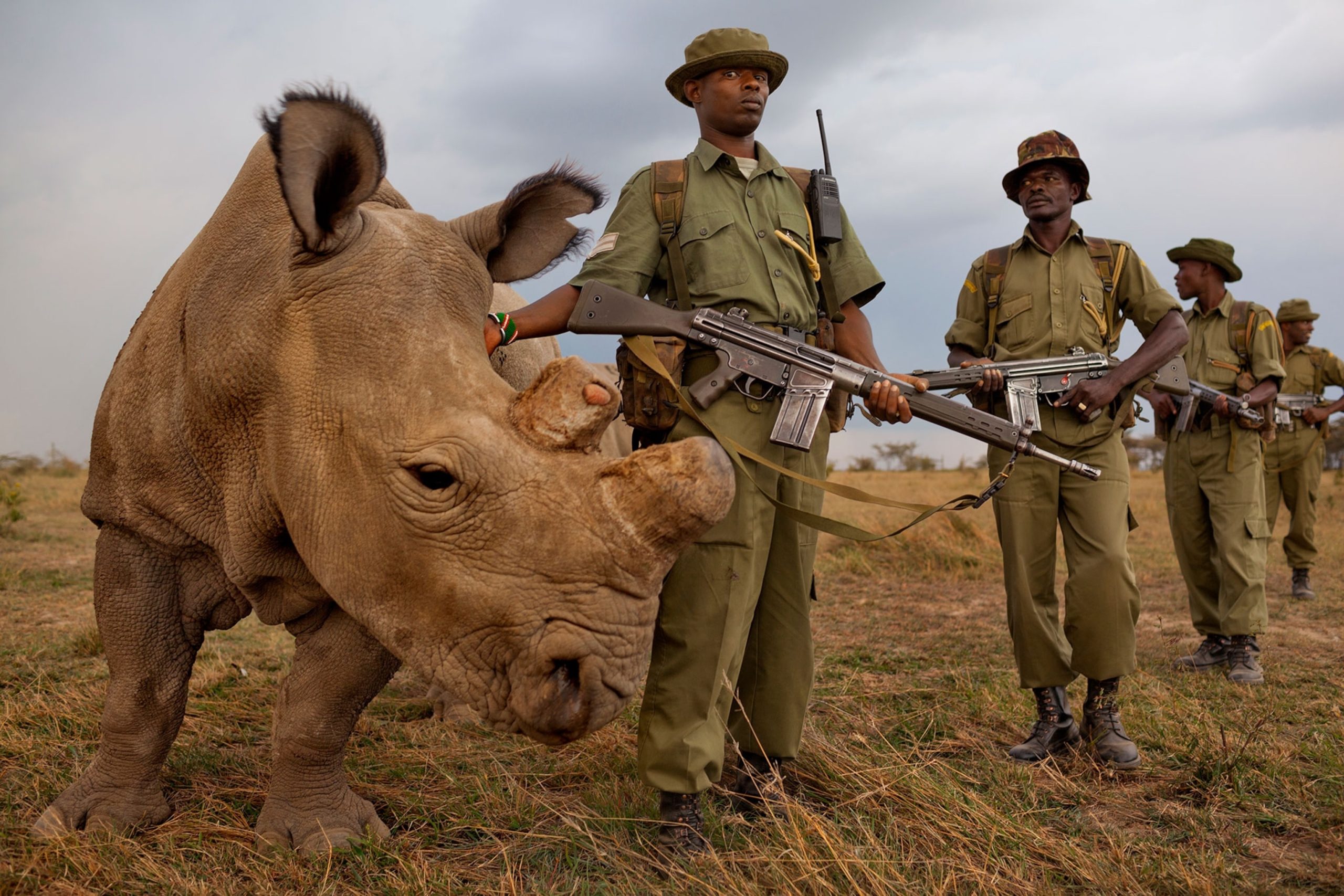
Antipoaching unit in action protecting rhinos
By understanding the differences between Black and White Rhinos and the threats they face, we can appreciate their importance as part of the big 5 animals and the need to preserve these magnificent creatures for future generations. As we continue to explore the rich tapestry of African wildlife, let us be reminded of our role in safeguarding this precious natural heritage.
Where to See the Big Five in Africa
Embarking on a journey to witness the Big 5 animals in their natural habitat is a dream for many wildlife enthusiasts. Africa, with its vast landscapes and rich biodiversity, offers some of the most spectacular safari experiences. Here, we will explore the top safari destinations where you can see the Big Five and the best times to visit for an unforgettable wildlife viewing experience.
Top Safari Destinations
Africa boasts numerous national parks and reserves where the Big Five roam freely. Each destination offers unique landscapes and opportunities to observe these majestic creatures.
Kruger National Park, South Africa
One of the most renowned wildlife reserves globally, Kruger National Park is a haven for the Big Five. Spanning nearly 20,000 square kilometers, it provides diverse ecosystems ranging from savannahs to forests. The park is well-equipped with infrastructure, making it accessible for both self-drive and guided safaris. Visitors can enjoy the thrill of spotting lions lazing under the sun, elephants marching in herds, and rhinos grazing peacefully.
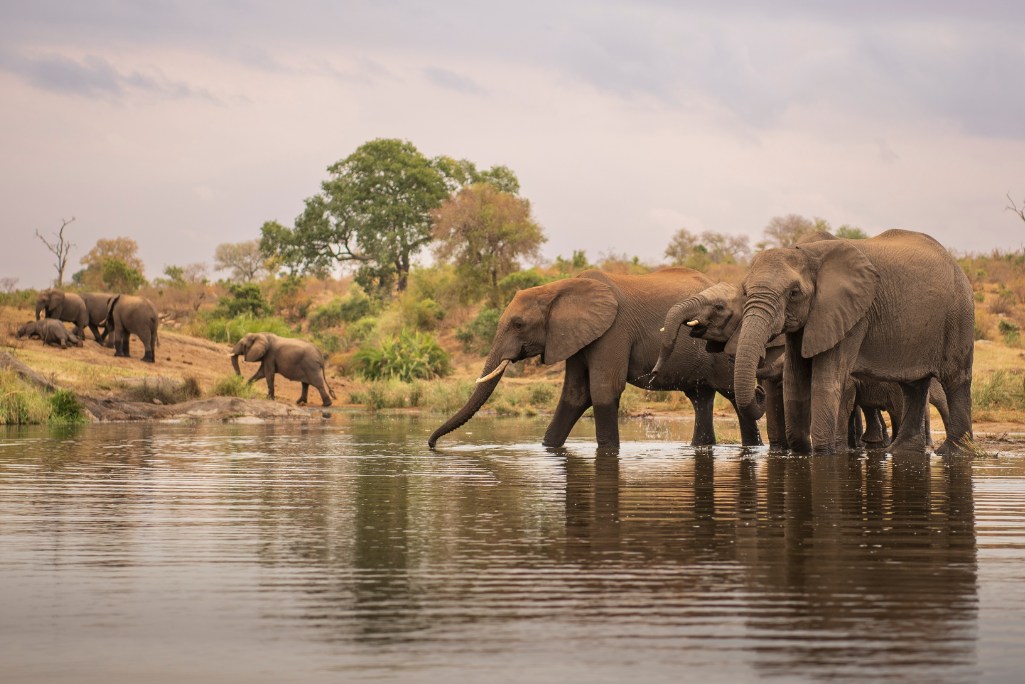
A herd of elephants in Kruger National Park
Maasai Mara National Reserve, Kenya
The Maasai Mara is famed for its exceptional population of big cats, including lions and leopards, as well as the annual Great Migration. As wildebeest, zebras, and antelopes move across the plains, predators like lions and leopards lie in wait, offering an exhilarating spectacle. The Maasai Mara is an ideal location for those seeking to witness raw and dynamic wildlife interactions.
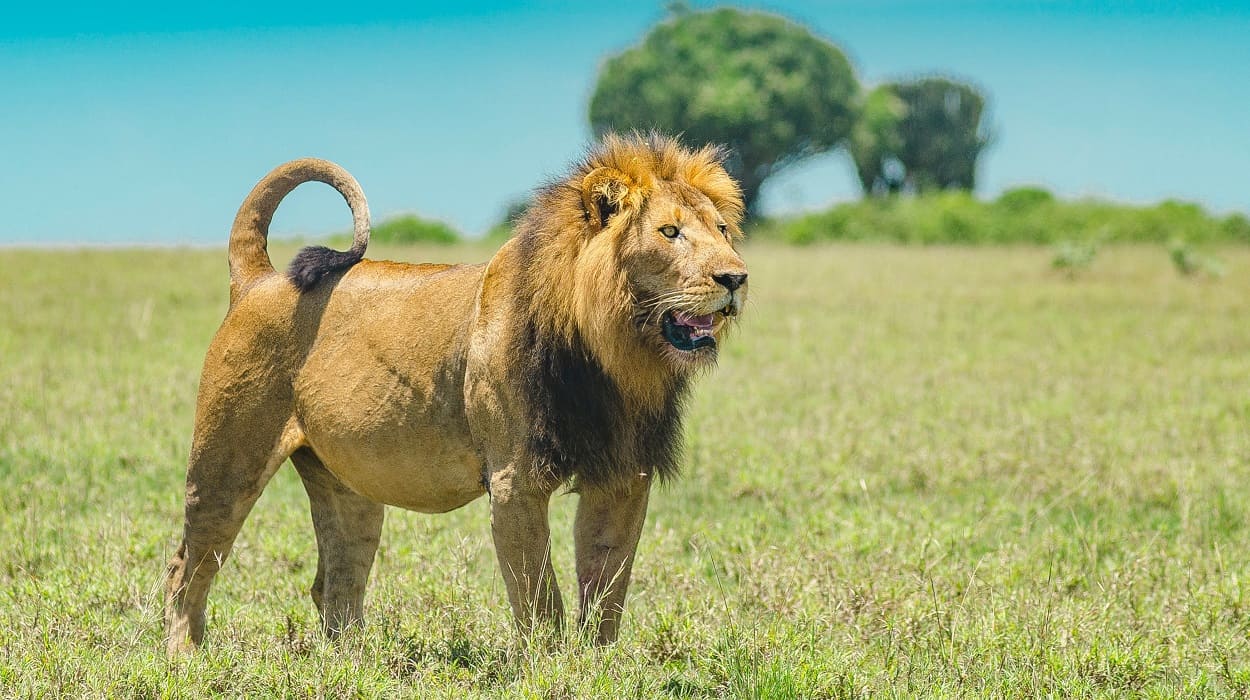
A pride of lions in Maasai Mara National Reserve
Serengeti National Park, Tanzania
Connected to the Maasai Mara, the Serengeti is synonymous with African wildlife. Vast and sprawling, it is home to all Big Five animals, with a particularly high density of lions and elephants. The Serengeti’s endless plains provide a stunning backdrop for observing the intricate social structures and hunting strategies of these majestic animals.

Lions and wildebeest in Serengeti National Park
Okavango Delta, Botswana
The Okavango Delta is a unique and lush oasis in the heart of the Kalahari Desert. Known for its intricate waterways and islands, it is a UNESCO World Heritage site. The delta supports a rich variety of wildlife, including elephants and buffalos. Exploring the delta by traditional mokoro (dugout canoe) offers a serene and intimate way to experience the Big Five and other wildlife.
Etosha National Park, Namibia
Famed for its vast salt pans, Etosha National Park provides a dramatic setting for wildlife viewing. The park’s waterholes attract a multitude of animals, making it a prime spot for observing the Big Five. Visitors often witness dramatic interactions as predators and prey converge around these vital water sources.
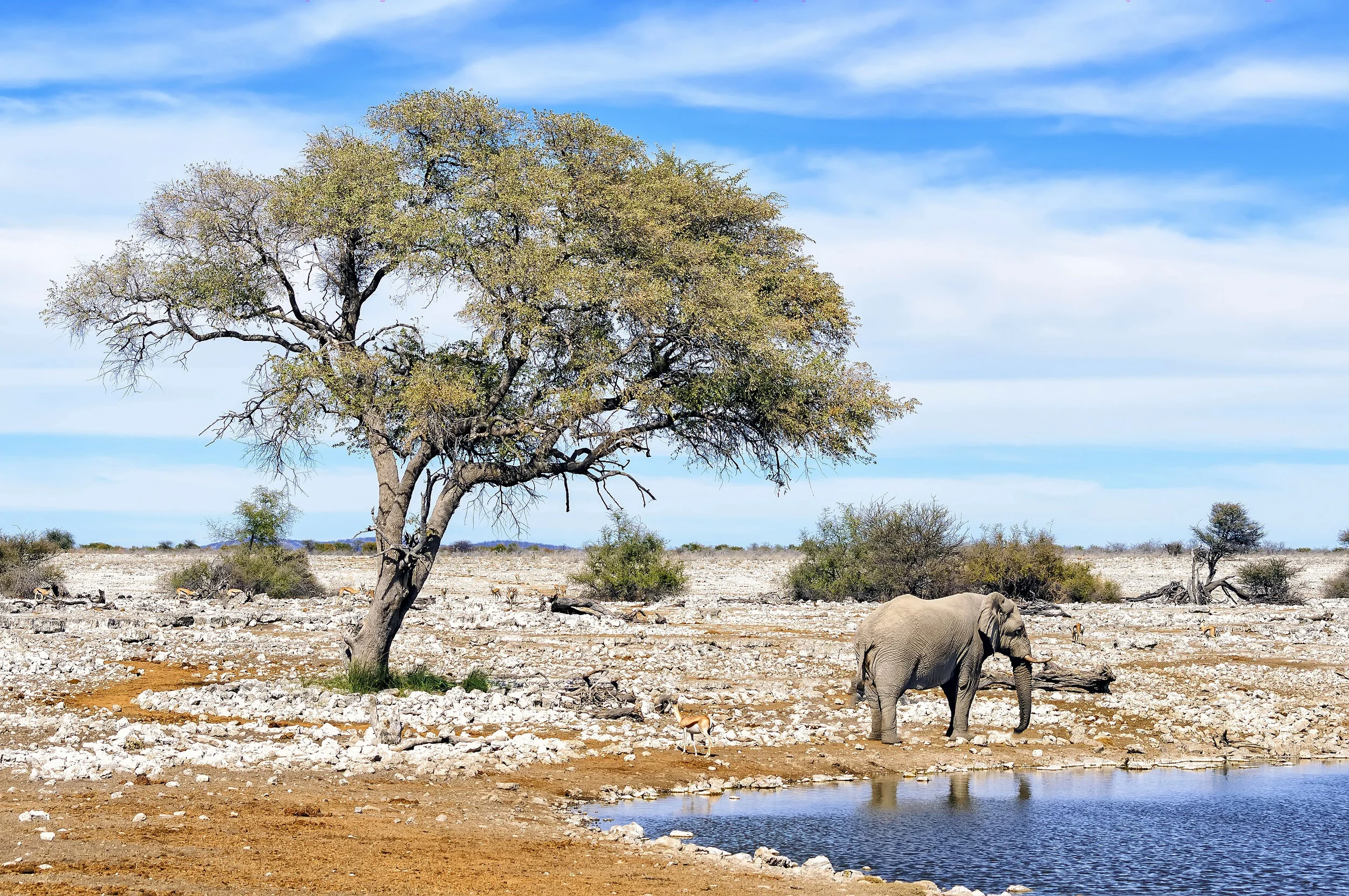
Wildlife congregating at a waterhole in Etosha National Park
Best Time for Wildlife Viewing
Timing your safari is crucial for maximizing your chances of seeing the Big Five. While Africa’s diverse climates mean that wildlife viewing is possible year-round, certain seasons offer better conditions.
Dry Season (June to October)
The dry season is considered the best time for a safari in many regions of Africa. During this period, water sources become scarce, compelling animals to congregate around remaining waterholes and rivers. This concentration makes it easier to spot the Big Five, as well as other wildlife. Vegetation is also less dense, improving visibility. The cooler, dry weather is generally more comfortable for travelers and reduces the risk of malaria.
Green Season (November to May)
The green season, characterized by lush vegetation and vibrant landscapes, offers a different but equally rewarding experience. While wildlife may be more dispersed due to abundant water, the landscapes are stunning, and there are fewer tourists. This period is ideal for birdwatching, as migratory birds arrive, and for witnessing the birth of many animals, offering a chance to see young Big Five animals.
Each destination and season provides a unique perspective on the Big Five, making Africa’s safaris an endlessly fascinating adventure. Whether you prefer the dramatic dry season or the verdant allure of the green season, the opportunity to see these legendary creatures in their natural habitat is a once-in-a-lifetime experience.
The Importance of the Big Five
The Big 5 animals—the lion, elephant, buffalo, leopard, and rhinoceros—are more than just symbols of Africa’s wild beauty. They play a vital role in the continent’s conservation efforts and have significant cultural and economic impacts.
Their Role in Conservation
The Big 5 animals are not only iconic representatives of Africa’s rich biodiversity but also pivotal in the broader efforts of wildlife conservation. Each of these species plays a unique role in its ecosystem, contributing to the natural balance and health of their habitats.
- Keystone Species: Many of the Big 5 are considered keystone species, meaning their presence and behaviors significantly shape their environment. For instance, elephants are known as ecosystem engineers. By uprooting trees and trampling vegetation, they maintain the savannah ecosystems, which support a diverse range of species.
- Symbolic Conservation: The Big 5 serve as powerful symbols in global conservation campaigns. Their iconic status helps to draw international attention and funding to preserve not only these majestic creatures but also countless other species that share their habitats.
- Biodiversity Indicators: The presence of healthy populations of the Big 5 animals often indicates a robust ecosystem. Conservation efforts focusing on these species help protect entire ecosystems, ensuring that a wide array of flora and fauna thrive alongside them.
- Anti-Poaching Efforts: Unfortunately, the fame of the Big 5 also makes them targets for poachers. Conservation initiatives often center around anti-poaching efforts, which include everything from ranger patrols to modern technology like drones and satellite tracking. These efforts not only aim to protect the Big 5 but also enhance overall law enforcement in wildlife conservation.

Elephants playing a crucial role in maintaining the savannah ecosystem
Cultural and Economic Impact
The Big 5 animals hold significant cultural and economic value both locally and globally. Their impact extends beyond the wild landscapes of Africa, influencing cultures and economies worldwide.
- Tourism and Economy: The Big 5 are a major draw for tourism, which is a significant economic driver in many African countries. Safaris and wildlife tours centered around the Big 5 contribute billions of dollars annually to local economies. This influx of revenue supports community development, infrastructure, and local businesses, providing jobs and improving livelihoods.
- Cultural Significance: In many African cultures, the Big 5 animals are woven into the fabric of local folklore, art, and traditions. They hold spiritual significance and are often revered as symbols of strength, power, and resilience. This deep cultural connection fosters a sense of pride and responsibility in local communities, encouraging them to participate actively in conservation efforts.
- National Identity: The Big 5 are often used in national symbols and branding, representing the rugged beauty and natural wealth of African nations. This branding helps to promote national parks and conservation areas, attracting international visitors and investors.
- Educational Value: These animals serve as ambassadors for wildlife education, helping to raise awareness about the importance of biodiversity and conservation. Educational programs that focus on the Big 5 inspire future generations to value and protect their natural heritage.
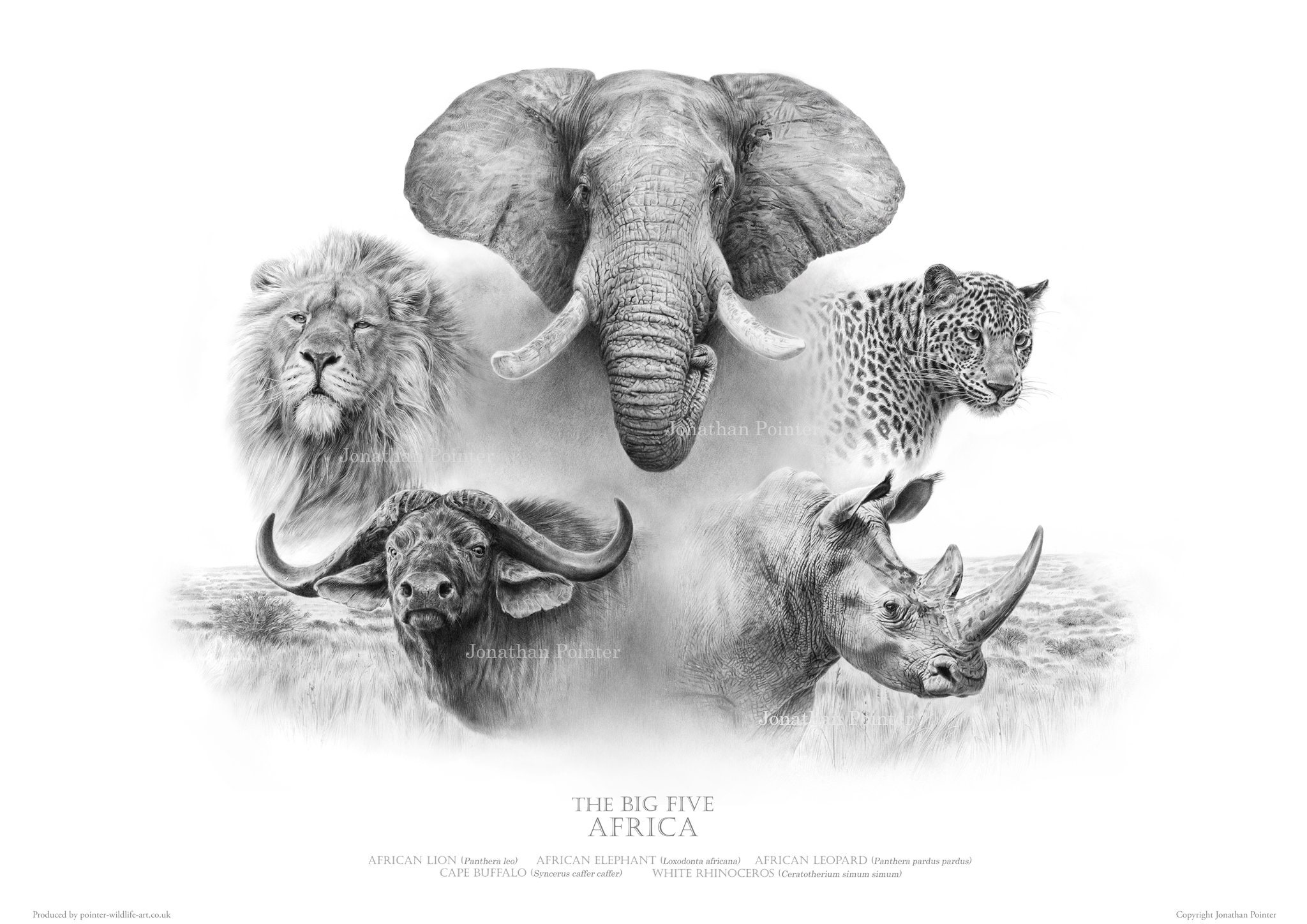
Traditional African art celebrating the Big 5 animals
In summary, the Big 5 animals are not merely attractions for wildlife enthusiasts but are integral to the ecosystems they inhabit, the cultures they influence, and the economies they support. Their conservation is crucial, not just for their survival but for the preservation of Africa’s diverse and rich biological heritage.
Fascinating Facts About the Big Five
Unique Behaviors and Traits
The Big 5 animals—the African elephant, lion, buffalo, leopard, and rhinoceros—each possess distinctive behaviors and traits that contribute to their legendary status. Their unique characteristics not only make them fascinating to observe but also highlight their importance in the African ecosystem.
African Elephant: Gentle Giants with a Complex Social Life
African elephants are renowned for their intelligence, strong social bonds, and exceptional memory. They live in matriarchal herds, where the oldest female leads. These gentle giants exhibit behaviors that demonstrate deep emotional connections, such as mourning their dead or celebrating births within the herd. An elephant’s trunk, a multifunctional tool, is used for a variety of tasks, including feeding, drinking, and social interactions.

African elephants displaying strong social bonds
African Lion: The King of Communication
Lions, often dubbed the “King of the Jungle,” are unique in their social structure compared to other big cats. They live in prides, which are family units dominated by females. Lions communicate through a variety of vocalizations, facial expressions, and body postures. Their iconic roar serves not only to establish territory but also to communicate with pride members across vast distances.
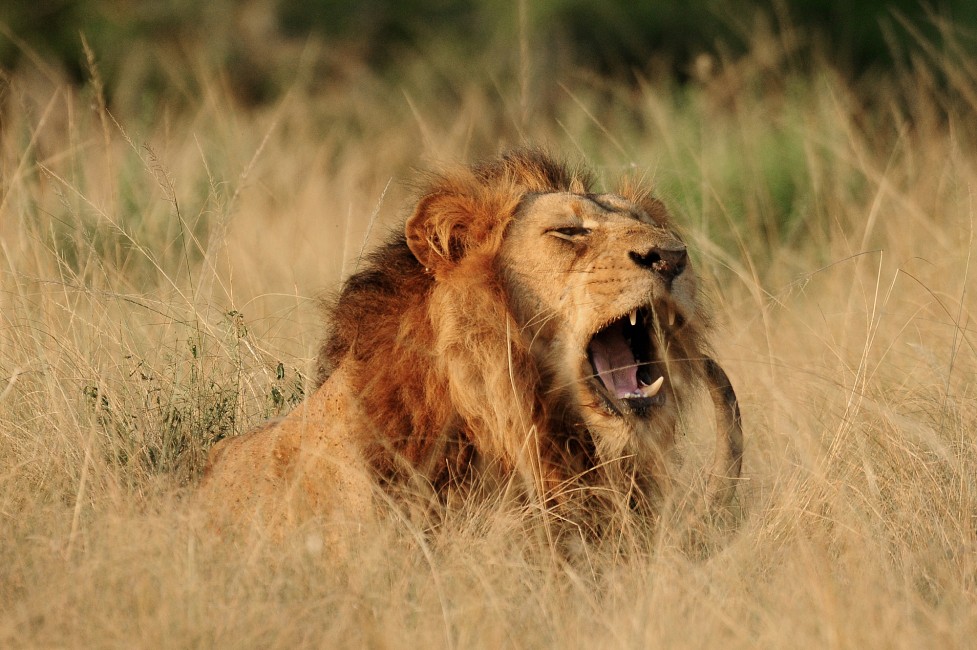
The mighty roar of an African lion
African Buffalo: The Unpredictable Survivor
The African buffalo, also known as the Cape buffalo, is known for its unpredictable nature and formidable strength. These traits make them one of the most dangerous of the five big animals. Buffalos are highly social, forming large herds that can offer protection against predators. They have an incredible memory for water locations and can travel long distances in search of it.
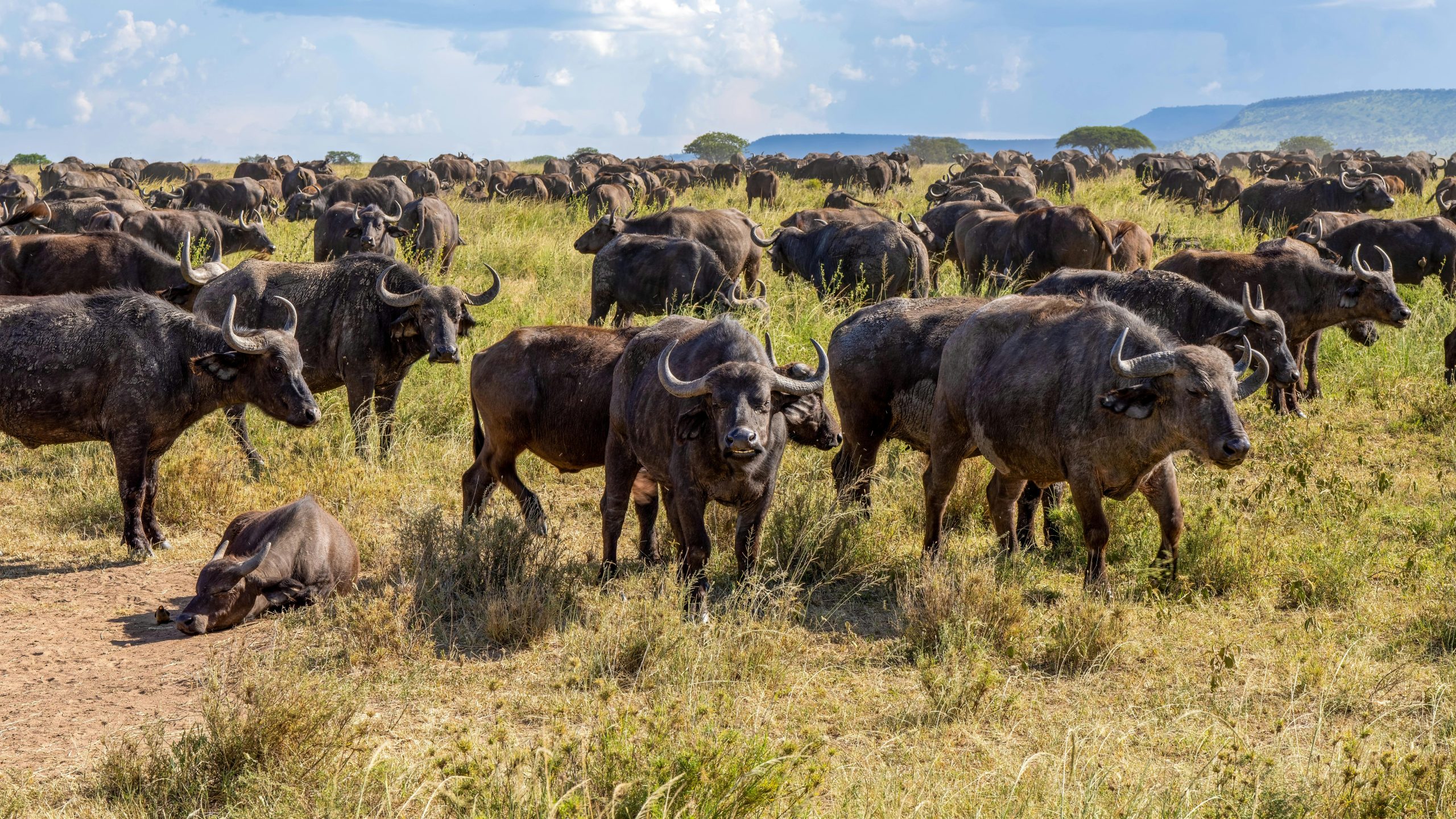
African buffaloes in their natural habitat
Leopard: The Stealthy Solo Hunter
Leopards are solitary and elusive, making them the most difficult of the big 5 animals to spot in the wild. Their adaptability allows them to thrive in various environments, from dense forests to arid savannahs. Leopards are expert climbers, often dragging their prey into trees to avoid scavengers. Their nocturnal habits and stealthy movements make them highly efficient hunters.
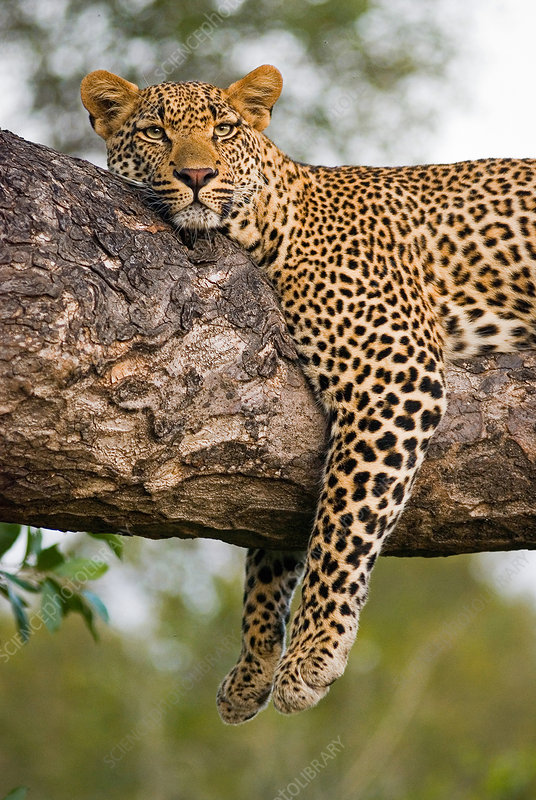
A leopard showcasing its climbing prowess
Rhinoceros: The Heavyweight Herbivore
Rhinoceroses, with their iconic horns, are formidable yet vulnerable giants. Both black and white rhinos have adapted to different feeding strategies: black rhinos are browsers with prehensile lips for picking leaves, while white rhinos are grazers with wide mouths suited for grazing. Despite their size, rhinos have poor eyesight but compensate with a keen sense of smell and hearing.
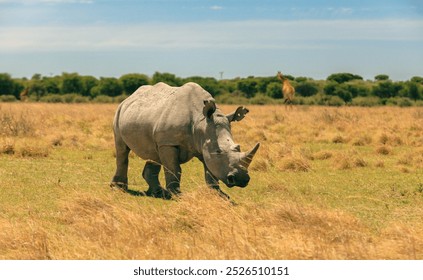
A rhinoceros in its natural habitat
Misconceptions and Myths
The Big 5 animals have inspired numerous myths and misconceptions over the years, often blending fact with fiction.
Myth: Lions Are the Best Hunters
Contrary to popular belief, lions are not always successful hunters. They rely heavily on teamwork and strategy to take down prey, with a success rate of only about 20-30%. Often, it is the lionesses that do the majority of the hunting, while males protect the pride.
Misconception: Elephants Have Excellent Vision
While elephants are known for their exceptional memory, their eyesight is relatively poor. They rely more on their sense of smell and hearing to navigate and communicate. This misconception often leads people to believe they can see great distances, which is not the case.
Myth: Buffaloes Are Aggressive by Nature
Buffaloes have a reputation for being aggressive, but this behavior is primarily defensive. They are protective of their herd and will only show aggression when threatened. Their unpredictability stems from their strong desire to protect themselves and their young.
Misconception: Rhinos Use Their Horns for Fighting Only
While rhinos do use their horns for defense and during fights for territory or mates, they also use them for digging up roots and breaking branches. Their horns are made of keratin, the same material as human hair and nails, and have various practical uses.
Myth: Leopards Are Exclusively Nocturnal
Although leopards are primarily nocturnal, they are not exclusively so. They adjust their activity patterns based on environmental conditions and prey availability, showcasing their adaptability.
Through understanding these unique behaviors and debunking myths, we gain a deeper appreciation for these majestic creatures. The Big 5 animals are not just iconic symbols of Africa’s wildlife but are integral to the continent’s ecological balance, cultural heritage, and economic stability through tourism. By learning more about them, we can better contribute to their conservation and ensure their legacy for future generations.
Preserving Africa’s Wild Heritage
The Future of the Big Five
The future of the Big Five is a topic of immense concern and interest for conservationists, governments, and wildlife enthusiasts around the world. These iconic creatures—lion, elephant, buffalo, leopard, and rhinoceros—are not just symbols of Africa’s rich biodiversity but also crucial players in their ecosystems. However, their continued existence is threatened by a myriad of challenges that require immediate and sustained attention.
One major threat facing the Big Five is habitat loss, driven by agricultural expansion, urbanization, and infrastructure development. As human populations grow, the natural habitats of these magnificent animals are shrinking, leading to increased human-wildlife conflicts. Efforts are underway to create and maintain protected areas and wildlife corridors that ensure these animals have the space they need to roam freely and maintain healthy populations.
Poaching is another significant threat, particularly for elephants and rhinos, whose tusks and horns are highly valued in illegal wildlife trade markets. Stricter law enforcement, community engagement, and international cooperation are crucial in combating poaching. There have been successes, such as increased penalties for poachers and better surveillance technologies, but the battle is far from over.
Climate change also poses a looming threat, altering weather patterns and affecting the availability of water and food resources. This not only impacts the Big Five directly but also disrupts the delicate balance of the ecosystems they inhabit. Conservation strategies must therefore integrate climate resilience to help these animals adapt to changing environments.
Despite these challenges, there is hope for the future. Global awareness and interest in wildlife conservation are at an all-time high, leading to increased funding and support for conservation initiatives. Collaborative efforts between governments, NGOs, and local communities are proving effective in creating sustainable conservation strategies that benefit both people and wildlife.
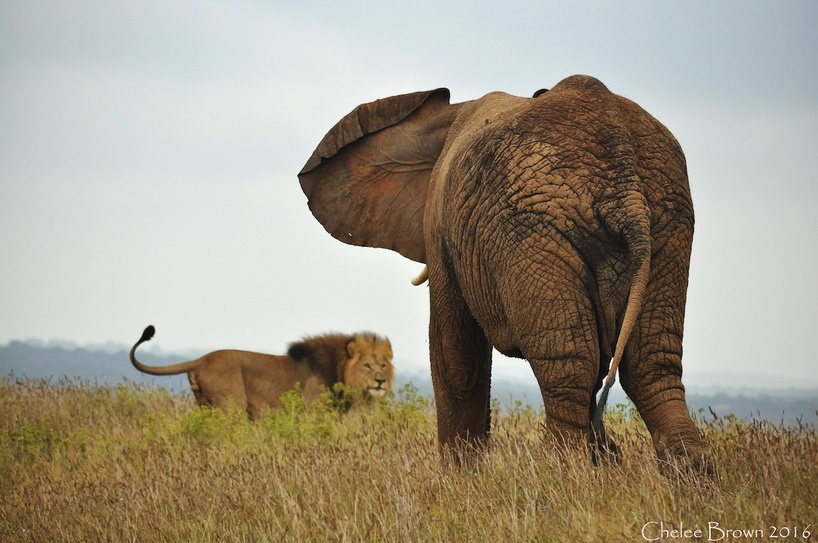
The African savanna home to the Big Five
How We Can Help Protect Them
Protecting the Big Five is not just the responsibility of those living in Africa; it is a global endeavor that requires collective action. Here are some ways we can all contribute to the preservation of these magnificent animals:
- Support Conservation Organizations: Many organizations are dedicated to the protection of the Big Five and their habitats. By donating to or volunteering with these groups, you can make a tangible impact on their conservation efforts. Look for reputable organizations that work on the ground in Africa and have a proven track record of success.
- Promote Sustainable Tourism: When planning a trip to see the Big Five, choose eco-friendly safari operators that prioritize conservation and community involvement. These operators often contribute a portion of their profits to local conservation projects and work to minimize the environmental impact of their activities.
- Advocate for Stronger Policies: Use your voice to advocate for stronger wildlife protection policies both locally and globally. This includes supporting legislation that combats poaching, illegal trade, and habitat destruction. Engaging with policymakers and participating in campaigns can help drive meaningful change.
- Educate and Raise Awareness: Spread the word about the importance of the Big Five and the threats they face. Education is a powerful tool in changing perceptions and behaviors. Whether through social media, community events, or educational programs, raising awareness can inspire others to take action.
- Make Sustainable Choices: Everyday choices, from the products we buy to the companies we support, can have a significant impact on wildlife conservation. Opt for sustainable, wildlife-friendly products and support businesses that are committed to ethical and environmentally responsible practices.
By taking these steps, we can all play a role in ensuring that the Big Five continue to thrive for generations to come. Their survival is not just about preserving a part of Africa’s heritage; it is about maintaining the ecological balance that supports countless other species, including our own.
At WildWhiskers, we believe in the power of community and the importance of every individual action. Join us in our mission to protect and celebrate the wonders of the animal kingdom. Together, we can make a difference.