







In the vast tapestry of life on Earth, the animal kingdom is magnificently diverse, yet it can be broadly divided into two major categories: vertebrate animals and invertebrates. These two branches, while fundamentally different, are both fascinating in their own right and essential to our understanding of the natural world. Vertebrates, with their distinctive backbones, include familiar faces like mammals, birds, and fish. In contrast, invertebrates, which lack a backbone, encompass a multitude of creatures ranging from the delicate butterfly to the resilient earthworm. But what truly sets these groups apart beyond the presence or absence of a spine?
Exploring the evolutionary pathways, anatomical distinctions, and ecological roles of these animals can unveil the complexities of adaptation and survival strategies that have allowed them to thrive in diverse habitats. From the structural marvel of a vertebrate’s endoskeleton to the ingenious simplicity of an invertebrate’s exoskeleton, each group exhibits unique adaptations that cater to their environmental niches.
As we delve deeper, we’ll uncover how these differences impact their roles in ecosystems and their significance to human culture and economy. Whether it’s the tiger’s regal presence in myths or the humble bee’s crucial role in pollination, both vertebrates and invertebrates hold irreplaceable positions in the web of life. This exploration is not just about understanding the distinctions but also celebrating the interconnectedness and biodiversity that sustain our planet. So, let’s embark on this journey to appreciate the remarkable world of vertebrates and invertebrates, deepening our respect for the natural world and its intricate balance.
Introduction to Vertebrates and Invertebrates
The animal kingdom is a vast and diverse realm made up of countless species, each with its unique characteristics and roles within ecosystems. A fundamental way to categorize these myriad forms of life is by dividing them into two broad groups: vertebrates and invertebrates. This division not only helps scientists and enthusiasts alike understand the complexity of life on Earth but also highlights the various evolutionary adaptations that have allowed these creatures to thrive in their respective environments.
Definition and Characteristics of Vertebrates
Vertebrates are animals that are distinguished by the presence of a backbone or spinal column, which is part of an internal skeleton, also known as an endoskeleton. This group includes some of the most familiar animals to humans, such as mammals, birds, reptiles, amphibians, and fish. The development of a backbone has provided vertebrates with several evolutionary advantages, such as increased mobility and the ability to grow larger body sizes compared to their invertebrate counterparts.
One of the defining features of vertebrate animals is their advanced nervous system. This includes a complex brain and sensory organs, which allow for heightened responses to environmental stimuli. The complexity of the vertebrate nervous system supports a wide range of behaviors, from simple reflex actions to complex social interactions.
In addition to their sophisticated nervous systems, vertebrates also possess complex organ structures. These include well-developed respiratory, circulatory, and digestive systems that are adapted to various lifestyles, whether it be a bird soaring through the sky or a fish navigating the depths of the ocean.
Vertebrates are often characterized by their ability to adapt to diverse habitats. From the icy expanses of the Arctic to the lush canopies of tropical rainforests, vertebrates have evolved to occupy a wide array of niches, demonstrating remarkable adaptability and resilience.

Illustration of various vertebrate animals in their natural habitats
Definition and Characteristics of Invertebrates
In contrast to vertebrates, invertebrates lack a backbone. This group encompasses an incredibly diverse range of animals, from the smallest insects to the largest mollusks. Invertebrates make up the majority of animal species on Earth, highlighting their evolutionary success and adaptability.
One of the most notable characteristics of invertebrates is their structural diversity. While some invertebrates, like insects and crustaceans, possess a protective outer layer known as an exoskeleton, others, such as jellyfish and worms, have no hard structures at all. This structural variability allows invertebrates to exploit a wide range of ecological niches and adapt to various environmental conditions.
Despite their lack of a complex internal skeleton, many invertebrates exhibit remarkable biological functions. For example, arthropods, which include insects, spiders, and crustaceans, have highly developed jointed limbs and sophisticated sensory organs that enable them to interact intricately with their surroundings.
Invertebrates also play critical roles in ecosystems as pollinators, decomposers, and prey for many vertebrate species. Their sheer numbers and diversity make them essential components of ecological networks, contributing significantly to the health and stability of ecosystems worldwide.

Illustration of different invertebrate species in their natural environments
Understanding the differences between vertebrate animals and invertebrates not only enhances our appreciation of biological diversity but also underscores the intricate connections that sustain life on our planet. As we delve deeper into their evolutionary backgrounds, anatomical distinctions, and ecological roles, we gain a greater understanding of how these creatures have shaped and continue to influence the world around us.
Evolutionary Background
Origin and Diversification of Vertebrates
The story of vertebrate animals is a fascinating journey through the tapestry of life on Earth. Vertebrates, known for their backbones and complex structures, trace their origins back to the ancient oceans, where the first vertebrate-like creatures emerged. These early vertebrates, resembling primitive fish, appeared over 500 million years ago during the Cambrian Explosion, a pivotal event in Earth’s history characterized by rapid diversification of life forms.
These ancestral vertebrates gradually evolved, developing distinguishing features such as a notochord—a flexible, rod-shaped body that provided structural support and eventually evolved into the vertebral column seen in modern vertebrates. This development was crucial, enabling greater mobility and adaptability in various environments. Over millions of years, vertebrate animals diversified into several major classes, including fish, amphibians, reptiles, birds, and mammals.
Fish were the first to dominate the waters, with lineages like jawless fish and later jawed fish, which gave rise to an incredible variety of species. Amphibians marked a significant evolutionary leap, venturing onto land and adapting to both aquatic and terrestrial environments. Reptiles, benefiting from innovations such as amniotic eggs, further conquered land, leading to the age of dinosaurs. Birds, evolving from theropod dinosaurs, took to the skies, while mammals, characterized by their warm-blooded nature and nurturing behaviors, diversified into the myriad forms we see today.
The evolution of vertebrates is marked by significant geological and climatic shifts, driving adaptations and radiations. Understanding this evolutionary history not only reveals the resilience and adaptability of vertebrate animals but also highlights their profound impact on the planet’s ecosystems.

Illustration of early vertebrates in prehistoric oceans
Evolutionary Pathways of Invertebrates
While vertebrates boast a complex and structured evolutionary tale, invertebrates offer an equally compelling narrative, characterized by immense diversity and adaptation. Invertebrates, which lack a backbone, represent the majority of animal species on Earth. Their evolutionary journey began even before vertebrates, with some of the earliest known invertebrates existing over 600 million years ago.
Invertebrates encompass a vast array of phyla, each exhibiting unique evolutionary pathways. For instance, arthropods, one of the most successful groups, developed hard exoskeletons and jointed appendages, allowing them to thrive in nearly every habitat on Earth. This adaptability gave rise to insects, arachnids, and crustaceans, which collectively represent the most numerous and diverse organisms in the animal kingdom.
Mollusks, another major invertebrate group, showcase remarkable evolutionary innovations. From the intelligent cephalopods, like octopuses and squids, to the more sedentary bivalves and gastropods, mollusks have adapted to varied ecological niches. Their evolutionary success is attributed to features such as the development of shells, advanced nervous systems, and unique feeding structures like radulas.
Cnidarians, including jellyfish and corals, present an ancient lineage with a simple body plan but essential ecological roles, particularly in marine ecosystems. Their ability to form symbiotic relationships and contribute to reef-building highlights the evolutionary ingenuity of invertebrates.
The evolutionary pathways of invertebrates underscore their adaptability and pivotal roles in ecosystems. They are not only integral to food webs but also crucial for processes such as pollination, nutrient cycling, and habitat formation. Through their diverse forms and functions, invertebrates demonstrate the remarkable potential of life to evolve and flourish across the planet.
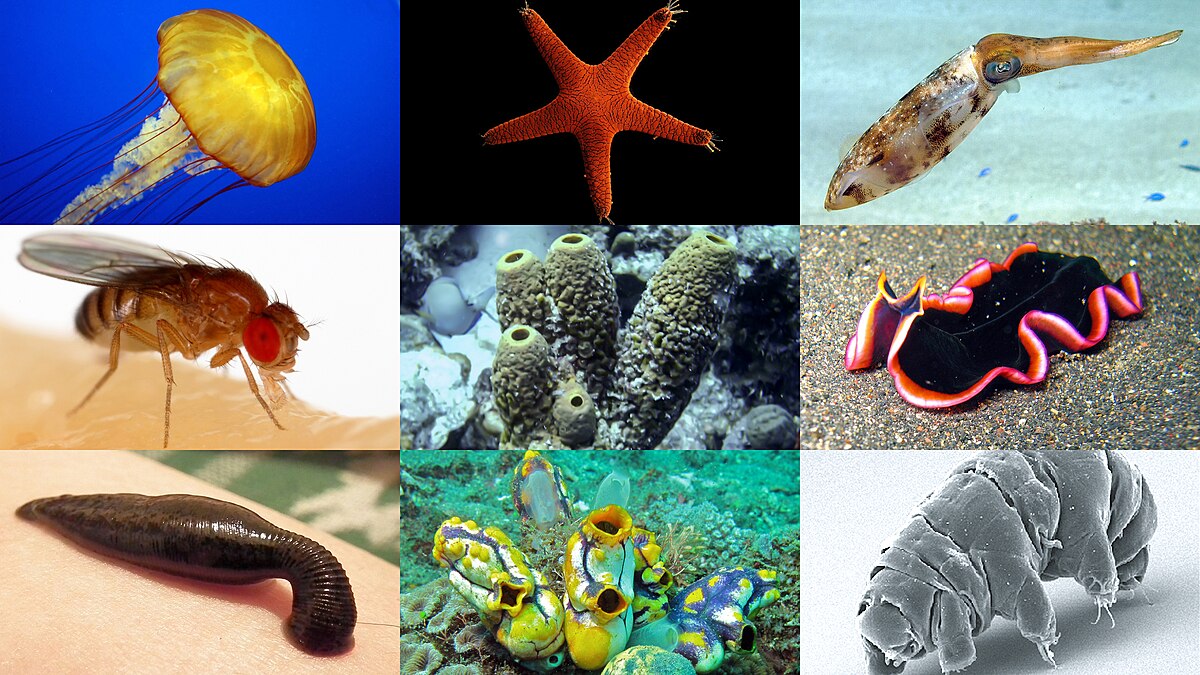
Diverse invertebrates showcasing evolutionary adaptations
Anatomical and Physiological Differences
Understanding the anatomical and physiological differences between vertebrate animals and invertebrates is essential to appreciate the diversity of life forms on Earth. These differences not only define their physical structures but also influence their survival strategies, ecological roles, and evolutionary paths.
Skeletal Structures: Bones vs. Exoskeletons
One of the most defining features that differentiate vertebrates from invertebrates is the type of skeletal structure they possess. Vertebrate animals are characterized by an internal skeleton or endoskeleton, which is primarily composed of bones and cartilage. This endoskeleton provides a sturdy framework that supports the body, facilitates movement through the attachment of muscles, and protects vital organs. Vertebrates, such as mammals, birds, reptiles, amphibians, and fish, all possess this internal skeletal structure, which allows for greater flexibility and mobility.
In contrast, many invertebrates have an exoskeleton, a tough outer shell that encases the body. This type of skeleton is prevalent among arthropods, such as insects, spiders, and crustaceans. The exoskeleton serves multiple purposes: it provides protection against predators, supports the body, and prevents desiccation in terrestrial environments. However, it also imposes limitations on growth, as invertebrates must molt or shed their exoskeletons to grow larger. This process, known as ecdysis, can make them vulnerable during the transition period.
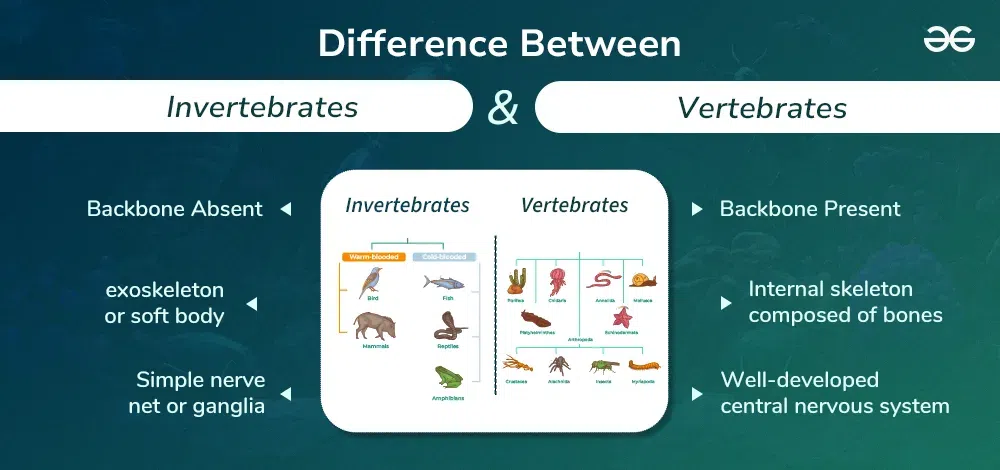
Comparison of vertebrate endoskeleton and invertebrate exoskeleton
While exoskeletons are common among many invertebrates, others, such as jellyfish and earthworms, lack a rigid skeletal structure altogether. These creatures rely on hydrostatic pressure to maintain their shape and support movement.
Nervous System and Organ Complexity
The nervous system and organ complexity in vertebrate animals and invertebrates also reveal significant differences. Vertebrates possess a highly developed nervous system, characterized by a centralized brain and a spinal cord enclosed within the vertebral column. This complex system allows for advanced sensory perception, intricate motor control, and sophisticated behaviors. Vertebrates also exhibit a high degree of organ specialization, with organs such as the heart, lungs, and kidneys performing specific functions essential for survival.
Invertebrates, on the other hand, exhibit a wide range of nervous system complexities. Some, like cephalopods (e.g., octopuses and squids), have relatively advanced nervous systems with large brains capable of learning and problem-solving. However, many invertebrates, such as cnidarians (e.g., jellyfish), possess a simple nerve net without a centralized brain. This limits their ability to process information and respond to stimuli in complex ways.

Illustration of vertebrate brain and invertebrate nerve net system
The diversity in organ complexity among invertebrates is equally fascinating. While some invertebrates have well-developed organs, others have rudimentary or even absent organs. For instance, the respiratory and circulatory systems in many arthropods consist of simple structures like tracheae and open circulatory systems, which differ significantly from the closed circulatory systems found in vertebrates.
These anatomical and physiological differences highlight the remarkable adaptability of life forms on Earth. Vertebrate animals, with their complex structures, have evolved to occupy diverse ecological niches, while invertebrates, with their varied forms and functions, demonstrate incredible versatility in surviving a wide range of environmental conditions. Such diversity continues to intrigue scientists and nature enthusiasts alike, offering endless opportunities for exploration and discovery.
Ecological Roles and Habitats
Habitats and Adaptations of Vertebrates
Vertebrate animals, with their complex structures and advanced physiological systems, have evolved to occupy a wide array of habitats across the globe. These habitats range from the deep oceans to the highest mountains, showcasing the incredible adaptability of vertebrates.
In the aquatic environment, vertebrates such as fish and marine mammals like dolphins and whales thrive. Fish have developed gills to extract oxygen from water, and many species possess streamlined bodies to reduce water resistance, allowing them to swim efficiently. Marine mammals, on the other hand, have evolved lungs for breathing air and adaptations like blubber for insulation against cold waters.
Terrestrial environments host a diverse range of vertebrate animals, including mammals, birds, reptiles, and amphibians. Each group has evolved unique adaptations to survive in their respective niches. For instance, mammals like polar bears have thick fur and a layer of fat to endure the Arctic cold, while desert-dwelling reptiles such as lizards have scales that reduce water loss and allow them to thrive in arid conditions. Birds, with their lightweight bones and feathers, are masters of the skies, migrating vast distances to exploit seasonal resources.
In amphibious habitats, amphibians like frogs and salamanders exhibit dual adaptations, allowing them to live both on land and in water. Their permeable skin facilitates respiration and moisture absorption, critical for their survival in both environments.
The adaptability of vertebrate animals is a testament to their evolutionary success, making them key players in various ecosystems. Their presence influences food webs, predator-prey dynamics, and the overall health of their habitats.

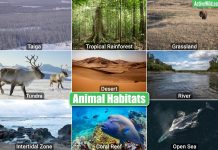
Various habitats where vertebrate animals thrive
Invertebrates: Diversity in Ecosystems
Invertebrates, although lacking a backbone, demonstrate an astonishing diversity that enables them to flourish in virtually every ecosystem on Earth. Their adaptability and sheer numbers make them indispensable to ecological balance.
Invertebrates like insects, arachnids, and crustaceans dominate terrestrial ecosystems. Insects such as bees and butterflies are pivotal pollinators, ensuring the reproduction of flowering plants and the continuation of food chains. Arachnids like spiders control pest populations, contributing to the balance of species within their habitats.
In aquatic environments, invertebrates such as mollusks, crustaceans, and cnidarians play crucial roles. Mollusks like octopuses and squids are intelligent predators, while bivalves like clams and oysters filter water, maintaining its quality. Crustaceans such as crabs and shrimp are essential in nutrient cycling, breaking down organic matter and serving as prey for larger species.
Soil ecosystems are heavily influenced by invertebrates like earthworms and nematodes. These organisms aerate the soil, enhance nutrient availability, and facilitate decomposition, thus promoting plant growth and maintaining soil health.
The diversity of invertebrates is not just limited to their forms and functions but also extends to their ecological roles. They are fundamental to the stability of ecosystems, acting as pollinators, decomposers, and a primary food source for many vertebrate animals.

Invertebrates thriving in various ecosystems
In summary, both vertebrate and invertebrate animals contribute significantly to their ecosystems, each playing unique roles that support the diversity and functionality of life on Earth. Their interactions and adaptations highlight the intricate web of life and the importance of maintaining biodiversity for ecological resilience.
Importance to Humans and the Environment
Vertebrates in Human Culture and Economy
Vertebrate animals have always played a significant role in human culture and economy, influencing various aspects of our lives from ancient times to the modern day. These creatures, with their complex structures and behaviors, are not just subjects of fascination but also integral parts of our social, cultural, and economic systems.
Cultural Significance:
Vertebrates have been deeply embedded in human culture and mythology. From the majestic lion, symbolizing courage and strength, to the wise owl, representing wisdom and knowledge, vertebrate animals have been used symbolically across various cultures. They feature prominently in art, literature, and folklore, capturing human imagination and reflecting societal values. For instance, the eagle is often seen as a symbol of freedom and power, especially in countries like the United States where it serves as a national emblem.
Economic Contributions:
Economically, vertebrate animals are indispensable. They contribute significantly to agriculture, with livestock such as cattle, pigs, and chickens being primary sources of food and other products. The fishing industry, reliant on vertebrate fish species, is another crucial economic sector, providing employment and sustaining communities worldwide. Vertebrates like horses have historically been essential for transportation and agriculture, further underscoring their economic value.
Moreover, vertebrate animals play a crucial role in research and medicine. They are often at the forefront of scientific advancements, with research on vertebrates leading to significant medical breakthroughs. For example, the study of vertebrates has been pivotal in understanding human biology and disease, leading to the development of vaccines and treatments that save millions of lives.

An eagle soaring high symbolizing freedom and power
Invertebrates and Their Ecological Significance
While vertebrates often capture the spotlight, invertebrates are the unsung heroes of the ecological world. These creatures, though lacking a backbone, form the majority of animal life on Earth and are vital to maintaining the balance of ecosystems.
Ecological Roles:
Invertebrates play a myriad of roles in ecosystems. They are primary pollinators, with insects like bees and butterflies being essential for the reproduction of many plants. This pollination is critical for food production and maintaining biodiversity. Invertebrates also contribute to nutrient recycling as decomposers, breaking down dead organic matter and enriching the soil, which supports plant growth and sustains ecosystems.
Biodiversity and Ecosystem Health:
The diversity of invertebrate species ensures ecosystem resilience. They occupy various ecological niches, from the soil-dwelling earthworms that aerate and enrich the soil, to the aquatic mollusks that filter water bodies, maintaining water quality and supporting aquatic life. Invertebrates are also a primary food source for many vertebrates, forming the base of the food web and supporting larger animal populations.
Impact on Humans:
Invertebrates also have significant impacts on human activities. They are used in biotechnology and pharmaceuticals, with many species producing compounds that are being researched for medical applications. However, not all impacts are beneficial; some invertebrates are pests, affecting agriculture and human health, which highlights the importance of managing invertebrate populations within ecosystems.

A bee pollinating a flower showcasing its crucial role in ecosystems
In conclusion, both vertebrate and invertebrate animals are crucial to our world, each contributing uniquely to the environment and human society. While vertebrates are often celebrated for their roles in culture and economy, invertebrates are essential for ecological balance and biodiversity. Understanding and appreciating the contributions of both groups is key to maintaining the health of our planet.
Reflecting on the Diversity of Life
The tapestry of life on Earth is woven with threads of incredible diversity, and nowhere is this more evident than in the comparison between vertebrate animals and invertebrates. This diversity is not just a testament to the evolutionary processes that have shaped life over millions of years, but also a vivid reminder of the intricate connections that sustain ecosystems around the globe.
The Marvel of Vertebrate Animals
Vertebrate animals, with their complex structures and intricate organ systems, represent a remarkable achievement of evolution. From the swift cheetahs that sprint across the savannas to the majestic whales that glide through the oceans, vertebrates captivate our imagination with their grace and power. These creatures often play pivotal roles in their ecosystems, acting as predators, prey, and even ecosystem engineers. For instance, beavers, with their innate ability to alter landscapes, create wetlands that support diverse biological communities.

Cheetahs sprinting across the savanna showcasing their speed and agility
The vertebrate lineage boasts not only diversity in form and function but also a profound impact on human culture and economy. Consider the domesticated animals that have become integral to human life, such as dogs, horses, and cattle. These animals have not only shaped human history but continue to influence our daily lives.
Invertebrates: The Unsung Heroes
While vertebrate animals often steal the spotlight, invertebrates are the unsung heroes of the natural world. These creatures, devoid of a backbone, account for over 95% of all animal species on Earth. Their sheer variety is staggering, from the microscopic plankton drifting in our oceans to the sprawling colonies of ants that organize with military precision.
Invertebrates fulfill essential ecological roles that sustain life as we know it. They are the master recyclers, breaking down organic material and returning nutrients to the soil. Insects like bees and butterflies are critical pollinators, ensuring the reproduction of countless plant species and supporting global food webs. Without these small but mighty creatures, ecosystems would collapse, and life on Earth would be irrevocably altered.
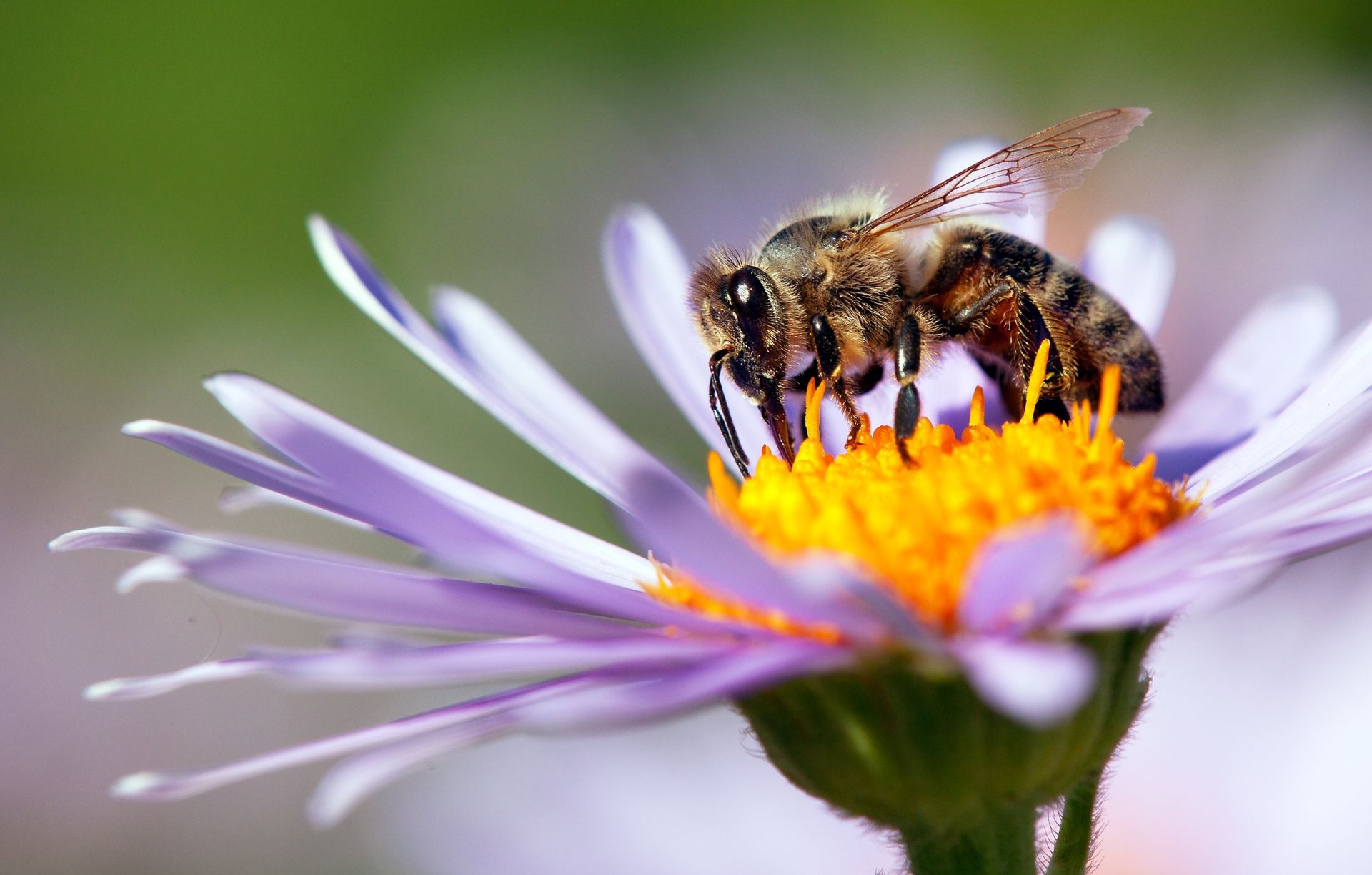
Bees pollinating flowers crucial for plant reproduction
Celebrating Biodiversity
Reflecting on the diversity of life, one cannot help but marvel at the endless forms and functions that have evolved. Each species, whether a vertebrate or invertebrate, is a masterpiece of adaptation and survival. This diversity is not merely an academic curiosity but a crucial component of a healthy planet. It provides resilience against environmental changes, supports ecosystem services that humans rely on, and enriches our world with beauty and wonder.
As we contemplate the roles and significance of vertebrate animals and invertebrates, it becomes clear that preserving this diversity is vital for our own survival. Conservation efforts must prioritize the protection of habitats and the species that inhabit them, recognizing that every creature, no matter how small, plays an essential part in the grand tapestry of life.
WildWhiskers is a dedicated news platform for animal lovers around the world. From heartwarming stories about pets to the wild journeys of animals in nature, we bring you fun, thoughtful, and adorable content every day. With the slogan “Tiny Tails, Big Stories!”, WildWhiskers is more than just a news site — it’s a community for animal enthusiasts, a place to discover, learn, and share your love for the animal kingdom. Join WildWhiskers and open your heart to the small but magical lives of animals around us!