








In the vast and vibrant tapestry of our planet’s ecosystems, fish animals stand out as indispensable threads weaving the intricate balance of life both below and above the surface of the water. As you delve into the depths of oceans, rivers, and lakes, you uncover a world where these aquatic creatures reign not only as sustenance for humans but as pivotal players in the grand ecological stage. Imagine the importance of fish as they navigate their dual roles as both predators and prey, ensuring the steady flow of energy and nutrients through the aquatic food chain. They are the silent shepherds, keeping populations of smaller organisms like plankton and insects in check, while also serving as vital nourishment for larger predators, including birds and marine mammals.
But the influence of fish extends beyond mere survival; they are the custodians of coral reefs, with herbivorous species like parrotfish diligently grazing on algae, safeguarding these vibrant underwater ecosystems from being smothered. Their waste, rich in nitrogen and phosphorus, is a natural fertilizer, promoting the growth of aquatic plants and phytoplankton, which are essential for oxygen production and carbon absorption.
Yet, despite their critical roles, fish face unprecedented challenges from human activities. Overfishing, pollution, and habitat destruction threaten their populations and, by extension, the very balance of our ecosystems. As we explore the multifaceted roles of fish animals in maintaining ecological equilibrium, let us recognize their intrinsic value and the urgent need to protect them. By understanding and appreciating their contributions, we can better safeguard the future of our planet’s diverse and fragile environments. Dive with us into this exploration of nature’s aquatic stewards and their profound impact on the world we share.
Introduction to Fish in Ecosystems
Fish are an integral part of aquatic ecosystems, playing diverse roles that help maintain the delicate balance necessary for these environments to thrive. From the serene freshwater rivers to the vast and mysterious depths of the oceans, fish are omnipresent and indispensable. They are not merely inhabitants of water bodies but key players that influence the health and stability of ecosystems globally. This section will delve into the definition, types, and importance of fish, shedding light on why these creatures are so vital to the natural world.
Definition and Types of Fish
Fish are a diverse group of cold-blooded animals that live primarily in water. They are characterized by gills, scales, and fins, which enable them to thrive in aquatic environments. Fish are part of the superclass Agnatha and class Chondrichthyes and Osteichthyes, encompassing a vast array of species, each adapted to various ecological niches.
The classification of fish can be broadly divided into three categories:
-
Jawless Fish: These are the most primitive fish, such as hagfish and lampreys, which lack jaws and paired fins.
-
Cartilaginous Fish: This group includes sharks, rays, and skates, characterized by having skeletons made of cartilage rather than bone.
-
Bony Fish: The largest group, including species like salmon, tuna, and goldfish, have skeletons primarily composed of bone tissue.
Each type of fish has evolved unique features that allow them to occupy particular environments and fulfill specific roles within their ecosystems.
Importance of Fish in Aquatic Ecosystems
Fish play numerous roles in aquatic ecosystems, contributing to their complexity and resilience. Their importance can be observed in several key areas:
-
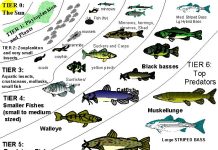
Food Chain Dynamics: As both predators and prey, fish are central to the aquatic food web. They help regulate the populations of organisms they consume, such as plankton and smaller aquatic animals, while also serving as a critical food source for larger predators, including birds, mammals, and even humans. This dynamic helps stabilize populations and prevent any single species from becoming overly dominant, which could lead to imbalances.
-
Biodiversity Maintenance: By keeping prey populations in check, fish help maintain biodiversity within their habitats. This ensures a variety of species can coexist, which enhances the resilience of the ecosystem against environmental changes.
-
Nutrient Cycling: Fish contribute to nutrient cycling through their waste products, which are rich in nutrients like nitrogen and phosphorus. These nutrients promote the growth of aquatic plants and phytoplankton, which are crucial for oxygen production and carbon sequestration. This underscores the role of fish not just as consumers but also as contributors to the productivity and health of aquatic environments.
-
Habitat Structuring: Certain fish species, such as those that build nests or modify their environment, play a role in habitat creation and maintenance. Their activities can create niches for other organisms, promoting ecological diversity.
In essence, fish are not just fish animals in water; they are pivotal to the equilibrium and sustainability of ecosystems. Understanding their roles and importance helps us appreciate the intricate web of life that they support and the broader implications of their conservation.

Fish as Predators
Fish animals play a crucial role as predators in aquatic ecosystems, and their presence or absence can significantly influence the environment. As predators, fish help maintain the balance of ecosystems by controlling the populations of their prey, which include a variety of organisms such as smaller fish, plankton, insects, and crustaceans. This natural regulation is vital for preventing the overpopulation of certain species, which can lead to ecological imbalances and affect biodiversity.
Role in Controlling Prey Populations
Fish as predators are fundamental in maintaining the population dynamics of their prey. Their predatory behavior helps ensure that no single species dominates the environment, contributing to a balanced ecosystem. For example, in a healthy coral reef ecosystem, predatory fish like groupers and snappers play a pivotal role in controlling the populations of smaller fish and invertebrates. By preying on these organisms, predatory fish prevent any one species from becoming overly abundant, which could lead to the depletion of resources such as food and habitat.
In freshwater ecosystems, fish like bass and pike are known for their role in controlling populations of smaller fish and aquatic insects. Their predation helps prevent the overpopulation of species that graze on aquatic plants, which can maintain the health of aquatic vegetation and prevent issues such as algal blooms caused by unchecked growth of herbivorous species.
Moreover, the presence of fish animals as predators can trigger a cascade of effects throughout the food web. This phenomenon, known as a trophic cascade, illustrates how the decline or removal of predatory fish can lead to increases in prey populations, which in turn can result in overgrazing and habitat degradation. Therefore, maintaining healthy populations of predatory fish is essential for sustaining ecosystem stability.
Impact on Biodiversity
The impact of fish animals as predators extends beyond controlling prey populations; it also plays a significant role in promoting and maintaining biodiversity. By keeping prey populations in check, predatory fish help create an environment where a diverse range of species can coexist. This diversity is crucial for the resilience of ecosystems, as it allows them to withstand environmental changes and disturbances.
For instance, in coral reef ecosystems, diversity is key to the reef’s ability to support a wide array of marine life. Predatory fish contribute to this diversity by preventing any single species from monopolizing resources. This balance allows for a variety of species to thrive, each fulfilling unique roles within the ecosystem and contributing to its overall health.
In addition to direct predation, fish animals can influence biodiversity through indirect means. For example, by preying on herbivorous species, predatory fish can control the grazing pressure on aquatic vegetation, allowing plant species to flourish. This, in turn, supports a broader range of herbivorous and detritivorous species, further enhancing biodiversity.
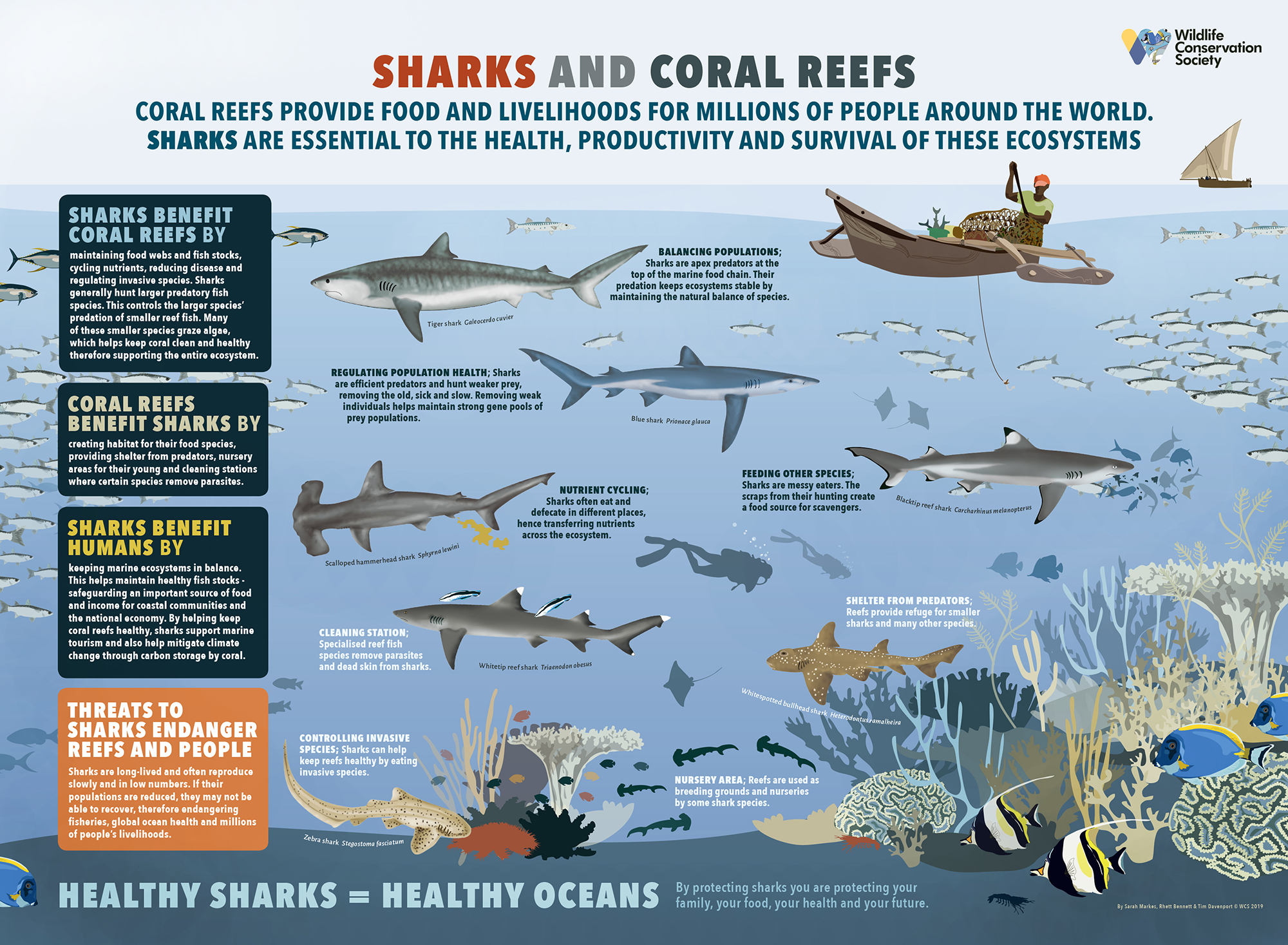
The loss of predatory fish due to factors such as overfishing and habitat destruction can have profound effects on biodiversity. Without these key predators, prey populations can explode, leading to habitat degradation and a decrease in species diversity. This highlights the importance of conserving fish animals as predators to maintain the delicate balance of ecosystems and ensure the survival of diverse biological communities.
In conclusion, fish animals as predators are indispensable to the health and balance of aquatic ecosystems. Their role in controlling prey populations and promoting biodiversity underscores their significance as ecosystem engineers. Protecting these vital species is crucial for preserving the ecological integrity of our planet’s waters and the myriad life forms they support.
Fish as Prey
Fish are pivotal components of aquatic ecosystems, serving as both predators and prey. This dual role is essential to maintaining the delicate balance within these environments. In this section, we will explore the significance of fish as prey and the intricate relationships they have with their predators.
Importance in the Food Chain
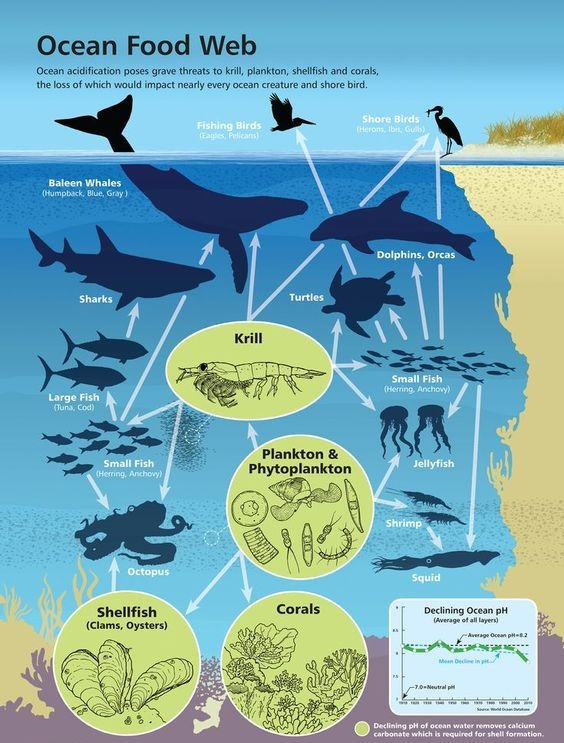
Fish are a fundamental link in the aquatic food chain, providing essential nutrients to a wide array of predators. They serve as the primary or secondary food source for numerous species, from birds and mammals to larger fish. This makes them indispensable to the survival and health of many ecosystems.
Without fish, the food web would experience significant disruptions. For instance, marine birds such as seagulls, pelicans, and puffins rely heavily on small fish like anchovies and sardines for sustenance. Similarly, marine mammals such as seals, dolphins, and whales depend on fish to meet their nutritional needs. The absence of fish would not only threaten these predators with starvation but could lead to the collapse of entire food webs, affecting biodiversity and ecosystem health.
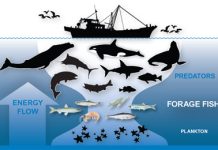
Furthermore, fish contribute to the transfer of energy within ecosystems. They convert the energy from smaller organisms, such as plankton and insects, into a form that is accessible to larger predators. This energy transfer is crucial for sustaining the growth and reproduction of these predators, ultimately supporting the broader ecological community.
Predators of Fish and Their Ecological Roles
Predators of fish come in many forms, each playing a unique role in maintaining ecosystem balance. These predators include birds, mammals, and other fish, each with specialized adaptations that allow them to hunt fish efficiently.
Birds such as osprey and kingfishers are adept hunters, using keen eyesight and swift diving abilities to catch fish near water surfaces. Their presence helps regulate fish populations, preventing overpopulation and maintaining a diverse aquatic community.
Marine mammals like seals and dolphins are also significant predators of fish. Seals, for instance, use their agility and speed to catch fish, while dolphins often hunt in groups, employing sophisticated strategies to corral fish schools. These mammals help control fish populations and ensure that the ecosystem remains balanced.
Larger fish species, including sharks and barracudas, are apex predators in many aquatic environments. They keep fish populations in check, preventing any single species from dominating the ecosystem. This predatory pressure fosters biodiversity by allowing multiple species to coexist.
The ecological roles of fish predators extend beyond population control. They contribute to nutrient cycling by redistributing nutrients through their feeding activities. As predators consume fish, they release waste products that enrich the surrounding environment, supporting plant growth and enhancing water quality.
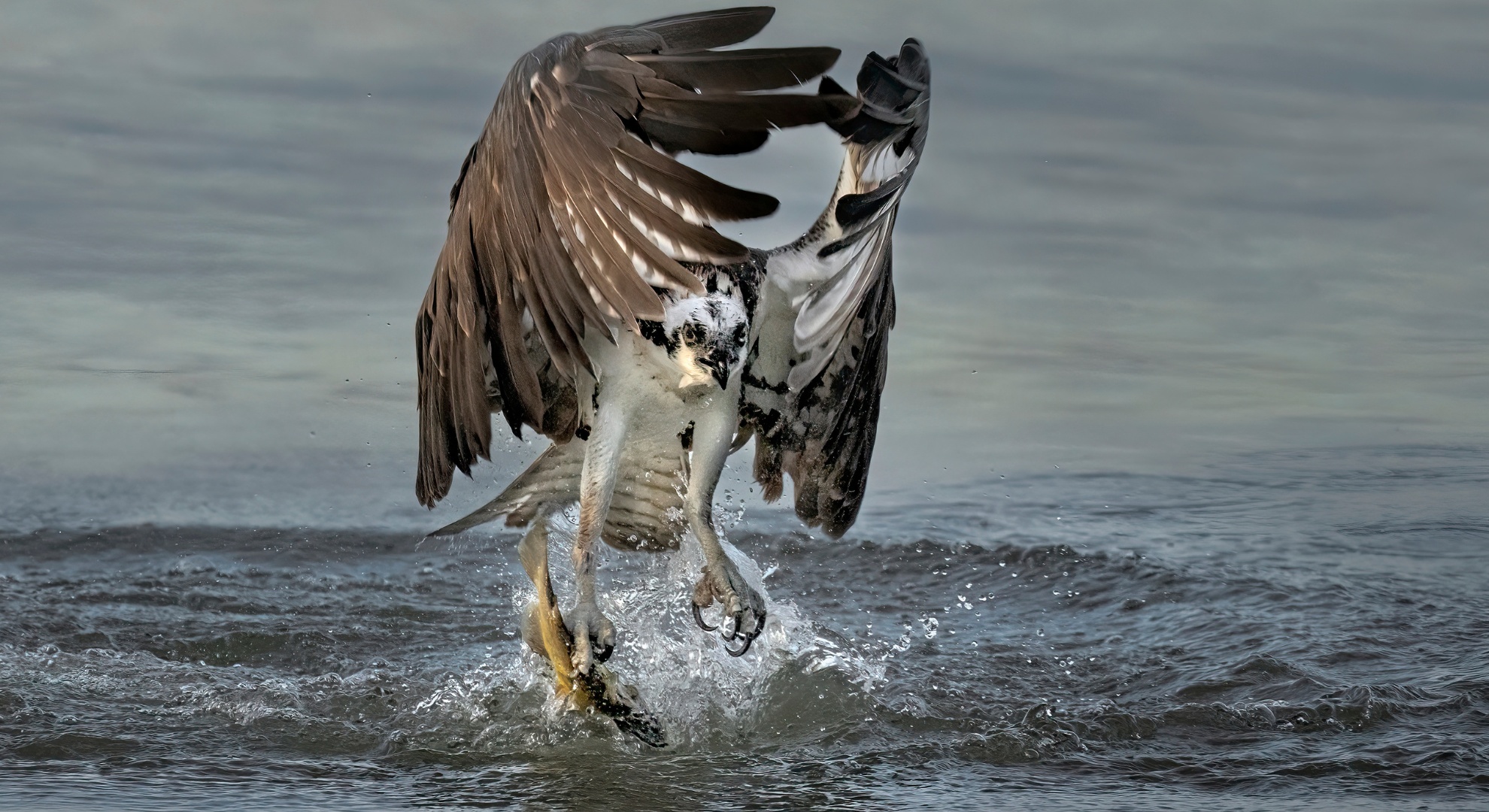
In conclusion, fish animals are not only critical as prey but also as part of a larger ecological network that supports a multitude of species. Their interactions with predators are essential for maintaining the health and stability of ecosystems across the globe. Understanding these dynamics is vital for preserving the delicate balance of nature and ensuring the sustainability of our planet’s aquatic environments.
Fish in Nutrient Cycling
Fish animals play a crucial role in nutrient cycling within aquatic ecosystems, a process that is integral to maintaining ecological balance and supporting diverse life forms. While they are often celebrated for their roles as predators and prey, their contribution to nutrient redistribution and impact on aquatic plant life is equally significant.
Contribution to Nutrient Redistribution
Fish animals are indispensable agents of nutrient redistribution in aquatic environments. Through their feeding and excretion activities, they help move nutrients across different parts of the ecosystem. For instance, fish consume organic matter at various trophic levels and convert it into waste products rich in essential nutrients such as nitrogen and phosphorus. These nutrients are then released back into the water column through excretion, making them available for uptake by primary producers like phytoplankton and aquatic plants.
The process of nutrient redistribution by fish is not only limited to their immediate environment but can also have far-reaching effects. Migratory fish species, such as salmon, transport nutrients from oceanic feeding grounds to freshwater spawning areas, enriching these ecosystems in the process. This nutrient influx supports a variety of organisms, from microorganisms to larger predators, and enhances overall productivity.
Impact on Aquatic Plant Life
The nutrients released by fish animals play a pivotal role in the growth and health of aquatic plants. Phytoplankton, the microscopic plants that form the base of the aquatic food chain, rely heavily on the availability of nutrients such as nitrogen and phosphorus. The presence of fish and their nutrient contributions can significantly boost phytoplankton productivity, leading to increased oxygen production through photosynthesis and serving as a food source for higher trophic levels.
In addition to supporting phytoplankton, nutrient cycling by fish also benefits larger aquatic plants. These plants, including seagrasses and algae, contribute to habitat complexity, provide shelter for various aquatic organisms, and stabilize sediment with their root systems. By enhancing nutrient availability, fish indirectly support these plants’ growth, which, in turn, sustains a diverse array of aquatic life.
However, the balance of nutrient cycling can be delicate. An overabundance of nutrients, often due to human activities such as agricultural runoff or pollution, can lead to eutrophication—a condition where excessive nutrient levels promote rampant algal blooms. This can result in oxygen depletion and harm to aquatic life. Fish play a balancing role in this scenario by regulating nutrient levels through their natural activities, thus helping to maintain ecosystem stability.
In summary, fish animals are vital components of nutrient cycling in aquatic ecosystems. Their ability to redistribute nutrients and influence plant life growth underscores their importance in maintaining the health and balance of these environments. As we continue to study and understand their roles, it becomes increasingly clear that preserving fish populations is essential for the sustainability of aquatic ecosystems.
Human Impact on Fish Populations
In the intricate tapestry of ecosystems, fish animals are pivotal. They form the backbone of aquatic food chains, contribute to biodiversity, and facilitate nutrient cycling. However, human activities have increasingly disrupted these natural processes, posing significant threats to fish populations. Two primary factors contributing to this decline are overfishing and habitat destruction coupled with pollution. Let’s delve into these issues to understand their profound impacts.
Overfishing and Its Consequences
Overfishing is one of the most pressing challenges facing fish populations today. This practice occurs when fish are caught at a rate faster than they can reproduce, leading to a decline in fish stocks. The consequences are severe and multifaceted, impacting not only marine life but also human communities that depend on these resources.
-
Depletion of Fish Stocks: Overfishing leads to the depletion of targeted fish species, reducing their numbers to critical levels. This not only threatens the species itself but also the predators that rely on it for food. As fish populations dwindle, the entire food chain can be thrown off balance, resulting in the overpopulation of some species and the extinction of others.
-
Economic Impact: Many coastal communities worldwide rely heavily on fishing for their livelihoods. Overfishing can lead to a collapse of local fisheries, devastating these economies. This loss can also have a ripple effect, impacting global fish markets and leading to increased prices for consumers.
-
Biodiversity Loss: Overfishing often targets specific species, which can lead to a loss of biodiversity. When certain species are removed or drastically reduced, it alters the ecosystem’s equilibrium, potentially leading to the dominance of less desirable species. This shift can reduce the resilience of ecosystems to environmental changes, such as climate change.
-
Illegal, Unreported, and Unregulated (IUU) Fishing: This type of fishing compounds the issue, as it often goes unchecked and unregulated, making it difficult to manage fish stocks effectively. IUU fishing undermines conservation efforts and poses a significant threat to marine biodiversity.

Habitat Destruction and Pollution
While overfishing directly reduces fish numbers, habitat destruction and pollution degrade the environments fish need to thrive. These issues are interconnected, often exacerbating the effects of overfishing.
-
Habitat Destruction: Human activities such as coastal development, bottom trawling, and dam construction have led to the destruction of crucial fish habitats like coral reefs, mangroves, and river systems. Coral reefs, for example, are vital for many fish species, providing food and shelter. Their destruction not only reduces biodiversity but also impacts the fish that rely on these environments.
-
Pollution: Aquatic ecosystems are increasingly contaminated by pollutants such as plastics, chemical runoff, and heavy metals. Pollution affects fish directly and indirectly, poisoning individuals and degrading habitats. For instance, plastic pollution leads to ingestion and entanglement, while chemical pollutants can alter reproductive and growth rates.
-
Climate Change: Although not always classified strictly as pollution, the effects of climate change—such as ocean acidification and rising temperatures—further stress fish populations by altering habitats and food availability. These changes can lead to shifts in fish distribution and behavior, complicating conservation and management efforts.
-
Impact on Human Health: Pollutants that accumulate in fish can also pose health risks to humans who consume them. This is particularly concerning for communities that rely on fish as a primary food source, highlighting the interconnectedness of human and environmental health.
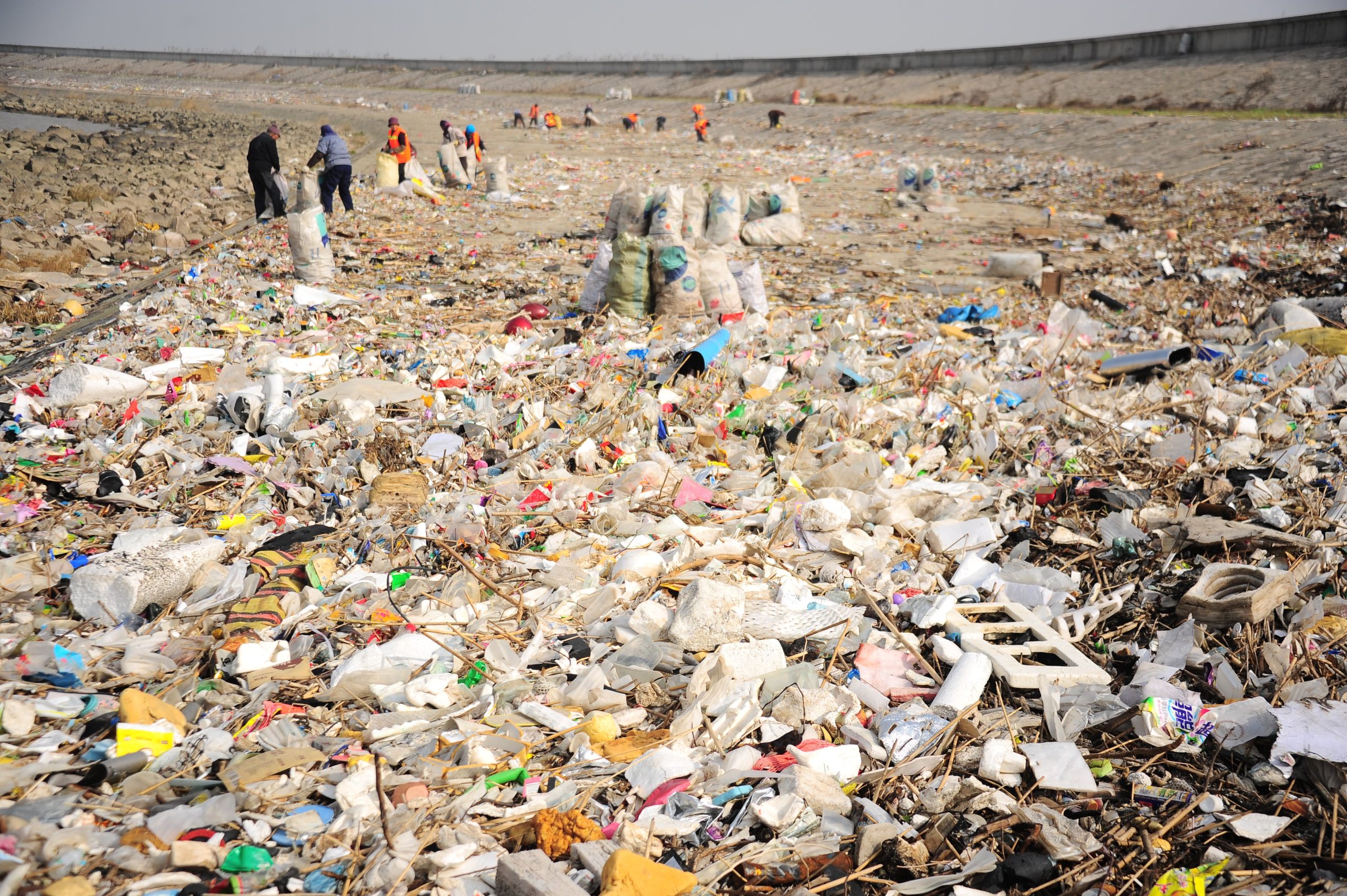
In conclusion, the impact of human activities on fish populations is profound and far-reaching. Addressing these issues requires a concerted effort to promote sustainable fishing practices, protect habitats, and reduce pollution. By doing so, we can ensure the survival of fish animals and the delicate balance they maintain within ecosystems.
Conclusion: The Future of Fish and Ecosystem Balance
As we cast our minds forward to envision the future of our blue planet, the role of fish animals within ecosystems emerges as a critical focal point. These remarkable creatures, inhabiting both the visible and hidden depths of our waters, are the unsung heroes of environmental equilibrium. Their survival is intricately tied to the health of the entire ecosystem, making their protection paramount for future generations.
The Importance of Conservation Efforts
The survival of fish animals is threatened by numerous anthropogenic activities. Overfishing, habitat destruction, and pollution have already left indelible marks on many aquatic environments. To secure a balanced ecosystem, it is vital that we implement robust conservation strategies. These might include establishing marine protected areas, enforcing sustainable fishing practices, and restoring habitats that have been compromised by human activity.
The Role of Policy and Community Engagement
Governments and international bodies play a crucial role in shaping policies that protect aquatic biodiversity. However, policy alone is insufficient without the active engagement of local communities and stakeholders. Grassroots movements, educational programs, and community-based conservation projects are essential in fostering a culture of conservation that transcends borders and unites individuals in a shared mission to protect our aquatic life.
Technological Advancements in Monitoring and Protection
Advancements in technology offer promising tools for the conservation of fish populations. Innovations such as satellite tracking, data modeling, and AI-driven analytics provide unprecedented insights into fish behavior, migration patterns, and population dynamics. These technologies can inform more effective management strategies and enable real-time monitoring of marine environments.
A Call to Action for the Global Community
The future of fish animals and ecosystem balance hinges on collective action. It’s a shared responsibility that requires commitment from individuals, businesses, and governments alike. By promoting sustainable practices, reducing pollution, and supporting conservation initiatives, we can ensure that aquatic ecosystems continue to thrive.
In conclusion, fish animals are not merely components of aquatic ecosystems; they are pivotal to the overall health and stability of the planet. Protecting them is not just about safeguarding a species but about preserving the intricate balance of life that sustains us all. As we look to the future, let us commit to a path of stewardship and protection, ensuring that the wonders of aquatic life continue to inspire and sustain us for generations to come.

WildWhiskers is a dedicated news platform for animal lovers around the world. From heartwarming stories about pets to the wild journeys of animals in nature, we bring you fun, thoughtful, and adorable content every day. With the slogan “Tiny Tails, Big Stories!”, WildWhiskers is more than just a news site — it’s a community for animal enthusiasts, a place to discover, learn, and share your love for the animal kingdom. Join WildWhiskers and open your heart to the small but magical lives of animals around us!