







Ever stood at the edge of the ocean, breathed in the salty air, and felt a sense of wonder? It’s a feeling I get every time, a humbling reminder of the vast, mysterious world hidden beneath the waves. The ocean covers over 70% of our planet, and within its depths resides a breathtaking tapestry of life – a realm teeming with ocean animals more incredible than we can often imagine. From the colossal blue whale, the largest animal on Earth, to the delicate, bioluminescent jellyfish, the sheer diversity is astounding. Seriously, just how many animals are in the ocean? It’s a question that continues to fascinate scientists and nature enthusiasts alike.
This isn’t just about impressive size or striking beauty, though. It’s about a complex, interconnected ecosystem where every creature, no matter how small, plays a vital role. Think about the vibrant coral reefs, often called the “rainforests of the sea,” bustling with activity, or the silent, almost alien landscapes of the deep sea, where life finds a way to thrive in the most extreme conditions. We’ll explore these diverse habitats and the unique animals in the ocean that call them home.
In this ultimate guide to marine life, we’ll embark on a deep dive – pun intended! – into the world of ocean animals. We’ll uncover the characteristics that define these creatures, the challenges they face, and the crucial importance of protecting their fragile environments. We’ll journey from the playful antics of dolphins and seals to the ancient wisdom of sea turtles, and even delve into the microscopic world of plankton, the unsung heroes of the marine food web. We’ll also confront the harsh realities of pollution, climate change, and overfishing, and discuss what’s being done – and what needs to be done – to ensure a future where these magnificent creatures continue to thrive. So, prepare to be amazed, informed, and hopefully, inspired to become a champion for our oceans. Let’s explore!
Introduction to the Marine World
The ocean. Just the word itself evokes a sense of mystery, of vastness, of a world utterly different from our own. It’s a realm that has captivated humanity for millennia, inspiring myths, fueling exploration, and, increasingly, demanding our urgent attention. To truly understand ocean animals and the incredible life that thrives beneath the waves, we must first appreciate the sheer scale of the marine world and its fundamental importance to our planet. It’s a humbling thought, isn’t it? That more than 70% of the Earth’s surface is covered by water, a watery expanse holding secrets we’ve only begun to unravel.
The Vastness and Importance of Our Oceans
Imagine standing on a beach, gazing out at the horizon. That seemingly endless stretch of water represents just a tiny fraction of the ocean’s true immensity. The ocean isn’t just a large body of water; it’s a complex, interconnected system of basins, trenches, currents, and ecosystems. It’s a world of extremes – from the sun-drenched shallows of coral reefs to the crushing darkness of the hadal zone, deeper than Mount Everest is tall.
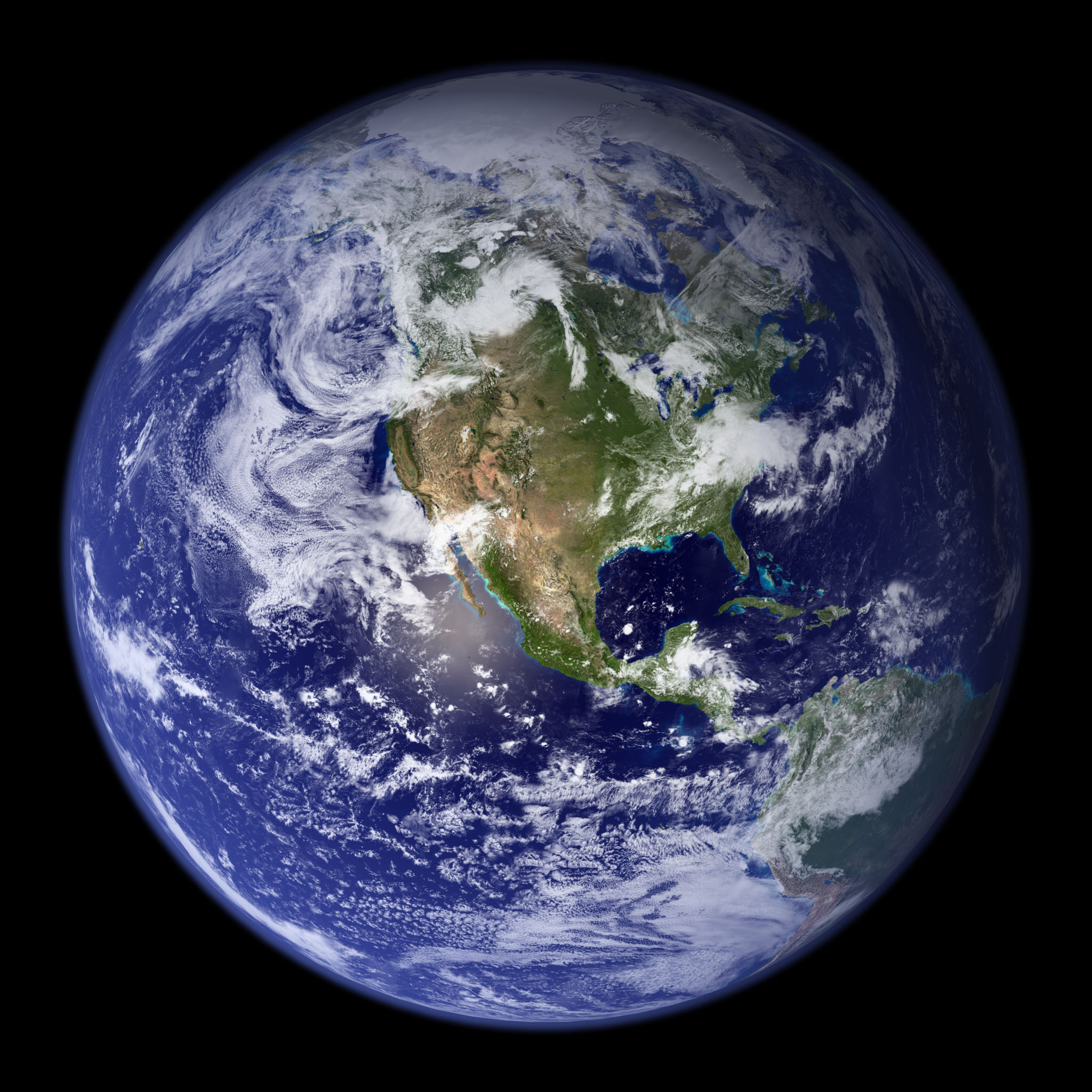
A stunning view of Earth from space highlighting the vastness of the oceans
The sheer volume of the ocean is staggering – approximately 1.332 billion cubic kilometers. To put that into perspective, if you could fit all the landmasses on Earth into the ocean, there would still be room to spare! But the ocean’s importance extends far beyond its size. It’s the engine that drives our planet’s climate, regulating temperatures, absorbing carbon dioxide, and generating over half of the oxygen we breathe. The ocean acts as a massive heat sink, absorbing solar radiation and distributing it around the globe through complex currents like the Gulf Stream. Without this regulation, our planet would be a drastically different, and far less hospitable, place.
The ocean also plays a critical role in the water cycle, evaporating water that forms clouds and ultimately returns to land as precipitation. It’s a continuous cycle, a delicate balance that sustains life as we know it. And, of course, the ocean is a vital source of food and livelihoods for billions of people worldwide. From the smallest coastal communities relying on fishing to the global seafood industry, the ocean’s bounty is essential to human well-being. But this bounty is not inexhaustible, and the increasing pressures on our oceans demand a more sustainable approach. The question of how much animals are in the ocean is inextricably linked to the health of this vast ecosystem.
Beyond the practical benefits, the ocean holds immense cultural and aesthetic value. For centuries, it has inspired artists, writers, and musicians, serving as a symbol of freedom, adventure, and the unknown. The rhythmic crashing of waves, the salty air, the sheer beauty of marine life – these experiences enrich our lives in ways that are difficult to quantify. It’s a connection that runs deep within the human psyche, a primal link to the origins of life itself.
Defining Marine Life: From Microbes to Mammals
When we talk about marine life, what exactly are we encompassing? The answer is… almost everything! The ocean is home to an astonishing diversity of organisms, ranging from microscopic bacteria and archaea to the largest animal on Earth, the blue whale. It’s a spectrum of life so broad that it challenges our very definition of what it means to be alive.
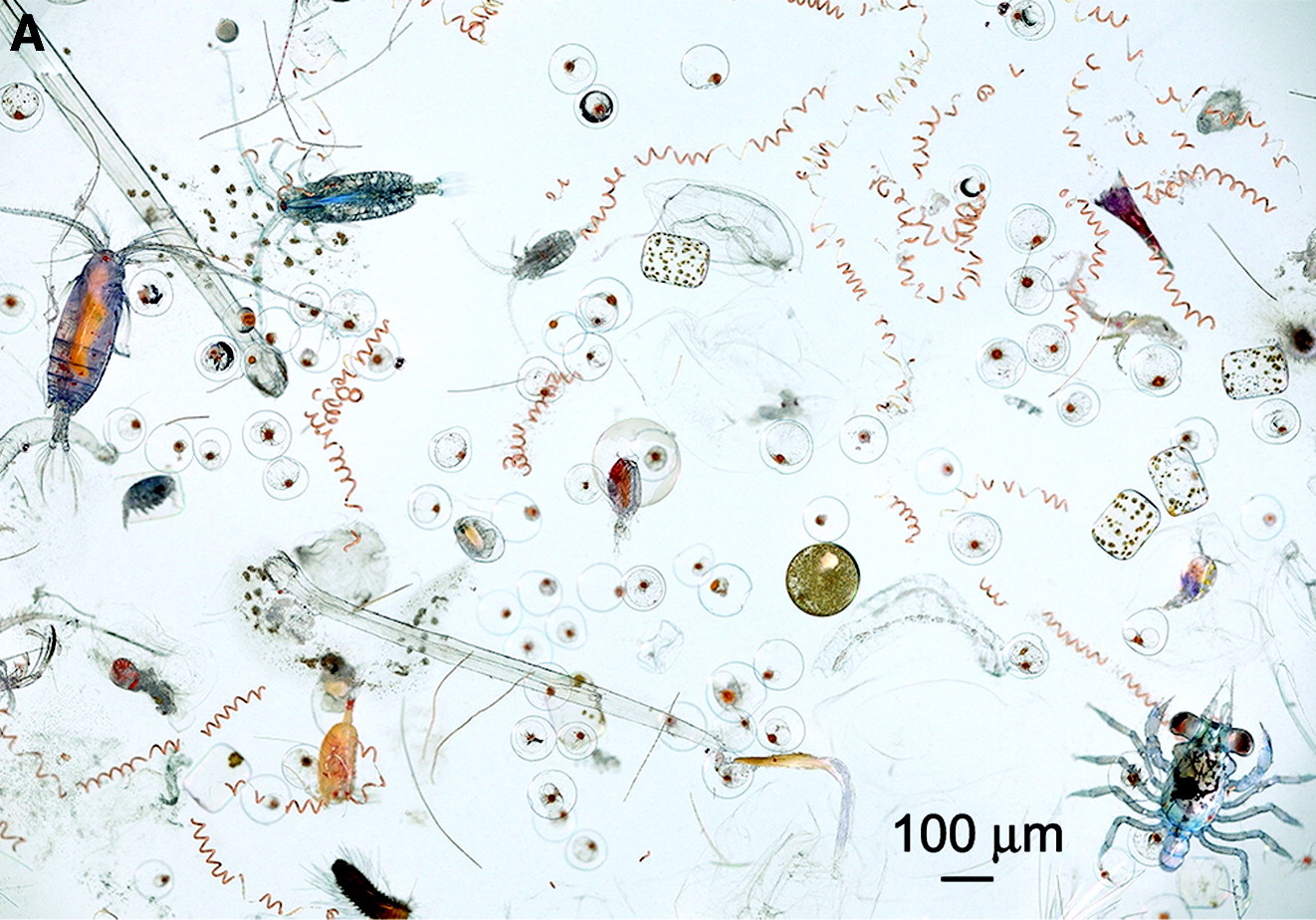
A vibrant image of various types of marine plankton viewed under a microscope
At the base of the marine food web are the microbes – bacteria, archaea, and viruses – which play a crucial role in nutrient cycling and decomposition. These tiny organisms are the unseen engines of the ocean, breaking down organic matter and releasing essential nutrients that fuel the entire ecosystem. Then there’s plankton, a diverse group of organisms that drift with the currents. Phytoplankton, the plant-like plankton, are responsible for approximately half of all photosynthesis on Earth, producing oxygen and forming the foundation of the marine food web. Zooplankton, the animal-like plankton, feed on phytoplankton and are in turn consumed by larger organisms.
Moving up the food chain, we encounter invertebrates – animals without backbones – which represent the vast majority of marine species. This group includes everything from jellyfish and corals to crabs, lobsters, and squid. The sheer variety of invertebrate life is mind-boggling, with new species being discovered constantly. Consider the octopus, a master of camouflage and intelligence, or the delicate beauty of a sea anemone.
Of course, no discussion of marine life would be complete without mentioning fish. From the tiny seahorse to the massive tuna, fish are the backbone of marine ecosystems, playing a vital role in food webs and providing a crucial source of protein for humans. There are over 33,600 known species of fish, each adapted to a specific niche within the marine environment.
Then there are the marine reptiles – sea turtles, sea snakes, and marine iguanas – each uniquely adapted to life in the ocean. Sea turtles, for example, have evolved streamlined bodies and powerful flippers for efficient swimming, while marine iguanas have developed the ability to dive to significant depths to forage for algae.
Finally, we come to the marine mammals – whales, dolphins, seals, and sea lions – which are air-breathing, warm-blooded animals that have returned to the ocean. These intelligent and charismatic creatures are often considered the apex predators of the marine world, playing a crucial role in maintaining ecosystem balance. The diversity of animals in the ocean is truly remarkable, a testament to the power of evolution and the adaptability of life. Understanding this diversity is the first step towards protecting it.
A Brief History of Ocean Exploration
Our fascination with the ocean is as old as humanity itself. For millennia, humans have relied on the ocean for food, transportation, and trade. Early civilizations, such as the Phoenicians, Greeks, and Romans, were skilled seafarers, navigating the Mediterranean Sea and beyond. However, their understanding of the ocean’s depths was limited. They relied on observation, intuition, and rudimentary tools to chart their courses and explore the coastal waters.
The Age of Exploration, beginning in the 15th century, marked a turning point in our understanding of the ocean. European explorers, driven by a thirst for knowledge, wealth, and power, embarked on voyages of discovery that circumnavigated the globe. Figures like Christopher Columbus, Ferdinand Magellan, and James Cook mapped new coastlines, discovered new islands, and expanded our knowledge of ocean currents and winds.
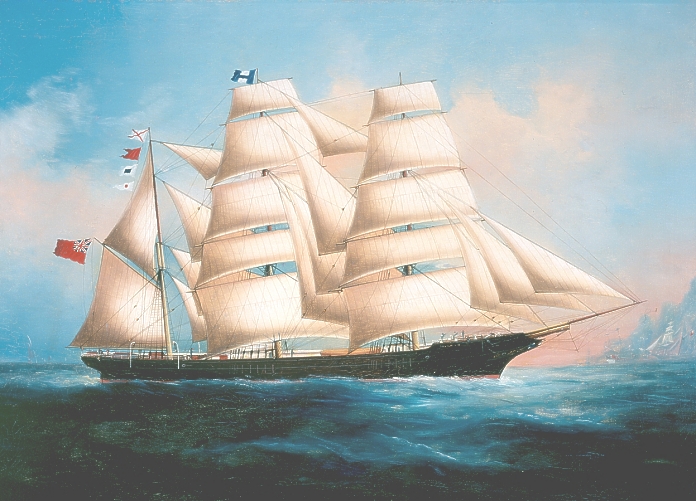
A majestic historical sailing ship navigating the open ocean
However, true exploration of the ocean’s depths remained a challenge until the 19th and 20th centuries. The development of new technologies, such as the bathysphere and the bathyscape, allowed scientists to descend to previously inaccessible depths. In 1960, Jacques Piccard and Don Walsh made history by reaching the bottom of the Mariana Trench, the deepest known point in the ocean.
The invention of sonar, underwater photography, and remotely operated vehicles (ROVs) further revolutionized ocean exploration. These tools allowed scientists to map the seafloor, study marine life in its natural habitat, and collect samples from the deep sea. Today, advanced technologies like autonomous underwater vehicles (AUVs) and satellite remote sensing are providing us with unprecedented insights into the ocean’s complex processes.
The ongoing exploration of the ocean continues to reveal new discoveries, challenging our assumptions and expanding our understanding of this vital ecosystem. From the discovery of hydrothermal vents teeming with unique life forms to the mapping of previously unknown seamounts, the ocean remains a frontier of scientific discovery. And as we delve deeper into its mysteries, we are increasingly aware of the urgent need to protect this precious resource for future generations. The study of ocean animals is a key component of this ongoing exploration, helping us to understand the intricate web of life that sustains our planet.
Exploring Diverse Marine Habitats
The ocean isn’t a single, homogenous entity. It’s a tapestry woven with incredibly diverse habitats, each supporting a unique community of ocean animals and life forms. To truly understand the richness of marine life, we need to dive into these distinct environments, appreciating the specific challenges and adaptations that shape the creatures within them. It’s a humbling thought, isn’t it? That beneath the waves, worlds exist as different from each other as a rainforest is from a desert.
Coral Reefs: Underwater Cities of Biodiversity
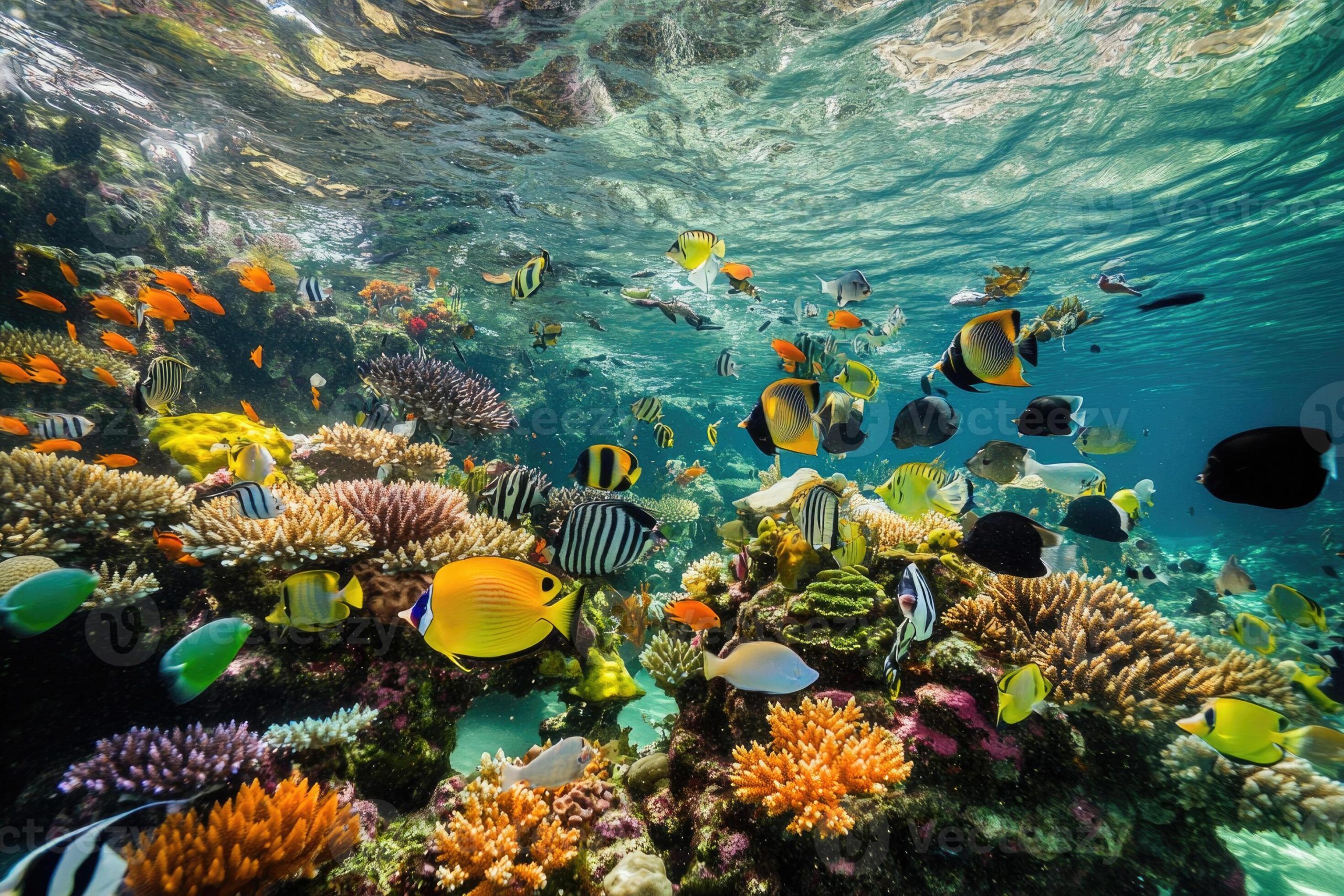
A vibrant coral reef teeming with life
Coral reefs are often called the “rainforests of the sea,” and for good reason. Despite covering less than 1% of the ocean floor, they harbor an estimated 25% of all marine species. This incredible biodiversity is fueled by the unique structure of the reef itself – built over millennia by tiny animals called coral polyps. These polyps secrete a hard calcium carbonate skeleton, creating a complex three-dimensional habitat that provides shelter, breeding grounds, and feeding opportunities for countless ocean animals.
Imagine swimming through a city built of living stone, painted in every imaginable color. Schools of shimmering fish dart between branching corals, while sea turtles glide gracefully overhead. Moray eels peek out from crevices, and colorful nudibranchs crawl along the reef surface. It’s a sensory overload, a constant buzz of activity.
But coral reefs are incredibly sensitive ecosystems. They thrive in warm, shallow, clear waters, and are highly vulnerable to changes in temperature, acidity, and pollution. Coral bleaching, a phenomenon caused by rising ocean temperatures, is a major threat, turning vibrant reefs into ghostly white skeletons. The loss of coral reefs would have devastating consequences for marine biodiversity and the millions of people who depend on them for food and livelihoods.
The intricate relationships within a coral reef are fascinating. Clownfish, for example, have a symbiotic relationship with sea anemones, gaining protection from predators while cleaning the anemone and providing it with nutrients. Parrotfish graze on algae, helping to keep the coral healthy, while sharks patrol the reef, maintaining the balance of the ecosystem. It’s a delicate web of life, where every species plays a crucial role. The question of how much animals are in the ocean is particularly relevant when considering coral reefs, as they represent a disproportionately high concentration of marine life.
The Open Ocean: A Realm of Pelagic Wonders
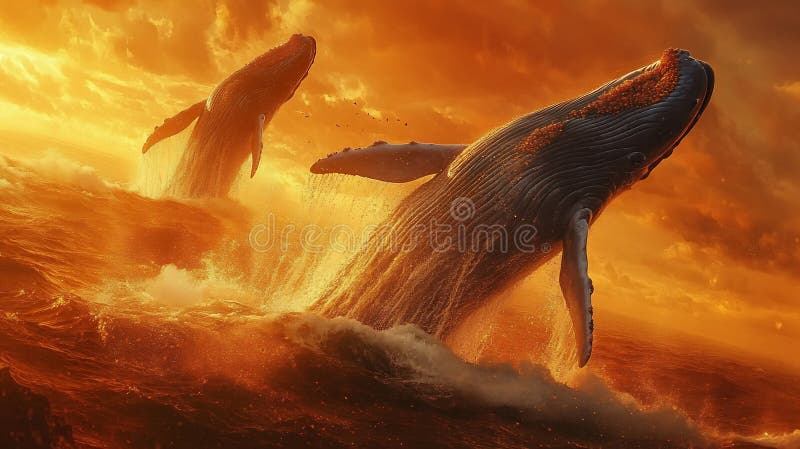
A majestic blue whale breaching the surface of the ocean
Venture beyond the coastal areas and you enter the open ocean, also known as the pelagic zone. This vast expanse of water covers more than 60% of the Earth’s surface and is home to a different kind of marine life – creatures adapted to life in the water column, far from the shelter of the seafloor. The open ocean is characterized by its immense size, strong currents, and varying depths.
Here, you’ll find some of the most iconic ocean animals on the planet: whales, dolphins, sharks, tuna, and seabirds. These animals are often highly migratory, traveling vast distances in search of food or breeding grounds. They are masters of adaptation, possessing streamlined bodies, powerful muscles, and sophisticated sensory systems.
The open ocean is also home to a surprising amount of microscopic life. Plankton, tiny plants and animals that drift with the currents, form the base of the pelagic food web. These microscopic organisms are consumed by small fish, which are in turn eaten by larger predators. It’s a classic example of a trophic cascade, where energy flows from the bottom to the top of the food chain.
Life in the open ocean can be challenging. Food is often scarce, and animals must be able to travel long distances to find it. Predators are abundant, and animals must be constantly vigilant to avoid becoming prey. Yet, despite these challenges, the open ocean is a thriving ecosystem, teeming with life. The sheer scale of the open ocean makes estimating animals in the ocean a monumental task, but it’s clear that it supports a vast and complex community.
Deep Sea Environments: Life in the Abyss
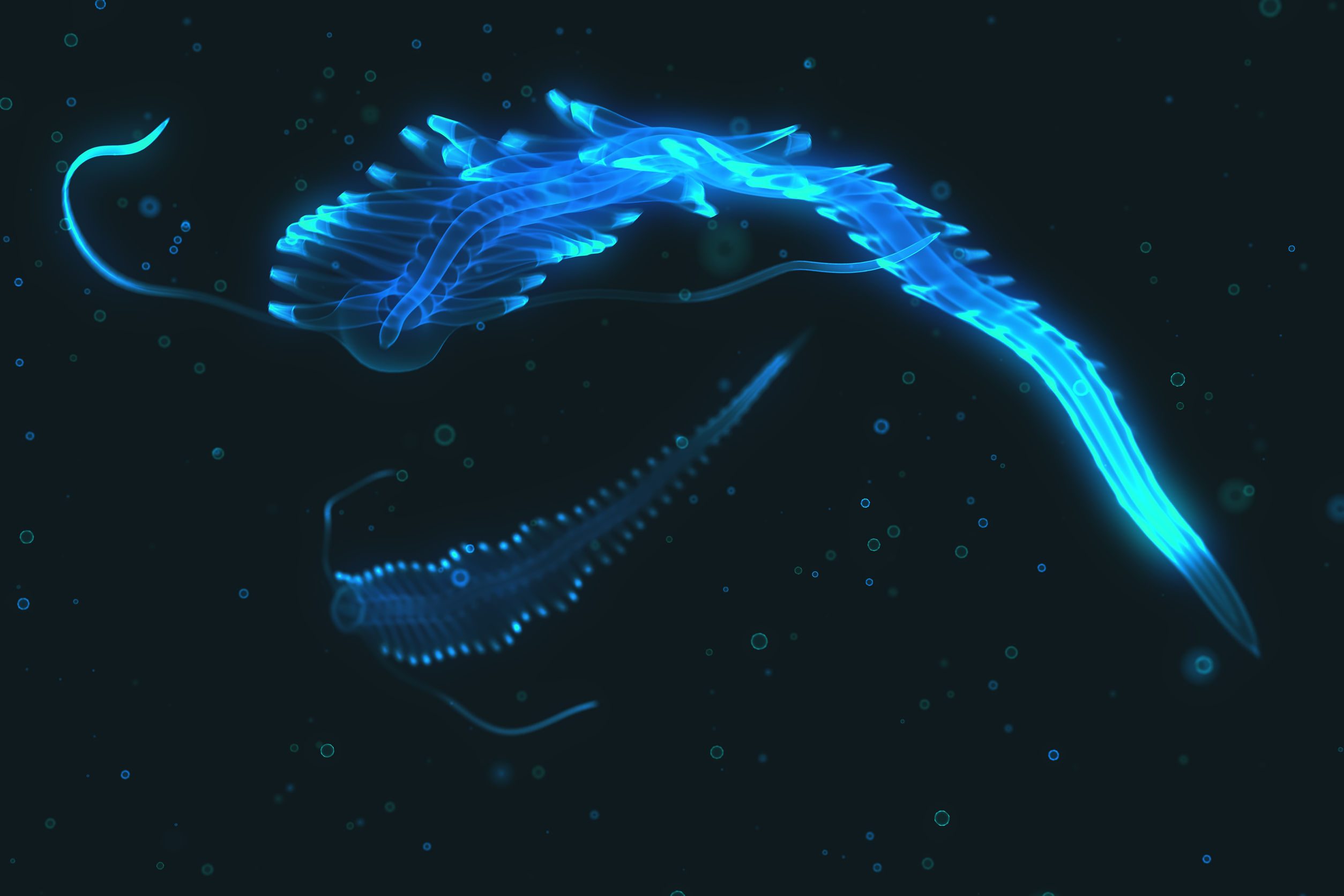
A mesmerizing display of bioluminescence in the deep sea
Descend into the depths of the ocean, beyond the reach of sunlight, and you enter a world of perpetual darkness and extreme pressure. This is the deep sea, one of the least explored environments on Earth. For a long time, it was believed that life couldn’t exist in such harsh conditions, but scientists have discovered a remarkable array of ocean animals adapted to this extreme environment.
The deep sea is characterized by its cold temperatures, high pressure, and lack of light. Animals that live here have evolved unique adaptations to survive. Many deep-sea creatures are bioluminescent, producing their own light through chemical reactions. This light is used for communication, attracting prey, and deterring predators. Others have large eyes to capture any available light, or they rely on other senses, such as smell and touch, to navigate and find food.
Some of the most fascinating deep-sea creatures include anglerfish, with their glowing lures, giant squid, with their enormous eyes, and hydrothermal vent communities, where chemosynthetic bacteria form the base of the food web. These bacteria derive energy from chemicals released by volcanic vents, rather than from sunlight.
Exploring the deep sea is a technological challenge. Scientists use remotely operated vehicles (ROVs) and submersibles to explore this hidden world. Each new expedition reveals new species and insights into the incredible resilience of life. The question of how many animals are in the ocean is particularly acute in the deep sea, as much of this environment remains unexplored.
Coastal Ecosystems: Estuaries, Mangroves, and Kelp Forests
The areas where the land meets the sea are known as coastal ecosystems. These dynamic environments are incredibly productive and support a wide range of ocean animals. Three important types of coastal ecosystems are estuaries, mangroves, and kelp forests.
Estuaries are where freshwater rivers meet the saltwater ocean. This creates a brackish environment that is rich in nutrients and provides important nursery grounds for many fish and shellfish species.
Mangrove forests are found in tropical and subtropical coastal areas. These forests are characterized by their dense network of mangrove trees, which have specialized roots that allow them to thrive in saltwater. Mangroves provide shelter and breeding grounds for many ocean animals, and also help to protect coastlines from erosion.
Kelp forests are underwater ecosystems dominated by large brown algae called kelp. These forests provide habitat for a diverse array of marine life, including sea otters, seals, fish, and invertebrates. Kelp forests are also important for carbon sequestration, helping to mitigate climate change.
Coastal ecosystems are particularly vulnerable to human impacts, such as pollution, development, and climate change. Protecting these valuable ecosystems is essential for maintaining marine biodiversity and the health of our oceans.
Polar Marine Habitats: Adapting to the Cold
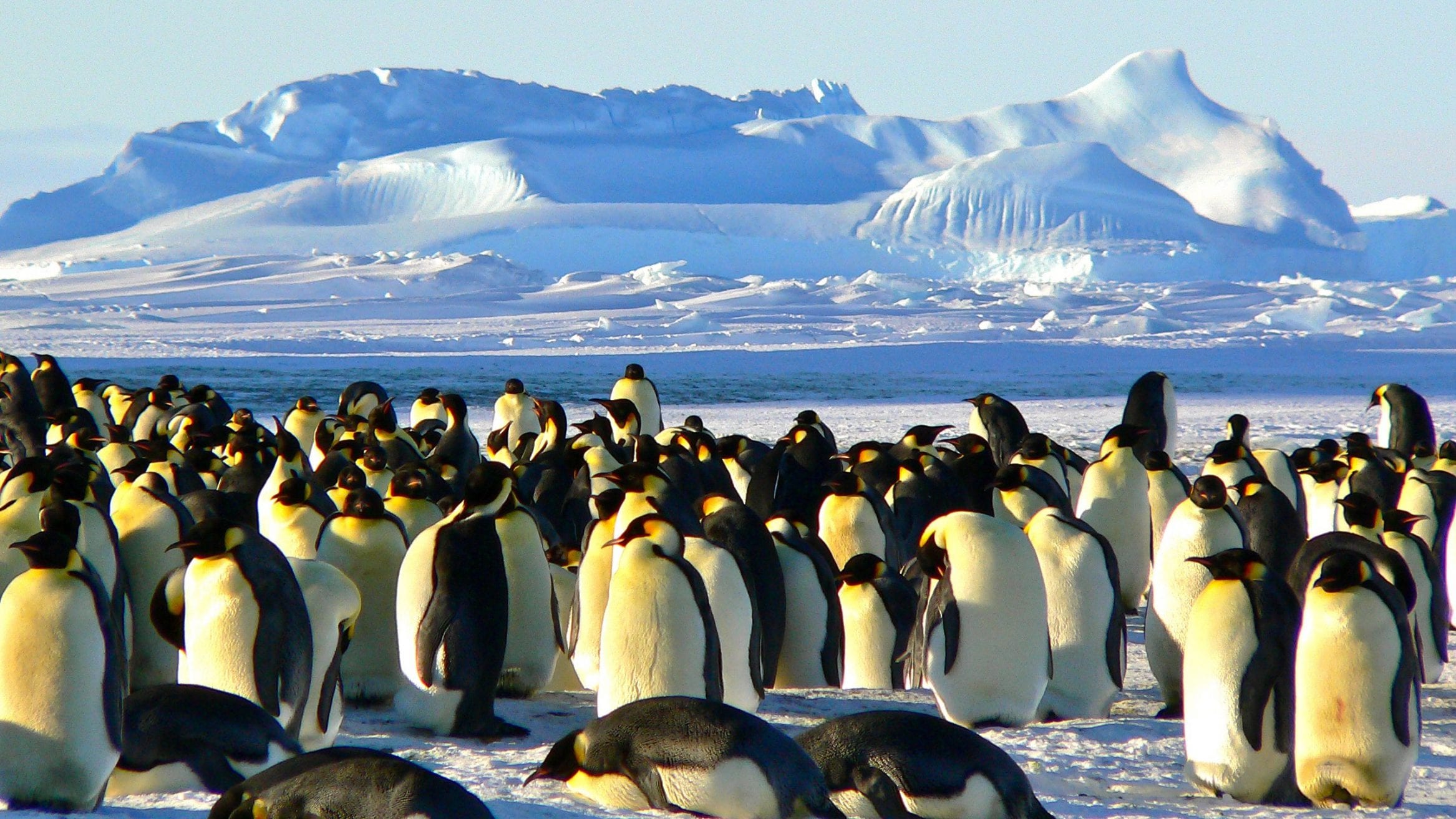
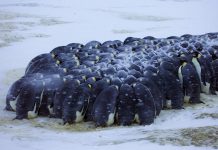
A colony of emperor penguins braving the harsh Antarctic winter
At the Earth’s poles, the ocean is a frigid and challenging environment. Yet, even here, life thrives. Polar marine habitats, including the Arctic and Antarctic, are home to a unique community of ocean animals adapted to the extreme cold.
Animals that live in polar regions have evolved a number of adaptations to survive. Many have thick layers of blubber to insulate them from the cold, while others have specialized circulatory systems to conserve heat. Some animals, like penguins and seals, are able to slow their heart rate and metabolism to conserve energy.
Some of the iconic ocean animals found in polar regions include polar bears, seals, whales, penguins, and krill. These animals play important roles in the polar food web. Krill, tiny shrimp-like crustaceans, are a key food source for many larger animals, including whales and penguins.
Polar marine habitats are particularly vulnerable to climate change. Rising temperatures are causing sea ice to melt, which threatens the habitat of many polar animals. Protecting these fragile ecosystems is crucial for ensuring the survival of these iconic species. Understanding the adaptations of ocean animals in these extreme environments provides valuable insights into the resilience of life on Earth.
Iconic Ocean Animals: A Closer Look
The ocean, a realm of mystery and wonder, teems with life in a dazzling array of forms. While the microscopic organisms often underpin the entire ecosystem, it’s the larger, more charismatic ocean animals that often capture our imaginations. This section delves into the lives of some of the most iconic creatures inhabiting our seas, exploring their unique adaptations, behaviors, and the roles they play in maintaining the delicate balance of marine life. It’s a journey into the heart of what makes the ocean so captivating, and a reminder of the incredible biodiversity we must strive to protect.
Marine Mammals: Whales, Dolphins, and Seals
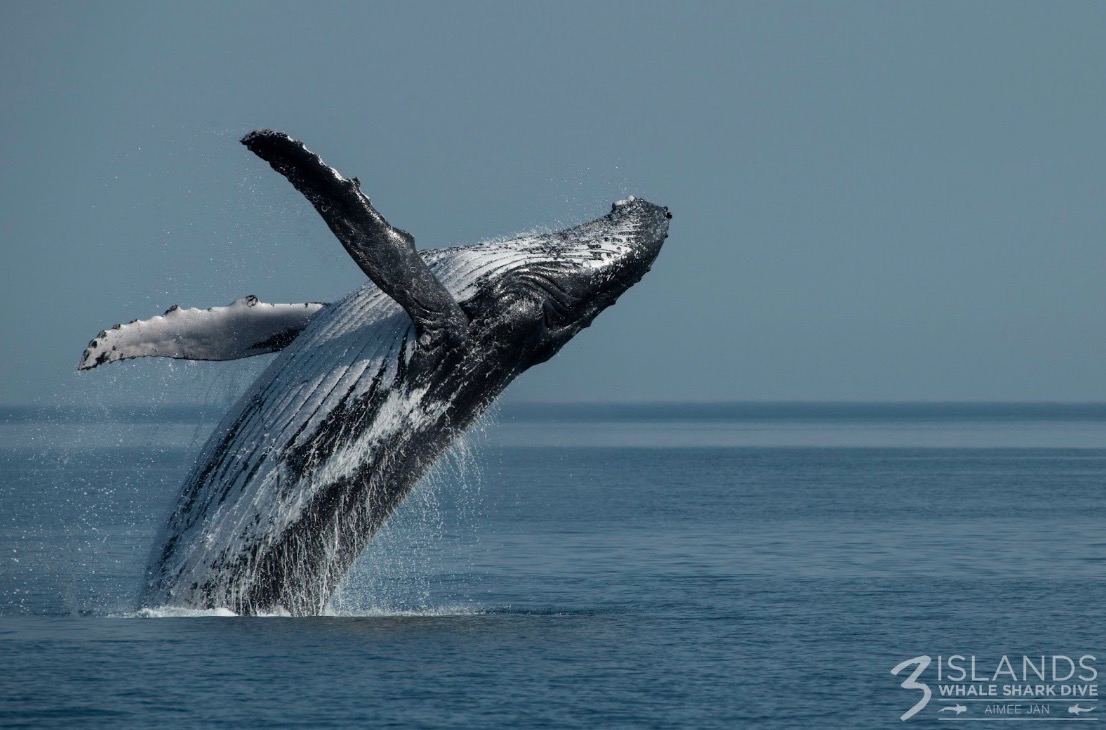
A majestic humpback whale breaching the surface showcasing its immense size and power
Marine mammals – whales, dolphins, seals, and others – represent a fascinating convergence of evolutionary history. They are air-breathing creatures that have returned to the ocean, adapting in remarkable ways to thrive in a completely aquatic environment. Their story is one of incredible transformation, from land-dwelling ancestors to the streamlined, intelligent beings we know today.
Whales, the largest animals on Earth, are broadly categorized into two groups: baleen whales and toothed whales. Baleen whales, like the humpback, blue whale, and gray whale, possess baleen plates – fringed structures in their mouths that filter krill and other small organisms from the water. Their sheer size is awe-inspiring, and their complex songs, particularly those of the humpback whale, are considered some of the most beautiful sounds in the natural world. Imagine the vastness of the ocean, and then consider a creature larger than a school bus gracefully navigating those depths – it’s a humbling thought.
Toothed whales, including dolphins, porpoises, orcas (killer whales), and sperm whales, hunt larger prey using echolocation – a sophisticated biological sonar system. Dolphins, renowned for their intelligence and playful behavior, are often seen riding the bow waves of ships and interacting with humans. Orcas, apex predators of the sea, demonstrate complex social structures and hunting strategies. The sperm whale, famous for its massive head containing spermaceti oil, dives to incredible depths in search of squid.
Seals, sea lions, and walruses, collectively known as pinnipeds, are semi-aquatic mammals adapted for life both in the water and on land. Seals are generally more streamlined and agile swimmers, while sea lions possess external ear flaps and are more mobile on land. Walruses, with their distinctive tusks, inhabit the Arctic regions and feed on benthic invertebrates.
The challenges facing marine mammals are numerous, including entanglement in fishing gear, habitat loss, pollution, and the impacts of climate change. Protecting these magnificent creatures requires international cooperation and a commitment to sustainable practices. The plight of the North Atlantic right whale, critically endangered due to ship strikes and entanglement, serves as a stark reminder of the fragility of their existence.
Fish: The Backbone of Marine Ecosystems
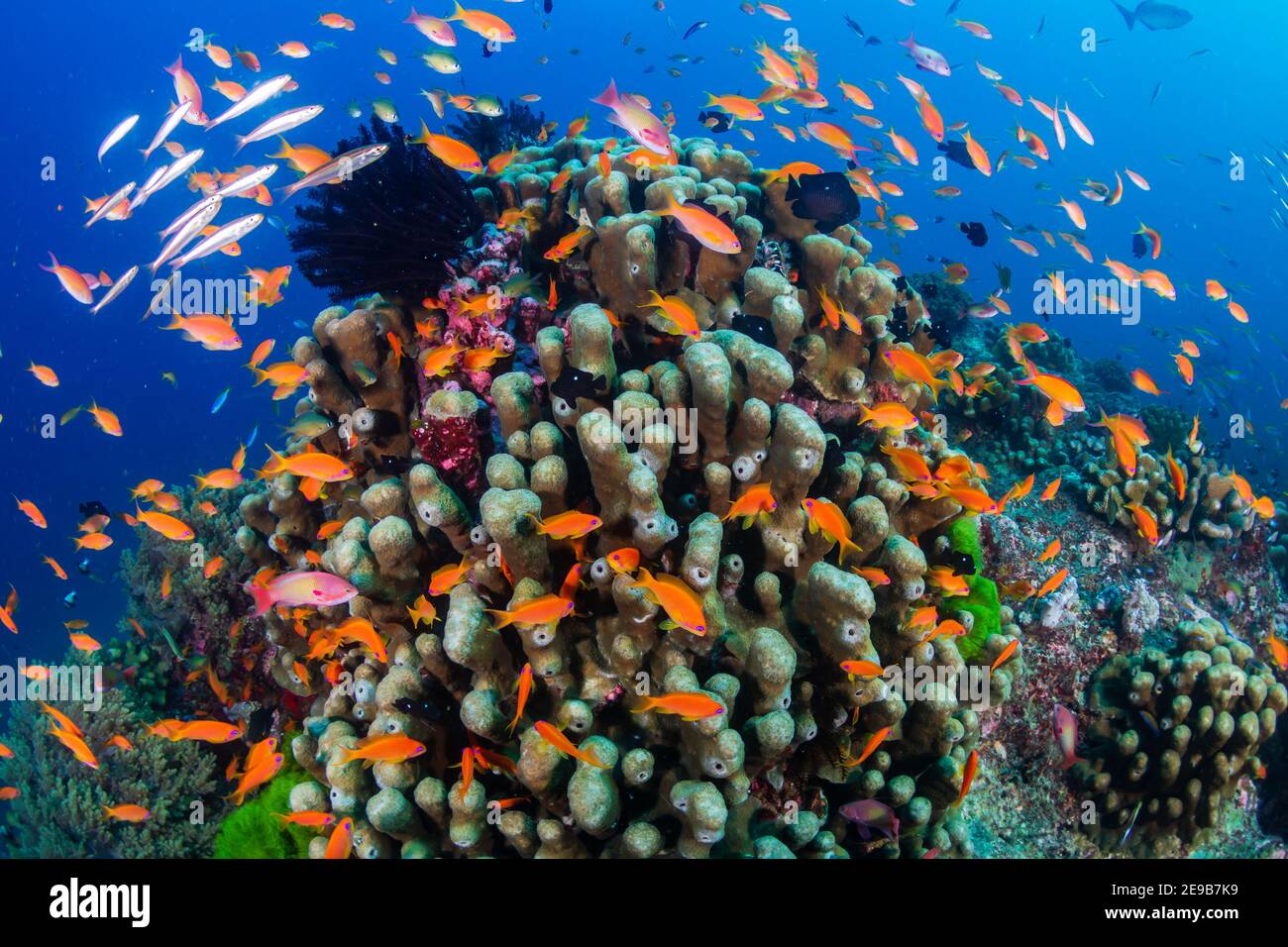
A vibrant school of reef fish swimming amongst the colorful coral illustrating the diversity of fish life
When we think of ocean animals, fish are often the first creatures that come to mind. And for good reason – they are the most diverse group of vertebrates in the marine environment, representing over half of all known fish species. From the tiny goby to the massive whale shark, fish occupy a vast range of ecological niches and play a crucial role in maintaining the health of marine ecosystems.
The diversity of fish is staggering. Bony fish (Osteichthyes) are the most common type, characterized by their skeletons made of bone. This group includes everything from familiar species like tuna, salmon, and cod to more exotic forms like pufferfish and seahorses. Cartilaginous fish (Chondrichthyes), such as sharks, rays, and skates, have skeletons made of cartilage, a more flexible and lightweight material.
Fish exhibit a remarkable array of adaptations to their environment. Their streamlined bodies, fins, and gills allow them to move efficiently through the water and extract oxygen. Many species have evolved specialized feeding strategies, from the filter-feeding whale shark to the ambush predator anglerfish. Their coloration can serve a variety of purposes, including camouflage, warning signals, and attracting mates.
Coral reefs, often referred to as the “rainforests of the sea,” are particularly rich in fish diversity. These vibrant ecosystems provide shelter, food, and breeding grounds for countless species. The loss of coral reefs due to climate change and pollution poses a significant threat to fish populations and the livelihoods of people who depend on them.
Overfishing is a major concern for many fish species. Unsustainable fishing practices can deplete populations, disrupt food webs, and damage marine habitats. Implementing responsible fisheries management strategies, such as setting catch limits and protecting spawning grounds, is essential for ensuring the long-term health of fish stocks. The question of how much animals are in the ocean is often answered by looking at the sheer numbers of fish, which are truly astronomical.
Sharks and Rays: Apex Predators and Graceful Gliders
Sharks and rays, belonging to the class Chondrichthyes, are often misunderstood creatures. While their reputation as fearsome predators is well-deserved in some cases, they are also incredibly diverse and play a vital role in maintaining the balance of marine ecosystems. These cartilaginous fish have evolved over millions of years, developing unique adaptations that make them perfectly suited to their predatory lifestyles.
Sharks are apex predators, meaning they sit at the top of the food chain. They help regulate populations of other species, preventing any one species from becoming dominant and disrupting the ecosystem. The great white shark, perhaps the most iconic shark species, is a powerful predator known for its size and hunting prowess. However, there are over 500 different species of sharks, ranging in size from the dwarf lanternshark (less than 7 inches long) to the whale shark (the largest fish in the world).
Rays, with their flattened bodies and wing-like pectoral fins, are graceful gliders of the ocean. They feed on invertebrates and small fish, using their mouths and specialized teeth to crush shells and extract their prey. Stingrays possess a venomous barb on their tail, which they use for defense. Manta rays, the largest rays, are filter feeders that gracefully swim through the water, consuming plankton.
Sharks and rays face numerous threats, including overfishing, habitat destruction, and finning – the practice of removing a shark’s fins and discarding the body. Many shark and ray species are now listed as threatened or endangered. Protecting these magnificent creatures requires stricter regulations, sustainable fishing practices, and increased public awareness. The importance of these ocean animals cannot be overstated.
Sea Turtles: Ancient Mariners of the Ocean
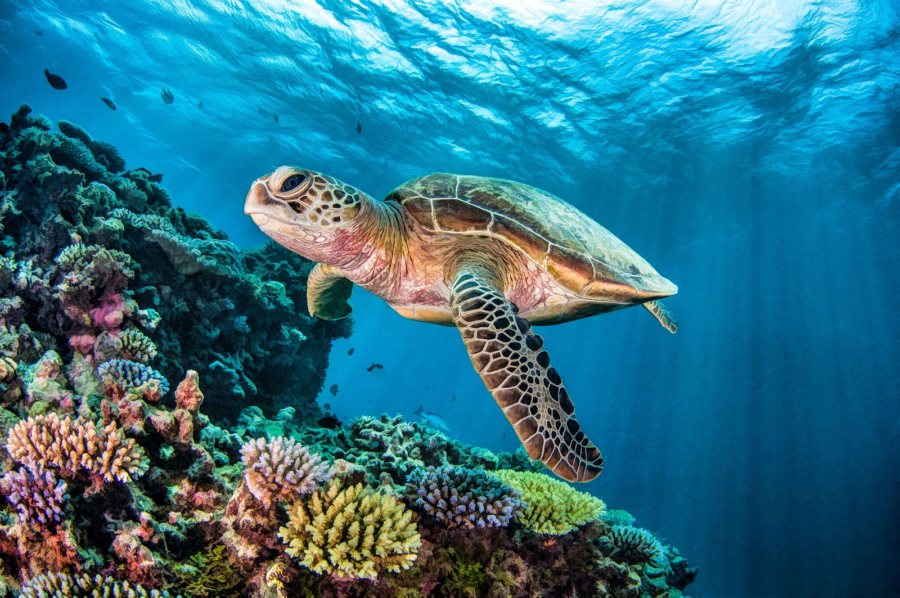
A graceful green sea turtle swimming amongst the coral reef showcasing its ancient lineage
Sea turtles are among the oldest reptiles on Earth, having roamed the oceans for over 100 million years. These ancient mariners have witnessed the rise and fall of dinosaurs and have adapted to survive in a constantly changing world. Today, however, all seven species of sea turtles are threatened or endangered, facing a multitude of challenges from human activities.
Sea turtles are characterized by their hard shells, which provide protection from predators. They are air-breathing reptiles that return to land to lay their eggs on sandy beaches. Each species has its own unique characteristics and distribution. The green sea turtle, named for the greenish color of its fat, is a herbivore that feeds on seagrass and algae. The loggerhead sea turtle is a carnivore that feeds on shellfish and crustaceans. The leatherback sea turtle, the largest sea turtle species, is a jellyfish specialist.
Sea turtles undertake long-distance migrations, often traveling thousands of miles between feeding grounds and nesting beaches. They navigate using a combination of magnetic cues, ocean currents, and visual landmarks. Their life cycle is complex and vulnerable, with hatchlings facing a high risk of predation.
Threats to sea turtles include entanglement in fishing gear, habitat loss, pollution, and climate change. Plastic pollution is particularly harmful, as turtles often mistake plastic bags for jellyfish and ingest them. Rising sea levels and increased storm intensity threaten nesting beaches. Conservation efforts, such as protecting nesting sites, reducing bycatch in fisheries, and raising public awareness, are crucial for ensuring the survival of these magnificent creatures.
Invertebrates: A World of Shells, Tentacles, and More
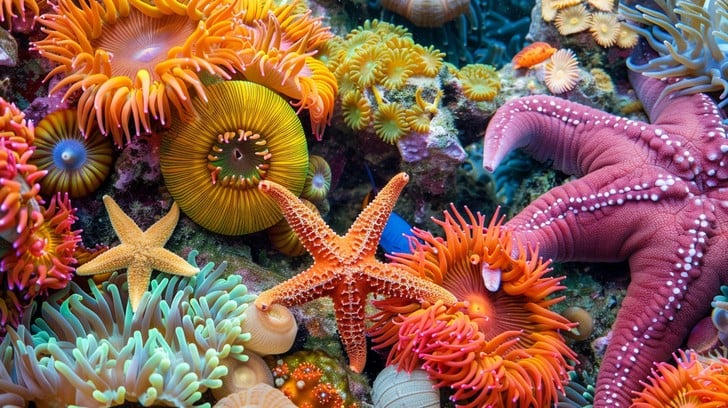
A vibrant coral reef teeming with diverse invertebrates including starfish sea anemones and colorful corals
The world of marine invertebrates – animals without backbones – is incredibly diverse and often overlooked. These creatures represent over 97% of all known marine species and play a fundamental role in marine ecosystems. From the colorful corals that build reefs to the gelatinous jellyfish that drift in the currents, invertebrates exhibit a remarkable range of forms and functions.
This group includes a vast array of organisms, including corals, jellyfish, starfish, octopuses, squid, crabs, lobsters, sea anemones, and countless others. Corals, tiny colonial animals, build the massive structures that form coral reefs, providing habitat for a quarter of all marine species. Jellyfish, with their stinging tentacles, are graceful predators that drift through the water column. Starfish, with their five-armed bodies, are scavengers and predators that play a role in regulating benthic communities.
Octopuses and squid, cephalopods, are highly intelligent invertebrates with complex nervous systems. They are masters of camouflage and can change their color and texture to blend in with their surroundings. Crabs and lobsters, crustaceans, are armored invertebrates that scavenge and prey on other organisms. Sea anemones, with their stinging tentacles, are sessile predators that attach to rocks and other surfaces.
Invertebrates are essential components of marine food webs, serving as both prey and predators. They also play a crucial role in nutrient cycling and habitat creation. The health of marine ecosystems depends on the diversity and abundance of invertebrates. The sheer number of animals in the ocean is largely due to the incredible diversity of invertebrates. Understanding these often-hidden creatures is key to understanding the ocean as a whole.
The Interconnectedness of Marine Life
The ocean, a vast and mysterious realm, isn’t just a collection of individual ocean animals swimming in a blue expanse. It’s a complex, interwoven tapestry of life where every creature, from the microscopic plankton to the colossal blue whale, plays a vital role. Understanding this interconnectedness is crucial to appreciating the delicate balance of marine ecosystems and the urgent need for their conservation. It’s a humbling thought, really, to consider how the fate of a tiny krill can ripple outwards, impacting the lives of creatures many times its size. This section will delve into the intricate relationships that define life in the ocean animals, exploring how energy flows through marine food webs, the fascinating world of symbiotic partnerships, the incredible journeys undertaken by migrating species, and the foundational importance of plankton.
Food Webs and Trophic Levels
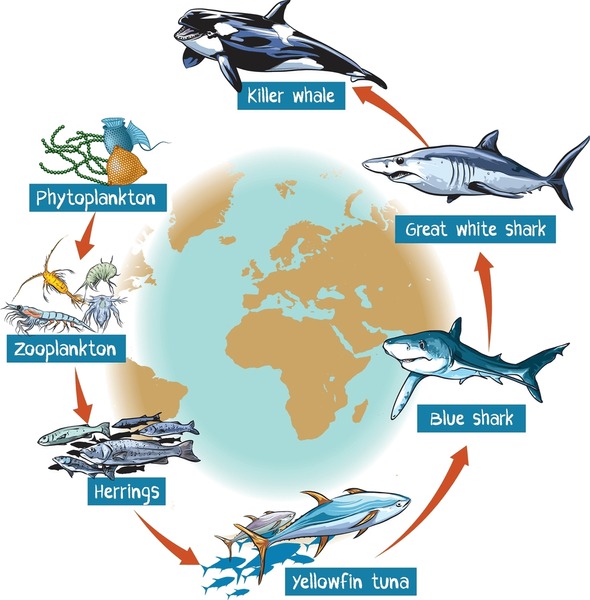
A simplified illustration of a marine food web demonstrating the flow of energy through different trophic levels
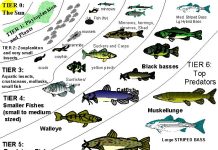
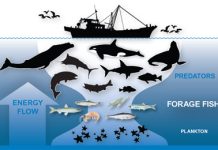
Imagine the ocean as a grand, underwater restaurant. But instead of ordering off a menu, creatures are constantly participating in a complex system of “who eats whom.” This is the essence of a food web, a visual representation of the feeding relationships within an ecosystem. Unlike a simple food chain which depicts a linear sequence (e.g., plankton -> small fish -> large fish -> shark), a food web acknowledges the reality that most organisms consume, and are consumed by, multiple species.
The foundation of nearly all marine food webs lies with primary producers – organisms that create their own food through photosynthesis. These are primarily phytoplankton, microscopic plants drifting in the sunlit upper layers of the ocean. They are the equivalent of the plants on land, converting sunlight into energy.
Above the primary producers are the primary consumers, or herbivores, which feed directly on phytoplankton. These include zooplankton (tiny animals), small fish, and some invertebrates. Then come the secondary consumers, or carnivores, which eat the primary consumers. This level might include larger fish, squid, and seabirds. The chain continues with tertiary consumers, apex predators like sharks, orcas, and seals, who sit at the top of the food web.
Each of these levels represents a trophic level. Energy is transferred from one trophic level to the next, but this transfer isn’t perfectly efficient. A significant amount of energy is lost as heat at each step, meaning that there’s less energy available at higher trophic levels. This is why there are far fewer apex predators than phytoplankton – the energy simply diminishes as it moves up the chain.
Consider the plight of the North Atlantic cod. Overfishing in the late 20th century drastically reduced the cod population, a key predator in the Northwest Atlantic food web. This had cascading effects, leading to an increase in prey species like shrimp and some smaller fish, and a decline in animals that relied on cod as a food source. It’s a stark reminder that disrupting one part of the food web can have far-reaching and unpredictable consequences. The health of the entire ecosystem is dependent on the health of each trophic level.
Symbiotic Relationships in the Ocean
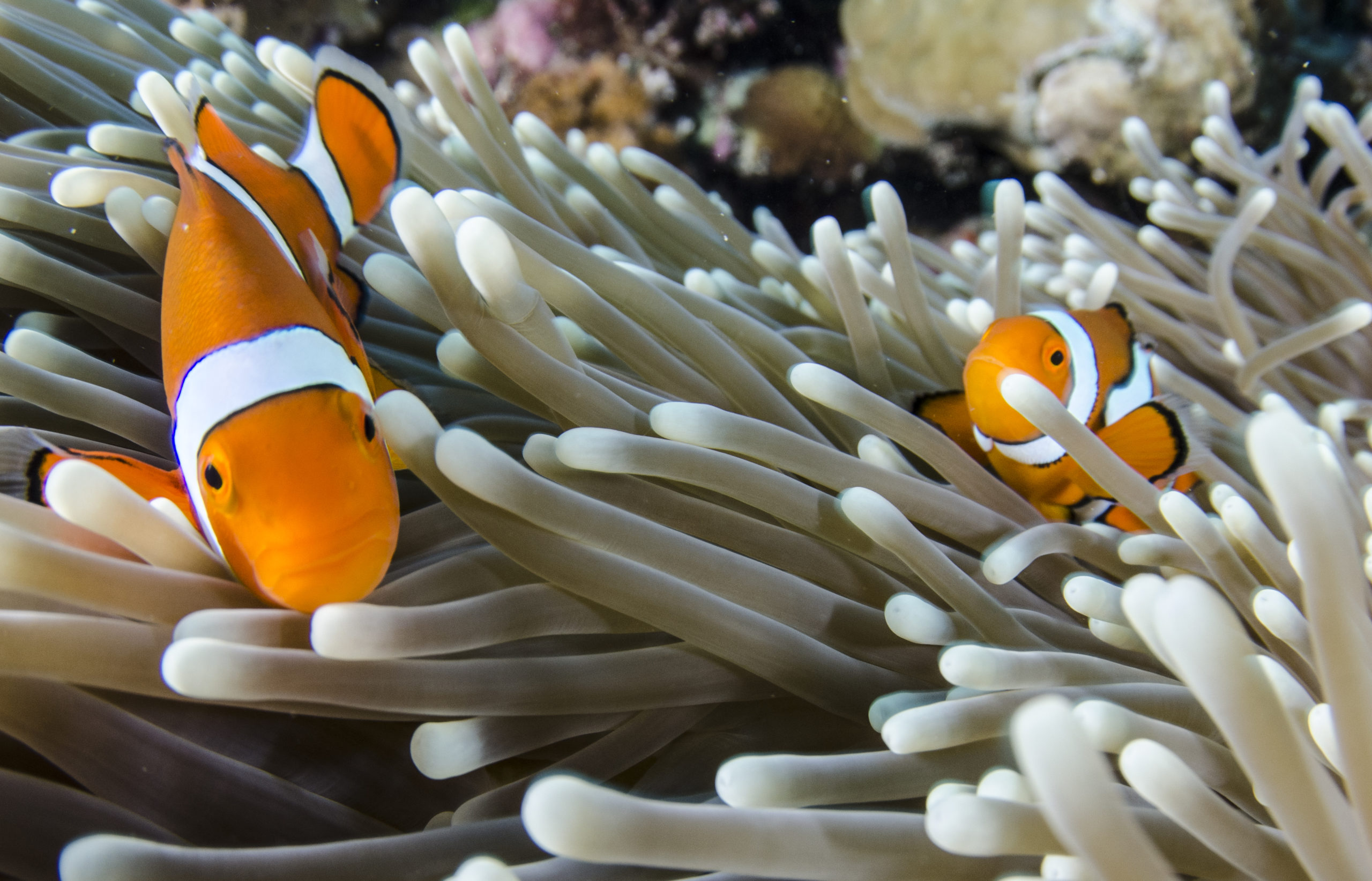
A clownfish nestled amongst the stinging tentacles of a sea anemone demonstrating a mutualistic symbiotic relationship
The ocean is teeming with examples of symbiosis, close and long-term interactions between different species. These relationships aren’t always about one organism benefiting at the expense of another; in fact, many are mutually beneficial. There are three main types of symbiotic relationships: mutualism, where both species benefit; commensalism, where one species benefits and the other is neither harmed nor helped; and parasitism, where one species benefits at the expense of the other.
Perhaps the most iconic example of mutualism is the relationship between clownfish and sea anemones. The anemone’s stinging tentacles provide protection for the clownfish from predators, while the clownfish, in turn, cleans the anemone and provides it with nutrients. The clownfish has a special mucus coating that protects it from the anemone’s sting, a remarkable adaptation.
Commensalism can be seen in the relationship between remora fish and sharks. Remoras attach themselves to sharks using a specialized sucker, hitching a ride and feeding on scraps of food left behind by the shark. The shark isn’t particularly affected by the remora’s presence.
Parasitism is prevalent throughout the marine world. For example, copepods, tiny crustaceans, can attach themselves to fish and feed on their blood. While not always fatal, parasitic relationships can weaken the host and make them more vulnerable to disease or predation.
Beyond these classic examples, there are more subtle and complex symbiotic relationships. Coral reefs, for instance, are built by tiny animals called coral polyps, which have a symbiotic relationship with zooxanthellae, microscopic algae that live within their tissues. The algae provide the coral with food through photosynthesis, and the coral provides the algae with a protected environment and access to sunlight. This relationship is crucial for the health and survival of coral reefs, and is highly sensitive to changes in water temperature and ocean acidification. The bleaching of coral reefs, a devastating phenomenon, occurs when corals expel their zooxanthellae due to stress, leading to their eventual death.
Migration Patterns and Navigation
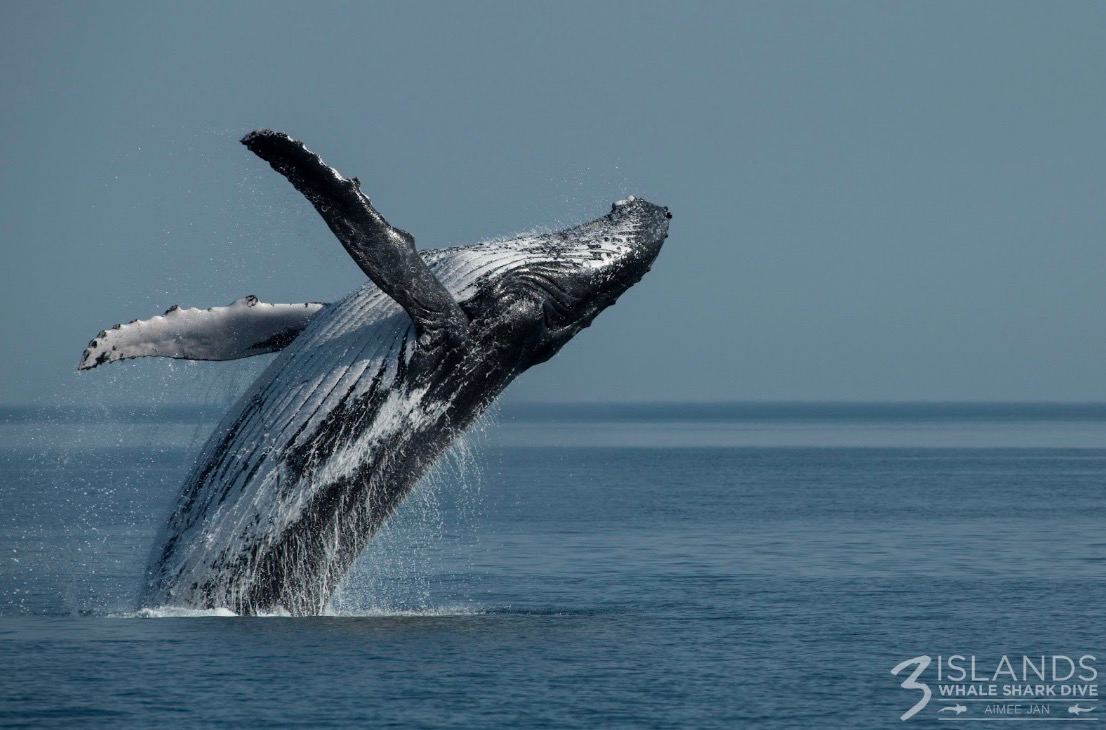
A humpback whale breaching showcasing the incredible power and grace of these migrating giants
The ocean is a highway for countless species, with many ocean animals undertaking incredible migrations, sometimes spanning thousands of miles. These journeys are often driven by the need to find food, reproduce, or escape unfavorable environmental conditions. The sheer scale and complexity of these migrations are truly awe-inspiring.
Humpback whales, for example, undertake one of the longest migrations of any mammal. They spend the summer feeding in polar waters, building up fat reserves, and then migrate to warmer tropical waters during the winter to breed and give birth. The journey can be over 5,000 miles each way!
Sea turtles also embark on epic migrations. Loggerhead sea turtles, for instance, hatch on beaches in the southeastern United States and then spend years drifting in the open ocean before returning to the same beaches to nest as adults. How they navigate back to their natal beaches remains a mystery, but scientists believe they use a combination of magnetic cues, ocean currents, and possibly even the smell of their birthplace.
Salmon are renowned for their remarkable ability to return to the exact stream where they were born to spawn. They navigate upstream, overcoming obstacles like waterfalls and rapids, guided by their sense of smell. This incredible feat of navigation is essential for their life cycle.
But how do these animals navigate such vast distances? Scientists are still unraveling the mysteries of animal navigation, but several mechanisms are believed to be involved. Magnetoreception, the ability to detect the Earth’s magnetic field, is thought to play a crucial role for many species. Animals can use the magnetic field as a compass, and also to determine their latitude. They also utilize cues from the sun, stars, ocean currents, and even chemical signals in the water. The ability of ocean animals to navigate is a testament to the power of evolution and the remarkable adaptations that have allowed them to thrive in the marine environment.
The Role of Plankton in Marine Ecosystems
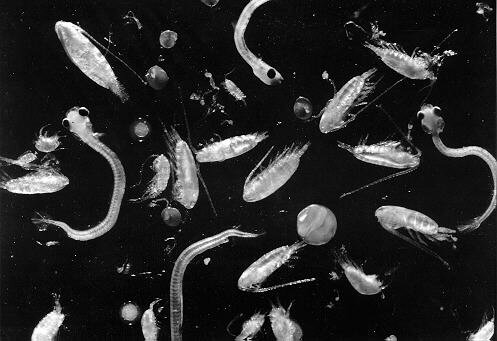
A microscopic image showcasing the diversity of phytoplankton and zooplankton the foundation of the marine food web
Often overlooked, plankton are the unsung heroes of the ocean. The term “plankton” comes from the Greek word for “wanderers,” and it refers to organisms that drift with the currents, unable to swim against them effectively. Despite their small size, plankton are the foundation of nearly all marine food webs and play a critical role in regulating the Earth’s climate.
There are two main types of plankton: phytoplankton (plant-like) and zooplankton (animal-like). As mentioned earlier, phytoplankton are the primary producers of the ocean, responsible for about half of all photosynthesis on Earth. They convert sunlight into energy, releasing oxygen as a byproduct – the very oxygen we breathe!
Zooplankton feed on phytoplankton, and in turn, are consumed by larger organisms. They include a diverse range of creatures, from microscopic larvae to jellyfish and krill. Krill, small shrimp-like crustaceans, are a particularly important component of the food web, serving as a major food source for whales, seals, penguins, and many other ocean animals.
Plankton are also crucial for the biological carbon pump, a process that helps to remove carbon dioxide from the atmosphere. When phytoplankton die, they sink to the ocean floor, taking carbon with them. This carbon can be stored in sediments for centuries, helping to mitigate climate change.
The distribution and abundance of plankton are influenced by a variety of factors, including sunlight, temperature, nutrients, and ocean currents. Changes in these factors, such as those caused by climate change, can have significant impacts on plankton populations and, consequently, on the entire marine ecosystem. Monitoring plankton populations is therefore essential for understanding the health of the ocean and predicting future changes. Without these tiny drifters, the vibrant and complex world of ocean animals simply wouldn’t exist.
Threats to Marine Life and Conservation Efforts
The ocean, a realm of breathtaking beauty and teeming life, is facing unprecedented challenges. For centuries, we’ve viewed the ocean as an inexhaustible resource, a vast expanse capable of absorbing our waste and providing endless bounty. But the reality is starkly different. The health of our oceans is declining at an alarming rate, and the consequences are far-reaching, impacting not only ocean animals but the entire planet. It’s a sobering thought, isn’t it? To realize that the very source of life on Earth is under siege. This section will delve into the major threats facing marine life and explore the crucial conservation efforts underway to protect our oceans for future generations.
Pollution: Plastic, Chemical, and Noise
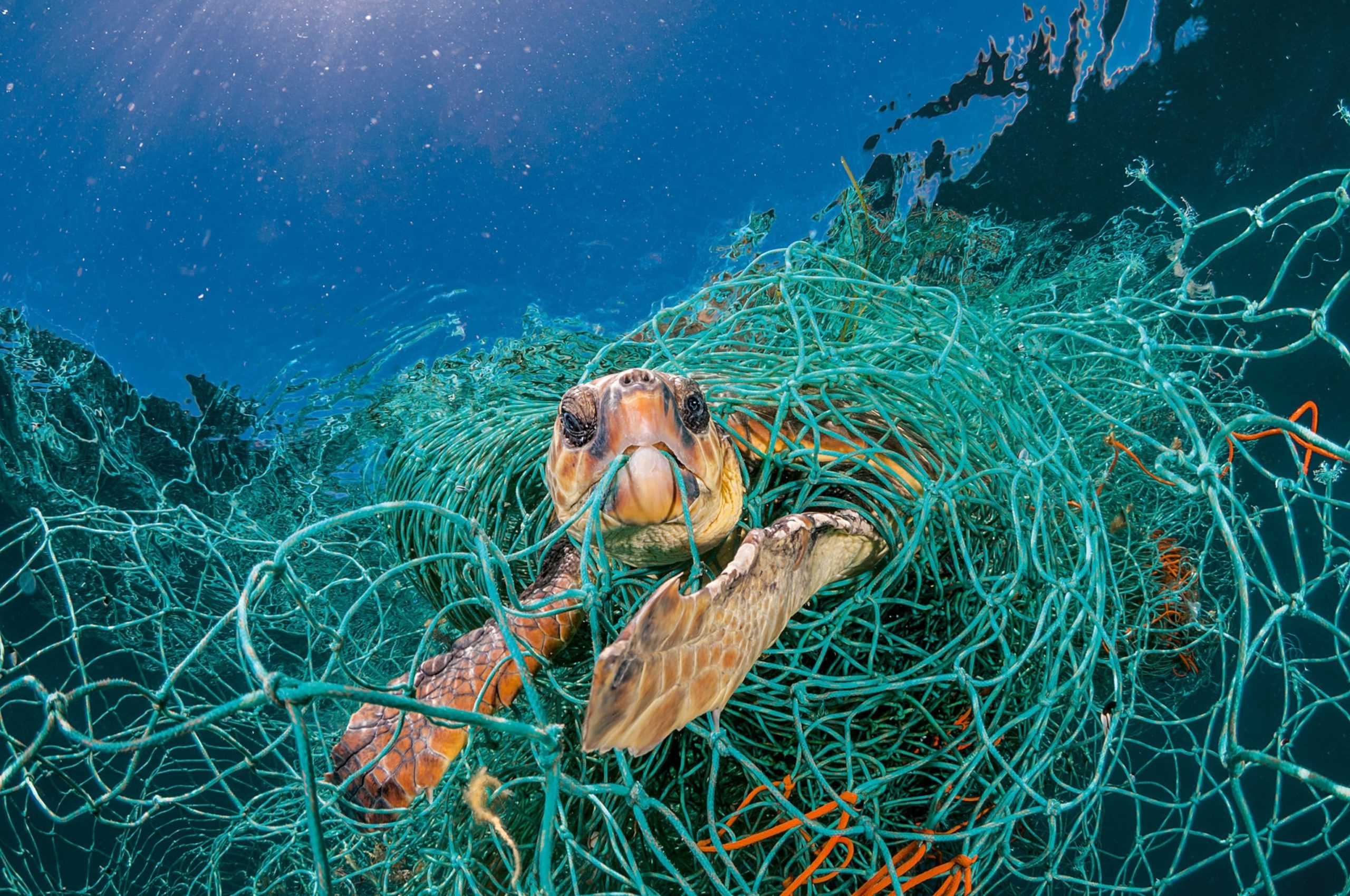
A heartbreaking image of a sea turtle entangled in plastic debris illustrating the devastating impact of plastic pollution on marine life
The sheer scale of pollution in our oceans is staggering. It’s not just a visual blight; it’s a silent killer, impacting marine ecosystems at every level. Perhaps the most visible form of pollution is plastic. Every year, millions of tons of plastic enter the ocean, originating from land-based sources like improper waste management, industrial discharge, and even microplastics from clothing and cosmetics. This plastic doesn’t simply disappear. It breaks down into smaller and smaller pieces, creating a pervasive “plastic soup” that contaminates the water column and seafloor.
Ocean animals ingest these microplastics, mistaking them for food. This can lead to a range of problems, including malnutrition, internal injuries, and the bioaccumulation of toxins. Larger plastic debris, like plastic bags and fishing nets, can entangle marine animals, causing injury, drowning, and starvation. The images of seabirds with stomachs full of plastic, whales entangled in fishing gear, and turtles suffocating on plastic bags are truly heartbreaking.
But plastic is just one piece of the puzzle. Chemical pollution from agricultural runoff, industrial discharge, and oil spills also poses a significant threat. These chemicals can contaminate the water, harming marine organisms directly or disrupting their reproductive systems. Oil spills, in particular, are catastrophic events, coating marine animals in oil, destroying habitats, and causing long-term ecological damage. The Exxon Valdez oil spill in 1989 and the Deepwater Horizon disaster in 2010 serve as grim reminders of the devastating consequences of these events.
And then there’s noise pollution. The ocean, once a relatively quiet environment, is now filled with the constant hum of human activity – shipping traffic, sonar, seismic surveys, and construction. This noise can disrupt the communication, navigation, and foraging behavior of marine animals, particularly marine mammals like whales and dolphins, who rely on sound to navigate and find food. Imagine trying to have a conversation in a crowded concert – that’s what it’s like for these animals trying to communicate in a noisy ocean. The impact of noise pollution is often subtle but can have profound consequences for marine populations.
Climate Change and Ocean Acidification
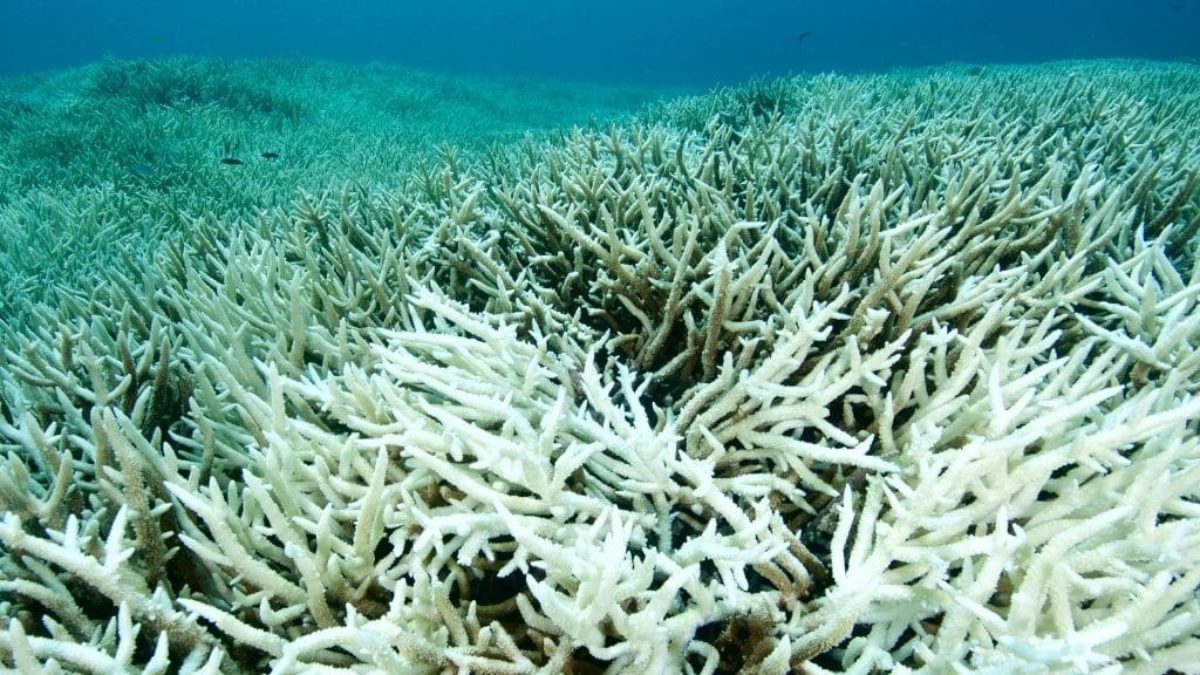
A stark contrast between healthy coral reefs and those severely affected by coral bleaching a direct consequence of rising ocean temperatures
The effects of climate change are being felt acutely in our oceans. Rising global temperatures are causing ocean warming, leading to coral bleaching, shifts in species distribution, and increased frequency of extreme weather events. Coral reefs, often referred to as the “rainforests of the sea,” are particularly vulnerable to warming waters. When water temperatures rise, corals expel the symbiotic algae that live in their tissues, causing them to turn white – a phenomenon known as coral bleaching. If bleaching is prolonged, the corals can die, leading to the collapse of entire reef ecosystems.
But warming isn’t the only problem. The ocean absorbs about 30% of the carbon dioxide (CO2) released into the atmosphere by human activities. While this helps to mitigate climate change, it comes at a cost. As CO2 dissolves in seawater, it forms carbonic acid, leading to ocean acidification. This acidification reduces the availability of carbonate ions, which are essential for marine organisms like shellfish, corals, and plankton to build their shells and skeletons.
Think about it: these creatures are essentially losing the building blocks of their homes and bodies. Ocean acidification is a slow but insidious threat, weakening marine ecosystems and making them more vulnerable to other stressors. The consequences of ocean acidification are far-reaching, potentially impacting the entire marine food web. It’s a complex issue, but the underlying cause is clear: our reliance on fossil fuels and the resulting increase in atmospheric CO2. The future of ocean animals is inextricably linked to our ability to address climate change.
Overfishing and Destructive Fishing Practices
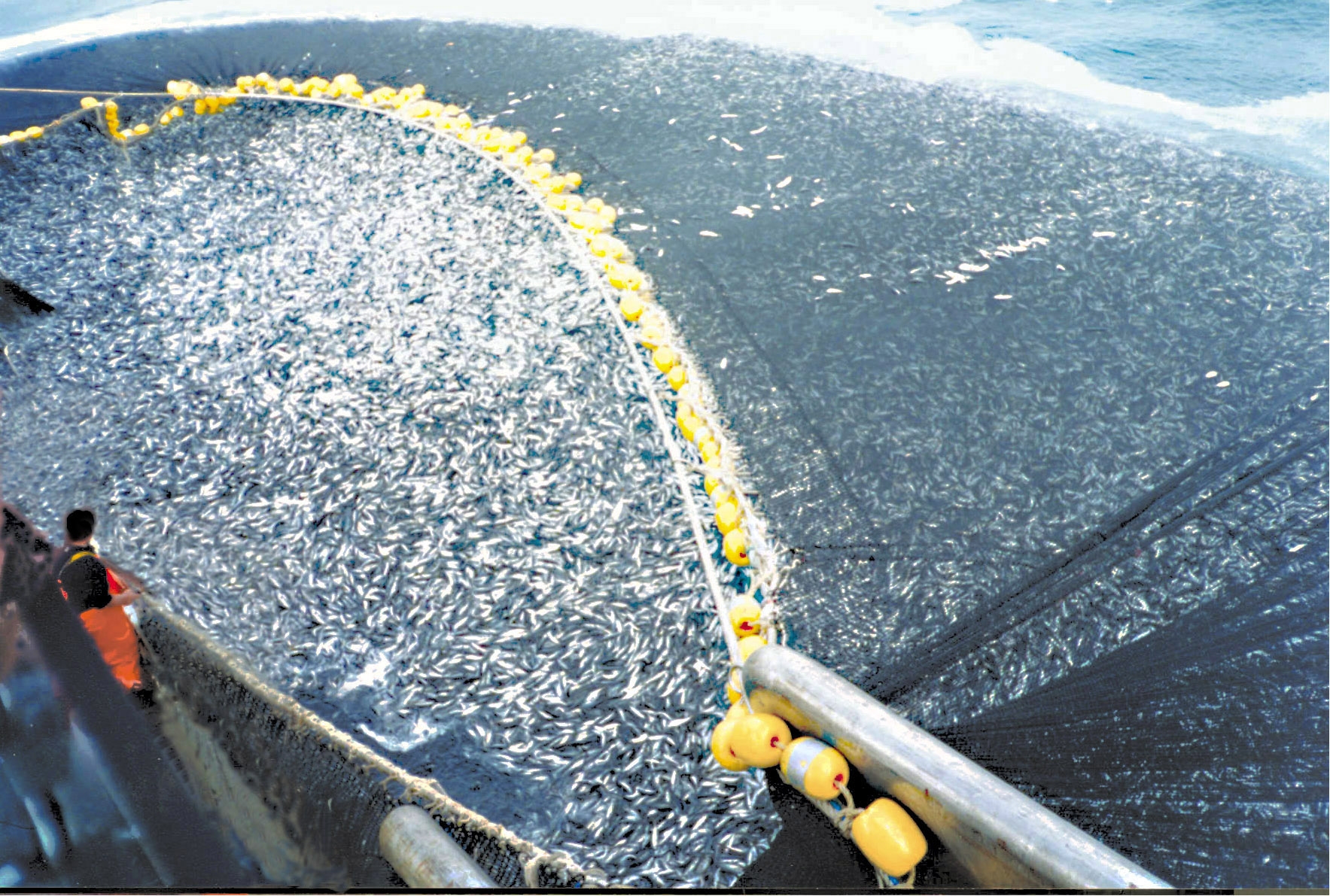
A visual representation of the devastating effects of overfishing showing a depleted ocean with a scarcity of fish
For centuries, humans have harvested resources from the ocean. But in recent decades, overfishing has become a major threat to marine ecosystems. Driven by increasing demand for seafood and advancements in fishing technology, we are removing fish from the ocean at a rate faster than they can reproduce. This leads to the depletion of fish stocks, disrupting marine food webs and impacting the livelihoods of millions of people who depend on fisheries.
The consequences of overfishing are particularly severe for apex predators like sharks and tuna, who are often targeted for their meat or fins. The removal of these top predators can trigger cascading effects throughout the ecosystem, leading to imbalances and declines in other species. It’s like removing the keystone from an arch – the entire structure can collapse.
But overfishing isn’t the only destructive fishing practice. Bottom trawling, a method that involves dragging heavy nets across the seafloor, can cause significant damage to benthic habitats, destroying coral reefs, sponge gardens, and other sensitive ecosystems. Imagine dragging a bulldozer across a forest floor – that’s the kind of devastation bottom trawling can inflict. Blast fishing, using explosives to stun or kill fish, is another highly destructive practice that destroys habitats and indiscriminately kills marine life. These practices are not only ecologically damaging but also economically unsustainable, as they deplete fish stocks and undermine the long-term health of marine ecosystems. The question isn’t just how much we are taking from the ocean, but how we are taking it.
Marine Conservation: Protecting Our Oceans for the Future
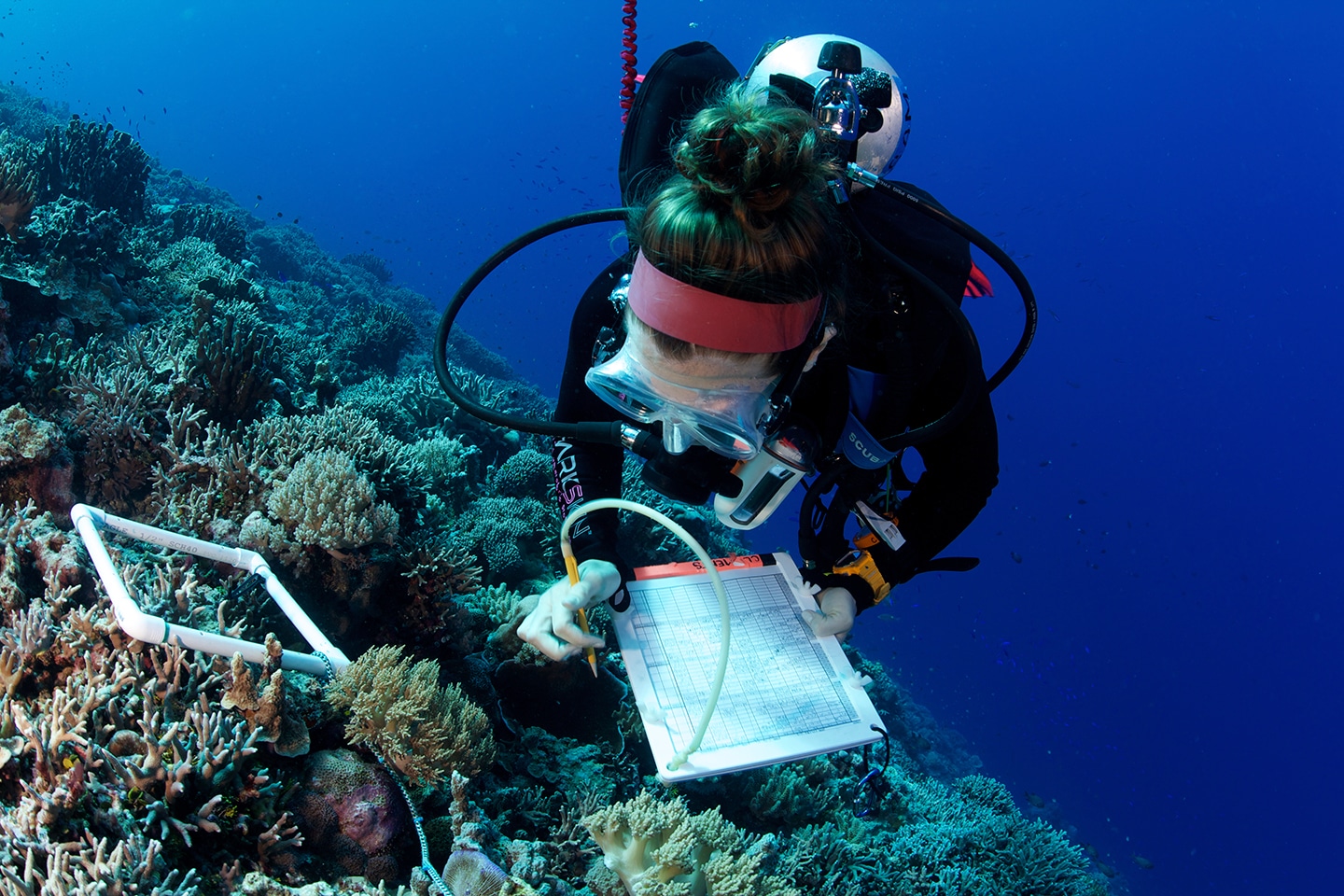
Marine biologists conducting research on coral reefs highlighting the importance of scientific study and conservation efforts
Despite the daunting challenges, there is hope. Marine conservation efforts are underway around the world, aimed at protecting our oceans and ensuring the long-term sustainability of marine ecosystems. These efforts take many forms, from establishing marine protected areas (MPAs) to promoting sustainable fishing practices and reducing pollution.
MPAs are designated areas of the ocean where human activities are restricted to protect marine biodiversity and habitats. They can range in size from small, localized reserves to large, multi-use areas. Effective MPAs can provide refuge for marine animals, allowing populations to recover and spill over into surrounding areas. However, the effectiveness of MPAs depends on their design, management, and enforcement.
Promoting sustainable fishing practices is also crucial. This includes setting catch limits based on scientific assessments, reducing bycatch (the unintentional capture of non-target species), and implementing gear modifications to minimize habitat damage. Consumer choices also play a role – by choosing sustainably sourced seafood, we can support fisheries that are committed to responsible practices.
Reducing pollution requires a multi-faceted approach, including improving waste management, reducing plastic consumption, and regulating industrial discharge. Investing in innovative technologies to clean up existing pollution and prevent future contamination is also essential. Furthermore, addressing climate change is paramount. Reducing greenhouse gas emissions through transitioning to renewable energy sources and improving energy efficiency is critical to mitigating ocean warming and acidification.
Finally, education and awareness are key to fostering a sense of stewardship for our oceans. By educating the public about the importance of marine ecosystems and the threats they face, we can inspire action and create a more sustainable future for ocean animals and the planet. The ocean is not just a source of food and resources; it’s a vital part of our planet’s life support system. Protecting it is not just an environmental imperative; it’s a moral one. The future of our oceans, and indeed our own future, depends on it.
A Future for Marine Life
The weight of the challenges facing our oceans can feel immense, a crushing pressure mirroring the depths themselves. But despair is not an option. The future of marine life isn’t predetermined; it’s a story we are actively writing, with every choice we make, every policy we support, and every action we take. It’s a future that demands not just awareness, but a fundamental shift in our relationship with the ocean animals and the marine environment as a whole. This isn’t simply about saving whales or protecting coral reefs – it’s about safeguarding the very life support system of our planet.
Innovative Technologies for Ocean Conservation
For decades, conservation efforts have relied heavily on traditional methods – establishing marine protected areas, regulating fishing practices, and raising public awareness. While these remain crucial, the 21st century demands a more technologically advanced approach. We are witnessing a surge in innovative technologies offering unprecedented opportunities to monitor, understand, and protect marine ecosystems.
One exciting development is the use of satellite technology and artificial intelligence (AI) to track illegal fishing activities. Vessels can be identified and monitored in real-time, allowing authorities to intervene and prevent destructive practices. This is particularly vital in areas where enforcement is weak or resources are limited. Imagine a network of “digital guardians” patrolling the oceans, ensuring compliance with regulations and protecting vulnerable species.
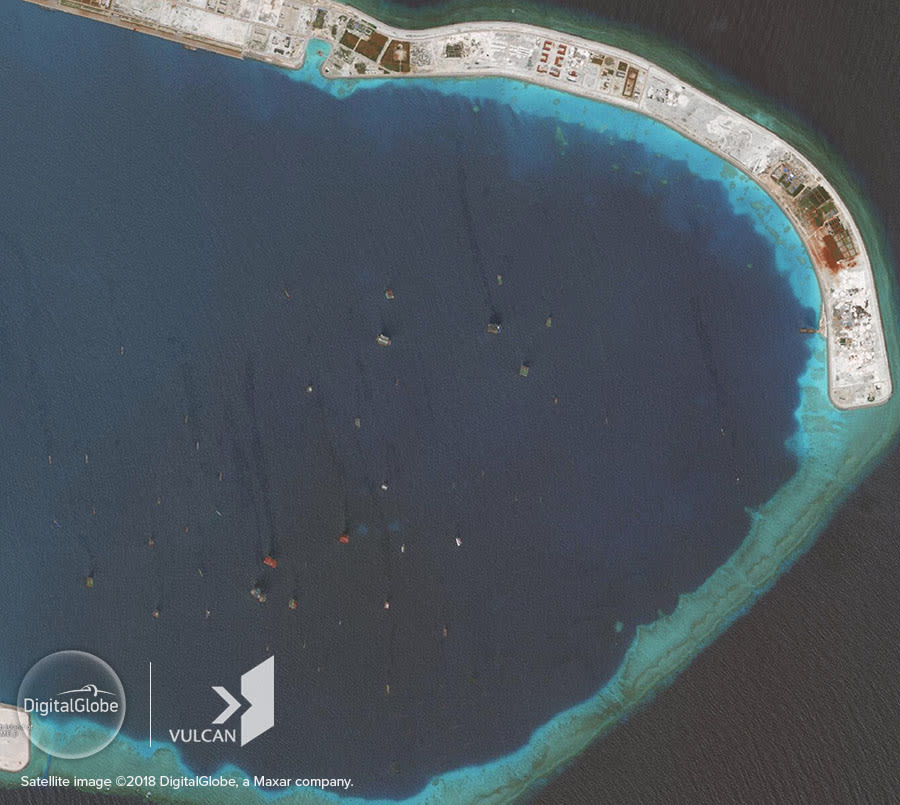
Satellite technology is being used to track illegal fishing activities and protect marine resources
Another promising area is the development of autonomous underwater vehicles (AUVs) and remotely operated vehicles (ROVs). These robotic explorers can venture into the deepest, most inaccessible parts of the ocean, collecting data on biodiversity, water quality, and the impact of climate change. They can also be used to monitor the health of coral reefs, assess the damage caused by pollution, and even assist in the restoration of damaged ecosystems. The ability to observe and understand these hidden worlds is paramount to effective conservation.
Furthermore, acoustic monitoring is becoming increasingly sophisticated. By listening to the sounds of the ocean, scientists can track the movements of marine mammals, identify areas of high biodiversity, and detect the presence of noise pollution from shipping and other human activities. This information can be used to mitigate the impact of noise on marine life and create quieter, more hospitable environments.
The Rise of Sustainable Seafood
The demand for seafood is ever-increasing, driven by a growing global population. However, traditional fishing practices have often been unsustainable, leading to overfishing, habitat destruction, and the decline of many ocean animals populations. The good news is that a growing movement towards sustainable seafood is gaining momentum.
Sustainable seafood refers to fish and shellfish that are caught or farmed in a way that minimizes environmental impact and ensures the long-term health of marine ecosystems. This involves implementing responsible fishing practices, reducing bycatch (the unintentional capture of non-target species), and protecting critical habitats.
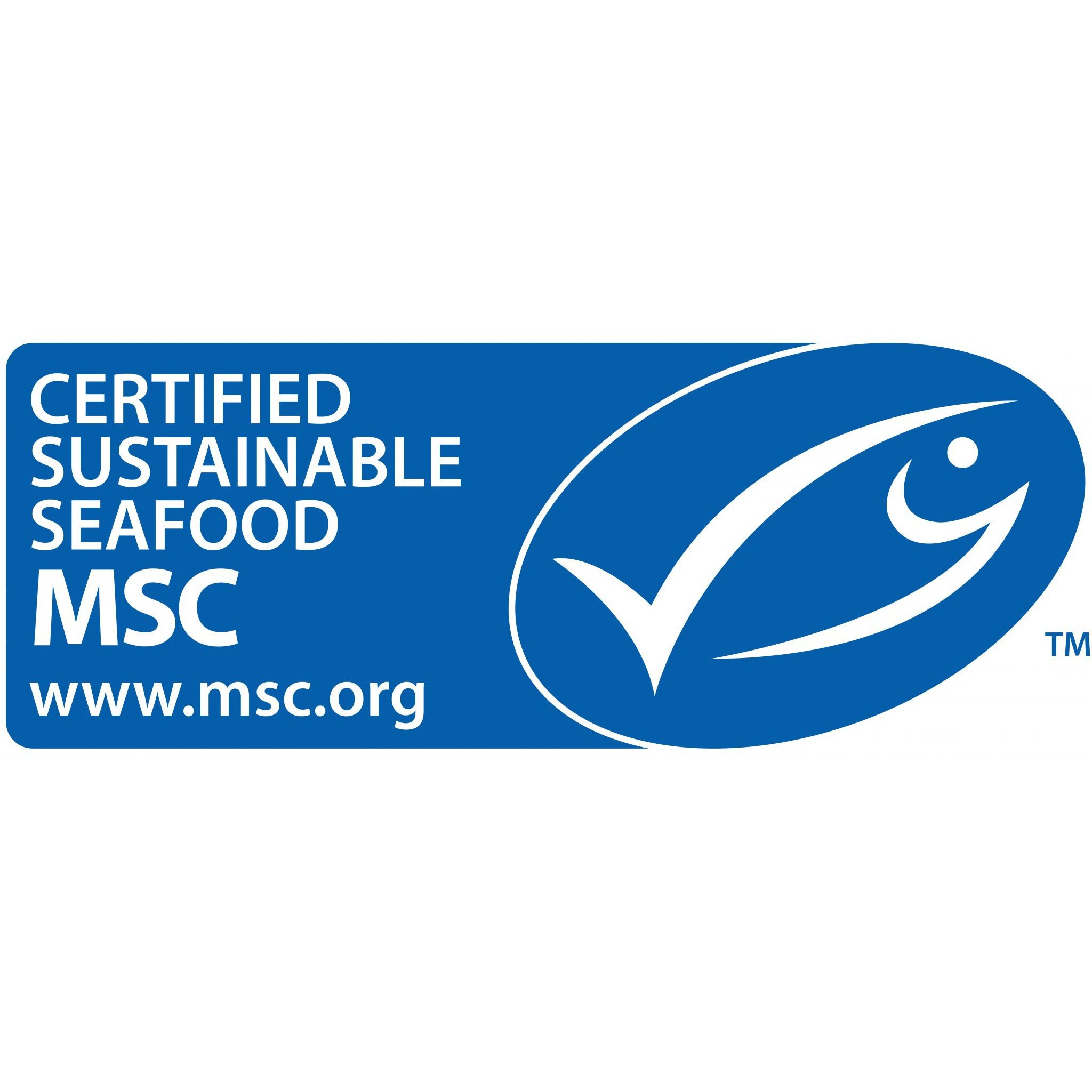
Look for certifications like the Marine Stewardship Council MSC label when choosing seafood
Consumers play a crucial role in driving this change. By choosing sustainable seafood options, we can send a clear message to the fishing industry that we value responsible practices. Look for certifications like the Marine Stewardship Council (MSC) label, which indicates that the seafood comes from a certified sustainable fishery. Educating ourselves about the origins of our seafood and supporting businesses committed to sustainability are powerful actions we can all take.
Aquaculture, or fish farming, also has the potential to contribute to a more sustainable seafood supply. However, it’s important to ensure that aquaculture operations are environmentally responsible, minimizing pollution, disease outbreaks, and the impact on wild fish populations. Innovative aquaculture techniques, such as integrated multi-trophic aquaculture (IMTA), which combines the farming of different species to create a more balanced and sustainable system, are showing great promise.
Restoring Damaged Ecosystems: A Focus on Coral Reefs and Mangroves
Coral reefs and mangrove forests are among the most valuable and vulnerable ecosystems on Earth. They provide habitat for a vast array of ocean animals, protect coastlines from erosion, and support the livelihoods of millions of people. However, these ecosystems are facing unprecedented threats from climate change, pollution, and destructive fishing practices.
Coral reef restoration is a complex and challenging undertaking, but significant progress is being made. Techniques such as coral gardening, where fragments of coral are grown in nurseries and then transplanted onto degraded reefs, are showing promising results. Scientists are also exploring the use of assisted evolution, selectively breeding corals that are more resilient to heat stress and ocean acidification.
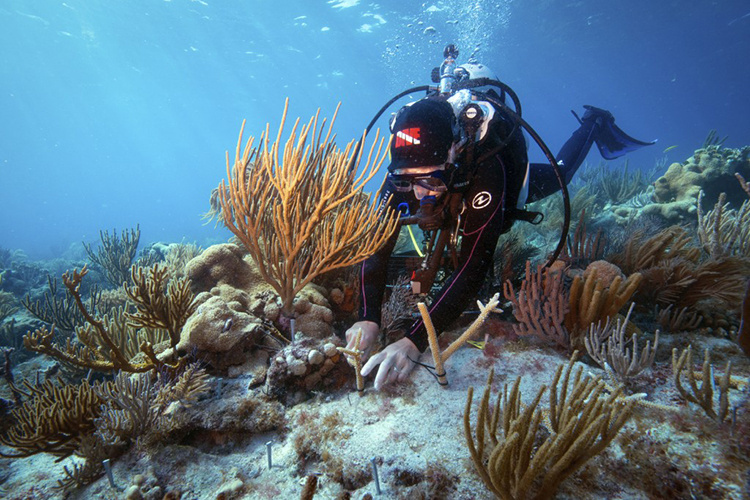
Divers are actively restoring damaged coral reefs by transplanting coral fragments
Mangrove restoration is often more straightforward, involving the replanting of mangrove seedlings in degraded areas. Mangroves are incredibly effective at sequestering carbon, protecting coastlines, and providing habitat for a wide range of species. Community-based mangrove restoration projects, which involve local communities in the planning and implementation process, are particularly successful.
These restoration efforts are not just about rebuilding ecosystems; they’re about restoring the vital services they provide and ensuring the long-term resilience of coastal communities.
The Power of Citizen Science and Community Engagement
Conservation is not just the responsibility of scientists and policymakers; it’s a collective effort that requires the participation of everyone. Citizen science initiatives are empowering individuals to contribute to marine research and conservation efforts.
From reporting sightings of marine mammals to monitoring water quality, there are countless ways for citizens to get involved. Platforms like iNaturalist allow users to record observations of plants and animals, creating a valuable database of biodiversity information. Beach cleanups, organized by local communities and environmental organizations, are a simple but effective way to remove plastic pollution from our oceans.
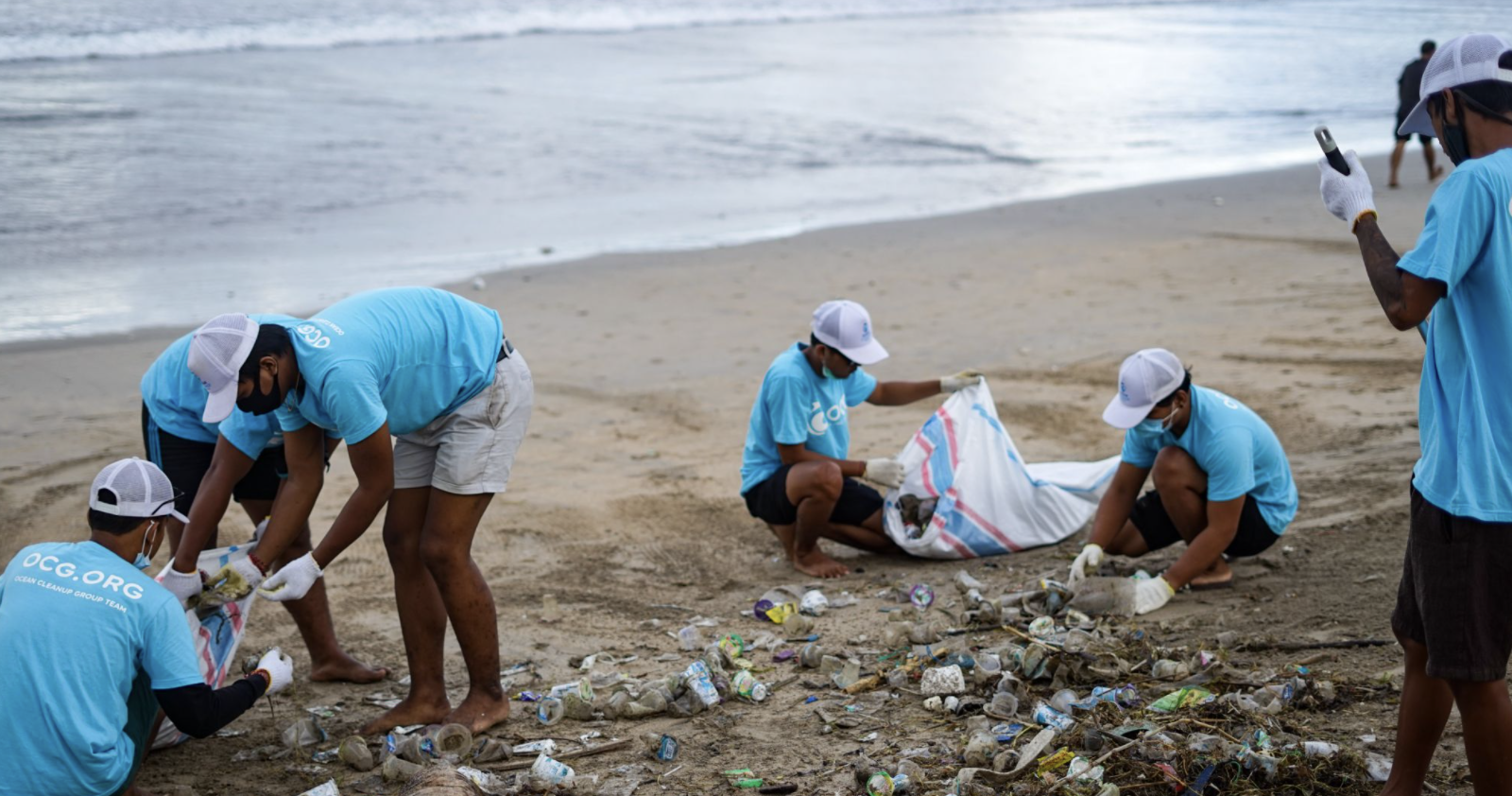
Volunteers are removing plastic pollution from a beach during a community cleanup event
Community engagement is also crucial for the success of conservation efforts. Working with local communities to develop sustainable livelihoods, promote responsible tourism, and protect traditional fishing practices can create a sense of ownership and stewardship. Empowering local communities to manage their own marine resources is often the most effective way to ensure their long-term sustainability.
A Call to Action: Shaping a Sustainable Future
The future of marine life hangs in the balance. The challenges are significant, but not insurmountable. We have the knowledge, the technology, and the passion to create a more sustainable future for our oceans. But it requires a collective commitment to change.
This means reducing our carbon footprint, supporting sustainable seafood choices, advocating for stronger environmental policies, and getting involved in local conservation efforts. It means educating ourselves and others about the importance of marine ecosystems and the threats they face. It means embracing a new ethic of stewardship, recognizing that we are all interconnected and that the health of the ocean is inextricably linked to our own well-being.
The ocean is not just a source of food, recreation, and economic opportunity; it’s a source of wonder, inspiration, and life itself. Let us work together to ensure that future generations can experience the beauty and abundance of the marine world. Let us write a future where ocean animals thrive, ecosystems flourish, and the ocean continues to sustain life on Earth.
This is a future worth fighting for.
WildWhiskers is a dedicated news platform for animal lovers around the world. From heartwarming stories about pets to the wild journeys of animals in nature, we bring you fun, thoughtful, and adorable content every day. With the slogan “Tiny Tails, Big Stories!”, WildWhiskers is more than just a news site — it’s a community for animal enthusiasts, a place to discover, learn, and share your love for the animal kingdom. Join WildWhiskers and open your heart to the small but magical lives of animals around us!