





Our planet is a breathtaking tapestry woven with the threads of life – a vibrant, complex ecosystem teeming with an astonishing array of creatures. But what if I told you that this magnificent tapestry is fraying, that threads are snapping one by one, and that we are witnessing a biodiversity crisis unlike anything seen in recent history? It’s a sobering thought, isn’t it? For millennia, Earth has been home to countless unique species, but today, hundreds are teetering on the brink of extinction. We’re not just talking about the iconic rare animals like the tiger or the rhino, though their plight is undeniably urgent. We’re talking about a silent, creeping loss of biodiversity that extends to the most obscure corners of the globe, impacting even naturally rare animals we’re only just beginning to understand.
From the majestic Amur leopard, a ghost haunting the Russian Far East, to the critically endangered vaquita, the world’s rarest marine mammal, the stories are heartbreaking. Habitat loss, driven by relentless deforestation and agricultural expansion, is a major culprit. Add to that the devastating impact of poaching, the escalating threat of climate change, and the insidious creep of pollution, and you have a perfect storm pushing these incredible creatures towards oblivion. You might even be surprised to learn about some truly unusual and rare hybrid animals that, while fascinating, often highlight the fragility of existing species.
But this isn’t just about sadness; it’s about responsibility. Why should we care if a species disappears? The answer is multifaceted, touching upon ecological balance, scientific discovery, and even our own moral compass. This article isn’t simply a catalog of loss, but a journey to unveil the world’s most endangered species, to understand the forces driving them towards extinction, and – crucially – to explore what can be done to rewrite their stories. Join us as we delve into the lives of these vulnerable creatures, and discover how we can all play a part in protecting our planet’s precious biodiversity.
Introduction: A World on the Brink
The Earth, our vibrant and breathtaking home, has for millennia been a tapestry woven with the threads of countless life forms. From the towering redwoods to the microscopic organisms teeming in the soil, each species plays a vital role in the intricate web of ecosystems that sustain us all. But this magnificent tapestry is fraying. We are living through a period of unprecedented biodiversity loss, a crisis so profound that scientists are calling it the sixth mass extinction event in Earth’s history. It’s a sobering thought, isn’t it? To consider that the very fabric of life on our planet is unraveling, and that we, as a species, are the primary drivers of this destruction. This isn’t a distant, abstract threat; it’s happening now, impacting communities and ecosystems across the globe. The stories of animals rare and vanishing are not just tales of ecological tragedy, but also warnings about the future of our own species.
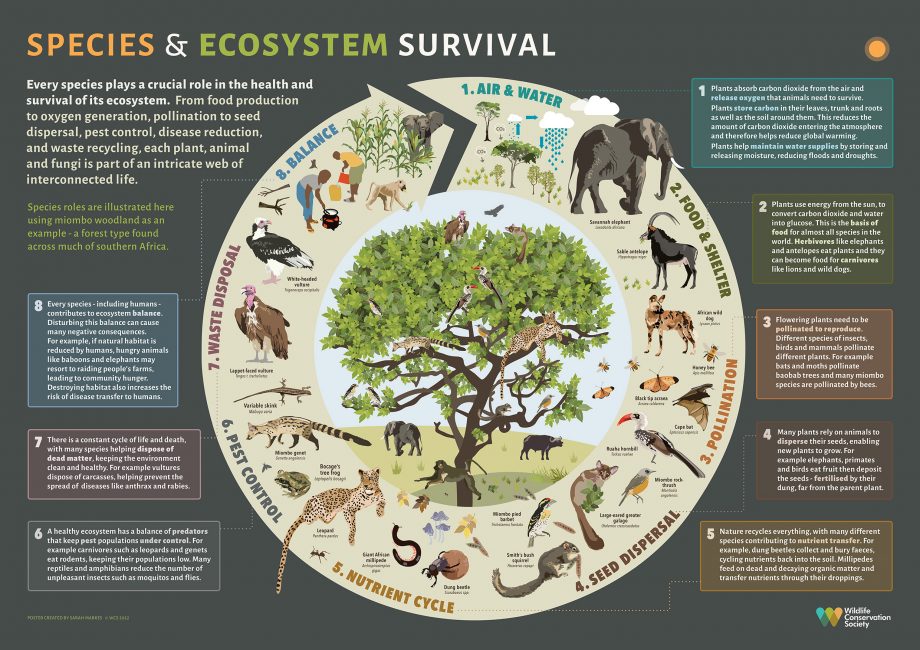
The intricate web of life that sustains our planet
The Biodiversity Crisis: An Overview
The term “biodiversity” encompasses the variety of life at all levels, from genes to ecosystems. It’s not simply about the number of species, but also the genetic diversity within those species, and the diversity of the ecosystems they inhabit. A healthy, biodiverse ecosystem is resilient, capable of adapting to change and providing essential services like clean air and water, pollination, and climate regulation. However, this biodiversity is declining at an alarming rate. The current extinction rate is estimated to be 1,000 to 10,000 times higher than the natural background rate, meaning species are disappearing at a pace not seen since the dinosaurs vanished 66 million years ago.
What’s driving this crisis? The causes are complex and interconnected, but they all stem from human activity. Habitat loss is arguably the biggest threat. As human populations grow, we convert natural habitats – forests, wetlands, grasslands – into agricultural land, urban areas, and infrastructure. This leaves animals with nowhere to live, hunt, or breed. Climate change is exacerbating the problem, altering ecosystems and pushing species beyond their ability to adapt. Rising temperatures, changing rainfall patterns, and more frequent extreme weather events are all taking a toll. Pollution, in all its forms – air, water, soil – contaminates ecosystems and harms wildlife. Overexploitation, including overfishing, hunting, and illegal wildlife trade, drives populations to unsustainable levels. And finally, invasive species, introduced intentionally or accidentally, can outcompete native species and disrupt ecosystems.
Consider the plight of the coral reefs, often called the “rainforests of the sea.” These incredibly diverse ecosystems are home to a quarter of all marine species, yet they are being decimated by rising ocean temperatures and ocean acidification, both consequences of climate change. Or think about the Amazon rainforest, the “lungs of the planet,” which is being cleared at an alarming rate for agriculture and logging, threatening countless species and contributing to climate change. These are just two examples of the widespread devastation occurring around the world. The loss of biodiversity isn’t just an environmental issue; it’s a social, economic, and ethical one. It threatens our food security, our health, and our well-being.
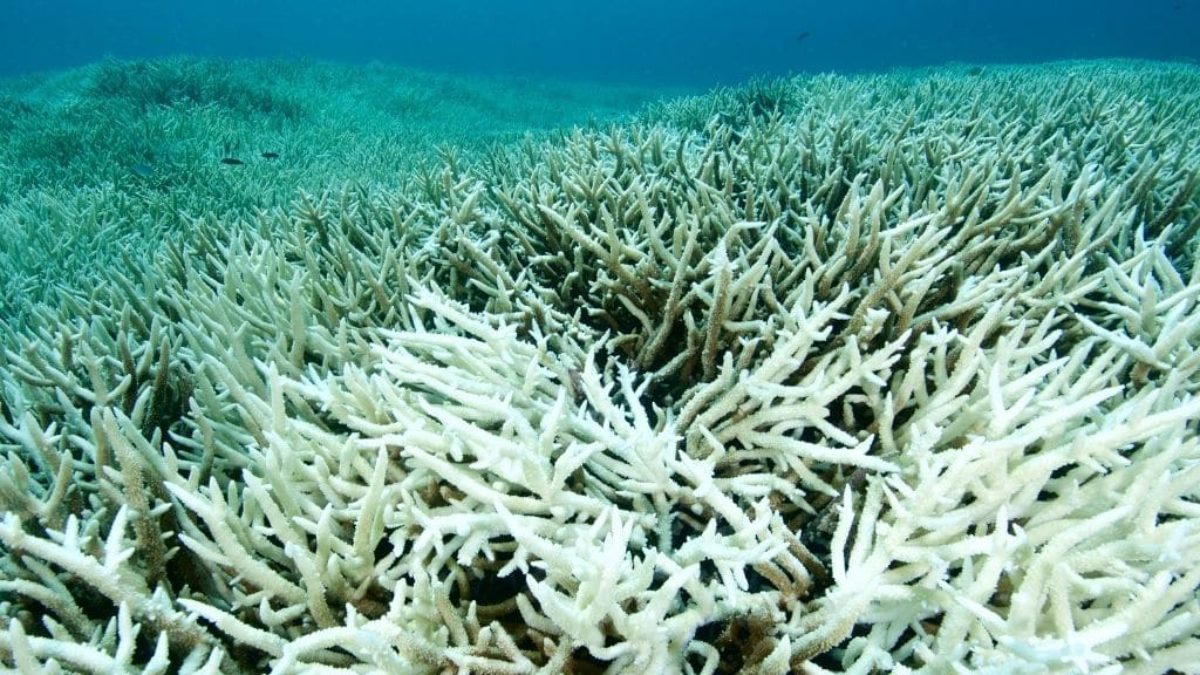
The devastating impact of climate change on coral reefs
Defining “Rare” and “Endangered”
The terms “rare” and “endangered” are often used interchangeably, but they have distinct meanings. Rare generally refers to a species that is uncommon or infrequently encountered. A species can be rare due to its naturally small population size or limited geographic range. However, rarity doesn’t necessarily mean a species is at risk of extinction. A species can be rare but stable, maintaining a consistent population size over time.
Endangered, on the other hand, is a more serious designation. It refers to a species that is at risk of extinction throughout all or a significant portion of its range. The International Union for Conservation of Nature (IUCN) maintains the Red List of Threatened Species, which is the most comprehensive inventory of the global conservation status of biological species. The IUCN uses a set of criteria to assess the risk of extinction for each species, based on factors such as population size, population trends, geographic range, and threats.
The Red List categorizes species into nine categories: Extinct, Extinct in the Wild, Critically Endangered, Endangered, Vulnerable, Near Threatened, Least Concern, Data Deficient, and Not Evaluated. Critically Endangered species face an extremely high risk of extinction in the wild. Endangered species face a high risk of extinction. Vulnerable species face a high risk of endangerment in the future. These classifications are not static; a species’ status can change as its population size and threats evolve. Understanding these distinctions is crucial for prioritizing conservation efforts. It’s not enough to simply focus on rare species; we need to prioritize those that are most at risk of disappearing forever. The term animals rare often encompasses species across these categories, highlighting their unique and often precarious position in the natural world.
Why Should We Care? The Importance of Conservation
The question of why we should care about endangered species is often met with a shrug or a dismissive remark. “What difference does it make if a few animals go extinct?” some might ask. The answer, quite simply, is that it makes a profound difference. The loss of biodiversity has far-reaching consequences for all life on Earth, including our own.
Firstly, ecosystems rely on the interconnectedness of species. Each species plays a role, and the removal of even one species can have cascading effects throughout the ecosystem. For example, the decline of pollinators like bees and butterflies threatens our food supply, as many crops rely on these insects for pollination. The loss of apex predators like wolves and sharks can lead to imbalances in food webs, resulting in overgrazing or outbreaks of disease.
Secondly, biodiversity provides us with essential ecosystem services. Forests purify our air and water, wetlands filter pollutants, and coral reefs protect coastlines from erosion. These services are invaluable, and they would be incredibly expensive to replace if they were lost.
Thirdly, many species have potential value for medicine, agriculture, and other industries. For example, many drugs are derived from plants and animals, and wild relatives of crops can provide valuable genes for improving crop yields and disease resistance.
But beyond these practical benefits, there’s also an ethical and aesthetic argument for conservation. We have a moral obligation to protect the other species with whom we share this planet. They have a right to exist, regardless of their usefulness to us. And let’s be honest, the natural world is beautiful and inspiring. The thought of losing iconic species like tigers, elephants, and whales is heartbreaking. The world would be a much poorer place without the diversity of life that makes it so special.
Conservation is not just about saving animals rare; it’s about safeguarding our own future. It’s about recognizing that we are part of a larger web of life, and that our fate is inextricably linked to the fate of all other species. It requires a fundamental shift in our relationship with the natural world, from one of exploitation to one of stewardship. It demands that we prioritize sustainability, reduce our environmental impact, and protect the remaining wild places on Earth. It’s a daunting task, but it’s one we must undertake if we want to ensure a healthy and vibrant planet for future generations.

The beauty and wonder of a healthy biodiverse forest
Spotlight on Critically Endangered Mammals
The mammalian world, a tapestry of incredible diversity, is facing an unprecedented crisis. While we often hear about the plight of iconic species, the reality is that a silent wave of extinction is sweeping across the globe, threatening to erase entire lineages. This section delves into the stories of four mammals teetering on the brink – the Amur leopard, the vaquita, the black rhino, and the Sumatran orangutan – each a poignant example of the challenges and complexities of conservation in the 21st century. Their stories aren’t just about losing individual animals; they’re about losing genetic heritage, disrupting ecosystems, and diminishing the beauty and wonder of our planet. These animals rare deserve our attention, our empathy, and, most importantly, our action.
The Amur Leopard: A Ghost of the Russian Far East
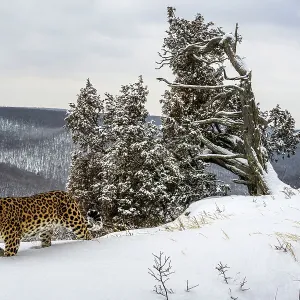
An Amur leopard stealthily moving through its snowy habitat in the Russian Far East
The Amur leopard (Panthera pardus orientalis) is arguably the world’s rarest big cat. Found in a small pocket of temperate forest straddling the border between Russia, China, and North Korea, its numbers have dwindled to a shockingly low level. In the early 20th century, the Amur leopard was widespread throughout northeastern China, the Korean Peninsula, and the Russian Far East. However, relentless hunting – driven by its beautiful, spotted coat – coupled with habitat loss due to logging, agriculture, and infrastructure development, pushed it to the very edge of extinction. The harsh winters of the region also contribute to the challenges they face, impacting prey availability.
By the 1990s, the population had plummeted to a mere 30 individuals. This precipitous decline sparked a concerted conservation effort, spearheaded by organizations like the Wildlife Conservation Society (WCS) and WWF. Anti-poaching patrols were established, habitat restoration projects were initiated, and community engagement programs were implemented to foster local support for conservation. The creation of the Land of the Leopard National Park in Russia in 2012 was a pivotal moment, providing a protected area for the remaining leopards and their prey base, primarily roe deer and sika deer.
The good news is that these efforts have yielded positive results. As of 2023, the population has rebounded to over 100 individuals, a remarkable achievement. However, the Amur leopard remains critically endangered. Its small population size makes it vulnerable to inbreeding, which can reduce genetic diversity and increase susceptibility to disease. Furthermore, the ongoing threat of poaching, particularly for their fur and bones used in traditional medicine, continues to loom large. The future of the Amur leopard hinges on continued vigilance, international cooperation, and a commitment to protecting its fragile habitat. The story of the Amur leopard is a testament to the power of conservation, but also a stark reminder of how easily a species can be driven to the brink. It’s a ghost that we’ve managed to pull back from the abyss, but one that still requires our unwavering protection. The delicate balance of this ecosystem, and the fate of these magnificent animals rare, hangs in the balance.
The Vaquita: The World’s Rarest Marine Mammal
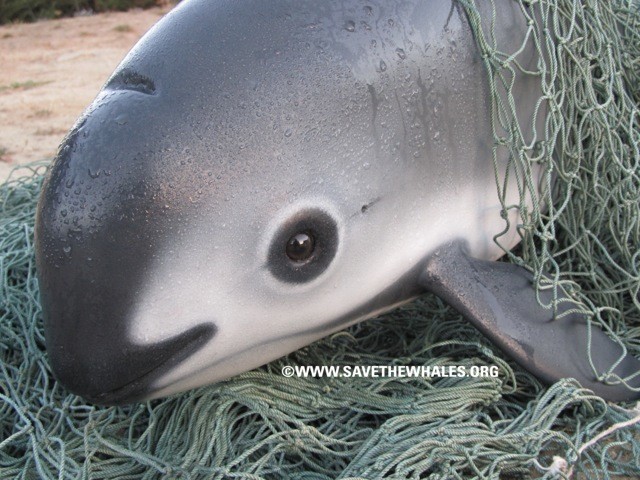
A vaquita the worlds rarest marine mammal swimming in the Gulf of California
The vaquita (Phocoena sinus) is a small porpoise endemic to the northernmost part of the Gulf of California, Mexico. It’s a creature of haunting beauty, with dark rings around its eyes and mouth that give it a perpetually smiling expression. Sadly, this “panda of the sea” is facing almost certain extinction, driven by a single, devastating threat: illegal gillnet fishing.
The vaquita’s tragedy is inextricably linked to the illegal trade in totoaba, a large fish whose swim bladder is highly prized in traditional Chinese medicine. Totoaba and vaquita share the same habitat, and vaquitas become entangled in the gillnets set to catch totoaba, leading to drowning. Despite numerous conservation efforts, including gillnet bans, enforcement challenges, and attempts to develop vaquita-safe fishing gear, the population has continued to plummet.
In the 1990s, there were an estimated 567 vaquitas. By 2018, that number had dwindled to less than 30. As of early 2024, estimates suggest fewer than 10 individuals remain. This makes the vaquita the most endangered marine mammal in the world, and arguably the most endangered mammal overall. The situation is so dire that some scientists believe extinction is inevitable.
The challenges are immense. The illegal totoaba trade is driven by high profits, and enforcement is hampered by the vastness of the Gulf of California and the involvement of organized crime. Efforts to provide alternative livelihoods for local fishermen have met with limited success. The vaquita’s story is a heartbreaking example of how human greed and unsustainable practices can drive a species to the brink. It’s a cautionary tale about the interconnectedness of ecosystems and the devastating consequences of ignoring the warning signs. The loss of the vaquita would be a profound tragedy, not just for marine conservation, but for the planet as a whole. It represents a failure of our collective responsibility to protect the incredible biodiversity of our oceans. These rare animals are disappearing before our eyes, and the window for saving them is rapidly closing.
The Black Rhino: Facing Poaching and Habitat Loss
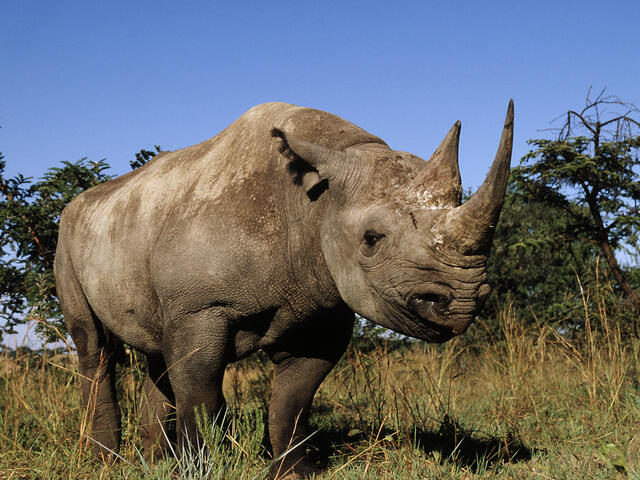
A black rhinoceros grazing in the African savanna showcasing its distinctive hooked lip
The black rhino (Diceros bicornis) is a magnificent creature of the African savanna, instantly recognizable by its hooked lip, which it uses to browse on leaves and shrubs. However, this iconic species has been relentlessly targeted by poachers for its horn, which is highly valued in traditional Asian medicine and as a status symbol. The demand for rhino horn has fueled a poaching crisis that has decimated black rhino populations over the past century.
In the early 20th century, there were an estimated 65,000 black rhinos in Africa. By 1995, poaching had reduced their numbers to a mere 2,300. This dramatic decline prompted a massive conservation effort, involving intensive anti-poaching patrols, translocation programs to establish new populations, and community-based conservation initiatives. The use of dehorning – removing the rhino’s horn to deter poachers – has also been employed in some areas.
Thanks to these efforts, black rhino numbers have slowly begun to recover. As of 2023, there are approximately 6,487 black rhinos in Africa. However, the threat of poaching remains ever-present. Poachers are becoming increasingly sophisticated, using advanced technology and tactics to evade detection. The illegal rhino horn trade is a lucrative business, and the demand continues to drive poaching activity.
Habitat loss and fragmentation also pose a significant threat to black rhinos. As human populations grow and land is converted for agriculture and development, rhinos lose access to vital resources and become more vulnerable to poaching. The future of the black rhino depends on continued investment in anti-poaching efforts, habitat protection, and community engagement. It also requires a concerted effort to reduce demand for rhino horn in consumer countries. The story of the black rhino is a testament to the resilience of nature, but also a reminder of the constant vigilance required to protect endangered species. These animals rare are a symbol of Africa’s wildlife heritage, and their survival is crucial for maintaining the ecological integrity of the savanna ecosystem.
The Sumatran Orangutan: Losing Ground to Palm Oil
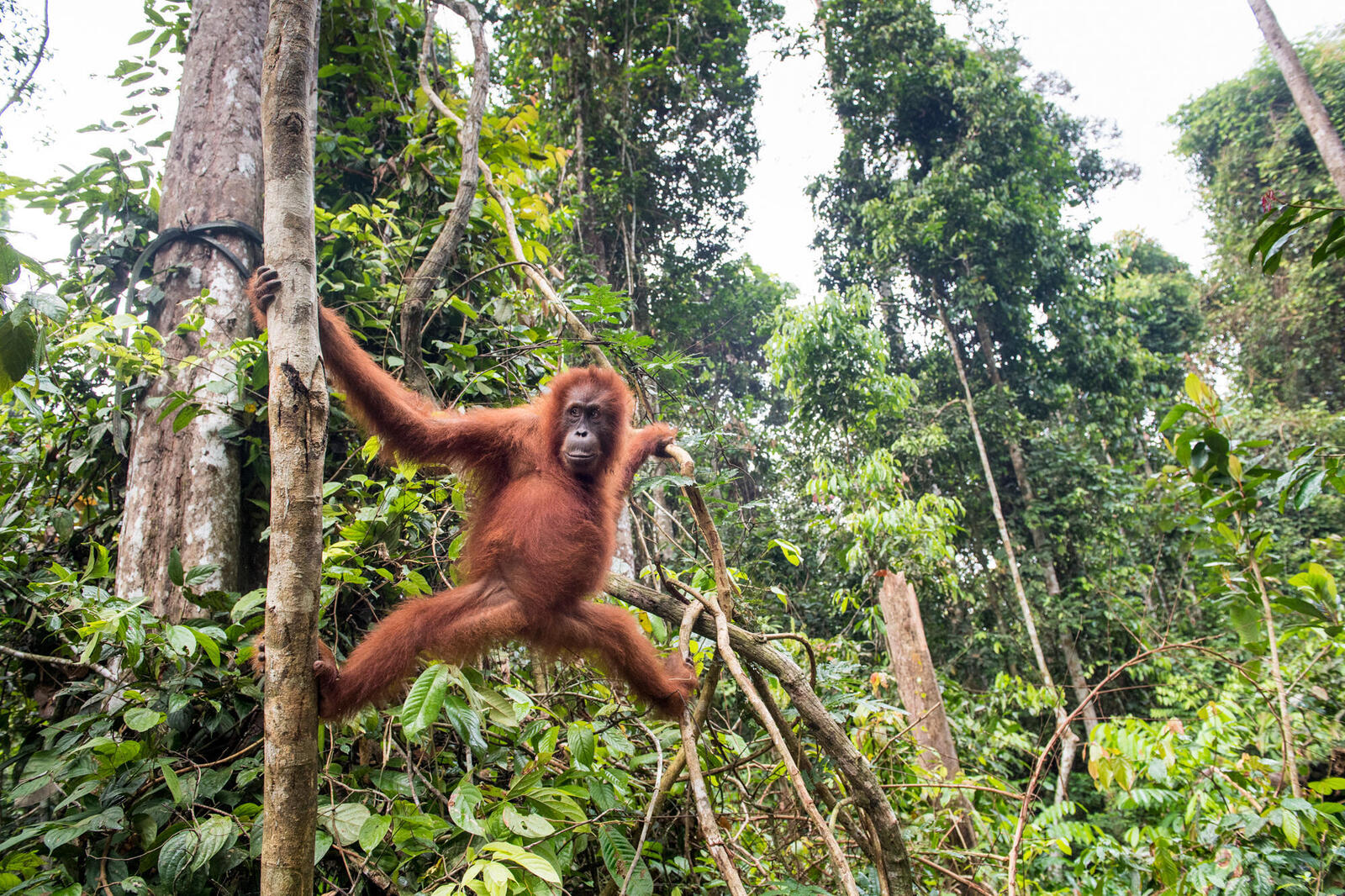
A Sumatran orangutan swinging through the rainforest canopy in Indonesia
The Sumatran orangutan (Pongo abelii) is one of the two species of orangutans found in Indonesia (the other being the Bornean orangutan). These intelligent and gentle primates are critically endangered, primarily due to habitat loss driven by the expansion of palm oil plantations. The demand for palm oil, used in a wide range of products from food to cosmetics, has led to the widespread deforestation of Sumatran rainforests, the orangutan’s natural habitat.
Orangutans are arboreal, spending most of their lives in the trees. They play a vital role in seed dispersal, helping to maintain the health and diversity of the rainforest ecosystem. However, as forests are cleared for palm oil plantations, orangutans lose their homes, their food sources, and their ability to move freely. They are often forced to venture into agricultural areas in search of food, leading to conflict with humans.
In addition to habitat loss, orangutans are also threatened by poaching and the illegal pet trade. Young orangutans are often captured after their mothers are killed, and sold as pets. The survival rate of orphaned orangutans is very low.
The population of Sumatran orangutans has declined by over 80% in the past three generations. As of 2023, there are estimated to be around 13,846 Sumatran orangutans remaining in the wild. Conservation efforts include habitat protection, reforestation, anti-poaching patrols, and orangutan rehabilitation programs. Organizations like the Orangutan Foundation International (OFI) are working to rescue and rehabilitate orphaned orangutans, and to restore degraded rainforest habitat.
However, the long-term survival of the Sumatran orangutan depends on addressing the root cause of the problem: the unsustainable demand for palm oil. Consumers can help by choosing products that are made with sustainably sourced palm oil, or by avoiding palm oil altogether. The story of the Sumatran orangutan is a stark reminder of the environmental consequences of our consumption habits. It’s a call to action to demand more sustainable practices from the palm oil industry and to protect the remaining rainforests of Sumatra. These animals rare are a symbol of the rainforest’s beauty and biodiversity, and their fate is inextricably linked to the health of our planet. The future of these incredible creatures, and countless other species, depends on our willingness to make responsible choices.
Avian Wonders on the Edge of Extinction
The skies, once teeming with a vibrant chorus of bird song, are growing increasingly silent. While many bird species thrive, a heartbreaking number are teetering on the brink of extinction, facing threats ranging from habitat destruction and climate change to invasive species and direct persecution. These aren’t just losses of beautiful plumage and melodic calls; they represent a fracturing of ecosystems, a diminishing of biodiversity, and a stark warning about the health of our planet. This section delves into the stories of four remarkable avian species – the Kakapo, the California Condor, the Philippine Eagle, and the Spix’s Macaw – each a testament to the fragility of life and the power of dedicated conservation efforts. Their struggles, and in some cases, their triumphs, offer valuable lessons about the challenges and possibilities of protecting our planet’s feathered inhabitants. The plight of these animals rare is a poignant reminder of our responsibility to safeguard the natural world for future generations.
The Kakapo: New Zealand’s Flightless Parrot
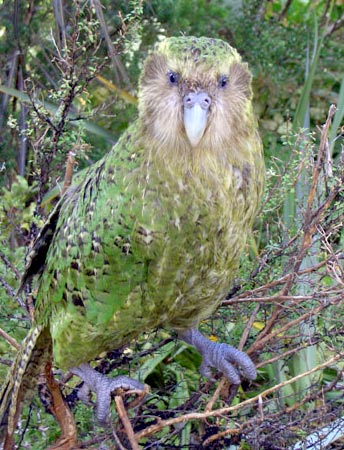
A Kakapo perched on a branch in its native New Zealand forest
The Kakapo ( Strigops habroptilus ) is, quite simply, extraordinary. Endemic to New Zealand, this large, nocturnal parrot is the world’s only flightless parrot, a characteristic that makes it uniquely vulnerable. Imagine a parrot that can’t fly – a creature relying entirely on camouflage, climbing, and a surprisingly sweet scent to survive. For millions of years, the Kakapo thrived in the lush forests of New Zealand, evolving in an environment devoid of mammalian predators. This isolation allowed it to develop its unusual traits, including a moss-green plumage providing excellent camouflage, a distinctive facial disc resembling an owl, and a strong, musky odor.
However, the arrival of humans and the introduction of mammalian predators – rats, stoats, cats, and ferrets – dramatically altered the Kakapo’s fate. These predators decimated the population, preying on eggs, chicks, and even adult birds. Habitat loss due to deforestation further exacerbated the problem. By the 1970s, the Kakapo was on the very edge of extinction, with fewer than 50 individuals remaining.
The story of the Kakapo’s recovery is a remarkable example of intensive conservation management. In 1980, a dedicated recovery program was launched, involving the removal of all remaining Kakapo to predator-free islands. These islands became sanctuaries, allowing the birds to breed and raise their chicks without the constant threat of predation. Every Kakapo is individually named and monitored, with their breeding meticulously managed to maximize genetic diversity. Scientists even intervene during breeding season, providing supplementary food and assisting with nest management. This intensive care, while controversial to some, has been crucial to the species’ survival. The population has slowly but steadily increased, now exceeding 250 individuals. However, the Kakapo remains critically endangered, and its future depends on continued, unwavering conservation efforts. The challenges are significant – low genetic diversity, slow reproductive rates, and the ongoing threat of disease. But the Kakapo’s story is a beacon of hope, demonstrating that even the most endangered species can be brought back from the brink with dedication, innovation, and a deep commitment to conservation. The Kakapo is a symbol of New Zealand’s unique biodiversity and a powerful reminder of the importance of protecting rare animals.
The California Condor: A Success Story in Recovery
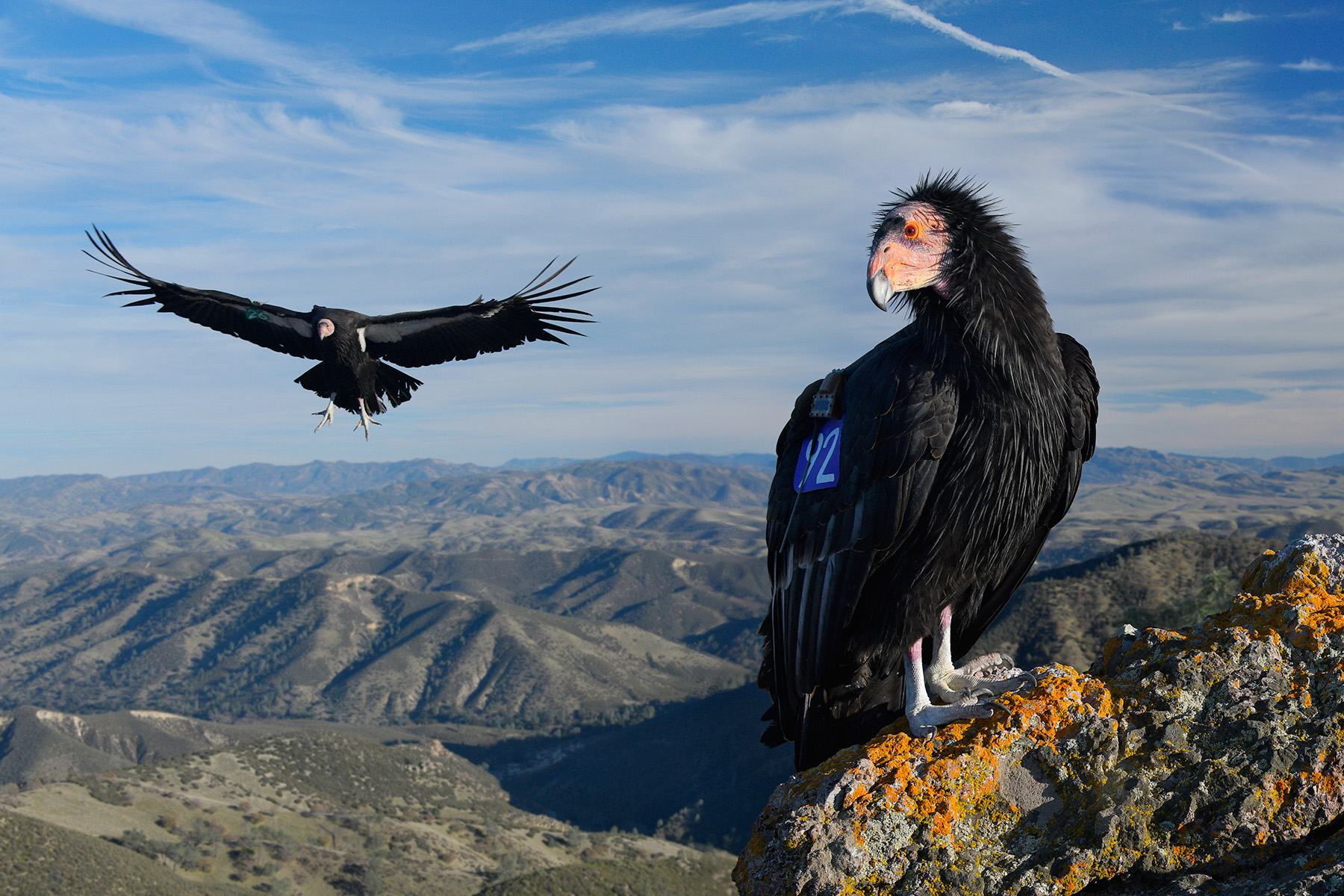
A California Condor soaring over the rugged mountains of California
The California Condor ( Gymnogyps californianus ) is a majestic bird, with a wingspan of nearly 10 feet, making it North America’s largest land bird. These scavengers play a vital role in their ecosystem, cleaning up carrion and preventing the spread of disease. However, by the 1980s, the California Condor was facing imminent extinction, with only 22 individuals remaining in the wild. The reasons for their decline were multifaceted, including lead poisoning from ingesting ammunition fragments in carcasses, habitat loss, and shooting.
The story of the California Condor is a dramatic tale of near-total extinction and a remarkable, albeit controversial, recovery effort. In 1987, a desperate decision was made to capture all remaining wild condors and bring them into captivity for breeding. This was a risky move, as it meant removing the species entirely from its natural habitat. However, it was deemed the only way to prevent complete extinction.
The captive breeding program proved successful, and the condor population began to grow. However, reintroducing the birds to the wild presented new challenges. Condors are long-lived birds, and they learn foraging behaviors from their parents. Captive-bred condors lacked this crucial knowledge, and many died after release, succumbing to lead poisoning or other threats. Conservationists developed innovative techniques to address these challenges, including training young condors to associate humans with food and providing supplemental feeding. They also worked with hunters and wildlife agencies to reduce lead contamination in the environment.
Today, the California Condor population has grown to over 500 individuals, with birds flying free in California, Arizona, Utah, and Baja California. While the species is still listed as critically endangered, its recovery is a testament to the power of collaborative conservation efforts. The story of the California Condor is not without its complexities. The intensive management required to maintain the population is costly and ongoing. Lead poisoning remains a significant threat, and the species is still vulnerable to other dangers. However, the condor’s comeback is a powerful symbol of hope, demonstrating that even species on the brink of extinction can be saved with dedicated effort and scientific innovation. It’s a shining example of how we can intervene to protect animals rare and restore ecological balance.
The Philippine Eagle: Majestic but Vulnerable
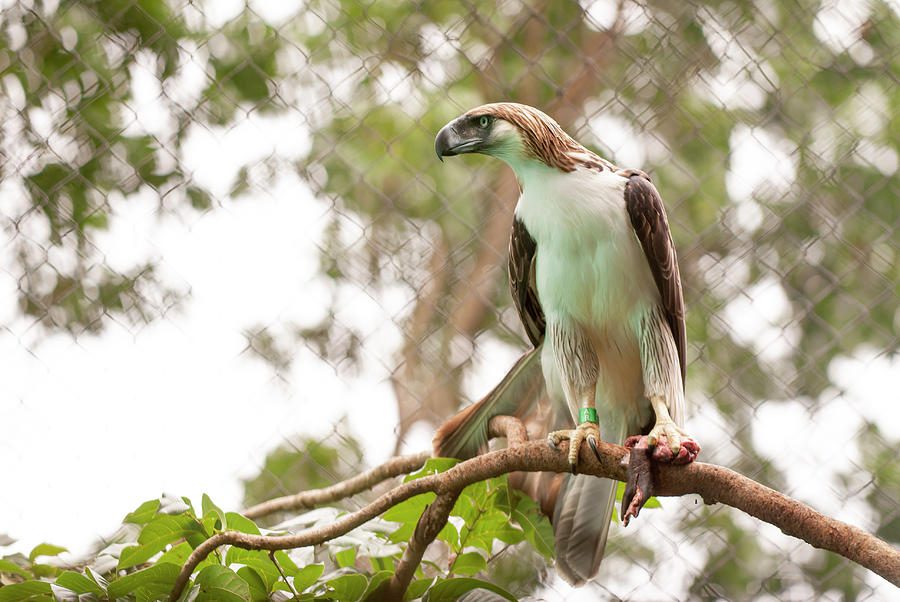
A majestic Philippine Eagle perched on a branch in the rainforest
The Philippine Eagle ( Pithecophaga jefferyi ), also known as the monkey-eating eagle (though its diet is far more varied), is a magnificent bird of prey endemic to the Philippines. It is one of the largest and most powerful eagles in the world, with a wingspan of up to 7 feet and a formidable hooked beak. This apex predator plays a crucial role in maintaining the health of the Philippine rainforest ecosystem. Its striking appearance – a long, shaggy crest and piercing blue-grey eyes – makes it a national symbol of the Philippines, representing strength, power, and freedom.
Sadly, the Philippine Eagle is critically endangered, with an estimated population of only around 400 breeding pairs remaining in the wild. The primary threats to its survival are habitat loss due to deforestation, hunting, and accidental trapping. The Philippines has experienced widespread deforestation in recent decades, driven by logging, agriculture, and mining. This has resulted in the loss of the eagle’s forest habitat, reducing its hunting grounds and breeding sites. Despite being a protected species, the Philippine Eagle is still occasionally hunted for sport or because it is mistakenly perceived as a threat to livestock. Accidental trapping in snares set for other animals also poses a significant risk.
Conservation efforts for the Philippine Eagle are focused on protecting its remaining habitat, combating poaching, and raising awareness about the importance of its conservation. Organizations like the Philippine Eagle Foundation are working to establish protected areas, conduct research on the eagle’s ecology, and engage local communities in conservation efforts. Captive breeding programs are also underway, but the eagles are notoriously difficult to breed in captivity. The challenges are immense, and the future of the Philippine Eagle remains uncertain. However, the dedication of conservationists and the growing awareness of the eagle’s plight offer a glimmer of hope. Protecting this iconic species requires a concerted effort to address the underlying causes of its decline, including deforestation, illegal hunting, and unsustainable land use practices. The preservation of the Philippine Eagle is not just about saving a single species; it’s about protecting the biodiversity of the Philippine rainforest and ensuring the long-term health of the ecosystem. The fate of this animals rare is inextricably linked to the fate of its forest home.
The Spix’s Macaw: From Extinction to Hopeful Reintroduction
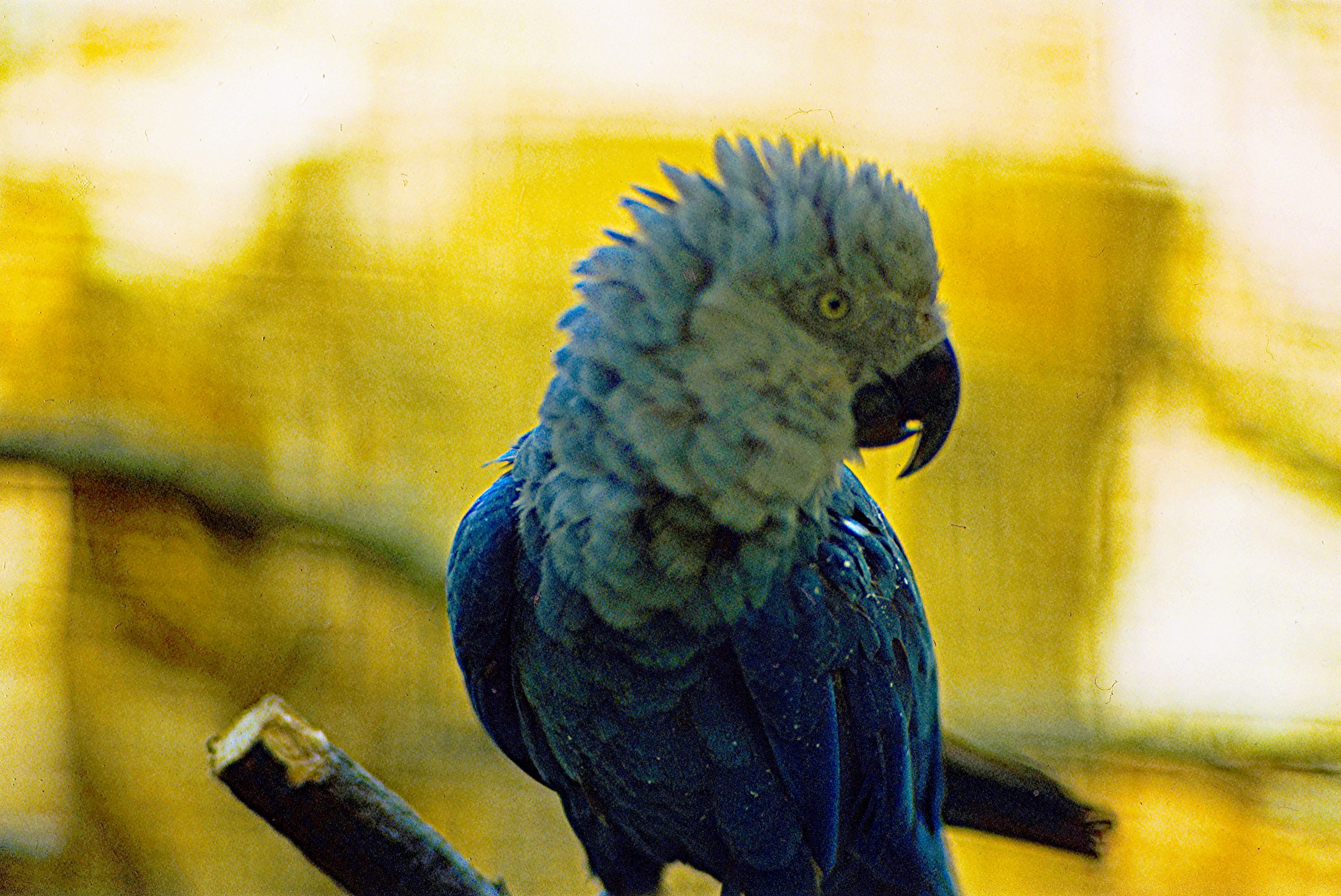
A Spixs Macaw a vibrant blue bird perched on a branch
The Spix’s Macaw ( Cyanopsitta spixii ) is a poignant example of a species driven to extinction in the wild, but with a glimmer of hope for its future. This stunningly beautiful, cobalt-blue macaw was once endemic to a small area of gallery forest along the São Francisco River in Brazil. Its vibrant plumage and playful personality made it a popular pet, but this demand, coupled with habitat loss and trapping for the illegal wildlife trade, led to its rapid decline.
By the late 1990s, the Spix’s Macaw had disappeared from its natural habitat. The last known wild individual was sighted in 2000, and the species was officially declared extinct in the wild in 2019. However, a small population of Spix’s Macaws had been maintained in captivity, thanks to the foresight of conservationists who recognized the impending crisis. These captive birds became the last hope for the species’ survival.
In a remarkable conservation effort, a reintroduction program was launched in 2022, with the release of 80 captive-bred Spix’s Macaws into a restored area of their former habitat. This ambitious project involved years of preparation, including habitat restoration, community engagement, and the development of techniques to prepare the birds for life in the wild. The reintroduction is being carefully monitored, with the birds tracked using radio transmitters. The initial results are encouraging, with the macaws adapting well to their new environment and forming social bonds.
However, the reintroduction is not without its challenges. The restored habitat is still vulnerable to threats such as deforestation and poaching. The macaws need to learn to forage for food and avoid predators in the wild. And the long-term success of the reintroduction depends on the continued support of local communities. The story of the Spix’s Macaw is a powerful reminder of the devastating consequences of habitat loss and the illegal wildlife trade. It also demonstrates the potential of captive breeding and reintroduction programs to save species from extinction. The Spix’s Macaw’s journey from extinction to hopeful reintroduction is a testament to the dedication and perseverance of conservationists and a beacon of hope for other endangered species. It’s a complex undertaking, but the possibility of seeing these magnificent birds once again soaring freely in their natural habitat is a dream worth fighting for. The recovery of these animals rare is a testament to human ingenuity and commitment.
Reptiles and Amphibians: A Silent Disappearance
The world often focuses on the charismatic megafauna – the tigers, elephants, and whales – when discussing endangered species. But beneath the surface, a quieter crisis is unfolding, a slow, creeping disappearance of reptiles and amphibians. These often-overlooked creatures play vital roles in their ecosystems, and their decline is a stark warning about the health of our planet. They are incredibly sensitive to environmental changes, acting as bioindicators – their presence or absence, and their health, reflecting the overall condition of their habitat. The reasons for their plight are multifaceted, mirroring those affecting other species, but often amplified by their unique vulnerabilities. Habitat destruction, pollution, climate change, and the spread of diseases like chytridiomycosis (a fungal infection devastating amphibian populations globally) are all taking a heavy toll. The sheer diversity within these groups – from the vibrant poison dart frogs to the ancient crocodiles – means that losing even a single species represents an irreplaceable loss to the tapestry of life. It’s a silent disappearance, often happening out of sight, but with profound consequences for the ecosystems they inhabit and, ultimately, for us. We must remember that the health of these often-underappreciated animals rare is intrinsically linked to our own.
The Axolotl: Mexico’s Walking Fish
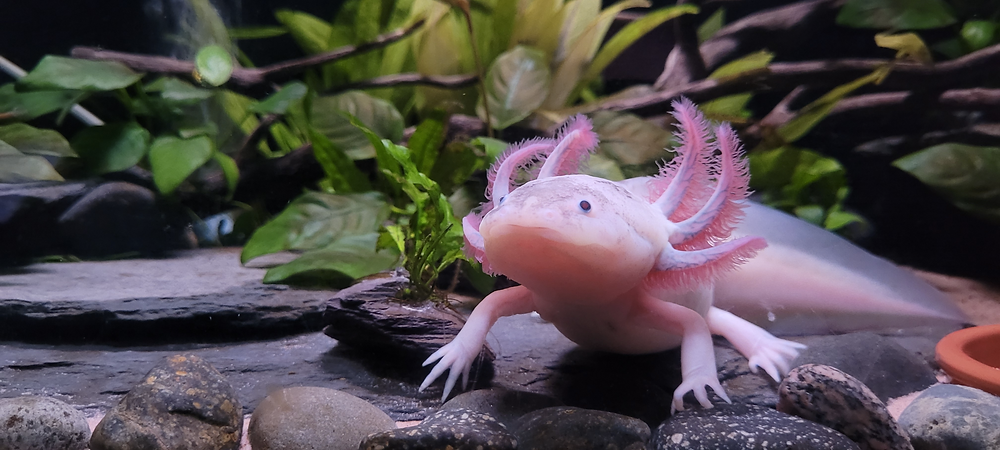
A vibrant pink axolotl showcasing its feathery gills
The axolotl (Ambystoma mexicanum) is arguably one of the most fascinating amphibians on Earth, and tragically, one of the most endangered. Native solely to the ancient lake complex of Xochimilco near Mexico City, this creature is often referred to as the “Mexican walking fish,” though it’s not a fish at all, but a salamander. What sets the axolotl apart is its neoteny – the retention of larval features into adulthood. Unlike most salamanders, it doesn’t undergo metamorphosis, remaining aquatic with external gills throughout its life. These feathery gills, protruding from the sides of its head, give it a perpetually smiling, almost otherworldly appearance.
Historically, axolotls thrived in the clear waters of Xochimilco, playing a significant role in Aztec mythology and culture. They were considered sacred, associated with the god Xolotl, brother of Quetzalcoatl. However, the arrival of the Spanish and the subsequent draining of the lakes to create farmland and urban sprawl drastically altered their habitat. Today, Xochimilco is a shadow of its former self, polluted by agricultural runoff, sewage, and invasive species like tilapia and carp, which compete with the axolotl for food and prey on their young.
The axolotl also possesses an extraordinary ability: remarkable regenerative capabilities. It can regrow lost limbs, spinal cords, and even parts of its brain without scarring. This has made it a subject of intense scientific study, with researchers hoping to unlock the secrets of regeneration for potential applications in human medicine. Ironically, the demand for axolotls in the scientific community, coupled with the traditional practice of consuming them as a delicacy, has further contributed to their decline.
The wild population has plummeted to critically low levels. Estimates suggest fewer than 1,000 individuals remain in their natural habitat. Conservation efforts are underway, including habitat restoration, water quality improvement, and captive breeding programs. However, the challenges are immense, requiring a concerted effort from the Mexican government, local communities, and international organizations to secure the future of this unique and captivating creature. The axolotl’s story is a poignant reminder of how human activities can drive a species to the brink, and the urgent need for conservation action. It’s a loss not just for Mexico, but for the world, as we potentially lose a key to unlocking incredible medical advancements. The plight of these animals rare is a call to action.
The Gharial: A Critically Endangered Crocodilian
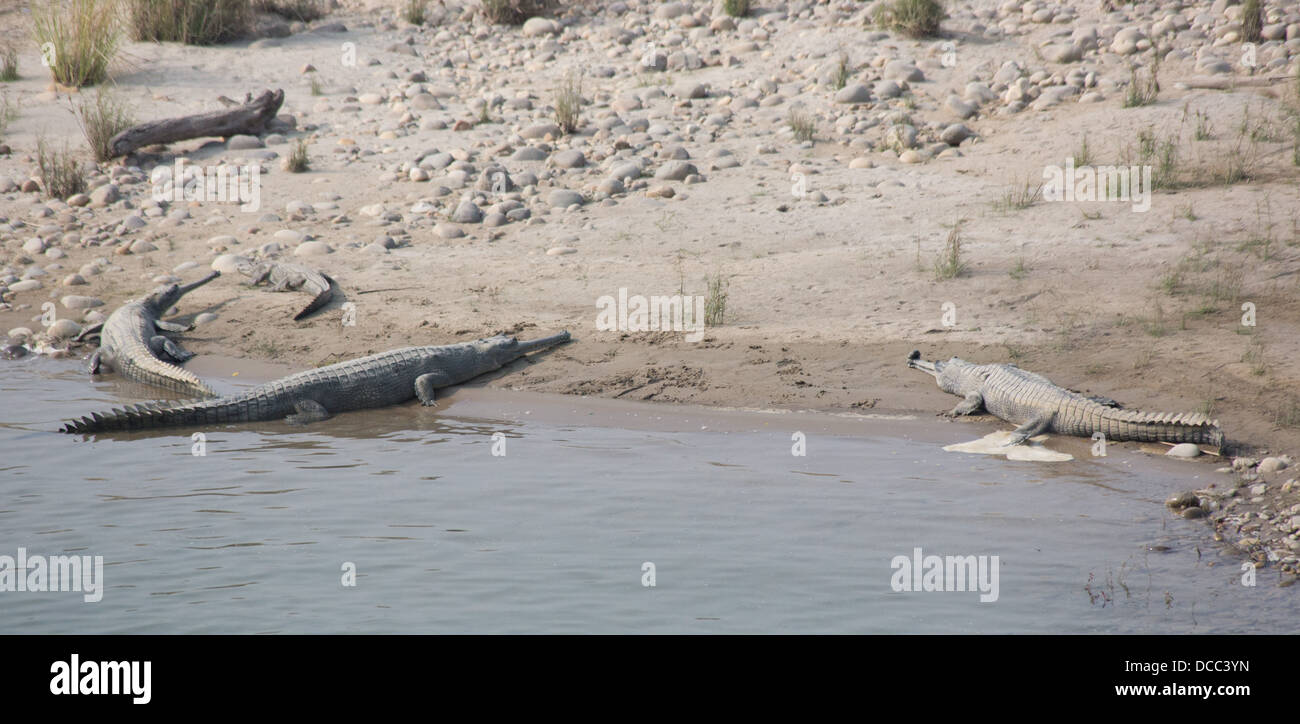
A majestic gharial basking in the sun showcasing its long slender snout
The gharial (Gavialis gangeticus) is a truly remarkable crocodilian, instantly recognizable by its extraordinarily long, thin snout. Native to the river systems of the Indian subcontinent – primarily the Ganges, Brahmaputra, and Indus rivers – this fish-eating reptile once thrived in these waterways. However, over the past century, the gharial has suffered a catastrophic decline, earning its status as critically endangered.
The gharial’s unique snout is perfectly adapted for catching fish. It’s lined with over 100 teeth, which are used to grip slippery prey. Unlike other crocodilians, gharials are relatively docile and pose little threat to humans. They are primarily piscivores, meaning their diet consists almost entirely of fish. This specialization, while efficient for feeding, also makes them vulnerable to changes in fish populations.
The primary drivers of the gharial’s decline are habitat loss and degradation, entanglement in fishing gear, and historical hunting for their skins. The construction of dams and irrigation projects has fragmented their habitat, altering river flows and reducing fish populations. Fishing nets, particularly those used for catching fish indiscriminately, often trap and drown gharials. Historically, they were hunted for their skins, which were used to make leather goods.
Conservation efforts have focused on captive breeding programs and reintroduction into protected areas. Several hatcheries have been established to raise gharials and release them back into the wild. However, the success of these programs has been limited by ongoing threats in their natural habitat. Protecting and restoring gharial habitat is crucial, as is working with local communities to reduce human-wildlife conflict.
The gharial’s story highlights the interconnectedness of ecosystems. The health of the gharial population is directly linked to the health of the river systems they inhabit. Protecting these rivers not only benefits gharials but also provides clean water and supports the livelihoods of millions of people. The decline of these animals rare is a symptom of a larger problem – the unsustainable exploitation of natural resources. It’s a stark reminder that we must prioritize conservation and sustainable development to ensure the survival of these magnificent creatures.
The Round Island Keel-scaled Boa: A Unique Island Species
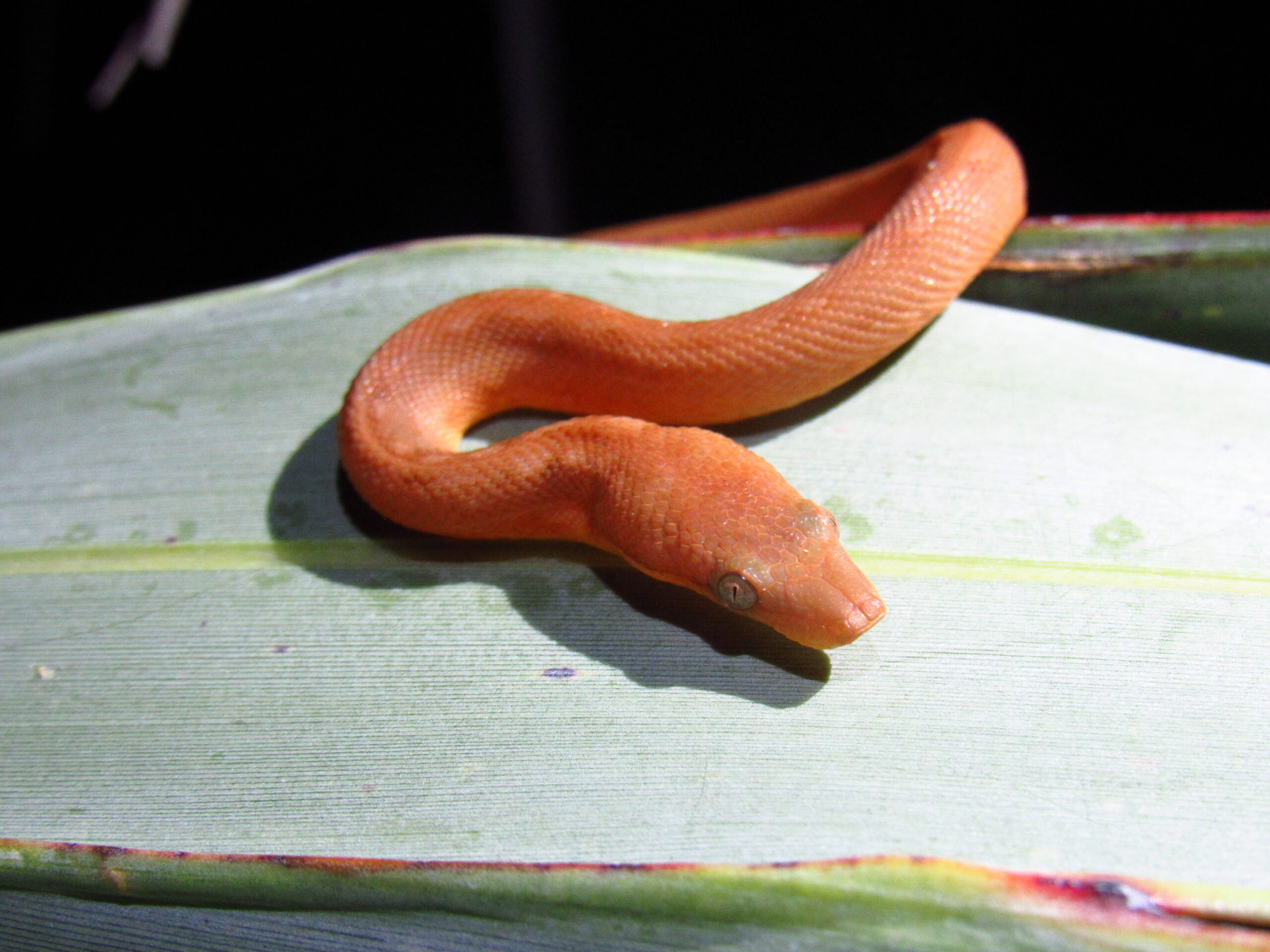
A Round Island Keelscaled Boa showcasing its distinctive pattern and coloration
Endemic to the tiny island of Round Island, off the coast of Mauritius, the Round Island Keel-scaled Boa (Casarea dussumieri) is a remarkable example of island evolution and a testament to the power of conservation. This non-venomous snake is one of the rarest snakes in the world, with a population that once dwindled to fewer than 100 individuals.
Round Island itself is a volcanic island, characterized by rugged terrain and unique vegetation. The boa evolved in isolation on this island, adapting to its specific environment. It’s a relatively small snake, typically reaching lengths of around 60-80 centimeters (2-2.6 feet). It has a distinctive pattern of dark brown or reddish-brown blotches on a lighter background.
The boa’s decline was driven by a combination of factors, including habitat degradation caused by introduced goats and rabbits, which overgrazed the island’s vegetation, and predation by introduced predators like cats and rats. The introduction of these species completely altered the island’s ecosystem, disrupting the delicate balance that the boa had evolved within.
However, the Round Island Keel-scaled Boa has become a conservation success story. A dedicated conservation program, initiated in the 1970s, focused on removing introduced species, restoring the island’s vegetation, and establishing a captive breeding program. Goats and rabbits were eradicated from the island, and native plants were replanted. The captive breeding program helped to increase the boa’s population, and individuals were reintroduced to the wild.
Today, the population has rebounded to over 1,000 individuals, a remarkable achievement. However, ongoing monitoring and management are essential to ensure the boa’s long-term survival. The island remains vulnerable to invasive species, and climate change poses a potential threat.
The story of the Round Island Keel-scaled Boa demonstrates that even the most endangered species can be saved with dedicated conservation efforts. It highlights the importance of island conservation, as island ecosystems are particularly vulnerable to extinction. The recovery of this species is a beacon of hope, showing that we can make a difference in protecting the world’s biodiversity. These animals rare deserve our continued attention and protection.
The Golden Poison Frog: Beauty and Lethality Combined
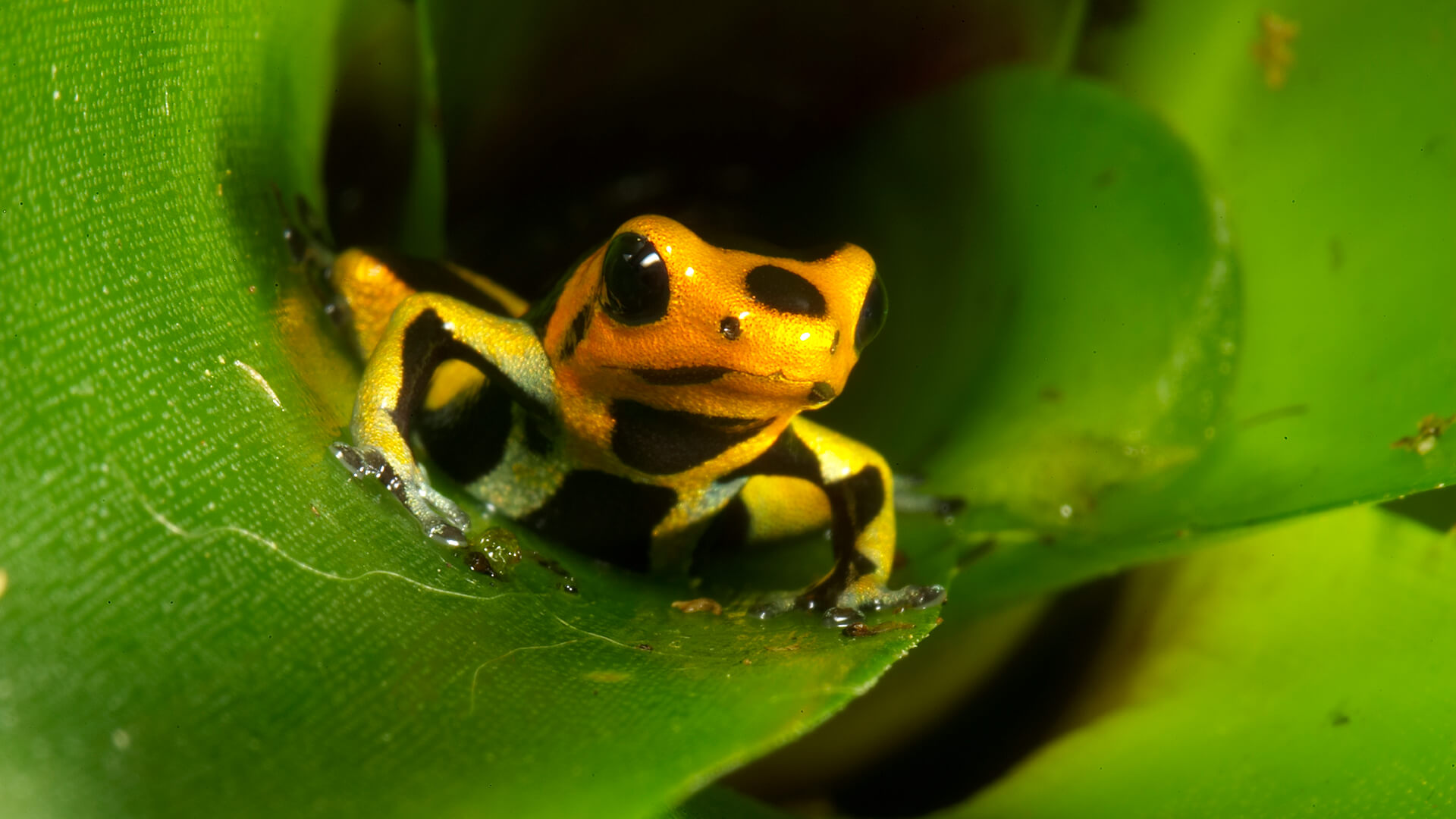
A vibrant golden poison frog showcasing its striking coloration and small size
The Golden Poison Frog (Phyllobates terribilis) is a small but incredibly potent amphibian, native to a small area of rainforest along the Pacific coast of Colombia. Its name is no exaggeration – it’s considered one of the most poisonous animals on Earth. A single frog contains enough toxin to kill approximately 10-20 adult humans.
This striking frog is typically bright yellow in color, although variations in orange and pale green can also occur. Its vibrant coloration serves as a warning to potential predators – a clear signal that it’s best left alone. The frog’s poison is an alkaloid toxin, called batrachotoxin, which interferes with nerve function, causing paralysis and ultimately, death. Interestingly, the frogs don’t produce the toxin themselves; they acquire it from their diet, which consists primarily of small insects, particularly beetles.
The Golden Poison Frog is facing a number of threats, including habitat loss due to deforestation for agriculture and logging, and the illegal pet trade. Although its toxicity makes it less desirable as a pet than some other frogs, demand still exists among collectors. The frog’s limited range also makes it particularly vulnerable to extinction.
Conservation efforts are focused on protecting its remaining habitat and monitoring its population. The Colombian government has established protected areas in the region, but enforcement is often challenging. Raising awareness about the frog’s importance and the threats it faces is also crucial.
The Golden Poison Frog is a fascinating example of aposematism – the use of bright coloration to warn predators of toxicity. It’s a reminder that even the smallest creatures can possess incredible power. The decline of these animals rare is a loss not only of biodiversity but also of potential scientific discoveries. The toxins produced by these frogs could potentially have medicinal applications, and their unique adaptations offer valuable insights into evolutionary processes. Protecting this species is not just about saving a frog; it’s about preserving a vital part of our planet’s natural heritage.
Beyond the Familiar: Lesser-Known Endangered Species
This section delves into the world of animals rare that often remain in the shadows, overshadowed by their more charismatic counterparts. While the plight of tigers and elephants rightly captures public attention, a vast number of species are slipping towards extinction with little fanfare. These are the creatures whose stories are less told, whose struggles are less visible, yet whose loss would be no less devastating to the intricate web of life on Earth. Exploring these lesser-known endangered species isn’t just about expanding our understanding of biodiversity; it’s about recognizing that conservation isn’t solely about saving the iconic, but about preserving the entirety of life’s remarkable tapestry. It’s a humbling reminder that we are still discovering the wonders of our planet, and that we have a moral imperative to protect what we find, even – and perhaps especially – the enigmatic and elusive.
The Saola: The “Asian Unicorn”
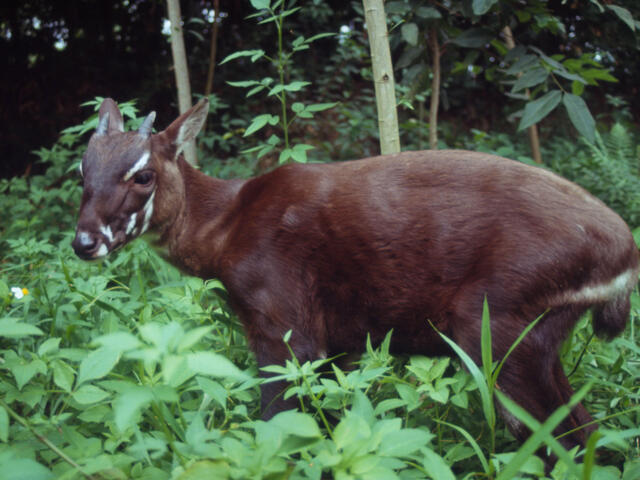
A rare glimpse of the Saola often called the Asian Unicorn
The Saola (Pseudoryx nghetinhensis) is arguably the most elusive large mammal on Earth, earning it the nickname “Asian Unicorn.” Discovered in 1992 in the Annamite Range of Vietnam and Laos, this critically endangered bovine is so rare that very few individuals have ever been seen by scientists. In fact, the discovery was made during a survey conducted by a team of wildlife biologists working with the World Wildlife Fund (WWF). The initial sighting was so fleeting that researchers initially mistook it for a domestic goat! Subsequent expeditions yielded only a handful of confirmed sightings and a few skulls, making the Saola one of the most poorly understood mammals in the world.
What we do know is captivating. The Saola is a forest-dwelling species, characterized by its striking appearance: long, parallel horns that can reach up to 20 inches in length, a dark brown coat, and distinctive white markings on its face. It’s believed to be a relatively solitary animal, inhabiting dense, moist evergreen forests. The primary threats to the Saola’s survival are habitat loss due to illegal logging and agricultural expansion, and, critically, snaring. The Annamite Range is plagued by a widespread network of snares set by poachers targeting other wildlife, but the Saola, unfortunately, often becomes an unintended victim. These snares are indiscriminate, and the Saola’s shy and elusive nature makes it particularly vulnerable.
The situation is dire. Estimates suggest that only a few dozen to a few hundred Saola remain in the wild. Conservation efforts are hampered by the species’ rarity and the challenging terrain of its habitat. Organizations like WWF and the Saola Working Group are working with local communities to remove snares, protect remaining habitat, and conduct further research to better understand the Saola’s ecology and behavior. The Saola represents a profound conservation challenge – a race against time to save a species we barely know before it disappears forever. The very mystery surrounding this creature adds to the urgency; losing the Saola would be losing a piece of the puzzle of life on Earth, a piece we may never be able to recover. It’s a stark reminder that animals rare often face the greatest challenges in securing their future.
The Ili Pika: A High-Altitude Mystery
High in the rugged Tianshan Mountains of China lives the Ili Pika (Ochotona iliensis), a small, adorable lagomorph (related to rabbits and hares) that has become a symbol of conservation concern. This tiny creature, resembling a miniature teddy bear, was first described in 1983, and its population has been declining ever since. The Ili Pika is uniquely adapted to life in the harsh, high-altitude environment, inhabiting rocky slopes and alpine meadows between 3,200 and 3,900 meters (10,500 – 12,800 feet). It’s a herbivore, feeding on grasses, sedges, and other alpine vegetation.
The primary driver of the Ili Pika’s decline is habitat degradation caused by overgrazing by livestock. The expansion of livestock farming in the region has led to a reduction in the quality and availability of the Pika’s preferred habitat, as well as increased disturbance from human activity. Climate change is also believed to be playing a role, altering the vegetation patterns and potentially impacting the Pika’s food supply.
What makes the Ili Pika’s story particularly poignant is the dedication of Li Weidong, a conservationist who has devoted over two decades to studying and protecting this elusive species. Li, a retired teacher, has been conducting surveys in the Tianshan Mountains since the 1990s, painstakingly documenting the Pika’s population and advocating for its protection. In 2014, he made headlines when he embarked on a solo expedition to search for the Pika, and his photographs of the animal sparked renewed interest in its plight. However, despite his tireless efforts, the Ili Pika’s population continues to dwindle.
Estimates suggest that fewer than 1,000 Ili Pikas remain in the wild. Conservation efforts are focused on reducing livestock grazing pressure, restoring degraded habitat, and raising awareness among local communities. The Ili Pika’s story is a testament to the power of individual dedication and the importance of local involvement in conservation. It also highlights the complex interplay between human activities, environmental change, and the fate of animals rare.
The Omura’s Whale: A Recently Described Species
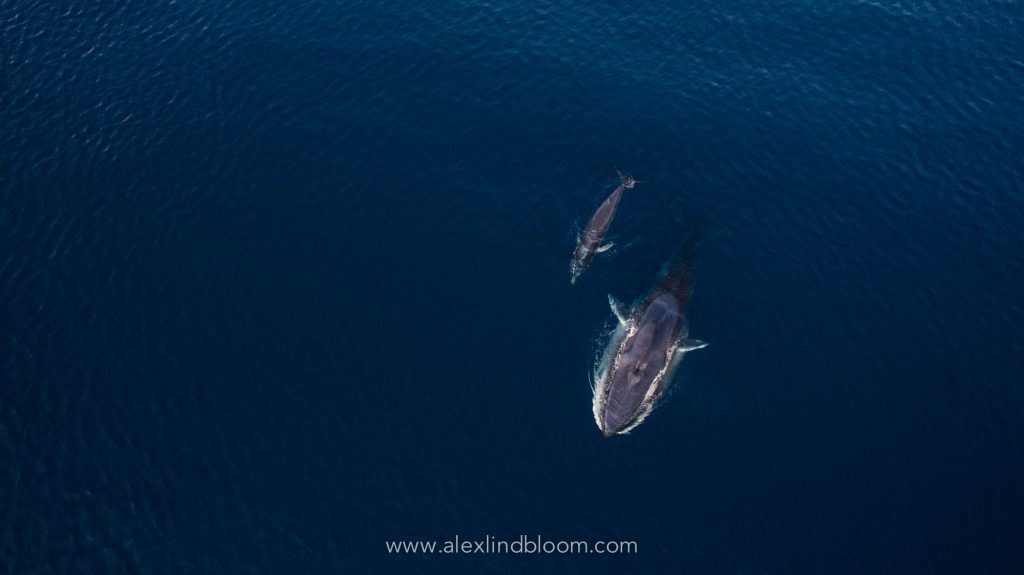
An Omuras Whale breaching showcasing its unique coloration
For decades, whale biologists believed they were dealing with a single species of rorqual whale in the Indo-Pacific region – Bryde’s whale. However, in 2003, a Japanese researcher, Tadasu Yamada, proposed that a distinct, smaller form of Bryde’s whale, frequently observed in the waters off Japan, was actually a separate species. After years of meticulous research, including genetic analysis and morphological studies, the Omura’s whale (Balaenoptera omurai) was officially recognized as a new species in 2015.
This discovery was a remarkable reminder that even in the 21st century, we are still uncovering the secrets of the natural world. The Omura’s whale is a relatively small rorqual, reaching lengths of up to 38 feet. It’s characterized by its unique coloration – a dark grey body with distinctive white patches on its lower jaw and flippers. Unlike Bryde’s whales, which are often found in offshore waters, Omura’s whales appear to prefer coastal habitats, particularly around islands and coral reefs.
Unfortunately, the Omura’s whale is already facing significant threats. Historically, it was heavily targeted by Japanese whaling fleets, although the extent of the impact is still being investigated. Today, the primary threats include entanglement in fishing gear, ship strikes, and habitat degradation due to pollution and coastal development. The species is listed as endangered by the International Union for Conservation of Nature (IUCN), and its population is estimated to be between 10,000 and 20,000 individuals.
Because the Omura’s whale was only recently recognized as a distinct species, much remains unknown about its biology and behavior. Researchers are working to gather more information about its distribution, population size, and threats to its survival. Conservation efforts are focused on reducing entanglement risk, mitigating ship strikes, and protecting critical habitat. The story of the Omura’s whale underscores the importance of continued research and the need to adapt our conservation strategies as we learn more about the world’s animals rare.
The Attenborough’s Echidna: A Cryptic Mammal
Deep within the remote Cyclops Mountains of Papua, Indonesia, lives a creature so elusive that it remained unknown to science until very recently. The Attenborough’s echidna (Zaglossus attenboroughi), named in honor of the renowned naturalist Sir David Attenborough, is a species of long-beaked echidna that was rediscovered in November 2023 after being lost to science for over 60 years. The original specimen was collected in 1961, but subsequent expeditions failed to find any further evidence of its existence, leading many to believe it was extinct.
This remarkable rediscovery, captured on camera trap footage during a joint expedition by the University of Oxford and Yappenda, was a moment of immense excitement for the scientific community. The Attenborough’s echidna is a monotreme – a mammal that lays eggs – and is one of only five species of echidna in the world. It’s characterized by its long, downward-curving snout, which it uses to probe for invertebrates in the forest floor. It’s also covered in spines, providing protection from predators.
The Cyclops Mountains are a notoriously difficult environment to access, and the Attenborough’s echidna’s shy and secretive nature makes it incredibly difficult to study. The primary threats to its survival are habitat loss due to logging and agricultural expansion, and hunting by local communities. The species is critically endangered, and its population is believed to be extremely small.
The rediscovery of the Attenborough’s echidna is a powerful reminder that there are still undiscovered species waiting to be found, and that even in well-studied regions, there are pockets of biodiversity that remain largely unexplored. It also highlights the importance of protecting remote and pristine habitats, which often harbor unique and endangered species. The future of this enigmatic creature depends on continued research, effective conservation measures, and the commitment of local communities to protect its fragile habitat. The Attenborough’s echidna is a symbol of hope, a testament to the resilience of life, and a call to action to protect the world’s remaining animals rare before they disappear forever.
The Future of Conservation: Hope and Action
Addressing the Root Causes of Endangerment
The sheer scale of the biodiversity crisis can feel overwhelming, but it’s crucial to remember that endangerment isn’t a natural phenomenon. It’s a direct consequence of human activity, and therefore, solvable with human action. Simply focusing on rescuing individual animals rare isn’t enough; we must tackle the underlying drivers pushing species towards the brink. These causes are complex and interconnected, demanding a multifaceted approach.
Perhaps the most significant driver is habitat loss. As human populations grow, we relentlessly convert natural ecosystems – forests, wetlands, grasslands – into agricultural land, urban areas, and infrastructure. This fragmentation and destruction leave animals with shrinking ranges, limited resources, and increased vulnerability to other threats. The story of the Sumatran orangutan, highlighted earlier, is a stark example. The relentless expansion of palm oil plantations is decimating their forest home, pushing them closer to extinction with each felled tree. It’s not just rainforests; even seemingly resilient ecosystems like grasslands are under pressure from agricultural intensification and overgrazing.
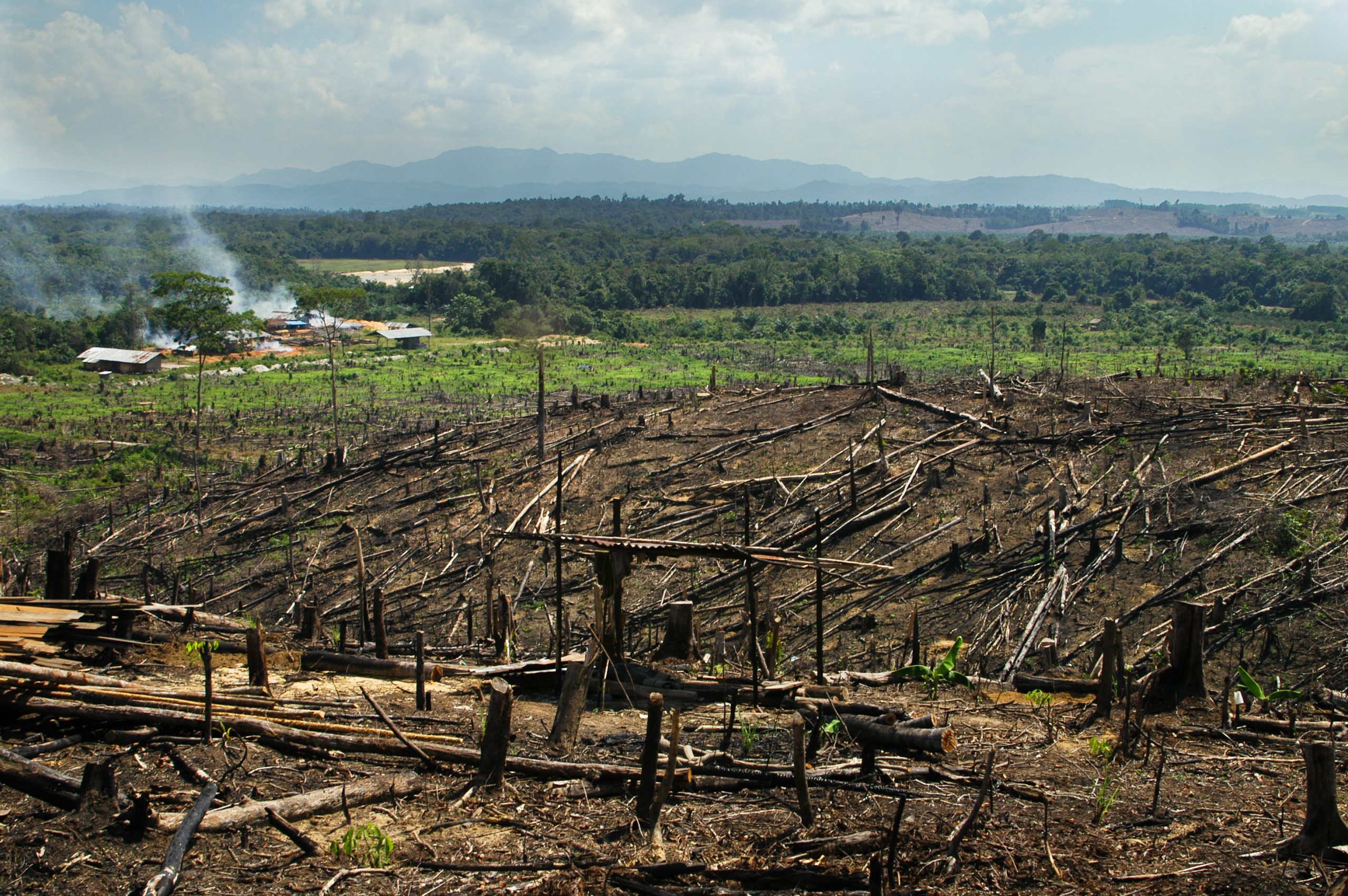
A devastating view of a palm oil plantation replacing a lush rainforest in Sumatra Indonesia
Beyond habitat loss, poaching and illegal wildlife trade continue to decimate populations of iconic species like rhinos, elephants, and tigers. Driven by demand for traditional medicine, trophies, and exotic pets, this illicit trade fuels organized crime and undermines conservation efforts. The black rhino, as we’ve seen, is a prime example, relentlessly hunted for its horn. While international efforts to curb the trade are underway, enforcement remains a significant challenge, particularly in regions with weak governance and widespread corruption.
Climate change is rapidly emerging as a major threat multiplier. Rising temperatures, altered precipitation patterns, and increased frequency of extreme weather events are disrupting ecosystems and pushing species beyond their adaptive capacity. Coral reefs, already facing numerous stressors, are particularly vulnerable to ocean warming and acidification. Species reliant on specific temperature ranges or breeding cycles are struggling to cope with the changing climate. The polar bear, though not specifically covered in detail here, serves as a poignant symbol of the climate crisis and its impact on wildlife.
Pollution, in all its forms, also plays a significant role. Plastic pollution chokes marine life, pesticides contaminate food chains, and industrial runoff poisons waterways. Even seemingly innocuous pollutants like light and noise can disrupt animal behavior and reproduction. The vaquita, the world’s rarest marine mammal, is tragically caught in gillnets intended for totoaba, a fish whose swim bladder is highly valued in traditional Chinese medicine. This bycatch, exacerbated by pollution and habitat degradation, is driving the vaquita towards certain extinction.
Finally, invasive species can wreak havoc on native ecosystems. Introduced species often lack natural predators and can outcompete native wildlife for resources, leading to declines in populations and even local extinctions. The brown tree snake in Guam is a notorious example, having decimated native bird populations since its accidental introduction after World War II.
Addressing these root causes requires a fundamental shift in our relationship with the natural world. It demands sustainable land-use practices, stricter regulations on wildlife trade, ambitious climate action, and a commitment to reducing pollution. It’s a monumental task, but one we cannot afford to ignore.
The Role of Conservation Organizations
Fortunately, a dedicated network of conservation organizations is working tirelessly to protect animals rare and their habitats. These organizations operate at various scales, from local grassroots groups to international NGOs, each playing a vital role in the conservation landscape. Their work encompasses a wide range of activities, including scientific research, habitat restoration, anti-poaching patrols, community engagement, and advocacy for stronger environmental policies.
Organizations like the World Wildlife Fund (WWF) and the Wildlife Conservation Society (WCS) are global leaders in conservation, working in dozens of countries to protect endangered species and their ecosystems. They conduct research to understand the threats facing wildlife, implement on-the-ground conservation projects, and advocate for policies that promote sustainable development. WWF, for example, has been instrumental in establishing protected areas, combating poaching, and promoting sustainable forestry practices. WCS focuses on protecting wildlife and wild places through science, conservation action, and education.
Smaller, more specialized organizations often focus on specific species or regions. The Save the Rhino International organization, for instance, is dedicated solely to rhino conservation, working to protect rhinos from poaching and habitat loss. The Kakapo Recovery Programme in New Zealand is a remarkable example of a dedicated effort to bring a critically endangered parrot back from the brink of extinction. These organizations often rely heavily on volunteers and donations to support their work.
Beyond direct conservation efforts, many organizations also play a crucial role in raising awareness about the biodiversity crisis and educating the public about the importance of conservation. They use social media, documentaries, and educational programs to engage people and inspire them to take action. The work of WildWhiskers, with its slogan “Tiny Tails, Big Stories!”, exemplifies this commitment to engaging the public and fostering a love for the animal kingdom.
Furthermore, conservation organizations are increasingly working with local communities to empower them to become stewards of their natural resources. Recognizing that conservation is most effective when it benefits both people and wildlife, these organizations provide training, economic incentives, and support for sustainable livelihoods. This collaborative approach is essential for ensuring the long-term success of conservation efforts.
The effectiveness of these organizations is often hampered by limited funding and political challenges. Conservation is often underfunded, particularly in developing countries where the majority of endangered species reside. Political instability, corruption, and lack of enforcement can also undermine conservation efforts. Despite these challenges, conservation organizations remain a beacon of hope in the fight to protect our planet’s biodiversity.
What Can Individuals Do to Help?
While the challenges facing endangered species are daunting, it’s important to remember that every individual can make a difference. Conservation isn’t just the responsibility of governments and organizations; it requires a collective effort. There are numerous ways to contribute, ranging from simple lifestyle changes to active advocacy.
One of the most impactful things individuals can do is to reduce their environmental footprint. This includes making conscious choices about consumption, reducing waste, conserving energy, and supporting sustainable products. Choosing sustainably sourced seafood, avoiding products containing palm oil from unsustainable sources, and reducing meat consumption can all have a positive impact on wildlife.
Supporting conservation organizations is another crucial way to help. Donations, no matter how small, can provide vital funding for research, conservation projects, and advocacy efforts. Volunteering time and skills can also be incredibly valuable. Many organizations offer volunteer opportunities in the field or in administrative roles.
Educating yourself and others about the biodiversity crisis is also essential. Sharing information with friends and family, writing to elected officials, and participating in public forums can all help raise awareness and promote action. The more people understand the importance of conservation, the more likely we are to see meaningful change.
Making informed consumer choices is also important. Avoiding products made from endangered species, such as ivory or rhino horn, and supporting companies committed to sustainability can help reduce demand for illegal wildlife products.
Advocating for stronger environmental policies is crucial. Contacting elected officials, signing petitions, and participating in protests can all help influence policy decisions. Supporting candidates who prioritize environmental protection is also important.
Finally, simply appreciating and connecting with nature can foster a sense of stewardship and inspire action. Spending time outdoors, learning about local wildlife, and supporting ecotourism can all help cultivate a deeper connection with the natural world.
A Call to Protect Our Planet’s Biodiversity
The fate of countless species, including the animals rare we’ve discussed, hangs in the balance. We stand at a critical juncture in history, a moment where our actions will determine whether future generations will inherit a planet rich in biodiversity or a diminished world stripped of its natural wonders. The time for complacency is over.
The biodiversity crisis is not just an environmental issue; it’s a moral imperative. Every species has intrinsic value, and we have a responsibility to protect them. Moreover, the loss of biodiversity has profound consequences for human well-being. Healthy ecosystems provide essential services, such as clean air and water, pollination, and climate regulation. The decline of biodiversity threatens these services and undermines our own survival.
A vibrant rainforest ecosystem teeming with diverse wildlife showcasing the beauty and importance of biodiversity
We must move beyond simply acknowledging the problem and embrace a proactive, solutions-oriented approach. This requires a fundamental shift in our values, a recognition that economic growth cannot come at the expense of environmental sustainability. It demands a commitment to collaboration, innovation, and long-term thinking.
Let us heed the call to protect our planet’s biodiversity. Let us work together to address the root causes of endangerment, support conservation organizations, and empower individuals to take action. Let us create a future where humans and wildlife can coexist in harmony, a future where the wonders of the natural world are preserved for generations to come.
As WildWhiskers believes – “Tiny Tails, Big Stories!” – every creature, no matter how small or seemingly insignificant, plays a vital role in the intricate web of life. Let’s ensure their stories continue to be told, not as tales of loss and extinction, but as inspiring narratives of resilience and hope. Let’s open our hearts to the small but magical lives of animals around us and commit to protecting the planet we share.