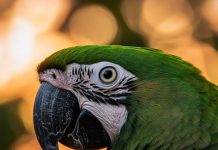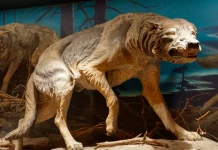




In the grand theater of the natural world, animals dress to impress in the most spectacular ways, showcasing a stunning blend of beauty and functionality. From the art of camouflage to dazzling displays of color, nature’s wardrobe is as varied as it is ingenious. Imagine a chameleon seamlessly blending with its surroundings, or a peacock flaunting its vibrant feathers in a mesmerizing dance of colors. These remarkable adaptations are not just for show; they are essential survival tools. In the wild, fashion is not about trends but about life and death. Animals dress to impress not only to hide from predators but also to attract mates and assert dominance. As we journey through the fascinating world of animal fashion, we’ll explore the protective armor of spines and scales, the unique styles from the deep sea, and how environments shape these evolutionary masterpieces. Join us as we delve into the beauty and functionality of nature’s most captivating outfits.
The Art of Camouflage
In the wild, the ability to remain unseen can mean the difference between life and death. Animals have developed remarkable ways to blend in with their environments, utilizing their appearance as a sophisticated form of defense and survival strategy. This is truly the art of camouflage, where nature’s wardrobe becomes both a shield and a tool for survival.
Patterns that Blend In
One of the most fascinating aspects of camouflage is the use of patterns that allow animals to merge with their surroundings. From the intricate stripes of a tiger lurking in the shadowy depths of the jungle to the speckled plumage of a nightjar resting on a forest floor, these patterns are not accidental. They are evolutionary masterpieces, honed over millennia to perfection.
Consider the zebra, whose striped coat seems to stand out at first glance. However, when viewed in the shimmering heat of the African savanna, those same stripes create an optical illusion, confusing predators like lions that rely on sight for hunting. Similarly, the leaf-tailed gecko from Madagascar can render itself nearly invisible against the bark of trees, thanks to its flattened body and leaf-like tail.
Color Changes for Survival
Another aspect of natural fashion that exemplifies animals dressing to impress is the ability to change color. This dynamic adaptation serves various purposes, from avoiding predators to attracting mates. The chameleon is perhaps the most famous example, capable of altering its skin tone to match the environment or express its mood. This extraordinary ability is not just for show; it plays a critical role in the chameleon’s survival tactics.
Similarly, the octopus can change its skin color and texture in the blink of an eye, a skill that helps it evade predators and sneak up on prey. This cephalopod’s ability to mimic the textures and colors of its surroundings is a testament to the complex interplay between evolution and environment in shaping animal behavior and appearance.

A chameleon displaying its colorchanging ability
In the realm of wildlife, nature’s wardrobe is not just about aesthetics; it’s about survival. Through patterns and color changes, animals dress to impress in ways that ensure their continued existence against the relentless challenges of the wild.
Dazzling Displays of Color
In the world of nature, animals dress to impress with a stunning array of colors and patterns. These vibrant displays are not just for show; they play crucial roles in survival, communication, and reproduction. Among the most striking examples of nature’s colorful attire are birds, whose feathers boast a dazzling spectrum of hues.
Birds and Their Vibrant Feathers
Birds are perhaps the most celebrated examples when it comes to colorful displays. Their feathers are not only functional, providing insulation and enabling flight, but they also serve as brilliant canvases for a wide range of colors and patterns. The iridescent plumage of birds like peacocks and hummingbirds can seem almost otherworldly, shimmering with every movement.
The vibrant feathers of birds are often a result of complex interactions between light and the microscopic structures within the feathers themselves. For instance, the magnificent tail feathers of a peacock are not just blue or green; they contain microscopic structures that interact with light to create iridescent colors. This complex interplay of light and structure makes their feathers incredibly eye-catching and is a prime example of how animals dress to impress in the natural world.

A peacock showcasing its iridescent plumage in a dazzling display
The Role of Color in Mating Rituals
In the animal kingdom, color often plays a pivotal role in mating rituals. For many species, vibrant colors are a signal of health and genetic fitness to potential mates. A more vivid color often indicates a well-fed and healthy individual, making them more attractive to the opposite sex. This is especially true for birds like the male cardinal, whose bright red feathers are a beacon for potential female partners.
Moreover, certain species have developed unique courtship displays that incorporate their colorful plumage. The male bird-of-paradise, for example, performs extravagant dances to showcase its vivid colors and intricate feather patterns. These displays are not just about aesthetics; they are a crucial part of the mating process, helping to ensure the continuation of the species.
The role of color in mating rituals is a testament to the importance of appearance in the animal kingdom. It’s a vivid reminder that in nature, animals dress to impress not just for survival, but for the perpetuation of their lineage.

A male birdofparadise engaging in a colorful courtship display
Nature’s Armor: Protective Fashion
In the intriguing world of animals dress to impress, nature’s armor serves as a remarkable testament to survival and adaptability. While many creatures use color and pattern to allure or blend into their surroundings, others boast formidable defenses in the form of spines, shells, and scales, or employ mimicry to deceive predators. These protective fashions are not only incredible to behold but also crucial for the survival of these species.
Spines, Shells, and Scales
Throughout the animal kingdom, a variety of creatures have developed physical defenses that are as functional as they are fascinating. Spines—sharp, pointed structures found on animals like porcupines and hedgehogs—serve as a deterrent to predators, making any attempt to attack a potentially painful endeavor. These animals exhibit an impressive display of natural armor, turning their bodies into formidable fortresses.
Shells, on the other hand, provide a robust shield for animals like turtles and snails. These hard, protective coverings are often their first line of defense, allowing them to retreat into a safe haven when threatened. The shell’s design not only provides protection but also highlights the incredible engineering of nature, showcasing how animals dress to impress in both form and function.
Scales are another form of protective gear, seen on reptiles and fish. They serve multiple purposes: reducing water resistance, providing camouflage, and offering protection against predators and environmental hazards. The intricate arrangement and variation in scales demonstrate how nature’s armor can be both practical and aesthetically pleasing.

A porcupine showcasing its spines as a defense mechanism
Mimicry as a Defense Mechanism
Mimicry is one of nature’s most fascinating strategies, where animals imitate the appearance, sounds, or behaviors of other species to protect themselves. This clever trickery is a powerful form of protective fashion, allowing animals to deceive predators or lure prey.
One of the most renowned examples of mimicry is the viceroy butterfly, which resembles the toxic monarch butterfly. Predators, having learned the monarch’s unpalatable taste, tend to avoid both butterflies, giving the viceroy an advantage in survival. Similarly, some species of snakes mimic the coloration of venomous counterparts, deterring potential threats.
The octopus is another master of disguise, capable of changing its color and texture to blend seamlessly into its surroundings or mimic other marine animals. This remarkable ability not only showcases the octopus’s intelligence but also highlights the diverse ways in which animals dress to impress through mimicry.
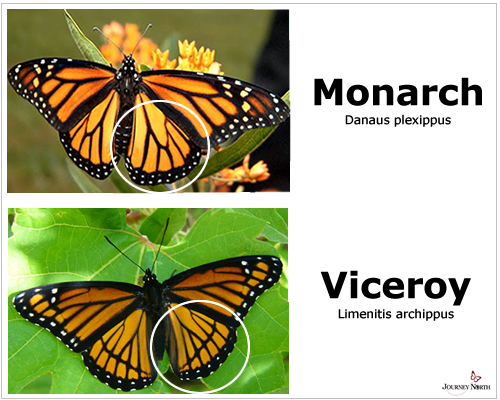
A viceroy butterfly mimicking the appearance of a monarch butterfly
Through these astonishing adaptations, nature’s armor continues to captivate and inspire, demonstrating the endless creativity and complexity of the natural world. Whether through physical defenses like spines, shells, and scales, or through the ingenious use of mimicry, these protective styles ensure that animals not only survive but thrive in their respective environments.
Unique Styles from the Deep Sea
Bioluminescent Beauties
In the mysterious depths of the ocean, where sunlight barely penetrates, many creatures have evolved to create their own light through a phenomenon known as bioluminescence. This natural light show is not only a breathtaking spectacle but also a critical survival tool in the deep sea’s dark environment. Creatures such as the anglerfish and jellyfish use bioluminescence to attract prey or communicate with potential mates, making them perfect examples of how animals dress to impress.
The anglerfish, for instance, uses a bioluminescent lure that dangles in front of its mouth, attracting unsuspecting prey right into its jaws. This unique adaptation highlights the dual purpose of bioluminescence: both as a means of hunting and as a fashion statement that defines the anglerfish’s identity in the ocean’s vast fashion show. Similarly, jellyfish can emit a gentle glow that not only wards off predators but also creates a visual spectacle that captivates human observers.

A mesmerizing display of bioluminescent jellyfish
The Strange and Wonderful Shapes of Sea Creatures
Beyond their glowing aesthetics, deep-sea creatures boast some of the most extraordinary forms and structures found in nature. The gulper eel, with its enormous, expandable mouth, and the viperfish, with its needle-like teeth, are just a couple of examples of how the deep sea is a realm where the bizarre meets functionality. These creatures have adapted their physical forms to thrive in an environment of high pressure and low light, showcasing nature’s incredible ability to innovate with form and design.
One of the most astonishing examples is the octopus, whose soft body and lack of a skeleton allow it to squeeze into tiny crevices, evading predators and seeking out prey. Its ability to change color and texture also makes it a master of camouflage—another testament to the notion that animals dress to impress, even in the ocean’s twilight zones.
These unique adaptations reflect the profound impact of the deep-sea environment on the evolution of marine life, where survival often hinges on the ability to merge beauty with function. The ocean’s depths are a testament to the diversity of life and the endless creativity of nature’s wardrobe.
The Impact of Environment on Animal Fashion
How Habitats Influence Appearance
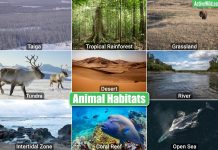
The environment plays a pivotal role in shaping the appearance of animals, serving as a silent sculptor that molds their features to fit the demands of their surroundings. From the dense foliage of rainforests to the vast expanses of deserts, each habitat imposes unique challenges that influence how animals dress to impress.
In lush rainforests, where sunlight filters through layers of canopy, many creatures exhibit vibrant colors. This is not just for show; these colors can help animals blend into the dappled light or stand out during mating rituals. Take, for example, the poison dart frog. Its bright hues serve as a warning to potential predators about its toxicity, a perfect example of how environment influences survival strategies.
Conversely, in arid deserts, animals often display muted tones that mirror the sandy surroundings. The fennec fox, with its pale fur, uses its coloration as a form of camouflage, enabling it to remain unseen by both prey and predators. This natural attire is crucial for its survival in such a harsh landscape.

A fennec fox blending into its desert habitat
Evolutionary Adaptations Over Time
Over millennia, animals have evolved in response to their environments, resulting in fascinating adaptations that are nothing short of nature’s masterpieces. This evolutionary journey is a testament to the dynamic relationship between organisms and their habitats, illustrating how animals dress to impress not only for aesthetic appeal but for survival.
Consider the polar bear, whose white coat is a marvel of evolutionary artistry. This adaptation provides effective camouflage against the icy backdrop of the Arctic, allowing it to stealthily hunt seals. The bear’s thick fur and layer of fat also serve as insulation against the extreme cold, showcasing a perfect blend of beauty and functionality.
Similarly, the chameleon is renowned for its ability to change color—a remarkable adaptation that serves multiple purposes, from communication to temperature regulation. This ability highlights the intricate ways in which animals have evolved to thrive in their environments, showcasing nature’s ingenuity in crafting wardrobes that are both practical and striking.

A chameleon displaying its colorchanging ability
Through these examples, it becomes clear that the environment is a powerful influencer in the animal kingdom. Whether through the gradual process of evolution or immediate responses to habitat, animals continue to adapt, ensuring their survival while maintaining a flair for fashion that is both functional and fabulous.
The Beauty and Functionality of Nature’s Wardrobe
In the intricate world of wildlife, where animals dress to impress is not just a metaphor but a survival strategy, nature’s wardrobe offers an array of stunning and practical designs. Each species is clad in a unique outfit that serves not only as a visual spectacle but also as a vital tool for survival, mating, and adaptation to their environment.
The Intricacies of Animal Fashion
Consider the peacock, whose magnificent tail feathers are a classic example of how beauty interplays with functionality. The vibrant hues and elaborate patterns are not merely for show; they play a crucial role in attracting mates. This is a dazzling demonstration of how animals utilize their appearance to ensure the continuation of their species. Similarly, the chameleon’s ability to change color is both a defensive mechanism and a way to communicate with others, showcasing nature’s ability to blend style with practicality.
Nature’s Ingenious Designs
In the marine world, the octopus stands out with its ability to transform its texture and color to match its surroundings, effectively becoming invisible to predators. This extraordinary adaptation is a testament to the ingenuity of nature’s designs. The bioluminescent glow of deep-sea creatures serves multiple purposes, from luring prey to deterring predators, highlighting how functionality is seamlessly integrated into their stunning appearances.

A peacock displaying its vibrant tail feathers
Survival in Style
Beyond visual allure, the armor-like shells of turtles and the formidable spines of porcupines are prime examples of how fashion in the animal kingdom is as much about defense as it is about aesthetics. These features not only provide protection but also symbolize the incredible ways animals have adapted to their environments through evolution.
In the ever-evolving dance of life, where animals dress to impress, every feather, scale, and shell plays a part in the complex narrative of survival. These natural wardrobes are a reminder of the beauty and ingenuity inherent in the animal kingdom, where style meets survival in the most captivating ways.

An octopus camouflaged in a coral reef
Join WildWhiskers, where we delve into such fascinating tales of the animal world. As a community of animal enthusiasts, we celebrate the extraordinary stories and the magical lives of creatures great and small. With our slogan, “Tiny Tails, Big Stories!”, we invite you to explore and share the beauty of nature’s wardrobe and more.