




Have you ever dreamt of witnessing a landscape teeming with life, a place where the raw power of nature is on full display? Then you’ve likely dreamt of Africa. This continent isn’t just a landmass; it’s a vibrant, breathing tapestry woven with the threads of incredible biodiversity. And at the heart of that tapestry are the animals of Africa, creatures that have captivated explorers, scientists, and dreamers for centuries.
This blog is a deep dive into the world of African wildlife, a photographer’s guide – and an enthusiast’s companion – to understanding and appreciating the sheer majesty of the safari. We’ll journey beyond the postcard images, exploring not only the iconic Big Five – the African Elephant, the regal Lion, the elusive Leopard, the vulnerable Rhinoceros, and the formidable Cape Buffalo – but also the incredible array of animals from africa that often get overlooked.
Prepare to be amazed by the speed of the Cheetah, the graceful height of the Giraffe, and the surprising temperament of the Hippopotamus. We’ll venture into diverse habitats, from the endless grasslands of the Savanna to the lush depths of the Rainforest, and even the arid landscapes where life finds a way to thrive. But this isn’t just about admiring beauty; it’s about understanding the challenges these magnificent animals in africa face. We’ll confront the harsh realities of poaching, habitat loss, and climate change, and explore the vital conservation efforts underway to protect Africa’s precious heritage.
Beyond the serious issues, we’ll also uncover some truly fascinating facts, revealing unique adaptations and little-known behaviors. And for the young explorers among us, we’ll share fun facts that will ignite a passion for wildlife conservation. Join us as we embark on this wildlife odyssey, a celebration of the animals of Africa and a call to ensure their survival for generations to come.
The Iconic Big Five: Africa’s Safari Stars
The term “Big Five” is steeped in history, originating not from a conservationist’s perspective, but from the challenges faced by big game hunters in Africa. It referred to the five most difficult and dangerous animals to hunt on foot – the African elephant, the lion, the leopard, the rhinoceros, and the Cape buffalo. Thankfully, the meaning has evolved. Today, the Big Five represent the most sought-after animals to observe on safari, embodying the wild beauty and untamed spirit of the African continent. They are the stars of countless documentaries, the subjects of breathtaking photography, and the reason many travelers embark on a journey to experience the magic of animals of africa firsthand. The allure isn’t just about ticking off a list; it’s about connecting with creatures that have roamed these lands for millennia, witnessing their power, their grace, and their struggle for survival.
The African Elephant: Gentle Giants of the Savanna

A family of African elephants silhouetted against a vibrant sunset
The African elephant ( Loxodonta africana) is, quite simply, awe-inspiring. As the largest land mammal on Earth, witnessing a herd of elephants moving across the savanna is an experience that stays with you forever. Their sheer size – bulls can weigh up to 6 tonnes and stand over 13 feet tall – is humbling. But beyond their physical presence, it’s their intelligence, complex social structures, and deep emotional lives that truly captivate. Elephants live in matriarchal herds, led by the oldest and most experienced female. These herds are incredibly close-knit, demonstrating empathy, cooperation, and even grief. They communicate through a variety of methods, including infrasound – low-frequency rumbles that can travel for miles, allowing them to stay connected even when separated.
The tusks of an elephant, made of ivory, are elongated incisor teeth that grow throughout their lives. Sadly, these tusks are the primary driver of poaching, a devastating threat to elephant populations. The demand for ivory in some parts of the world has led to a dramatic decline in elephant numbers, pushing them closer to extinction. Beyond the tragedy of poaching, elephants face the challenge of habitat loss as human populations expand and encroach upon their traditional ranges. Their role as “ecosystem engineers” is crucial; they disperse seeds, create waterholes, and maintain the balance of the savanna ecosystem. Losing elephants would have cascading effects on the entire landscape. Observing these gentle giants is a poignant reminder of the fragility of life and the urgent need for conservation efforts. The intelligence of these animals from africa is remarkable; they have been observed using tools, demonstrating self-awareness, and even appearing to mourn their dead.
The Lion: Kings and Queens of the Pride
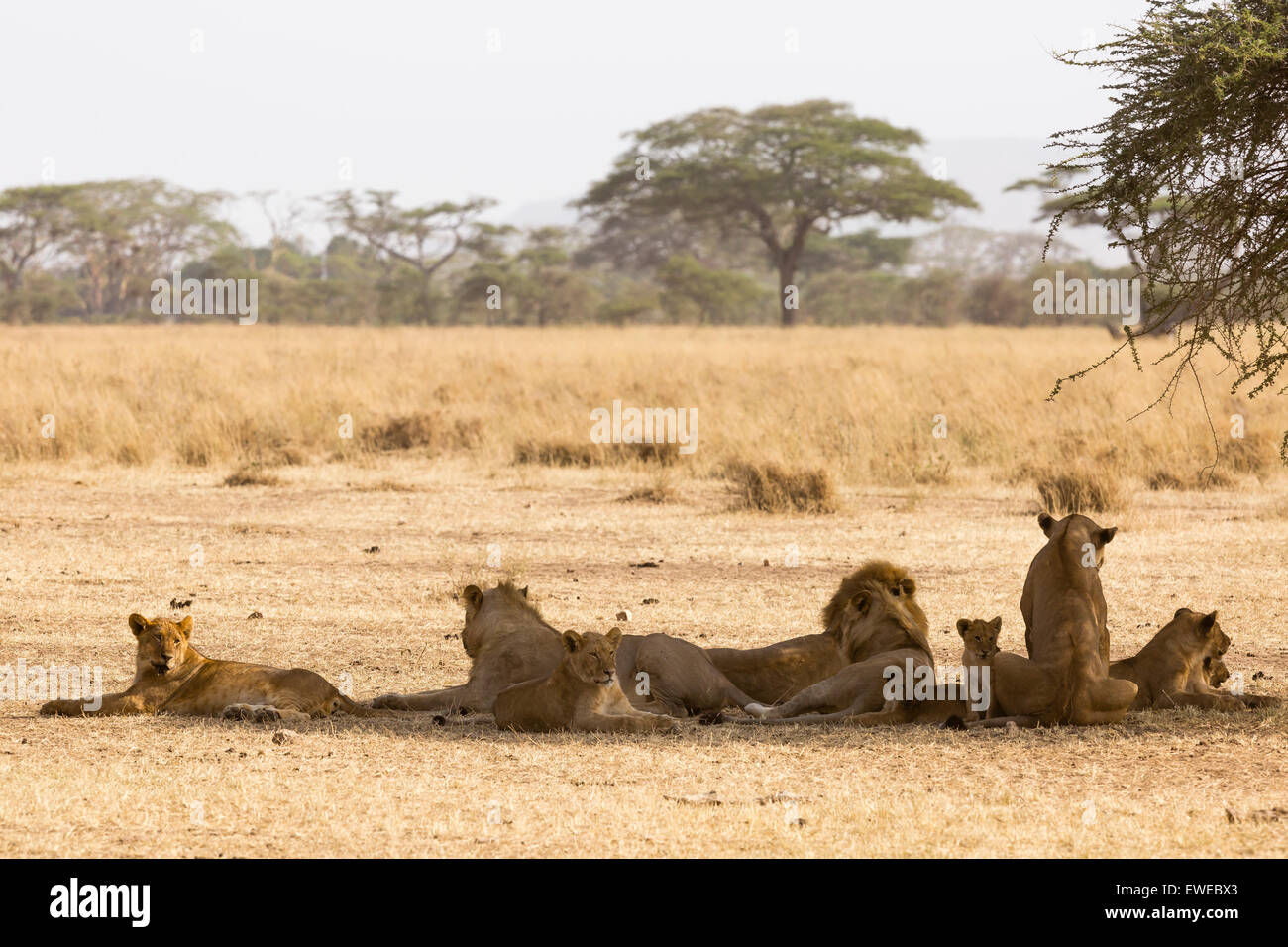
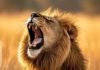
A majestic lion pride relaxing in the shade of an acacia tree in the Serengeti
The lion (Panthera leo), often referred to as the “king of the jungle” (though they primarily inhabit savannas and grasslands), embodies power, courage, and social complexity. Lions are unique among cats in that they live in prides, consisting of related females, their offspring, and a coalition of males. The females typically do the majority of the hunting, working together to bring down large prey like zebras, wildebeest, and buffalo. The males, with their impressive manes, primarily defend the pride’s territory and protect the females and cubs.
The roar of a lion is an iconic sound of Africa, capable of being heard up to five miles away. It serves as a declaration of territory, a call to other pride members, and a warning to rivals. Lionesses are incredibly dedicated mothers, raising their cubs collectively and teaching them the skills they need to survive. However, life for a lion cub is fraught with danger. Many cubs don’t survive their first year, falling victim to predators like hyenas or starvation. The dynamics within a pride are complex, with constant competition for dominance and resources. When a new coalition of males takes over a pride, they often kill the existing cubs, ensuring their own genetic lineage continues. This brutal reality highlights the harshness of life in the wild. The future of lions is uncertain, facing threats from habitat loss, human-wildlife conflict, and poaching (for their bones, used in traditional medicine). Protecting these magnificent animals in africa requires a multifaceted approach, including community engagement, anti-poaching patrols, and habitat preservation.
The Leopard: Masters of Stealth and Agility

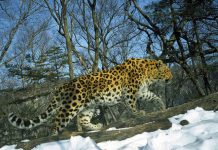
A leopard skillfully rests in a tree having successfully hunted its prey
The leopard (Panthera pardus) is the most elusive of the Big Five, a master of camouflage and a solitary hunter. Unlike lions, who rely on teamwork, leopards are primarily solitary creatures, preferring to stalk their prey alone. Their spotted coat provides excellent camouflage, allowing them to blend seamlessly into the surrounding vegetation. They are incredibly agile climbers, often dragging their kills up into trees to protect them from scavengers like hyenas and lions.
Leopards are opportunistic hunters, preying on a wide range of animals, from small rodents and birds to larger antelope and even baboons. They are incredibly strong for their size, capable of carrying prey several times their own weight. Their adaptability is remarkable; they can thrive in a variety of habitats, from rainforests and woodlands to savannas and even mountainous regions. However, their adaptability hasn’t protected them from the threats facing other African wildlife. Habitat loss and poaching (for their beautiful pelts) have led to a decline in leopard populations in many areas. They are also often killed in retaliation for preying on livestock. Observing a leopard in the wild is a rare and special experience, a testament to their stealth, their power, and their enduring beauty. These animals of africa are a symbol of wildness and resilience.
The Rhinoceros: A Fight for Survival
The rhinoceros – both black rhino (Diceros bicornis) and white rhino (Ceratotherium simum) – is a prehistoric-looking creature facing an existential crisis. Both species are critically endangered, primarily due to relentless poaching for their horns. Rhino horn is made of keratin, the same material as human fingernails, and has no medicinal value. However, in some Asian cultures, it is believed to have medicinal properties, driving a lucrative black market trade.
The black rhino is a browser, using its pointed lip to feed on leaves and shrubs, while the white rhino is a grazer, using its broad lip to consume grasses. Despite their size and thick skin, rhinos are surprisingly agile and can run at speeds of up to 30 miles per hour. They have poor eyesight but an excellent sense of smell and hearing. Rhinos are also known to form symbiotic relationships with oxpeckers, birds that feed on ticks and other parasites on the rhino’s skin. The fight to save rhinos is a desperate one. Anti-poaching patrols, dehorning programs (removing the horn to deter poachers), and translocation efforts (moving rhinos to safer areas) are all being employed to protect these magnificent creatures. The survival of rhinos depends on the collective efforts of conservationists, governments, and local communities. The plight of the rhinoceros is a stark reminder of the devastating impact of human greed on animals of africa.
The Cape Buffalo: Powerful and Unpredictable
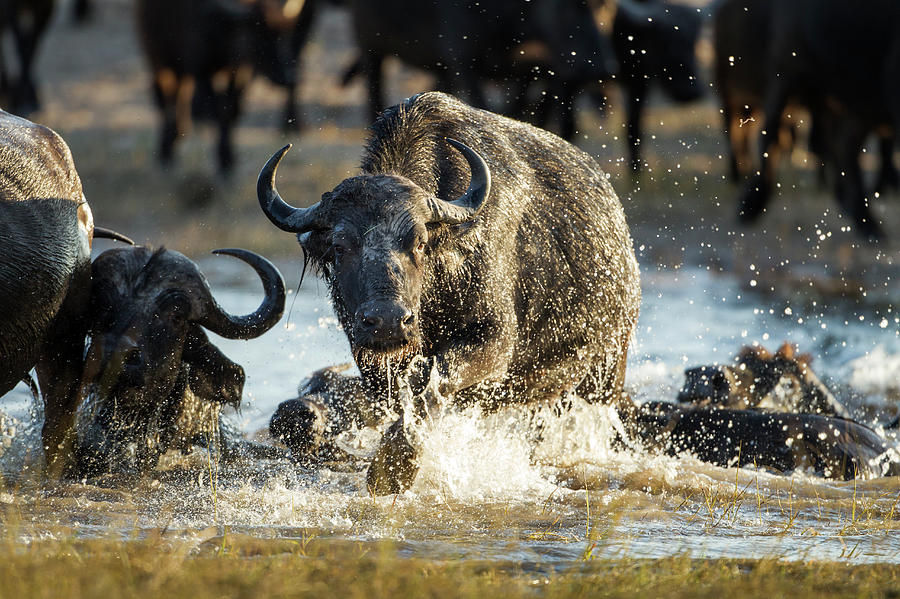
A large herd of Cape buffalo powerfully crossing a muddy river
The Cape buffalo (Syncerus caffer) is a formidable animal, known for its power, its unpredictable temperament, and its unwavering loyalty to its herd. Often described as one of the most dangerous animals in Africa, buffalo are not to be underestimated. They are large, muscular animals, with powerful horns that they use for defense. They live in large herds, often numbering in the hundreds or even thousands, and are fiercely protective of their members.
Buffalo are primarily grazers, feeding on grasses and other vegetation. They are highly dependent on water and are often found near rivers and waterholes. They are also known to wallow in mud, which helps to regulate their body temperature and protect them from insects. Buffalo are incredibly resilient and can survive in a variety of habitats, from savannas and woodlands to swamps and floodplains. They are also known to be incredibly stubborn and will not back down from a challenge. This makes them a favorite target for poachers, who prize their horns. However, they are also often killed in conflict with humans when they raid crops. Protecting buffalo populations requires addressing the underlying causes of human-wildlife conflict and ensuring that they have access to sufficient habitat and resources. These animals from africa represent the raw power and untamed spirit of the African wilderness.
Beyond the Big Five: A Tapestry of African Wildlife
Africa’s allure extends far beyond the celebrated “Big Five.” While the elephant, lion, leopard, rhinoceros, and Cape buffalo rightfully capture much of the attention, a breathtaking array of other animals of Africa contribute to the continent’s unparalleled biodiversity. To truly understand the richness of African wildlife, we must venture beyond these iconic figures and explore the fascinating lives of creatures that paint a vibrant tapestry across the landscapes. This section delves into the unique characteristics, behaviors, and ecological roles of some of these often-overlooked, yet equally captivating, inhabitants of the African wilderness.
The Cheetah: Speed and Grace on the Plains

A cheetah in full sprint showcasing its incredible speed
The cheetah (Acinonyx jubatus) is arguably the most recognizable symbol of speed in the animal kingdom. Unlike other big cats, the cheetah’s body is built for acceleration rather than raw power. Its slender frame, long legs, flexible spine, and semi-retractable claws act as a perfectly engineered running machine, allowing it to reach speeds of up to 75 mph (120 km/h) in short bursts. This incredible velocity is crucial for hunting gazelles, impalas, and other swift prey on the open savannas of eastern and southern Africa.
But speed comes at a cost. Cheetahs are relatively fragile animals, easily outmatched in a fight by larger predators like lions and hyenas. They often lose their kills to these scavengers, highlighting the delicate balance of power within the African ecosystem. A distinctive feature of the cheetah is the “tear mark” – a black stripe running from the inner corner of each eye down the muzzle. These markings are believed to reduce glare from the sun, aiding their vision during daytime hunts. Sadly, cheetah populations have dwindled significantly due to habitat loss, poaching, and conflict with humans. Conservation efforts are vital to ensure the survival of this magnificent sprinter. The cheetah is a prime example of how specialized adaptations can make an animal incredibly successful in its niche, yet also vulnerable to environmental changes. Observing a cheetah hunt is a truly awe-inspiring experience, a testament to the power and elegance of natural selection. The plight of the cheetah serves as a stark reminder of the fragility of animals from Africa and the urgent need for conservation.
The Giraffe: Reaching for the Sky
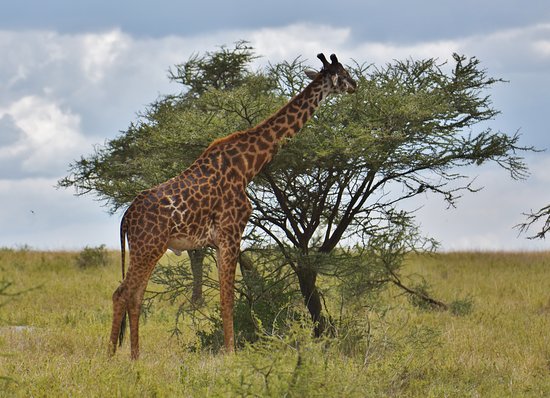
A giraffe gracefully browsing on acacia leaves demonstrating its long neck adaptation
Towering above the African savanna, the giraffe (Giraffa camelopardalis) is an unmistakable sight. Its extraordinary height, reaching up to 19 feet (5.8 meters), allows it to browse on leaves inaccessible to other herbivores. This unique adaptation minimizes competition for food and gives it a distinct advantage in its environment. The giraffe’s long neck isn’t the result of having extra vertebrae; it has the same seven neck vertebrae as most mammals, but each vertebra is significantly elongated.
The giraffe’s patterned coat is as unique as a human fingerprint, with each individual possessing a distinct arrangement of spots. These patterns are thought to provide camouflage, helping them blend into the dappled light of the savanna woodlands. Giraffes are surprisingly social animals, often forming loose herds that provide protection from predators. Males engage in “necking” – a ritualistic combat where they swing their necks at each other to establish dominance and win mating rights. Despite their size, giraffes are relatively gentle creatures. However, they are capable of delivering a powerful kick if threatened. Like many animals in Africa, giraffe populations are facing challenges due to habitat loss and poaching. Their slow reproductive rate makes them particularly vulnerable to population declines. The giraffe embodies the spirit of the African landscape – majestic, graceful, and uniquely adapted to its environment.
The Hippopotamus: River Giants and Their Temperament

A hippopotamus partially submerged in a river showcasing its semiaquatic lifestyle
The hippopotamus (Hippopotamus amphibius), often simply called the hippo, is a massive semi-aquatic mammal that spends much of its day submerged in rivers and lakes. Despite their bulky appearance, hippos are surprisingly agile in the water and can hold their breath for up to five minutes. They have a unique adaptation that allows them to close their nostrils and ears to prevent water from entering. Hippos are herbivores, but they consume an enormous amount of vegetation – up to 80 pounds (36 kg) of grass per night. They emerge from the water at dusk to graze on land, returning to the rivers before sunrise.
Contrary to their seemingly placid demeanor, hippos are incredibly territorial and aggressive, particularly when protecting their young. They are considered one of the most dangerous animals in Africa, responsible for more human fatalities than lions or leopards. Their large teeth and powerful jaws can inflict devastating injuries. Hippos play an important role in maintaining the health of aquatic ecosystems. Their grazing habits help to control vegetation growth, and their dung provides nutrients for fish and other aquatic organisms. However, hippo populations are threatened by habitat loss, poaching for their ivory teeth, and human-wildlife conflict. The hippo is a powerful reminder that even seemingly gentle giants can possess a formidable side. Understanding their behavior and respecting their space is crucial for ensuring both human and hippo safety.
The Zebra: Striking Patterns and Social Herds
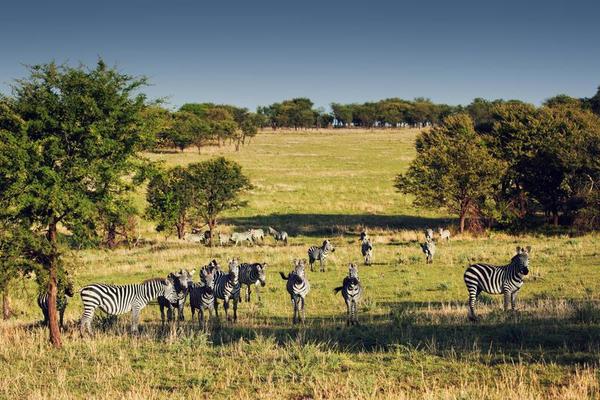
A herd of zebras grazing peacefully on the African savanna displaying their distinctive stripe patterns
The zebra (Equus quagga) is instantly recognizable for its striking black and white stripe pattern. The purpose of these stripes has been a subject of debate for decades. Current research suggests that they serve multiple functions, including camouflage, thermoregulation, and insect repellent. The stripes disrupt the outline of the zebra, making it difficult for predators like lions to single out an individual from a herd. They may also help to regulate body temperature by creating convection currents. And, importantly, the stripes seem to deter biting flies.
Zebras are highly social animals, living in herds that can range in size from a few individuals to hundreds. These herds provide protection from predators and facilitate breeding opportunities. Each zebra’s stripe pattern is unique, much like a human fingerprint. There are three main species of zebra: the plains zebra, the Grévy’s zebra, and the mountain zebra. Each species has its own distinct stripe pattern and habitat preferences. Zebras are herbivores, feeding primarily on grasses. They are well-adapted to the harsh conditions of the African savanna and are an integral part of the ecosystem. Like other animals of Africa, zebra populations are facing threats from habitat loss and poaching. Their iconic stripes and social behavior make them a beloved symbol of the African wilderness.
The Hyena: Misunderstood Scavengers

A spotted hyena scavenging on a carcass demonstrating its role as a vital scavenger in the ecosystem
The hyena (Hyaena hyaena and other species) often suffers from a negative reputation, portrayed as cowardly scavengers. However, this perception is largely inaccurate. While hyenas are indeed opportunistic scavengers, they are also skilled hunters, capable of taking down prey much larger than themselves. Spotted hyenas, in particular, live in complex social structures called clans, led by a dominant female. They hunt cooperatively, using their powerful jaws and coordinated strategies to bring down wildebeest, zebras, and even young giraffes.
Hyenas have an incredibly strong bite force, capable of crushing bones to extract marrow – a valuable source of nutrients. Their distinctive “laughing” vocalizations are actually a form of communication, used to convey a range of emotions and intentions. Hyenas play a crucial role in maintaining the health of the African ecosystem by removing carcasses and preventing the spread of disease. They are often unfairly blamed for stealing kills from lions, but in reality, they frequently compete with lions for food. Hyena populations are facing threats from habitat loss, persecution by humans, and disease. Understanding their complex social behavior and ecological role is essential for promoting their conservation. The hyena is a testament to the fact that appearances can be deceiving, and that even “villainized” animals play a vital role in the delicate balance of nature.
The Meerkat: Sentinels of the Desert
The meerkat (Suricata suricatta) is a small, social mongoose found in the arid regions of southern Africa. These adorable creatures are renowned for their upright posture, often seen standing on their hind legs to scan the horizon for predators. This behavior earns them the nickname “sentinels of the desert.” Meerkats live in groups called mobs, which can consist of up to 50 individuals. They cooperate in foraging, grooming, and protecting their territory.
Meerkats are primarily insectivores, feeding on beetles, scorpions, and other invertebrates. They are also known to eat small vertebrates, such as lizards and snakes. They have specialized adaptations for digging, including strong claws and a streamlined body. Meerkats are highly intelligent and exhibit complex social behaviors. They teach their young how to hunt and survive in the harsh desert environment. They are also known to sunbathe to regulate their body temperature. Meerkat populations are relatively stable, but they are facing threats from habitat loss and persecution by humans. Their charming appearance and fascinating social behavior make them a popular subject of wildlife documentaries and a beloved symbol of the African desert.
The Gorilla: Primates of the Rainforest
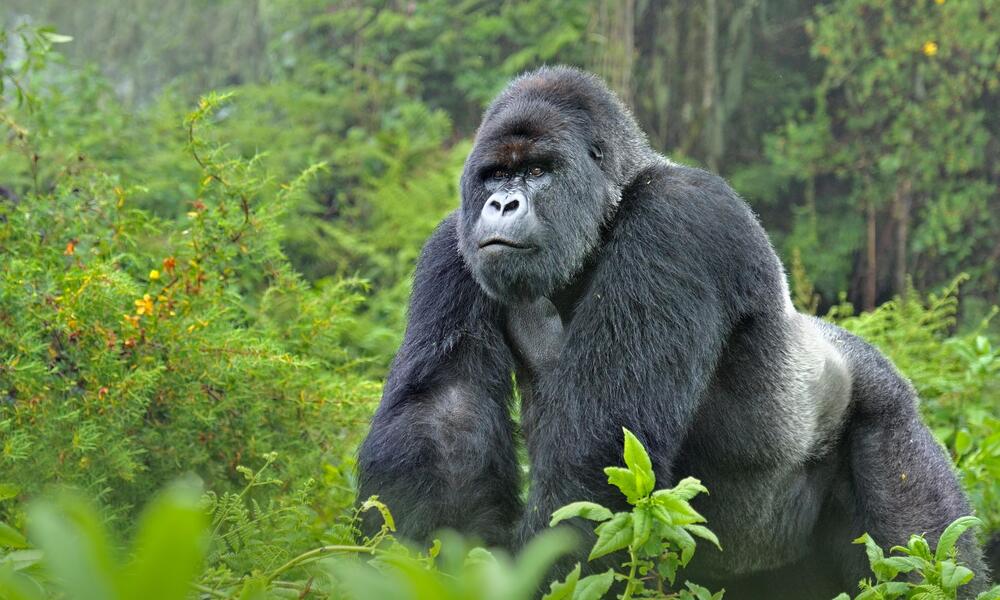
A majestic silverback gorilla in its natural rainforest habitat
The gorilla (Gorilla gorilla and Gorilla beringei) is the largest primate on Earth, inhabiting the dense rainforests of central Africa. These magnificent creatures are known for their intelligence, strength, and complex social behavior. Gorillas live in groups called troops, led by a dominant silverback male. The silverback is responsible for protecting the troop and making decisions about foraging and movement.
Gorillas are primarily herbivores, feeding on leaves, stems, fruits, and insects. They are highly selective eaters, choosing only the most nutritious parts of plants. Gorillas are incredibly strong and can easily break branches and uproot trees. They build nests on the ground or in trees to sleep in at night. There are two species of gorilla: the western gorilla and the eastern gorilla. Both species are critically endangered due to habitat loss, poaching, and disease. Conservation efforts are crucial to protect these magnificent primates and their fragile rainforest habitat. The gorilla is a powerful symbol of the African rainforest and a reminder of the importance of preserving biodiversity.
Diverse Habitats: Where African Animals Thrive
Africa is a continent of staggering contrasts, a land where the earth breathes with life in a multitude of forms. It’s not simply a single landscape, but a mosaic of ecosystems, each uniquely suited to nurture a breathtaking array of animals of africa. To truly understand African wildlife, we must delve into the diverse habitats that shape their existence, their behaviors, and their very survival. These aren’t just backdrops; they are integral characters in the ongoing story of life on this remarkable continent. From the sun-drenched grasslands to the shadowy depths of the rainforest, each habitat presents its own challenges and rewards, fostering an incredible level of adaptation and resilience in the animals from africa that call it home.
The Savanna: A Landscape of Endless Grasslands

The vast expanse of the African savanna a quintessential image of Africa
The savanna, perhaps the most iconic African landscape, stretches across vast swathes of eastern and southern Africa. It’s a world of rolling grasslands dotted with scattered acacia trees, baobabs, and other drought-resistant vegetation. This isn’t a uniform expanse, however. Savannas range from dry, sparsely wooded grasslands to more fertile areas with denser tree cover. The defining characteristic is the distinct wet and dry seasons, which profoundly influence the lives of the animals in africa that inhabit it.
The wet season brings a burst of life. Grasses flourish, providing sustenance for massive herds of herbivores like zebras, wildebeest, and gazelles. These migrations, often numbering in the millions, are a spectacle of nature, driven by the search for fresh grazing. Following closely behind are the predators – lions, leopards, cheetahs, and hyenas – who rely on these herds for their survival. The savanna is a stage for a constant drama of life and death, a delicate balance maintained by the interplay between predator and prey.
But the savanna isn’t just about the large mammals. It’s a haven for a multitude of birds, reptiles, and insects. Secretary birds, with their distinctive crests, stalk through the grasslands, hunting snakes and other small creatures. Termites build massive mounds that dot the landscape, playing a crucial role in soil aeration and nutrient cycling. The savanna is a complex ecosystem, where every organism, no matter how small, contributes to the overall health and stability of the environment.
The acacia trees themselves are a testament to the savanna’s harsh conditions. Their deep roots tap into underground water sources, while their thorny branches provide protection from herbivores. They offer shade and shelter, creating microhabitats for a variety of smaller animals. The baobab, often called the “tree of life,” is another iconic savanna species, capable of storing vast amounts of water in its massive trunk, allowing it to survive prolonged droughts.
The savanna’s open landscape also makes it vulnerable to human encroachment. Habitat loss due to agriculture and livestock grazing is a major threat to savanna wildlife. Poaching, particularly for ivory and bushmeat, continues to decimate populations of elephants, rhinos, and other species. Conservation efforts, such as the establishment of national parks and reserves, are crucial for protecting this vital ecosystem and the incredible animals of africa that depend on it.
The Rainforest: A Realm of Biodiversity

The lush dense canopy of the African rainforest teeming with life
In stark contrast to the open grasslands of the savanna, the African rainforests are a world of dense vegetation, high humidity, and incredible biodiversity. Found primarily in Central and West Africa, these rainforests are among the most species-rich ecosystems on Earth. They are a realm of perpetual twilight, where sunlight struggles to penetrate the dense canopy of trees.
The rainforest is home to a unique assemblage of animals from africa, many of which are found nowhere else on the planet. Gorillas, the largest primates, roam the forest floor in family groups, feeding on leaves, fruits, and insects. Chimpanzees, our closest living relatives, swing through the trees, using tools to forage for food. Okapi, a relative of the giraffe, with its striking striped legs, inhabits the understory, browsing on leaves and buds.
The rainforest canopy is a world unto itself, teeming with life. Monkeys leap through the branches, birds of paradise display their vibrant plumage, and insects of every imaginable shape and size buzz through the air. The rainforest is a symphony of sounds – the calls of monkeys, the chirping of insects, the rustling of leaves – a constant reminder of the incredible life that surrounds you.
The rainforest’s high rainfall and warm temperatures create ideal conditions for plant growth. Trees grow to towering heights, forming a dense canopy that blocks out much of the sunlight. This has led to the evolution of specialized plants, such as epiphytes, which grow on the branches of other trees, and lianas, which climb towards the sunlight. The rainforest floor is covered in a thick layer of leaf litter, which decomposes rapidly, releasing nutrients back into the soil.
However, the African rainforests are facing unprecedented threats. Deforestation, driven by logging, agriculture, and mining, is destroying vast areas of rainforest habitat. This habitat loss is pushing many species towards extinction. Poaching also poses a significant threat, particularly to gorillas and chimpanzees, who are hunted for bushmeat. Conservation efforts, such as sustainable forestry practices and the establishment of protected areas, are essential for preserving these irreplaceable ecosystems and the animals of africa that call them home.
The Desert: Adapting to Aridity
The African deserts, such as the Sahara, the Namib, and the Kalahari, represent some of the most challenging environments on Earth. Characterized by extreme temperatures, scarce rainfall, and limited vegetation, these landscapes demand remarkable adaptations from the animals of africa that manage to survive there.
Life in the desert is all about conserving water. Camels, often referred to as the “ships of the desert,” are perfectly adapted to survive long periods without water, storing fat in their humps that can be metabolized to produce water. Fennec foxes, with their large ears, radiate heat and listen for prey beneath the sand. Addax antelopes can survive for months without drinking, obtaining moisture from the plants they eat.
Desert animals have also developed behavioral adaptations to cope with the harsh conditions. Many are nocturnal, becoming active during the cooler night hours. Others seek shelter in burrows or rock crevices during the day. Some, like the desert monitor lizard, can change color to regulate their body temperature.
The vegetation in the desert is sparse and specialized. Cacti and other succulents store water in their stems and leaves. Acacia trees have deep roots that tap into underground water sources. The desert landscape may appear barren, but it is home to a surprising diversity of life, including reptiles, insects, and birds.
However, even the seemingly resilient desert ecosystems are facing threats. Climate change is exacerbating drought conditions, making it even more difficult for animals to survive. Overgrazing by livestock is degrading desert vegetation, leading to habitat loss. Poaching also poses a threat to some desert species. Conservation efforts, such as sustainable grazing practices and the protection of water sources, are crucial for preserving these fragile ecosystems and the animals of africa that have adapted to thrive in them.
The Wetlands: Life Along the Water’s Edge
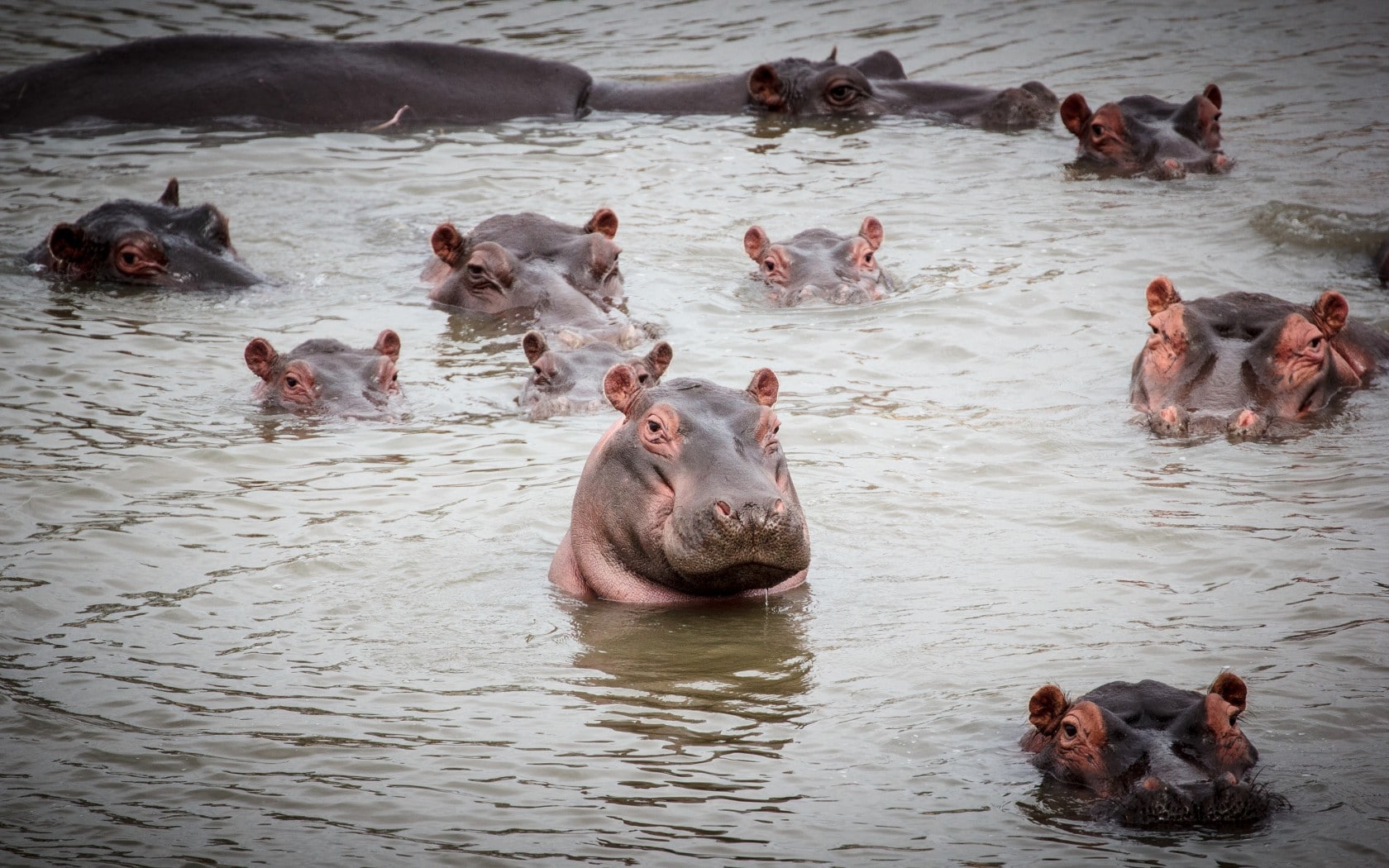
The vibrant ecosystem of an African wetland a haven for diverse wildlife
Africa’s wetlands – including swamps, marshes, floodplains, and coastal lagoons – are often overlooked, yet they are incredibly important ecosystems, supporting a remarkable diversity of life. These areas are transition zones between land and water, providing essential habitat for a wide range of animals of africa.
Wetlands are particularly important for waterbirds, such as flamingos, pelicans, and storks, who rely on these areas for feeding and breeding. Hippopotamuses spend much of their time in the water, keeping cool and protecting their sensitive skin from the sun. Crocodiles lurk in the shallows, waiting to ambush unsuspecting prey.
Wetlands also provide important breeding grounds for fish and amphibians. They act as natural filters, purifying water and reducing the risk of flooding. They are also important sources of food and water for local communities.
The Okavango Delta in Botswana is one of the largest inland deltas in the world, a vast network of waterways, lagoons, and islands. It’s a haven for wildlife, including elephants, lions, leopards, and countless bird species. The Sudd in South Sudan is another massive wetland, supporting a unique ecosystem adapted to the fluctuating water levels.
However, African wetlands are facing increasing threats. Habitat loss due to drainage for agriculture and development is a major concern. Pollution from agricultural runoff and industrial waste is degrading water quality. Climate change is altering rainfall patterns, leading to droughts and floods. Conservation efforts, such as the designation of Ramsar sites (wetlands of international importance) and the implementation of sustainable water management practices, are essential for protecting these vital ecosystems and the animals of africa that depend on them.
The Challenges Facing African Wildlife
The vibrant tapestry of animals of Africa is under immense pressure. While the majestic creatures and breathtaking landscapes captivate the world, a darker reality unfolds beneath the surface – a struggle for survival against forces both ancient and modern. The challenges facing African wildlife are complex, interconnected, and demand urgent attention. It’s not simply about protecting individual species; it’s about preserving entire ecosystems and the delicate balance of life they support. This section delves into the most pressing threats – poaching, habitat loss, and climate change – and explores the crucial conservation efforts underway to safeguard Africa’s incredible natural heritage.
The Threat of Poaching: Ivory and Horns

A heartbreaking scene an elephant victim of poaching for its ivory tusks
Poaching, the illegal hunting of animals, remains a devastating scourge on African wildlife. While historically driven by the demand for trophies, today it’s overwhelmingly fueled by the lucrative black market for ivory and rhino horn. The demand originates primarily from Asian countries, where ivory is carved into ornamental objects and rhino horn is falsely believed to possess medicinal properties. This demand translates into a brutal reality for elephants and rhinos, pushing them towards the brink of extinction.
The scale of the problem is staggering. Tens of thousands of African elephants are killed each year for their tusks. The Great Elephant Census, conducted in 2016, revealed a 20% decline in the African elephant population between 2006 and 2016 – a loss of over 144,000 individuals. The situation is even more dire for rhinos. Both black and white rhino populations have been decimated by poaching, with the black rhino being particularly vulnerable. In South Africa, the epicenter of rhino poaching, hundreds of rhinos are killed annually.
The methods employed by poachers are increasingly sophisticated, utilizing advanced weaponry, technology, and organized criminal networks. They often operate with impunity, bribing local officials or intimidating communities. The impact extends beyond the immediate loss of animals. Poaching disrupts ecosystems, destabilizes communities, and fuels corruption. It also has a profound psychological impact on rangers and conservationists who risk their lives daily to protect these magnificent creatures.
The fight against poaching requires a multi-pronged approach. This includes strengthening law enforcement, increasing penalties for poachers, disrupting trafficking networks, and reducing demand for ivory and rhino horn. Crucially, it also involves empowering local communities to become active participants in conservation efforts, providing them with economic incentives to protect wildlife rather than exploit it. Community-based anti-poaching units, equipped and trained to patrol their own lands, are proving to be remarkably effective. Furthermore, innovative technologies like DNA tracking of ivory and rhino horn are helping to trace the origins of illegal products and identify poaching hotspots. The future of these iconic animals from Africa hinges on our ability to dismantle the criminal networks driving this devastating trade.
Habitat Loss: The Impact of Human Expansion
As the human population of Africa continues to grow, the demand for land for agriculture, settlements, and infrastructure increases exponentially. This leads to widespread habitat loss, one of the most significant threats to African wildlife. Forests are cleared, grasslands are converted into farmland, and wetlands are drained, leaving animals with shrinking ranges and diminishing resources.
The impact of habitat loss is far-reaching. It fragments populations, reducing genetic diversity and making animals more vulnerable to disease and environmental changes. It also increases human-wildlife conflict, as animals are forced to venture into human-dominated landscapes in search of food and water. This can lead to crop raiding, livestock predation, and even attacks on humans, resulting in retaliatory killings.
The conversion of forests into agricultural land is particularly devastating. The Congo Basin rainforest, the second largest rainforest in the world, is under immense pressure from logging, farming, and mining. This rainforest is home to a remarkable array of species, including gorillas, chimpanzees, and forest elephants. Its destruction not only threatens these animals but also contributes to climate change by releasing vast amounts of carbon dioxide into the atmosphere.
Similarly, the expansion of agriculture in the savanna ecosystems of East Africa is impacting the migration routes of wildebeest and zebras, disrupting the delicate balance of the ecosystem. The construction of roads and fences further fragments habitats, preventing animals from accessing vital resources.
Addressing habitat loss requires sustainable land-use planning, promoting agricultural intensification to increase yields on existing farmland, and establishing protected areas to safeguard critical habitats. Corridors connecting fragmented habitats are also essential, allowing animals to move freely and maintain genetic diversity. Furthermore, empowering local communities to manage their natural resources sustainably is crucial. This can involve promoting ecotourism, supporting sustainable agriculture practices, and providing alternative livelihoods that do not rely on habitat destruction. The preservation of animals in Africa is inextricably linked to the preservation of their homes.
Climate Change: A Growing Concern
Climate change is no longer a future threat; it is a present reality for African wildlife. Rising temperatures, changing rainfall patterns, and increased frequency of extreme weather events are already having a profound impact on ecosystems and the animals that inhabit them.
Prolonged droughts are becoming more common in many parts of Africa, leading to water scarcity, food shortages, and increased mortality rates among wildlife. The iconic wildebeest migration in the Serengeti, for example, is being disrupted by changing rainfall patterns, making it more difficult for animals to find food and water.
Rising temperatures are also impacting breeding cycles and increasing the risk of heat stress, particularly for young animals. Changes in vegetation patterns are altering food availability, forcing animals to adapt or migrate. The coral reefs off the coast of East Africa are particularly vulnerable to rising ocean temperatures and acidification, threatening the marine ecosystems they support.
The impact of climate change is not uniform across Africa. Some regions are experiencing increased rainfall and flooding, while others are facing more severe droughts. This variability makes it difficult to predict the long-term consequences for wildlife.
Mitigating the effects of climate change requires a global effort to reduce greenhouse gas emissions. However, African countries can also take steps to adapt to the changing climate. This includes investing in water management infrastructure, promoting drought-resistant crops, and restoring degraded ecosystems. Creating climate-resilient landscapes, where wildlife can thrive despite the changing conditions, is essential. Furthermore, monitoring wildlife populations and tracking their responses to climate change is crucial for informing conservation strategies. The future of animals of Africa depends on our ability to address this global challenge.
Conservation Efforts: Protecting Africa’s Heritage

Dedicated wildlife rangers protecting African animals from poaching and habitat loss
Despite the daunting challenges, there is hope for African wildlife. A dedicated network of conservation organizations, governments, and local communities are working tirelessly to protect Africa’s natural heritage. These conservation efforts take many forms, ranging from anti-poaching patrols and habitat restoration to community-based conservation programs and scientific research.
National parks and reserves play a crucial role in safeguarding wildlife populations. However, these protected areas are often underfunded and understaffed, making them vulnerable to poaching and encroachment. Strengthening the capacity of park rangers, providing them with adequate training and equipment, and increasing funding for conservation are essential.
Community-based conservation programs are gaining increasing recognition as a vital component of successful conservation strategies. These programs empower local communities to manage their natural resources sustainably, providing them with economic incentives to protect wildlife. Ecotourism, for example, can generate revenue for local communities while promoting conservation.
Scientific research is also crucial for informing conservation efforts. Monitoring wildlife populations, studying their behavior, and understanding the threats they face are essential for developing effective conservation strategies. Advances in technology, such as satellite tracking and DNA analysis, are providing valuable insights into the movements and genetics of African wildlife.
International collaboration is also essential. Organizations like the World Wildlife Fund (WWF), the Wildlife Conservation Society (WCS), and the African Wildlife Foundation (AWF) are working with governments and local communities across Africa to implement conservation programs. The Convention on International Trade in Endangered Species (CITES) plays a vital role in regulating the trade in endangered species.
The fight to protect African wildlife is a long and arduous one, but it is a fight worth fighting. The future of these magnificent creatures, and the ecosystems they inhabit, depends on our collective commitment to conservation. The preservation of these animals of Africa is not just a matter of environmental responsibility; it is a matter of preserving a vital part of our planet’s natural and cultural heritage.
Fascinating Facts: Discovering African Animal Wonders
Africa, a continent brimming with life, holds a special place in the hearts of wildlife enthusiasts worldwide. Beyond the majestic landscapes and the thrill of a safari, lies a world of incredible adaptations, surprising behaviors, and captivating stories about the animals of Africa. This section delves into the lesser-known aspects of African wildlife, aiming to inspire a deeper appreciation and understanding of these remarkable creatures. We’ll explore the ingenious ways they’ve evolved to survive, uncover some of their hidden habits, and share fun facts that will ignite the imagination of young explorers and seasoned adventurers alike.
Amazing Adaptations: Unique Survival Strategies
The African wilderness is a harsh teacher, and only the most adaptable survive. The animals from Africa have evolved an astonishing array of strategies to cope with the challenges of their environments, from scorching deserts to dense rainforests. These aren’t just physical traits; they’re complex behaviors, intricate social structures, and even physiological mechanisms that allow them to thrive where others would perish.
Consider the giraffe, the tallest mammal on Earth. Its height isn’t just for show; it’s a crucial adaptation for reaching the highest leaves on acacia trees, a food source unavailable to most other herbivores. But the adaptation doesn’t stop there. Giraffes have a specialized circulatory system with incredibly high blood pressure to pump blood all the way up their long necks, and unique valves in their veins to prevent blood from rushing to their heads when they lower them to drink.
Then there’s the fennec fox, a tiny creature perfectly suited to the scorching Sahara Desert. Its enormous ears aren’t just for excellent hearing – they also act as radiators, dissipating heat and keeping the fox cool in the extreme temperatures. Its thick fur protects it from the sun during the day and provides warmth at night, and its kidneys are adapted to conserve water, allowing it to survive for long periods without drinking.
The African elephant, the largest land animal, boasts a multitude of adaptations. Its trunk, a fusion of nose and upper lip, is a versatile tool used for breathing, smelling, drinking, grasping, and even communicating. Its large ears aren’t just for hearing; they’re also used to regulate body temperature, flapping them to create a cooling breeze. And its thick skin, while appearing vulnerable, is surprisingly sensitive and helps protect it from the sun and insects. The elephants’ feet are also uniquely adapted, acting like shock absorbers to distribute their immense weight.
Even seemingly simple adaptations can be incredibly effective. The zebra’s stripes, for example, have long been debated. While once thought to be camouflage, recent research suggests they may serve as a deterrent to biting flies, disrupting their vision and reducing the risk of disease transmission.
The thorny devil lizard of the Namib Desert is another master of adaptation. Its body is covered in conical spines that deter predators and collect dew, which it channels to its mouth through capillary action. It can also change color to blend in with its surroundings, further enhancing its camouflage. These are just a few examples of the incredible ingenuity of nature, showcasing how animals in Africa have evolved to overcome the challenges of their environments.
Little-Known Behaviors: Unveiling Animal Secrets
Beyond the obvious adaptations, African animals exhibit a range of fascinating and often surprising behaviors that reveal a hidden complexity to their lives. These behaviors are often subtle, requiring careful observation and scientific investigation to uncover.
Lions, often portrayed as symbols of strength and dominance, display surprisingly cooperative behaviors. While the males are known for their impressive manes and territorial roars, the lionesses are the primary hunters, working together in coordinated teams to bring down prey. They also exhibit alloparenting, where females other than the mother help care for and protect the cubs. This communal care increases the cubs’ chances of survival.
Hyenas, often unfairly characterized as scavengers, are actually highly skilled hunters. They hunt in packs, using their powerful jaws and coordinated strategies to take down prey much larger than themselves. They also exhibit a complex social hierarchy, with females dominating the males. Their “laughing” vocalizations, often misinterpreted as malicious, are actually a form of communication used to express excitement or frustration.
The African wild dog, also known as the painted wolf, is another highly social predator. They live in packs led by an alpha pair, and they hunt cooperatively, chasing down prey with incredible endurance. They also exhibit a unique behavior called “rallying,” where the pack gathers together after a hunt to share food and reinforce social bonds.
Even the seemingly solitary leopard displays surprising behaviors. While they typically hunt alone, they are known to cache their kills in trees, protecting them from scavengers like hyenas and lions. They also communicate with each other through scent marking, leaving messages on trees and rocks to signal their presence and territory.
The meerkat, a small mongoose found in the deserts of southern Africa, is renowned for its sentry duty. One meerkat will stand guard on its hind legs, scanning the horizon for predators while the rest of the group forages for food. This cooperative behavior ensures the safety of the entire colony. They also exhibit a fascinating form of teaching, where adults introduce young meerkats to dangerous prey like scorpions, gradually teaching them how to handle them safely.
These are just glimpses into the hidden lives of African animals, revealing a level of intelligence, cooperation, and complexity that often goes unnoticed. Understanding these behaviors is crucial for effective conservation efforts, as it allows us to better protect their habitats and address the threats they face.
Fun Facts for Young Explorers: Inspiring Future Conservationists
Inspiring the next generation of conservationists is vital for ensuring the future of African wildlife. Sharing fun and engaging facts about these incredible creatures can spark a lifelong passion for nature and a commitment to protecting it.
Did you know that a giraffe’s tongue can be up to 20 inches long? It uses its long, prehensile tongue to strip leaves from thorny acacia trees, and its dark color protects it from sunburn!
Elephants are not only the largest land animals, but they also have the largest brains! They are incredibly intelligent and have complex emotions, just like humans. They use their ears to cool down in the heat, flapping them to create a breeze.
A lion’s roar can be heard from up to 5 miles away! This powerful roar is used to communicate with other lions and to defend their territory.
Zebras are not white with black stripes, but black with white stripes! The stripes help to confuse biting flies and may also play a role in thermoregulation.
Hippos spend most of their day in the water to stay cool, but they can’t actually swim! They walk or bounce along the bottom of rivers and lakes.
Cheetahs are the fastest land animals, capable of reaching speeds of up to 75 miles per hour! They have a flexible spine and non-retractable claws that help them grip the ground during high-speed chases.
Gorillas are the largest primates and share 98% of their DNA with humans! They are gentle giants and live in close-knit family groups.
The African fish eagle has an incredibly powerful grip, allowing it to snatch fish from the water with ease. Its call is often described as a piercing shriek.
These are just a few of the many fascinating facts about the animals of Africa. By sharing these stories and sparking curiosity, we can inspire young explorers to become passionate advocates for wildlife conservation. The future of these magnificent creatures depends on it. Learning about these animals is the first step towards protecting them, ensuring that future generations can experience the wonder and beauty of Africa’s incredible biodiversity.
A Legacy of Wildlife: Ensuring a Future for Africa’s Animals
The story of animals of Africa is not just a tale of majestic creatures roaming vast landscapes; it’s a narrative interwoven with the fate of humanity. For millennia, these animals have inspired awe, fueled cultures, and played a vital role in the ecological balance of the continent. But today, that legacy is under threat. Ensuring a future for Africa’s animals requires a multifaceted approach, a commitment to conservation that extends beyond borders and generations. It demands a shift in perspective – from viewing wildlife as a resource to be exploited to recognizing them as integral components of a shared planet.
The Weight of History: Human-Wildlife Interactions Through Time
The relationship between humans and animals from Africa has been complex and evolving. Indigenous communities across the continent have long coexisted with wildlife, often incorporating animals into their spiritual beliefs, traditional medicine, and sustainable hunting practices. These practices, honed over centuries, were largely in harmony with the environment. However, the arrival of colonial powers and the subsequent surge in commercial hunting dramatically altered this dynamic. The “Big Game” hunting era, fueled by European demand for trophies and exotic goods, decimated populations of elephants, rhinos, and lions.
This period marked a turning point, initiating a decline in wildlife numbers that continues to this day. The legacy of this exploitation is not merely a matter of historical record; it continues to shape conservation challenges today, influencing attitudes towards wildlife and hindering efforts to establish sustainable coexistence. Understanding this history is crucial to crafting effective conservation strategies.
The Modern Threats: A Cascade of Challenges
The threats facing African wildlife today are numerous and interconnected. Poaching, driven by the illegal wildlife trade, remains a significant concern. The demand for ivory, rhino horn, and bushmeat fuels a lucrative black market, incentivizing criminal networks and endangering iconic species. The scale of this problem is staggering. Every year, thousands of elephants are killed for their tusks, and rhinos are relentlessly targeted for their horns, falsely believed to possess medicinal properties.
Beyond poaching, habitat loss poses an existential threat. As human populations grow and agricultural land expands, wildlife habitats are fragmented and destroyed. Forests are cleared for timber and farmland, savannas are converted into grazing pastures, and wetlands are drained for development. This loss of habitat not only reduces the space available for animals to live but also disrupts their migration routes, breeding grounds, and access to essential resources.
Climate change is exacerbating these existing pressures. Shifting rainfall patterns, increased frequency of droughts, and rising temperatures are altering ecosystems and impacting wildlife populations. Animals are struggling to adapt to these rapidly changing conditions, leading to increased competition for resources, heightened vulnerability to disease, and even mass mortality events. The impact of climate change is particularly acute in arid and semi-arid regions, where water scarcity is already a major challenge.
Conservation in Action: A Beacon of Hope
Despite the daunting challenges, there is reason for hope. Across Africa, dedicated individuals and organizations are working tirelessly to protect wildlife and preserve their habitats. Conservation efforts take many forms, ranging from anti-poaching patrols and community-based conservation programs to habitat restoration and wildlife translocation projects.
National parks and reserves play a crucial role in safeguarding wildlife populations. These protected areas provide safe havens for animals to breed, feed, and migrate. However, simply establishing protected areas is not enough. Effective management is essential, including adequate funding, well-trained rangers, and robust law enforcement.
Community-based conservation programs are gaining increasing recognition as a vital component of long-term conservation success. These programs empower local communities to become stewards of their natural resources, providing them with economic incentives to protect wildlife and their habitats. By involving local people in conservation efforts, these programs foster a sense of ownership and responsibility, ensuring that conservation benefits both wildlife and people.
Innovative technologies are also playing an increasingly important role in conservation. Drones are being used to monitor wildlife populations, track poachers, and assess habitat damage. Satellite tracking allows researchers to follow the movements of animals, providing valuable insights into their behavior and ecology. DNA analysis is being used to identify the origin of illegally traded wildlife products, helping to crack down on poaching networks.
The Role of Ecotourism: A Sustainable Solution?
Ecotourism, when managed responsibly, can be a powerful tool for conservation. By generating revenue from wildlife viewing, ecotourism provides economic incentives for local communities to protect their natural resources. It also raises awareness about the importance of conservation and fosters a greater appreciation for animals in Africa.
However, ecotourism is not without its challenges. Uncontrolled tourism can disrupt wildlife behavior, damage habitats, and exacerbate existing social inequalities. It is crucial that ecotourism operations are carefully planned and managed to minimize their negative impacts and maximize their benefits for both wildlife and local communities. Sustainable ecotourism practices include limiting visitor numbers, promoting responsible wildlife viewing guidelines, and ensuring that a significant portion of tourism revenue is reinvested in conservation efforts.
The Future of Africa’s Wildlife: A Call to Action
The future of Africa’s wildlife hangs in the balance. The challenges are immense, but so too is the potential for positive change. Ensuring a future for these magnificent creatures requires a collective effort – a commitment from governments, conservation organizations, local communities, and individuals around the world.
We must strengthen law enforcement to combat poaching and the illegal wildlife trade. We must address the root causes of habitat loss by promoting sustainable land-use practices and investing in community development. We must mitigate the impacts of climate change by reducing greenhouse gas emissions and helping wildlife adapt to changing conditions.
But perhaps most importantly, we must change our mindset. We must recognize that animals of Africa are not merely commodities to be exploited but are integral components of a complex and interconnected ecosystem. We must embrace a vision of coexistence, where humans and wildlife can thrive together.
The legacy of Africa’s wildlife is a legacy worth fighting for. It is a legacy of beauty, wonder, and ecological integrity. It is a legacy that we have a moral obligation to protect for future generations. Let us rise to the challenge and ensure that the majestic creatures of Africa continue to roam free for centuries to come.
WildWhiskers is a dedicated news platform for animal lovers around the world. From heartwarming stories about pets to the wild journeys of animals in nature, we bring you fun, thoughtful, and adorable content every day. With the slogan “Tiny Tails, Big Stories!”, WildWhiskers is more than just a news site — it’s a community for animal enthusiasts, a place to discover, learn, and share your love for the animal kingdom. Join WildWhiskers and open your heart to the small but magical lives of animals around us!