






In recent years, the haunting silence left by species that have vanished forever has grown louder, echoing an urgent call to action. The phenomenon of animals recently extinct is not merely a list of names but a profound reminder of our planet’s fragility. As we delve into the stories of these lost species, such as the Western Black Rhinoceros and the Spix’s Macaw, we’re confronted with the stark reality of human influence—both direct and indirect—on these tragic disappearances. The effects ripple through ecosystems, altering biodiversity and impacting human communities worldwide. Yet, amidst the somber tales, there is hope and a path forward. By understanding the causes and consequences of these extinctions, we can harness the power of conservation efforts and global awareness to prevent further loss. Join us as we explore what it truly means to lose a species and why preserving biodiversity is essential for the health of our planet.
Understanding Recent Extinctions
Definition and Criteria for Recent Extinctions
The term “recently extinct” refers to species that have vanished from the wild in the last 50 years. This classification is crucial for understanding the rapid pace at which biodiversity is being eroded. Unlike historical extinctions, which occurred over millennia, recent extinctions are often directly or indirectly linked to human activities. The distinction is important because it highlights the urgent need for intervention and conservation efforts to prevent further losses. For a species to be considered recently extinct, scientists usually look at the last known sighting or evidence of the species in the wild. This timeline allows researchers to focus on the immediate impacts of human actions, such as habitat destruction, climate change, and poaching.
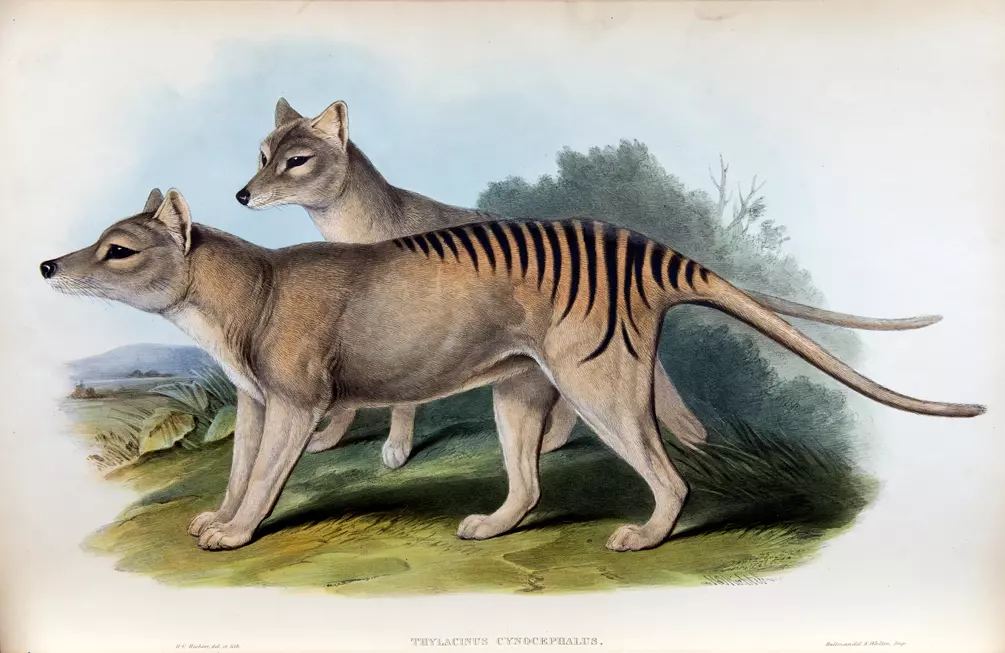
Illustration of recently extinct animals
Major Causes Behind Recent Extinctions
The causes behind recent extinctions are multifaceted, often intertwining natural and human-induced factors. One of the primary drivers is habitat destruction, which includes deforestation and urban development. As humans expand their territories, natural habitats are fragmented or completely obliterated, leaving species with nowhere to thrive. Climate change further exacerbates this issue by altering ecosystems faster than species can adapt.
Poaching and illegal wildlife trade have also played significant roles, especially in the extinction of iconic species like the Western Black Rhinoceros. The demand for animal products in the illegal market has driven many species to the brink. Meanwhile, pollution, in the form of plastics, chemicals, and oil spills, contaminates the natural habitats, making them uninhabitable for many species.
Lastly, the introduction of invasive species has disrupted local ecosystems. These non-native organisms often outcompete or prey on indigenous species, leading to declines and eventual extinctions. The story of the Spix’s Macaw, for instance, is a poignant example of how habitat loss, combined with illegal trade, led to its extinction in the wild.
Understanding these causes is essential for developing strategies to prevent future extinctions. By addressing the root causes of species loss, we can work towards a future where the list of animals recently extinct does not continue to grow.
Notable Animals That Have Recently Disappeared
In recent years, several animals recently extinct have captured global attention, not only for their unique place in the natural world but also for the stories behind their demise. These extinctions serve as poignant reminders of the fragility of biodiversity and the pressing need for conservation efforts.
The Case of the Western Black Rhinoceros
The Western Black Rhinoceros, once roaming the savannas of Central Africa, was officially declared extinct in 2011. This majestic creature fell victim to relentless poaching, driven by the high demand for rhino horns in the illegal wildlife trade. Poaching outpaced conservation efforts, with the rhino’s horn fetching exorbitant prices on the black market due to its purported medicinal properties. Despite efforts to protect them, the failure to address the root causes of poaching, combined with habitat destruction, led to the tragic loss of this subspecies. The extinction of the Western Black Rhinoceros highlights the critical need for stronger anti-poaching laws and international cooperation in wildlife conservation.

The Western Black Rhinoceros once roamed the African savannas
The Story of the Spix’s Macaw
The Spix’s Macaw, a vibrant blue parrot native to Brazil, was declared extinct in the wild in 2000. Its decline was primarily due to the destruction of its natural habitat—the gallery forests along the Rio São Francisco—as well as illegal trapping for the pet trade. The story of the Spix’s Macaw is not entirely without hope; captive breeding programs have been successful, and reintroduction efforts are underway. However, the survival of this species in the wild will depend on the preservation of its natural habitat and continued protection from illegal trade. The tale of the Spix’s Macaw underscores the importance of habitat conservation and sustainable land-use practices.

The Spixs Macaw is known for its striking blue plumage
The Tragic Loss of the Pinta Island Tortoise
The Pinta Island Tortoise, once native to Ecuador’s Galápagos Islands, became globally known through Lonesome George, the last of his kind. George’s death in 2012 marked the extinction of this subspecies. The decline was primarily caused by over-exploitation by whalers and pirates, as well as the introduction of non-native species that competed for food resources. Lonesome George became a symbol of the devastating impact humans can have on isolated ecosystems. His story has fostered increased awareness and efforts to protect other vulnerable species within the Galápagos.

Lonesome George the last Pinta Island Tortoise became a symbol of conservation
These stories of animals recently extinct illustrate the urgent need for comprehensive conservation strategies. Each extinction leaves a void in the ecosystem, disrupting the delicate balance of nature and impacting other species, including humans. By learning from these losses, we can strive to prevent future extinctions and preserve the planet’s rich biodiversity.
The Ecological Impact of Recent Extinctions
In recent years, the term animals recently extinct has become all too common in discussions about environmental conservation. The disappearance of species not only signifies the loss of unique genetic material and beauty from our planet but also triggers profound changes within ecosystems and human societies. Understanding these impacts is crucial for fostering a more sustainable future.
Changes in Ecosystems and Biodiversity
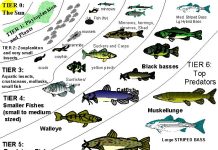
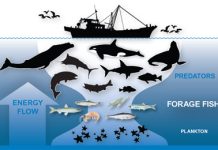
When a species goes extinct, its absence creates a ripple effect that can significantly alter the structure and function of ecosystems. Each species plays a specific role in its habitat, contributing to the delicate balance of food webs and ecosystem services. For instance, the extinction of pollinators like certain bees and butterflies can lead to the decline of plant species that rely on them, subsequently affecting herbivores and predators higher up the food chain. This domino effect can lead to reduced biodiversity, making ecosystems more vulnerable to diseases and environmental changes.
Moreover, the loss of keystone species, such as the Western Black Rhinoceros, which was declared extinct in 2011 due to poaching, can have catastrophic consequences. These species are crucial for maintaining the structure of their ecosystems. Without them, entire habitats can degrade, leading to a loss of biodiversity and ecosystem services that many other species, including humans, depend on.

Illustration of ecosystem changes following species extinction
Consequences for Human Populations
The extinction of species also has direct and indirect consequences for human populations. Ecosystem services such as clean air, water purification, and fertile soil are all maintained by complex interactions within the natural world. As animals recently extinct disrupt these systems, humans face increased challenges in securing these essential resources. For instance, the decline in fish populations due to the extinction of species like the Yangtze River Dolphin can lead to food insecurity and economic losses for communities reliant on fishing.
Furthermore, the loss of biodiversity can increase the prevalence of zoonotic diseases. Diverse ecosystems typically regulate disease-carrying organisms; however, when these ecosystems are destabilized, humans may experience higher exposure to pathogens. This was evident in the wake of the COVID-19 pandemic, which highlighted the intricate links between biodiversity and human health.
In sum, the ecological impact of recent extinctions extends far beyond the loss of individual species. It affects the very fabric of ecosystems and the services they provide, posing significant challenges to both the environment and human societies. Recognizing these impacts is a critical step in mobilizing efforts to prevent further losses and preserve the biodiversity that remains.
Lessons Learned from Recent Extinctions
The Role of Conservation Efforts
In the face of the alarming rise in animals recently extinct, conservation efforts have emerged as a critical response to curb further losses. These initiatives are not merely about saving individual species, but about maintaining the delicate balance of entire ecosystems. Conservation strategies encompass a variety of actions, from establishing wildlife reserves to enforcing stringent anti-poaching laws. For example, the creation of protected areas has proven successful in providing safe havens for endangered species, allowing them to recover and thrive without the threats of habitat destruction or human interference.
Moreover, conservation efforts often involve restoring degraded habitats, which can rejuvenate entire ecosystems and support a diverse range of species. A notable example is the reforestation projects in Brazil, which aim to restore the natural habitat of the Spix’s Macaw, a bird previously declared extinct in the wild. By reintroducing these birds into carefully protected areas, conservationists hope to revive their populations and prevent them from joining the list of animals recently extinct.

Conservationists working on reforestation projects in Brazil
The Importance of Global Awareness and Action
Global awareness and action are paramount in preventing further extinctions and addressing the root causes of biodiversity loss. It is vital for people worldwide to understand the impact of losing species and the cascading effects it has on ecosystems and human well-being. Awareness campaigns, educational programs, and media coverage play crucial roles in informing the public and inspiring collective action.
For instance, the story of the Western Black Rhinoceros, which was officially declared extinct in 2011 due to poaching, serves as a poignant reminder of the consequences of human actions. By bringing such stories to the forefront, society can be galvanized into action, supporting conservation efforts and advocating for stronger environmental policies. This global consciousness is crucial in fostering a sense of responsibility and urgency, motivating individuals and governments alike to act before more species are lost forever.

Global campaign raising awareness for wildlife conservation
In conclusion, while the loss of species is a grave reality, the lessons learned from animals recently extinct can guide us towards more effective conservation strategies and a more informed and engaged global community. By taking these lessons to heart, we can work towards a future where biodiversity flourishes and extinction becomes a rarity rather than a common occurrence.
Moving Forward: Preventing Future Extinctions
Strategies for Conservation and Preservation
In the face of mounting losses in biodiversity, it is imperative to adopt effective strategies for conservation and preservation. The extinction of species like the Western Black Rhinoceros and the Spix’s Macaw serves as stark reminders of the urgency needed. One of the most effective strategies is to establish and expand protected areas such as national parks and wildlife reserves. These areas provide safe havens for endangered species, shielding them from threats like poaching and habitat destruction.
Moreover, community involvement plays a crucial role in conservation efforts. Engaging local communities in sustainable practices ensures that conservation is not seen as a hindrance to livelihood but rather as a symbiotic relationship where both biodiversity and human populations thrive. Implementing educational programs about the importance of biodiversity can empower communities to become stewards of their own environments.
Additionally, enforcing stricter anti-poaching laws and enhancing surveillance in critical habitats can significantly reduce threats to vulnerable species. Restoring degraded ecosystems through reforestation and habitat rehabilitation also holds promise for reviving endangered populations and preventing further losses.
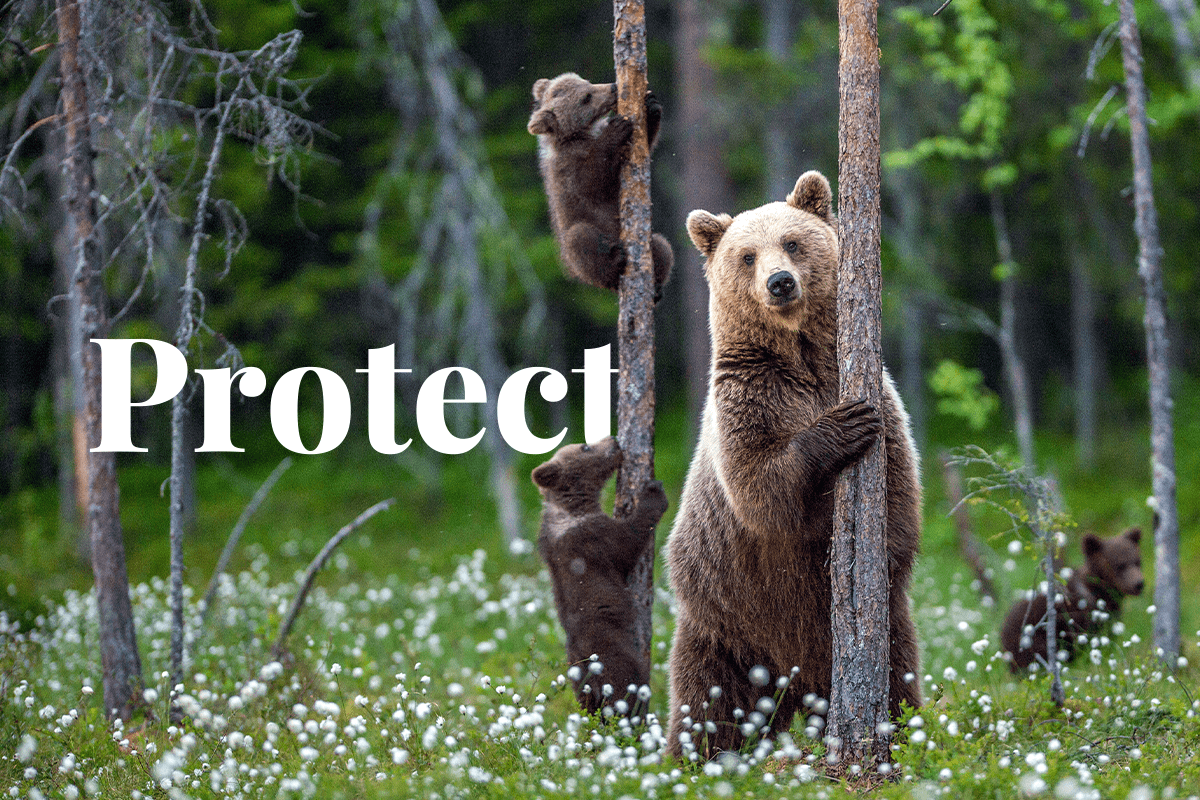
Protected wildlife reserve for forest conservation
The Role of Technology and Innovation
Technology and innovation are increasingly becoming vital tools in the fight against animal extinction. Advanced technologies like drones and satellite imagery are being used to monitor wildlife populations and track illegal activities such as poaching in real-time. These tools provide conservationists with critical data that can inform immediate action and long-term strategies.
Moreover, biotechnology offers groundbreaking possibilities. Techniques like DNA barcoding and genetic analysis allow scientists to better understand the genetics of threatened species, aiding in breeding programs and efforts to maintain genetic diversity. For instance, the successful reintroduction of the Spix’s Macaw into the wild was facilitated by meticulous genetic studies and controlled breeding programs.
Artificial Intelligence (AI) is also being harnessed to analyze massive datasets, predicting potential risks to various species by identifying patterns in climate change, habitat loss, and human activity. By anticipating these trends, conservationists can implement proactive measures to safeguard vulnerable species.
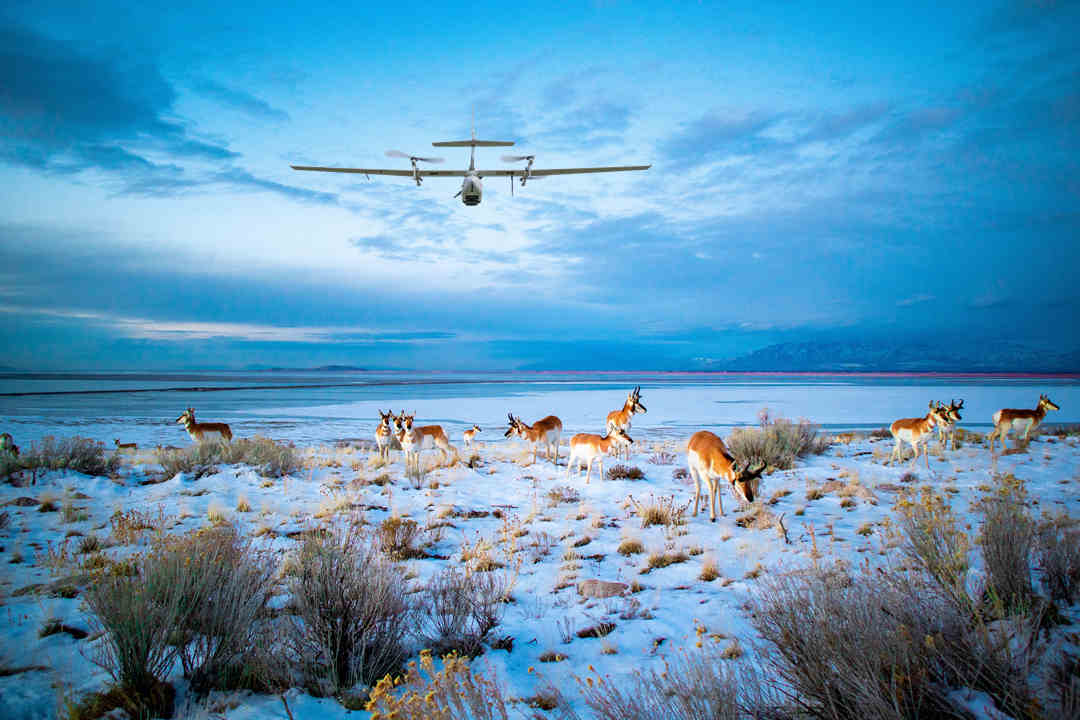
Drone used for monitoring wildlife in conservation efforts
As we move forward, integrating these strategies with technological advancements offers a beacon of hope. By combining traditional conservation methods with cutting-edge technology, we stand a better chance of preventing future extinctions and preserving the rich tapestry of life that our planet hosts. It is essential for global efforts to align, ensuring that initiatives to protect animals recently extinct do not become mere memorials, but rather, lessons leading to robust action.
Reflecting on the Importance of Biodiversity Conservation
In the intricate web of life, each thread represents a unique species, contributing to the overall stability and functionality of ecosystems. The recent extinctions of species like the Western Black Rhinoceros and the Spix’s Macaw are grave reminders of the fragility of our planet’s biodiversity. These animals recently extinct highlight the urgent need for biodiversity conservation—a mission that is not just about saving species but preserving the natural balance that sustains life on Earth.
Biodiversity provides invaluable services that we often take for granted. From the air we breathe to the food we eat, the diversity of life forms plays a crucial role in maintaining these essentials. For instance, forests, home to countless species, act as the lungs of our planet, absorbing carbon dioxide and releasing oxygen. The loss of even a single species can disrupt these processes, leading to unforeseen consequences for both ecosystems and human populations.

A vibrant rainforest teeming with diverse species
Furthermore, biodiversity is a source of innovation and inspiration. Many modern medicines are derived from plants and animals, underscoring the importance of preserving species that might hold the key to treating diseases. The extinction of the Pinta Island Tortoise, for example, signifies a loss of potential scientific discoveries that could have benefited humanity.
The cultural and aesthetic values of biodiversity cannot be overstated. Wildlife and natural landscapes inspire art, literature, and spirituality around the world. The recent disappearances of iconic species remind us of the emotional and cultural voids left in their absence. The case of the Yangtze River Dolphin, now functionally extinct, exemplifies this loss—not only a biological tragedy but a cultural one for the regions that celebrated this majestic creature.
To prevent more animals recently extinct, it is imperative to adopt a holistic approach to conservation. This involves not just protecting individual species but also addressing broader environmental threats like habitat destruction and climate change. Conservation efforts must be inclusive, engaging local communities and incorporating traditional knowledge alongside scientific research.
Our planet’s future depends on the steps we take today to conserve its rich tapestry of life. By promoting global awareness and action, we can ensure that future generations inherit a world where biodiversity thrives. It is a collective responsibility that requires commitment and innovation.
In conclusion, the importance of biodiversity conservation extends beyond the survival of individual species. It is about maintaining the delicate balance that supports all life on Earth. As we reflect on the recent extinctions and the lessons they impart, let us reaffirm our dedication to preserving the natural wonders of our world. Join us at WildWhiskers, where we celebrate the beauty and significance of every creature under the banner of “Tiny Tails, Big Stories!”
WildWhiskers is a dedicated news platform for animal lovers around the world. From heartwarming stories about pets to the wild journeys of animals in nature, we bring you fun, thoughtful, and adorable content every day. With the slogan “Tiny Tails, Big Stories!”, WildWhiskers is more than just a news site — it’s a community for animal enthusiasts, a place to discover, learn, and share your love for the animal kingdom. Join WildWhiskers and open your heart to the small but magical lives of animals around us!