










Have you ever paused, gazing into the still surface of a lake or watching a river rush by, and wondered what hidden worlds lie beneath? It’s easy to take for granted the incredible diversity of life thriving in these freshwater habitats, but the reality is, they’re teeming with some of the most fascinating creatures on Earth. This blog post is a deep dive – quite literally – into the captivating realm of aquatic animals found in freshwater environments.
We often think of oceans when we picture aquatic animals, conjuring images of whales and dolphins. But the freshwater ecosystems – our rivers, lakes, ponds, and streams – are equally vibrant and crucial, supporting a unique and often overlooked array of life. From the shimmering scales of a trout to the smooth skin of a salamander, these habitats are home to a breathtaking spectrum of adaptations and behaviors. Understanding what are aquatic animals and their roles is paramount to appreciating the delicate balance of our planet.
We’ll be exploring the unique characteristics of freshwater fish, uncovering the secrets of amphibians who master both land and water, and shining a spotlight on other noteworthy creatures like turtles and the playful otters. But it’s not just about marveling at their beauty; it’s about understanding the challenges they face. We’ll also delve into the threats to freshwater biodiversity and the vital conservation efforts underway to protect these precious ecosystems.
Ultimately, this is a celebration of the wonders of freshwater life, a reminder of the interconnectedness of all living things, and a call to action to ensure these incredible habitats – and the of aquatic animals that call them home – thrive for generations to come. Prepare to be amazed, enlightened, and hopefully, inspired to become a champion for freshwater conservation.
Introduction to Freshwater Habitats
Definition and Characteristics of Freshwater Habitats
The world is awash in water, but not all water is created equal. When we think of aquatic animals, our minds often drift to the vast, mysterious oceans. However, a significant portion of aquatic life thrives in environments far removed from the salty embrace of the sea – in freshwater habitats. But what exactly defines a freshwater habitat? Simply put, these are aquatic ecosystems containing water with a low salt concentration, typically less than 1%. This seemingly simple definition encompasses a breathtaking diversity of environments, each with its own unique characteristics and challenges.
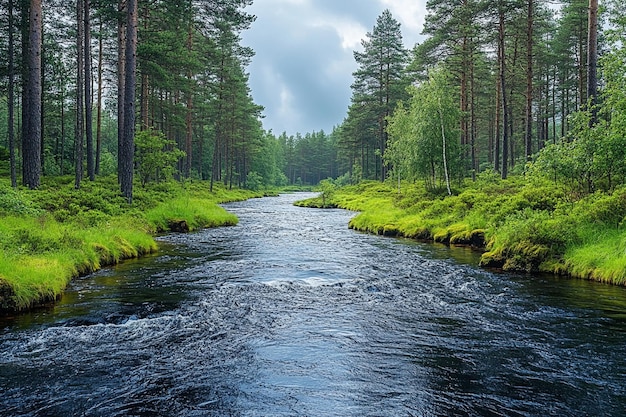
A pristine freshwater stream the lifeblood of a forest ecosystem
These habitats aren’t just static pools of water; they are dynamic systems constantly shaped by geological forces, climate, and the living organisms within them. Rivers and streams, for example, are characterized by flowing water, creating a unidirectional environment. The speed of the current dictates the types of organisms that can survive – from the clinging tenacity of blackfly larvae in fast-flowing rapids to the streamlined bodies of fish navigating the currents. The substrate, whether rocky, sandy, or muddy, also plays a crucial role, providing habitat and influencing water chemistry. Rivers often originate in mountainous regions, gaining energy and volume as they descend, eventually meandering through plains and depositing sediment before reaching their final destination – a lake, wetland, or the ocean.
Lakes and ponds, in contrast, are generally standing bodies of water. While appearing calmer, they are far from stagnant. Thermal stratification is a key characteristic, particularly in deeper lakes. During warmer months, the water separates into layers: a warm, oxygen-rich epilimnion at the surface, a thermocline (a zone of rapid temperature change), and a cold, often oxygen-depleted hypolimnion at the bottom. This stratification impacts nutrient distribution and the types of life that can thrive at different depths. Ponds, typically shallower than lakes, experience more uniform temperatures and greater light penetration, fostering abundant plant growth.
Wetlands, often overlooked, are among the most productive ecosystems on Earth. These areas, saturated with water either permanently or seasonally, include marshes, swamps, bogs, and fens. They act as natural sponges, absorbing floodwaters and recharging groundwater supplies. The vegetation in wetlands is highly adapted to waterlogged conditions, and these habitats provide crucial breeding grounds and nurseries for a vast array of aquatic animals. The chemistry of freshwater habitats is also incredibly important. Factors like pH, dissolved oxygen levels, and nutrient availability all influence the types of organisms that can survive. For instance, acidic waters can limit the diversity of life, while nutrient-rich waters can lead to algal blooms.
The physical characteristics of a freshwater habitat – flow rate, depth, substrate, temperature, and water chemistry – all interact to create a unique environment. Understanding these characteristics is fundamental to appreciating the incredible diversity of life that these habitats support. It’s a delicate balance, easily disrupted by human activities, and one that demands our attention and protection. The very definition of a healthy freshwater habitat is one that can sustain a thriving community of aquatic animals and plants, contributing to the overall health of the planet.
Importance of Freshwater Ecosystems
Beyond their intrinsic beauty and the fascinating creatures they harbor, freshwater ecosystems provide a wealth of essential services that are vital to human well-being. To underestimate their importance is to jeopardize our own future. The benefits they offer are far-reaching, impacting everything from our drinking water to our food security.
Perhaps the most fundamental service provided by freshwater ecosystems is the provision of freshwater itself. Rivers, lakes, and groundwater aquifers are the primary sources of drinking water for billions of people worldwide. These ecosystems act as natural filters, purifying water by removing pollutants and sediments. Wetlands, in particular, are incredibly effective at removing excess nutrients and toxins, improving water quality downstream. However, this natural filtration capacity is being overwhelmed by increasing pollution from agricultural runoff, industrial discharge, and urban development.
Freshwater ecosystems are also critical for food production. Fisheries, both commercial and recreational, rely heavily on healthy freshwater populations. Fish provide a significant source of protein for many communities, and the economic value of freshwater fisheries is substantial. Beyond fish, freshwater ecosystems support a variety of edible plants and invertebrates. Furthermore, freshwater is essential for agriculture, irrigating crops and sustaining livestock. The availability of clean, reliable freshwater is therefore directly linked to our ability to feed a growing global population.
But the importance of these ecosystems extends far beyond water and food. They play a crucial role in regulating climate. Wetlands, for example, act as carbon sinks, absorbing and storing large amounts of carbon dioxide from the atmosphere, helping to mitigate climate change. Forests surrounding freshwater habitats also contribute to climate regulation by absorbing carbon dioxide and releasing oxygen.
Furthermore, freshwater ecosystems provide essential ecosystem services such as flood control, erosion control, and nutrient cycling. Wetlands act as natural buffers, absorbing floodwaters and reducing the risk of damage to downstream communities. Vegetation along riverbanks helps to stabilize soil and prevent erosion. Microorganisms in freshwater ecosystems break down organic matter, releasing nutrients that support plant growth. These services are often taken for granted, but they are essential for maintaining the health and resilience of our landscapes.
The biodiversity found within freshwater ecosystems is also of immense value. These habitats are home to a remarkable array of aquatic animals – from tiny invertebrates to large fish, amphibians, reptiles, and mammals. This biodiversity is not only aesthetically pleasing but also provides important ecological functions. Different species play different roles in the ecosystem, contributing to its stability and resilience. Moreover, freshwater biodiversity holds potential for medical research and the discovery of new pharmaceuticals. Many compounds derived from freshwater organisms have shown promise in treating diseases.
The economic value of freshwater ecosystems is often underestimated. In addition to fisheries and agriculture, these ecosystems support tourism, recreation, and transportation. The aesthetic beauty of lakes and rivers attracts visitors, generating revenue for local communities. Recreational activities such as fishing, boating, and swimming provide economic benefits and enhance quality of life.
Protecting freshwater ecosystems is not just an environmental imperative; it is an economic and social necessity. The health of these ecosystems is inextricably linked to our own well-being. We must recognize the vital services they provide and take action to conserve and restore them for future generations. Ignoring their importance is a risk we simply cannot afford to take. The future of aquatic animals and the health of our planet depend on it.
Fascinating Freshwater Fish
Unique Traits of Freshwater Fish
Freshwater fish. Just the phrase conjures images of shimmering scales, darting movements, and the quiet serenity of rivers and lakes. But beyond the aesthetic appeal, these creatures are marvels of adaptation, sculpted by millennia of evolution to thrive in environments drastically different from the oceans. What truly sets them apart? It’s a complex interplay of physiological and behavioral traits, all geared towards maintaining life in water with low salt content.
One of the most fundamental challenges facing freshwater fish is osmoregulation. Unlike their marine counterparts who are constantly battling dehydration, freshwater fish live in an environment where water relentlessly tries to enter their bodies through osmosis. This is because the concentration of salt inside their bodies is higher than in the surrounding water. To combat this, they have evolved several ingenious mechanisms. Their kidneys are highly efficient at producing large volumes of dilute urine, effectively flushing out excess water. They also possess specialized cells in their gills, called chloride cells, which actively absorb salts from the water, replenishing those lost through urine and diffusion. It’s a constant balancing act, a testament to the power of natural selection.

Detailed view of freshwater fish gills showing chloride cells
Beyond osmoregulation, freshwater fish exhibit a remarkable diversity in their sensory systems. Many species possess a lateral line system, a series of pores running along their sides that detect vibrations and pressure changes in the water. This allows them to perceive their surroundings even in murky conditions, locate prey, and avoid predators. Think of it as an underwater sixth sense! Some species, like catfish, also have barbels – whisker-like appendages around their mouths – that are covered in taste buds, helping them locate food in the sediment.
Their swimming styles are equally diverse, reflecting the varied habitats they occupy. Some, like trout, are powerful swimmers, built for navigating fast-flowing rivers. Others, like carp, are more adapted to slower-moving waters, with bodies designed for maneuvering through vegetation. The shape of their fins, the musculature of their bodies, and even the distribution of their scales all contribute to their unique swimming capabilities.
And let’s not forget the incredible diversity in their reproductive strategies. Some freshwater fish are broadcast spawners, releasing their eggs and sperm into the water column, relying on chance encounters for fertilization. Others, like cichlids, are devoted parents, carefully guarding their eggs and fry. Still others build nests, providing a safe haven for their offspring. The sheer variety is astounding.
The world of freshwater fish is a microcosm of evolutionary ingenuity, a place where adaptation reigns supreme. Understanding these unique traits is crucial not only for appreciating their beauty and complexity but also for ensuring their survival in a rapidly changing world. The study of aquatic animals like these is vital for understanding the health of our planet.
Notable Freshwater Species: Trout, Carp, and More
Now, let’s dive into some specific examples of these fascinating creatures. We’ll start with the trout, a fish often associated with pristine mountain streams and the thrill of fly fishing. There are numerous species of trout, each adapted to specific environments. Rainbow trout ( Oncorhynchus mykiss), perhaps the most iconic, are known for their vibrant coloration and their ability to thrive in a wide range of conditions. Brown trout (Salmo trutta) are more elusive, preferring cooler, shaded waters. And brook trout (Salvelinus fontinalis) are native to eastern North America, prized for their delicate flavor and beautiful spotted patterns.
Trout are not just beautiful; they’re also indicators of water quality. Their sensitivity to pollution makes them valuable bioindicators, alerting us to potential problems in freshwater ecosystems. They are predatory fish, feeding on insects, crustaceans, and smaller fish, playing a crucial role in maintaining the balance of their ecosystems.
Next, we have the carp, a fish with a more complex history. Originally native to Asia, carp have been introduced to many parts of the world, becoming a staple food source in some cultures and a controversial invasive species in others. Common carp (Cyprinus carpio) are known for their robust bodies, their ability to tolerate poor water quality, and their tendency to stir up sediment while feeding. This sediment stirring can disrupt aquatic plant life and reduce water clarity.
However, carp are also incredibly adaptable and resilient. They can survive in environments where other fish would struggle, and they play a role in nutrient cycling. In some regions, they are actively managed as a food fish, providing a sustainable source of protein. The story of the carp is a reminder that the introduction of aquatic animals can have both positive and negative consequences.

A large common carp swimming in a murky pond
But the world of freshwater fish extends far beyond trout and carp. Consider the pike ( Esox lucius), a fearsome predator with a long, slender body and a mouth full of sharp teeth. Pike are ambush predators, lying in wait among vegetation before striking with lightning speed. They are a top predator in many freshwater ecosystems, helping to control populations of smaller fish.
Then there’s the catfish, a diverse group of fish characterized by their barbels and their bottom-dwelling habits. Catfish come in a wide range of sizes and shapes, from the tiny dwarf catfish to the massive Mekong giant catfish, one of the largest freshwater fish in the world. They are often nocturnal, using their barbels to locate food in the dark.
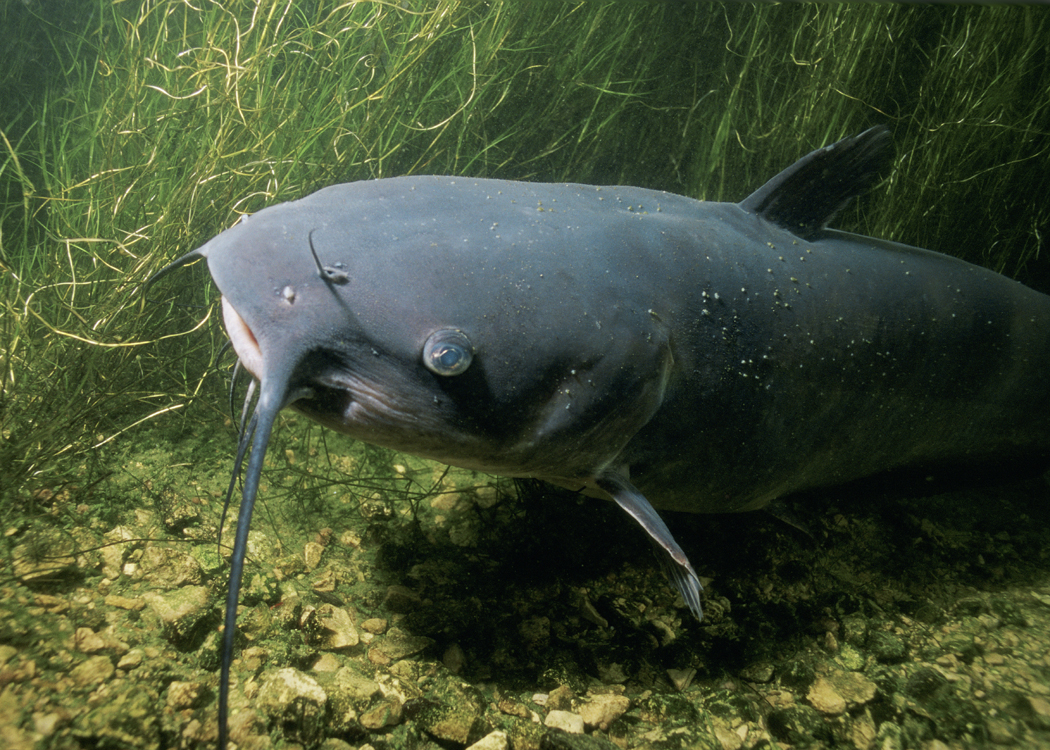
A channel catfish swimming in a clear freshwater river
And let’s not forget the perch (Perca fluviatilis), a popular sport fish known for its vibrant colors and its aggressive feeding behavior. Perch are schooling fish, often found in large groups. They are opportunistic feeders, consuming a variety of prey, including insects, crustaceans, and smaller fish.
The diversity of freshwater fish is truly remarkable. From the sleek trout to the robust carp, from the fearsome pike to the whiskered catfish, each species has its own unique adaptations and its own role to play in the intricate web of life that exists in freshwater ecosystems. The study of what are aquatic animals and their specific adaptations is a never-ending journey of discovery. The preservation of these species is paramount, as they are integral to the health and vitality of our planet. The future of these aquatic animals depends on our commitment to conservation and sustainable management practices.
Amphibians: Masters of Land and Water
The Dual Life of Amphibians
Amphibians. The very name, derived from the Greek amphibios meaning “both life,” hints at the extraordinary duality that defines this class of aquatic animals. They are creatures of two worlds, seamlessly transitioning between water and land, a feat that sets them apart and makes them utterly captivating. But this isn’t simply a matter of convenience; it’s a fundamental aspect of their biology, their life cycle, and their evolutionary history. To truly understand amphibians, we must delve into the intricacies of this “double life.”
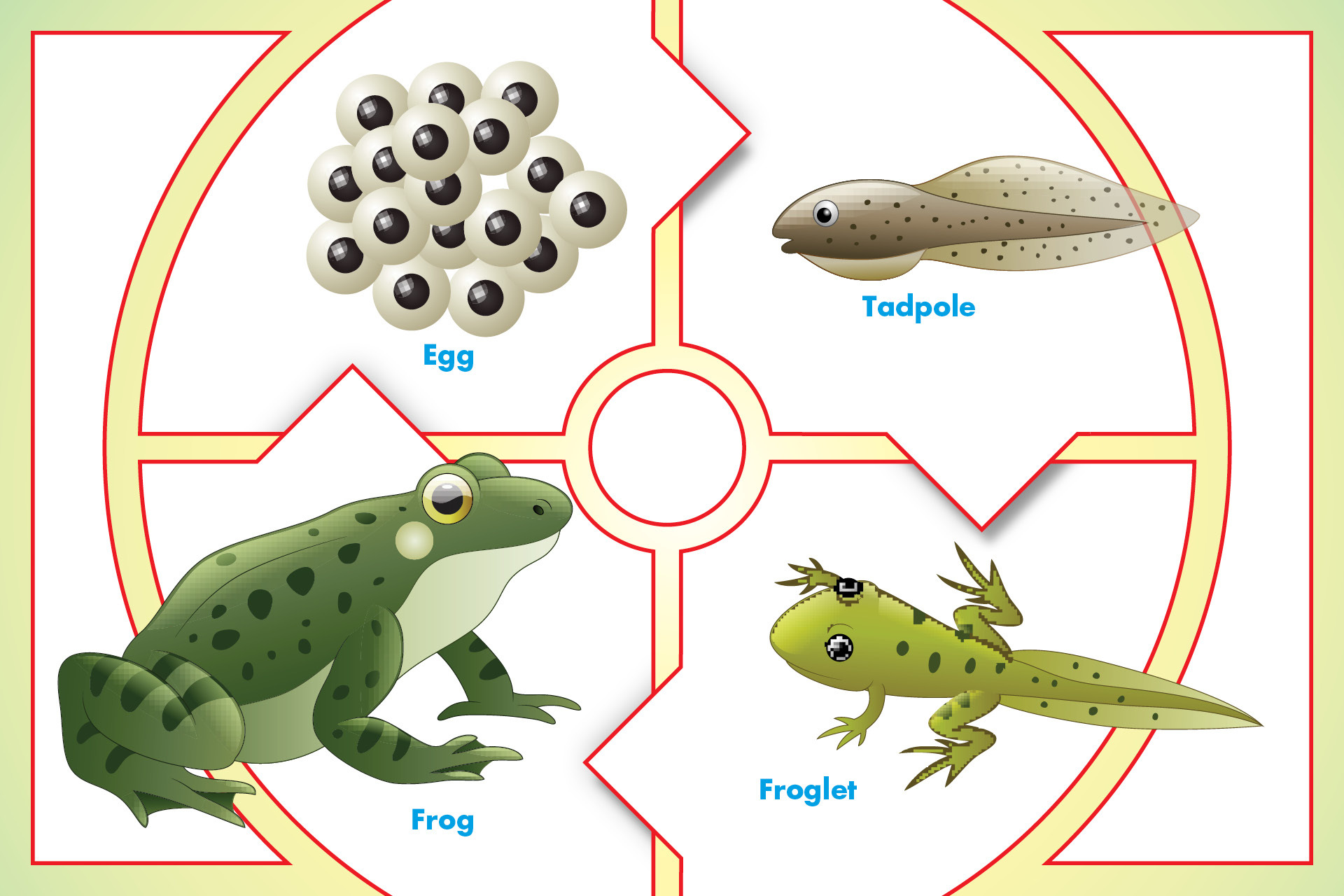
The remarkable metamorphosis of a frog showcasing its dual life stages
The story begins in water. Most amphibians lay their eggs in water – ponds, lakes, streams, even temporary puddles. These eggs, often gelatinous and lacking a hard shell, are vulnerable, relying on the aquatic environment for protection and hydration. From these eggs emerge larvae, most commonly known as tadpoles. Tadpoles are fundamentally aquatic creatures, bearing little resemblance to their adult forms. They possess gills for breathing underwater, a tail for propulsion, and typically feed on algae and other plant matter. They are, in essence, miniature fish, perfectly adapted to life in the water.
But this is just the first act. As the tadpole grows, a remarkable transformation begins – metamorphosis. This process, orchestrated by hormones, is one of the most dramatic events in the natural world. The tadpole’s body undergoes a radical restructuring. Gills are replaced by lungs (though many amphibians retain the ability to breathe through their skin), legs develop, the tail is gradually absorbed, and the digestive system adapts to a carnivorous diet. This isn’t a simple growth process; it’s a complete overhaul of the animal’s anatomy and physiology. It’s a testament to the power of evolution and the incredible plasticity of life.
The reasons behind this dual existence are rooted in evolutionary history. Amphibians were the first vertebrates to venture onto land, emerging from the water during the Devonian period, roughly 370 million years ago. However, they haven’t fully broken ties with their aquatic origins. Their skin, while allowing for cutaneous respiration (breathing through the skin), is permeable to water, meaning they are prone to dehydration in dry environments. This necessitates a return to water for reproduction and, in many cases, for maintaining hydration.
The degree to which amphibians rely on water varies significantly between species. Some, like the fully aquatic axolotl, retain their larval characteristics throughout their lives, never undergoing metamorphosis. Others, like many frogs, spend the majority of their adult lives on land, returning to water only to breed. And still others, like newts, have complex life cycles involving both aquatic and terrestrial phases. This diversity reflects the adaptability of amphibians and their ability to thrive in a wide range of habitats.
The dependence on both aquatic and terrestrial environments also makes amphibians particularly vulnerable to environmental changes. Pollution, habitat loss, and climate change all pose significant threats to their survival. The delicate balance of their dual life is easily disrupted, making them important indicators of environmental health.
Iconic Amphibians: Frogs, Salamanders, and Newts
The world of amphibians is incredibly diverse, boasting over 8,000 species found on every continent except Antarctica. While all share the defining characteristic of a dual life, they exhibit a remarkable range of adaptations, behaviors, and appearances. Among the most iconic groups are frogs, salamanders, and newts, each with its own unique charm and ecological role.
Frogs (Order Anura): The Jumping Jewels

A brightly colored poison dart frog showcasing the incredible diversity of frog species
Frogs are arguably the most recognizable amphibians, known for their powerful legs, bulging eyes, and distinctive croaks. They are found in a vast array of habitats, from tropical rainforests to arid deserts, and exhibit an astonishing diversity of colors and patterns. Some, like the poison dart frogs of South America, are brilliantly colored as a warning to potential predators, advertising their toxicity. Others, like the glass frogs of Central America, have translucent skin, allowing you to see their internal organs.
Frogs are primarily insectivores, playing a crucial role in controlling insect populations. Their long, sticky tongues are perfectly adapted for capturing prey, and their jumping ability allows them to quickly ambush unsuspecting insects. Many frog species also exhibit unique breeding behaviors, such as the male carrying eggs on its back or the complex courtship rituals involving vocalizations and displays. The sounds of frogs – the chorus of croaks, trills, and chirps – are often considered the soundtrack of wetlands and rainforests.
Salamanders (Order Caudata): The Elusive Amphibians
Salamanders are often overlooked, but they are equally fascinating. Unlike frogs, salamanders have elongated bodies, tails, and typically four limbs of roughly equal size. They are generally more secretive than frogs, preferring to live in moist environments such as forests, streams, and caves. Many salamander species are entirely aquatic, spending their entire lives underwater.
Salamanders are carnivores, feeding on insects, worms, and other small invertebrates. They capture prey using their sticky tongues, similar to frogs. Some salamander species, like the axolotl, possess the remarkable ability to regenerate lost limbs, a feat that has captivated scientists for decades. This regenerative ability holds immense potential for medical research.
Newts (Suborder Salamandridae): The Aquatic Salamanders

A male European newt displaying during breeding season showcasing its vibrant coloration
Newts are a type of salamander that exhibits a particularly strong affinity for water, especially during the breeding season. They often have rough, warty skin and a flattened tail that aids in swimming. Many newt species undergo a distinct aquatic phase during breeding, developing brighter colors and elaborate crests on their backs.
Newts are found in Europe, Asia, and North America. They are typically found in ponds, lakes, and slow-moving streams. Like other salamanders, they are carnivores, feeding on insects, worms, and other small invertebrates. Newts are also known for their toxicity, secreting poisonous substances from their skin as a defense mechanism.
These three groups – frogs, salamanders, and newts – represent just a fraction of the incredible diversity within the amphibian class. They are all vital components of their ecosystems, playing important roles in food webs and nutrient cycling. Their sensitivity to environmental changes makes them invaluable indicators of environmental health, and their unique adaptations and behaviors continue to inspire awe and wonder. Understanding these aquatic animals and their precarious existence is crucial for ensuring their survival in a rapidly changing world. The future of these masters of land and water depends on our commitment to conservation and a deeper appreciation for the delicate balance of nature.
Other Noteworthy Freshwater Creatures
Turtles and Their Adaptations
Turtles. The very word evokes images of ancient wisdom, slow and steady perseverance, and a connection to a primordial past. They are, without a doubt, some of the most recognizable and beloved aquatic animals inhabiting our freshwater ecosystems. But beyond their charming appearance lies a fascinating story of adaptation, resilience, and a surprisingly complex life history. Their existence stretches back over 200 million years – predating even the dinosaurs! – and they’ve managed to survive through massive geological shifts and environmental changes, a testament to their incredible evolutionary success.
The adaptations that allow turtles to thrive in freshwater environments are truly remarkable. Perhaps the most defining feature is, of course, their shell. This isn’t just a protective covering; it’s an integral part of their skeleton, fused to their ribs and vertebrae. The shell provides a formidable defense against predators, but it also presents challenges. It’s heavy, limiting speed and agility on land. Different species have evolved different shell shapes to suit their lifestyles. For example, the streamlined shells of snapping turtles allow them to move quickly through the water, while the more domed shells of box turtles offer greater protection from predators. The shell is composed of two main parts: the carapace (the upper shell) and the plastron (the lower shell). These are connected by a bony bridge. The patterns and colors on the shell can vary greatly, providing camouflage and even aiding in thermoregulation.
But the adaptations don’t stop at the shell. Turtles have evolved specialized respiratory systems. While they possess lungs and must surface to breathe, some species can also absorb oxygen through their cloaca – a multi-purpose opening used for excretion and reproduction. This is particularly useful for turtles that spend extended periods underwater. Their circulatory systems are also adapted to cope with prolonged dives, allowing them to slow their heart rate and conserve oxygen.
Dietary adaptations are equally fascinating. Turtles exhibit a wide range of feeding habits. Some are carnivores, preying on fish, insects, and crustaceans. Others are herbivores, consuming aquatic plants and algae. And still others are omnivores, enjoying a varied diet. Their beaks, while appearing toothless, are incredibly strong and sharp, perfectly suited for crushing shells, tearing flesh, or scraping algae off rocks. The shape of the beak often reflects the turtle’s diet.
Consider the painted turtle, one of the most common freshwater turtles in North America. Its diet shifts with age. Young painted turtles are primarily carnivorous, feeding on insects and small invertebrates. As they mature, they become more omnivorous, incorporating plants into their diet. This flexibility allows them to adapt to changing food availability.
The life cycle of a freshwater turtle is also noteworthy. Females typically lay their eggs on land, often in sandy or loamy soil. The number of eggs laid varies depending on the species. The temperature of the nest determines the sex of the hatchlings – a phenomenon known as temperature-dependent sex determination. Warmer temperatures generally produce females, while cooler temperatures produce males. This makes turtles particularly vulnerable to climate change, as rising temperatures could skew sex ratios and threaten population viability. Once hatched, the young turtles are on their own, facing a gauntlet of predators and environmental challenges. It can take many years for them to reach maturity, and some species can live for over 50 years, even exceeding 100 years in some cases.

A female turtle carefully burying her eggs ensuring the next generation
The diversity within freshwater turtles is astounding. From the massive alligator snapping turtle with its powerful jaws to the diminutive mud turtle hiding amongst the vegetation, each species has carved out its own niche in the freshwater ecosystem. Understanding these adaptations is crucial for appreciating the ecological role turtles play and for developing effective conservation strategies.
The Playful Nature of Otters
If turtles represent ancient wisdom and steadfastness, otters embody pure, unadulterated joy. These sleek, playful creatures are the acrobats of the freshwater world, captivating observers with their boundless energy and endearing antics. Watching an otter family frolic in a river or lake is a truly magical experience, a reminder of the wild beauty that still exists in our world. They are incredibly intelligent, social animals, and their behavior is far more complex than many people realize.

A family of river otters engaging in playful behavior showcasing their agility and social bonds
Otters belong to the Mustelidae family, which also includes weasels, badgers, and minks. There are 13 different species of otters found around the world, with the North American river otter being the most common in North America. They are perfectly adapted for an aquatic lifestyle. Their long, streamlined bodies, webbed feet, and powerful tails make them incredibly efficient swimmers. They can hold their breath for several minutes, allowing them to pursue prey underwater. Their dense fur provides insulation, keeping them warm even in cold water. This fur isn’t waterproof in the same way as a duck’s; instead, it relies on a dense undercoat and a special oil secreted by glands near the tail, which they meticulously groom to maintain its insulating properties.
But it’s not just their physical adaptations that make otters so successful. Their intelligence and social behavior are equally important. Otters live in family groups, called “romps,” which typically consist of a mother and her offspring. They are highly communicative, using a variety of vocalizations, scent markings, and body language to interact with each other. Play is a crucial part of their social bonding and skill development. They engage in playful wrestling, chasing, and sliding – often using mud banks or snow-covered slopes as natural water slides. These activities help them hone their hunting skills, strengthen their social bonds, and simply have fun!
Their diet consists primarily of fish, but they also eat crustaceans, amphibians, and other small animals. They are opportunistic hunters, using their sensitive whiskers to detect prey underwater. They often store food in underwater caches, returning to them later when food is scarce. This behavior demonstrates their foresight and planning abilities.

A river otter skillfully catching and consuming a fish underwater
Otters are also known for their tool use. They have been observed using rocks to crack open shellfish, demonstrating a level of cognitive ability rarely seen in aquatic animals. This behavior is learned from their mothers and passed down through generations.
The playful nature of otters isn’t just for entertainment; it also serves an important ecological function. As apex predators, they help regulate fish populations and maintain the health of freshwater ecosystems. Their presence is often an indicator of a healthy, thriving environment. However, otters face a number of threats, including habitat loss, pollution, and hunting. Historically, they were heavily hunted for their fur, leading to significant population declines. While populations have recovered in some areas, they remain vulnerable in others. Conservation efforts are crucial to ensure that these playful and intelligent creatures continue to grace our freshwater ecosystems for generations to come. The sheer joy they bring to those fortunate enough to witness them in their natural habitat is a testament to the importance of protecting these remarkable aquatic animals. They truly are ambassadors for the wonders of the freshwater world.
Conservation and the Future of Freshwater Species
Threats to Freshwater Biodiversity
The world’s freshwater ecosystems are facing an unprecedented crisis. It’s a sobering thought, isn’t it? To think that the very sources of life – the rivers, lakes, and wetlands – are under such immense pressure. We often hear about the plight of aquatic animals in the oceans, the coral bleaching, the plastic pollution, but the challenges facing freshwater biodiversity are arguably even more acute, and often less visible. It’s a silent struggle happening right in our backyards, and the consequences of inaction are dire.
One of the most significant threats is habitat loss and degradation. As human populations grow, so does the demand for land and water resources. Wetlands are drained for agriculture and urban development, rivers are dammed for hydroelectric power and irrigation, and forests are cleared, leading to increased sedimentation and runoff. These alterations fundamentally change the physical structure of freshwater habitats, destroying the breeding grounds, feeding areas, and shelter that aquatic animals rely on. Imagine a bustling city being demolished, leaving its inhabitants with nowhere to go – that’s essentially what’s happening to countless species.
Pollution is another major culprit. Agricultural runoff containing fertilizers and pesticides, industrial discharge, and untreated sewage all contribute to the contamination of freshwater sources. These pollutants can have a devastating impact on aquatic life. Excess nutrients from fertilizers cause algal blooms, which deplete oxygen levels in the water, creating “dead zones” where fish and other organisms cannot survive. Pesticides can accumulate in the food chain, harming predators at higher trophic levels. And emerging contaminants, like pharmaceuticals and microplastics, are increasingly being detected in freshwater ecosystems, with unknown long-term effects. It’s a chemical cocktail that’s slowly poisoning our waterways.
The introduction of invasive species is a particularly insidious threat. When non-native species are introduced into a freshwater ecosystem, they can outcompete native species for resources, prey on them, or introduce diseases. The impact can be catastrophic, leading to the decline or even extinction of native populations. Consider the case of the zebra mussel in the Great Lakes – a seemingly innocuous species that has caused billions of dollars in damage and disrupted the entire ecosystem. It’s a stark reminder that even seemingly small introductions can have far-reaching consequences.

Invasive zebra mussels disrupting a freshwater ecosystem
Climate change is exacerbating all of these threats. Rising water temperatures, altered precipitation patterns, and increased frequency of extreme weather events are all putting stress on freshwater ecosystems. Warmer water holds less oxygen, making it difficult for fish and other organisms to breathe. Changes in precipitation patterns can lead to droughts or floods, disrupting breeding cycles and damaging habitats. And extreme weather events, like hurricanes and floods, can cause widespread destruction and mortality. It’s a compounding crisis, where multiple stressors are interacting to create a perfect storm for freshwater biodiversity.
Overexploitation, particularly through overfishing and unsustainable harvesting, also plays a role. Many freshwater fish populations are already depleted due to excessive fishing pressure. And the demand for freshwater turtles and other aquatic animals for food, traditional medicine, and the pet trade is driving some species towards extinction. It’s a tragic irony that we are often consuming our way towards the loss of these incredible creatures.
Finally, we cannot overlook the impact of disease. Emerging infectious diseases are increasingly affecting freshwater fish and amphibians, often exacerbated by pollution and climate change. These diseases can cause mass mortality events, further decimating already vulnerable populations. It’s a hidden threat that’s often overlooked, but one that’s becoming increasingly important.
Efforts and Initiatives for Conservation
Despite the daunting challenges, there is hope. A growing number of individuals, organizations, and governments are working to protect and restore freshwater biodiversity. It’s a collective effort that requires a multifaceted approach, addressing the root causes of the threats and implementing effective conservation strategies.
Habitat restoration is a crucial component of any conservation plan. This can involve restoring degraded wetlands, removing dams to restore river flows, reforesting riparian zones to reduce sedimentation, and creating artificial habitats to provide refuge for aquatic animals. The goal is to recreate the conditions that allow freshwater ecosystems to thrive. For example, the removal of the Elwha Dam in Washington State, USA, was a landmark restoration project that resulted in the recovery of salmon populations and the revitalization of the entire ecosystem. It’s a powerful example of what can be achieved when we prioritize ecological restoration.
Pollution control is another essential step. This requires stricter regulations on industrial discharge, improved agricultural practices to reduce runoff, and investments in wastewater treatment infrastructure. Promoting sustainable agriculture, reducing pesticide use, and implementing best management practices for livestock can all help to minimize pollution. It’s about finding ways to balance human needs with the health of our waterways.
Invasive species management is a complex but necessary task. This can involve preventing the introduction of new invasive species through stricter biosecurity measures, controlling existing populations through physical removal, chemical control, or biological control, and restoring native habitats to make them more resistant to invasion. It’s a constant battle, but one that’s worth fighting.
Sustainable fisheries management is critical for ensuring the long-term health of freshwater fish populations. This involves setting catch limits based on scientific assessments, implementing fishing regulations to protect spawning grounds and vulnerable species, and promoting responsible fishing practices. It’s about ensuring that we can continue to enjoy the benefits of freshwater fisheries without depleting the resource.
Protected areas play a vital role in conserving freshwater biodiversity. Establishing national parks, wildlife refuges, and other protected areas can safeguard critical habitats and provide refuge for aquatic animals. However, protected areas are only effective if they are well-managed and adequately enforced. It’s about creating safe havens where freshwater ecosystems can flourish.
Raising awareness and educating the public about the importance of freshwater biodiversity is also crucial. Many people are unaware of the threats facing freshwater ecosystems and the vital role they play in our lives. By increasing public awareness, we can inspire people to take action and support conservation efforts. This can involve educational programs, outreach events, and media campaigns.
Furthermore, international cooperation is essential. Freshwater ecosystems often transcend national boundaries, requiring collaborative efforts to address shared threats. International treaties and agreements can help to coordinate conservation efforts and ensure the sustainable management of transboundary water resources.
Finally, research and monitoring are vital for understanding the status of freshwater biodiversity and tracking the effectiveness of conservation efforts. Ongoing research can help us to identify emerging threats, develop new conservation strategies, and assess the impact of climate change. It’s about using science to inform our conservation decisions.
The future of aquatic animals and freshwater ecosystems depends on our collective action. It’s a challenge that requires a long-term commitment, but one that is essential for ensuring the health of our planet and the well-being of future generations. We must remember that we are all interconnected, and the fate of freshwater ecosystems is inextricably linked to our own. It’s time to act, before it’s too late.
Appreciating the Wonders of Freshwater Life
Freshwater ecosystems, often overlooked in favor of their more glamorous marine counterparts, are teeming with life, beauty, and ecological importance. Taking the time to truly appreciate the wonders of freshwater life isn’t just about recognizing the existence of aquatic animals; it’s about understanding their intricate roles, the delicate balance they maintain, and the urgent need for their conservation. It’s about fostering a sense of wonder and responsibility towards these often-hidden worlds.
The Aesthetic Allure of Freshwater Environments
Let’s begin with the simple, yet profound, beauty of freshwater habitats. Think of a sun-dappled stream cascading over smooth stones, the gentle ripple of a lake at dawn, or the misty stillness of a marsh. These aren’t just pretty pictures; they are dynamic ecosystems brimming with life. The visual diversity is astounding. From the vibrant greens of aquatic plants – water lilies, reeds, and submerged vegetation – to the shimmering scales of fish, the iridescent wings of dragonflies, and the earthy tones of turtles basking on logs, freshwater environments offer a feast for the eyes.

Sunlight creating a magical atmosphere in a pristine freshwater stream
The sounds are equally captivating. The chorus of frogs on a warm evening, the buzzing of insects, the gentle lapping of water against the shore – these sounds create a symphony of nature that is both soothing and invigorating. Even the smells contribute to the experience: the earthy scent of damp soil, the fresh aroma of aquatic plants, and the clean, crisp smell of flowing water. These sensory experiences connect us to the natural world in a deeply personal way, fostering a sense of peace and tranquility. It’s easy to get lost in the moment, simply observing the interplay of light, water, and life. This aesthetic appreciation is the first step towards understanding the value of these ecosystems.
The Intricate Web of Life: Freshwater Ecosystem Dynamics
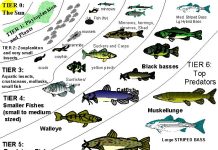
Beyond the surface beauty lies a complex web of interactions. Freshwater ecosystems are incredibly productive, supporting a vast array of aquatic animals and plants. The foundation of this productivity is often microscopic – phytoplankton and algae, which use sunlight to create energy through photosynthesis. These primary producers are then consumed by zooplankton, small invertebrates that form the base of the food chain.
From there, the energy flows upwards through a series of consumers. Insects, crustaceans, and mollusks feed on plants and algae, becoming food for larger invertebrates, fish, amphibians, reptiles, birds, and mammals. Predator-prey relationships are crucial for maintaining balance within the ecosystem. For example, trout and bass prey on smaller fish and insects, helping to control their populations. Otters, playful and charismatic, are apex predators, keeping populations of fish, crustaceans, and other animals in check.
Decomposers, such as bacteria and fungi, play a vital role in breaking down dead organic matter, releasing nutrients back into the ecosystem. This nutrient cycling is essential for sustaining life. Every organism, no matter how small, plays a role in this intricate dance of life. Disrupting one part of the web can have cascading effects throughout the entire system. Understanding these dynamics is crucial for effective conservation efforts. The question of what are aquatic animals is less important than understanding how they interact within their environment.
Stories from the Freshwater World: A Glimpse into Unique Adaptations
The animals that inhabit freshwater environments have evolved remarkable adaptations to thrive in these unique conditions. Consider the humble frog. Its life cycle is a testament to the adaptability of amphibians. Starting as an aquatic tadpole with gills, it undergoes metamorphosis to become a terrestrial adult with lungs. This dual life allows frogs to exploit both aquatic and terrestrial resources.
Then there are the fish. Trout, for example, possess a streamlined body shape and powerful tails for efficient swimming. Their scales provide protection, and their gills allow them to extract oxygen from the water. Carp, on the other hand, are bottom feeders, equipped with barbels – sensory organs that help them locate food in murky waters.
Turtles have developed strong shells for protection against predators. Some species, like snapping turtles, are ambush predators, lying in wait for unsuspecting prey. Otters, with their dense fur and webbed feet, are perfectly adapted for swimming and hunting in freshwater environments. They are incredibly playful animals, often seen sliding down muddy banks or juggling pebbles.
These are just a few examples of the incredible adaptations found in freshwater animals. Each species has its own unique set of characteristics that allow it to survive and thrive in its particular niche. These adaptations are a result of millions of years of evolution, and they are a testament to the power of natural selection.
The Cultural Significance of Freshwater Life
For millennia, freshwater ecosystems have been integral to human cultures around the world. Rivers and lakes have provided sustenance, transportation, and spiritual inspiration. Many indigenous cultures have deep connections to freshwater environments, viewing them as sacred spaces. Stories, myths, and legends often feature freshwater animals as symbols of power, wisdom, or transformation.
Fishing has been a vital source of food and livelihood for countless communities. Rivers have served as highways for trade and travel. Lakes and ponds have provided water for irrigation and drinking. The aesthetic beauty of freshwater environments has inspired artists, poets, and musicians.
Even today, freshwater ecosystems continue to play a significant role in our lives. They provide recreational opportunities, such as fishing, boating, and swimming. They support tourism and local economies. And they continue to inspire awe and wonder in those who take the time to appreciate their beauty. The importance of aquatic animals extends far beyond their ecological roles; they are woven into the fabric of human culture and history.
A Call to Action: Protecting Freshwater Biodiversity
Despite their importance, freshwater ecosystems are facing unprecedented threats. Pollution from agricultural runoff, industrial discharge, and urban development is contaminating waterways and harming aquatic life. Dam construction and water diversion are altering flow regimes and disrupting habitats. Climate change is exacerbating these problems, leading to increased water temperatures, altered precipitation patterns, and more frequent extreme weather events.
The consequences of these threats are dire. Many freshwater species are facing extinction. The loss of biodiversity is weakening ecosystems and reducing their ability to provide essential services. Human health is also at risk, as contaminated water can spread diseases.
But there is still hope. Conservation efforts are underway to protect and restore freshwater ecosystems. These efforts include reducing pollution, removing dams, restoring habitats, and implementing sustainable water management practices. Raising awareness about the importance of freshwater biodiversity is also crucial. We all have a role to play in protecting these precious resources. Supporting organizations dedicated to freshwater conservation, advocating for stronger environmental regulations, and making sustainable choices in our daily lives can all make a difference.
Ultimately, appreciating the wonders of freshwater life is not just about admiring its beauty; it’s about recognizing its intrinsic value and taking action to protect it for future generations. It’s about understanding that the health of our planet is inextricably linked to the health of its freshwater ecosystems.
WildWhiskers is a dedicated news platform for animal lovers around the world. From heartwarming stories about pets to the wild journeys of animals in nature, we bring you fun, thoughtful, and adorable content every day. With the slogan “Tiny Tails, Big Stories!”, WildWhiskers is more than just a news site — it’s a community for animal enthusiasts, a place to discover, learn, and share your love for the animal kingdom. Join WildWhiskers and open your heart to the small but magical lives of animals around us!