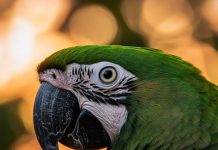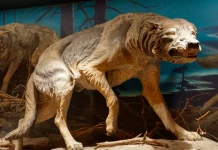






Ever been captivated by the sheer power of a lion, the gentle grace of an elephant, or the imposing size of a rhinoceros? We often think we know the big animals of the world – those iconic creatures that dominate nature documentaries and fill our childhood imaginations. And let’s be honest, the big 5 animals of Africa – lion, elephant, rhino, buffalo, and leopard – rightfully hold a special place in our hearts as symbols of the wild. But what if I told you that the animal kingdom holds secrets, giants lurking in the depths and roaming remote landscapes, that you’ve likely never heard of?
For years, our understanding of size in the animal world has been largely focused on these familiar faces. We marvel at the largest living reptile, the saltwater crocodile, and the incredible bulk of the African elephant. But beyond these well-known behemoths lies a hidden world of truly astonishing creatures. This isn’t just about sheer weight, though; it’s about perspective. It’s about realizing how much of our planet’s biodiversity remains a mystery, and how many incredible species are quietly thriving, largely unnoticed.
Prepare to have your perception of “big” completely redefined. We’ll be diving deep – literally – to uncover marine megafauna like the colossal squid, a predator of almost mythical proportions, and the Japanese spider crab, boasting a leg span that rivals a small car! We’ll journey through Asian forests to meet the gaur, a bulky bovine you won’t soon forget, and explore the hidden bulk of the okapi, often called the “forest giraffe.” And yes, we’ll even touch upon animals with big eyes and the fascinating reasons behind their remarkable vision.
This isn’t just a list of impressive measurements; it’s a celebration of the incredible diversity of big animals and a reminder of the importance of conservation. Join me as we venture “Beyond the Lion” and unveil 10 surprisingly big animals that deserve a place in your imagination – and our collective efforts to protect them.
Giants of the Deep: Unveiling Marine Megafauna
The ocean. A realm of mystery, covering over 70% of our planet. It’s a world we’ve explored less than the surface of the moon, and within its depths lurk creatures of unimaginable size and power. When we think of big animals, our minds often drift to the African savanna, to elephants and lions. But the ocean holds its own titans, creatures that dwarf even the largest land mammals. This section delves into the hidden world of marine megafauna, showcasing three incredible species that demonstrate the sheer scale of life beneath the waves. We’ll explore the elusive colossal squid, the bizarrely enormous Japanese spider crab, and the surprisingly massive sleeper shark, a Greenland shark’s hidden size. Prepare to be humbled by the immensity of these underwater giants.
The Colossal Squid: A Predator of Mythic Proportions

An artistic depiction of a colossal squid engaging with a sperm whale showcasing its immense size
The colossal squid (Mesonychoteuthis hamiltoni) isn’t just big; it’s arguably the largest invertebrate on Earth. While the giant squid (Architeuthis dux) often steals the headlines, the colossal squid is heavier, more robust, and possesses a truly terrifying arsenal. For years, its existence was largely based on beaks found in the stomachs of sperm whales – the primary predator of these deep-sea behemoths. It wasn’t until 2007 that a relatively intact specimen was captured, offering scientists the first real glimpse into the scale of this creature.
This squid inhabits the frigid waters of the Antarctic, lurking at depths of 300 to 2,200 meters (980 to 7,220 feet). Its massive size is an adaptation to this harsh environment. The captured specimen measured approximately 10-14 meters (33-46 feet) in length and weighed an estimated 495 kilograms (1,091 pounds). However, scientists believe they can grow even larger, potentially reaching 14-16 meters (46-52 feet) and weighing upwards of 750 kilograms (1,650 pounds)! Imagine a creature longer than a school bus, weighing more than a small car.
What sets the colossal squid apart isn’t just its size, but its anatomy. Unlike the giant squid, which has statoliths (balance organs) that are relatively small, the colossal squid boasts the largest eyes of any animal on Earth – up to 27 cm (11 inches) in diameter! These enormous eyes are crucial for detecting bioluminescent prey and the faint silhouettes of predators in the perpetually dark depths. They are essentially biological telescopes, allowing the squid to see in the dimmest of conditions.
Its eight arms and two tentacles are equipped with rotating hooks and suckers lined with sharp, chitinous rings. These hooks aren’t just for gripping prey; they’re designed to tear and shred flesh. The colossal squid is an ambush predator, lying in wait for unsuspecting fish, other squid, and even small whales. The battles between colossal squid and sperm whales are legendary, often leaving both combatants scarred and battered. Evidence of these encounters – circular sucker marks – have been found on the skin of sperm whales, a testament to the squid’s formidable strength. The sheer power required to latch onto and attempt to subdue a whale is mind-boggling.
Studying the colossal squid is incredibly challenging due to its remote habitat and elusive nature. Much of our knowledge is still based on limited samples and inferences from sperm whale stomach contents. However, each new discovery continues to reveal the incredible adaptations and sheer power of this big animal, a true predator of mythic proportions. It’s a reminder that the ocean still holds countless secrets, waiting to be unveiled.
The Japanese Spider Crab: Leg Span of a Small Car

A Japanese spider crab walking along the seabed highlighting its enormous leg span
Moving from the depths to shallower waters, we encounter another astonishing example of marine gigantism: the Japanese spider crab (Macrocheira kaempferi). This isn’t a creature that inspires fear in the same way as the colossal squid, but its sheer size is undeniably awe-inspiring. Found in the waters surrounding Japan, this crab is the largest arthropod in the world by leg span.
The most striking feature of the Japanese spider crab is, unsurprisingly, its legs. Adults can have a leg span of up to 3.7 meters (12 feet)! To put that into perspective, that’s roughly the length of a small car. The body itself is relatively small, reaching a carapace width of up to 40 cm (16 inches). This disproportionate size gives the crab a truly alien appearance, resembling a walking, spindly sculpture.
These crabs inhabit the Pacific Ocean around Japan, typically at depths of 150 to 300 meters (490 to 980 feet). They are bottom-dwellers, preferring sandy or rocky seabeds. Their long legs aren’t just for show; they provide stability on the uneven terrain and allow them to cover large distances in search of food. They are opportunistic feeders, consuming a variety of organisms including shellfish, fish, and even decaying matter.
Despite their intimidating size, Japanese spider crabs are generally considered to be docile creatures. They are not aggressive towards humans and are often observed by divers. However, they possess strong claws that can deliver a painful pinch if provoked. They are also known to engage in a fascinating mating ritual. The male crab will protect the female after she lays her eggs, guarding them for several months until they hatch. This parental care is relatively uncommon in crabs and demonstrates a surprising level of complexity in their behavior.
The Japanese spider crab’s size is likely influenced by a combination of factors, including the cold, nutrient-rich waters of its habitat and the relatively low predation pressure. The deep sea provides a stable environment with abundant food resources, allowing these crabs to grow to enormous sizes. They are a testament to the power of natural selection and the incredible diversity of life in the ocean. They are truly one of the most remarkable big animals on our planet.
The Sleeper Shark: A Greenland Shark’s Hidden Size

A Greenland shark gracefully swimming in the dark depths of the Arctic Ocean
Finally, we descend into the icy depths to encounter a creature that embodies the mystery and longevity of the ocean: the sleeper shark, specifically the Greenland shark (Somniosus microcephalus). This shark isn’t immediately recognizable as a giant, but its size and lifespan are truly extraordinary. It’s a slow-moving, often overlooked predator that holds the title of the longest-lived vertebrate on Earth.
Greenland sharks inhabit the frigid waters of the North Atlantic and Arctic Oceans. They are typically found at depths of 400 to 1,200 meters (1,300 to 3,900 feet), but can venture into shallower waters during the summer months. They are easily identifiable by their bulky bodies, small eyes (often partially covered in parasitic copepods), and distinctive coloration – a mottled grey or brownish hue.
Adult Greenland sharks can reach lengths of up to 6.4 to 7.3 meters (21 to 24 feet) and weigh over 1,400 kilograms (3,100 pounds). While not as long as some other shark species like the whale shark, their robust build and immense weight make them formidable predators. They are slow swimmers, relying on ambush tactics to capture prey. Their diet is incredibly diverse, including fish, seals, and even polar bears. They’ve even been found with remains of reindeer and horses in their stomachs, suggesting they are capable of scavenging on land animals that fall into the ocean.
What truly sets the Greenland shark apart is its incredible lifespan. Scientists have determined that these sharks can live for over 400 years, with some individuals estimated to be over 500 years old! This remarkable longevity is attributed to their extremely slow metabolism and the cold temperatures of their habitat. They reach sexual maturity at around 150 years of age, making them the slowest-maturing vertebrate known to science.
The study of Greenland sharks is ongoing, and much remains to be learned about their behavior and ecology. However, it’s clear that these sharks are a vital part of the Arctic ecosystem and a testament to the resilience of life in extreme environments. They are a silent, ancient presence in the ocean, a reminder of the vastness of time and the enduring power of nature. This big animal is a true marvel of the marine world, a hidden giant deserving of our respect and protection. The ocean continues to surprise us with its incredible inhabitants, and the Greenland shark is a prime example of the wonders that await discovery.
Land Titans: Massive Mammals Beyond the Usual Suspects
We often conjure images of elephants, rhinos, and perhaps hippos when we think of truly massive mammals. These are undoubtedly impressive creatures, and rightfully hold a place in our collective imagination as giants of the land. But the animal kingdom is full of surprises, and beyond these well-known behemoths lie a number of other mammals that boast considerable size, often overlooked in popular discussions about big animals. This section delves into the world of these lesser-known land titans – the tapir, the gaur, and the okapi – exploring their unique characteristics, habitats, and the reasons why they remain relatively obscure despite their impressive stature. It’s a reminder that the world is brimming with biodiversity, and that even within familiar animal groups, there’s always more to discover.
The Tapir: A Surprisingly Large, Ancient Herbivore

A Malayan tapir showcasing its distinctive coloration and robust build
The tapir is, to many, an animal that evokes a sense of prehistoric charm. Often described as looking like a cross between a pig, a rhinoceros, and an anteater, these fascinating creatures are actually members of the Perissodactyla order – the same order as horses and rhinoceroses. There are four distinct species of tapir: the Brazilian tapir, the Mountain tapir, the Baird’s tapir, and the Malayan tapir. While they vary in size and coloration, all tapirs share a remarkably robust build, with adults typically ranging from 5.1 to 8 feet in length and weighing between 330 to 770 pounds. That’s a substantial animal, easily rivaling a large pig or a small cow!
What truly sets the tapir apart, however, is its evolutionary history. Tapirs are considered to be one of the most ancient groups of large mammals still in existence, with fossil records dating back over 55 million years – meaning they were contemporaries of the earliest horses and rhinoceroses! They’ve survived through dramatic shifts in climate and geography, adapting to a variety of habitats across Central and South America, and Southeast Asia. This longevity is a testament to their adaptability and resilience.
Tapirs are primarily herbivores, feeding on a diverse diet of leaves, buds, shoots, fruits, and aquatic plants. Their prehensile noses are incredibly useful for grasping vegetation and maneuvering it into their mouths. They are also excellent swimmers and often spend time in rivers and lakes, both for feeding and to escape predators. Their preference for dense forests and their generally shy nature contribute to their elusive quality, making them difficult to observe in the wild. Sadly, all four species of tapir are classified as vulnerable or endangered, facing threats from habitat loss, hunting, and fragmentation of their populations. The Malayan tapir, with its striking black and white coloration, is particularly vulnerable, as it’s often targeted for its hide. Understanding and appreciating these ancient giants is crucial for ensuring their survival for generations to come. They are a living link to a bygone era, and their disappearance would be a significant loss to the planet’s biodiversity. The sheer size of these big animals is often underestimated, overshadowed by their unassuming demeanor.
The Gaur: The Bulky Bovine of the Asian Forests

A herd of gaurs demonstrating their impressive size and muscular build in their natural habitat
Moving eastward, we encounter the gaur (Bos gaurus), a magnificent bovine native to South and Southeast Asia. Often referred to as the Indian bison, the gaur is a truly imposing animal, and arguably the largest species of wild cattle in the world. Adult males can stand over 6.5 feet tall at the shoulder and weigh between 2,200 and 3,300 pounds – significantly larger than the domestic cattle most of us are familiar with. Females are smaller, but still substantial, typically weighing between 1,100 and 1,700 pounds.
The gaur’s appearance is striking. They possess a dark brown to black coat, with a prominent ridge on their backs and powerful, muscular builds. Mature males develop a distinctive dorsal crest and pale stockings on their legs. These animals are primarily found in evergreen forests and moist deciduous forests, where they graze on grasses, bamboo shoots, and other vegetation. They are social animals, typically living in herds of 8 to 30 individuals, led by a dominant female.
Gaurs play a crucial role in their ecosystems, influencing vegetation structure and seed dispersal. However, like many big animals, they face significant threats. Habitat loss due to deforestation and agricultural expansion is a major concern, as is poaching for meat and traditional medicine. Their populations have declined dramatically in many parts of their range, and they are now listed as vulnerable by the IUCN. The gaur’s sheer size and strength make it a formidable creature, but even these impressive animals are not immune to the pressures of human activity. Conservation efforts, including habitat protection and anti-poaching measures, are essential to ensure the survival of this majestic bovine. The gaur is a powerful symbol of the Asian wilderness, and its continued presence is vital for maintaining the health and integrity of these ecosystems. It’s a prime example of how even seemingly abundant big animals can be vulnerable without dedicated conservation efforts.
The Okapi: The Forest Giraffe’s Hidden Bulk

An okapi showcasing its unique striped legs and elusive nature in the dense rainforest
Perhaps the most enigmatic of these land titans is the okapi (Okapia johnstoni), a creature that often leaves people wondering, “What is that?” Native to the dense rainforests of the Democratic Republic of the Congo, the okapi is a close relative of the giraffe, despite its zebra-like stripes on its legs. This unique coloration initially led to speculation that it was a type of forest zebra, but genetic studies have confirmed its close relationship to the giraffe family.
While not as towering as its giraffe cousins, the okapi is still a substantial animal. Adults typically stand between 4.9 and 6.6 feet tall at the shoulder and weigh between 440 and 770 pounds. Their reddish-brown coat, combined with the striking stripes on their legs, provides excellent camouflage in the dappled light of the rainforest. Okapi are primarily solitary animals, browsing on leaves, buds, fruits, and fungi. They have long, prehensile tongues that they use to strip leaves from branches.
The okapi’s elusive nature and its preference for dense, remote habitats have made it difficult to study, and for a long time, it remained largely unknown to the outside world. It wasn’t until the early 20th century that scientists were able to obtain specimens and confirm its true identity. Today, the okapi is classified as endangered, facing threats from habitat loss due to logging and mining, as well as poaching for bushmeat and its hide. Political instability in the Democratic Republic of the Congo also hinders conservation efforts. The okapi is a testament to the hidden wonders that still exist in the world’s rainforests. Its unique appearance and its evolutionary history make it a truly remarkable creature, and its survival depends on our ability to protect its fragile habitat. It’s a reminder that even the most elusive big animals require our attention and protection. The okapi, a gentle giant of the Congo, deserves our unwavering commitment to its conservation.
Reptilian Behemoths: Scaling Up the Size
Reptiles. The very word conjures images of scaly skin, cold blood, and a primal connection to a prehistoric past. While many associate reptiles with smaller creatures – lizards darting across sun-baked rocks, snakes slithering through the undergrowth – the reality is far more awe-inspiring. The reptilian world boasts some truly colossal members, creatures that redefine our understanding of scale and power. This section delves into the lives of two such behemoths: the Saltwater Crocodile, the undisputed heavyweight champion of the reptile kingdom, and the Komodo Dragon, an island predator whose size and venomous bite have earned it a fearsome reputation. These aren’t just large reptiles; they are living relics, testaments to the enduring power of evolution, and crucial components of their respective ecosystems.
The Saltwater Crocodile: The Largest Living Reptile

A massive Saltwater Crocodile basking in the sun showcasing its immense size
The Saltwater Crocodile (Crocodylus porosus) isn’t just the largest living reptile; it’s arguably the largest and most powerful reptile to have ever existed. Found throughout Southeast Asia, Northern Australia, and the surrounding islands, these apex predators are masters of ambush, capable of taking down prey far larger than themselves. We’re talking about animals that can routinely exceed 6 meters (20 feet) in length and weigh over 1,000 kilograms (2,200 pounds). The largest reliably measured specimen, a male named “Lolong” captured in the Philippines, tipped the scales at a staggering 1,075 kilograms (2,370 pounds) and measured 6.17 meters (20.2 feet). Imagine encountering that while kayaking!
But size isn’t the only impressive aspect of the Saltwater Crocodile. Their bite force is the strongest of any animal measured to date, reaching a mind-boggling 3,700 PSI (pounds per square inch). To put that into perspective, a human bite force averages around 162 PSI. This incredible power allows them to crush bone and subdue even the most formidable prey, including water buffalo, cattle, and even sharks. They aren’t picky eaters, either. Their diet is incredibly diverse, ranging from fish and crabs to birds and mammals.
Their physiology is perfectly adapted for a semi-aquatic lifestyle. They possess a nictitating membrane – a transparent third eyelid – that protects their eyes underwater while still allowing them to see. Sensory receptors on their skin detect even the slightest vibrations in the water, alerting them to the presence of potential prey. And their powerful tails propel them through the water with surprising speed and agility.
Saltwater Crocodiles are also incredibly intelligent. They exhibit complex social behaviors, including cooperative hunting and parental care. Females build mound nests and fiercely defend their eggs and hatchlings. The temperature of the nest determines the sex of the offspring – warmer temperatures produce males, while cooler temperatures produce females. This temperature-dependent sex determination is a fascinating example of environmental influence on development.
The conservation status of the Saltwater Crocodile is currently listed as Least Concern by the IUCN, thanks to successful conservation efforts in many areas. However, they still face threats from habitat loss, poaching, and human-crocodile conflict. Understanding their behavior and ecology is crucial for ensuring their continued survival. These magnificent creatures are a vital part of the ecosystems they inhabit, and their presence is a testament to the resilience of nature. They truly embody the concept of big animals dominating their environment.

A Saltwater Crocodile launching an ambush attack on a water buffalo demonstrating its predatory power
The Komodo Dragon: An Island’s Apex Predator

A Komodo Dragon walking through the dry savanna landscape of Komodo Island Indonesia
Moving from the murky waters of Southeast Asia to the volcanic islands of Indonesia, we encounter another reptilian giant: the Komodo Dragon (Varanus komodoensis). This massive lizard, the largest living lizard species in the world, is a true icon of its isolated habitat. Found only on the Indonesian islands of Komodo, Rinca, Flores, Gili Motang, and Padar, the Komodo Dragon reigns supreme as the apex predator, a position earned through a combination of size, strength, and a surprisingly complex hunting strategy.
Adult Komodo Dragons typically reach lengths of 2.5 to 3 meters (8 to 10 feet) and weigh around 70 kilograms (150 pounds), although larger individuals can exceed 3 meters (10 feet) and weigh over 100 kilograms (220 pounds). Their muscular bodies, powerful limbs, and sharp claws make them formidable hunters. But it’s not just their physical attributes that make them so successful.
For years, it was believed that the Komodo Dragon’s bite was deadly due to septic bacteria in its saliva. However, recent research has revealed a far more sophisticated mechanism. Komodo Dragons possess venom glands in their lower jaw, and their bite delivers a cocktail of toxins that disrupt blood clotting, lower blood pressure, and induce shock in their prey. This venom, combined with their serrated teeth, ensures that even a glancing blow can be fatal.
Their hunting strategy is a testament to their patience and adaptability. They are ambush predators, lying in wait for unsuspecting prey – deer, pigs, water buffalo, and even other Komodo Dragons – to wander within striking distance. Once they attack, they use their powerful jaws and claws to inflict debilitating wounds. They then track their prey, often for days, relying on their keen sense of smell to locate the weakened animal.
What’s truly remarkable is their ability to consume massive amounts of food in a single sitting. They can devour up to 80% of their body weight in a single meal, and their expandable stomachs allow them to accommodate enormous quantities of flesh. They also possess a unique digestive system that allows them to extract nutrients from bone and cartilage.
Komodo Dragons exhibit a fascinating social structure, particularly during mating season. Males engage in fierce battles for dominance, wrestling and biting each other in a display of strength and aggression. Females lay eggs in abandoned megapode nests, and the hatchlings are vulnerable to predation from adults, including their own mothers. This cannibalistic behavior is a harsh reality of life for young Komodo Dragons, but it helps to ensure the survival of the fittest.
The Komodo Dragon is currently listed as Endangered by the IUCN, with a population estimated to be around 4,000 individuals. They face numerous threats, including habitat loss, poaching, and a decline in prey populations. Conservation efforts are underway to protect their habitat and mitigate these threats, but the future of this iconic species remains uncertain. The preservation of these big animals is not just about saving a single species; it’s about protecting the unique biodiversity of the Indonesian islands and ensuring the health of the ecosystems they inhabit. They are a living link to a prehistoric past, and their continued existence is a testament to the power and resilience of life on Earth. These are truly magnificent big animals that deserve our protection.

A Komodo Dragon feeding on a deer carcass showcasing its powerful jaws and scavenging behavior
Avian Wonders: Birds of Immense Scale
The world of birds is often associated with delicate beauty, intricate songs, and graceful flight. But beyond the charming songbirds and brightly colored parrots lies a realm of avian giants – creatures that defy expectations with their sheer size and power. These aren’t just large birds; they are big animals in their own right, dominating the skies with wingspans that rival small aircraft and weights that challenge our perception of what a bird can be. Exploring these avian wonders isn’t just about marveling at their physical dimensions; it’s about understanding the evolutionary pressures that led to such gigantism, the ecological roles they play, and the challenges they face in a rapidly changing world. It’s a reminder that the animal kingdom is full of surprises, and that even within familiar groups, there’s always more to discover. This section will delve into two particularly impressive examples: the Andean Condor and the Kori Bustard, showcasing the incredible diversity and scale found within the avian world.
The Andean Condor: A Majestic Wing Span

An Andean Condor soaring over the Andes Mountains showcasing its immense wingspan
The Andean Condor (Vultur gryphus) is a symbol of the Andes Mountains, a majestic scavenger that commands respect and awe. Found along the Andes mountain range of South America, from Venezuela to the southern tip of Chile and Argentina, this bird is more than just a large raptor; it’s a cultural icon, deeply embedded in the mythology and history of the Andean people. Its sheer size is immediately striking. With a wingspan that can reach up to 3.3 meters (10 feet 10 inches), it’s one of the largest flying birds in the world, surpassed only by some albatrosses. Imagine standing beneath one of these birds in flight – the shadow cast would be enormous, a testament to the power and scale of nature.
But the Andean Condor’s size isn’t just for show. It’s a crucial adaptation to its lifestyle. These birds are masters of soaring, utilizing thermal updrafts to stay aloft for hours with minimal effort. This is essential for covering vast distances in search of carrion – the primary component of their diet. The Andes Mountains are a challenging environment, and finding food can be difficult. The condor’s incredible wingspan allows it to efficiently scan large areas, conserving energy while searching for carcasses. They often fly at altitudes of 16,000 feet, a testament to their physiological adaptations to the thin air and cold temperatures of the high Andes.
The condor’s role as a scavenger is also vitally important to the ecosystem. By consuming carrion, they help prevent the spread of disease and maintain the health of the environment. They are nature’s cleanup crew, ensuring that decaying organic matter doesn’t become a breeding ground for harmful pathogens. This service is often overlooked, but it’s a critical function that contributes to the overall health of the Andean ecosystem.
Historically, Andean Condors faced significant threats from hunting and habitat loss. They were often persecuted by ranchers who mistakenly believed they preyed on livestock, and their eggs were sometimes collected. Fortunately, conservation efforts have helped to stabilize populations in many areas, but they remain vulnerable. Lead poisoning, caused by ingesting lead fragments from carcasses of animals shot with lead ammunition, is a major ongoing threat. Efforts to promote the use of non-lead ammunition are crucial for the long-term survival of these magnificent birds. The Andean Condor is a powerful symbol of the wild, and its continued existence is a testament to the importance of conservation. It’s a reminder that even the most majestic big animals require our protection to thrive. The cultural significance of the condor also plays a role in its conservation; many Andean communities view the bird as sacred and actively participate in its protection.

A closeup of an Andean Condors head highlighting its distinctive features and powerful beak
The Kori Bustard: One of the Heaviest Flying Birds

A male Kori Bustard performing a display dance in the African savanna
While the Andean Condor reigns supreme in terms of wingspan, the Kori Bustard (Ardeotis kori) holds the title of one of the heaviest flying birds. Found in the savannas and grasslands of eastern and southern Africa, this ground-dwelling bird is a truly impressive sight. Males can weigh up to 19 kilograms (42 pounds) and stand up to 1.5 meters (5 feet) tall, making them significantly larger than most other birds. Imagine encountering one of these behemoths while on safari – it would be a truly unforgettable experience.
The Kori Bustard’s size is a result of its diet and lifestyle. These birds are omnivorous, feeding on a variety of seeds, insects, reptiles, and small mammals. They spend most of their time on the ground, foraging for food in the open grasslands. Their powerful legs allow them to run quickly when threatened, and their mottled plumage provides excellent camouflage. However, despite their size, they are capable of flight, although they typically only take to the air when disturbed or during the breeding season.
The breeding behavior of the Kori Bustard is particularly fascinating. Males perform elaborate displays to attract females, inflating their esophagus to create a large, balloon-like structure that makes a booming sound. This display is accompanied by a series of complex movements and vocalizations, designed to impress potential mates. The female lays a single egg on the ground, and both parents share the responsibility of incubating it and raising the chick.
Unfortunately, the Kori Bustard is facing a number of threats, including habitat loss, hunting, and poisoning. The conversion of grasslands to agricultural land is reducing their habitat, and they are often hunted for food. Poisoning, often unintentional, occurs when they ingest pesticides or herbicides used to control pests on crops. As a result, the Kori Bustard is classified as Near Threatened by the International Union for Conservation of Nature (IUCN).
Conservation efforts are underway to protect this magnificent bird, including habitat restoration, anti-poaching patrols, and community-based conservation programs. Raising awareness about the importance of the Kori Bustard and its role in the ecosystem is also crucial. These big animals are an integral part of the African savanna, and their loss would have significant consequences for the environment. The Kori Bustard, like the Andean Condor, serves as a reminder of the incredible diversity of life on Earth and the importance of protecting it. It’s a testament to the fact that even in seemingly familiar landscapes, there are still wonders to be discovered and conserved. The plight of the Kori Bustard also highlights the interconnectedness of ecosystems and the impact of human activities on wildlife populations. Protecting these big animals requires a holistic approach that addresses the underlying causes of their decline.

A Kori Bustard chick standing near its mother in the African savanna
These two avian giants, the Andean Condor and the Kori Bustard, represent just a small fraction of the incredible diversity found within the bird world. They demonstrate that size isn’t always about being the fastest or the most agile; sometimes, it’s about being the most resilient, the most adaptable, and the most capable of surviving in challenging environments. They are a reminder that the animal kingdom is full of surprises, and that even within familiar groups, there’s always more to learn. And as we continue to explore and understand these big animals, we must also commit to protecting them for future generations.
A World of Hidden Giants: Perspective and Conservation
We’ve journeyed through a world teeming with colossal creatures, from the inky depths of the ocean to the sprawling landscapes of the African savanna and the dense Asian jungles. We’ve encountered predators of mythic proportions, gentle herbivores of immense size, and reptiles that seem ripped from the pages of prehistory. But this exploration isn’t just about marveling at their sheer scale; it’s about understanding the perspective these animals offer us and the urgent need for their conservation. It’s easy to get caught up in the “wow” factor of big animals, but truly appreciating them requires a shift in how we view our place in the natural world.
The Shrinking World and the Giants’ Plight
For millennia, humans have shared this planet with these magnificent beings. However, the 20th and 21st centuries have witnessed an unprecedented decline in wildlife populations, and the giants are often the first to suffer. Their large size often translates to slower reproductive rates, meaning they are less able to recover from population declines. Furthermore, they require vast territories to roam and forage, bringing them into increasing conflict with a growing human population. Habitat loss, poaching, climate change – these are the relentless pressures pushing many of these incredible creatures towards the brink.

The shrinking habitat is a major threat to elephants and other large mammals
Consider the plight of the Gaur, the majestic bovine of the Asian forests. Once widespread throughout Southeast Asia, their populations are now fragmented and declining due to habitat loss from deforestation for agriculture and logging. Or the Japanese Spider Crab, whose habitat is threatened by pollution and overfishing. Even the seemingly resilient Saltwater Crocodile, the largest living reptile, faces threats from habitat destruction and illegal hunting. These aren’t isolated incidents; they are symptoms of a larger problem – a world increasingly dominated by human activity, leaving less and less space for wildlife.
Beyond the “Big Five Animals”: Expanding Our Definition of Importance
The concept of the “Big 5 animals” – the lion, elephant, rhino, buffalo, and leopard – is deeply ingrained in the popular imagination, particularly when it comes to African safaris. These animals are undeniably iconic, representing the raw power and beauty of the African wilderness. However, focusing solely on these five can inadvertently overshadow the importance of other equally fascinating and vulnerable species. It creates a hierarchy of conservation concern, potentially diverting resources away from animals that are just as deserving of protection.

Tapirs often overlooked are vital seed dispersers in their ecosystems
The Tapir, for example, is a remarkably large and ancient herbivore, often referred to as a “living fossil.” They play a crucial role in seed dispersal, helping to maintain the health and diversity of rainforest ecosystems. Yet, they are often overlooked in conservation efforts. Similarly, the Okapi, the “forest giraffe,” is a shy and elusive creature facing threats from poaching and habitat loss. Expanding our definition of “important” animals beyond the traditional big five animals is essential for ensuring the long-term health of our planet. We need to recognize that every species, regardless of its size or charisma, plays a vital role in the intricate web of life.
The Power of Perspective: Seeing the World Through Their Eyes
Imagine experiencing the world as a Greenland Shark, a creature that can live for centuries, slowly patrolling the frigid depths of the Arctic Ocean. Or soaring above the Andes Mountains as an Andean Condor, with a wingspan that can exceed 10 feet, surveying the landscape below. These animals offer us a unique perspective on time, space, and the interconnectedness of life.

The Andean Condors vast wingspan provides a unique perspective on the landscape
Their existence challenges our anthropocentric worldview, reminding us that we are just one species among millions, and that our actions have far-reaching consequences. By understanding their behavior, their needs, and their vulnerabilities, we can begin to appreciate the true value of biodiversity and the importance of protecting these incredible creatures. This isn’t just about saving animals; it’s about saving ourselves. A healthy planet requires a thriving ecosystem, and that ecosystem depends on the presence of all its inhabitants, including these magnificent giants.
Conservation in Action: What Can We Do?
The challenges facing these big animals are daunting, but not insurmountable. Effective conservation requires a multi-faceted approach, involving governments, organizations, and individuals. Here are just a few ways we can make a difference:
- Supporting Conservation Organizations: Donating to or volunteering with organizations dedicated to wildlife conservation is a direct way to contribute to their efforts. Look for organizations that focus on habitat protection, anti-poaching initiatives, and community-based conservation programs.
- Reducing Our Environmental Footprint: Making sustainable choices in our daily lives – reducing our consumption, conserving energy, and supporting eco-friendly products – can help mitigate the impacts of climate change and habitat loss.
- Promoting Sustainable Tourism: Choosing responsible tourism operators that prioritize wildlife conservation and benefit local communities can help create economic incentives for protecting these animals and their habitats.
- Raising Awareness: Sharing information about these incredible creatures and the threats they face can help educate others and inspire action. Talk to your friends and family, share articles on social media, and support educational initiatives.
- Advocating for Stronger Environmental Policies: Contacting your elected officials and urging them to support policies that protect wildlife and their habitats is crucial for creating lasting change.

Conservationists are working tirelessly to protect endangered species like the rhino
The future of these big animals hangs in the balance. It’s a future we have the power to shape. By embracing a broader perspective, prioritizing conservation, and taking action, we can ensure that these magnificent creatures continue to roam our planet for generations to come. The story of these giants isn’t just about their size; it’s about our responsibility to protect the incredible biodiversity of our planet. It’s about recognizing that their fate is inextricably linked to our own. And it’s about understanding that the true measure of our success as a species isn’t how much we can dominate the natural world, but how well we can coexist with it.
WildWhiskers is a dedicated news platform for animal lovers around the world. From heartwarming stories about pets to the wild journeys of animals in nature, we bring you fun, thoughtful, and adorable content every day. With the slogan “Tiny Tails, Big Stories!”, WildWhiskers is more than just a news site — it’s a community for animal enthusiasts, a place to discover, learn, and share your love for the animal kingdom. Join WildWhiskers and open your heart to the small but magical lives of animals around us!