












In the vast tapestry of Earth’s evolutionary history, few adaptations have been as transformative as bipedalism—the ability to walk on two legs. This remarkable evolutionary milestone has not only reshaped the anatomy and capabilities of various species but also unlocked a new realm of survival and adaptation strategies. From the towering stride of humans to the nimble hop of kangaroos, and the swift sprint of birds descended from dinosaurs, bipedal animals showcase a fascinating array of evolutionary triumphs. But what is it about walking on two legs that has sparked such significant evolutionary changes? As we explore the nuances of bipedalism, we’ll delve into its historical significance, the evolutionary advantages it confers—such as enhanced mobility and improved field of vision—and its role in modern-day survival amid challenges like climate change. Join us on this intriguing journey to understand how bipedalism heralds a new era of evolutionary adaptations, balancing both its remarkable benefits and inherent limitations.
Introduction to Bipedalism
Definition and Characteristics of Bipedalism
Bipedalism, a term derived from Latin roots meaning “two feet,” refers to the ability of an organism to walk upright on two legs. This mode of locomotion is considered a unique evolutionary trait that distinguishes certain species from the rest of the animal kingdom. Bipedal animals exhibit a range of characteristics that facilitate this form of movement, such as an upright posture, a particular alignment of the legs, and a center of gravity that supports balance while standing or moving on two feet.
The structural adaptations required for bipedalism often include significant changes in the skeletal system, such as the curvature of the spine, the shape of the pelvis, and the positioning of the limbs. These adaptations not only enable efficient movement but also contribute to the animal’s ability to perform other vital functions, such as foraging, hunting, or evading predators.

Historical Significance in Evolution
The emergence of bipedalism marks a pivotal point in the evolutionary timeline, particularly for humans. This adaptation is believed to have first appeared several million years ago with early hominins. The shift to bipedalism is often credited with enabling these ancestors to explore new habitats, exploit different food sources, and eventually develop advanced cognitive abilities.
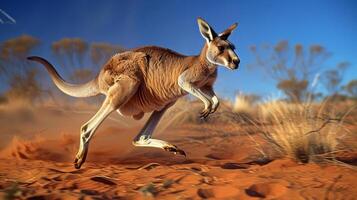
Throughout history, bipedal animals have demonstrated remarkable adaptability, allowing them to thrive across diverse environments. For example, the evolution of the bipedal stance in birds is an adaptation from their dinosaur ancestors, enabling them to take flight and occupy ecological niches that were previously inaccessible. Similarly, the kangaroo’s unique hopping bipedal locomotion showcases the diverse evolutionary paths that can stem from this adaptation.
Bipedalism not only facilitated the survival of certain species but also paved the way for complex social structures and technological advancements, particularly in humans. The ability to walk upright freed the hands, allowing for the use of tools, the development of language, and the creation of art. These advancements underscore the profound impact of bipedalism on the trajectory of human evolution and highlight its significance as a defining characteristic of our species.
Evolutionary Advantages of Bipedalism
Enhanced Mobility and Speed
One of the most notable evolutionary advantages of bipedalism is the enhancement of mobility and speed. Bipedal animals, such as humans and certain bird species, benefit from the ability to move swiftly over various terrains. This is particularly evident in environments where agility and quick maneuvering are essential for survival. For instance, the upright posture of humans allows for longer strides, which can cover more ground with each step, thus improving travel efficiency.
Moreover, bipedalism enables animals to navigate through dense forests or open savannas with greater ease. The ability to stand and move on two legs can also provide a strategic advantage in escaping predators or pursuing prey. An interesting example is the bipedal locomotion of kangaroos, which use their powerful hind legs to hop at high speeds, covering vast distances in the Australian outback.

Energy Efficiency and Endurance
Another significant advantage of bipedalism is its contribution to energy efficiency and endurance. Walking on two legs requires less energy than quadrupedal locomotion, particularly over long distances. This energy conservation is crucial for survival, as it allows bipedal animals to expend less effort in search of food and resources.
Humans, for example, have developed a unique form of endurance running, which has been suggested as a key factor in our evolutionary success. The ability to run long distances without tiring quickly may have enabled early humans to persistently track and hunt prey over extended periods. This endurance is not only a testament to the efficiency of bipedalism but also highlights its role in the evolutionary journey of bipedal animals.
Improved Field of Vision
Bipedalism also significantly enhances an animal’s field of vision. By standing upright, bipedal animals gain a higher vantage point, allowing them to spot predators or prey from a distance. This improved visibility is crucial in open habitats, where early detection of threats or opportunities can mean the difference between life and death.
Birds, which are often bipedal when on the ground, benefit from this elevated perspective. Their upright stance allows them to scan the horizon while foraging, making it easier to detect approaching predators or rival species. Similarly, humans have capitalized on this advantage by using their height to observe and assess their surroundings, aiding in both hunting and defense.

In conclusion, the evolutionary advantages of bipedalism are multifaceted, offering enhanced mobility, energy efficiency, and improved visual capabilities. These benefits have played a crucial role in the survival and adaptation of various bipedal animals throughout evolutionary history.
Bipedalism in Different Species
Bipedalism, the ability to walk on two legs, is a fascinating evolutionary adaptation that has occurred independently in various species. This adaptation offers insights into the diverse paths through which life on Earth evolves to meet its environmental challenges.
Bipedalism in Humans
Humans are perhaps the most iconic example of bipedal animals. Our ancestors began walking upright millions of years ago, a shift that marked a significant turning point in human evolution. The development of bipedalism in humans is closely linked to changes in our skeletal structure. Our pelvis became shorter and broader to support upright walking, and the curvature of our spine evolved to better balance our body weight over our legs. This adaptation freed our hands, enabling tool use, which in turn spurred cognitive development. Walking on two legs also allowed early humans to travel longer distances across the African savanna, increasing their chances of survival.

Bipedalism in Birds
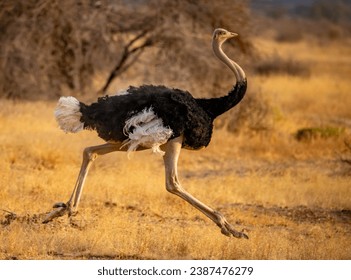
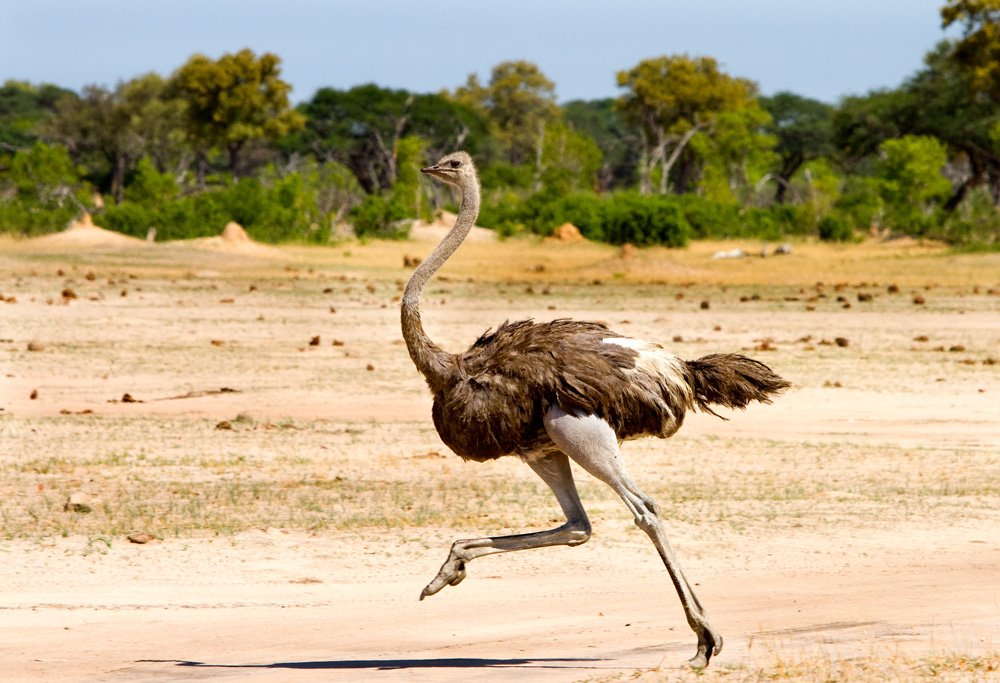
Birds are another group of bipedal animals, having evolved from theropod dinosaurs. The transition from their dinosaur ancestors to modern birds involved significant changes, such as the development of a lightweight skeletal structure and the transformation of forelimbs into wings. Although birds are primarily known for their ability to fly, many species rely heavily on bipedal locomotion when on the ground. For instance, ostriches and emus are flightless birds that have specialized in running swiftly on two legs, an adaptation that helps them escape predators and forage over large areas.
Bipedalism in Other Animals
Aside from humans and birds, several other species exhibit bipedalism. Kangaroos, for example, are well-known for their unique hopping bipedal locomotion. This method of movement is energy-efficient and allows them to cover vast distances in the arid landscapes of Australia. Additionally, some primates, such as chimpanzees and gorillas, display occasional or partial bipedalism, especially when foraging or carrying objects. Even some extinct species, like the Tyrannosaurus rex and Velociraptor, were formidable bipedal predators, using their two-legged stance to achieve speed and agility.
In conclusion, bipedalism is a remarkable adaptation that illustrates the diverse strategies life on Earth employs to thrive. From humans to birds and beyond, each species of bipedal animals has uniquely harnessed this trait to meet its evolutionary needs.
The Role of Bipedalism in Modern Evolution
Impact on Survival and Adaptation
Bipedalism has played a critical role in the survival and adaptation of various species, particularly in environments that demand unique evolutionary solutions. For instance, bipedal animals like humans have benefited immensely from the ability to maneuver through diverse terrains, which has facilitated migration, exploration, and the colonization of new habitats. The ability to walk on two legs not only increases mobility but also allows for the use of hands for other critical tasks such as tool-making, gathering food, and caring for offspring. This multitasking capability has given bipedal species a competitive edge in survival.
Moreover, bipedalism enhances the ability to spot predators from a distance due to an elevated field of vision, a trait particularly advantageous in open landscapes like savannas. Animals such as kangaroos and certain bird species have adapted their bipedal movement to enhance their survival strategies. For example, kangaroos utilize their powerful hind legs not only for locomotion but also as a means of defense against predators.
Bipedalism and Climate Change Adaptations
As climate change continues to reshape ecosystems around the globe, bipedal animals face new challenges and opportunities for adaptation. The flexibility offered by bipedalism may become increasingly significant as species are forced to adapt to rapidly changing environments. For example, as forests shrink and open grasslands expand due to rising temperatures, the ability to walk upright could become a crucial adaptation for accessing resources and avoiding predators.
In birds, bipedal locomotion allows for efficient ground travel while minimizing energy expenditure, which is vital as food sources become scarce or dispersed due to climate shifts. Similarly, humans may find that the adaptability afforded by bipedalism aids in navigating the challenges posed by urban environments, where traditional quadrupedal movement would be less efficient.

Overall, the role of bipedalism in modern evolution is a testament to the resilience and adaptability of life. It highlights the dynamic nature of evolution as species continue to thrive in an ever-changing world. Bipedalism not only offers practical advantages but also stands as a symbol of evolutionary ingenuity, showcasing how life on Earth continually finds ways to adapt and survive against all odds.
Challenges and Limitations of Bipedalism
Physical Strain and Health Issues
Bipedalism, while offering distinct evolutionary advantages, poses significant physical challenges and health issues. The human body, particularly, is not entirely optimized for walking upright without consequences. Over time, the skeletal and muscular systems have adapted, but not without introducing vulnerabilities. One of the most prevalent issues faced by bipedal animals, especially humans, is strain on the spine and joints. The unique S-curve of the human spine, designed for balance and support, can also lead to problems such as herniated discs and chronic back pain.
Moreover, the weight-bearing nature of bipedal locomotion places extra pressure on the knees and hips, often leading to arthritis and other degenerative joint diseases. In essence, while bipedalism frees our hands and improves mobility, it inadvertently increases the risk of injuries and chronic conditions. This is a significant trade-off, as seen in many athletes who frequently experience knee injuries due to the demands of bipedal movement.
Environmental and Predatory Pressures
Another challenge bipedal animals face is the increased vulnerability to environmental and predatory pressures. Walking on two legs often means slower speeds compared to their quadrupedal counterparts, making escape from predators more difficult. For instance, humans and other bipedal animals like ostriches have developed other strategies—such as intelligence and group behavior in humans, and speed in ostriches—to compensate for this limitation.
Furthermore, bipedalism can make navigating certain environments more challenging. Dense forests or rugged terrains can impede movement, making animals more susceptible to predation. In open savannas, where early humans evolved, being bipedal allowed them to see over tall grasses to spot predators, but also made them more visible targets.
The adaptive strategies developed by bipedal animals underscore the complexity of evolution, where every advantage often comes with its own set of challenges. As the climate continues to change, these pressures evolve, pushing bipedal species to continually adapt or face the risk of extinction.
Reflecting on the Future of Bipedal Evolution
As we gaze into the future of bipedal evolution, it’s fascinating to consider how this distinct form of locomotion will continue to shape and be shaped by the world around us. The journey of bipedalism has not only been pivotal in the history of numerous species but also continues to be a source of inspiration and adaptation in our modern era.
The Ongoing Human Adaptation
Humans, as the quintessential bipedal animals, have continuously adapted to life on two legs. From the earliest hominins to modern Homo sapiens, our skeletal structure has undergone remarkable transformations to support upright walking. However, the evolution of bipedalism is far from over. Today, with changing lifestyles and technological advancements, humans are facing new challenges and opportunities. For instance, prolonged sitting and sedentary habits have led to an increase in back and joint problems, pushing us to rethink ergonomic designs and promote active lifestyles.
Furthermore, as urban environments continue to expand, the need for efficient human movement within these spaces is becoming increasingly crucial. Innovations in footwear, wearable technology, and even urban planning are being inspired by our bipedal nature, aiming to enhance comfort and efficiency.
Robotic and AI Inspirations
Beyond biological evolution, bipedalism serves as a profound influence in the realm of robotics and artificial intelligence. Engineers and scientists draw inspiration from the natural world to create bipedal robots capable of navigating complex terrains with human-like agility. These robots have the potential to revolutionize industries such as search and rescue, space exploration, and healthcare by performing tasks in environments that are hazardous or inaccessible to humans.
The development of bipedal robots also prompts intriguing questions about the future interaction between humans and machines. As these robots become more sophisticated, they may open new avenues for cooperation and coexistence, mimicking the adaptability and versatility observed in nature’s bipedal creatures.

Environmental and Evolutionary Pressures
The future of bipedal evolution is also intrinsically linked to environmental changes. As climate change alters habitats and ecosystems, bipedal animals may face new evolutionary pressures. For example, rising temperatures and shifting landscapes could necessitate further adaptations in mobility and endurance. Animals that can quickly adapt their bipedal locomotion may have a distinct advantage in surviving and thriving in these changing environments.
Moreover, the study of bipedalism provides valuable insights into the broader scope of evolutionary biology. By understanding how different species have adapted their bipedal abilities to meet specific environmental challenges, we can better predict how current and future species might evolve.
A Dynamic Future
In conclusion, the future of bipedal evolution is a dynamic interplay of biology, technology, and environmental change. As we continue to learn from and be inspired by the natural world, the story of bipedal animals will undoubtedly unfold in exciting and unexpected ways. Whether through continued human adaptation, robotic innovation, or environmental resilience, bipedalism remains a testament to the ingenuity and adaptability inherent in life on Earth.
WildWhiskers is a dedicated news platform for animal lovers around the world. From heartwarming stories about pets to the wild journeys of animals in nature, we bring you fun, thoughtful, and adorable content every day. With the slogan “Tiny Tails, Big Stories!”, WildWhiskers is more than just a news site — it’s a community for animal enthusiasts, a place to discover, learn, and share your love for the animal kingdom. Join WildWhiskers and open your heart to the small but magical lives of animals around us!