






In the grand theatre of nature, the way animals move has been meticulously sculpted over millennia to suit their survival needs. From the towering 2 legged animals like humans and ostriches to the swift, four-legged creatures like cheetahs and wolves, each mode of locomotion tells a unique story of adaptation and survival. But when pitted against each other, does one strategy rise above as the ultimate survival tactic? This blog delves into this fascinating dichotomy, examining the strengths and weaknesses of bipedalism and quadrupedalism. Imagine the towering view of a biped, scanning the horizon for threats or opportunities, versus the grounded power and speed of quadrupeds, navigating diverse terrains with ease. As we explore this captivating subject, we’ll uncover how each strategy has carved its niche in the animal kingdom, shaping the destinies of species in ways that are both surprising and enlightening. Join us as we journey through these evolutionary paths and discover the intricate balance between standing tall and running swift.
Introduction to Locomotion Strategies
Animals across the globe have developed an array of fascinating ways to move, shaped by millions of years of evolution and adaptation to their environments. Among these, two of the most distinct and remarkable locomotion strategies are bipedalism and quadrupedalism. These two methods of movement have sparked considerable interest and debate among scientists and nature enthusiasts alike. Each strategy offers unique advantages and disadvantages that affect the survival and success of the species that adopt them. But which of these strategies is superior, particularly when it comes to survival in the wild? To delve into this question, we must first understand what each term entails.
Definition of Bipedalism
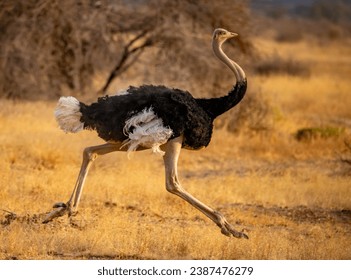
Bipedalism refers to the ability to walk on two legs and is a trait that has evolved independently in various species. Notable examples of 2 legged animals include humans, kangaroos, and certain bird species like ostriches and penguins. This form of locomotion can be observed in both terrestrial and avian species, each utilizing bipedalism to suit their unique ecological niches.
Bipedalism offers several distinct advantages. For one, it allows animals to stand tall, providing an enhanced field of view to spot predators or prey from a distance—a critical survival feature in open environments like the savannas. Moreover, in species such as humans, bipedalism frees the forelimbs, enabling the use of tools, which has been paramount in the development of complex societies and cultures. The energy efficiency associated with long-distance travel in some 2 legged animals is another notable benefit, as seen in humans and ostriches, who are known for their endurance over long distances.
Definition of Quadrupedalism
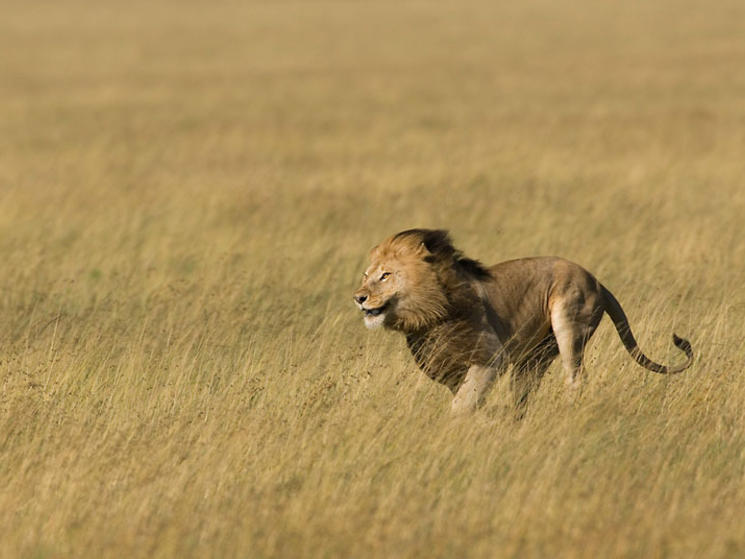
In contrast, quadrupedalism is characterized by movement on four legs and is the most common form of locomotion among terrestrial mammals. Examples of quadrupedal animals include dogs, cats, horses, and elephants. This strategy is also prevalent among many top predators such as lions and wolves, who rely on speed and stability to hunt effectively.
Quadrupedalism provides certain evolutionary advantages that bipedalism does not. The distribution of weight across four limbs allows for greater stability and strength, making it possible for large animals like elephants to move efficiently. Additionally, the ability to achieve high speeds in short bursts is a key survival trait for many quadrupeds, particularly those that rely on chasing down prey. The versatility of quadrupedalism also allows animals to navigate a variety of terrains, from dense forests to open plains.
In summary, both bipedalism and quadrupedalism present unique advantages that cater to the specific needs of different species, making them well-suited to their respective environments. The question of which is superior remains complex, as both strategies have evolved to maximize survival in the diverse ecological niches of our planet.
Evolutionary Advantages of Bipedalism
Energy Efficiency and Endurance
One of the most significant evolutionary advantages of bipedalism is its potential for energy efficiency and endurance. This locomotion style, characterized by walking on two legs, is notably advantageous in environments where long-distance travel is necessary. For instance, 2 legged animals like humans and ostriches have developed a unique ability to conserve energy while covering vast distances. This is particularly evident in the open savannas where early humans roamed. The ability to travel long distances without expending excessive energy allowed them to forage over larger areas, increasing their chances of finding food and avoiding predators.
Moreover, studies have shown that walking on two legs is more energy-efficient than quadrupedal locomotion over long distances. This efficiency is attributed to the pendulum-like motion of bipedal walking, which requires less muscular effort to maintain. As a result, bipedalism enables these creatures to sustain endurance activities, such as migration or hunting, with minimal fatigue. This endurance is a crucial survival trait, especially in habitats where food and water sources are spread out.
Enhanced Field of View
Another compelling advantage of bipedalism is the enhanced field of view it provides. By standing upright, 2 legged animals gain a significant height advantage over their quadrupedal counterparts. This increased height allows them to spot potential threats or resources from a greater distance. For early humans living in the savannas, this was a survival game-changer. The ability to see over tall grasses and spot predators or prey from afar gave them a critical edge in both hunting and evading danger.
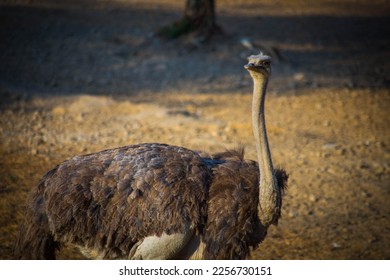
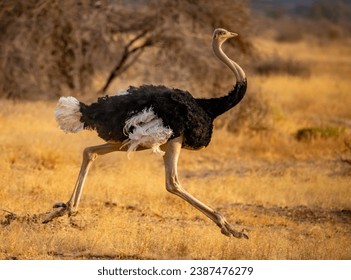
For modern-day examples, consider the ostrich, one of the fastest and largest birds on the planet. Its bipedal stance not only aids in rapid movement but also provides a panoramic view of its surroundings. This wide field of view is essential for detecting predators and navigating the vast African plains. Furthermore, in social animals like humans, standing upright enhances communication and interaction, as facial expressions and body language become more visible.
In conclusion, bipedalism offers distinct evolutionary benefits in terms of energy efficiency, endurance, and enhanced visibility. These advantages have enabled 2 legged animals to adapt and thrive in diverse environments, showcasing the adaptive power of this locomotion strategy.
Evolutionary Advantages of Quadrupedalism
Stability and Speed
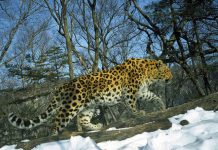
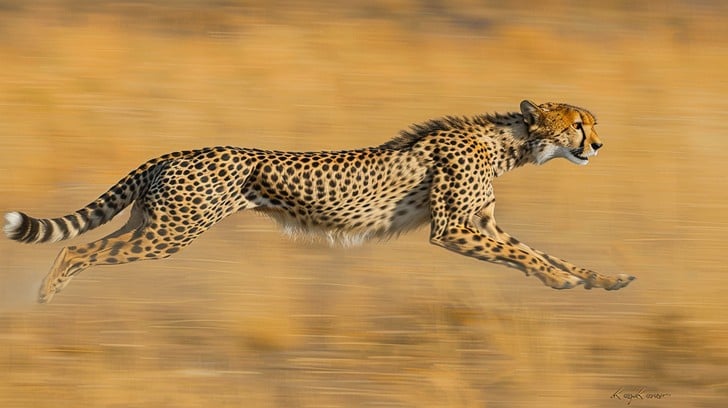
In the evolutionary race for survival, quadrupedalism stands out for its remarkable blend of stability and speed. By distributing their weight across four legs, quadrupeds such as cheetahs and horses achieve a level of balance that is unparalleled by their bipedal counterparts. This stability is crucial, especially when navigating uneven terrains or when engaged in high-speed pursuits. For instance, the cheetah, recognized as the fastest land animal, can reach speeds up to 75 mph due to its streamlined body and powerful, synchronized leg movements. This speed is not just about chasing prey but also about evading predators, which is vital in the wild.
The ability to burst into rapid motion provides quadrupeds with a distinct advantage in various ecological niches, allowing them to thrive in environments where quick reflexes can mean the difference between life and death. Unlike 2 legged animals, which may struggle with speed and balance, quadrupeds have evolved to maximize their efficiency in movement, making them formidable competitors in the animal kingdom.
Versatility in Terrain Navigation
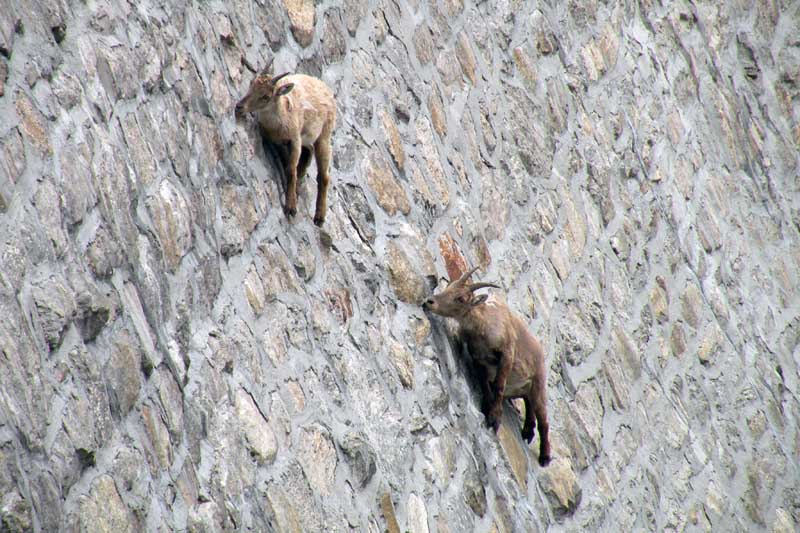
Quadrupedalism also offers an incredible versatility in terrain navigation. Four-legged animals such as mountain goats and big cats can traverse a variety of landscapes, from rocky cliffs to dense forests, with remarkable agility. This adaptability is a key evolutionary trait that allows quadrupeds to exploit a range of habitats that might be challenging for 2 legged animals.
Consider the mountain goat, which can climb steep, rocky terrains that would be insurmountable for many other species. Their unique hoof structure and balance enable them to navigate these precarious environments with ease, accessing food sources that are out of reach for predators. Similarly, animals like wolves and lions utilize their quadrupedal form to run long distances across varied terrains in pursuit of prey, showcasing both endurance and flexibility.
In contrast, 2 legged animals often require specific adaptations, such as wings for flight in birds or hopping mechanisms in kangaroos, to move efficiently across different terrains. Quadrupeds, however, seem to have a natural advantage in their capacity to adjust and thrive in diverse ecological settings.
Comparative Analysis of Ecological Niches
Bipedalism in Diverse Environments
Bipedalism, or the ability to walk on two legs, has given certain species unique advantages in a variety of ecological niches. 2 legged animals such as humans, kangaroos, and ostriches have evolved to thrive in environments where their upright posture provides significant benefits. One of the key advantages of bipedalism is the enhanced field of view it offers. By standing tall, these animals can spot predators or prey from a distance, a critical survival trait in open landscapes like savannas.
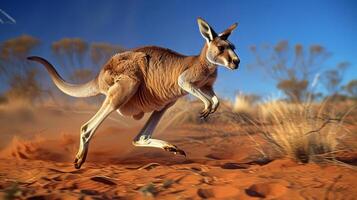
Humans, perhaps the most notable example of bipedal creatures, have utilized their upright stance to not only survey their surroundings but also to free their hands for tool use and manipulation. This adaptability has allowed humans to colonize a vast array of environments, from deserts to arctic tundras, demonstrating the versatility of bipedalism. Similarly, kangaroos use their powerful hind legs to cover great distances in the Australian outback, efficiently conserving energy while maintaining a high level of endurance.
However, bipedalism is not without its challenges. While 2 legged animals enjoy certain visibility and endurance advantages, they often sacrifice speed and stability, making them more vulnerable in some scenarios. Despite these drawbacks, bipedalism remains a remarkable evolutionary adaptation that has allowed species to exploit niches that demand high visibility and the use of tools.
Quadrupedalism in Varied Habitats
In contrast, quadrupedalism, or traveling on four legs, is a locomotion strategy that emphasizes speed, stability, and versatility across a wide range of habitats. Quadrupeds like lions, horses, and elephants have evolved robust bodies that enable them to navigate complex terrains, from dense forests to open plains. This form of movement provides a balance of speed and strength, allowing animals to be both agile predators and formidable defenders.
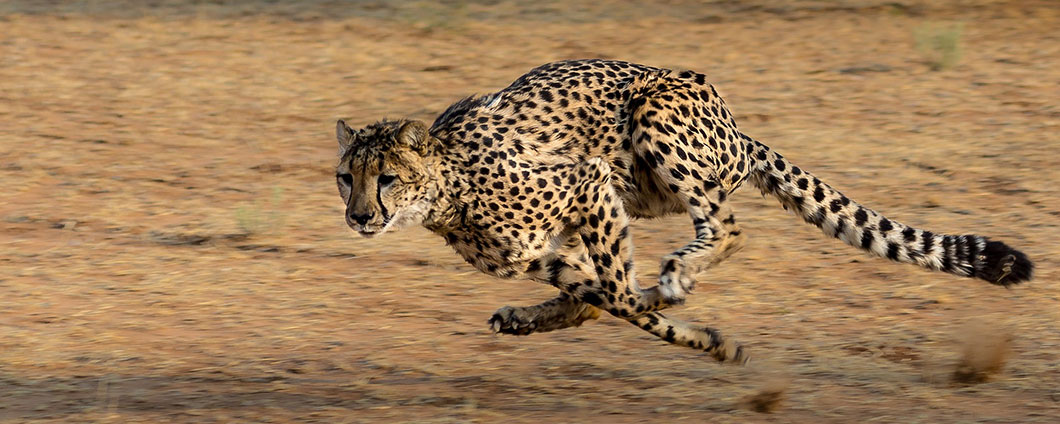
Quadrupeds dominate many ecological niches due to their ability to quickly adapt to different environments. For instance, the cheetah, renowned as the fastest land animal, uses its quadrupedal form to execute rapid bursts of speed in the pursuit of prey across the African savannah. On the other hand, elephants, with their immense size and strength, utilize their four-legged stance to traverse vast distances in search of food and water, demonstrating the energy efficiency of this locomotion in carrying heavy loads.
While quadrupedalism offers advantages in speed and stability, it also has limitations. The need for four limbs dedicated to movement means less capacity for tool use and manipulation, a trade-off that 2 legged animals can exploit. Nonetheless, quadrupedalism remains a dominant strategy in many ecosystems, providing a blend of speed, power, and adaptability.
Impact on Predation and Defense
Predatory Strategies of Bipeds
When it comes to predatory strategies, 2 legged animals have developed unique adaptations that leverage their bipedal nature to hunt and capture prey. For instance, humans, as one of the most prominent examples of bipedal predators, have used their free hands to craft tools and weapons, significantly enhancing their hunting capabilities. The ability to walk on two legs allows for a higher vantage point, enabling better surveillance of the environment for both prey and potential threats. This elevated viewpoint is particularly advantageous in open terrains, such as savannas, where spotting prey from a distance can make the difference between a successful hunt and going hungry.
Birds like the ostrich, another example of 2 legged animals, employ speed and endurance as their primary hunting and evasion strategies. While not predators in the traditional sense, their ability to sprint at high speeds helps them escape from predators and navigate between feeding grounds efficiently. For species like these, bipedalism offers a combination of speed and maneuverability that can be crucial for survival.
Defensive Mechanisms of Quadrupeds
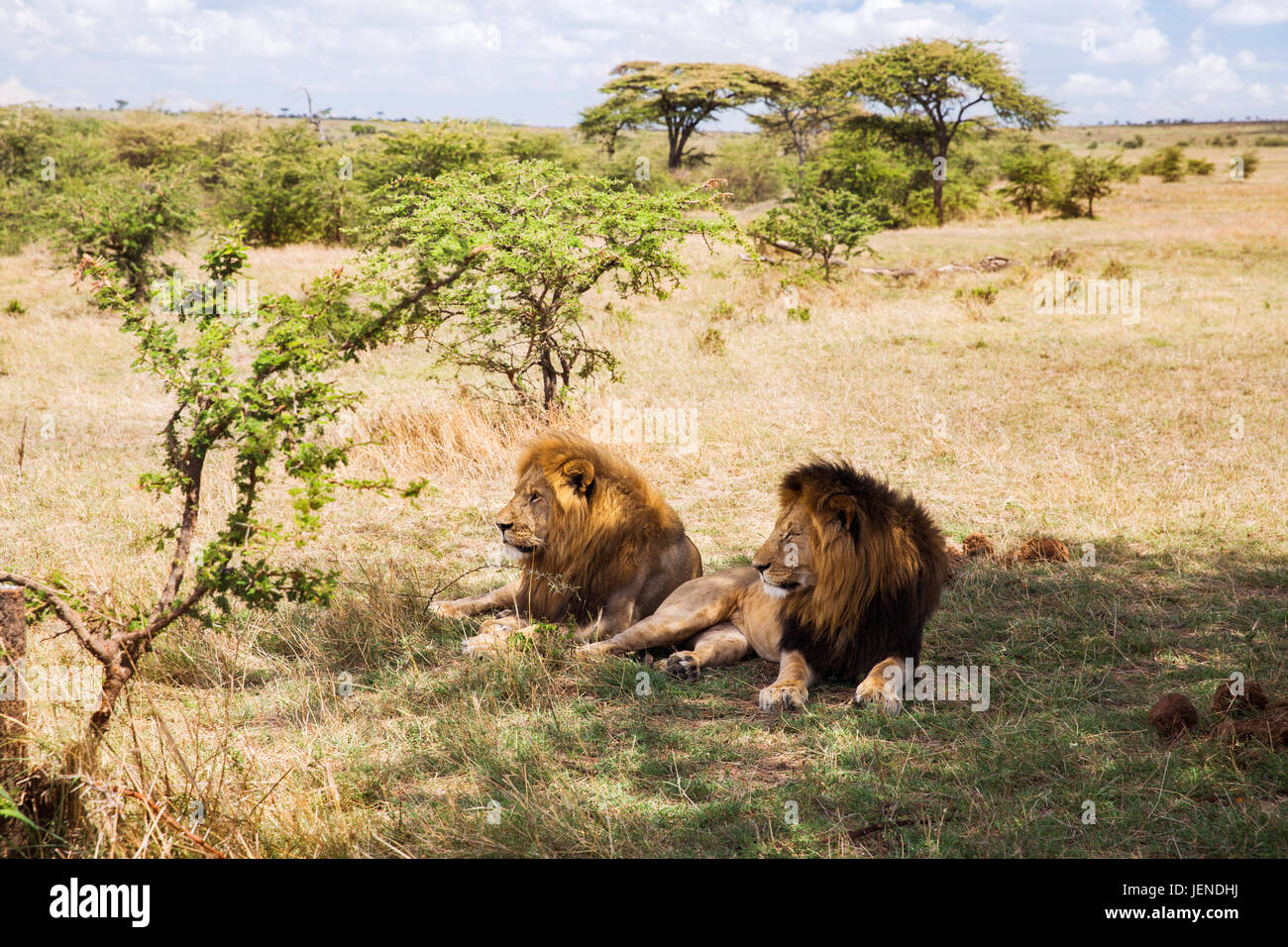
Quadrupeds, with their four-legged structure, have a range of defensive mechanisms that capitalize on their stability and strength. Animals such as lions and wolves, which are apex predators in their ecosystems, rely on their speed and power to both hunt and defend their territories. The distributed weight across four limbs provides these animals with superior balance and the ability to make sharp turns and quick bursts of speed, which are essential for both capturing prey and evading predators.
In terms of defense, large quadrupeds like elephants and rhinoceroses utilize their massive size and strength to ward off predators. Their ability to charge at threats with incredible force is a testament to the defensive advantages conferred by quadrupedalism. Additionally, the low center of gravity and sturdy build of quadrupeds provide them with the ability to navigate difficult terrains, offering an edge in diverse habitats where bipedal locomotion might be less effective.
In environments dense with vegetation, such as forests, the lower profile of quadrupeds allows for easier movement without drawing attention, which is a crucial survival trait. This ability to blend into their surroundings while maintaining agility gives quadrupeds a versatile approach to both offense and defense.
Conclusion: Adaptation and Survival in the Animal Kingdom
In the grand tapestry of life, the question of whether bipedal or quadrupedal locomotion holds the superior survival strategy is one of rich complexity. As we’ve explored, each form of movement offers its own unique set of advantages and challenges, perfectly tailored to the environments in which these animals thrive. It’s a testament to the marvel of evolution that these two distinct strategies coexist, each serving as a pivotal factor in the success of diverse species.
Bipedalism, with its hallmark of standing tall, affords creatures like humans, kangaroos, and certain birds the ability to spot predators or prey from afar. The 2 legged animals benefit from high visibility, the ability to use their free limbs for tasks such as carrying tools and building shelters, and an impressive endurance over long distances. This strategy has been particularly advantageous in open environments where energy efficiency and visibility are crucial for survival. However, the trade-offs include a generally slower speed and a higher risk of exposing vital organs, making bipedal creatures more vulnerable in certain situations.
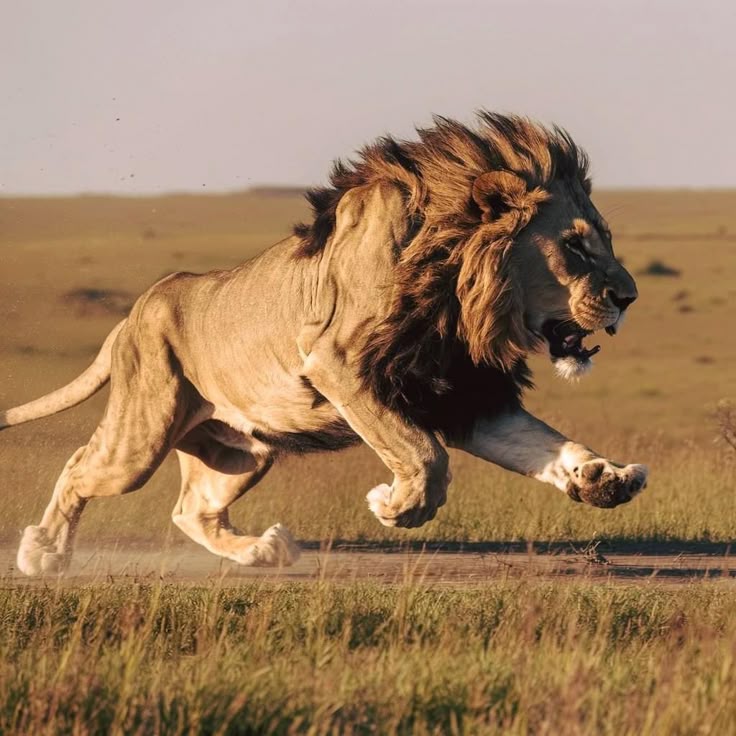
On the other hand, quadrupedalism offers unmatched stability and speed, a combination that has enabled animals like lions, horses, and wolves to dominate as top predators. The distribution of weight across four limbs allows for rapid acceleration and agile maneuvers, essential in dense forests or predator-rich habitats. While these creatures are often unable to manipulate objects with the same dexterity as their bipedal counterparts, their raw strength and versatility in terrain navigation provide a formidable edge.
Ultimately, the question of which locomotion style is superior is answered not in absolute terms, but within the context of specific ecological niches. 2 legged animals may excel in environments where endurance and the use of tools grant them a survival advantage. Meanwhile, four-legged creatures reign in ecosystems where speed and strength are paramount.
In the animal kingdom, adaptation is the key to survival. Nature, in its wisdom, has not favored one strategy over the other but has instead allowed both to flourish in their respective domains. This duality underscores a fundamental truth of evolution: the best strategy is the one that aligns with the challenges and opportunities of a given environment.
At WildWhiskers, we celebrate these incredible adaptations and the diversity they bring to life on Earth. Our platform is a haven for animal enthusiasts, where stories of 2 legged and four-legged wonders alike are shared and cherished. Join us, and immerse yourself in the extraordinary tales of the animal kingdom—because every tiny tail tells a big story.