








Nature is an artist, and its palette is as diverse as it is fascinating. Among the most striking color combinations in the animal kingdom is the classic yet compelling duo of black and white. These black and white animals are not just visually captivating but also possess intriguing adaptations that have fascinated scientists and nature lovers alike. From the dense forests to the vast oceans, these creatures have evolved to use their contrasting hues for survival, communication, and camouflage.
Imagine the enigmatic beauty of the Panda Ant, a creature that defies ordinary expectations, or the rare and elusive Zebra Duiker, whose striped pattern is an evolutionary masterpiece. As we delve deeper, we’ll explore the skies with the elegant Black and White Warbler and the distinctive Magpie Goose, each showcasing nature’s penchant for monochrome elegance.
Beneath the waves, the ocean reveals its own monochromatic marvels, such as the mysterious Orca and the uncommon Sea Krait, whose striking patterns serve both as a warning and a disguise. On land, the curious Tapir and lesser-known skunk variants showcase unique coats that tell stories of evolution and adaptation.
Reptiles and amphibians are not to be left out, with bold and contrasting patterns like those of the Banded Krait and the uniquely patterned Harlequin Toad. Each creature, whether in the dense jungles, arid plains, or deep seas, uses its colors not just for beauty but for survival in a harsh world.
Join us on this journey as we uncover the hidden tales of these black and white animals and discover the beauty beyond the usual, where nature’s artistry reveals itself in the most unexpected ways. Prepare to be amazed by the subtle genius of evolution and the striking patterns that only the wild can offer.
Striking Patterns of Nature
Nature’s palette isn’t limited to the vibrant spectrum of colors we often associate with the animal kingdom. Instead, black and white animals offer a stark, yet stunning contrast that captivates and intrigues. These creatures boast patterns that serve various functions beyond mere aesthetics. From camouflage to communication, their monochromatic appearances are a testament to the ingenious ways these animals adapt to their environments.
The Enigmatic Panda Ant
Despite its name, the Panda Ant is neither a panda nor an ant. This fascinating creature is actually a type of wingless wasp, known scientifically as Euspinolia militaris. Found primarily in the Chilean regions of South America, the Panda Ant sports a striking black and white coat, reminiscent of the beloved giant panda, which is how it gets its name.
The Panda Ant’s distinctive coloring is not just for show; it’s a warning to potential predators. The bold black and white patterns serve as a signal of the wasp’s potent sting. Unlike other wasps, the female Panda Ants are wingless and have a particularly painful sting, earning them the nickname “cow killer.”
This insect’s life cycle and behavior are as intriguing as its appearance. The females are solitary creatures, spending much of their time searching for the nests of ground-nesting bees, where they lay their eggs. Once the larvae hatch, they feed on the bee larvae, showcasing a unique parasitic relationship.
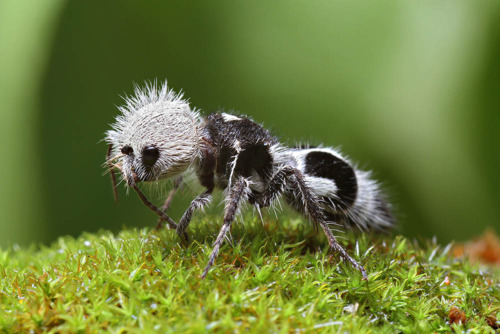
The striking black and white Panda Ant in its natural habitat
The Rare Zebra Duiker
In the lush rainforests of West Africa, the Zebra Duiker (Cephalophus zebra) roams among the dense foliage. This small antelope is known for its unique, zebra-like stripes that run across its golden-brown body. These stripes are not just a decorative feature but serve an essential purpose in the wild. They help the Zebra Duiker blend into the dappled sunlight filtering through the forest canopy, providing camouflage from predators.
Zebra Duikers are elusive and are considered one of the least known members of the duiker family. They are browsers, feeding on leaves, fruits, and flowers, often foraging in the early morning or late afternoon when the forest is cooler. Their diet and habits play a crucial role in the ecosystem, as they help in seed dispersal, contributing to the forest’s biodiversity.
Unfortunately, the Zebra Duiker faces threats from habitat destruction and hunting, leading to a vulnerable conservation status. Efforts are underway to protect their habitats and ensure that these black and white animals continue to thrive in the wild, maintaining the ecological balance of their habitat.
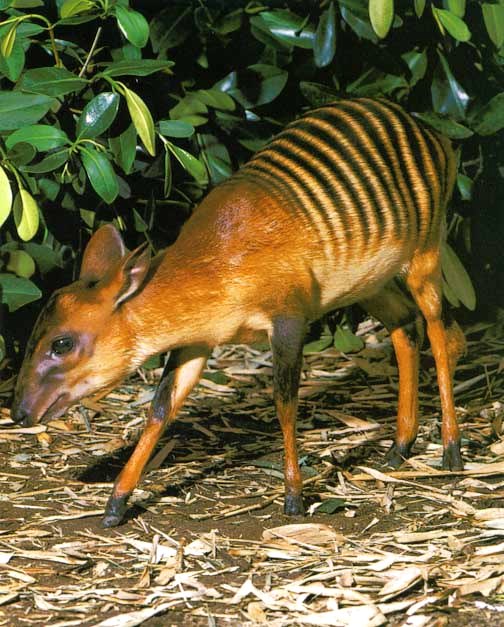
The rare and elusive Zebra Duiker with its distinctive stripes
Unique Birds in Monochrome
Nature’s palette is vast, yet the allure of black and white animals remains timeless. In the avian world, certain birds have mastered this striking color combination, using it to their advantage in various ways. Among these, two fascinating species stand out: the Elegant Black and White Warbler and the Distinctive Magpie Goose. These birds not only captivate us with their appearance but also with their unique behaviors and adaptations.
The Elegant Black and White Warbler
The Black and White Warbler (Mniotilta varia) is a small songbird that embodies elegance through its striking monochrome plumage. Found predominantly in North America, this bird is a marvel of nature’s artistry. Its black and white stripes create a zebra-like pattern, allowing it to blend seamlessly into the dappled light of the forest canopy. This camouflage is essential for avoiding predators and sneaking up on unsuspecting insects, which constitute the bulk of its diet.
These warblers are known for their unique foraging behavior. Unlike most warblers, which typically flutter through the air, the Black and White Warbler moves in a manner reminiscent of a nuthatch, creeping along tree trunks and branches. This behavior allows them to exploit a niche that few other birds occupy, showcasing how their black and white patterns are not merely for show but serve a critical functional purpose.
During the breeding season, the male warbler’s song—a series of high-pitched, repetitive notes—fills the forest, a melodic testament to the vibrancy of life. Their nests, often tucked away in the underbrush, are carefully constructed, camouflaged by their surroundings and their own plumage.
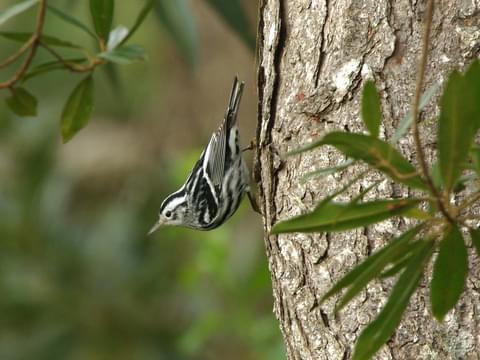
The Elegant Black and White Warbler in its natural habitat
The Distinctive Magpie Goose
Contrasting the diminutive Black and White Warbler, the Magpie Goose (Anseranas semipalmata) offers a larger, more robust interpretation of monochrome beauty. Native to northern Australia and southern New Guinea, this bird is a unique member of the waterfowl family, distinguished by its striking black and white plumage and its peculiar characteristics.
The Magpie Goose’s plumage—black on the wings and tail, white on the body—provides a stark contrast that is visible even from a distance. This coloration is not just for aesthetic appeal; it plays a role in social signaling within flocks. Magpie Geese are highly social birds, often seen in large groups where their contrasting colors help maintain cohesion and communication among members.
One of the most intriguing aspects of the Magpie Goose is its breeding behavior. Unlike most geese, which are strictly monogamous, the Magpie Goose practices a form of cooperative breeding where trios—one male and two females—often work together to raise their young. This strategy increases the survival rate of their offspring and demonstrates the complexity of their social structure.
Their loud, honking calls echo across wetlands, a reminder of their presence and a call to their companions. The Magpie Goose is not only a testament to the beauty of black and white animals but also an example of the intricate social dynamics that can evolve within avian species.
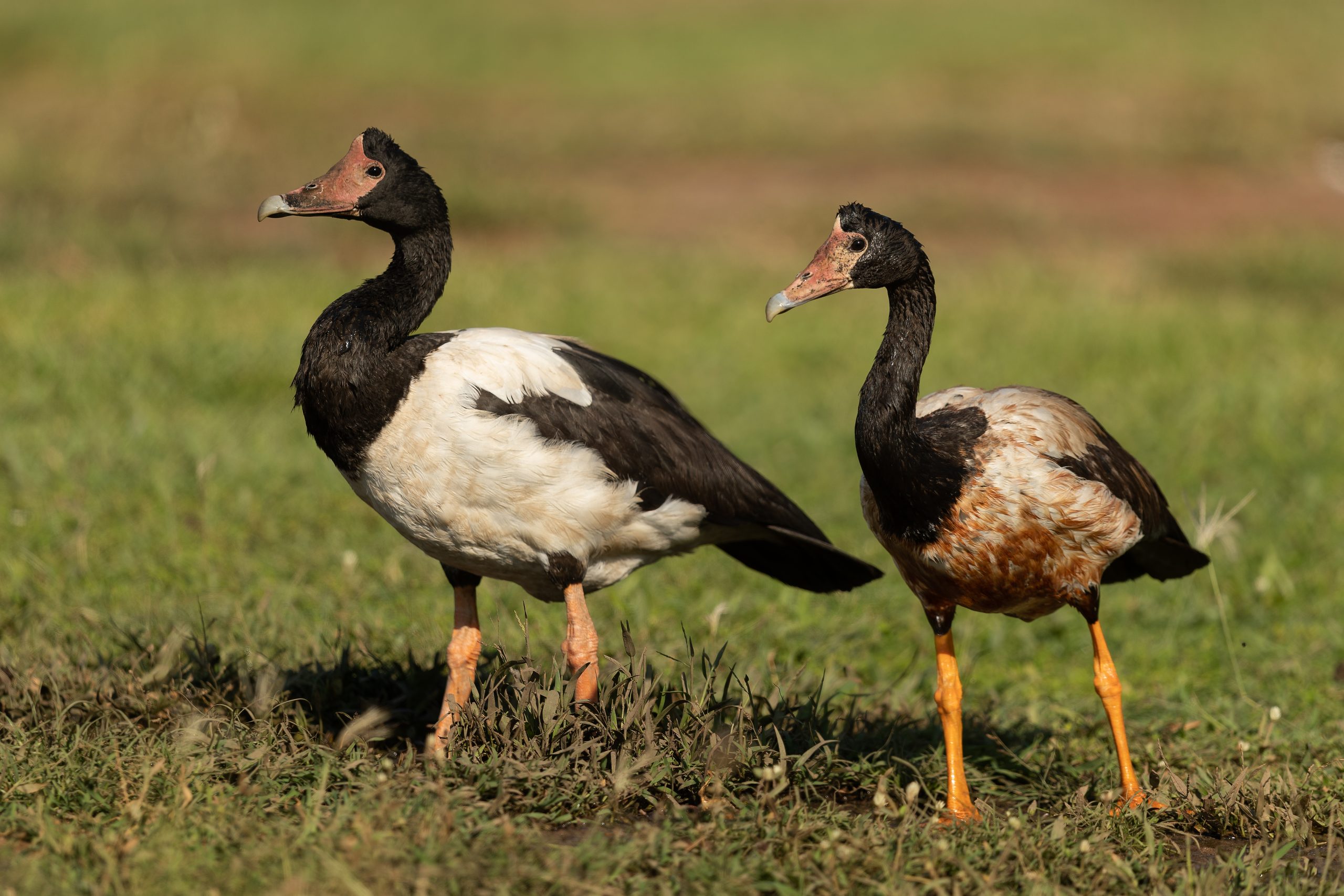
The Distinctive Magpie Goose displaying its striking plumage
In conclusion, the world of black and white animals is as diverse as it is captivating. Birds like the Black and White Warbler and the Magpie Goose illustrate how monochrome coloration can evolve to serve multiple roles, from camouflage and communication to social interaction. Their unique adaptations highlight the incredible ways in which nature utilizes color—or the lack thereof—to create harmony within the animal kingdom.
Marine Marvels in Black and White
The ocean, with its vast and enigmatic depths, is home to some of the most fascinating black and white animals. These creatures not only captivate us with their striking appearances but also play vital roles in their marine ecosystems. In this section, we’ll dive into the lives of two incredible marine species: the Mysterious Orca and the Uncommon Sea Krait.
The Mysterious Orca
The orca, also known as the killer whale (Orcinus orca), is one of the most iconic and formidable predators of the ocean. Despite its common name, the orca is actually the largest member of the dolphin family. Its sleek, black and white body is an epitome of nature’s design, crafted for both stealth and strength. This coloration not only serves as camouflage, blending with the ocean’s depths when viewed from above or below, but also plays a part in social interaction among pods.
Orcas are highly social creatures, known for their complex vocalizations and sophisticated hunting strategies. These intelligent mammals often hunt in packs, employing tactics that can outsmart even the most elusive prey. From herding schools of fish to beaching themselves to catch seals, their adaptability is a testament to their intelligence.
Interestingly, orcas are found in every ocean, from the frigid Arctic and Antarctic regions to tropical seas. This wide distribution is a testament to their incredible adaptability. However, despite their prowess, orcas face threats from pollution, climate change, and prey depletion, making conservation efforts crucial for their continued survival.

Orca gliding through the ocean
The Uncommon Sea Krait
Venturing into the realms of the snake world, the Uncommon Sea Krait stands out with its unique black and white banded appearance. Unlike most snakes, sea kraits are amphibious, spending time both in the water and on land. They are primarily found in the warm waters of the Indo-Pacific region, where they hunt for eels and other small fish.
The sea krait’s striking coloration serves as a warning to potential predators; it is highly venomous, and its bite can be fatal. However, sea kraits are not aggressive towards humans and typically only bite when provoked. Their venom is potent but primarily used to subdue prey, making it a vital tool for survival in the competitive marine environment.
Sea kraits also have a fascinating life cycle. They return to land to digest their food, shed their skin, and lay eggs. This dual habitat existence makes them unique among snakes and presents interesting challenges and adaptations.
Despite their venomous nature, sea kraits play an important role in marine ecosystems by controlling fish populations. Their presence is a reminder of the delicate balance of life in the ocean and the intricate web of interactions that sustain it.
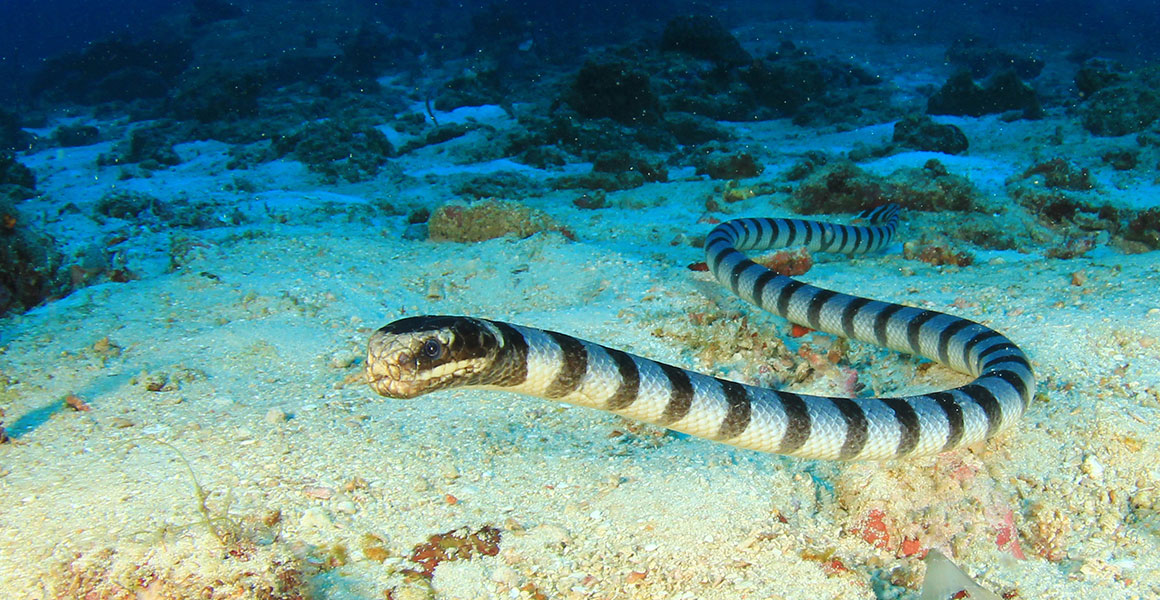
Sea krait elegantly navigating a coral reef
Together, the orca and the sea krait exemplify the diversity of black and white animals in marine environments. Their unique adaptations and roles in their ecosystems highlight the wonder of nature’s monochrome palette, inviting us to appreciate the complexity and beauty of life beneath the waves.
Land Mammals with Unique Coats
Nature never ceases to amaze with its vast array of species, each uniquely adapted to their environments. Among these, some land mammals display striking black and white patterns, offering both beauty and functionality. Let’s explore two fascinating examples: the curious tapir and the lesser-known skunk variants.
The Curious Tapir
The tapir is a large, herbivorous mammal that might remind you of a pig with a short trunk. However, its distinctive coloration sets it apart. The Malayan tapir, in particular, boasts a remarkable black and white pattern that serves as an outstanding example of nature’s creativity. This species is primarily found in the rainforests of Southeast Asia and is recognized for its black forequarters and hindquarters, contrasted with a white or gray midsection.
This unique pattern is not merely for aesthetics. The tapir’s coloration provides excellent camouflage in the dappled light of the forest. In the dense jungle, their black and white bodies blend seamlessly with the shadows and light patches, helping them avoid predators. Despite their size, tapirs are surprisingly elusive in their natural habitats.
Furthermore, tapirs play a crucial role in their ecosystems as seed dispersers. By consuming a variety of fruits and plants, they help to maintain the health and diversity of their forest environments. Sadly, the Malayan tapir is classified as endangered due to habitat loss and hunting, making conservation efforts vital for their survival.
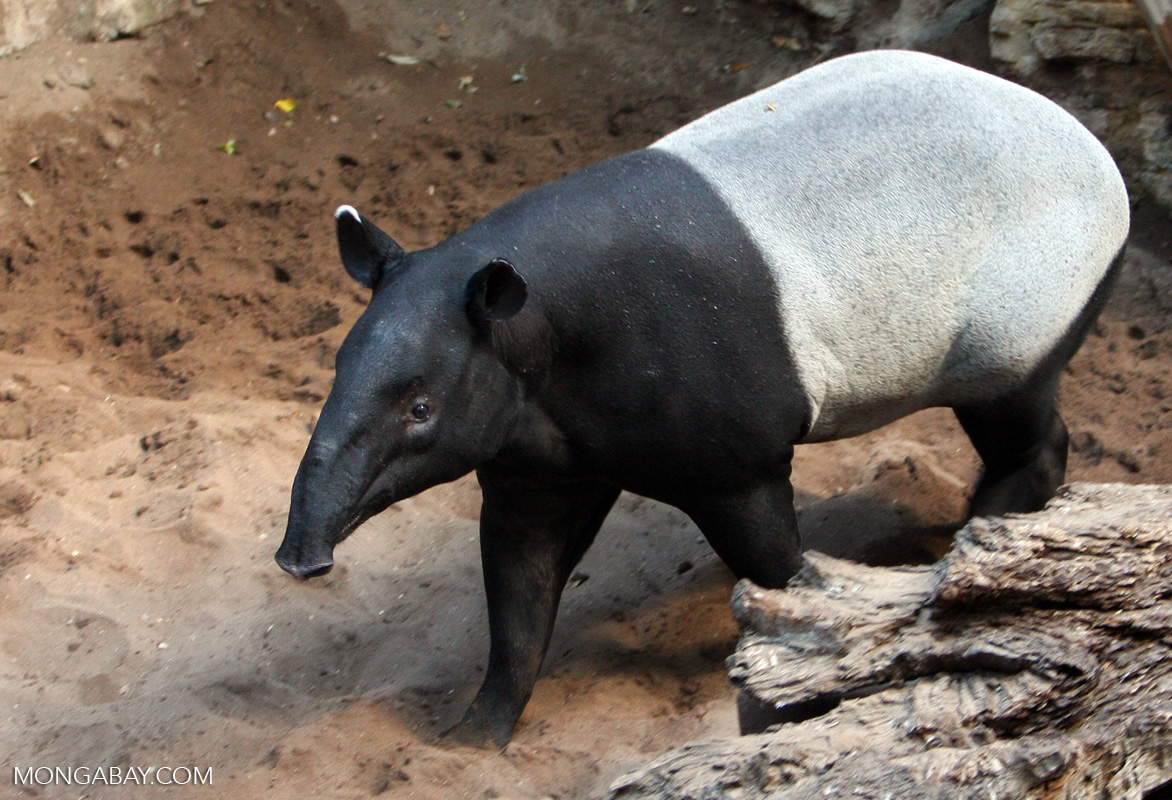
The Malayan tapir with its distinctive black and white pattern
The Lesser-Known Skunk Variants
When we think of skunks, the image of a small, black mammal with a prominent white stripe likely comes to mind. However, skunks are a diverse family, and not all of them fit this classic description. There are several lesser-known variants of skunks, each with their unique patterns, yet all maintaining the classic black and white theme.
For instance, the hooded skunk, found in the southwestern United States and Central America, is known for its striking hood of white fur that covers its head and shoulders. Its body is predominantly black, creating a bold contrast. Similarly, the spotted skunk, which is smaller and more agile than its striped cousins, features intricate patterns of spots and broken stripes that make it look quite different from the typical image of a skunk.
These skunks utilize their black and white colors as a warning signal to potential predators. The stark contrast serves as a visual cue that these creatures are capable of defending themselves with a powerful spray of foul-smelling liquid, a defense mechanism that is both highly effective and memorable. This warning coloration is a classic example of aposematism—where bright and bold colors signal danger or unpalatability.
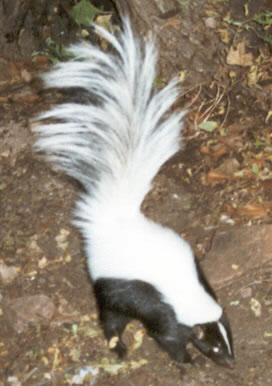
The hooded skunk with its unique white hood and black body
In conclusion, the world of black and white animals is full of wonders, each species displaying its unique adaptations and survival strategies. From the elusive tapir to the bold skunk, these mammals highlight the incredible diversity and ingenuity of nature’s designs. Their stories remind us of the importance of conservation and the need to protect these remarkable creatures and their habitats for future generations to appreciate.
Reptiles and Amphibians in Contrast
The Banded Krait’s Bold Stripes
The Banded Krait is an exquisite example of nature’s artistry, displaying a striking black and white pattern that serves both aesthetic and functional purposes. Found predominantly in the tropical regions of India and Southeast Asia, these snakes are recognized by their bold, alternating bands of black and white, which run the entire length of their bodies. This pattern is not just for show; it plays a crucial role in the snake’s survival.
The coloration of the Banded Krait serves as a warning signal to potential predators. Known for its potent venom, the krait’s striking appearance acts as a deterrent, indicating its dangerous nature. This phenomenon, known as aposematism, is a common evolutionary strategy among many black and white animals. The high contrast of their coloration makes them easy to spot, allowing predators to learn and remember to stay away.
In addition to defense, the banded pattern provides a form of camouflage amidst the dappled light of its natural habitat. As the snake moves through the underbrush, its bands can blend with the play of light and shadow, making it difficult for both prey and predators to detect its presence.
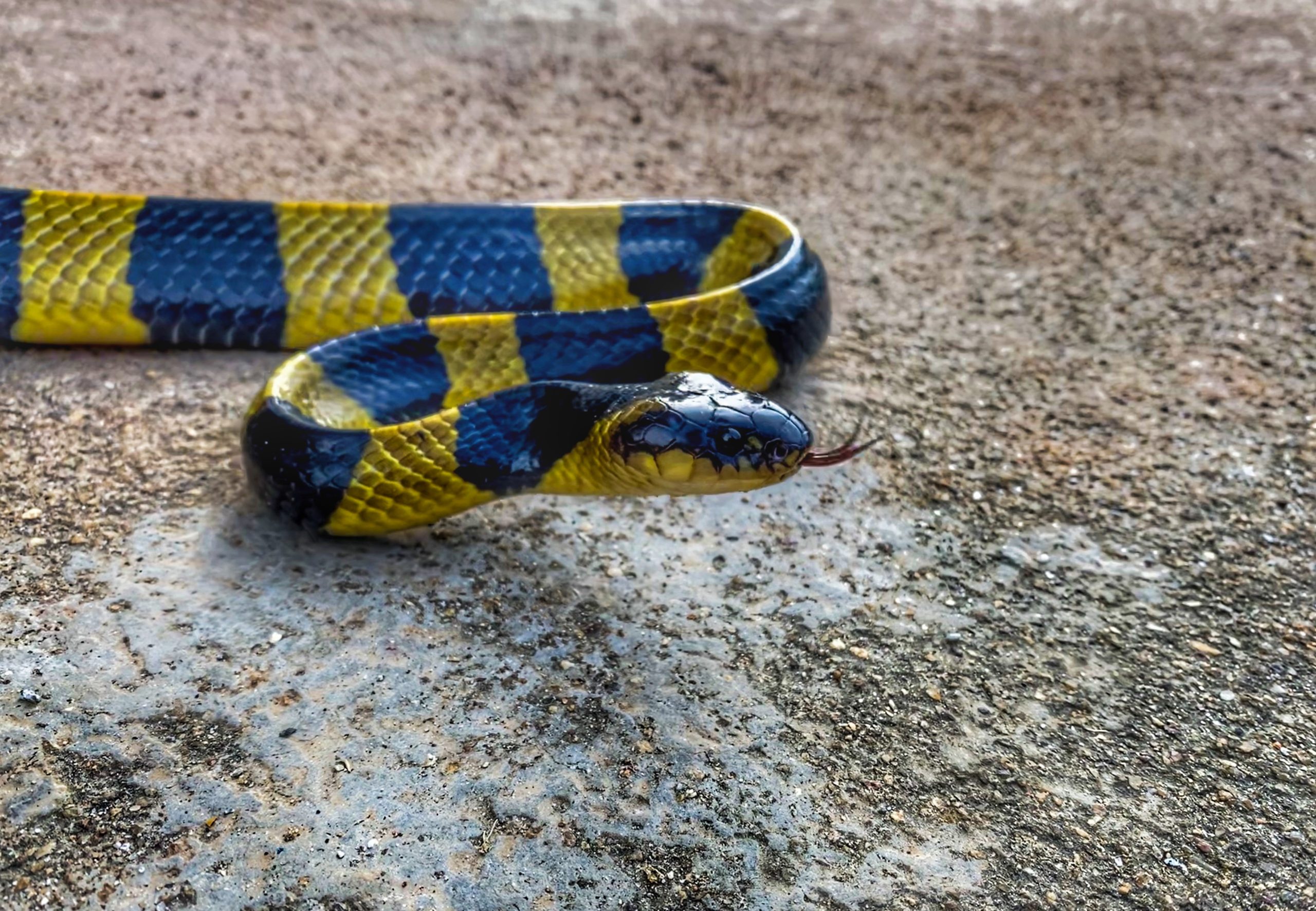
The bold black and white stripes of the Banded Krait
The Harlequin Toad’s Unique Patterns
Moving from reptiles to amphibians, the Harlequin Toad is another fascinating creature that showcases nature’s penchant for black and white designs. These toads are primarily found in Central and South America, inhabiting moist montane forests. Their patterns are as diverse as the species themselves, often featuring a mix of black, white, and sometimes other vibrant colors like yellow or red.
The name “Harlequin” alludes to the toad’s patchwork-like coloration, reminiscent of the costumes worn by harlequin performers in traditional European theaters. Each species of Harlequin Toad has its distinct pattern, making them a favorite among researchers and enthusiasts who study black and white animals.
These patterns serve multiple purposes. Primarily, they provide camouflage against the backdrop of fallen leaves and forest detritus. Additionally, the bright contrasts can also act as a warning coloration, signaling the toad’s toxicity to potential predators. This dual purpose is a testament to the evolutionary ingenuity that black and white animals often exhibit.
Unfortunately, many species of Harlequin Toads are facing threats from habitat loss and disease, particularly the devastating chytrid fungus, which has led to dramatic population declines. Conservation efforts are crucial to preserve these stunning amphibians and the ecological roles they play.

The unique and vibrant patterns of a Harlequin Toad
Through their bold stripes and unique patterns, the Banded Krait and Harlequin Toad demonstrate the incredible diversity and adaptability of black and white animals. These creatures not only captivate with their beauty but also embody the complex interplay of evolutionary strategies that enable survival in the wild.
Discovering Beauty Beyond the Usual
Nature is an artist with a palette as diverse as the ecosystems it paints. Among its most striking creations are the black and white animals that captivate us with their stark contrasts and intriguing patterns. These creatures, often overlooked or unknown, are living examples of how nature employs simplicity in color to create extraordinary beauty.
Black and White Animals: A Study in Contrast
Black and white animals are not just visually striking; they challenge our perceptions of beauty by showing how two opposing colors can coexist harmoniously. This duality often serves purposes beyond mere aesthetics, providing camouflage, communication, and even a means of survival. For example, the panda ant, despite its name, is not an ant but a wingless wasp known for its panda-like coloration. Its bold pattern warns predators of its painful sting, an effective deterrent in the wild.
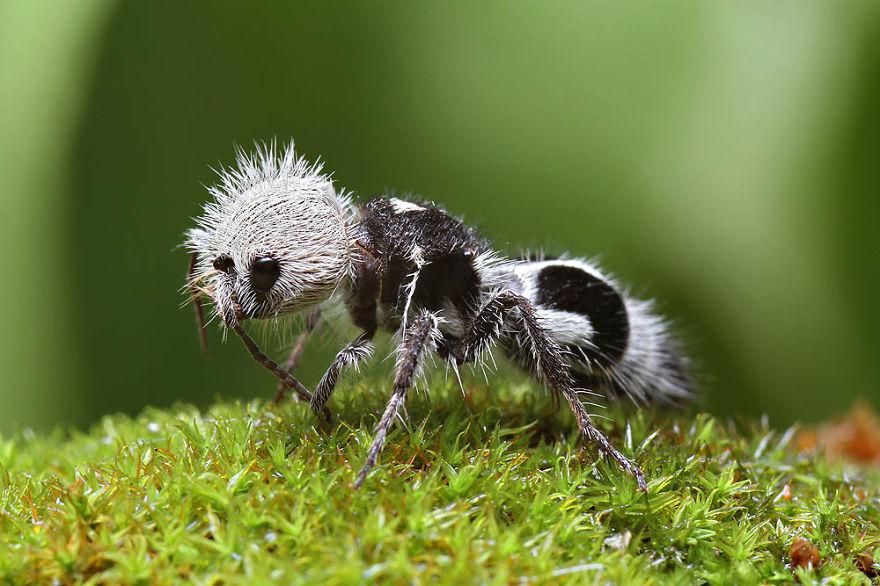
A panda ant showcasing its striking black and white pattern
Similarly, the zebra duiker, a rare and elusive antelope found in West Africa, uses its unique striped pattern to blend into the dappled sunlight of its forest habitat. These stripes are not just for show but serve as a form of camouflage, helping the duiker evade predators in the dense undergrowth.
The Elegance of Monochrome Birds
Birds, too, embrace the black-and-white theme with elegance and flair. The black and white warbler, with its distinct plumage, stands out in the avian world. This small bird’s contrasting colors are not just for visual appeal; they play a crucial role in its habitat. The warbler’s bold stripes help it blend into the bark of trees as it forages for insects, a strategy that enhances its survival in the wild.
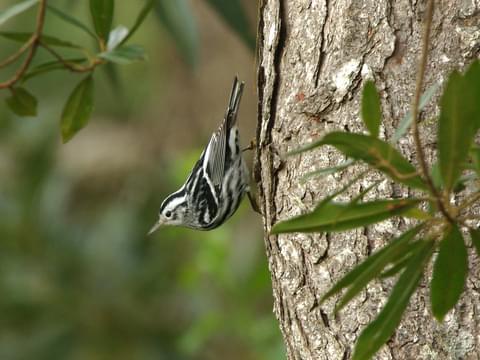
A black and white warbler blending into its surroundings
Moreover, the magpie goose of Australia is another example of avian elegance in monochrome. Its striking appearance is complemented by a unique social structure and feeding behavior. The goose’s black and white plumage aids in social interactions within its flock, helping individuals recognize each other in large groups.
Marine Wonders in Black and White
Below the surface of the ocean, creatures like the orca and the sea krait continue the theme of black and white magnificence. Orcas, or killer whales, are apex predators known for their intelligence and complex social structures. Their distinctive black and white markings are not just for show; they serve to confuse prey and communicate with other orcas during hunts.
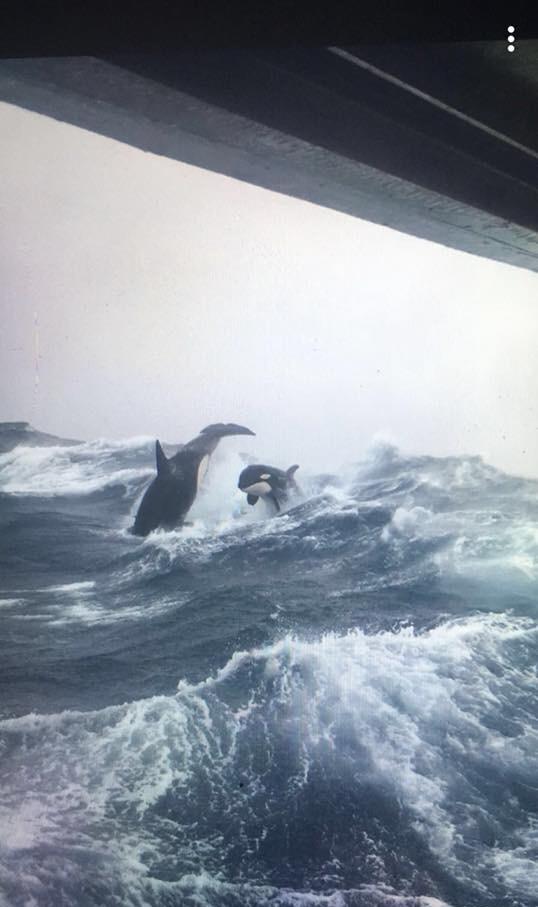
An orca showcasing its striking black and white pattern
The sea krait, a lesser-known marine reptile, features bold black bands against a white body, which serve as a warning to potential predators about its venomous nature. This coloration is an example of aposematism, where bright and contrasting colors signal danger, deterring attacks from other animals.
Terrestrial Marvels and Their Unique Coats
On land, creatures like the tapir and various skunk species continue to fascinate with their unique coats. The Malayan tapir is particularly notable for its color-block design, with a stark division between its black front and white back. This unusual pattern is not only eye-catching but also helps the tapir blend into the forest shadows, a vital adaptation for avoiding predators.
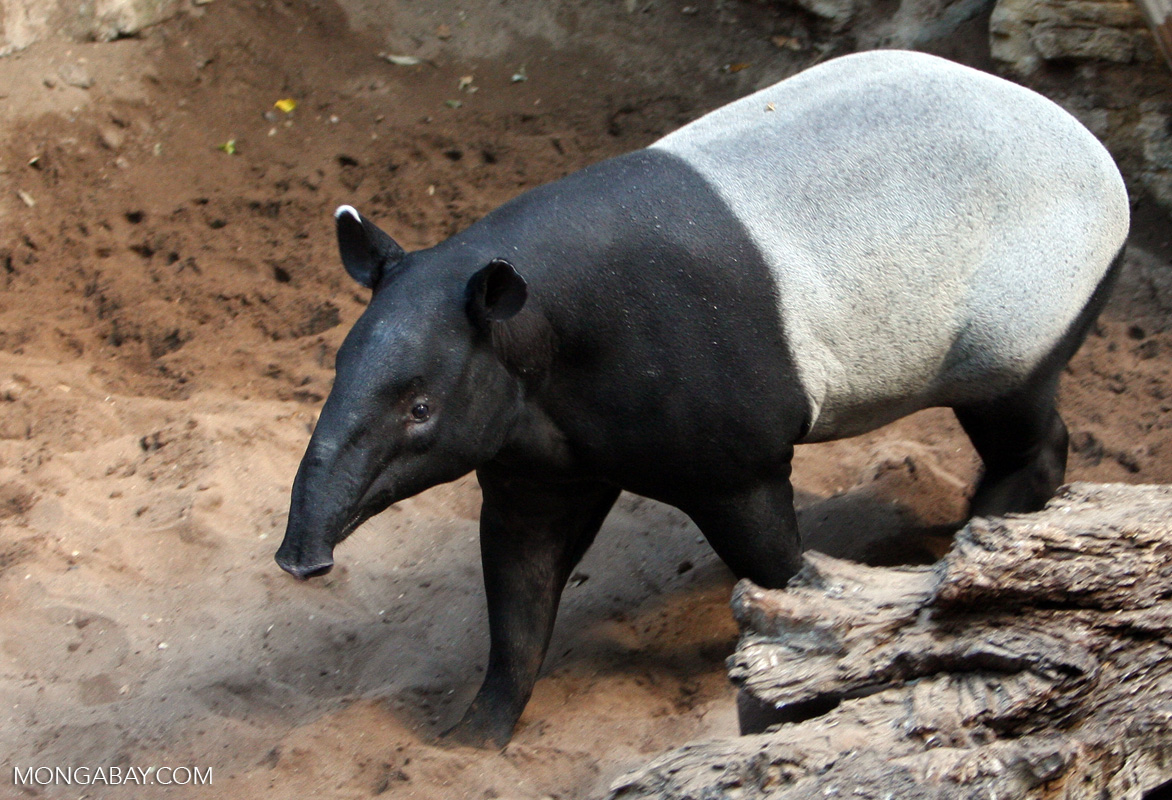
A Malayan tapir using its unique coloration for camouflage
Skunks, known for their scent rather than their appearance, also boast a variety of black and white patterns. These patterns serve as a warning to potential threats, signaling the skunk’s ability to defend itself with a potent spray.
The Intricate Designs of Reptiles and Amphibians
In the realm of reptiles and amphibians, the banded krait and the harlequin toad are prime examples of nature’s artistry. The banded krait, with its bold stripes, uses its coloration to warn predators of its venomous bite, a common theme among black and white animals in the wild.
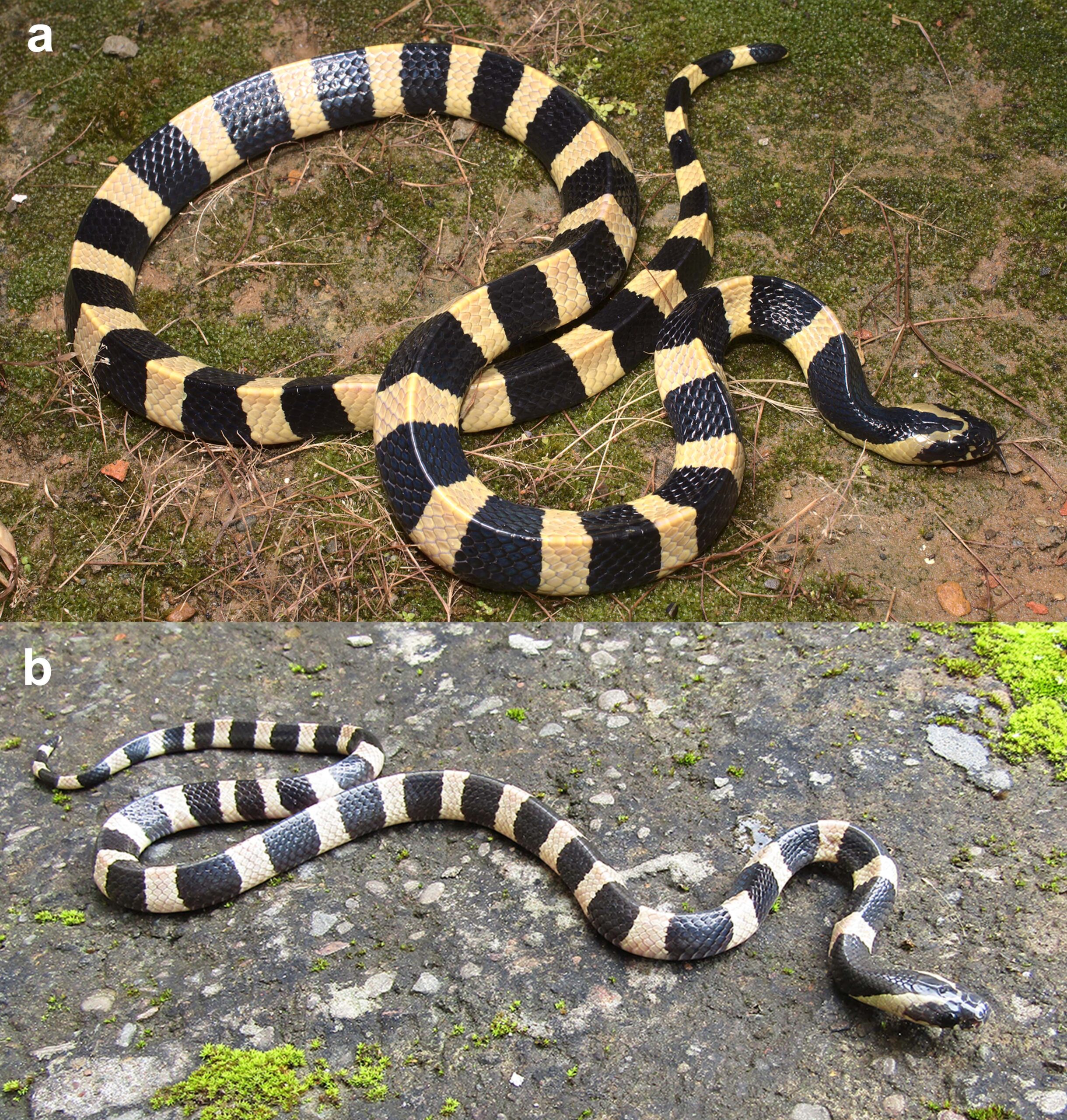
A banded krait displaying its distinctive black and white stripes
The harlequin toad, on the other hand, showcases intricate patterns that are both beautiful and functional, providing camouflage among the leaves and rocks of its habitat.
Embracing the Unseen Beauty
As we explore the world of these black and white animals, we are reminded of the diversity and ingenuity of nature. These creatures, with their simple yet profound color schemes, invite us to appreciate the beauty beyond the usual. They challenge us to look beyond the vibrant colors we often celebrate and find wonder in the monochrome marvels of the natural world.
WildWhiskers is a dedicated news platform for animal lovers around the world. From heartwarming stories about pets to the wild journeys of animals in nature, we bring you fun, thoughtful, and adorable content every day. With the slogan “Tiny Tails, Big Stories!”, WildWhiskers is more than just a news site — it’s a community for animal enthusiasts, a place to discover, learn, and share your love for the animal kingdom. Join WildWhiskers and open your heart to the small but magical lives of animals around us!