







The world of black animals is as intriguing as it is mysterious, a realm where nature’s artistry meets the profound depths of cultural symbolism. From the sleek, enigmatic presence of the black panther in the dense jungles to the menacing allure of the black mamba slithering through the underbrush, these creatures captivate our imagination and stir our curiosity. What is it about these dark-hued beings that draws us in, compelling us to explore their stories and secrets?
In the natural world, black animals often exhibit unique adaptations that give them a survival edge, whether it’s through enhanced camouflage or thermal regulation. The science of melanism, a genetic condition responsible for their striking coloration, reveals an evolutionary tale where darkness becomes a cloak of invisibility or a beacon of dominance. Beyond their physical attributes, these animals occupy a significant space in human culture, woven into myths and legends that speak of power, mystery, and transformation.
Yet, the allure of these creatures goes beyond their appearance. They challenge our perceptions and invite us to delve deeper into the conversations about conservation and the delicate balance of ecosystems they inhabit. As we explore their world, we uncover not only the beauty of their existence but also the pressing challenges they face. From habitat destruction to the threat of hunting, the plight of these animals is a call to action for preservation and awareness.
Join us on this journey into the enigmatic world of black animals, where each story unveils a new layer of wonder and wisdom, urging us to appreciate and protect these remarkable embodiments of nature’s diversity.
The Allure of Black Animals
Black animals have long captivated the human imagination, drawing us into a world where mystery and elegance coalesce in the velvety darkness of their appearance. Their enigmatic presence not only piques our curiosity but also enriches cultural narratives and folklore across the globe. In this section, we delve into the cultural significance and symbolism of black animals, as well as the myths and legends that have emerged around them.
Cultural Significance and Symbolism
Throughout history, black animals have been imbued with a plethora of meanings, often reflecting the dual nature of darkness as both feared and revered. In many cultures, black animals symbolize profound concepts such as mystery, power, and transformation. For instance, the black panther is often seen as a symbol of strength and cunning, its sleek and stealthy demeanor inspiring tales of valor and mystery.
In contrast, black cats, particularly in Western cultures, have been linked to superstitions and omens. They are frequently associated with witchcraft and the supernatural, a belief that dates back to the Middle Ages when they were thought to be familiars or shapeshifted witches. However, in other cultures, such as in Japan and Scotland, black cats are considered harbingers of good luck and protection.
Ravens and crows, with their glossy black plumage, are another example of animals steeped in symbolism. In many Native American tribes, ravens are seen as creators or tricksters, embodying the complexity of life and the fine line between light and dark. In Norse mythology, the god Odin was accompanied by two ravens, Huginn and Muninn, representing thought and memory, showcasing the bird’s association with wisdom and insight.
Myths and Legends Surrounding Black Animals
The mysterious aura of black animals has also given rise to numerous myths and legends, often highlighting their otherworldly qualities. For example, the black mamba, a snake native to parts of sub-Saharan Africa, is not only known for its speed and potency but also for the myths surrounding its lethal nature. Stories abound of its supposed ability to chase down and kill humans, although these are largely exaggerated. Nonetheless, the black mamba’s reputation as a formidable creature persists, cementing its place in local folklore.
Another fascinating legend is that of the black dog, a spectral hound said to haunt rural paths and graveyards across the United Kingdom. This mythical creature is often considered an omen of death, its appearance heralding misfortune. However, some variations of the legend depict the black dog as a protector, guiding lost travelers to safety. This duality further emphasizes the complex role black animals play in our storytelling traditions.
In Asian cultures, the black dragon is a revered figure, symbolizing strength, wisdom, and transformation. Unlike Western depictions of dragons as malevolent beings, the black dragon in Chinese mythology is often viewed as a benevolent force, capable of bringing rain and prosperity.
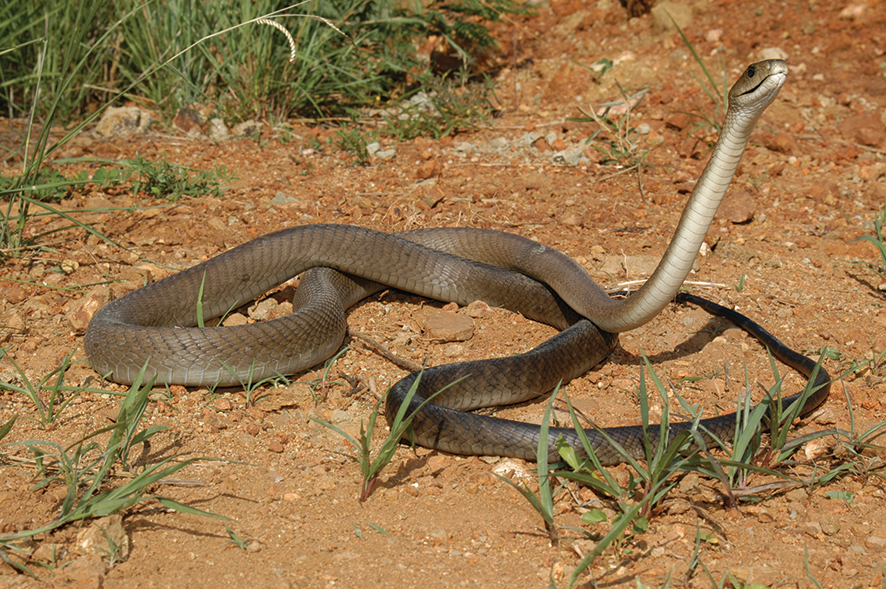
The mysterious and feared black mamba snake
The allure of black animals is deeply rooted in our collective consciousness, their presence both real and imagined serving as a canvas upon which we project our fears, hopes, and aspirations. As we continue to explore their roles in culture and mythology, we gain a richer understanding of the intricate tapestry they weave within the human experience.
Unique Adaptations of Black Animals
Camouflage and Survival Strategies
Black animals have long captivated both scientists and nature enthusiasts alike, in part due to their remarkable ability to blend into their surroundings. This unique adaptation is not just a quirk of nature but a sophisticated survival strategy that has evolved over millennia. The dark, often glossy coloration provides a significant advantage in certain habitats, allowing these creatures to become almost invisible against the backdrop of the night, dense forests, or shadowy underwater realms.
In the animal kingdom, being unseen can mean the difference between life and death. Predators such as the black panther, a melanistic variant of leopards and jaguars, utilize their dark coats to move stealthily through the dense canopies of rainforests, where the interplay of shadows and light creates an ideal setting for their jet-black fur to operate as a natural cloak. This allows them to ambush prey with deadly precision, often before the target has any inkling of danger.
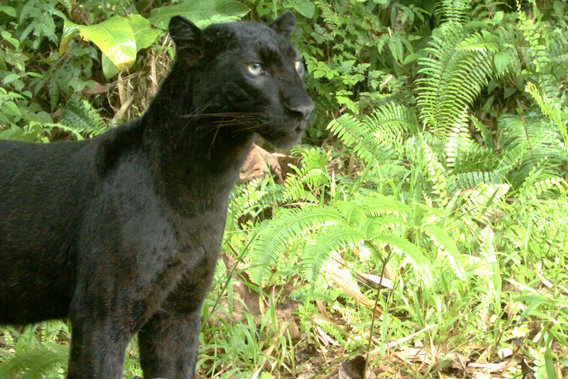
A black panther stealthily moving through the rainforest canopy
Similarly, nocturnal animals like the black mamba have evolved to exploit the cover of darkness. Although named for the inky blackness inside their mouths rather than their skin, their muted coloration still aids in camouflaging them in the low-lit environments where they hunt. The advantage of dark coloration is not limited to predators alone; prey animals, too, leverage it for protection. Consider the black sea devil, a type of anglerfish dwelling in the deep sea. Its dark body allows it to merge seamlessly with the abyssal depths, avoiding detection by both predators and prey as it uses its bioluminescent lure to attract meals.
The Role of Melanism in Evolution
The phenomenon of melanism, which results in the increased development of the dark pigment melanin, plays a crucial role in the evolutionary trajectory of black animals. Melanism is more than just a color variation; it can affect an animal’s thermoregulation, mating success, and even resistance to disease. In cooler climates, for instance, dark coloration allows animals to absorb more heat from the sun, which is beneficial for maintaining body temperature. This is particularly advantageous for species like the American black bear, which inhabit northern regions where temperatures can be unforgivingly cold.
Moreover, melanism can confer unexpected benefits in terms of social dynamics and reproductive success. In some avian species, darker plumage is associated with dominance and attractiveness, potentially giving individuals with such traits an edge in mating. These birds often become more successful in passing on their genes, thereby perpetuating the trait of melanism in their populations.
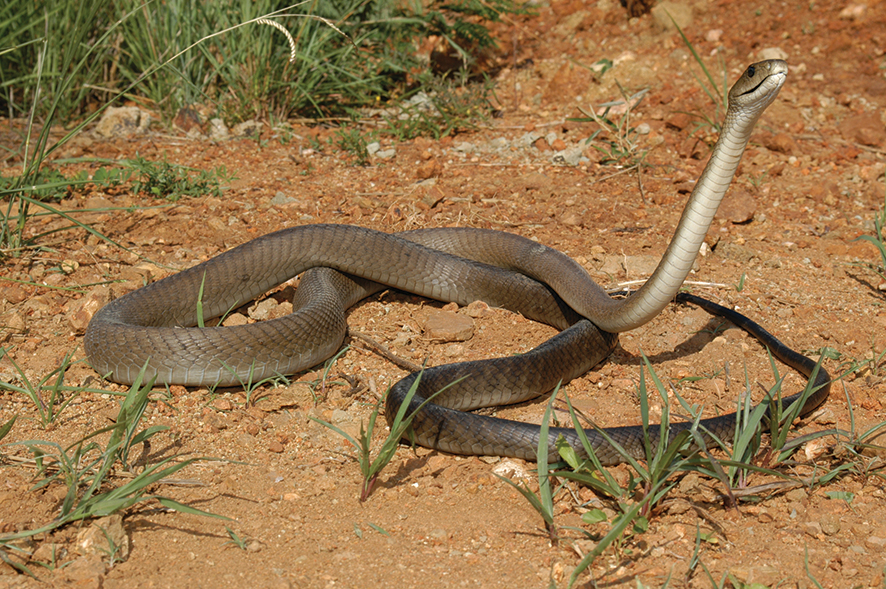
A black mamba blending into its environment
The role of melanism in evolution extends beyond individual advantages. It speaks to a broader narrative of adaptability and resilience in the face of environmental pressures. As habitats change and new challenges arise—whether through climate shifts or human encroachment—black animals with their unique adaptations, including those attributed to melanism, continue to thrive and adapt, embodying the ever-evolving dance of survival.
In conclusion, the unique adaptations of black animals highlight the intricate and dynamic relationship between an organism’s physical characteristics and its environment. These adaptations are not merely about survival but are a testament to the enduring power of evolution to shape life in all its wondrous forms.
Iconic Black Animals in the Animal Kingdom
The Majestic Black Panther
The black panther is one of the most iconic and captivating creatures in the animal kingdom, often symbolizing mystery and power. Despite popular belief, the term “black panther” does not refer to a separate species but rather describes the melanistic (darkly pigmented) variant of leopards and jaguars. This unique pigmentation is the result of a genetic mutation that leads to an excess of melanin, the pigment responsible for their striking black coat.
In the dense forests of Asia and Africa, where leopards are commonly found, this dark coloration provides a significant advantage. The black panther’s ability to blend seamlessly into the shadows of the forest canopy makes it a master of stealth, enhancing its prowess as an ambush predator. This stealth allows the black panther to approach its prey undetected, striking with speed and precision.
The allure of the black panther extends beyond its physical attributes. Culturally, it has been revered and feared, often appearing in folklore and mythology. In many cultures, the black panther is seen as a symbol of independence and strength. Its presence is both a warning and a promise of protection against evil forces.
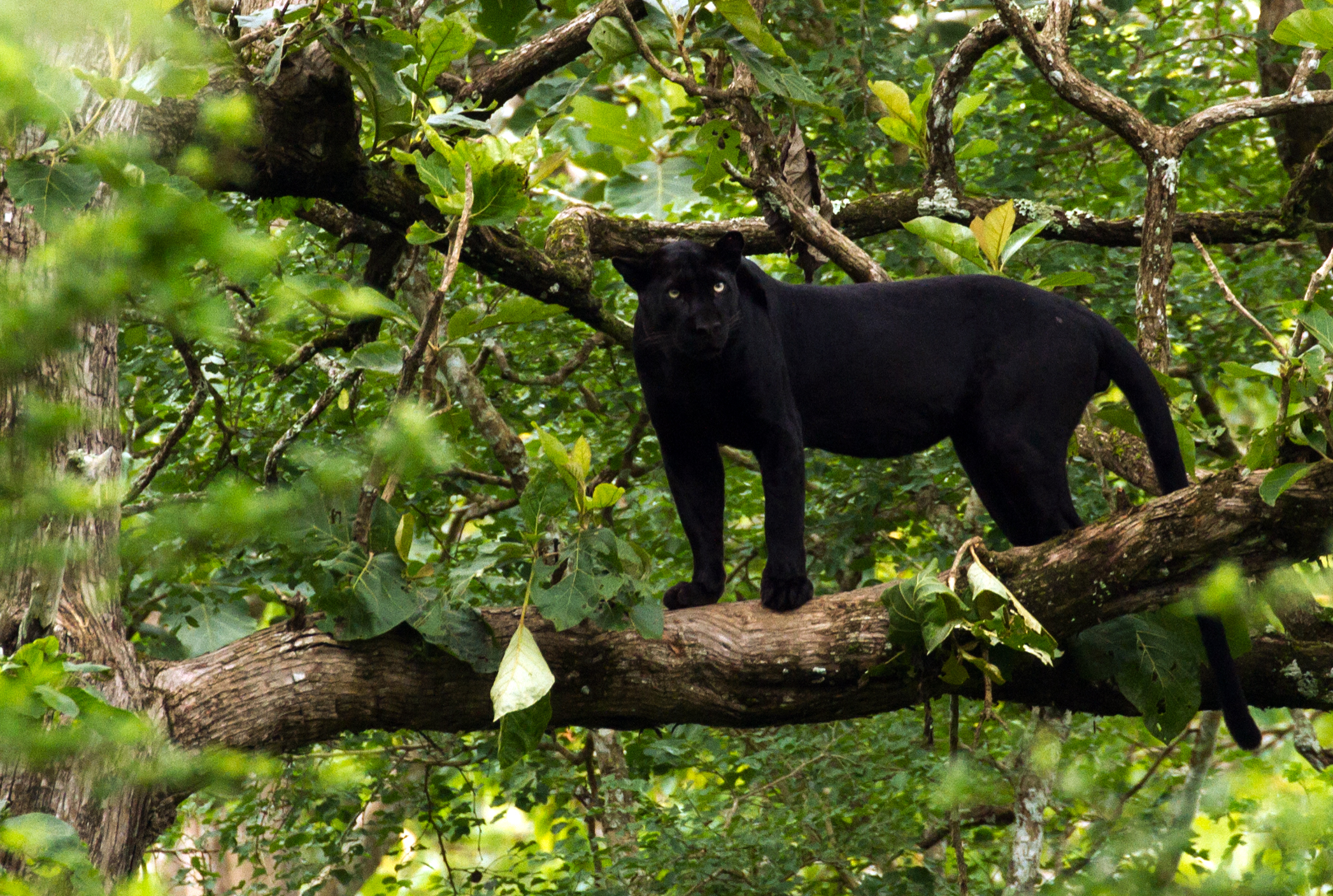
A black panther elegantly prowling through its forest habitat
The Mysterious Black Mamba
In the world of reptiles, the black mamba stands out as one of the most feared and misunderstood snakes. Despite its name, the black mamba is not actually black; it sports an olive, brownish-gray color. The name comes from the inky black coloration found inside its mouth, which it displays when threatened. This menacing feature, combined with its reputation for speed and potent venom, has contributed to its fearsome reputation.
The black mamba is native to parts of sub-Saharan Africa, where it inhabits a variety of environments ranging from savannas to rocky hills. Its slender body, capable of reaching lengths of up to 14 feet, allows it to move swiftly through its habitat, making it the fastest snake in the world—with speeds up to 12.5 miles per hour. This speed is crucial for both escaping predators and catching prey, showcasing its remarkable adaptability.
Beyond its physical prowess, the black mamba plays a critical role in its ecosystem. As both predator and prey, it helps maintain the delicate balance of its environment. However, due to its potent venom and aggressive reputation, it is often killed on sight, leading to misconceptions about its true nature.
Efforts are being made to change the narrative surrounding the black mamba through education and conservation. By understanding its behavior and ecological importance, humans can learn to coexist with this enigmatic creature, appreciating its role in the natural world.
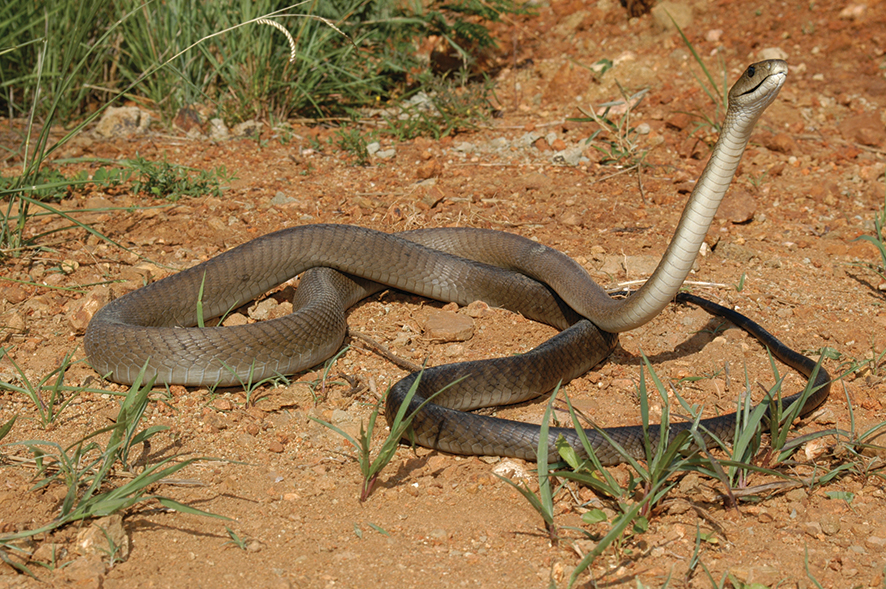
A black mamba showcasing its speed and agility in the wild
In the fascinating realm of black animals, both the black panther and the black mamba offer unique insights into the adaptations and survival strategies of creatures cloaked in darkness. These animals not only captivate us with their beauty and mystery but also challenge our perceptions, urging us to look beyond the surface and appreciate the complex roles they play in their ecosystems.
Conservation Challenges for Black Animals
Threats and Misconceptions
The world of black animals is as mystifying as it is magnificent, yet these creatures face unique conservation challenges. One of the primary threats is habitat destruction, which affects not only the black animals but also the broader ecosystems they inhabit. As forests are cleared and wetlands drained, the natural habitats of these creatures are fragmented or entirely lost, leaving them vulnerable and exposed.
Another significant threat stems from hunting and poaching. Many black animals, such as the elusive black panther, are targeted for their striking appearance. Their dark fur and feathers are often sought after for fashion and traditional medicine, leading to overexploitation. This demand is fueled by centuries-old beliefs in the mystical and medicinal properties of these animals, often perpetuated by myths and misconceptions.
Misunderstandings about black animals can also lead to them being unfairly targeted. For instance, the black mamba, one of the fastest and most feared snakes, is often killed on sight due to its lethal reputation. However, like many venomous creatures, it plays a crucial role in controlling pest populations, highlighting the need for a more informed perspective on its ecological importance.
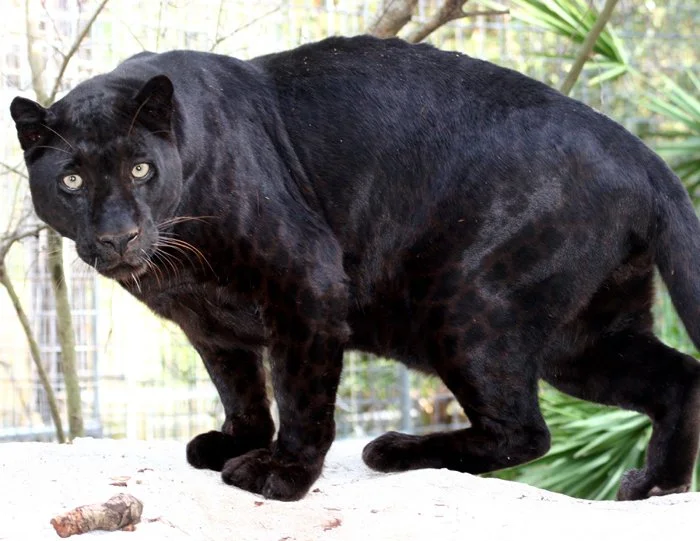
A majestic black panther gracefully moving through its natural habitat
Efforts in Conservation and Awareness
In response to these challenges, conservationists are working tirelessly to protect black animals and their habitats. Efforts include establishing protected areas and wildlife corridors that allow these animals to roam freely and safely. These initiatives are crucial in maintaining the ecological balance and ensuring the survival of these species.
Additionally, public awareness campaigns play a pivotal role in changing perceptions. Educating communities about the ecological significance of black animals and dispelling myths can foster a more harmonious coexistence. Programs that involve local communities in conservation efforts have proven particularly effective. By empowering people to become stewards of their environment, these initiatives not only protect wildlife but also enhance community livelihoods.
Furthermore, scientific research is essential in understanding the unique adaptations and needs of black animals. Studies on melanism and its evolutionary advantages provide valuable insights that can inform conservation strategies. For example, understanding how black coloration aids in camouflage or thermoregulation can help in the design of more effective conservation measures.

Conservationists conducting research in a protected forest area
Conservation organizations are also leveraging technology to monitor and protect black animals. Drones, camera traps, and GPS tracking are being used to gather data on population sizes, movement patterns, and habitat use. This information is vital for making informed decisions about conservation priorities and actions.
In conclusion, while black animals face significant threats and challenges, concerted conservation efforts and increased awareness can make a profound difference. By valuing and protecting these enigmatic creatures, we not only preserve their beauty and mystery but also the rich biodiversity of our planet.
Celebrating the Beauty and Mystery of Black Animals
In the grand tapestry of nature, few sights are as captivating as that of black animals. Their deep, rich hues evoke a sense of mystery and elegance, drawing us into their enigmatic world. Whether it’s the sleek coat of a black panther melting into the shadows of a dense forest or the glossy feathers of a raven glistening in the sunlight, black animals captivate our imagination and challenge our perceptions of beauty in the animal kingdom.
Aesthetic Allure: Nature’s Masterpiece
The aesthetic appeal of black animals is undeniable. Their striking appearance often makes them stand out in stark contrast to their surroundings. This distinctive coloration isn’t just a visual treat; it serves various purposes in the natural world. For instance, the black panther, with its melanistic coat, is a master of stealth, blending seamlessly into the night to stalk its prey. This ability to vanish into the darkness is both a survival tactic and a testament to nature’s artistry.
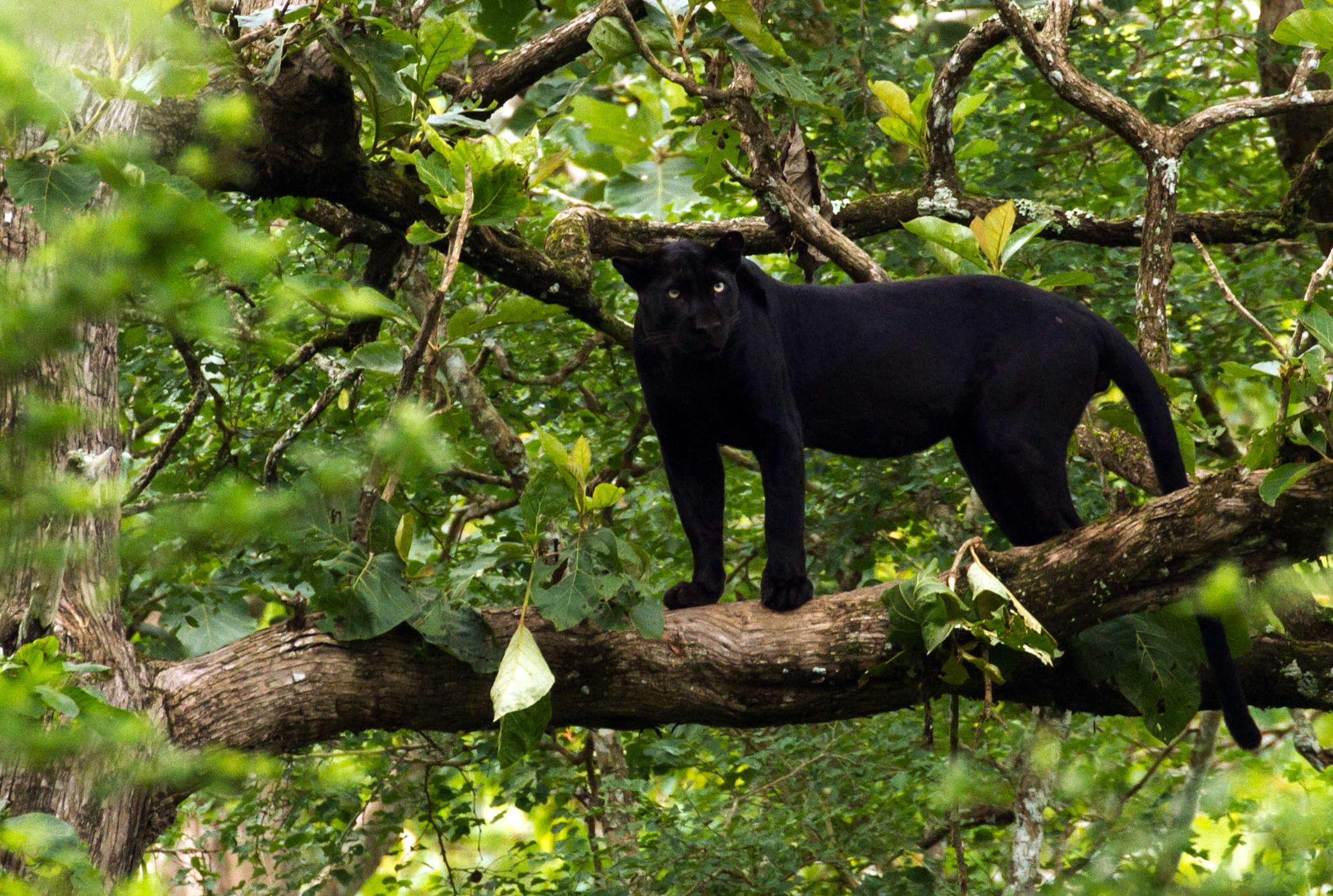
The elusive black panther a symbol of stealth and beauty
The Intrigue of the Unknown
The mystery surrounding black animals is deeply rooted in human culture. Throughout history, they have been subjects of myths and legends, often associated with the unknown or the supernatural. From the ancient Egyptian reverence for the black cat as a guardian of the underworld to the Norse myths where ravens were seen as messengers of the gods, these animals have always been shrouded in an aura of mystique.
Cultural Celebrations and Symbolism
In many cultures, black animals hold significant symbolic value. For instance, the raven, with its all-black plumage, is often seen as a symbol of transformation and intelligence. In some Native American cultures, it is considered a creature of metamorphosis, representing change and adaptability. Meanwhile, in Celtic mythology, the black horse is a symbol of strength and power, often associated with nobility and the warrior spirit.
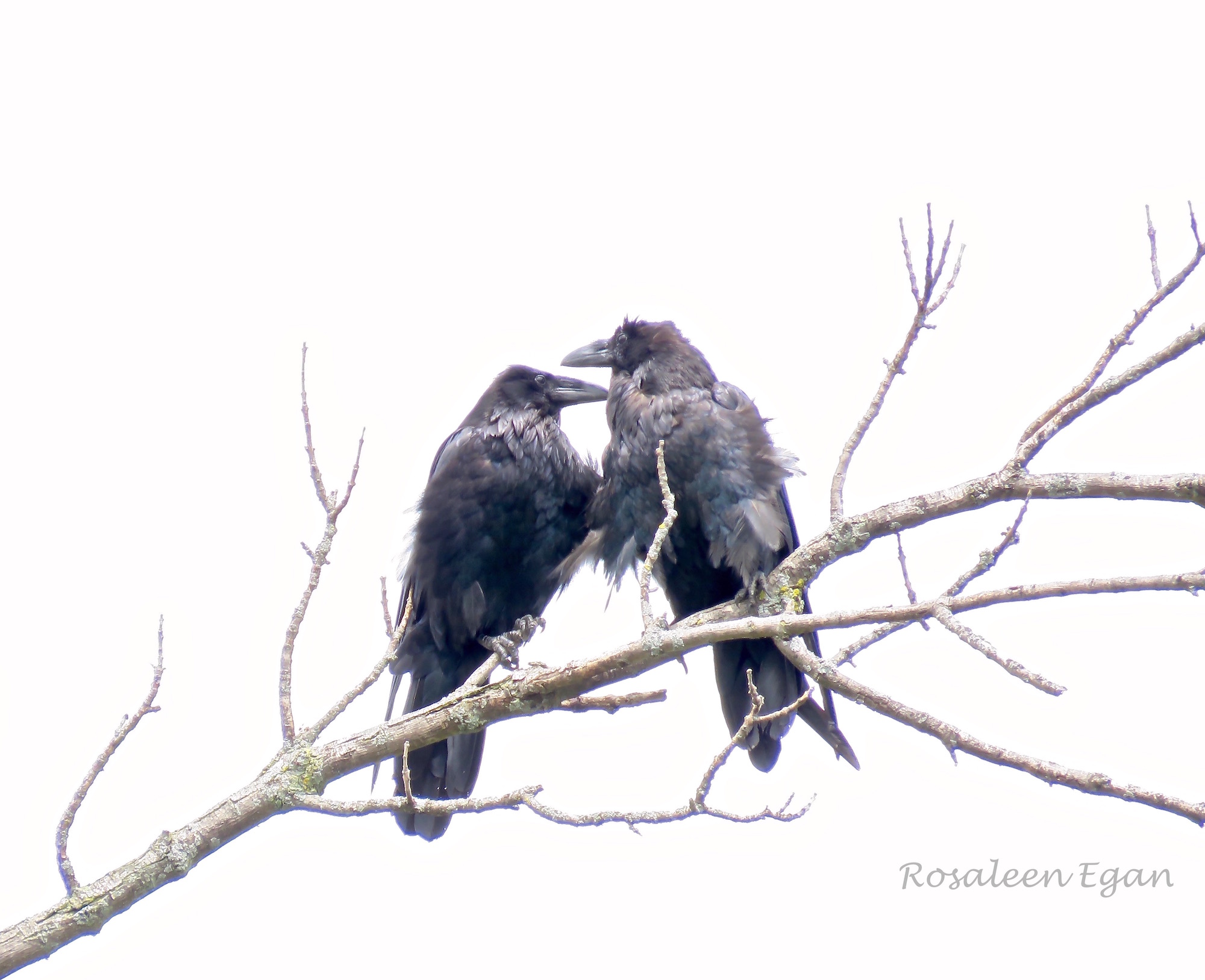
A raven perched embodying mystery and intelligence
The Scientific Marvel of Melanism
From a scientific perspective, the phenomenon of melanism—the genetic mutation that causes increased pigmentation—is a fascinating adaptation that offers several advantages to black animals. It not only aids in camouflage but also plays a role in thermoregulation. In cooler climates, the absorption of heat by dark colors can be a crucial survival advantage. This unique adaptation showcases the dynamic relationship between these animals and their environments, highlighting the intricate balance of ecosystems.
Inspiring Conservation Efforts
Despite their beauty and ecological importance, many black animals face significant conservation challenges. Misconceptions and superstitions have often led to their persecution, while habitat destruction poses a continuous threat to their survival. However, conservation efforts are underway worldwide, aiming to protect these magnificent creatures and raise awareness about their role in biodiversity.
Organizations and wildlife enthusiasts are working tirelessly to debunk myths and educate the public on the ecological significance of black animals. These efforts are crucial in ensuring that future generations can continue to marvel at the beauty and mystery of these extraordinary creatures.
A World to Explore
The world of black animals is one of enchantment and wonder. They invite us to explore beyond the known, to appreciate the subtle nuances of nature, and to respect the mysteries that lie within. Celebrating these animals is not just about acknowledging their beauty but also understanding their place in the natural world and our collective responsibility to protect them.
By embracing the allure of black animals, we open our minds to the vast complexities of nature and the endless possibilities it holds. Through conservation and appreciation, we can ensure that these majestic beings continue to inspire awe and wonder for generations to come.
WildWhiskers is a dedicated news platform for animal lovers around the world. From heartwarming stories about pets to the wild journeys of animals in nature, we bring you fun, thoughtful, and adorable content every day. With the slogan “Tiny Tails, Big Stories!”, WildWhiskers is more than just a news site — it’s a community for animal enthusiasts, a place to discover, learn, and share your love for the animal kingdom. Join WildWhiskers and open your heart to the small but magical lives of animals around us!