


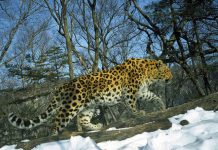
In a world where the natural habitats of countless species are rapidly disappearing, the role of zoos has transformed remarkably. Once seen merely as venues for public entertainment, modern zoos have evolved into critical conservation hubs dedicated to the preservation of our planet’s most vulnerable inhabitants. This blog delves into the fascinating and often secretive world of animals breeding programs undertaken by zoos across the globe, highlighting how these institutions have become pivotal in the fight against extinction.
Through innovative breeding strategies and cutting-edge genetic technologies, zoos are not only maintaining populations of endangered species but are also paving the way for their eventual reintroduction into the wild. From the majestic California Condor to the beloved Giant Panda, these success stories demonstrate the immense potential of coordinated global efforts. Yet, the journey is fraught with challenges. Balancing ethical considerations, such as animal welfare and genetic manipulation, is a constant struggle for conservationists committed to these breeding programs.
The future of zoo-based conservation lies in embracing emerging technologies and building robust global networks. This collaboration not only ensures the survival of species but also raises public awareness and support, which are crucial for sustaining these efforts. As we explore the intricacies of zoo breeding programs, we invite you to reflect on the vital role each of us can play in this endeavor. Together, we can support these lifelines for endangered species, giving them a fighting chance in their natural environments once more. Join us as we uncover the secrets behind the scenes and consider how the collective actions of humanity can safeguard biodiversity for generations to come.
The Role of Zoos in Conservation
Historical Perspective on Zoos and Conservation Efforts
The concept of zoos has evolved significantly over the centuries. Initially, zoos were primarily seen as collections of exotic animals meant for display, serving as symbols of wealth and power for monarchs and the elite. The earliest documented zoo dates back to 1500 BC in Egypt, where Pharaohs maintained menageries for entertainment and prestige. However, as society’s understanding of ecology and animal welfare grew, the purpose of zoos began to shift.
By the 19th century, zoos started to adopt a more scientific approach. The London Zoo, established in 1828, was one of the first to promote itself as a place for scientific study, rather than mere entertainment. This era marked the beginning of using zoos for education and research, laying the groundwork for their future role in conservation.
The real transformation began in the mid-20th century when the dire state of wildlife populations became more apparent. The plight of species like the Arabian Oryx, which was driven to the brink of extinction due to poaching and habitat loss, highlighted the urgent need for conservation efforts. Zoos started to take on a more proactive role, focusing not only on maintaining species in captivity but also on breeding them with the intention of eventual reintroduction into the wild.
Modern Zoos: Beyond Exhibitions to Conservation Hubs
Today, modern zoos have transcended their traditional roles as mere exhibition spaces. They are now dynamic conservation hubs actively engaged in the breeding of animals and the preservation of biodiversity. The shift from being centers of entertainment to centers of conservation is a testament to the growing awareness and commitment to safeguarding our planet’s natural heritage.
One of the significant advancements in modern zoos is the development and implementation of Innovative Breeding Programs. These programs utilize cutting-edge technology and scientific methodologies to enhance the genetic diversity of captive populations. Techniques such as artificial insemination and genetic management are employed to ensure the health and viability of animal populations, addressing issues like inbreeding which can be detrimental to species survival.
In addition to breeding programs, modern zoos are pivotal in conducting important research that contributes to wildlife conservation. They provide critical insights into animal behavior, health, and genetics, which are essential for developing effective conservation strategies. Zoos also play a crucial role in educating the public about the importance of conservation, inspiring millions of visitors annually to support efforts to protect endangered species.
Moreover, zoos around the world are forming global networks and partnerships to facilitate cross-border conservation initiatives. These collaborations enable the sharing of knowledge, resources, and genetic material, amplifying the impact of conservation efforts. A prime example is the Giant Panda Breeding Program, which involves a consortium of zoos worldwide working together to increase the population of this iconic species.

Modern zoo engaging in conservation efforts through breeding programs
In conclusion, the role of zoos in conservation has evolved remarkably from their early days of showcasing exotic animals to becoming vital players in the fight against extinction. Their transformation into conservation hubs underscores the importance of zoos in the broader ecological landscape, highlighting their commitment to ensuring the survival of numerous endangered species through animals breeding and innovative conservation strategies.
Innovative Breeding Programs
In the ever-evolving landscape of wildlife conservation, zoos across the globe are pioneering innovative breeding programs to ensure the survival of endangered species. By leveraging cutting-edge technologies and fostering global collaborations, these programs are transforming zoos from mere exhibition spaces into vital conservation hubs. Let’s delve into two key aspects of these groundbreaking initiatives: artificial insemination and genetic management, and cross-continental breeding collaborations.
Artificial Insemination and Genetic Management
Artificial insemination (AI) is a revolutionary technique in the realm of animals breeding, allowing for the pairing of genetically ideal mates without the constraints of geographical boundaries. This method not only enhances genetic diversity but also mitigates the risk of inbreeding, a common concern in small, captive populations.
AI involves the careful selection and collection of sperm from a male of a desirable genetic lineage. This sperm is then used to artificially inseminate a female, often from a different geographical location. Such interventions are crucial for species that are critically endangered, where finding suitable mates in the wild is increasingly difficult.
An exemplary case is the breeding program for the Northern White Rhino. With only two females remaining, scientists have resorted to AI and in vitro fertilization (IVF) to preserve the species. By using stored sperm from now-deceased males, they aim to create viable embryos that can be carried by surrogate rhinos of a closely related subspecies.
Genetic management goes hand-in-hand with AI, involving meticulous record-keeping of genetic data through studbooks. These records track the lineage and genetic makeup of each animal, ensuring that future pairings are as genetically diverse as possible. This not only strengthens the genetic pool but also enhances the species’ resilience against diseases and environmental changes.

A scientist performing artificial insemination as part of a conservation effort
Cross-Continental Breeding Collaborations
In an increasingly interconnected world, zoos are forming strategic partnerships across continents to bolster their breeding efforts. These cross-continental collaborations facilitate the exchange of genetic material and expertise, creating a global network dedicated to species survival.
One notable example is the collaborative effort to save the Amur Leopard, one of the world’s most endangered big cats. Zoos from Asia, Europe, and North America have come together to create a genetically viable population in captivity. By coordinating breeding programs and sharing genetic data, these institutions are working to reintroduce the leopards into their native habitats in the Russian Far East.
Such collaborations are not limited to terrestrial animals. Marine species, like the critically endangered Vaquita porpoise, also benefit from international efforts. Scientists and conservationists from multiple countries have united to develop a captive breeding program, aiming to increase the population before reintroducing them into the Gulf of California.

Zoos across different continents collaborating on breeding programs
These breeding programs, powered by science and cooperation, showcase the potential of zoos as active participants in global conservation efforts. Through innovative techniques like artificial insemination and the fostering of international partnerships, zoos are not only preserving genetic diversity but also giving endangered species a fighting chance to thrive in the wild once more.
Success Stories from Around the Globe
The world of animals breeding is rich with stories of determination and triumph, where zoos have played a pivotal role in reviving species that were once on the brink of extinction. Among these success stories, the revival of the California Condor and the Giant Panda Breeding Program in China stand out as emblematic examples of what dedicated conservation efforts can achieve.
The Revival of the California Condor
Once soaring majestically over the skies of North America, the California Condor faced near extinction in the 1980s, with fewer than 30 individuals remaining. The plight of the condor became a clarion call for conservationists worldwide, and zoos stepped in as vital players in the rescue mission. The breeding program began as a desperate attempt to save this majestic bird from vanishing forever.
Key to this revival was an intricate web of animals breeding strategies. Zoos utilized artificial insemination techniques and meticulous genetic management to ensure a diverse gene pool among the captive population. These efforts were coupled with a robust reintroduction strategy, where condors bred in captivity were gradually released into the wild. The success of the program is evident today, with over 300 California Condors now soaring freely across their historic range.
The journey was not without its challenges. Ethical considerations about keeping such large birds in captivity and the immense costs associated with their care were hurdles that had to be overcome. Nevertheless, the unwavering commitment of zoos and conservationists has transformed the California Condor from a symbol of impending loss to one of hope and resilience.

A California Condor soaring majestically as a testament to successful conservation efforts
The Giant Panda Breeding Program in China
Few animals capture the global imagination quite like the Giant Panda. Once critically endangered, with habitat loss and low birth rates posing significant threats, the Giant Panda’s survival story is nothing short of miraculous. Central to this success is the collaborative effort between Chinese zoos and international partners.
The breeding program in China is renowned for its innovative techniques in animals breeding. Artificial insemination and advances in genetic technology have been pivotal in increasing the panda population. In addition to scientific methods, the program emphasizes the importance of creating a naturalistic environment that encourages natural breeding behaviors among pandas.
The collaboration doesn’t end at China’s borders. Zoos around the world have been involved in exchange programs, where pandas are sent to different countries as part of a global initiative to foster genetic diversity and raise awareness about panda conservation. The program has been so successful that the Giant Panda’s status has been downgraded from endangered to vulnerable, a significant step forward in conservation terms.
Despite this success, challenges remain. The ethical implications of breeding animals in captivity, the necessity of maintaining genetic diversity, and the ongoing issues of habitat destruction still loom large. However, the Giant Panda Breeding Program stands as a beacon of what can be achieved when science, global cooperation, and a passion for wildlife conservation come together.

A Giant Panda enjoying its natural habitat a testament to successful breeding programs
These stories of the California Condor and the Giant Panda underscore the profound impact that well-managed zoo breeding programs can have on the survival of endangered species. They remind us of the delicate balance between human intervention and nature, and the responsibility we bear in protecting the planet’s most vulnerable inhabitants.
Challenges and Ethical Considerations
Balancing Animal Welfare with Conservation Goals
The delicate balance between animal welfare and conservation goals is one of the most pressing challenges that modern zoos face. Zoos are no longer just about showcasing animals for human entertainment; they have become pivotal in the global effort to save endangered species. However, this noble mission comes with its own set of ethical dilemmas.
Animals in captivity, even within the most well-intentioned conservation programs, often face environments that are drastically different from their natural habitats. The constraints of space, the absence of natural social structures, and the lack of environmental stimuli can lead to stress and behavioral issues in captive animals. Zoos must strive to provide environments that not only cater to the biological needs but also the psychological well-being of the animals.
To address this, zoos employ various strategies such as environmental enrichment, which involves introducing elements that stimulate natural behaviors, and creating habitats that closely mimic natural environments. Furthermore, zoos collaborate with behavioral scientists to monitor and improve the well-being of the animals under their care. Despite these efforts, questions about the ethics of keeping animals in captivity for conservation purposes continue to spark debate.

A zoo habitat designed with enrichment activities to simulate a natural environment
Ethical Dilemmas in Genetic Manipulation
As zoos increasingly rely on advanced technologies to enhance their animals breeding programs, ethical dilemmas surrounding genetic manipulation have emerged. Techniques such as artificial insemination and genetic engineering hold immense potential for conserving endangered species, but they also raise significant moral questions.
On one hand, these technologies allow for the carefully controlled breeding of species that are critically endangered, ensuring the genetic diversity necessary for healthy populations. Artificial insemination, for example, can facilitate breeding between individuals separated by great distances, helping to maintain genetic variability. However, critics argue that manipulating the genetic makeup of animals interferes with natural evolutionary processes and may lead to unforeseen consequences.
The use of genetic engineering in conservation is particularly controversial. While it offers the possibility of reintroducing lost traits or enhancing resilience against diseases, it also poses risks of unintended genetic mutations and ecological disruptions. Additionally, the long-term effects of such interventions on ecosystems and species survival remain uncertain.

Scientists in a laboratory working on genetic manipulation for conservation
Ultimately, the ethical considerations in zoo-based conservation breeding programs revolve around the responsibility to minimize harm while maximizing the potential for species survival. As zoos continue to evolve as hubs of conservation, they must navigate these complex issues with transparency and integrity, ensuring that the welfare of individual animals is never compromised in the pursuit of broader conservation goals. These challenges underscore the need for ongoing dialogue and ethical scrutiny within the scientific and conservation communities.
The Future of Zoo-Based Conservation
Emerging Technologies in Conservation Breeding
As the world continues to grapple with the challenges of protecting endangered species, zoos are increasingly turning to emerging technologies to enhance their conservation breeding programs. These cutting-edge advancements are not just tools but lifelines for species that are teetering on the brink of extinction.
One of the most promising technologies is genetic engineering. By understanding and manipulating the genetic makeup of animals, scientists can address issues of genetic diversity, which is a critical component of successful breeding programs. For instance, CRISPR technology allows for the precise editing of DNA, which can help rectify genetic defects or enhance genetic variations that are advantageous for survival. This technology holds immense potential for improving the viability of small, captive populations.
Another exciting development is the use of artificial intelligence (AI) in managing breeding programs. AI can analyze vast amounts of genetic data to recommend optimal breeding pairs, thereby maximizing genetic diversity and health within captive populations. This approach not only improves the efficiency of breeding programs but also reduces the risk of inbreeding, a common issue in small populations.
Furthermore, advancements in cryopreservation are playing a crucial role in conservation efforts. By storing genetic materials, such as sperm and eggs, zoos can preserve the genetic diversity of endangered species for future use. This is particularly valuable for species with dwindling populations, as it allows for the reintroduction of genetic material without the need for immediate mating.

Scientists using advanced technology for genetic research in conservation breeding
Building Global Networks for Species Survival
While technology plays a significant role in the future of zoo-based conservation, collaboration across borders is equally vital. The survival of endangered species depends on the ability of zoos to work together, share resources, and synchronize efforts on a global scale.
Global networks facilitate the exchange of knowledge, skills, and genetic materials, which are essential for the success of conservation breeding programs. These networks enable zoos to participate in cross-continental breeding collaborations, ensuring that animals breeding is not limited by geographical boundaries. For example, the global collaboration in breeding programs for species like the Giant Panda has been instrumental in increasing their population numbers.
Moreover, international partnerships allow zoos to tackle challenges collectively, such as habitat preservation and species reintroduction. By pooling resources and expertise, zoos can create more comprehensive strategies for conservation, addressing both immediate and long-term needs of endangered species.
In addition to institutional collaborations, engaging local communities and governments in conservation efforts is crucial. Public awareness campaigns and educational programs can foster a culture of conservation, encouraging communities to participate actively in protecting local wildlife and habitats.

Global collaboration meeting for zoobased conservation efforts
The future of zoo-based conservation is bright, with technology and collaboration paving the way for more effective and sustainable efforts. As zoos continue to evolve into modern conservation hubs, their role in preserving the planet’s biodiversity will only become more prominent. By embracing these advancements and fostering global cooperation, zoos are not just saving animals but are also safeguarding the future of our natural world.
Embracing a Collaborative Future for Endangered Species
In an era where the survival of countless species hangs in the balance, the future of endangered species conservation lies in global collaboration. This collective effort among zoos, conservationists, governments, and local communities is not just an idealistic vision but an urgent necessity. By harnessing the strength of interconnected networks, we can create a more resilient approach to conservation that transcends borders and unites us in a common cause.
The Power of Collaborative Networks
Zoos around the world are stepping beyond their traditional roles and becoming instrumental in establishing global networks aimed at conserving biodiversity. These networks facilitate the exchange of knowledge, resources, and genetic material, crucial for the success of breeding programs. Animals breeding programs benefit significantly from such collaborations, as they allow for genetic diversity and increase the chances of species survival.
One exemplary model of collaboration is the European Endangered Species Programme (EEP). The EEP brings together various European zoos to manage populations of endangered species through cooperative breeding efforts. By pooling resources and expertise, they ensure that genetic diversity is maintained, which is critical for the health and survival of species in captivity.

Zoos collaborating on a global conservation strategy
Cross-Border Partnerships
Cross-border partnerships are pivotal in creating a cohesive strategy for species conservation. For instance, the Giant Panda Breeding Program involves international cooperation between Chinese zoos and other global institutions. Such partnerships are instrumental in enhancing genetic pools and have played a significant role in the Giant Panda’s move from ‘endangered’ to ‘vulnerable’ on the IUCN Red List.
Another notable example is the Asian Rhino Specialist Group, which collaborates across countries like India, Nepal, and Indonesia. This group focuses on the conservation of Asian rhino species, sharing data and strategies to tackle poaching and habitat loss. By working together, these countries have managed to stabilize and, in some cases, increase rhino populations.
Technological Innovation in Conservation
Technology is a key player in the future of zoo-based conservation efforts. Innovative tools such as genetic mapping, wildlife tracking, and AI-driven data analysis are revolutionizing how we approach conservation. For example, wildlife tracking devices provide real-time data on animal movements, helping conservationists to design more effective protection strategies.
Moreover, advancements in genetic technology, such as CRISPR and other gene-editing tools, offer new possibilities for maintaining genetic diversity and addressing genetic disorders within captive populations. These technologies are vital for animals breeding programs, allowing zoos to make informed decisions about mate selection and genetic management.

Researcher applying genetic technology in conservation
Engaging Local Communities
Local communities are the backbone of successful conservation programs. Engaging these communities in conservation efforts ensures that they have a vested interest in the protection of local wildlife. Many zoos have initiated community outreach programs that educate and involve locals in conservation activities, from habitat restoration to anti-poaching patrols.
For instance, the Community Rhino Conservation Initiative in Namibia empowers local communities to protect and monitor rhino populations. By involving indigenous people and offering them economic incentives, this initiative has successfully reduced poaching incidents and fostered a sense of ownership and pride in wildlife conservation.
Education and Public Involvement
Zoos play a crucial role in educating the public about the importance of wildlife conservation. Through interactive exhibits, educational programs, and fundraising events, zoos inspire visitors to support conservation efforts. Public involvement extends beyond zoos, as individuals can contribute by adopting sustainable practices, supporting conservation policies, and spreading awareness about endangered species.
Education not only raises awareness but also cultivates a new generation of conservationists who are passionate about protecting the planet’s biodiversity. By fostering a global community that values wildlife, we can create a sustainable future for all species.
A Unified Vision for Conservation
In conclusion, embracing a collaborative future for endangered species is not just a strategic approach but a moral imperative. By uniting under a shared vision, leveraging technology, and engaging communities, we can tackle the multifaceted challenges facing wildlife today. The success of animals breeding programs and conservation efforts hinges on our ability to work together across borders, disciplines, and cultures.
As we look to the future, let us commit to a conservation strategy that prioritizes collaboration, innovation, and education, ensuring that the magic of the animal kingdom continues to thrive for generations to come.

Global conservationists discussing collaborative strategies
WildWhiskers, a dedicated news platform for animal lovers, celebrates the power of collaboration in conservation. With stories that inspire and inform, we are your gateway to the wonders of the animal kingdom. Join us in our mission to create a world where wildlife and humans coexist harmoniously.