








Ever been captivated by the raw power and untamed beauty of a lion stalking the savanna, or the chilling precision of a hawk diving for its prey? The world of carnivorous animals is one filled with incredible adaptations, fascinating behaviors, and a vital role in the delicate balance of our planet’s ecosystems. For me, it’s always been a source of both awe and respect – these creatures aren’t just predators; they’re masterpieces of evolution, honed over millennia to thrive in some of the most challenging environments on Earth.
This isn’t just about teeth and claws, though. It’s about understanding why these animals are the way they are. What drives them to hunt? How have they evolved to become such efficient killers? And what happens when these apex predators are threatened? In this ultimate guide, we’ll embark on a deep dive into the world of meat-eating wildlife, exploring everything you need to know about carnivorous animals.
We’ll journey across the globe, from the African plains where lions reign supreme, to the icy waters patrolled by formidable sharks and the dense forests stalked by elusive tigers. We’ll unravel the differences between obligate and facultative carnivores, and discover the nuances of dietary habits that place animals on a spectrum from hypercarnivores to hypocarnivores. Beyond the thrilling hunt, we’ll also examine the crucial ecological importance of these predators – how they maintain ecosystem health, control prey populations, and ultimately, contribute to the biodiversity we cherish.
But it doesn’t stop there. We’ll even tackle the complex relationship between humans and carnivorous animals, exploring questions about our own dietary evolution and the ongoing challenges of conservation. So, whether you’re a seasoned wildlife enthusiast or simply curious to learn more, prepare to be amazed by the enduring legacy of predators and the vital role they play in the natural world. Let’s begin!
Understanding the Carnivore Lifestyle
The world of carnivorous animals is a captivating one, filled with power, precision, and a fundamental drive for survival. It’s easy to be awestruck by the sheer force of a lion or the silent glide of a hawk, but truly understanding these creatures requires delving into why they are the way they are – what defines them, how they’ve evolved, and how they fit into the broader tapestry of life. This section will explore the core elements of the carnivore lifestyle, from the very definition of a meat-eater to the remarkable adaptations that allow them to thrive, and finally, a comparative look at how they differ from their omnivorous and herbivorous counterparts.
Defining Carnivores: What Makes an Animal a Meat-Eater?
At its most basic, a carnivore is an animal whose primary food source is animal tissue. But the definition goes deeper than simply what they eat. It’s about a suite of physiological and behavioral characteristics honed over millions of years to excel at acquiring and processing meat. It’s not just about the final meal; it’s about the entire process – the hunt, the kill, and the digestion.
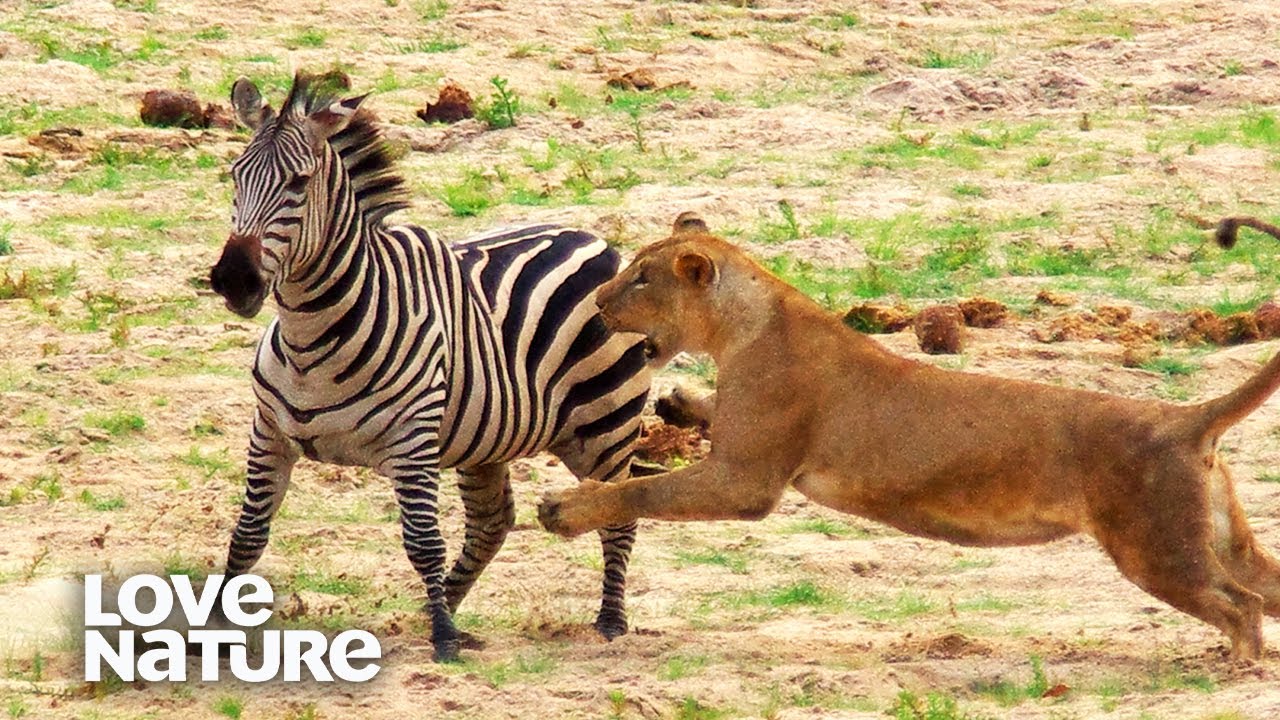
A lioness skillfully stalks a zebra demonstrating the predatory focus of carnivores
Consider the anatomy. Carnivorous animals typically possess sharp, pointed teeth – incisors and canines – designed for tearing flesh and gripping prey. Unlike the flat molars of herbivores, carnivore teeth are optimized for slicing, not grinding. Their jaws are often powerful, providing a strong bite force necessary to subdue and consume their meals. The digestive system is another key differentiator. Meat is relatively easy to digest compared to plant matter, requiring a shorter digestive tract. Carnivores produce enzymes specifically tailored to break down proteins and fats, maximizing nutrient absorption.
Beyond the physical, there’s a behavioral component. Carnivores are often solitary or live in small, cooperative groups (like wolf packs) focused on hunting. They exhibit heightened senses – keen eyesight, a powerful sense of smell, and acute hearing – all crucial for locating and tracking prey. The very instinct to hunt, to stalk, to ambush, is deeply ingrained in their nature. It’s a lifestyle driven by the need for high-quality protein and fat, essential for maintaining their energy levels and supporting their active lifestyles. The term ‘carnivore’ itself comes from the Latin caro, meaning flesh, a testament to the central role meat plays in their existence. It’s a life lived on the edge, a constant negotiation between predator and prey.
The Evolutionary Adaptations of Carnivores
The evolution of carnivorous animals is a story of adaptation, driven by natural selection and the relentless pursuit of survival. Over millions of years, various lineages have developed remarkable traits that allow them to thrive as meat-eaters. These adaptations aren’t just about having sharp teeth; they encompass a wide range of physiological, anatomical, and behavioral changes.
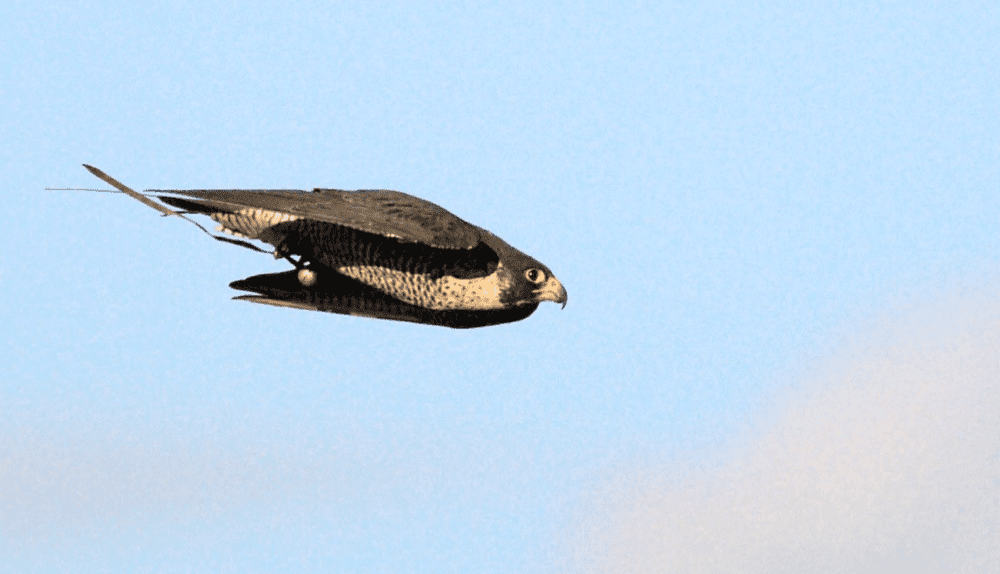
A peregrine falcon in full dive showcasing its aerodynamic adaptations for aerial hunting
Take, for example, the evolution of binocular vision. Predators need to accurately judge distances to successfully hunt. Binocular vision, where both eyes face forward, provides depth perception, allowing carnivores to pinpoint the location of their prey with precision. This is in contrast to herbivores, which often have eyes positioned on the sides of their heads, providing a wider field of view to detect approaching danger.
Another crucial adaptation is the development of specialized hunting strategies. Some carnivores, like lions, rely on cooperative hunting, working together to bring down large prey. Others, like snakes, employ ambush tactics, lying in wait and striking with lightning speed. Still others, like eagles, utilize aerial hunting, soaring high above the landscape and diving down to snatch their prey. These diverse strategies reflect the varied environments and prey types that carnivores encounter.
The evolution of claws and paws is also significant. Sharp claws provide grip for climbing, digging, and holding onto prey. Padded paws allow for silent movement, crucial for stalking prey undetected. Even the skeletal structure of carnivores has adapted to their lifestyle. A flexible spine allows for greater agility and speed, while strong leg muscles provide the power needed for chasing and capturing prey.
Consider the incredible adaptations of sharks. Their streamlined bodies reduce drag in the water, allowing for efficient swimming. Their multiple rows of teeth ensure a constant supply of sharp cutting edges. And their electroreceptors allow them to detect the electrical fields generated by the muscles of their prey, even in murky water. These are just a few examples of the countless adaptations that have shaped the evolution of carnivorous animals. It’s a testament to the power of natural selection and the enduring drive to survive.
Carnivore vs. Omnivore vs. Herbivore: Key Differences
Understanding carnivorous animals is greatly enhanced by comparing them to other dietary strategies: omnivory and herbivory. These three categories represent fundamentally different approaches to obtaining energy and nutrients, each with its own set of adaptations and ecological roles.
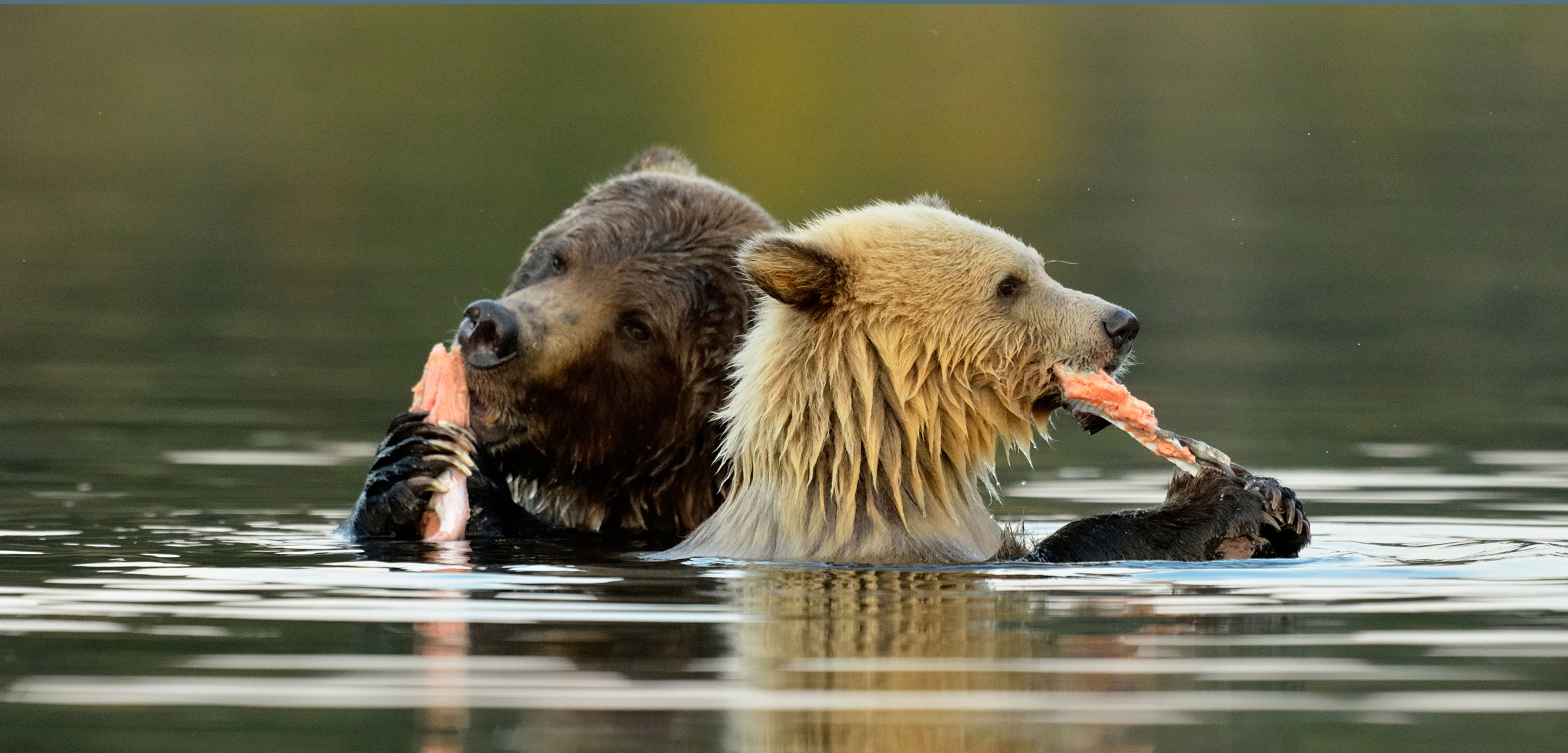
A brown bear demonstrating omnivorous behavior consuming both salmon and berries
Herbivores, like deer, cows, and rabbits, are plant-eaters. Their digestive systems are long and complex, equipped with specialized bacteria to break down cellulose, the tough fiber found in plant cell walls. They have flat, grinding molars for processing vegetation. Herbivores often live in herds for protection against predators. Their primary challenge is extracting sufficient nutrients from relatively low-quality food sources.
Omnivores, such as humans, bears, and pigs, are opportunistic eaters, consuming both plants and animals. Their digestive systems are more versatile than those of herbivores or carnivores, capable of processing a wide range of food types. They have a combination of sharp and flat teeth, allowing them to tear meat and grind plants. Omnivores are often highly adaptable and can thrive in a variety of environments. They represent a middle ground, benefiting from the advantages of both plant and animal-based diets.
Carnivores, as we’ve discussed, are specialized for consuming meat. Their adaptations are geared towards hunting, killing, and digesting animal tissue. They have sharp teeth, powerful jaws, and efficient digestive systems. They often require larger territories to support their energy needs. Their primary challenge is finding and securing a reliable source of prey.
The differences extend beyond anatomy and physiology. The ecological roles of these three groups are also distinct. Herbivores are primary consumers, forming the base of the food chain. Carnivores are secondary or tertiary consumers, preying on herbivores and other carnivores. Omnivores occupy a more intermediate position, consuming both primary and secondary consumers.
The interplay between these three groups is crucial for maintaining ecosystem balance. Herbivores control plant growth, carnivores control herbivore populations, and omnivores help to connect different trophic levels. Each dietary strategy plays a vital role in the intricate web of life. Understanding these differences is key to appreciating the diversity and complexity of the natural world and the unique place carnivorous animals hold within it. It’s a reminder that every creature, from the smallest insect to the largest predator, has a role to play in the grand scheme of things.
A Global Showcase of Carnivorous Animals
The world teems with life, a vibrant tapestry woven with intricate relationships. At the heart of this tapestry lie the carnivorous animals, the predators that shape ecosystems and drive evolution. To truly understand these magnificent creatures, we must embark on a global journey, exploring their diverse habitats and hunting strategies. This isn’t simply about observing power; it’s about appreciating the delicate balance they maintain, the sheer ingenuity of their adaptations, and the vital role they play in the health of our planet.
Majestic Land Predators
The land, for millennia, has been the stage for some of the most dramatic predator-prey interactions. These land-based carnivorous animals are often symbols of strength, courage, and wildness, captivating our imaginations and demanding our respect.
Lions: Kings of the African Savannah
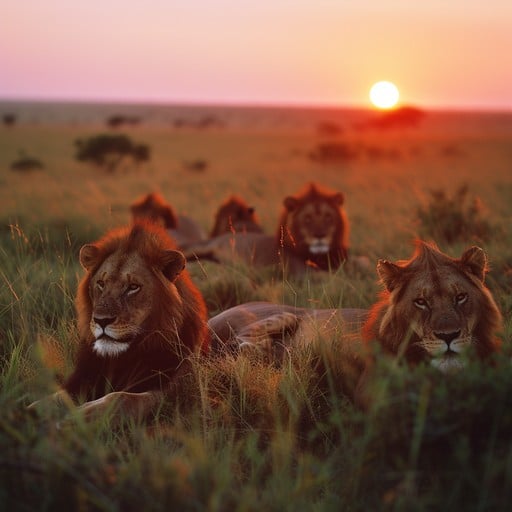
A majestic lion pride surveys their territory at sunset
The lion ( Panthera leo ) is arguably the most iconic of all land predators. Often referred to as the “King of the Jungle” (though they primarily inhabit savannahs), lions are social animals, living in prides typically consisting of related females, their offspring, and a small number of adult males. This social structure is key to their hunting success. Lions don’t stalk their prey alone; they coordinate their efforts, encircling herds of wildebeest, zebra, or buffalo, and launching a coordinated attack. The females do the bulk of the hunting, utilizing their speed, strength, and teamwork to bring down large prey. A male lion’s mane isn’t just for show; it serves as a visual signal of health and dominance, protecting the neck during fights with rivals. The roar of a lion can be heard up to 5 miles away, a powerful declaration of territory and a chilling warning to potential intruders. Sadly, lion populations are declining due to habitat loss and conflict with humans, making conservation efforts crucial for their survival. The intricate dynamics within a pride, the fierce competition for dominance, and the sheer power of these animals make them a truly fascinating subject of study.
Tigers: The Solitary Hunters of Asia
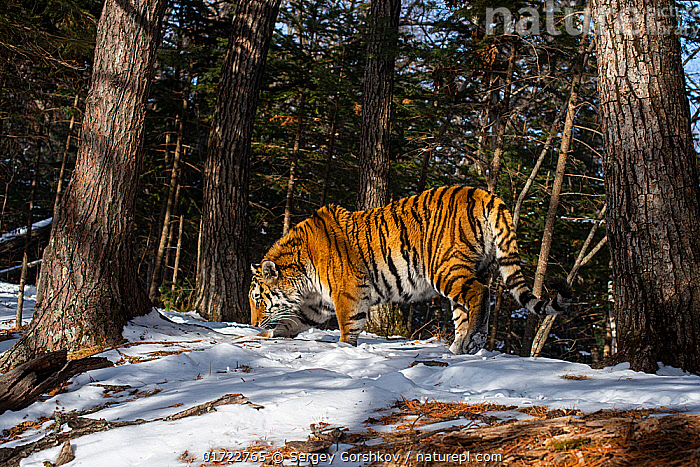
A powerful Siberian tiger blends into the snowy landscape
In stark contrast to the social lions, tigers (Panthera tigris) are largely solitary creatures. Found in the diverse habitats of Asia, from the Russian Far East to the jungles of India and Indonesia, tigers are masters of stealth and ambush. Their striped coats provide excellent camouflage, allowing them to blend seamlessly into the dense vegetation. Unlike lions, tigers typically hunt alone, relying on their incredible strength and agility to take down prey ranging from deer and wild boar to even larger animals like gaur and water buffalo. Tigers are excellent swimmers and often use water to cool off or to ambush prey. Each tiger’s stripe pattern is unique, much like a human fingerprint. Subspecies of tigers vary in size and coloration, reflecting their adaptation to different environments. The critically endangered South China tiger, for example, is on the brink of extinction, highlighting the urgent need for conservation efforts. The solitary nature of the tiger, combined with its immense power and beauty, evokes a sense of mystery and awe.
Wolves: The Power of the Pack
The wolf (Canis lupus) embodies the power of cooperation. These highly intelligent and social animals live in packs, typically led by an alpha male and alpha female. Wolves are found in a variety of habitats across North America, Europe, and Asia, and their hunting strategies are remarkably sophisticated. They work together to track, pursue, and bring down large prey, such as elk, deer, and moose. Communication within the pack is crucial, utilizing a complex system of vocalizations, body language, and scent marking. Wolves are not simply indiscriminate killers; they play a vital role in regulating prey populations and maintaining the health of ecosystems. The reintroduction of wolves to Yellowstone National Park in the United States is a prime example of how apex predators can restore ecological balance. Historically, wolves have been persecuted by humans, often viewed as a threat to livestock. However, a growing understanding of their ecological importance is leading to increased conservation efforts and a more nuanced perspective on these magnificent animals. The loyalty, intelligence, and cooperative spirit of wolves make them a symbol of wilderness and resilience.
Aerial Hunters: Birds of Prey
Taking to the skies, a different set of carnivorous animals reigns supreme. Birds of prey, with their keen eyesight, powerful talons, and specialized beaks, are apex predators in their own right, dominating the aerial realm.
Eagles: Masters of the Skies

A majestic bald eagle soars through the sky with an American flag in the background
Eagles are renowned for their strength, grace, and keen eyesight. These magnificent birds are found on every continent except Antarctica, and they occupy a variety of habitats, from forests and mountains to coastlines and grasslands. Eagles are opportunistic hunters, feeding on a wide range of prey, including fish, mammals, birds, and reptiles. Their powerful talons are designed to grasp and hold prey securely, while their hooked beaks are used to tear flesh. The bald eagle (Haliaeetus leucocephalus), the national bird of the United States, is a symbol of freedom and power. Once on the brink of extinction due to pesticide use, the bald eagle has made a remarkable recovery thanks to conservation efforts. The soaring flight of an eagle, its unwavering gaze, and its commanding presence inspire awe and respect.
Hawks and Falcons: Precision Hunting
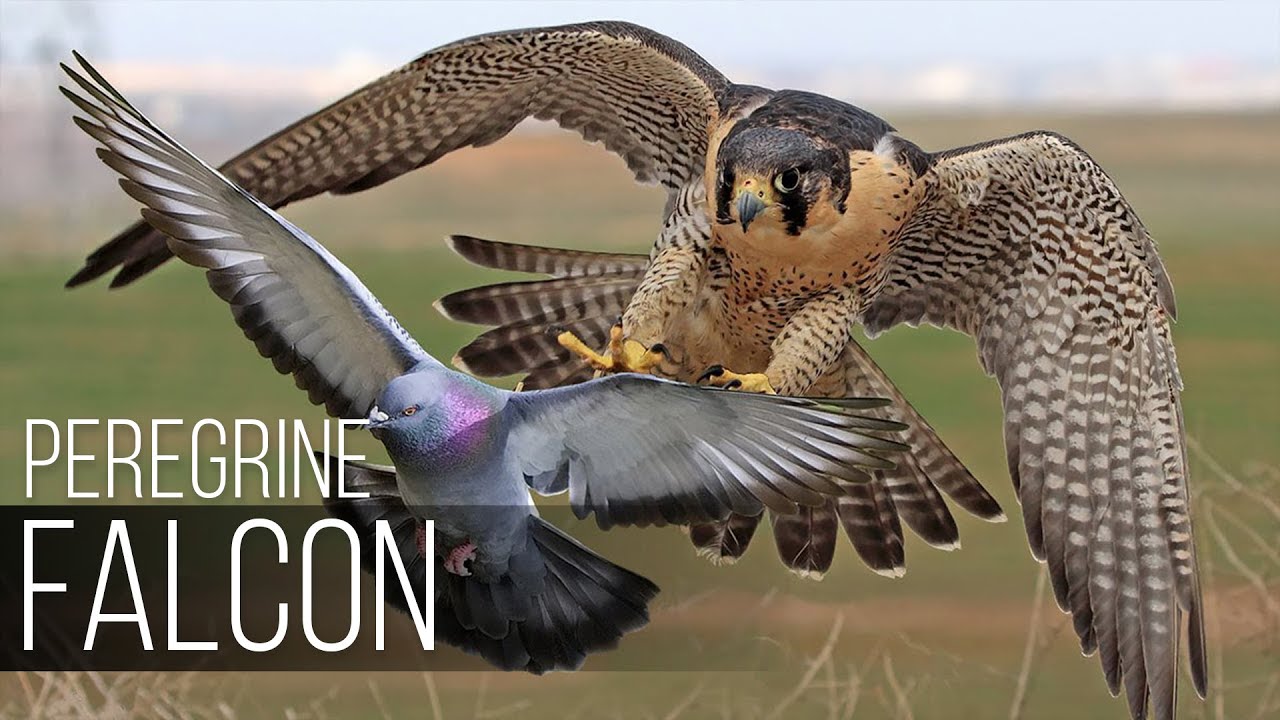
A peregrine falcon dives at incredible speed to capture its prey
Hawks and falcons represent a diverse group of carnivorous animals known for their exceptional hunting skills. Hawks typically hunt by soaring and circling, using their keen eyesight to spot prey from a distance. They then swoop down with incredible speed and accuracy, using their talons to capture their target. Falcons, on the other hand, are renowned for their speed. The peregrine falcon (Falco peregrinus) is the fastest animal on Earth, capable of reaching speeds of over 200 miles per hour during its hunting dives. Falcons often hunt other birds in flight, striking them with their talons and knocking them to the ground. Different species of hawks and falcons have adapted to different hunting strategies and prey types, showcasing the remarkable diversity of these aerial predators. Their precision, agility, and speed make them formidable hunters and a captivating sight to behold.
Aquatic Predators: Rulers of the Water
The oceans, lakes, and rivers are home to a formidable array of carnivorous animals, perfectly adapted to life in the water. These predators employ a variety of hunting strategies, from ambush attacks to high-speed pursuits, to secure their meals.
Sharks: Apex Predators of the Ocean
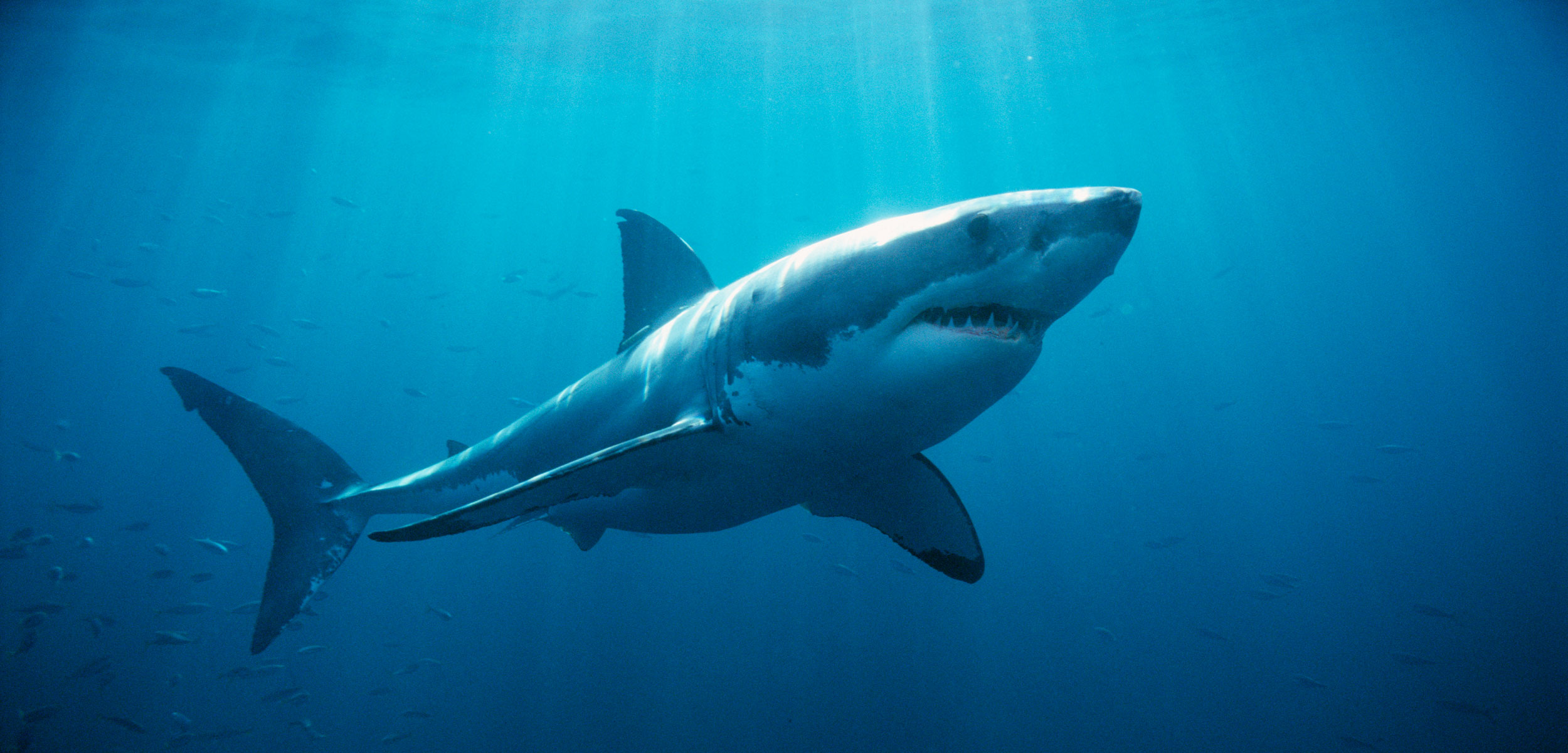
A great white shark swims powerfully through the ocean depths
Sharks are arguably the most feared predators in the ocean, and for good reason. These ancient creatures have been perfecting their hunting skills for over 400 million years. Sharks are found in all of the world’s oceans, and they come in a wide variety of shapes and sizes, from the tiny dwarf lanternshark to the massive whale shark. Most sharks are apex predators, meaning they sit at the top of the food chain and have few natural enemies. They possess a remarkable array of adaptations for hunting, including sharp teeth, powerful jaws, and a keen sense of smell. The great white shark (Carcharodon carcharias) is perhaps the most well-known shark species, renowned for its size, power, and predatory behavior. However, sharks are often misunderstood and unfairly demonized. Many shark species are threatened by overfishing and habitat loss, highlighting the need for conservation efforts. Their vital role in maintaining the health of marine ecosystems is often overlooked.
Crocodiles and Alligators: Ancient Ambush Hunters
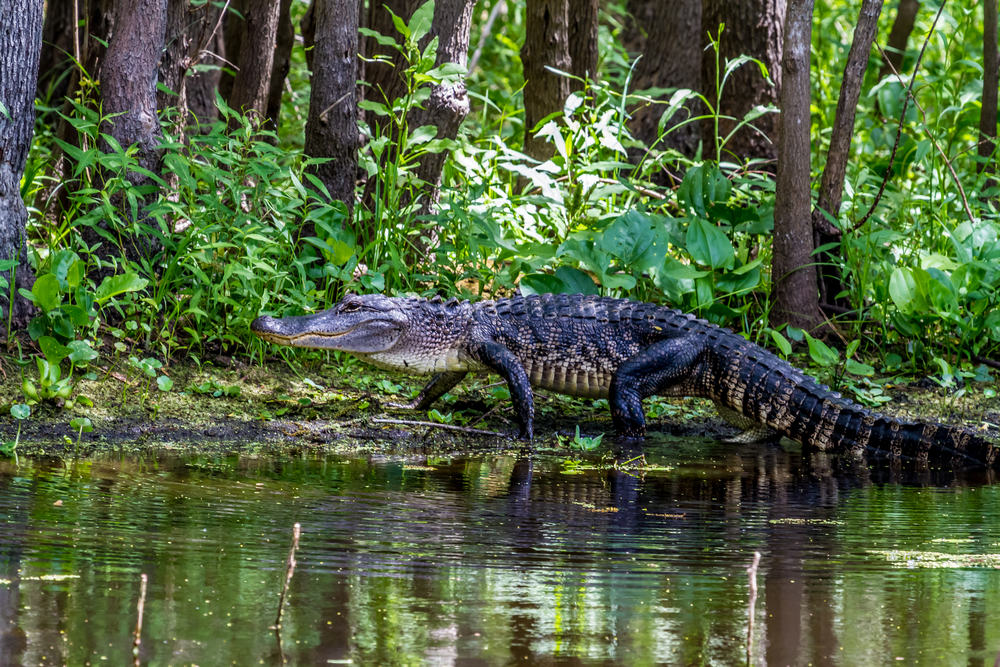
An American alligator lurks in the murky waters of a Florida swamp
Crocodiles and alligators are ancient reptiles that have remained relatively unchanged for millions of years. These formidable predators are found in tropical regions around the world, and they are masters of ambush. They lie in wait, submerged in water, patiently waiting for unsuspecting prey to come within striking distance. Crocodiles and alligators possess powerful jaws and sharp teeth, capable of delivering a crushing bite. They also have a strong tail, which they use to propel themselves through the water and to knock prey off balance. The American alligator (Alligator mississippiensis) is found in the southeastern United States, while crocodiles are more widely distributed throughout the tropics. Both crocodiles and alligators play an important role in regulating prey populations and maintaining the health of wetland ecosystems.
Orcas: Intelligent and Powerful Hunters
Orcas, also known as killer whales (Orcinus orca), are the largest members of the dolphin family. These highly intelligent and social animals are found in all of the world’s oceans, and they are apex predators. Orcas hunt in pods, utilizing a variety of sophisticated hunting strategies. Some pods specialize in hunting fish, while others target marine mammals, such as seals, sea lions, and even whales. Orcas are known for their cooperative hunting techniques, working together to herd prey and make coordinated attacks. They also possess a complex communication system, utilizing a variety of vocalizations to coordinate their efforts. Orcas are not simply mindless killers; they exhibit complex social behaviors, including cultural traditions and emotional intelligence. Their intelligence, power, and social complexity make them one of the most fascinating carnivorous animals on Earth.
Categorizing Carnivores: A Closer Look at Dietary Habits
The world of carnivorous animals is far more nuanced than simply “meat-eaters.” While the fundamental characteristic uniting them is a reliance on animal protein, the degree of that reliance, and the flexibility within their diets, paints a fascinating picture of adaptation and ecological roles. Categorizing carnivores isn’t about putting them in neat little boxes, but rather understanding the spectrum of strategies they employ to survive. It’s a story of evolutionary pressures, resource availability, and the intricate dance of life within ecosystems. Let’s delve into the different classifications, moving from the strictly meat-dependent to those with a more adaptable palate.
Obligate Carnivores: The Pure Meat-Eaters
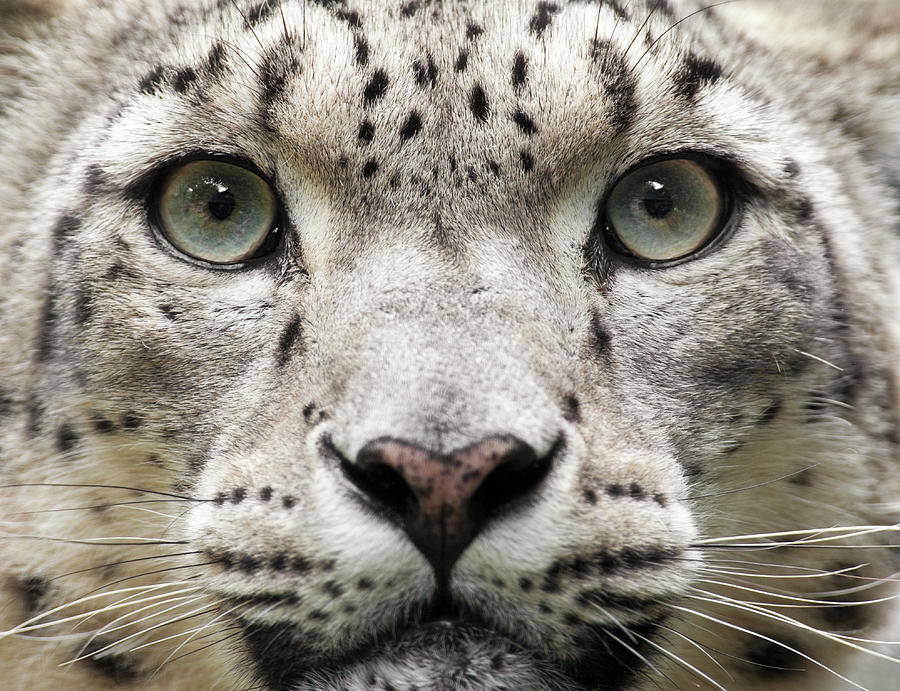
The intense gaze of an obligate carnivore perfectly adapted for a meatbased diet
Obligate carnivores are the purists of the meat-eating world. Their physiology is so specifically geared towards digesting and utilizing animal protein that they cannot thrive – and in many cases, cannot survive – on a plant-based diet. This isn’t a matter of preference; it’s a biological necessity. Their digestive systems lack the enzymes required to efficiently break down plant cellulose, meaning they’d gain minimal nutritional value from vegetation. Think of it like trying to run a high-performance engine on the wrong fuel – it simply won’t work.
The most striking examples of obligate carnivores are found within the Felidae family – the cats. From the majestic lion to the tiny domestic kitten, all cats are obligate carnivores. Their bodies are masterpieces of predatory design. They possess incredibly acidic stomach acid, crucial for breaking down bones and killing bacteria present in raw meat. Their short intestinal tracts are optimized for processing protein, minimizing the time it takes for food to pass through and reducing the risk of bacterial overgrowth. Furthermore, cats lack the ability to synthesize taurine, an essential amino acid found only in animal tissues. Taurine deficiency leads to serious health problems, including blindness and heart failure.
But it’s not just cats. Snakes are another prime example. Many snake species swallow their prey whole, relying on powerful digestive enzymes to dissolve everything – bones, fur, feathers, and all. Their flexible jaws and expandable stomachs are adaptations specifically for this feeding strategy. Similarly, many species of spiders are obligate carnivores, relying on venom to subdue their prey and specialized mouthparts to consume them.
The life of an obligate carnivore is a constant pursuit of protein. Their hunting strategies are refined, their senses are acute, and their bodies are built for the kill. They represent the pinnacle of predatory efficiency, a testament to the power of natural selection. Understanding their dietary needs is paramount for conservation efforts, as habitat loss and prey depletion directly threaten their survival. It’s also why feeding a cat a vegetarian diet is not only unethical but potentially fatal.
Facultative Carnivores: Flexible Diets
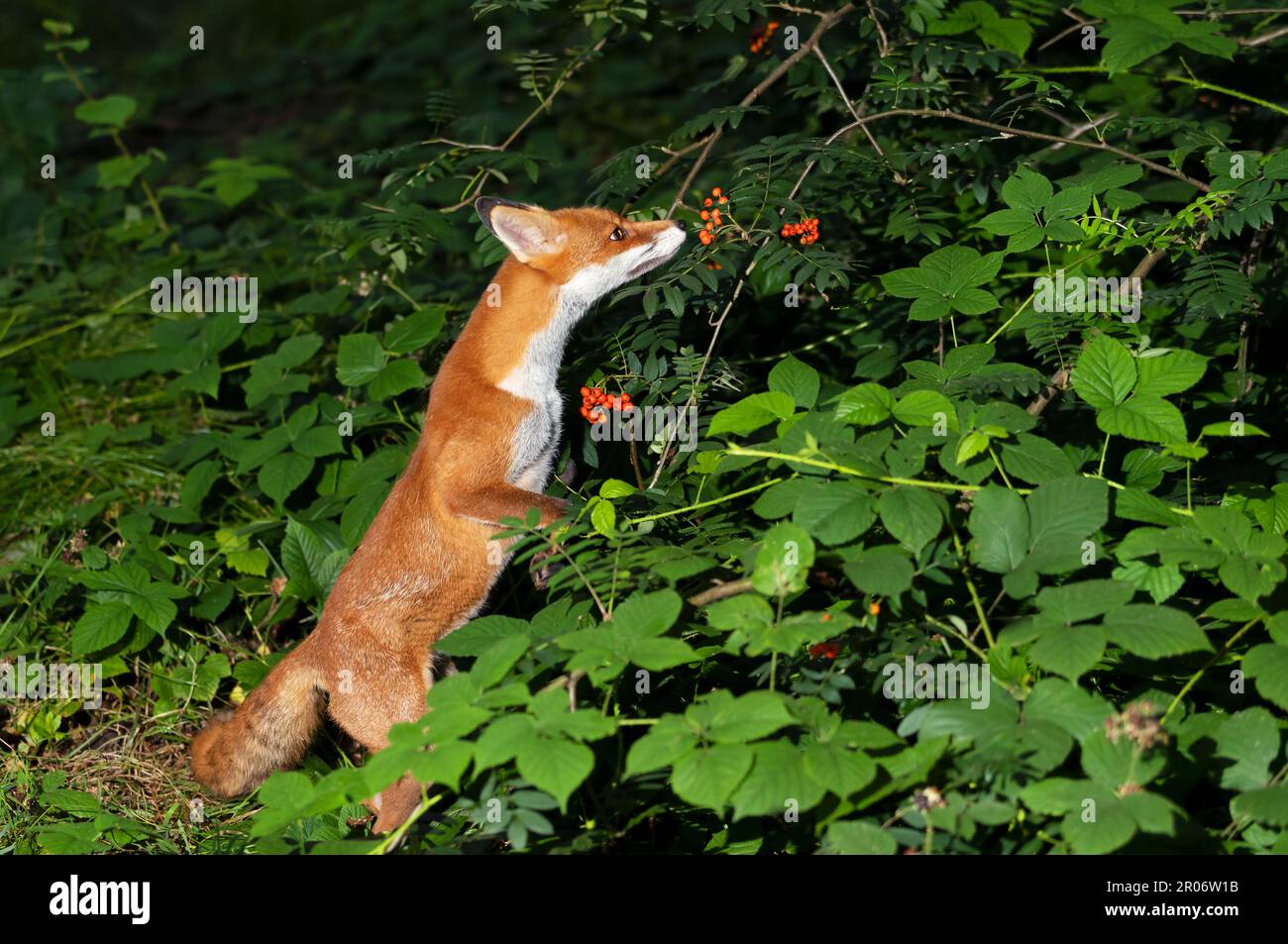
A red fox demonstrating its facultative carnivorous nature by supplementing its diet with berries
Stepping away from the strict requirements of obligate carnivores, we encounter facultative carnivores. These animals primarily consume meat, but they possess the physiological capacity to digest and utilize plant matter to some extent. They aren’t dependent on meat for survival, but it forms the cornerstone of their diet. This flexibility offers a significant advantage in environments where prey is scarce or seasonally unavailable.
The classic example of a facultative carnivore is the dog ( Canis lupus familiaris). While dogs descended from wolves – dedicated hunters – domestication and adaptation to human environments have broadened their dietary horizons. Dogs can digest carbohydrates and extract nutrients from fruits, vegetables, and grains, although their digestive systems are still more efficient at processing protein. You’ll often see dogs scavenging for scraps or happily munching on grass, behaviors that reflect their facultative nature.
Bears are another excellent illustration. While bears are formidable predators, capable of taking down large prey, their diet is remarkably diverse. Depending on the species and the season, bears will consume fish, mammals, insects, berries, roots, and even honey. This adaptability allows them to thrive in a wide range of habitats, from dense forests to coastal regions. The brown bear, for instance, will gorge on salmon during the spawning season, building up fat reserves for the winter, but will also readily consume berries and vegetation when fish are unavailable.
Raccoons are masters of opportunistic feeding, fitting squarely into the facultative carnivore category. They’ll happily raid garbage cans for scraps, hunt for small mammals and insects, and forage for fruits and nuts. Their dexterity and intelligence allow them to exploit a variety of food sources, making them incredibly adaptable to urban and suburban environments.
The facultative nature of these animals highlights the importance of dietary plasticity in the face of environmental change. Their ability to switch between different food sources increases their resilience and allows them to survive in fluctuating conditions. This adaptability is a key factor in their success as a species.
Hypercarnivores, Mesocarnivores, and Hypocarnivores: A Spectrum of Meat Consumption
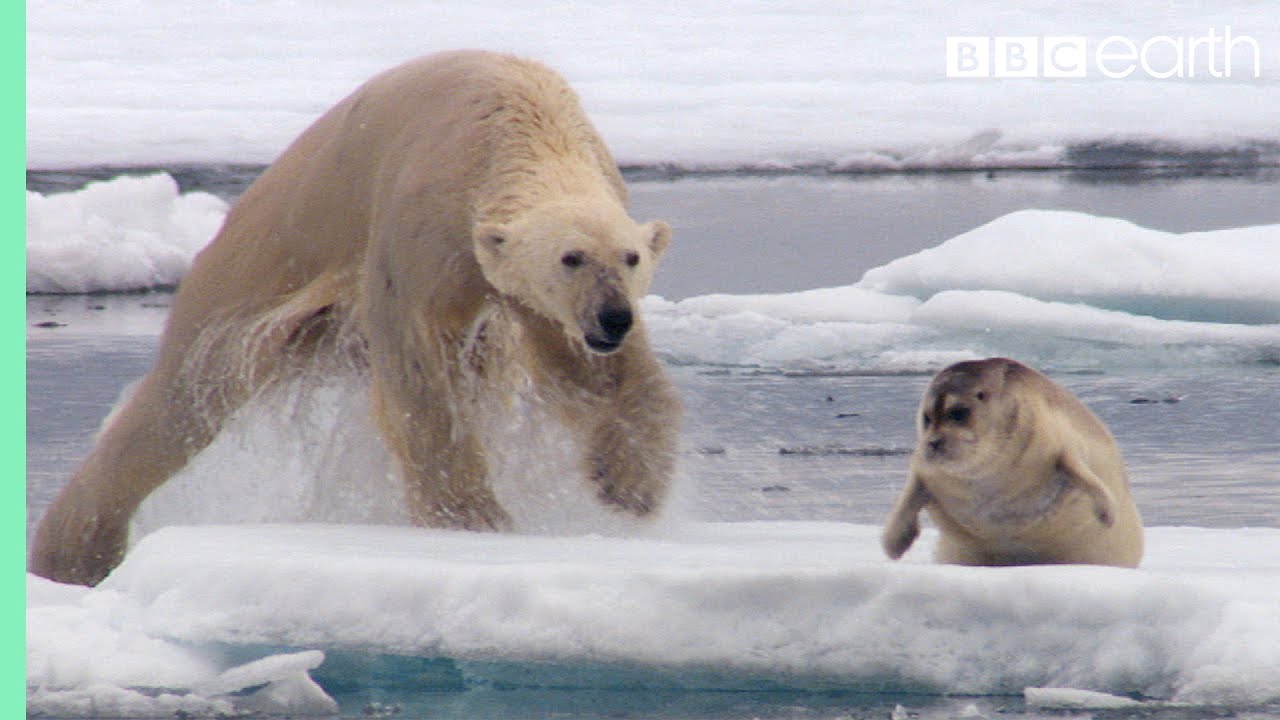
A hypercarnivore the polar bear demonstrating its specialized hunting skills in a harsh environment
Beyond the broad categories of obligate and facultative, a more granular classification system exists, based on the percentage of meat in an animal’s diet. This system categorizes carnivores into hypercarnivores, mesocarnivores, and hypocarnivores, providing a more nuanced understanding of their dietary habits.
Hypercarnivores represent the extreme end of the meat-eating spectrum. More than 70% of their diet consists of animal matter. These are the dedicated predators, the apex hunters that dominate their ecosystems. Polar bears are a prime example. Their entire existence revolves around hunting seals, and their bodies are exquisitely adapted for this purpose – thick fur for insulation, powerful claws for gripping ice, and a streamlined body for swimming. Other hypercarnivores include wolves, eagles, and sharks. Their survival is inextricably linked to the availability of prey.
Mesocarnivores occupy the middle ground, with meat comprising between 50% and 70% of their diet. These animals are often opportunistic feeders, supplementing their meat intake with fruits, vegetables, and insects. Foxes, coyotes, and many species of weasels fall into this category. They are adaptable predators, capable of hunting small mammals and birds, but also willing to scavenge and forage for other food sources. They play a crucial role in regulating populations of smaller prey animals.
Hypocarnivores have the lowest meat consumption, with animal matter making up less than 50% of their diet. These animals are primarily herbivores or omnivores, but they will occasionally consume meat when the opportunity arises. Bears (as mentioned earlier, depending on the season), some species of birds, and even certain primates can be considered hypocarnivores. Their meat consumption is often opportunistic, driven by factors such as protein deficiency or the availability of easily accessible prey.
This spectrum of meat consumption highlights the diversity within the carnivorous animals world. It’s a reminder that “carnivore” isn’t a monolithic category, but rather a broad umbrella encompassing a wide range of dietary strategies. Understanding these nuances is essential for effective conservation management, as the dietary needs of each species must be considered when assessing their vulnerability and developing strategies to protect their habitats. The study of these dietary classifications also provides valuable insights into the evolutionary pressures that have shaped the behavior and physiology of these fascinating creatures. It’s a testament to the incredible adaptability of life on Earth.
The Ecological Importance of Carnivores
The world’s ecosystems are intricate tapestries woven with threads of interdependence. Every organism, from the smallest microbe to the largest whale, plays a role in maintaining the health and stability of the whole. And within this complex web of life, carnivorous animals occupy a position of critical importance, often acting as keystones that hold everything together. To truly understand the beauty and power of nature, we must delve into why carnivores matter, and the profound consequences of their presence – or absence – within an ecosystem. It’s easy to view predators as simply ‘killers,’ but that’s a tragically limited perspective. They are, in reality, architects of biodiversity, regulators of populations, and essential components of a functioning planet.
Maintaining Ecosystem Balance
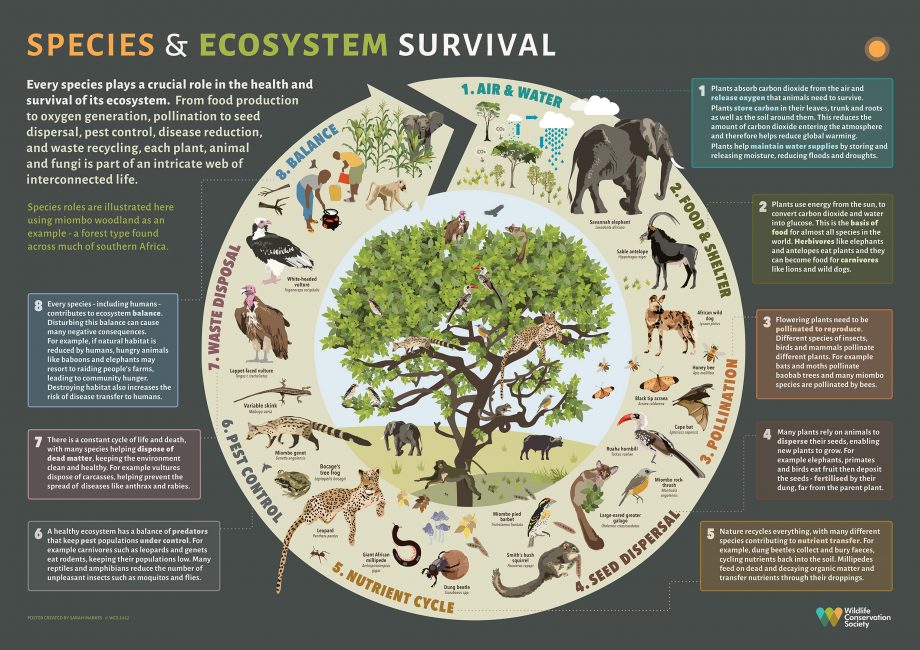
A thriving ecosystem demonstrates the balance maintained by its inhabitants
Ecosystem balance isn’t a static state; it’s a dynamic equilibrium constantly shifting in response to various pressures. Carnivores are instrumental in maintaining this delicate balance. They prevent any single species from becoming overly dominant, which could lead to the depletion of resources and the collapse of the system. Imagine a forest without wolves, for example. Deer populations, unchecked by predation, would explode. This overabundance would lead to overgrazing, stripping the forest floor of vegetation. Seedlings wouldn’t have a chance to grow, impacting forest regeneration and the habitat of countless other species. The loss of plant life would also affect soil health, water retention, and even the climate.
This isn’t just a hypothetical scenario. The reintroduction of wolves to Yellowstone National Park in the 1990s is a textbook example of how carnivores can restore ecosystem balance. Before their removal in the early 20th century, wolves kept elk populations in check, allowing vegetation along rivers to flourish. When wolves were gone, elk browsed heavily on these plants, leading to erosion and a decline in riparian habitats. The reintroduction of wolves triggered a “trophic cascade” – a series of effects rippling down the food chain. Elk changed their behavior, avoiding areas where they were vulnerable to wolf predation. This allowed vegetation to recover, stabilizing riverbanks, improving water quality, and creating habitat for beavers, fish, and birds. The return of the wolf wasn’t just about saving a single species; it was about restoring the health of an entire ecosystem.
The concept extends beyond large predators like wolves. Even smaller carnivorous animals, such as foxes and weasels, play a vital role in controlling populations of rodents and other small mammals, preventing them from causing damage to crops or spreading disease. The intricate network of predator-prey relationships is what keeps ecosystems resilient and adaptable.
Controlling Prey Populations
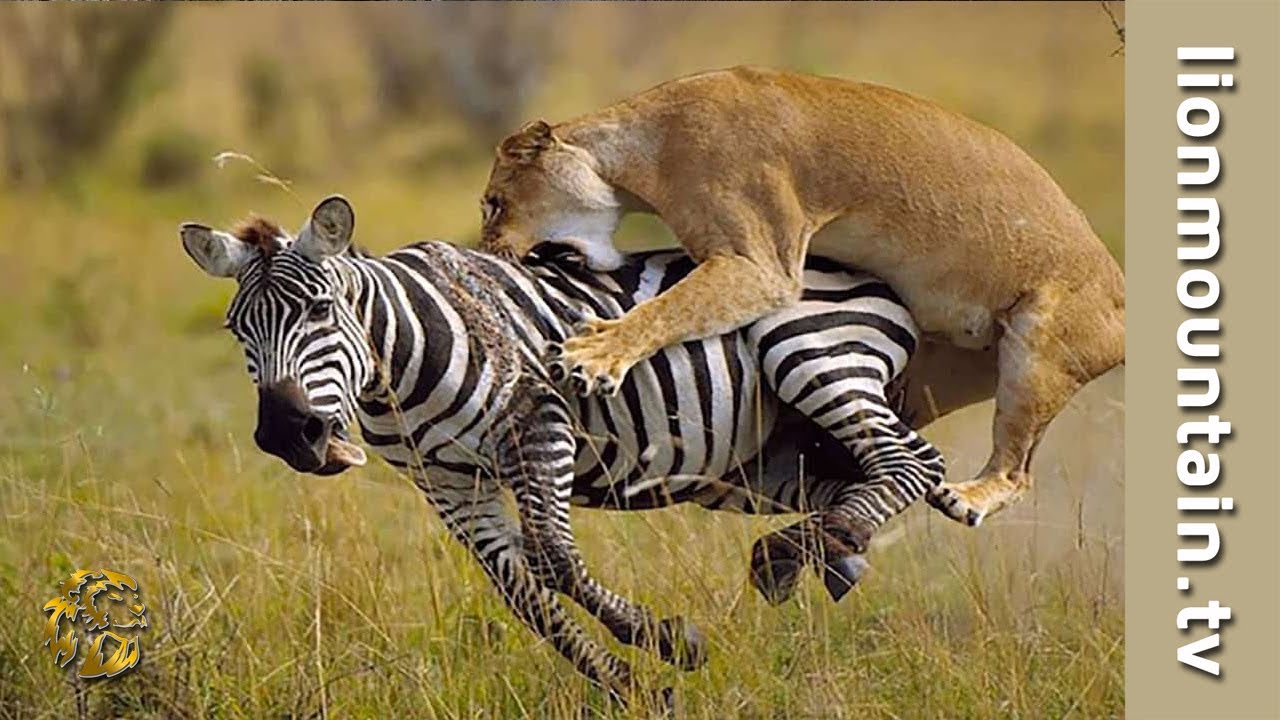
A lion successfully hunting a zebra demonstrating the control of prey populations
The most obvious role of carnivorous animals is the control of prey populations. This isn’t simply about reducing the number of individuals; it’s about influencing the quality of the prey population as well. Predators tend to target the sick, weak, and old individuals, preventing the spread of disease and ensuring that only the fittest animals reproduce. This natural selection process strengthens the gene pool of the prey species, making it more resilient to environmental challenges.
Consider the case of mountain lions and deer. Mountain lions don’t just kill deer; they selectively prey on those that are less agile, have underlying health problems, or are nearing the end of their natural lifespan. By removing these individuals, mountain lions improve the overall health and vigor of the deer population. This, in turn, benefits the ecosystem as a whole. Healthy deer are more likely to produce healthy offspring, contributing to a sustainable population.
Furthermore, the fear of predation can also have a significant impact on prey behavior. Prey animals living in areas with high predator densities tend to be more vigilant, more dispersed, and more selective in their foraging habits. This can prevent overgrazing and allow vegetation to recover. The presence of predators, therefore, creates a “landscape of fear” that shapes the behavior and distribution of prey species, ultimately influencing the structure and function of the ecosystem.
The impact of predator control extends beyond the immediate prey species. By regulating herbivore populations, carnivores indirectly protect plant communities, which provide habitat and food for a wide range of other organisms. This cascading effect highlights the interconnectedness of ecosystems and the crucial role that carnivorous animals play in maintaining their integrity.
The Role of Apex Predators
At the very top of the food chain sit the apex predators – the animals with no natural enemies. These magnificent creatures, such as lions, tigers, sharks, and eagles, exert a disproportionately large influence on their ecosystems. Their presence is often essential for maintaining biodiversity and preventing ecological collapse.
Apex predators don’t just control prey populations; they also regulate the populations of other predators. This is known as “mesopredator release.” When apex predators are removed from an ecosystem, populations of smaller predators – such as foxes, raccoons, and coyotes – tend to increase. These mesopredators can then have a devastating impact on prey species, particularly ground-nesting birds and small mammals.
For example, in many parts of North America, the decline of wolves and mountain lions has led to an increase in coyote populations. Coyotes, in turn, prey heavily on rabbits, hares, and ground-nesting birds, leading to declines in these populations. The loss of apex predators, therefore, can trigger a cascade of negative effects that ripple down the food chain.
The role of apex predators extends beyond their direct impact on other species. They also play a crucial role in maintaining the health and resilience of ecosystems by promoting genetic diversity, regulating disease outbreaks, and influencing nutrient cycling. Their presence is a sign of a healthy, functioning ecosystem.
The conservation of carnivorous animals, particularly apex predators, is therefore essential for protecting biodiversity and ensuring the long-term health of our planet. It’s a complex challenge, requiring careful management of human-wildlife conflict, habitat protection, and anti-poaching efforts. But the rewards – a thriving, resilient ecosystem – are well worth the effort. Understanding the ecological importance of these often-misunderstood creatures is the first step towards ensuring their survival and the survival of the ecosystems they inhabit. The fate of carnivorous animals is inextricably linked to our own, and their preservation is not just an environmental imperative, but a moral one.
Humans and Carnivores: A Complex Relationship
The relationship between humans and carnivorous animals is a tangled web woven with threads of fear, fascination, competition, and, increasingly, conservation. For millennia, we’ve viewed predators through a lens shaped by our own survival needs – as threats to our livestock, dangers to our children, and sometimes, sources of food and materials. But as our understanding of ecology deepens, and as we grapple with the consequences of habitat loss and climate change, that relationship is being forced to evolve. It’s a relationship that demands we confront uncomfortable truths about our own place in the natural world, and our responsibility to the creatures with whom we share it.
Are Humans Naturally Carnivores?
This question has fueled debate for decades, and the answer, unsurprisingly, is complex. It’s a debate that often gets caught up in the fervor of dietary trends, but the biological and anthropological evidence paints a nuanced picture. While it’s tempting to categorize humans neatly into one box – herbivore, carnivore, or omnivore – our evolutionary history suggests we’ve been adaptable generalists.
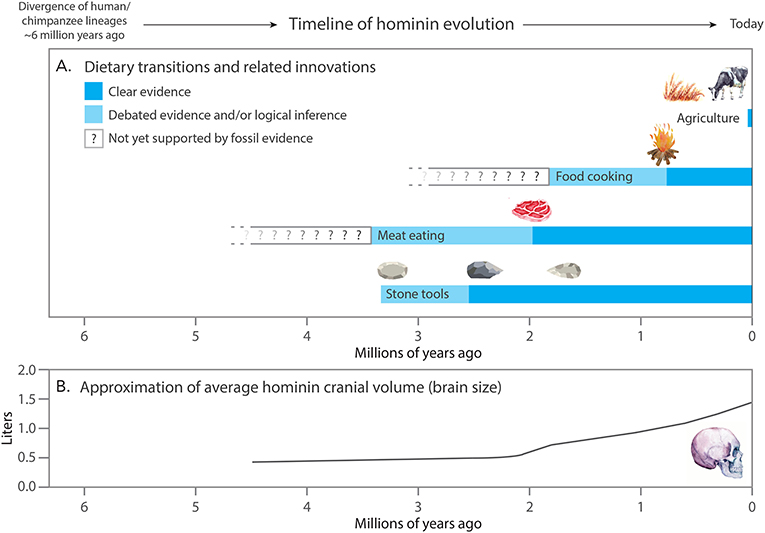
A timeline illustrating the evolution of human diet from early hominids to modern humans
Our ancestors, early hominids, undoubtedly consumed meat. Fossil evidence shows cut marks on animal bones dating back millions of years, indicating the use of tools for butchering. The development of hunting skills, and the subsequent access to protein-rich meat, likely played a crucial role in the growth of the human brain. Meat provides essential nutrients – like vitamin B12, iron, and essential fatty acids – that are difficult to obtain solely from plant sources. However, it wasn’t only meat. Archaeological findings reveal evidence of plant consumption, including fruits, vegetables, and tubers, alongside animal remains.
Our anatomy also offers clues. Compared to obligate carnivores like cats, humans have relatively short digestive tracts, less suited for processing large amounts of raw meat. We lack the specialized enzymes necessary to efficiently break down cellulose, the primary component of plant cell walls. Yet, we possess the ability to cook food, a practice that significantly increases the digestibility of both plant and animal matter. Our teeth are also indicative of an omnivorous diet – we have incisors for biting, canines for tearing, and molars for grinding.
The argument for a primarily carnivorous past often centers on the idea that our ancestors needed the high-calorie density of meat to fuel their active lifestyles and brain development. While this is undoubtedly true to a degree, it doesn’t negate the importance of plant foods in our diet. The reality is that early humans were opportunistic eaters, consuming whatever resources were available in their environment.
Today, we have the luxury of choice. We can obtain nutrients from a wide variety of sources, and our digestive systems have adapted to process a diverse range of foods. Therefore, labeling humans as “naturally” carnivores is an oversimplification. We are, fundamentally, omnivores – equipped to thrive on a diet that includes both plant and animal matter. The optimal ratio of these components is a subject of ongoing debate, but the flexibility remains. The question isn’t whether we can survive on meat, but whether a diet heavily reliant on animal products is the healthiest and most sustainable option for us, and for the planet.
The Carnivore Diet: Trends and Considerations
The carnivore diet, a relatively recent dietary trend, takes the idea of human carnivory to its extreme. Proponents advocate for a diet consisting exclusively of animal products – meat, fish, eggs, and sometimes dairy – eliminating all plant-based foods. The rationale behind this diet varies, ranging from claims of improved health and weight loss to assertions that it aligns with our ancestral eating patterns.

A typical carnivore diet meal consisting of steak and eggs
The appeal of the carnivore diet lies in its simplicity and its perceived elimination of potential allergens and inflammatory compounds found in plants. Some individuals report experiencing positive effects, such as reduced bloating, improved mental clarity, and weight loss. However, these anecdotal reports are often accompanied by a lack of rigorous scientific evidence.
The potential risks associated with a long-term carnivore diet are significant. The complete absence of fiber can lead to constipation and negatively impact gut health. The high intake of saturated fat and cholesterol may increase the risk of heart disease, although this remains a contentious issue. Furthermore, the diet is deficient in essential vitamins and minerals – such as vitamin C, vitamin E, and potassium – that are abundant in plant foods. While organ meats can provide some of these nutrients, relying solely on them is not a sustainable or reliable solution.
Another concern is the environmental impact of a widespread adoption of the carnivore diet. The production of animal products requires significantly more resources – land, water, and energy – than the production of plant-based foods. Increasing demand for meat would exacerbate existing environmental problems, such as deforestation, greenhouse gas emissions, and water pollution.
It’s crucial to approach the carnivore diet with caution and to consult with a healthcare professional before making any drastic changes to your eating habits. While some individuals may tolerate it in the short term, the long-term health consequences remain largely unknown. The current scientific consensus supports a balanced, plant-rich diet as the foundation of optimal health. The trend highlights a growing interest in ancestral health and the role of diet in well-being, but it also underscores the importance of critical thinking and evidence-based decision-making. It’s a fascinating example of how our understanding of carnivorous animals and their diets can influence our own dietary choices, even if those choices are ultimately based on incomplete or misleading information.
Coexistence and Conservation Efforts
Perhaps the most pressing aspect of the human-carnivore relationship is the need for coexistence and conservation. As human populations expand and encroach upon wildlife habitats, conflicts between humans and carnivorous animals are becoming increasingly common. These conflicts often result in the killing of predators, either in retaliation for livestock depredation or out of fear for human safety.
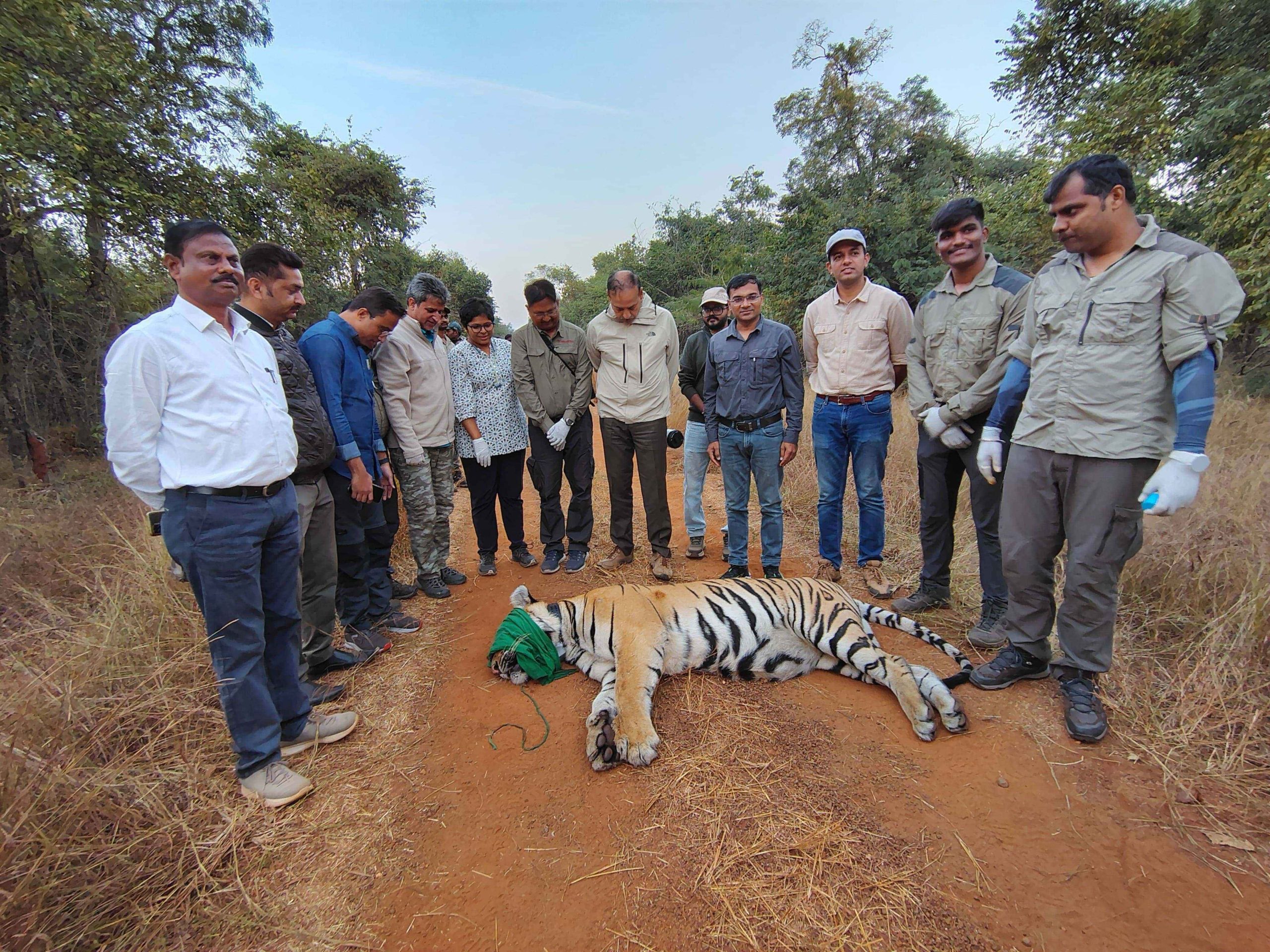
Wildlife conservationists tracking a tiger in India to monitor its movements and protect it from poaching
However, the loss of predators has cascading effects on ecosystems. As apex predators, they play a vital role in regulating prey populations, preventing overgrazing, and maintaining biodiversity. Their removal can lead to trophic cascades – disruptions in the food web that can have far-reaching consequences. For example, the extirpation of wolves from Yellowstone National Park in the early 20th century led to an increase in elk populations, which in turn overgrazed riparian vegetation, causing erosion and impacting other species. The reintroduction of wolves in 1995 helped to restore the ecological balance of the park.
Effective conservation efforts require a multifaceted approach. This includes habitat protection and restoration, anti-poaching measures, and community-based conservation programs. Compensation schemes can help to mitigate the economic losses experienced by farmers and ranchers who lose livestock to predators. Education and outreach programs can help to dispel myths and misconceptions about carnivorous animals and promote tolerance.
Innovative solutions are also being explored, such as the use of non-lethal deterrents – like guard dogs, fladry (a rope with flags attached), and motion-activated lights – to protect livestock. Translocation, the practice of moving animals from areas of conflict to more remote locations, can also be effective, but it requires careful planning and monitoring.
The success of these efforts depends on collaboration between governments, conservation organizations, local communities, and individuals. It requires a shift in perspective – from viewing predators as enemies to recognizing their intrinsic value and their crucial role in maintaining healthy ecosystems. It also demands a willingness to share space with wildlife and to accept the occasional inconvenience or risk that comes with living in close proximity to nature. Ultimately, the future of carnivorous animals – and, indeed, the health of our planet – depends on our ability to forge a more harmonious relationship with these magnificent creatures. The story of humans and carnivores is far from over; it’s a story we are still writing, and the choices we make today will determine the outcome for generations to come.
Frequently Asked Questions About Carnivorous Animals
This section aims to address some of the most common questions and dispel myths surrounding carnivorous animals. It’s a space to delve into their behavior, understand the complexities of their aggression, and explore the crucial topic of their conservation in a rapidly changing world. Often, our perceptions of these creatures are shaped by sensationalized media or incomplete information. Let’s aim to provide a more nuanced and informed perspective.
Common Myths and Misconceptions
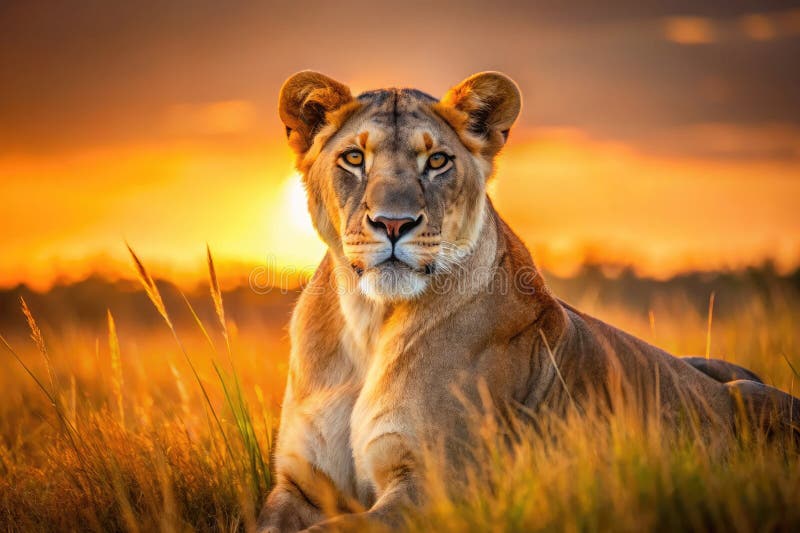
A lioness often misunderstood as solely aggressive displays a watchful gaze
There’s a wealth of misinformation circulating about carnivorous animals, often stemming from fear or a lack of understanding. One pervasive myth is that all carnivores are inherently aggressive and constantly seeking to attack. This simply isn’t true. While possessing the physical capabilities for predation, most carnivores only exhibit aggression when threatened, defending their young, or actively hunting for food. A hungry animal is a different entity than one that feels secure. Think about a house cat – a perfectly capable predator – that spends most of its day napping in a sunbeam.
Another common misconception is that carnivores are solely responsible for declines in prey populations. While predation certainly plays a role in ecosystem dynamics, factors like habitat loss, climate change, and human encroachment often have a far more significant impact. Blaming the predator ignores the larger, more complex web of issues at play. In fact, the removal of apex predators can lead to imbalances, such as overgrazing by herbivores, ultimately degrading the habitat.
Furthermore, there’s a tendency to anthropomorphize carnivores, attributing human emotions and motivations to their behavior. We might label a tiger as “cruel” for killing a deer, but this ignores the fundamental reality of its existence – it needs to eat to survive. It’s not acting out of malice, but out of biological necessity. Understanding this distinction is crucial for fostering a more respectful and informed relationship with these animals.
The idea that all snakes are venomous is another widespread myth. While many snake species do possess venom, the vast majority are non-venomous and rely on constriction or simply overpowering their prey. Even among venomous snakes, not all venoms are deadly to humans. This fear often leads to the unnecessary killing of harmless snakes, further disrupting ecosystems.
Finally, the notion that carnivorous animals are “dirty” or “unhygienic” is a misconception. Many carnivores are meticulous groomers, keeping themselves clean and free of parasites. Their role in scavenging also plays a vital role in removing carcasses and preventing the spread of disease.
Carnivore Behavior and Aggression
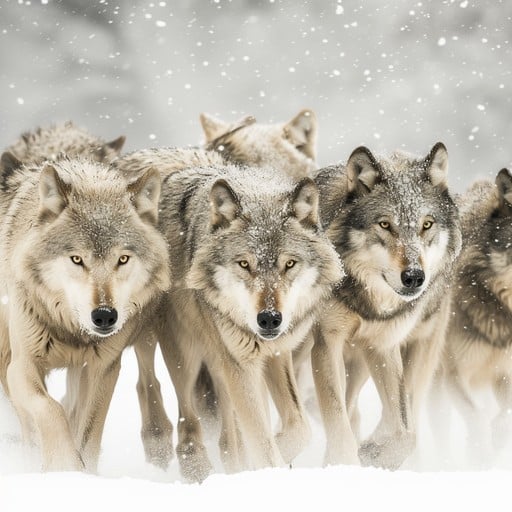
A wolf pack demonstrating cooperative behavior highlighting their complex social structure
Understanding the behavior of carnivorous animals requires looking beyond simple labels like “aggressive” or “docile.” Their actions are deeply rooted in their evolutionary history, social structures, and individual experiences. Aggression, when it occurs, is often a complex interplay of these factors.
For social carnivores like wolves and lions, aggression is often used to establish and maintain dominance hierarchies within the pack or pride. These displays aren’t necessarily about inflicting harm, but rather about asserting social status and securing access to resources like food and mates. Subordinate animals will typically defer to dominant individuals, minimizing the risk of conflict.
Solitary hunters, like tigers and leopards, exhibit different patterns of aggression. Their aggression is primarily focused on securing prey and defending their territory. They are generally more cautious and avoid unnecessary confrontations, preferring to ambush their prey rather than engage in prolonged chases. However, a mother protecting her cubs will be fiercely defensive, exhibiting a level of aggression that is both understandable and formidable.
The concept of “predatory drift” is also important to consider. This refers to the tendency of carnivores to sometimes attack prey even when they aren’t hungry, particularly if the prey exhibits certain behaviors that trigger their hunting instincts – such as running away. This doesn’t necessarily indicate malice, but rather a reflexive response to a perceived opportunity.
It’s also crucial to recognize that individual personalities play a role in carnivore behavior. Just like humans, some animals are bolder and more assertive than others. Factors like early life experiences, access to resources, and genetic predispositions can all influence an animal’s temperament.
Observing carnivore behavior in the wild requires a deep understanding of their body language and social cues. A relaxed animal will typically have a loose posture, ears forward, and a calm demeanor. An agitated animal, on the other hand, may exhibit tense muscles, flattened ears, and a fixed stare. Recognizing these signals is essential for both researchers and anyone who encounters a carnivore in its natural habitat. Understanding these nuances is vital when discussing about carnivorous animals.
The Future of Carnivore Conservation
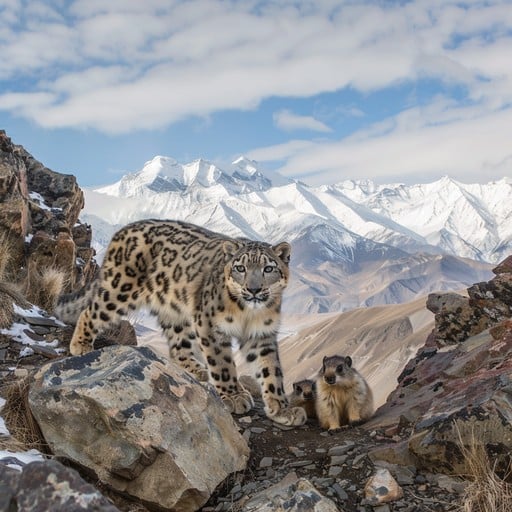
A snow leopard a vulnerable species facing threats from habitat loss and poaching
The future of carnivorous animals is precarious. Many species are facing significant threats from habitat loss, poaching, human-wildlife conflict, and climate change. Conservation efforts are crucial to ensuring their survival, but they require a multifaceted approach.
Habitat preservation is paramount. Protecting and restoring critical habitats – such as forests, grasslands, and wetlands – is essential for providing carnivores with the space and resources they need to thrive. This often involves working with local communities to promote sustainable land use practices and reduce deforestation.
Combating poaching is another critical priority. Many carnivores are targeted for their fur, bones, or other body parts, which are used in traditional medicine or sold on the black market. Strengthening law enforcement, increasing penalties for poaching, and reducing demand for illegal wildlife products are all essential steps.
Addressing human-wildlife conflict is also crucial. As human populations expand, they increasingly encroach on carnivore habitats, leading to conflicts over livestock and resources. Implementing mitigation strategies – such as livestock guarding dogs, predator-proof fencing, and compensation programs – can help reduce these conflicts and foster coexistence.
Climate change poses a growing threat to carnivores, altering their habitats and disrupting their prey base. Reducing greenhouse gas emissions and implementing adaptation strategies – such as creating wildlife corridors to allow animals to move to more suitable habitats – are essential for mitigating these impacts.
Community-based conservation initiatives are proving to be particularly effective. By involving local communities in conservation efforts, we can empower them to become stewards of their natural resources and benefit from the economic opportunities that wildlife tourism can provide.
Furthermore, raising public awareness about the importance of carnivores is vital. Educating people about their ecological role and the threats they face can help foster a greater appreciation for these magnificent creatures and inspire support for conservation efforts. The future of these carnivorous animals depends on our collective commitment to protecting them. Investing in research, supporting conservation organizations, and advocating for policies that protect wildlife are all ways we can contribute to their survival. The legacy we leave for future generations will be defined by our ability to coexist with these apex predators and ensure their place in the natural world.
The Enduring Legacy of Predators
The image of a predator – a lion stalking the savanna, a shark gliding through the ocean depths, an eagle soaring above the mountains – evokes a primal response within us. It’s a mixture of awe, fear, and a deep-seated recognition of power. But the legacy of predators extends far beyond these immediate reactions. It’s woven into the very fabric of life on Earth, shaping ecosystems, driving evolution, and even influencing human culture and history. To truly understand the world around us, we must appreciate the enduring significance of these magnificent, often misunderstood creatures.
The Evolutionary Echoes of Predation
Predation isn’t simply a biological process; it’s a fundamental force that has sculpted the evolution of life for billions of years. The constant pressure exerted by carnivorous animals on their prey has driven the development of incredible adaptations – from the speed of a cheetah to the camouflage of a chameleon, from the armor of an armadillo to the venom of a snake. This isn’t a one-way street, of course. Prey species evolve defenses, and predators, in turn, evolve counter-strategies, leading to an ongoing evolutionary arms race.
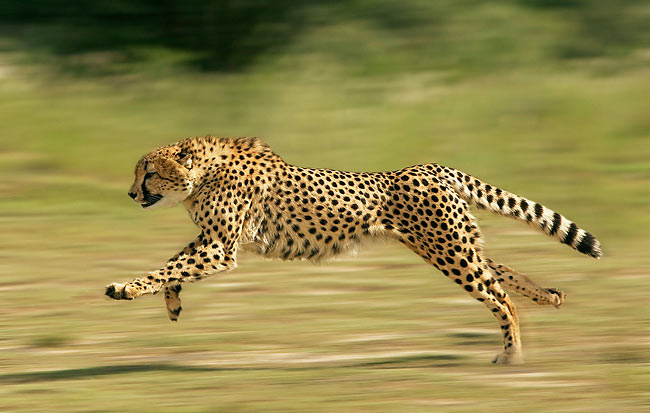
A cheetah demonstrating its incredible speed a direct result of evolutionary pressure from predation
Consider the relationship between gazelles and cheetahs in the African savanna. Gazelles have evolved exceptional speed and agility to evade predators, while cheetahs have developed incredible acceleration and streamlined bodies to pursue them. This co-evolutionary dance isn’t just about survival; it’s about refinement. Each species pushes the other to become better, stronger, and more efficient. Without predation, the evolutionary trajectory of both gazelles and cheetahs would be drastically different. They might become less specialized, less resilient, and ultimately, less successful.
This principle applies across the entire animal kingdom. The development of flight in birds, for example, is thought to have been, at least in part, driven by the need to escape predators. The evolution of complex social structures in animals like wolves and lions is linked to the benefits of cooperative hunting and defense. Even the vibrant colors and intricate patterns of many animals serve as either camouflage to avoid detection or warning signals to deter predators.
Predators as Ecosystem Engineers
The role of carnivorous animals extends beyond simply controlling prey populations. They are, in many ways, ecosystem engineers, actively shaping the structure and function of the environments they inhabit. This concept, often referred to as a trophic cascade, highlights the far-reaching effects that predators can have on entire ecosystems.
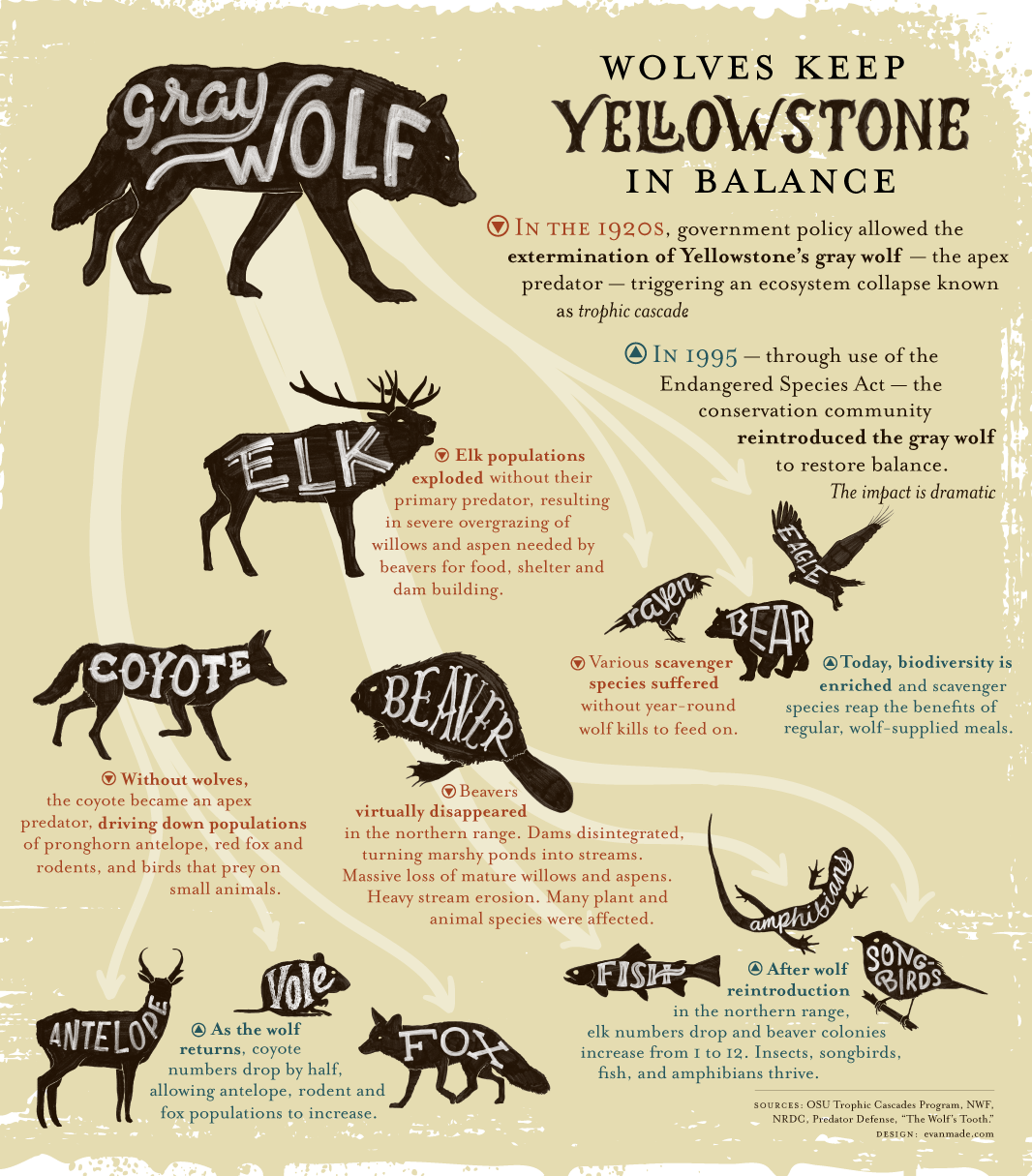
The reintroduction of wolves to Yellowstone National Park demonstrates the powerful impact of apex predators on ecosystem health
A classic example of a trophic cascade is the reintroduction of wolves to Yellowstone National Park in the 1990s. After being extirpated from the park in the early 20th century, the elk population exploded, leading to overgrazing of vegetation, particularly along riverbanks. This, in turn, caused erosion, reduced habitat for other species, and even altered the course of rivers. The reintroduction of wolves had a dramatic effect. Elk populations were reduced and their behavior changed – they became more vigilant and avoided grazing in vulnerable areas. This allowed vegetation to recover, stabilizing riverbanks, creating habitat for beavers, and ultimately, restoring the ecological balance of the park.
This example illustrates a crucial point: removing apex predators can have cascading consequences that ripple through the entire ecosystem. It’s not just about losing a top predator; it’s about disrupting the intricate web of interactions that hold the ecosystem together.
The Cultural Significance of Predators
Predators have held a prominent place in human cultures throughout history. They are often depicted as symbols of power, courage, and cunning. In many indigenous cultures, predators are revered as spiritual beings or totems, representing qualities that humans admire and aspire to.

Ancient Egyptian art frequently depicted lions as symbols of royalty and power
In ancient Egypt, the lion was a symbol of royalty and power, often associated with the pharaohs. In Greek mythology, the eagle was the symbol of Zeus, the king of the gods. Native American tribes often associated themselves with specific predators, believing that they possessed the animal’s strengths and characteristics. The wolf, for example, was often seen as a symbol of loyalty, intelligence, and family.
However, the relationship between humans and predators has also been fraught with conflict. As humans expanded their settlements and agricultural lands, they often came into conflict with predators, leading to persecution and decline of predator populations. This conflict continues to this day, as predators sometimes prey on livestock or pose a threat to human safety.
The Challenges of Coexistence and Conservation
The conservation of carnivorous animals is a complex and challenging task. Many predator populations are facing threats from habitat loss, human-wildlife conflict, poaching, and climate change. Protecting these animals requires a multifaceted approach that addresses these threats and promotes coexistence between humans and predators.
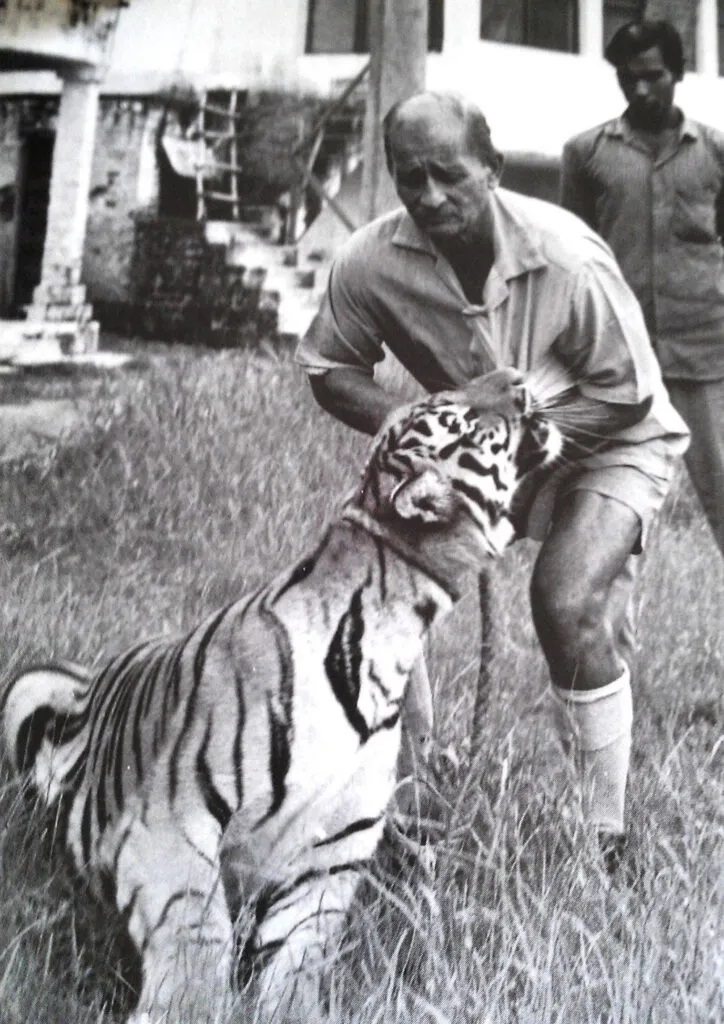
A conservationist tracking a tiger in India highlighting the importance of monitoring and protecting endangered predator species
Effective conservation strategies include:
- Habitat protection and restoration: Protecting and restoring critical habitats is essential for ensuring the long-term survival of predator populations.
- Mitigating human-wildlife conflict: Implementing measures to reduce conflict between humans and predators, such as livestock guarding dogs, compensation programs for livestock losses, and community-based conservation initiatives.
- Combating poaching: Strengthening law enforcement efforts to combat poaching and illegal wildlife trade.
- Raising awareness: Educating the public about the importance of predators and the threats they face.
- Promoting sustainable land use practices: Encouraging land use practices that minimize habitat fragmentation and allow for the coexistence of humans and predators.
The future of predators depends on our ability to recognize their intrinsic value and their crucial role in maintaining the health and resilience of ecosystems. It requires a shift in perspective – from viewing predators as threats to be eliminated to recognizing them as vital components of a functioning planet.
A Future Shaped by Predators
The enduring legacy of predators isn’t just about the past; it’s about the future. As we face increasing environmental challenges, the role of predators in maintaining ecosystem health and resilience will become even more critical. By protecting these magnificent creatures, we are not only safeguarding biodiversity but also investing in the long-term health and sustainability of our planet. The story of carnivorous animals is a story of evolution, ecology, and our own place within the natural world. It’s a story that deserves to be told, understood, and celebrated.
WildWhiskers is a dedicated news platform for animal lovers around the world. From heartwarming stories about pets to the wild journeys of animals in nature, we bring you fun, thoughtful, and adorable content every day. With the slogan “Tiny Tails, Big Stories!”, WildWhiskers is more than just a news site — it’s a community for animal enthusiasts, a place to discover, learn, and share your love for the animal kingdom. Join WildWhiskers and open your heart to the small but magical lives of animals around us!