






Have you ever paused to wonder at the stillness of a snake sunning itself on a rock, or the sudden burst of activity from a frog after a warm rain? These captivating behaviors offer a glimpse into the fascinating world of cold blooded animals, also known as ectotherms. Unlike us, who maintain a constant internal temperature regardless of our surroundings, these creatures rely on external sources – the sun, the water, even a warm rock – to regulate their body heat. It’s a fundamentally different way of life, and one that has allowed them to thrive in an incredible diversity of habitats for millions of years.
For many, the term “cold-blooded” conjures up images of sluggish, inactive creatures. But that’s a misconception! It’s not about being always cold, but about being dependent on the environment. In fact, these animals have developed an astonishing array of strategies to manage their temperature, from strategically basking in the sun to seeking refuge in cool burrows. We’ll delve into these behavioral adaptations, exploring how they maximize heat gain and avoid overheating.
This article is a complete guide to understanding ectotherms. We’ll unpack the science behind how cold are cold blooded animals able to get, and how they cope with freezing temperatures through remarkable processes like hibernation and even the production of natural “antifreeze” proteins. We’ll journey through the diverse world of cold blooded animals, meeting reptiles, amphibians, fish, and invertebrates, and discovering the unique challenges and benefits of their lifestyle.
But beyond simply understanding how they survive, we’ll also explore why their survival matters. These often-overlooked creatures play a crucial role in the delicate balance of our ecosystems, and are increasingly vulnerable to the impacts of a changing climate. Join us as we uncover the secrets of these incredible animals and consider what the future holds for them in a warming world.
What Does “Cold Blooded” Really Mean?
The term “cold blooded” conjures up images of reptiles languidly basking in the sun, or perhaps a sluggish snake barely moving on a cool day. But is that really the whole story? It’s a phrase steeped in misconception, often used to imply a lack of vitality or even a primitive nature. In reality, being “cold blooded” – more accurately termed ectothermic – is a perfectly valid and incredibly successful survival strategy that has allowed animals to thrive for millions of years. It’s not about being actually cold, but about how an animal regulates its body temperature. It’s a fascinating world of physiological adaptations and behavioral strategies, and understanding it requires us to move beyond the simplistic label and delve into the science behind it.
Defining Ectothermy: Temperature Regulation Explained

A desert iguana actively basking to raise its body temperature
At its core, ectothermy means that an organism primarily relies on external sources to regulate its body temperature. Think of it like a solar panel – it needs the sun to generate energy. Unlike endotherms (warm-blooded animals like mammals and birds), ectotherms don’t have the internal mechanisms to consistently generate significant amounts of metabolic heat. This doesn’t mean their body temperature is always cold, quite the opposite! It means their body temperature fluctuates with the ambient temperature.
The process is surprisingly complex. Ectotherms don’t just passively absorb heat. They actively seek out or avoid heat sources, utilizing a range of behavioral and physiological adaptations. For example, a lizard isn’t simply “warming up” in the sun; it’s strategically positioning itself to maximize heat absorption, often orienting its body perpendicularly to the sun’s rays. Similarly, a snake seeking shade isn’t just trying to cool down; it’s preventing its body temperature from exceeding a critical threshold.
The internal mechanisms also play a role. Ectotherms can control blood flow to the skin, increasing it to absorb more heat or decreasing it to conserve heat. They can also alter their posture and body shape to maximize or minimize surface area exposed to the environment. These aren’t passive processes; they require energy and careful coordination. The efficiency of these processes varies greatly between species, and even within individuals depending on factors like age, health, and recent feeding. It’s a dynamic interplay between the animal and its environment, a constant negotiation to maintain a functional body temperature. The term ‘how cold are cold blooded animals‘ is often asked, but the answer is, it depends entirely on the environment.
The Difference Between Ectotherms and Endotherms

A visual comparison of the key differences between endothermic and ectothermic animals
The distinction between ectotherms and endotherms is fundamental to understanding animal physiology. Endotherms, often referred to as “warm-blooded,” maintain a relatively stable internal body temperature regardless of external conditions. They achieve this through internal metabolic processes, primarily the burning of calories. Think of a furnace – it generates its own heat. This allows endotherms to remain active in a wider range of environments, including cold climates, and to maintain a high level of sustained activity. However, this comes at a significant energetic cost. Endotherms require a constant and substantial food intake to fuel their metabolic furnaces.
Ectotherms, on the other hand, have a much lower metabolic rate. They require significantly less food than endotherms of comparable size. This is a major advantage in environments where food is scarce. However, their activity levels are often limited by temperature. When it’s too cold, their muscles become sluggish, their digestion slows down, and they may become completely inactive. When it’s too hot, they risk overheating and dehydration.
The difference isn’t simply a binary one. There’s a spectrum of thermoregulatory strategies. Some animals exhibit mesothermy, a sort of intermediate state where they can generate some internal heat but still rely heavily on external sources. Examples include some sharks and tuna. Furthermore, even within ectotherms, there’s variation in the degree to which they rely on external heat. Some species are more capable of behavioral thermoregulation than others.
The evolutionary paths of ectothermy and endothermy are also fascinating. Endothermy is thought to have evolved independently in mammals and birds, likely driven by the need for sustained activity and the ability to exploit new ecological niches. Ectothermy, however, is the ancestral condition, and it remains incredibly successful in a vast array of species. It’s a testament to the power of adaptation and the diversity of life on Earth.
Common Misconceptions About Cold-Blooded Animals
Perhaps the most pervasive misconception about cold blooded animals is that they are always cold. As we’ve already discussed, this is simply not true. Their body temperature fluctuates with the environment, but they can achieve surprisingly high temperatures when basking in the sun. A desert iguana, for example, can reach body temperatures of over 100°F (38°C).
Another common misconception is that ectotherms are less intelligent or less complex than endotherms. This is a completely unfounded assumption. Intelligence and complexity are not directly correlated with thermoregulatory strategy. Many ectothermic species exhibit sophisticated behaviors, complex social interactions, and remarkable problem-solving abilities. Consider the hunting strategies of ambush predators like crocodiles or the intricate courtship rituals of certain lizards.
Furthermore, there’s a tendency to view ectothermy as a “primitive” trait, implying that it’s a less evolved state. This is also inaccurate. Ectothermy is not a stepping stone to endothermy; it’s a perfectly viable and successful adaptation in its own right. It has allowed animals to thrive in a wide range of environments for millions of years. In fact, in terms of sheer numbers of species, ectotherms vastly outnumber endotherms.
Finally, the term “cold-blooded” itself is misleading. It evokes a negative connotation, suggesting a lack of vitality or even a sinister nature. It’s a term that perpetuates harmful stereotypes and obscures the fascinating reality of these incredible animals. Using the term ectothermic is more accurate and avoids these negative connotations. It’s important to remember that these animals are not “cold” by choice; they are simply utilizing a different strategy for regulating their body temperature, a strategy that has proven remarkably effective over evolutionary time. Understanding these misconceptions is crucial for fostering a greater appreciation for the diversity and complexity of life on Earth.
A Diverse World of Ectotherms: Examples and Habitats
The sheer variety of life that falls under the umbrella of cold blooded animals, or more accurately, ectotherms, is truly astounding. It’s easy to picture a lizard basking on a rock, but the world of ectothermy extends far beyond the familiar reptiles. It encompasses a breathtaking range of creatures, each uniquely adapted to its environment and playing a crucial role in the intricate web of life. To truly appreciate these animals, we need to delve into the specific groups that comprise this fascinating category, exploring their distinct characteristics, habitats, and survival strategies.
Reptiles: Scales, Slithering, and Survival
Reptiles are arguably the most iconic group of ectotherms. The very word conjures images of sun-drenched deserts, lush rainforests, and ancient, scaled creatures. This class includes snakes, lizards, turtles, crocodiles, and alligators – a diverse collection unified by their scaly skin, cold-blooded nature, and typically egg-laying reproduction (though some species give birth to live young).
The success of reptiles lies in their remarkable adaptations to a wide range of environments. Their scales provide protection from dehydration, a crucial advantage in arid climates. Snakes, with their elongated bodies and lack of limbs, are masters of navigating tight spaces and ambushing prey. Lizards exhibit incredible diversity in form and behavior, from the tiny geckos that cling to walls to the massive Komodo dragons of Indonesia. Turtles and tortoises, encased in their protective shells, have endured for millions of years, witnessing the rise and fall of dinosaurs. Crocodiles and alligators, apex predators in their aquatic habitats, represent a lineage that stretches back to the age of the dinosaurs.
Reptiles employ a variety of behavioral strategies to regulate their body temperature. Basking in the sun is perhaps the most well-known, allowing them to raise their internal temperature to optimal levels for activity. Conversely, they seek shade, burrow underground, or enter bodies of water to cool down. Some reptiles, like certain snakes, even exhibit regional heterothermy, maintaining different temperatures in different parts of their body. For example, a garter snake might keep its head warmer than its body to improve vision and processing speed while hunting. The habitats of reptiles are as varied as the animals themselves. Deserts are home to lizards and snakes adapted to extreme heat and aridity. Rainforests teem with colorful geckos, chameleons, and snakes. Aquatic reptiles, like sea turtles and crocodiles, thrive in rivers, lakes, and oceans.
Amphibians: Life Between Water and Land
Amphibians – frogs, toads, salamanders, and newts – represent a fascinating evolutionary transition between aquatic and terrestrial life. The name “amphibian” itself, derived from the Greek words “amphi” (both) and “bios” (life), reflects their dual existence. Most amphibians begin their lives as aquatic larvae, typically with gills, before undergoing metamorphosis into air-breathing adults.

A stunning redeyed tree frog showcasing the vibrant colors and unique adaptations of amphibians
Their thin, permeable skin is both a blessing and a curse. It allows for cutaneous respiration – the absorption of oxygen through the skin – but also makes them highly susceptible to dehydration and environmental pollutants. This dependence on moisture explains why amphibians are typically found in damp habitats such as rainforests, swamps, and near bodies of water.
Amphibians are particularly vulnerable to temperature fluctuations due to their reliance on external heat sources. They employ a range of strategies to cope with these challenges. Frogs and salamanders often seek shelter under rocks, logs, or leaf litter to avoid extreme temperatures. Some species can tolerate freezing temperatures by accumulating glycerol in their tissues, acting as a natural antifreeze. Others enter a state of torpor, similar to hibernation, to conserve energy during cold periods. The diversity within amphibians is remarkable. Frogs and toads are characterized by their powerful legs for jumping and their distinctive calls. Salamanders, with their elongated bodies and tails, are often found in moist forests and streams. Newts are aquatic salamanders that exhibit complex life cycles, often returning to water to breed.
Fish: The Aquatic Ectotherms
Fish represent the largest and most diverse group of vertebrates, and the vast majority are ectothermic. From the shimmering schools of tropical reef fish to the deep-sea dwellers of the abyssal plains, fish have conquered virtually every aquatic habitat on Earth. Their bodies are streamlined for efficient movement through water, and they possess gills for extracting oxygen from the water.

A vibrant school of reef fish demonstrating the incredible biodiversity of aquatic ectotherms
The water itself acts as a thermal buffer, moderating temperature fluctuations to some extent. However, fish still rely on behavioral strategies to regulate their body temperature. Some species migrate to warmer or cooler waters to maintain optimal temperatures. Others seek shelter in deeper waters or near the seabed, where temperatures are more stable.
The adaptations of fish to their aquatic environment are extraordinary. Sharks, with their cartilaginous skeletons and powerful jaws, are apex predators in the marine realm. Bony fish, the most diverse group of fish, exhibit a wide range of adaptations, from the camouflage of flatfish to the bioluminescence of deep-sea anglerfish. Even within the realm of cold blooded animals, there’s variation. Some fish, like tuna and mackerel, can maintain elevated muscle temperatures through sustained swimming, allowing them to hunt in colder waters. The habitats of fish are as diverse as the animals themselves. Coral reefs are teeming with colorful reef fish. Rivers and lakes are home to freshwater species like trout and bass. The open ocean supports a vast array of pelagic fish, including tuna, sharks, and whales.
Invertebrates: Cold-Blooded Creatures Without Backbones
Often overlooked, invertebrates – animals without backbones – constitute the vast majority of animal life on Earth, and a significant proportion are ectothermic. This incredibly diverse group includes insects, spiders, crustaceans, mollusks, and worms. Their small size and high surface area-to-volume ratio make them particularly susceptible to temperature fluctuations.

A monarch butterfly a beautiful example of an invertebrate ectotherm
Invertebrates employ a variety of strategies to cope with temperature extremes. Insects, for example, can regulate their body temperature through shivering (to generate heat) or by orienting their bodies towards or away from the sun. Spiders often seek shelter in burrows or under rocks to avoid extreme temperatures. Many invertebrates enter a state of diapause, a period of dormancy similar to hibernation, to survive harsh conditions.
The habitats of invertebrates are incredibly diverse. Insects are found in virtually every terrestrial and freshwater habitat. Spiders build webs in forests, grasslands, and even deserts. Crustaceans thrive in marine and freshwater environments. Mollusks inhabit oceans, lakes, and rivers. The role of invertebrates in ecosystems is crucial. They serve as pollinators, decomposers, and a vital food source for other animals. Understanding the thermoregulatory strategies of these cold blooded animals is essential for comprehending the functioning of ecosystems and the impact of environmental change.
How Ectotherms Thrive: Behavioral Adaptations
The world of cold blooded animals, or more accurately, ectotherms, is a testament to the power of adaptation. Unlike us, warm-blooded creatures who diligently maintain a constant internal temperature regardless of the external environment, ectotherms rely on external sources to regulate their body heat. This isn’t a limitation, but rather a different strategy – one that has allowed them to flourish in a remarkable diversity of habitats for millions of years. But how do they manage? It’s not simply a matter of shivering or sweating; it’s a complex interplay of behaviors, finely tuned over evolutionary time, that allows them to thrive. These behavioral adaptations are the first line of defense, the most readily observable strategies these creatures employ to survive.
Basking in the Sun: Maximizing Heat Gain

A desert iguana strategically basking on a sundrenched rock to raise its body temperature
Imagine a cool morning in the desert. The air is crisp, and the sand still holds the chill of the night. For a desert iguana, this isn’t just an uncomfortable feeling; it’s a physiological challenge. Its muscles are sluggish, its digestive system is slow, and it’s vulnerable to predators. The solution? Basking.
Basking isn’t just about enjoying a warm sunbeam; it’s a carefully calculated act of thermoregulation. Ectotherms, particularly reptiles, will actively seek out sunny spots – rocks, logs, even dark surfaces that absorb heat – and orient their bodies to maximize their exposure. They’ll often flatten their bodies, increasing the surface area available for absorbing solar radiation. The angle is crucial. A slight adjustment can mean the difference between effectively warming up and simply enjoying the view.
But it’s not just about the sun’s intensity. The color of the surface matters too. Darker surfaces absorb more heat than lighter ones, making them prime basking spots. And the iguana doesn’t just sit there passively. It will often move in and out of the sun, carefully monitoring its body temperature. This isn’t a mindless process; it’s a dynamic adjustment based on internal cues and environmental conditions.
This behavior isn’t limited to reptiles. Butterflies, for example, will often bask with their wings spread open, allowing the sun to warm their flight muscles. Even some fish will bask near the surface of the water, absorbing heat from the sun. The principle is the same: utilize external heat sources to raise body temperature and optimize physiological function. The efficiency of this process is remarkable, allowing these animals to become active and functional even in relatively cool conditions. It’s a beautiful example of how cold blooded animals have adapted to their environments.
Seeking Shade: Avoiding Overheating

A sidewinder snake seeking refuge from the scorching desert sun under a cool rock
Just as crucial as gaining heat is avoiding overheating. The desert sun, while beneficial for warming up, can quickly become lethal if an ectotherm isn’t careful. The same iguana that was basking in the morning might be seeking shade by midday. This isn’t a contradiction; it’s a demonstration of the delicate balance these animals maintain.
Seeking shade is a fundamental behavioral adaptation for preventing hyperthermia. Ectotherms will retreat to cooler environments – under rocks, in burrows, in the shade of vegetation – to escape the intense heat. Burrowing is particularly effective, as the ground temperature is typically much lower than the air temperature. Some species will even dig burrows specifically for this purpose, creating a cool and humid refuge.
But it’s not just about finding a shady spot. Ectotherms also employ behavioral strategies to minimize heat absorption. They might flatten their bodies against the cool ground, reducing their exposure to direct sunlight. Some lizards can even change color, becoming lighter to reflect more sunlight and darker to absorb more heat, a fascinating example of physiological and behavioral integration.
The timing of activity is also important. Many desert ectotherms are most active during the cooler hours of the day – dawn and dusk – avoiding the peak heat of the afternoon. This is known as crepuscular activity. Others might become entirely inactive during the hottest periods, entering a state of dormancy to conserve energy and avoid overheating. This careful management of activity patterns is essential for survival in harsh environments. It’s a testament to the adaptability of cold blooded animals and their ability to thrive in challenging conditions.
Migration and Hibernation: Strategies for Temperature Extremes
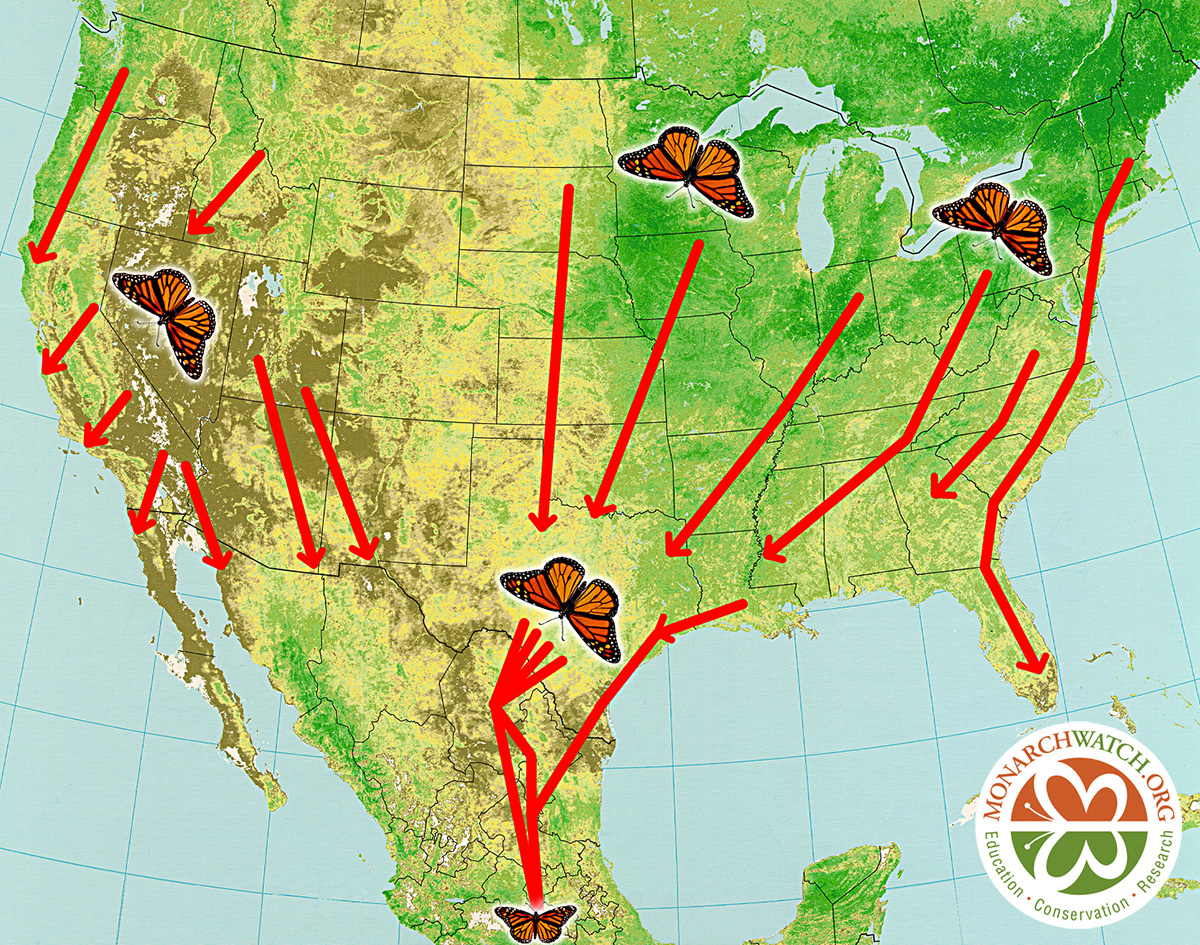
A massive swarm of monarch butterflies undertaking their incredible annual migration to warmer climates
When behavioral adjustments like basking and seeking shade aren’t enough, some ectotherms resort to more drastic measures: migration and hibernation (or, more accurately for reptiles, brumation). These are long-term strategies for dealing with extreme temperature fluctuations.
Migration is a remarkable feat of endurance, often involving long journeys to find more favorable conditions. The most famous example is the annual migration of monarch butterflies, traveling thousands of miles from Canada and the United States to overwintering grounds in Mexico. This journey is driven by temperature changes and the availability of resources. The butterflies aren’t simply flying randomly; they’re navigating using a combination of cues, including the sun’s position and the Earth’s magnetic field.
Hibernation, on the other hand, is a state of dormancy characterized by a significant reduction in metabolic rate, body temperature, and activity. Frogs, snakes, and turtles are all known to hibernate, often burying themselves in mud or leaf litter to avoid freezing temperatures. During hibernation, their heart rate slows dramatically, and their breathing becomes shallow. They rely on stored energy reserves to survive the winter months.
Brumation, the reptile equivalent of hibernation, is slightly different. While metabolic rate and activity are reduced, reptiles don’t typically enter as deep a state of dormancy as mammals. They may wake up periodically to drink water or move to a more sheltered location. The key difference is that brumation is more directly triggered by temperature, while hibernation is often influenced by factors like food availability and day length.
These strategies aren’t without risk. Migration is energetically demanding and exposes animals to predators and other hazards. Hibernation and brumation require significant energy reserves and leave animals vulnerable while they’re dormant. But for many ectotherms, these are the only options for surviving extreme temperature fluctuations. It highlights the incredible resilience of cold blooded animals and their ability to overcome environmental challenges.
Physiological Adaptations: Beyond Behavior

An Arctic cod displaying the physiological adaptation of antifreeze proteins in its blood
While behavioral adaptations are crucial, they’re not the whole story. Ectotherms also possess a range of physiological adaptations that help them cope with temperature extremes. These adaptations are often less visible than behavioral changes, but they’re equally important for survival.
One of the most remarkable examples is the presence of antifreeze proteins in the blood of some Arctic fish. These proteins prevent ice crystals from forming in the fish’s tissues, allowing them to survive in sub-zero temperatures. This isn’t just a matter of lowering the freezing point of their blood; it’s a complex biochemical mechanism that actively inhibits ice formation.
Another adaptation is the ability to tolerate dehydration. Desert reptiles, for example, can excrete highly concentrated urine and absorb water from their food, minimizing water loss in arid environments. This allows them to survive for long periods without access to fresh water.
Some ectotherms can also adjust their metabolic rate in response to temperature changes. This allows them to conserve energy when temperatures are low and increase their activity levels when temperatures are favorable. This metabolic flexibility is essential for coping with fluctuating environmental conditions.
Furthermore, the composition of cell membranes can change with temperature. Increasing the proportion of unsaturated fatty acids in cell membranes helps maintain membrane fluidity at lower temperatures, ensuring that cells continue to function properly.
These physiological adaptations, combined with behavioral strategies, allow ectotherms to thrive in a wide range of environments, from the scorching deserts to the frigid Arctic. They demonstrate the incredible power of evolution and the remarkable adaptability of cold blooded animals. Understanding these adaptations is crucial for appreciating the diversity of life on Earth and for conserving these fascinating creatures in the face of a changing climate.
The Benefits and Challenges of Ectothermy
Energy Efficiency: A Key Advantage
The world often perceives cold blooded animals as somehow “lesser” than their warm-blooded counterparts, burdened by their reliance on external heat. But this perception overlooks a fundamental truth: ectothermy is an incredibly efficient strategy for life. The core of this efficiency lies in energy expenditure. Maintaining a constant internal body temperature, as endotherms (mammals and birds) do, is an incredibly energy-intensive process. Think about it – constantly burning calories to generate heat, even when you’re resting! This is why mammals need to eat so frequently, and why they have such complex respiratory and circulatory systems dedicated to fueling that internal furnace.
Ectotherms, on the other hand, largely sidestep this energetic cost. Because their body temperature fluctuates with the environment, they don’t need to burn nearly as many calories simply to exist. This translates into a significantly lower metabolic rate. A snake, for example, can survive for weeks, even months, on a single meal. Imagine a human trying to do that! This isn’t just about surviving lean times; it allows ectotherms to allocate more energy to growth, reproduction, and other vital life processes.

A Green Tree Python showcasing the energyconserving lifestyle of ectotherms
Consider the implications for an animal’s overall lifestyle. A lower metabolic rate means a slower pace of life, generally. This isn’t necessarily a disadvantage. It allows for a different kind of existence, one focused on patience, ambush predation, and maximizing energy gains when opportunities arise. The energy savings are particularly pronounced in environments where food is scarce or unpredictable. Desert reptiles, for instance, can endure long periods without food or water, relying on stored energy reserves and behavioral adaptations to survive. This efficiency isn’t just a matter of survival; it’s a testament to the elegance of natural selection, favoring strategies that maximize resource utilization. The very success of cold blooded animals across diverse ecosystems speaks volumes about the power of this energy-efficient approach. It’s a reminder that there isn’t one “best” way to live, but rather a spectrum of strategies, each with its own strengths and weaknesses.
Environmental Dependence: The Biggest Hurdle
While energy efficiency is a major boon, the flip side of ectothermy is a profound dependence on the external environment. This is arguably the biggest challenge facing cold blooded animals. Unlike endotherms, they lack the internal mechanisms to regulate their body temperature independently. This means their physiological processes – everything from digestion and muscle function to immune response and even cognitive ability – are directly influenced by the ambient temperature.
This dependence manifests in a variety of ways. Activity levels are heavily dictated by temperature. A lizard basking in the sun isn’t just enjoying the warmth; it’s actively raising its body temperature to a level where it can effectively hunt, digest food, and escape predators. When temperatures drop, these activities become sluggish or impossible. This is why you rarely see snakes actively hunting on a cold night.

A Desert Tortoise utilizing solar energy to regulate its body temperature
The range of temperatures an ectotherm can tolerate is also limited. Too cold, and metabolic processes slow down to a standstill, leading to torpor or even freezing. Too hot, and proteins can denature, enzymes cease to function, and the animal can suffer heatstroke. This sensitivity to temperature restricts the geographic distribution of many ectothermic species. They are generally more abundant in warmer climates, where they can maintain optimal body temperatures for longer periods.
Furthermore, environmental dependence extends beyond temperature. Access to suitable microhabitats – places that offer the right combination of sun, shade, moisture, and shelter – is crucial. A lizard might need a sunny rock to bask on, but also a cool, shaded crevice to retreat to when it gets too hot. The availability of these microhabitats can be a limiting factor for population size and distribution. This reliance on specific environmental conditions makes cold blooded animals particularly vulnerable to habitat loss and degradation. Any alteration to their environment – deforestation, urbanization, pollution – can have cascading effects on their survival.
Impact of Climate Change on Ectotherms
The increasing threat of climate change presents a particularly dire challenge for ectothermic species. Because their physiology is so intimately linked to temperature, they are exceptionally sensitive to even small shifts in climate patterns. The rapid pace of current climate change is exceeding the ability of many species to adapt.
One of the most immediate impacts is the disruption of thermal regulation. As temperatures rise, ectotherms may struggle to find suitable microhabitats to cool down. Heat waves are becoming more frequent and intense, pushing many species beyond their physiological limits. This can lead to reduced activity levels, impaired reproduction, and increased mortality.

Coral bleaching a direct consequence of rising ocean temperatures impacting marine ectotherms
But the effects of climate change extend beyond simply getting too hot. Changes in precipitation patterns can alter habitat availability, leading to drought or flooding. Sea level rise threatens coastal habitats, impacting marine and estuarine ectotherms. Ocean acidification, caused by the absorption of excess carbon dioxide from the atmosphere, is particularly harmful to marine invertebrates, such as corals and shellfish.
Furthermore, climate change can disrupt the timing of biological events, such as breeding and migration. If these events become mismatched with the availability of food or suitable environmental conditions, it can have devastating consequences for population survival. For example, if frogs emerge from hibernation too early in the spring, before insects are abundant, they may struggle to find enough food to fuel reproduction.
The impact isn’t uniform across all species. Some ectotherms may be able to shift their geographic ranges to track suitable temperatures, but this is often limited by dispersal ability and the availability of suitable habitat. Others may exhibit some degree of phenotypic plasticity – the ability to adjust their physiology or behavior in response to changing conditions – but this plasticity has limits. The future for many cold blooded animals looks increasingly uncertain in a rapidly warming world.
Conservation Concerns for Cold-Blooded Species
The challenges faced by ectotherms – environmental dependence and climate change – translate into significant conservation concerns. Many species are already experiencing population declines, and the risk of extinction is increasing. The situation is particularly acute for species with limited geographic ranges, specialized habitat requirements, or slow reproductive rates.
Habitat loss and fragmentation are major drivers of decline. As forests are cleared, wetlands are drained, and grasslands are converted to agriculture, ectotherms lose the essential microhabitats they need to survive. Roads and other infrastructure can fragment populations, preventing gene flow and reducing genetic diversity.

An endangered Axolotl highlighting the need for conservation efforts
Pollution also poses a significant threat. Pesticides, herbicides, and other chemicals can contaminate water sources and food chains, harming ectotherms directly or indirectly. Plastic pollution is a growing concern, particularly for marine species.
Overexploitation is another factor contributing to declines. Some species are harvested for food, traditional medicine, or the pet trade. Unsustainable harvesting practices can deplete populations and disrupt ecosystems.
Addressing these conservation concerns requires a multifaceted approach. Protecting and restoring habitats is paramount. This includes establishing protected areas, implementing sustainable land management practices, and mitigating the impacts of development. Reducing pollution is also crucial. This requires stricter regulations on chemical use, improved waste management practices, and efforts to reduce plastic pollution. Combating climate change is essential. This requires reducing greenhouse gas emissions and transitioning to a more sustainable energy system.
Furthermore, targeted conservation efforts are needed for particularly vulnerable species. This may include captive breeding programs, reintroduction efforts, and habitat restoration projects. Raising public awareness about the importance of ectotherms and the threats they face is also vital. Ultimately, the survival of these fascinating and ecologically important creatures depends on our collective commitment to conservation. The fate of cold blooded animals is inextricably linked to the health of our planet.
Ectotherms in the Ecosystem: Their Role and Importance
The world often focuses on the charismatic megafauna – the lions, tigers, and bears – but beneath the surface, a quieter, yet equally vital, drama unfolds. This drama is orchestrated by creatures often overlooked, frequently misunderstood, and absolutely essential to the health of our planet: cold blooded animals, or ectotherms. Their existence isn’t simply about surviving; it’s about playing a critical role in the intricate web of life, acting as both predators and prey, indicators of environmental health, and facing an uncertain future shaped by a changing climate. To truly understand ecosystems, we must understand the contributions of these fascinating beings.
Food Web Dynamics: Predators and Prey

A simplified food web illustrating the position of ectotherms within the ecosystem
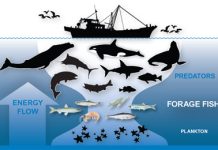
The concept of a food web is fundamental to understanding ecological relationships. It’s not a simple linear chain – who eats whom – but a complex network of interconnected feeding relationships. And within this network, cold blooded animals occupy a surprisingly diverse range of positions. They aren’t just passive victims waiting to be consumed; they are active participants, driving energy flow and regulating populations.
Consider the humble frog. A frog, an amphibian and therefore an ectotherm, is a voracious insectivore. It spends its days snapping up mosquitoes, flies, and beetles, effectively controlling insect populations. This, in turn, benefits plants by reducing herbivory and helps prevent the spread of insect-borne diseases. But the frog isn’t at the top of the food chain. It, in turn, becomes prey for snakes, birds, and even larger mammals. This cyclical relationship – predator and prey – is the engine that drives the food web.
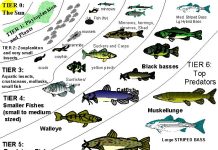
Similarly, snakes, often feared and misunderstood, play a crucial role in controlling rodent populations. A healthy snake population can prevent agricultural damage and reduce the risk of disease transmission. Lizards, too, contribute to insect control, while fish, both freshwater and marine, form the base of many aquatic food webs, supporting larger predators like sharks and marine mammals. Even invertebrates, like spiders and insects, are vital components. Spiders are masterful predators of insects, and insects themselves serve as pollinators, decomposers, and a food source for countless other animals.
The removal of even a single ectotherm species can have cascading effects throughout the food web. Imagine a scenario where a pesticide decimates the frog population. The insect population would explode, leading to increased damage to crops and a potential increase in disease. The snakes and birds that rely on frogs for food would suffer, and the entire ecosystem would be thrown out of balance. This illustrates the delicate interconnectedness of life and the importance of maintaining biodiversity, including the often-overlooked cold blooded animals.
The efficiency with which ectotherms operate within these food webs is also noteworthy. Because they require less energy to maintain their body temperature, a larger proportion of the energy they consume can be allocated to growth and reproduction. This makes them incredibly efficient converters of energy from lower trophic levels to higher ones.
Indicators of Environmental Health

A deformed frog a stark indicator of environmental pollution and its impact on ectotherms
Cold blooded animals are often considered bioindicators – organisms that provide valuable information about the health of their environment. This is due to several factors. Firstly, many ectotherms have permeable skin, making them particularly vulnerable to pollutants in the water and air. Secondly, their ectothermic nature means their physiological processes are directly influenced by environmental temperature, making them sensitive to even small changes. And thirdly, many ectotherm species have relatively short lifespans and rapid reproductive rates, meaning that environmental impacts can be observed relatively quickly.
Amphibians, in particular, are renowned as bioindicators. Their thin, moist skin readily absorbs toxins from the environment, and their aquatic larval stage makes them especially susceptible to water pollution. Declines in amphibian populations are often an early warning sign of environmental degradation. Deformities, such as extra limbs or missing eyes, are frequently linked to exposure to pesticides, herbicides, and other pollutants.
Fish, too, can serve as indicators of water quality. The presence or absence of certain fish species can indicate the level of pollution, oxygen levels, and overall health of an aquatic ecosystem. Similarly, changes in reptile populations can reflect habitat loss, pesticide use, and climate change impacts.
The study of ectotherm populations can provide valuable insights into the effects of acid rain, heavy metal contamination, and other forms of environmental pollution. By monitoring their health, reproduction, and behavior, scientists can assess the overall health of the ecosystem and identify potential threats. This information is crucial for developing effective conservation strategies and protecting our natural resources.
Furthermore, the sensitivity of cold blooded animals to temperature changes makes them excellent indicators of climate change. Shifts in their distribution, breeding patterns, and survival rates can provide early warning signs of the impacts of a warming planet.
The Future of Ectotherms: Coexistence and Conservation

A researcher monitoring a sea turtle highlighting the importance of conservation efforts
The future of cold blooded animals is inextricably linked to our own. As human activities continue to alter the planet, these creatures face unprecedented challenges. Habitat loss, pollution, climate change, and invasive species are all contributing to declines in ectotherm populations worldwide. However, it’s not too late to change course.
Conservation efforts are crucial for protecting these vital components of our ecosystems. This includes protecting and restoring habitats, reducing pollution, and mitigating the effects of climate change. Establishing protected areas, such as national parks and wildlife refuges, can provide safe havens for ectotherm populations. Reducing pesticide use and promoting sustainable agricultural practices can minimize exposure to harmful chemicals.
Addressing climate change is perhaps the most significant challenge. Reducing greenhouse gas emissions and transitioning to a more sustainable energy system are essential for slowing the rate of warming and protecting ectotherm species from the impacts of climate change. This might involve creating corridors to allow species to migrate to more suitable habitats, assisting with assisted migration (carefully relocating species to new areas), and implementing strategies to reduce other stressors, such as pollution and habitat loss.
But conservation isn’t just about protecting species in isolation. It’s about fostering coexistence – finding ways for humans and cold blooded animals to share the planet. This requires a shift in perspective, recognizing the intrinsic value of all living things and understanding the vital role that ectotherms play in maintaining healthy ecosystems.
Education is also key. By raising awareness about the importance of cold blooded animals and the threats they face, we can inspire people to take action. Supporting conservation organizations, advocating for stronger environmental policies, and making sustainable choices in our daily lives are all ways to contribute to the protection of these fascinating creatures.
The story of cold blooded animals is a story of resilience, adaptation, and interconnectedness. It’s a story that reminds us that we are all part of a larger web of life, and that the fate of these creatures is ultimately intertwined with our own. By embracing a conservation ethic and working towards a more sustainable future, we can ensure that these vital components of our ecosystems continue to thrive for generations to come. The future isn’t just about saving them; it’s about saving ourselves.
Fascinating Facts and Further Exploration
Have you ever paused to consider the sheer wonder of the natural world, the incredible diversity of life that surrounds us? Within that tapestry of existence, cold blooded animals, or ectotherms, hold a particularly captivating place. They represent a fundamentally different approach to life, a reliance on external forces that challenges our own warm-blooded perspective. This section delves into some truly fascinating facts about these creatures, and points you towards avenues for further exploration, igniting a deeper appreciation for their unique adaptations and the vital roles they play in our ecosystems.
The Chameleon’s Color-Changing Secrets

A chameleon demonstrating its remarkable colorchanging abilities
Perhaps one of the most iconic examples of adaptation in the cold blooded animals world is the chameleon. But the story behind their color change is far more complex than simply blending into their surroundings. While camouflage is a function, it’s not the primary one. Chameleons change color based on their mood, temperature, and light conditions. Specialized cells called iridophores, containing nanocrystals, reflect light. By altering the spacing between these crystals, they can shift the wavelengths of light reflected, resulting in a dazzling array of colors. This isn’t just about hiding; it’s about communication, thermoregulation, and even attracting mates! Imagine the complexity of the signals being exchanged through these vibrant displays. It’s a testament to the power of evolution and the intricate ways animals interact with their environment.
The Wood Frog’s Frozen Resilience

A wood frog partially frozen during winter hibernation
Now, let’s venture into the realm of the truly extraordinary. Consider the wood frog (Lithobates sylvaticus), a remarkable amphibian found in North America. This little creature can actually freeze solid during the winter months and then thaw out in the spring, completely unharmed. How is this possible? It’s a process called cryoprotection. As temperatures drop, the wood frog produces large amounts of glucose, a type of sugar, in its blood and tissues. This glucose acts like a natural antifreeze, preventing ice crystals from forming inside its cells, which would otherwise cause fatal damage. The frog’s heart stops beating, its breathing ceases, and it appears lifeless. Yet, it survives, a testament to the incredible resilience of life. This ability allows them to survive in environments where other amphibians would perish. How cold are cold blooded animals able to get? The wood frog provides a stunning answer.
The Sidewinder Snake’s Desert Dance

A sidewinder snake using its unique locomotion method in the desert
The desert presents a harsh environment for any creature, but sidewinder snakes (Crotalus cerastes) have mastered the art of survival in these arid landscapes. Their unique locomotion method, aptly named “sidewinding,” allows them to move efficiently across loose sand without sinking. Instead of lifting their entire body off the ground, they throw their bodies forward in a series of lateral curves, creating a distinctive J-shaped track. This minimizes contact with the hot sand, reducing heat absorption and conserving energy. It’s a beautiful example of how form follows function, and how cold blooded animals adapt to overcome environmental challenges. The sidewinder also exhibits behavioral adaptations, being primarily nocturnal to avoid the scorching daytime heat.
The Arctic Fish and Their Antifreeze Proteins

An Arctic fish swimming beneath the ice showcasing its adaptation to frigid waters
Venturing into the frigid waters of the Arctic, we encounter another astonishing adaptation: antifreeze proteins in fish. Many Arctic fish species, such as the Arctic cod, produce specialized proteins that bind to ice crystals in their blood, preventing them from growing and causing damage. These proteins don’t prevent water from freezing, but they inhibit the formation of large, damaging ice crystals, allowing the fish to survive in sub-zero temperatures. This is a remarkable example of molecular adaptation, showcasing the power of natural selection to shape life at the most fundamental level. It’s a crucial adaptation for survival in one of the planet’s most extreme environments.
The Estivation of Lungfish: A Summer Slumber
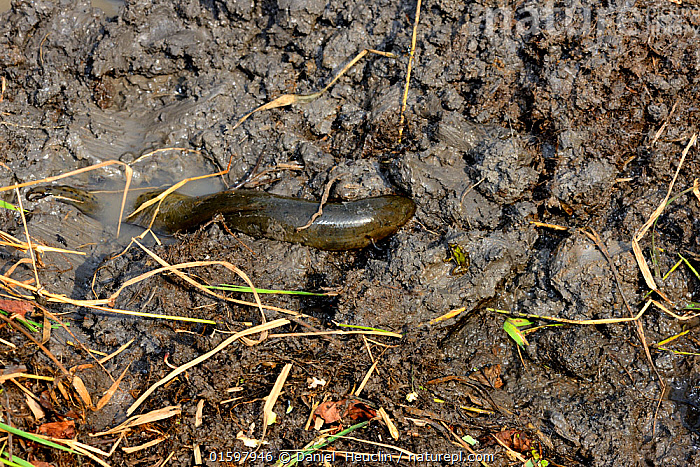
An African lungfish encased in a mud cocoon during estivation
While hibernation is a well-known strategy for surviving cold winters, estivation is its summer counterpart, employed by animals to cope with hot, dry conditions. The African lungfish (Protopterus annectens) is a master of estivation. As the waterholes they inhabit begin to dry up during the dry season, lungfish burrow into the mud, creating a cocoon-like structure. They then enter a state of dormancy, slowing their metabolism and breathing air through a primitive lung. They can remain in this state for months, even years, until the rains return and the waterholes are replenished. This remarkable adaptation allows them to survive in environments where other fish would perish.
The Komodo Dragon’s Venomous Bite
The Komodo dragon (Varanus komodoensis), the largest lizard in the world, is a formidable predator with a fascinating, and recently understood, hunting strategy. For years, it was believed that their bite caused infection due to the bacteria in their saliva. However, recent research has revealed that Komodo dragons possess venom glands, and their bite delivers a potent venom that disrupts blood clotting, lowers blood pressure, and induces shock in their prey. This venom weakens the prey, making it easier for the dragon to track and eventually consume it. This discovery has rewritten our understanding of this iconic reptile and highlights the ongoing process of scientific discovery.
Further Exploration: Resources for the Curious
If these glimpses into the world of cold blooded animals have sparked your curiosity, there are countless resources available for further exploration.
- Herpetological Societies: Organizations dedicated to the study of reptiles and amphibians often offer educational programs, field trips, and opportunities to contribute to conservation efforts.
- Ichthyological Societies: Similar to herpetological societies, these groups focus on the study of fish.
- Invertebrate Zoology Associations: Explore the fascinating world of insects, spiders, and other invertebrates.
- National Geographic: Offers a wealth of articles, videos, and documentaries on animal life, including many features on ectotherms. (https://www.nationalgeographic.com/)
- The Smithsonian National Museum of Natural History: A world-renowned museum with extensive collections of animal specimens and exhibits. (https://naturalhistory.si.edu/)
- Online Databases: Websites like Animal Diversity Web (https://animaldiversity.org/) provide detailed information on a wide range of animal species.
The Importance of Continued Research
The study of cold blooded animals is not merely an academic pursuit; it’s crucial for understanding the health of our planet. As ectotherms are highly sensitive to temperature changes, they serve as valuable indicators of environmental health. Changes in their populations or behavior can signal broader ecological problems. Furthermore, understanding their adaptations can inspire innovative solutions in fields like medicine and materials science. Continued research and conservation efforts are essential to ensure the survival of these remarkable creatures and the ecosystems they inhabit.
WildWhiskers is a dedicated news platform for animal lovers around the world. From heartwarming stories about pets to the wild journeys of animals in nature, we bring you fun, thoughtful, and adorable content every day. With the slogan “Tiny Tails, Big Stories!”, WildWhiskers is more than just a news site — it’s a community for animal enthusiasts, a place to discover, learn, and share your love for the animal kingdom. Join WildWhiskers and open your heart to the small but magical lives of animals around us!