






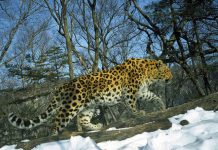
Antarctica, the last frontier of untamed wilderness, holds an unparalleled allure with its vast icy landscapes and the enigmatic charm of its inhabitants. This remote continent, shrouded in mystery and extreme conditions, is home to some of the most unique animals in Antarctica, each perfectly adapted to survive and thrive in their frozen abode. From the regal Emperor Penguins to the industrious Antarctic Krill, the animals of Antarctica play a crucial role in maintaining the delicate balance of the global ecosystem. As we embark on this journey to uncover the secrets of Antarctic wildlife, we’ll delve into their fascinating evolutionary adaptations and the pressing challenges they face amidst a rapidly changing climate. Join us in exploring the resilience and wonder of these extraordinary creatures, as we highlight the vital conservation efforts needed to protect these hidden treasures of our planet’s southernmost continent.
The Mysterious World of Antarctic Wildlife
The Challenges of Living in Extreme Conditions
Antarctica, a realm of stark beauty and relentless extremes, presents a formidable environment for any form of life. With temperatures plunging as low as -60 degrees Celsius and howling winds reaching 200 kilometers per hour, the icy continent is as inhospitable as it is intriguing. The animals in Antarctica have evolved to not only survive but thrive in these conditions, showcasing nature’s resilience and ingenuity.
One of the most significant challenges these creatures face is the scarcity of food. The long, harsh winters mean that access to sustenance is limited for extended periods. Additionally, the thick ice sheets and vast expanses of barren land provide no shelter or protection from the elements. Yet, these animals have adapted in remarkable ways, finding niches in which they can exist and flourish.

Evolutionary Adaptations for Survival
The animals of Antarctica have developed extraordinary adaptations to ensure their survival in one of the planet’s most challenging ecosystems. These evolutionary changes are a testament to the power of natural selection and the relentless drive to adapt.
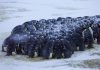
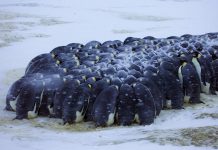
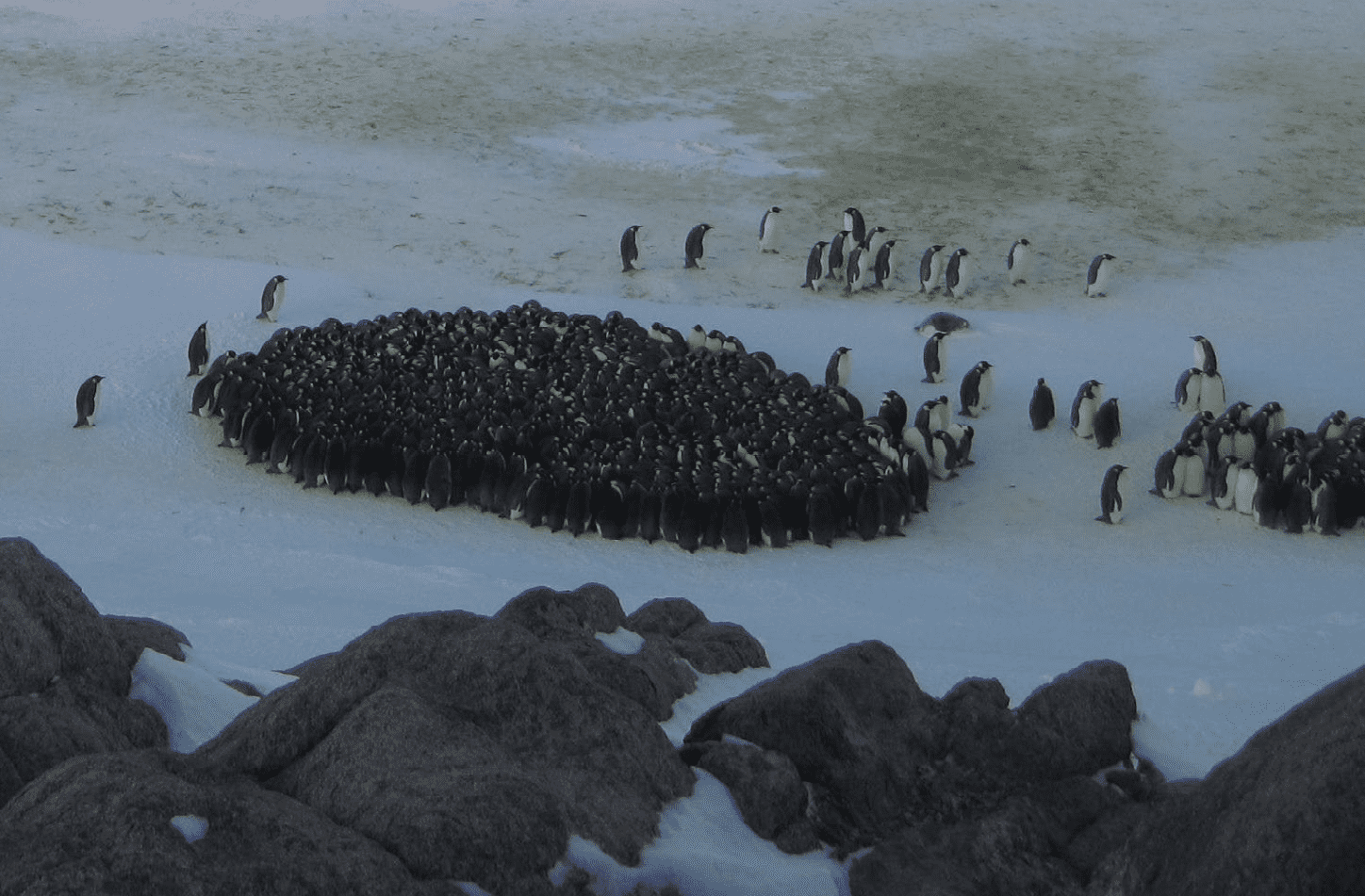
Consider the Emperor Penguin, one of the most iconic residents of this icy world. These majestic birds have a unique breeding cycle that aligns with the harsh Antarctic winter. They huddle in large groups to conserve warmth, taking turns standing on the outer edges to protect those in the center. Their thick layers of blubber and tightly packed feathers provide essential insulation against the biting cold.
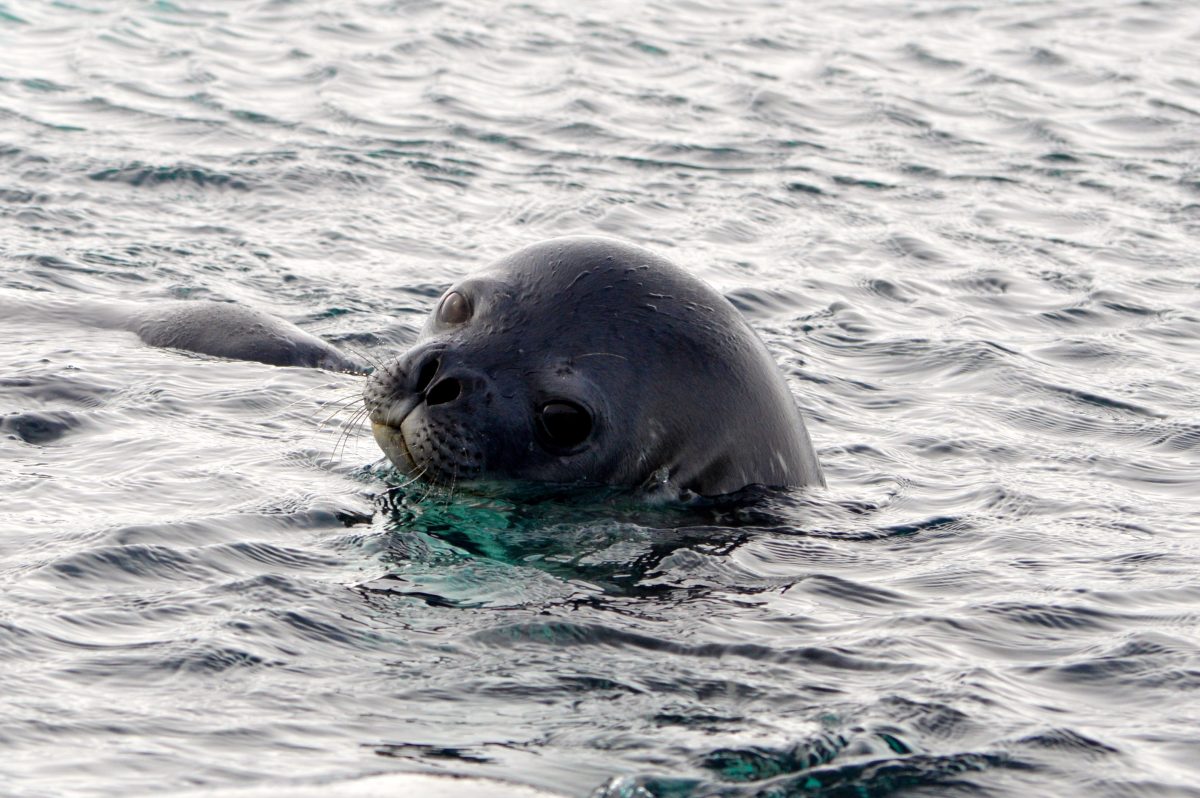
Similarly, the Weddell Seal has adapted to the freezing waters by developing a sleek, streamlined body that allows it to dive deep in search of food, minimizing time spent on the ice. Its ability to slow its heart rate and conserve oxygen under the ice is a remarkable adaptation that enables it to thrive where other species might falter.
The bloodless Icefish presents another fascinating example. Without hemoglobin in their blood, these creatures have a transparency that reduces the risk of freezing and allows them to live in sub-zero waters. Their unique physiology is a marvel of evolutionary adaptation, enabling survival in conditions that would be lethal to most other fish.
These adaptations highlight the incredible diversity and resilience of animals in Antarctica, each species a living testament to nature’s ability to innovate and endure.

Iconic Antarctic Animals
Emperor Penguins: Majestic Monarchs of Ice
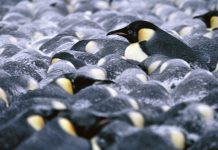
In the vast, icy expanse of Antarctica, the Emperor Penguins stand as the regal rulers of the frozen landscape. Known for their remarkable breeding cycle, these majestic birds endure some of the harshest conditions on Earth. During the brutal winter months, when temperatures can plummet to -60 degrees Celsius, Emperor Penguins showcase an extraordinary survival strategy. The males incubate the eggs on their feet, covered by a warm flap of skin, while the females traverse miles to the ocean to feed. This unique adaptation ensures the continuity of their species, even in the most challenging environment.
Emperor Penguins are not just iconic due to their size and stature, but also because of their deep social bonds. They huddle together for warmth, creating a mesmerizing sight against the stark white backdrop of Antarctica. Their resilience and adaptability have made them a symbol of strength and endurance in the animals in Antarctica.
Weddell Seals: Masters of Deep Diving
Another fascinating inhabitant of the Antarctic is the Weddell Seal, renowned for its incredible diving abilities. These seals can dive to depths of over 600 meters and remain submerged for up to 80 minutes, making them true masters of deep diving. Their large reserves of oxygen-rich blood and the ability to slow their heart rate allow them to thrive in the frigid waters beneath the ice.
Weddell Seals are often found near breathing holes they maintain in the ice, showcasing their resourcefulness and adaptability to the extreme Antarctic environment. Their thick layer of blubber provides insulation, while their sleek bodies enable swift and graceful movement through the water. These seals are a vital part of the Antarctic ecosystem, playing a crucial role in maintaining the balance among the animals of Antarctica.
Antarctic Krill: The Tiny Giants of the Ecosystem
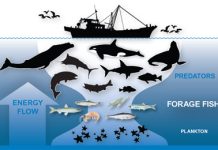
Though tiny in size, Antarctic Krill are colossal in their impact on the ecosystem. These small, shrimp-like creatures are a fundamental component of the Antarctic food web, serving as the primary food source for many larger species, including whales, seals, and penguins. In essence, they are the tiny giants that sustain life in these icy waters.
Krill congregate in massive swarms, sometimes stretching for kilometers, creating a visual spectacle beneath the ice. However, their populations are highly sensitive to changes in sea ice conditions caused by climate change. The decline of krill populations poses a significant threat to the entire Antarctic ecosystem, highlighting the delicate balance that exists among the animals in Antarctica.

Through the resilience of the Emperor Penguins, the diving prowess of the Weddell Seals, and the foundational role of the Antarctic Krill, we witness the remarkable adaptability and interconnectedness of the animals in Antarctica. These iconic species not only survive but thrive in one of the most extreme environments on our planet.
Lesser-Known Creatures of Antarctica
The Resilient Antarctic Toothfish
The Antarctic Toothfish, often overshadowed by its more famous Antarctic neighbors, is a marvel of evolutionary adaptation. This resilient fish thrives in the frigid waters of the Southern Ocean, where temperatures hover just above freezing. Known as the “Chilean Sea Bass” in culinary circles, the toothfish has developed unique adaptations that allow it to endure and flourish in these extreme conditions.
One of the most remarkable features of the Antarctic Toothfish is its ability to produce antifreeze proteins. These proteins prevent the formation of ice crystals in its blood, allowing it to survive in icy waters that would be fatal to most other fish. This adaptation is crucial for maintaining fluidity in its bodily functions, ensuring the fish remains active even when temperatures drop perilously low.
Moreover, the toothfish plays a significant role in the Antarctic ecosystem as both predator and prey, balancing the delicate web of life in these icy seas. Despite its resilience, the species faces threats from overfishing, highlighting the need for sustainable practices and international cooperation to protect this vital inhabitant of the Antarctic food chain.

The Enigmatic Icefish and Its Bloodless Existence
In the mysterious depths of the Antarctic waters, the Icefish stands out as one of the most extraordinary creatures. Unlike any other vertebrate, the Icefish has a transparent body and blood that lacks hemoglobin, the protein that typically gives blood its red color. This unique adaptation has earned it the nickname “the bloodless fish.”
The absence of hemoglobin in Icefish blood is compensated by their environment. The cold, oxygen-rich waters of Antarctica allow oxygen to dissolve directly into their plasma, which is then transported efficiently around their bodies. This adaptation not only allows the Icefish to thrive in its frigid habitat but also reduces the energy expenditure required for circulation, illustrating nature’s incredible ingenuity.
The Icefish, much like other animals in Antarctica, is emblematic of the region’s rich biodiversity. It serves as a reminder of the incredible adaptations that have evolved in response to the harsh conditions of the Antarctic environment. As climate change continues to affect the continent, understanding and preserving these unique creatures becomes increasingly vital.

The Delicate Balance of the Antarctic Ecosystem
The Impact of Climate Change on Antarctic Wildlife
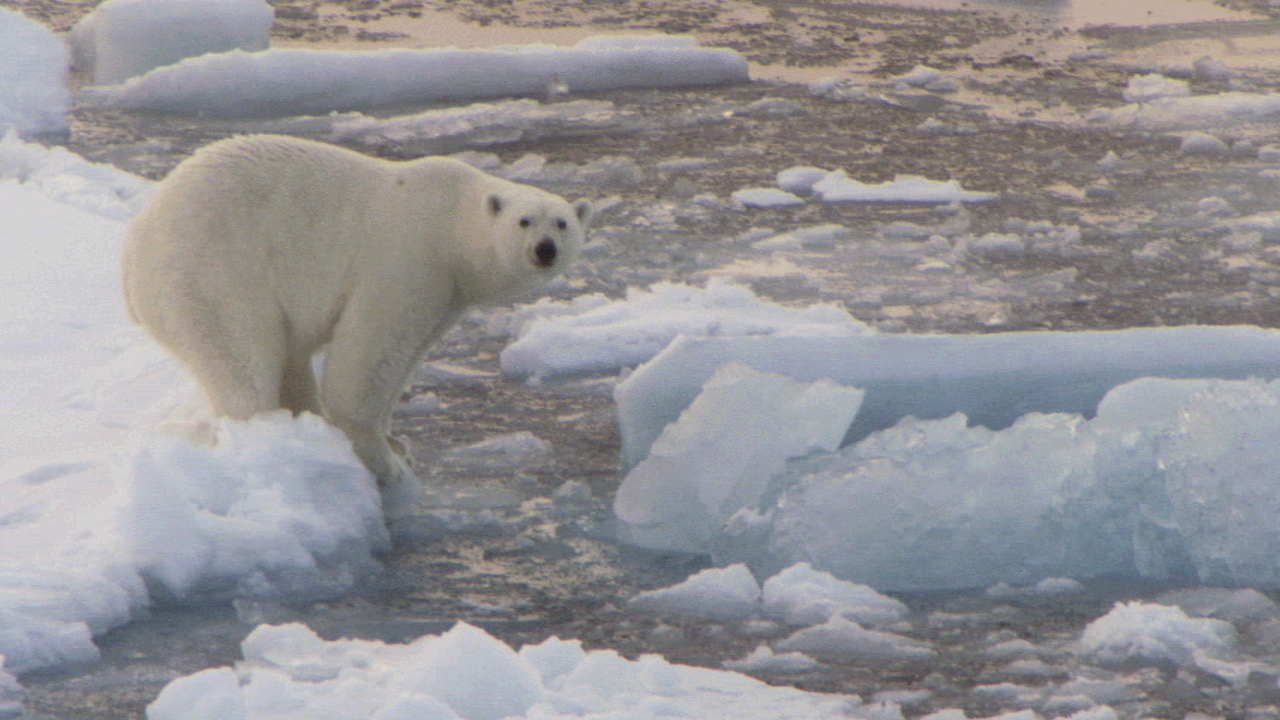
The icy expanse of Antarctica is not just a barren landscape of snow and ice; it is a vibrant, albeit fragile, ecosystem teeming with life. However, this delicate balance is increasingly threatened by the relentless march of climate change. The warming temperatures and melting ice caps are reshaping habitats, affecting the survival of various species. Animals in Antarctica, like the iconic Emperor Penguins, are experiencing shifts in breeding cycles due to the reduced frozen habitat. Similarly, the decline in sea ice directly impacts the availability of krill, the foundational species of the Antarctic food chain, which in turn affects the entire ecosystem, from seals to whales.
The effects of climate change aren’t isolated to temperature shifts alone. Ocean acidification and changing salinity levels further threaten the survival of marine life. The Antarctic Toothfish, a lesser-known but crucial species, faces an uncertain future as its cold, oxygen-rich waters become warmer and less hospitable. This intricate web of life, from the smallest krill to the largest blue whales, is precariously balanced and increasingly vulnerable.
Conservation Efforts and International Collaborations
In response to these urgent challenges, international efforts are underway to protect this unique region and its inhabitants. The Antarctic Treaty System, a remarkable example of international collaboration, plays a pivotal role in conserving the continent’s ecological integrity. This treaty, alongside various conservation organizations, works tirelessly to enforce regulations that limit human activities like fishing and tourism, aimed at preserving the animals of Antarctica.
One of the significant achievements in this area has been the designation of Marine Protected Areas (MPAs), which offer a sanctuary for marine life to thrive without the threat of overexploitation. These MPAs are critical in maintaining biodiversity and ensuring the resilience of Antarctic ecosystems against the backdrop of climate change.
Furthermore, scientific research conducted in Antarctica provides invaluable insights into global climate patterns, aiding in the development of strategies to mitigate climate change’s impact not only locally but worldwide. As we continue to embrace the wonder and mystery of animals in Antarctica, these conservation efforts remind us of the collective responsibility we share in safeguarding this pristine wilderness for future generations.

Embracing the Wonder of Antarctica’s Unique Fauna
Antarctica, often deemed the last true wilderness on Earth, is a realm of stark beauty and astonishing biodiversity. Despite its inhospitable conditions, it serves as the home to some of the most remarkable creatures, perfectly adapted to thrive amidst the ice and snow. Animals in Antarctica are not just fascinating; they are a testament to nature’s incredible ingenuity and resilience.
From the majestic Emperor Penguins, who endure the harshest winters by huddling together in massive colonies, to the Weddell Seals, whose deep-diving prowess allows them to hunt in the frigid waters, each species plays a critical role in the ecosystem. The resilient Antarctic Krill may be small, but they are giants in their impact, forming the cornerstone of the Antarctic food web. Without these tiny crustaceans, the entire balance of life on this icy continent would be at risk.
In addition to the more well-known animals, the lesser-known species, like the Antarctic Toothfish and the Icefish, with its unique bloodless existence, add layers of complexity and intrigue to this ecosystem. These creatures have evolved astounding adaptations, such as antifreeze proteins and the ability to survive with low levels of hemoglobin, highlighting the breathtaking diversity of life in Antarctica.
The delicate balance of this ecosystem is, however, increasingly threatened by climate change. Rising temperatures and melting ice caps are altering habitats and food availability, posing significant risks to these species. International collaboration in conservation efforts is vital to preserve the intricate web of life here. Organizations are working tirelessly to mitigate human impact, ensuring that future generations can continue to marvel at the unique animals of Antarctica.
The wonder of Antarctica’s fauna is not just in their survival but in their stories—stories of adaptation, endurance, and the interconnection of life. As we embrace these tales, we are reminded of the importance of protecting these hidden treasures. They are not just a part of Antarctica; they are a vital part of our world’s biodiversity.

At WildWhiskers, we celebrate these extraordinary creatures and the magic they bring to our planet. We invite you to join us in discovering and cherishing the small but magical lives of animals around us. Together, let’s ensure that the stories of animals in Antarctica continue to inspire awe and wonder for generations to come.