









The vast, open expanses of grasslands are some of the most fascinating ecosystems on our planet. Grassland animals thrive in these unique habitats, showcasing an incredible array of adaptations that allow them to survive and flourish despite the challenges posed by seasonal changes. From the bustling savannas of Africa to the rolling prairies of North America, these regions are teeming with life, each species uniquely equipped to handle the ebb and flow of the natural world.
Imagine the majestic pronghorn antelope, sprinting across the plains of North America, or the towering African elephant foraging for food in the savanna. These creatures, along with many others, have developed exceptional behavioral and physiological adaptations to cope with the grassland’s natural cycles. Whether it’s migrating vast distances in search of greener pastures or adjusting metabolic rates to conserve energy, these strategies are nothing short of remarkable.
As you delve deeper into this blog, you’ll uncover the secrets behind these adaptations and learn about the critical role that grassland conservation plays in preserving these ecosystems. The narrative will guide you through diverse types of grasslands around the world, explore the effects of temperature and vegetation changes, and provide compelling case studies of specific animals. In doing so, we not only celebrate the resilience and ingenuity of grassland wildlife but also underscore the urgent need to protect these vital habitats. Join us in this exploration and discover how these incredible animals are a testament to nature’s adaptability and the delicate balance of ecosystems.
Understanding the Grassland Ecosystem
Grasslands are one of the most fascinating and diverse ecosystems on our planet. These vast, open spaces are characterized by their dominance of grasses and the occasional tree, creating a unique environment where wildlife thrives. The grassland ecosystem supports a variety of animal species, each perfectly adapted to the challenges and opportunities it presents. As we delve into understanding the grassland ecosystem, we’ll explore the different types of grasslands found across the globe and the key characteristics that define these habitats.
Types of Grasslands Around the World
Grasslands can be found on every continent except Antarctica, each with its unique climate, geography, and biodiversity. There are several distinct types of grasslands, each offering a different glimpse into the world’s ecological tapestry:
- Savannas: Predominantly located in Africa and parts of South America, savannas are characterized by a mix of grasslands and scattered trees. The African savanna, home to iconic species like lions, elephants, and zebras, showcases a dynamic ecosystem where grassland animals have developed unique adaptations to survive.
- Prairies: Found mainly in North America, prairies are vast, open fields with few trees and are divided into tallgrass, mixed-grass, and shortgrass prairies. The North American prairie is famous for its bison herds and pronghorn antelopes, which roam the plains in search of food.
- Steppes: These grasslands are found in Central Asia and Eastern Europe, characterized by their dry climate and sparse vegetation. The Asian steppes are home to species like the saiga antelope and Siberian ibex, each adapted to the harsh, open terrain.
- Pampas: Located in South America, particularly Argentina, the pampas are fertile grasslands that support a multitude of wildlife and are also heavily used for agriculture.
- Veld: The grasslands of Southern Africa, known as the veld, are similar to the savannas but with more varied topography, supporting diverse species like the kudu and black wildebeest.
Each type of grassland hosts a unique community of wildlife, where grassland animals have evolved specific traits to thrive in these environments.

Key Characteristics of Grassland Habitats
Grassland habitats are defined by several key characteristics that shape the lives of the animals residing within them:
- Climate: Grasslands typically experience a wide range of temperatures, with hot summers and cold winters. Precipitation is moderate, leading to the dominance of grasses over trees.
- Vegetation: The primary vegetation in grasslands is grass. The type of grass can vary from tall, dense blades in wetter areas to short, sparse grasses in drier regions. This vegetation supports a complex food web, from herbivores that feed on the grass to the predators that hunt them.
- Biodiversity: While grasslands may not have the dense biodiversity of a rainforest, they are home to a wide variety of species that have adapted to open environments. This includes both large mammals like bison and elephants, as well as smaller creatures like prairie dogs and insects.
- Adaptations: Animals in grasslands have evolved remarkable adaptations to survive. Many are fast runners, using speed to escape predators in the open terrain. Others, like certain birds, have developed migratory patterns that allow them to follow seasonal food supplies.
- Fire Regimes: Fires are a natural part of grassland ecosystems. They help maintain the health of the ecosystem by clearing old plant material and promoting new growth. Many grassland species have adapted to survive periodic fires.
Grasslands are dynamic ecosystems that play a crucial role in the global environment. They act as carbon sinks, help regulate water cycles, and support agriculture and livestock. Understanding these habitats and the grassland animals that inhabit them is vital for conservation efforts and ensuring these ecosystems continue to thrive.

Seasonal Changes in Grasslands
Grasslands are dynamic ecosystems that undergo significant transformations with each passing season. These changes are pivotal in shaping the lives of the diverse array of grassland animals that inhabit these vast open plains. Understanding the seasonal shifts in grasslands helps us appreciate the resilience and adaptability of wildlife that call these areas home.
Impact of Temperature Variations
One of the most significant factors influencing grassland ecosystems is temperature variation. Grasslands experience a wide range of temperatures throughout the year, from scorching heat in the summer to freezing cold in the winter. These temperature fluctuations have profound effects on both the flora and fauna of the region.
During the warmer months, grasslands often experience periods of intense heat. This can lead to the drying out of grasses and other vegetation, affecting the availability of food for herbivores. Grassland animals have evolved various strategies to cope with these harsh conditions. Many species, such as the pronghorn antelope, exhibit behaviors like seeking shade during the hottest parts of the day and being more active during cooler mornings and evenings.
In contrast, winter brings its own set of challenges. In regions like the North American prairies, temperatures can plummet, leading to snow-covered landscapes. Grassland animals such as bison have adapted to these conditions by growing thicker coats and utilizing their strong necks to brush away snow in search of grass. Meanwhile, smaller animals like prairie dogs will retreat to their burrows to conserve heat and energy.
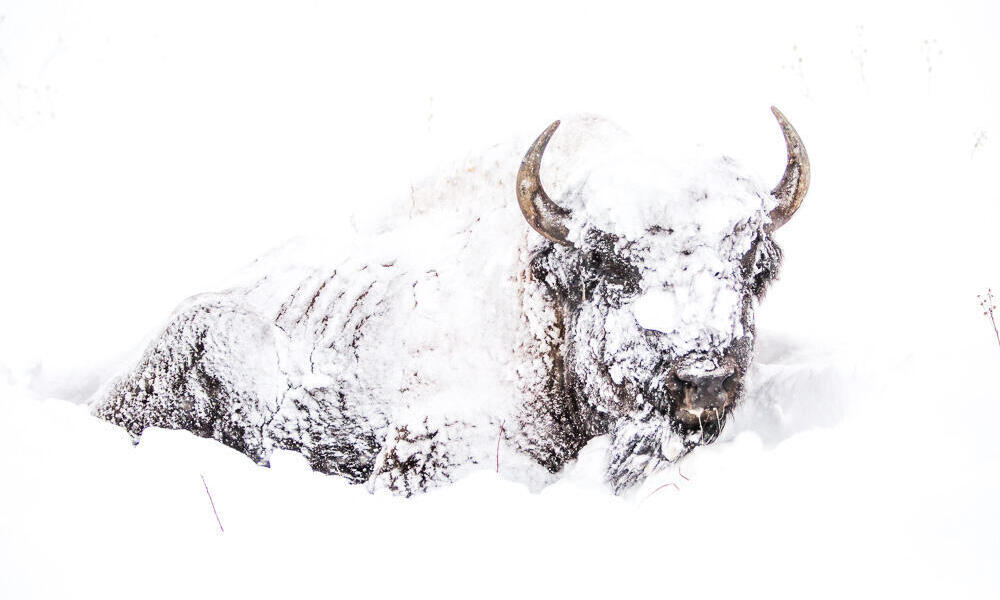
Bison grazing in a snowy grassland landscape
Changes in Grassland Vegetation
The vegetation in grasslands is not static; it undergoes seasonal changes that greatly affect the ecosystem. In spring, as temperatures rise and precipitation increases, grasslands burst into life with a lush growth of grasses and wildflowers. This abundance provides a much-needed food source for grazing animals and supports a thriving ecosystem.
However, as the seasons progress into summer, the lack of consistent rainfall can cause grasses to dry up. This transformation from lush green fields to dry, golden landscapes is a defining characteristic of many grassland regions. The adaptation strategies of grassland animals during this time are crucial for their survival. For instance, some species migrate to areas where food is more abundant, while others alter their diets to include more drought-resistant plants.
Autumn signals another shift, as many grassland plants prepare for the upcoming winter. Seeds are dispersed, leaves change color, and some grasses enter dormancy. This is a critical time for animals to build up their energy reserves. Herbivores like the African zebra may travel long distances to find remaining patches of nutritious grasses, while omnivores and predators adjust their hunting strategies to take advantage of the seasonal availability of prey.
In summary, the seasonal changes in grasslands are a testament to the intricate balance of nature. The adaptations of both vegetation and grassland animals highlight the resilience and ingenuity of life in these environments. Understanding these changes not only enriches our appreciation of grassland ecosystems but also underscores the importance of their conservation in the face of climate change and human impact.
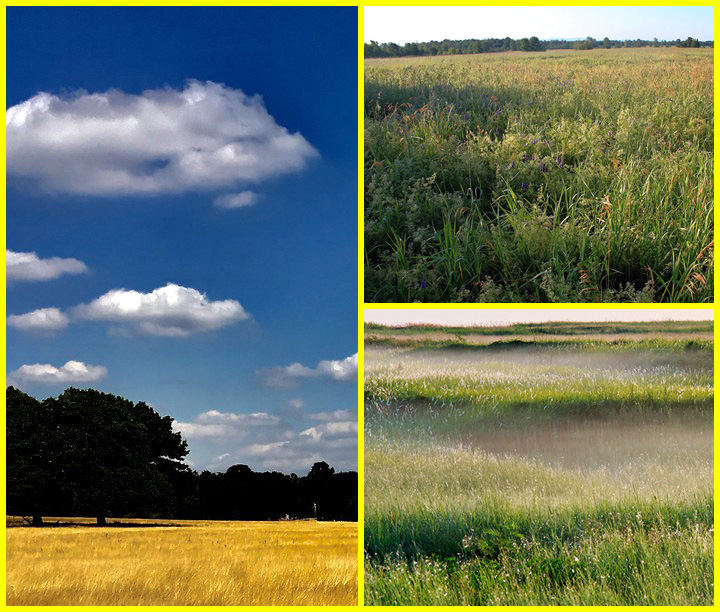
Contrast of lush spring and dry summer grasslands
Animal Behavioral Adaptations
Grassland animals have evolved a variety of fascinating behavioral adaptations to survive and thrive in their dynamic environments. These adaptations are crucial for navigating the challenges posed by the open plains, where resources can be scarce and predators abundant.
Migration Patterns
One of the most prominent behavioral adaptations among grassland animals is migration. This strategy involves moving from one region to another, often in response to seasonal changes, to find food, water, or more favorable living conditions. The vast stretches of grasslands offer little in the way of shelter or permanent water sources, making migration an essential survival tactic.
Take, for instance, the great migration of the African savanna. Each year, millions of wildebeest, zebras, and gazelles embark on a perilous journey across the Serengeti and Maasai Mara ecosystems. This circular migration is driven by the search for fresh grazing grounds and water, as these animals follow the rainfall patterns. The spectacle of this migration is not only a testament to the resilience and adaptability of these species but also a critical aspect of the grassland ecosystem, as it affects the distribution and availability of resources.
In North America, the pronghorn antelope exhibits a similar migratory behavior. Known for their incredible speed, pronghorns migrate across the Great Plains, covering vast distances to access food and escape harsh winter conditions. Unlike many other migratory animals, pronghorns do not rely on a clear path or corridor, making their journey even more impressive and complex.

The great migration of wildebeest in the African savanna
Foraging and Feeding Strategies
Beyond migration, grassland animals have developed intricate foraging and feeding strategies to maximize their chances of survival. These strategies ensure that they can efficiently utilize the available resources within their habitats.
For example, the African elephant, one of the largest inhabitants of the grasslands, has adapted to feed on a wide variety of plant species. With their dexterous trunks and sharp tusks, elephants can strip leaves from trees, pull up roots, and even dig for water in dry riverbeds. This versatility in feeding behavior allows them to thrive despite the seasonal fluctuations in food availability.
Similarly, the prairie dog, a keystone species of the North American prairie, exhibits a highly social foraging strategy. Living in large colonies, these small mammals are excellent diggers, creating extensive burrow systems that provide shelter and storage for food. Prairie dogs are primarily herbivores, feeding on grasses and seeds, and their communal lifestyle helps protect them from predators while they forage.
The hunting strategies of predators such as lions and cheetahs also exemplify the adaptive behaviors of grassland animals. Lions often hunt in coordinated groups, using stealth and teamwork to ambush prey, while cheetahs rely on their unparalleled speed and agility to chase down fast-moving targets in the open plains.
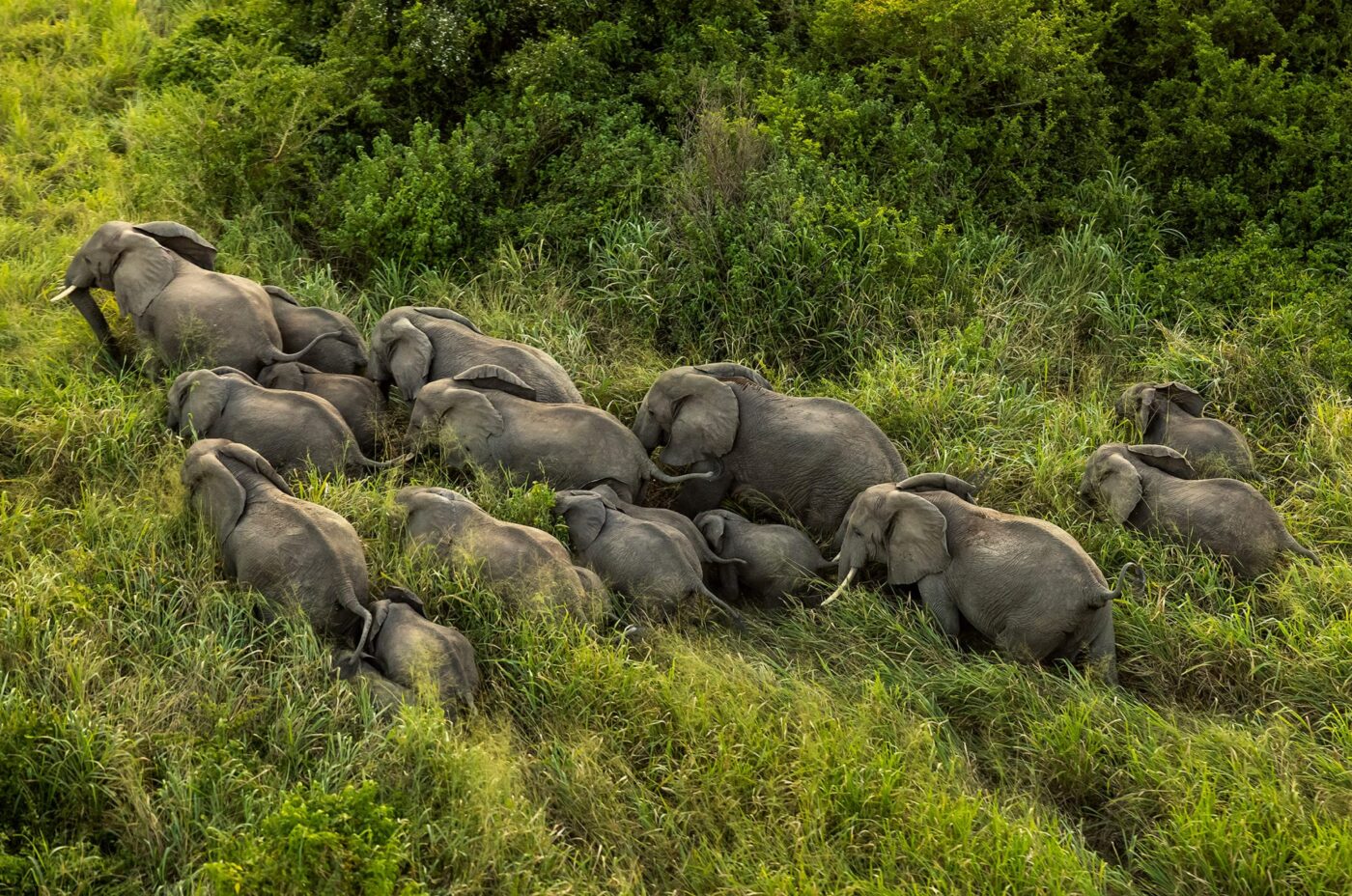
African elephants foraging in the grasslands
Through these behavioral adaptations, grassland animals demonstrate remarkable resilience and adaptability, enabling them to navigate the challenges of their ever-changing environments. These strategies underscore the importance of maintaining the delicate balance of grassland ecosystems, ensuring that these magnificent creatures continue to thrive.
Physiological Adaptations in Grassland Animals
Grassland animals exhibit an array of fascinating physiological adaptations that allow them to survive and thrive in the challenging environments of the open plains. These adaptations are crucial for coping with the seasonal changes and varying climate conditions typical of grassland habitats.
Hibernation and Estivation
One of the most intriguing physiological strategies employed by grassland animals is hibernation. This adaptation is primarily observed in regions where winters can be harsh and resources scarce. During hibernation, animals significantly reduce their metabolic rate, entering a state of dormancy that allows them to conserve energy. For example, the prairie dog, a notable resident of North American grasslands, is known to enter a state of torpor during the coldest months. This temporary hibernation helps them survive when food is not readily available.
Conversely, estivation is a similar strategy used by some grassland animals to escape extreme heat and drought conditions during the summer. This adaptation is particularly common in grasslands with severe dry seasons, such as the African savannas. Certain species, like the African lungfish, burrow into the mud and reduce their metabolic activities until favorable conditions return. Estivation allows these animals to wait out the harsh environment and emerge when resources are again abundant.
These physiological adaptations underscore the resilience of grassland animals in the face of climatic extremes. By effectively managing their energy needs, these animals can maintain their populations and continue to play their roles in the ecosystem.
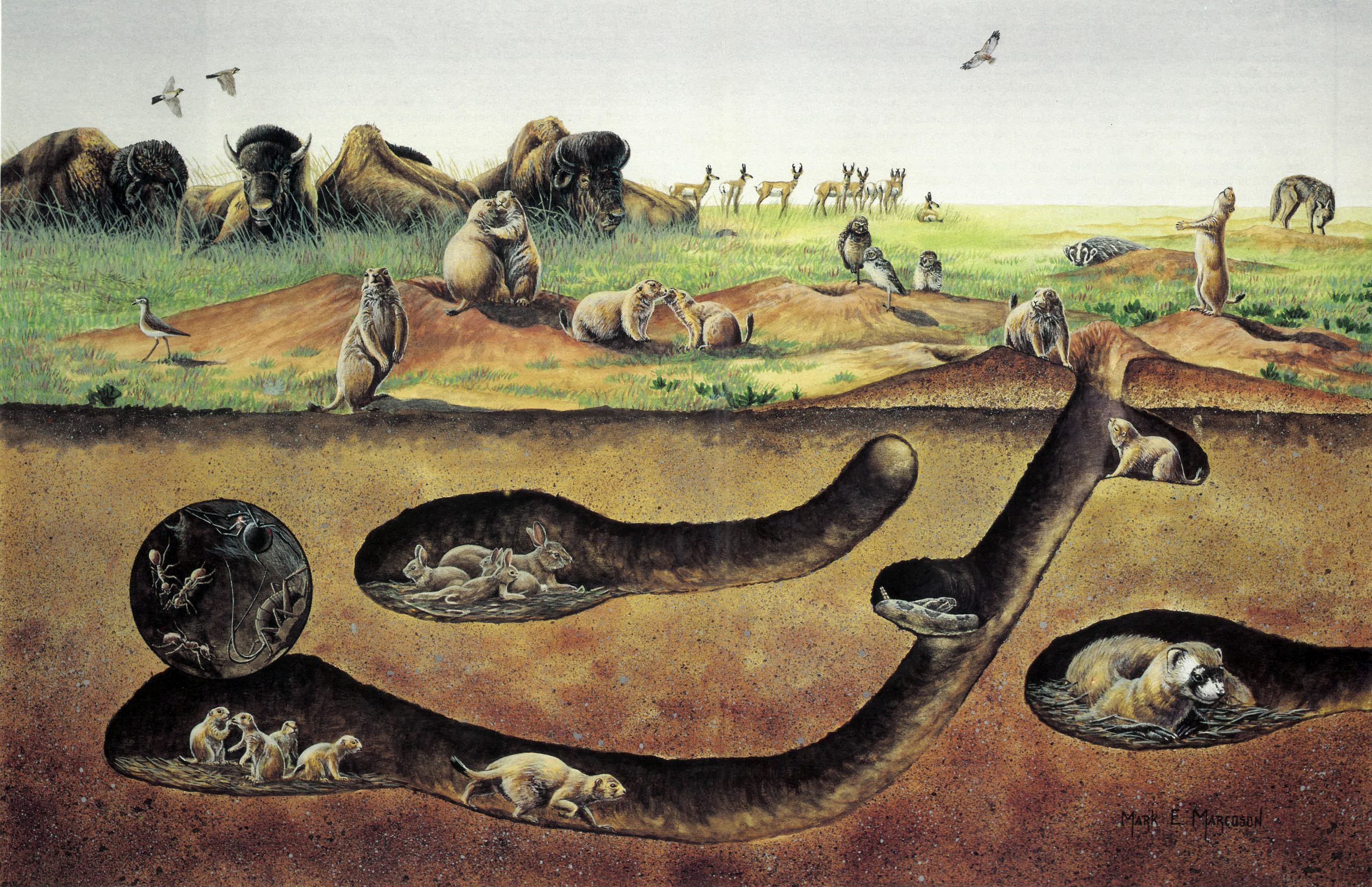
A prairie dog in hibernation within its burrow
Changes in Metabolic Rates
Another critical physiological adaptation in grassland animals is the ability to adjust their metabolic rates in response to environmental changes. Grassland animals often face fluctuating temperatures and resources, requiring them to be highly adaptable.
For instance, the pronghorn antelope, native to North American grasslands, can regulate its metabolic rate to adapt to different temperatures. During colder months, pronghorns increase their metabolic rates to generate more body heat, while in warmer conditions, they reduce their metabolic activity to conserve water and energy. This flexibility is vital for survival, as it enables these animals to efficiently use available resources and thrive in their habitats.
Similarly, smaller grassland mammals, such as rodents and some bird species, demonstrate remarkable metabolic flexibility. These animals can enter temporary states of torpor to conserve energy during periods of food scarcity or extreme weather. By lowering their body temperature and reducing activity levels, they effectively extend the duration they can survive on limited resources.
These metabolic adaptations are not only fascinating but also essential for the survival of grassland animals. They highlight the intricate ways in which these creatures are finely tuned to their environment, ensuring their persistence in the ever-changing landscapes of the world’s grasslands.

Pronghorn antelope grazing in North American grasslands
In summary, the physiological adaptations of hibernation, estivation, and dynamic metabolic rate adjustments are key strategies that enable grassland animals to navigate the challenges posed by their environments. These adaptations are a testament to the evolutionary ingenuity of wildlife in these vast and open ecosystems, ensuring that grassland animals continue to thrive amidst the seasonal changes they face.
Case Studies of Specific Grassland Animals
Exploring the fascinating world of grassland animals offers insights into the unique adaptations and behaviors developed by these creatures to thrive in their environments. Let’s delve into two remarkable inhabitants: the Pronghorn Antelope and the African Elephant.
The Pronghorn Antelope
The Pronghorn Antelope, often referred to as the American antelope, is a staple of the North American prairies. Despite its common name, the Pronghorn is not a true antelope but represents a unique family, the Antilocapridae. This species is renowned for its incredible speed, making it the second-fastest land animal in the world, trailing only the cheetah. However, unlike the cheetah, the Pronghorn can sustain high speeds over long distances, which is crucial for evading predators such as coyotes and wolves.
Pronghorns are superbly adapted to the wide-open spaces of the grasslands. Their large eyes provide a wide field of view, crucial for spotting predators from afar in the vast expanses they inhabit. The Pronghorn’s exceptional speed is complemented by its endurance, allowing it to outrun threats over extended periods. This animal’s diet primarily consists of grasses, forbs, and cacti, making it well-suited to the role of a grazer in the prairie ecosystem.
Migration is another key aspect of the Pronghorn’s life. These animals undertake one of the longest terrestrial migrations in North America, moving seasonally between the Grand Teton National Park and the Upper Green River Basin. This journey is crucial for accessing food resources and suitable breeding grounds, ensuring the Pronghorn’s survival across the changing seasons.
The African Elephant
Turning our attention to the African grasslands, the African Elephant stands as a giant among the grassland animals. As the largest terrestrial mammal, it plays a vital role in shaping the savanna ecosystem. Elephants are known as ecosystem engineers; their feeding habits, which include uprooting trees and shrubs, help maintain the grassland’s open structure, benefiting other species reliant on these habitats.
African Elephants display remarkable behavioral and physiological adaptations that allow them to thrive in their environment. Their large ears function as radiators, dissipating heat and helping them regulate body temperature, which is essential in the often sweltering savanna climate. Additionally, elephants are highly social animals, living in matriarchal herds that provide protection and social learning opportunities for younger members.

A herd of African Elephants traversing the savanna demonstrating their social structure and environmental impact
The diet of African Elephants is diverse, consisting of grasses, leaves, bark, and fruit. This varied diet ensures that they can find sustenance throughout the year, even during the dry seasons when resources are scarce. Elephants are also known for their impressive memory and intelligence, which aid them in locating water sources and recalling migratory routes.
Conservation efforts are crucial for both the Pronghorn Antelope and the African Elephant, as habitat loss and human activities pose significant threats to their populations. Protecting these majestic grassland animals not only ensures their survival but also maintains the ecological balance of the grasslands they inhabit. By understanding and preserving their unique adaptations and roles within their ecosystems, we contribute to the broader effort of safeguarding biodiversity and the health of our planet.
The Role of Grassland Conservation
Grasslands, often overlooked in the shadow of more glamorous ecosystems like rainforests and coral reefs, are vital to the health of our planet. These vast open plains are home to a diverse range of species and provide critical ecological services. Conserving grasslands is not just about preserving a habitat; it’s about maintaining the delicate balance of life on Earth.
Importance of Protecting Grassland Habitats
Grasslands cover approximately 40% of the Earth’s land surface and are some of the most productive ecosystems for food and resources. They are home to iconic grassland animals such as lions, zebras, and elephants in Africa, and bison, pronghorns, and prairie dogs in North America. These animals are not just symbols of their respective landscapes; they play crucial roles in the ecosystem. For instance, grassland animals like grazers help maintain the health of the grasslands by controlling plant growth, which in turn supports a wide range of biodiversity.
Moreover, grasslands are essential for carbon sequestration. They act as a significant carbon sink, storing carbon in their vast root systems and helping mitigate the effects of climate change. The roots of grassland plants reach deep into the soil, stabilizing it and preventing erosion, which is critical for maintaining soil fertility and preventing desertification.
Human activities such as agriculture expansion, urban development, and unsustainable grazing practices threaten these ecosystems. Protecting grassland habitats is crucial for preserving biodiversity, ensuring sustainable livelihoods for communities that depend on grassland resources, and maintaining ecological balance.
Global Efforts in Grassland Conservation
Recognizing the critical importance of grasslands, global efforts are being made to conserve these ecosystems. Many national and international organizations focus on establishing protected areas, such as national parks and wildlife reserves, to safeguard grassland habitats. For example, the Serengeti National Park in Tanzania and Yellowstone National Park in the United States are iconic protected grassland areas that have become strongholds for wildlife conservation.
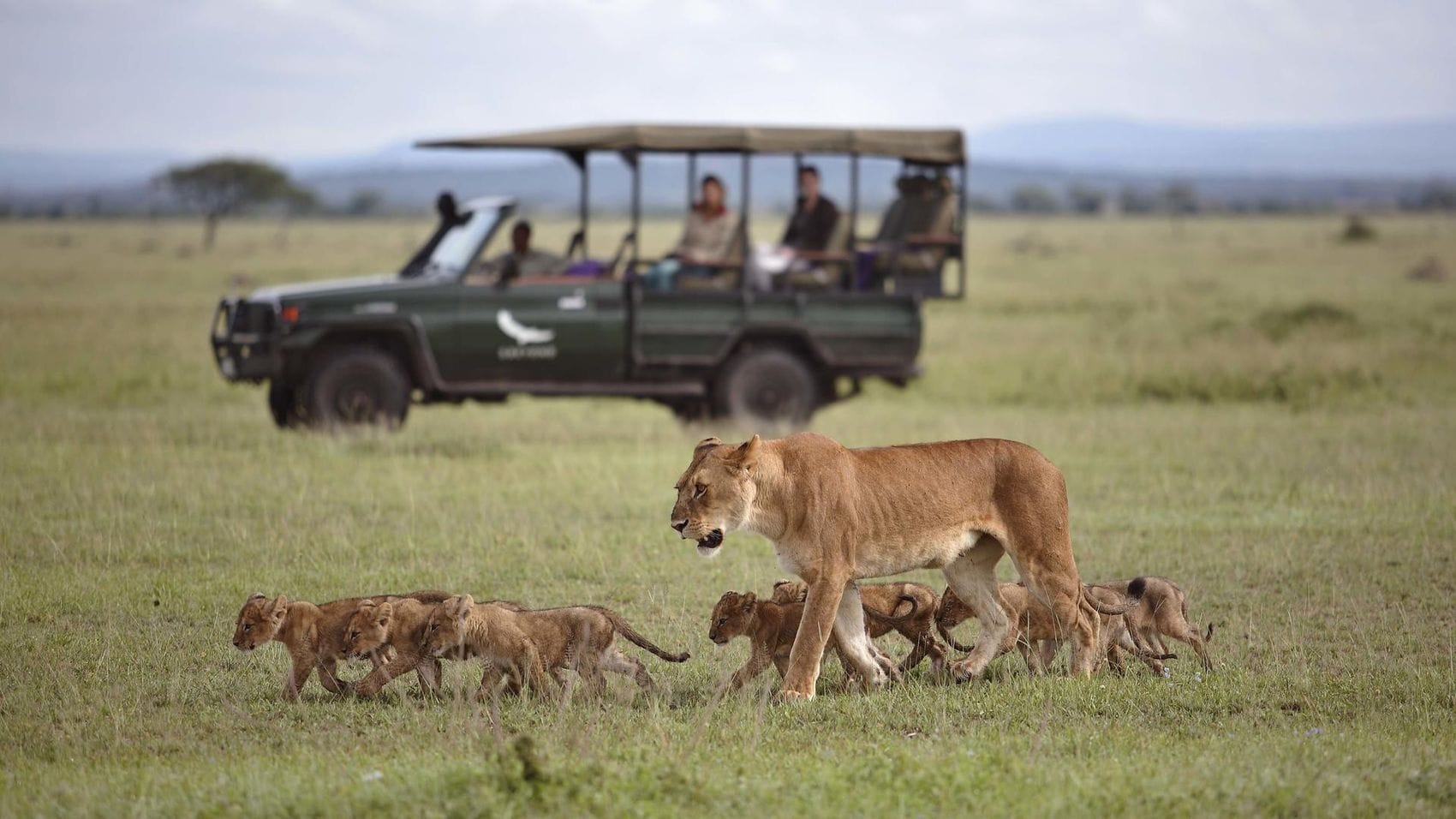
Diverse wildlife in Serengeti National Park
Additionally, rewilding programs are gaining traction. These initiatives aim to restore ecosystems to their natural states by reintroducing native species and removing invasive ones. In North America, the reintroduction of bison to the Great Plains is a notable success, helping to restore the ecological balance and promoting biodiversity.
International agreements and collaborations, such as the Convention on Biological Diversity (CBD), provide frameworks for countries to work together on grassland conservation. These agreements emphasize the importance of sustainable land-use practices and the need to incorporate indigenous and local community knowledge in conservation strategies.
Community-based conservation is another critical aspect of global efforts. Engaging local communities ensures that conservation strategies are culturally appropriate and economically viable. By involving those who live closest to these ecosystems, conservation programs can benefit from traditional knowledge and garner support for sustainable practices.
In conclusion, the role of grassland conservation is pivotal for maintaining biodiversity, supporting carbon sequestration, and ensuring the sustainability of resources for future generations. As we continue to face global challenges such as climate change and habitat loss, the conservation of grasslands becomes ever more critical. By promoting and supporting conservation efforts, we can safeguard these essential ecosystems for the wildlife that call them home and for the benefit of our planet as a whole.
WildWhiskers is a dedicated news platform for animal lovers around the world. From heartwarming stories about pets to the wild journeys of animals in nature, we bring you fun, thoughtful, and adorable content every day. With the slogan “Tiny Tails, Big Stories!”, WildWhiskers is more than just a news site — it’s a community for animal enthusiasts, a place to discover, learn, and share your love for the animal kingdom. Join WildWhiskers and open your heart to the small but magical lives of animals around us!