













Embarking on the journey of raising domestic animals can be both exciting and daunting, especially for beginners who are eager to learn the ropes of animal husbandry. Whether you’re drawn to the idea of having a lively flock of chickens, the gentle presence of goats, or simply want to better understand what are domestic animals and their roles in human life, this guide is here to illuminate the path. Domestic animals have long been cherished as companions, helpers, and even providers, enriching our lives with their unique attributes and unwavering loyalty.
But before you dive headfirst into this rewarding endeavor, it’s essential to arm yourself with the right knowledge and tools. From selecting the perfect animal that suits your lifestyle to setting up an environment that ensures their well-being, each decision plays a crucial role in the success of your animal-rearing journey. You’ll discover that providing proper nutrition and housing forms the backbone of healthy animal care, while routine health checks and understanding animal behavior are key to maintaining harmony and preventing common pitfalls.
As you delve deeper into the world of domestic animal care, you’ll also learn how to build meaningful relationships with your animals, fostering trust and cooperation. This blog will guide you through the fundamental aspects of raising domestic animals, highlighting expert insights and practical tips that will empower you to create a nurturing and sustainable habitat for your animal companions. So, whether you’re taking your first steps into this fulfilling world or seeking to expand your current knowledge, let’s embark on this enriching adventure together and discover how to make your experience with domestic animals both prosperous and enjoyable.
Understanding the Basics of Animal Husbandry
Embarking on the journey of animal husbandry can be both exhilarating and daunting, especially for beginners. Understanding the fundamental aspects of animal husbandry is crucial, as it lays the groundwork for a successful and fulfilling experience. By delving into the basics, you ensure that you provide a nurturing environment where your animals can thrive.
Importance of Choosing the Right Animals
Selecting the right animals is the cornerstone of successful animal husbandry. Your choices will greatly influence your experience and the well-being of the animals you intend to raise. Here are a few factors to consider:
- Purpose and Goals: Begin by identifying your primary goals. Are you interested in keeping animals for companionship or for practical purposes such as milk, eggs, or wool? For instance, if you’re looking for a pet, consider animals like dogs or cats. However, if your aim is to produce food or materials, chickens, goats, or sheep might be more suitable.
- Lifestyle Compatibility: Your lifestyle plays a significant role in determining which animals are suitable for you. If you have a bustling schedule, opting for low-maintenance animals like fish or certain types of birds might be ideal. Conversely, if you have ample free time, you might enjoy the companionship and activity of more demanding animals such as dogs or horses.
- Space and Environment: The amount of space you have will also dictate your choices. Larger animals like horses or cows require substantial land, while smaller animals like rabbits or chickens can be comfortably accommodated in more compact areas.
- Personal Preferences: Your personal likes and dislikes should not be overlooked. You should genuinely enjoy the animals you choose to raise, as this will make the experience more rewarding and ensure that you provide them with the best possible care.
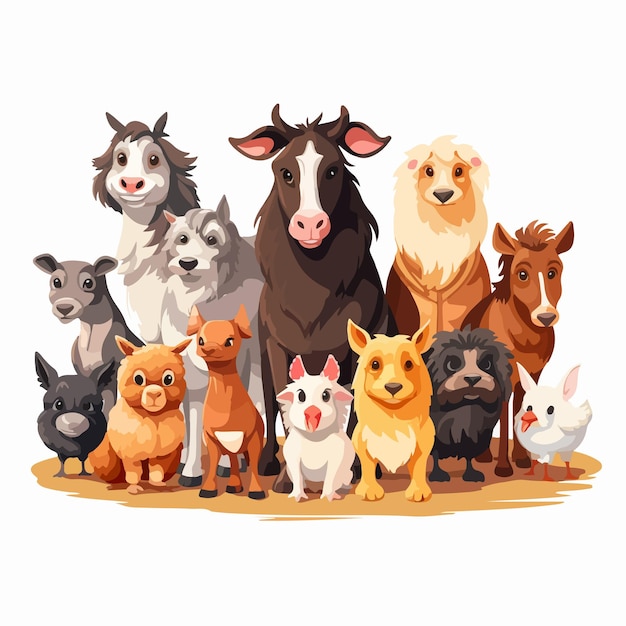
A variety of domestic animals in a farm setting
Setting Up a Suitable Environment
Creating a suitable environment for your animals is just as important as choosing the right ones. A well-structured and safe habitat ensures the health and happiness of your animals and, by extension, the success of your animal husbandry endeavors.
- Shelter and Housing: The environment must offer adequate shelter to protect your animals from extreme weather. For instance, barns or coops should be insulated to keep warmth during winter and provide shade during summer. Clean bedding is crucial to prevent health issues and maintain comfort.
- Space Requirements: Overcrowding can lead to stress and health problems among animals. It’s essential to provide enough space for each animal to move freely and interact naturally. This is particularly important for animals that are social by nature, such as chickens or goats, which require space to roam and explore.
- Safety and Security: Ensure that the environment is secure from potential predators and hazards. This might include sturdy fencing, locks on gates, and regular checks for any weak points in the infrastructure.
- Environmental Enrichment: Animals thrive in environments that stimulate their natural behaviors. This could include perches for birds, digging areas for pigs, or climbing structures for goats. Such enrichment not only enhances their quality of life but also reduces stress and boredom.
- Hygiene and Maintenance: Regular cleaning and maintenance of the living environment are non-negotiable. This includes removing waste promptly, ensuring clean feeding and water stations, and routinely checking for signs of wear and tear in the habitat.
By setting up a suitable environment and choosing the right animals, you lay a solid foundation for successful animal husbandry. This not only ensures the well-being of the animals but also enriches your experience, making the practice of raising domestic animals truly rewarding. Remember, understanding what are domestic animals and their specific needs is key to fostering a nurturing and sustainable environment.
Essential Equipment and Supplies
Raising domestic animals is a fulfilling endeavor that requires preparation and the right resources. As a beginner, understanding the essential equipment and supplies you’ll need is crucial to ensure a healthy and thriving environment for your animals. This section will guide you through the basics, focusing on feeding, nutrition, housing, and space requirements.
Feeding and Nutrition Needs
Proper nutrition is the cornerstone of successful animal husbandry. Different animals have unique dietary needs that must be met to promote growth, health, and productivity. For instance, if you’re raising chickens, you’ll need to provide a protein-rich feed to support egg production and overall vitality. Conversely, goats require a diet that includes hay, browse, and specific minerals to maintain their health.
Species-specific diets are essential. Dogs, for example, thrive on balanced kibble or fresh food, while rabbits need a diet rich in fiber, primarily from hay. It’s important to research and understand the specific nutritional requirements of the animals you’re raising. Incorporating the right supplements, like minerals and vitamins, can also play a significant role, especially for livestock, which might require salt licks or other additives to their diet.
Fresh water is another non-negotiable element of animal nutrition. Always ensure that clean water is available and replaced daily to prevent dehydration and related health issues. This practice is vital across all types of domestic animals, from pets like cats and dogs to livestock such as sheep and cows.

Feeding domestic animals with speciesspecific diets
Housing and Space Requirements
Creating a suitable environment for your animals involves more than just providing a roof over their heads. Proper housing and space are fundamental to their well-being and comfort. Each type of animal has different shelter needs, and understanding these is key to preventing stress and promoting health.
For instance, chickens require coops that protect them from predators and harsh weather while offering adequate space to roam. Similarly, larger animals like horses or cattle need spacious barns or stalls with ample room to move freely. Overcrowding can lead to stress, aggression, and the spread of disease, so ensuring that each animal has sufficient space is crucial.
When setting up housing, consider the protection from weather conditions. Insulation is important during colder months, while shaded areas help keep animals cool during the summer. Clean bedding, such as straw or wood shavings, should be replaced regularly to maintain hygiene and prevent respiratory issues.
Another aspect of housing is the ease of cleaning and maintenance. Structures should allow for regular cleaning to prevent the buildup of waste and the associated health risks. Investing in good-quality materials and designs that facilitate easy access for cleaning and care can save time and effort in the long run.
Understanding the basics of what are domestic animals and their needs is essential for any beginner looking to embark on this rewarding journey. By ensuring that you have the right equipment and supplies, you are setting the foundation for a successful and enjoyable experience in raising domestic animals.
Daily Care and Maintenance
Caring for domestic animals requires daily attention and diligence to ensure their well-being. Whether you’re nurturing a flock of chickens or bonding with a loyal dog, establishing a routine is crucial. The day-to-day tasks may seem simple, but they are foundational in maintaining the health and happiness of your animals. Let’s delve into the key aspects of daily care and maintenance.
Health and Hygiene Practices
Maintaining good health and hygiene practices is vital for the welfare of your domestic animals. Cleanliness in their living environment not only keeps diseases at bay but also promotes a more pleasant living condition for both the animals and their caretakers.
- Regular Cleaning: It’s essential to clean animal shelters regularly. This includes removing waste, changing bedding, and ensuring that feeding and watering stations are sanitized. A clean environment helps prevent the spread of diseases and parasites. For instance, chicken coops should be cleaned at least once a week, while dog kennels might require daily maintenance.

Regular cleaning of a chicken coop prevents disease
- Grooming: Depending on the type of animal, grooming can range from brushing fur to trimming hooves. Dogs and cats require regular brushing to remove loose hair and prevent matting, while livestock like goats and sheep need hoof trimming to prevent foot rot. Regular grooming sessions also offer an opportunity to check for any signs of illness or injury.
- Vaccinations and Parasite Control: Keeping up with vaccinations is crucial in preventing infectious diseases. Consult with a veterinarian to establish a vaccination schedule tailored to the species you are raising. Additionally, controlling parasites—both internal and external—is crucial. Regular deworming and the use of flea and tick preventatives can keep your animals healthy and comfortable.
- Observation for Health Issues: Daily observation allows you to catch any potential health issues early. Look for changes in appetite, behavior, or physical appearance that might indicate illness. Early detection can mean the difference between a minor ailment and a severe health crisis.
Monitoring Animal Behavior
Understanding and monitoring the behavior of your animals is crucial in ensuring they are healthy and content. Each species, and indeed each individual animal, has its own way of communicating its needs and emotions.
- Recognizing Normal Behavior: Familiarize yourself with what constitutes normal behavior for your animals. This could be as simple as recognizing how often a dog barks or how a goat interacts with its herd. Knowing these baselines helps you identify when something is amiss.
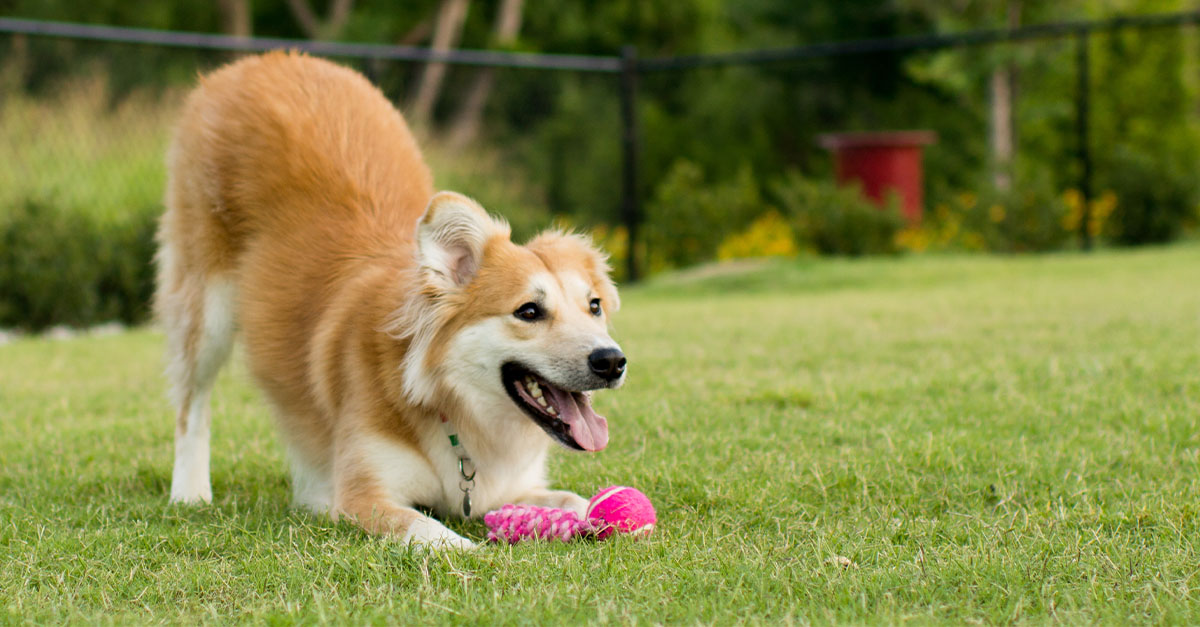
A happy dog playing in the backyard
- Social Interactions: Animals, like humans, are social creatures. Pay attention to how they interact with each other. Changes in social behavior, such as a normally social animal becoming withdrawn, may indicate health issues or environmental stressors.
- Stress Indicators: Learn to identify signs of stress or discomfort. Common indicators include excessive vocalization, changes in eating or sleeping habits, and unexplained aggression or lethargy. Addressing these issues promptly can prevent more severe problems.
- Routine and Stability: Animals thrive on routine. Feeding, cleaning, and exercise should occur at consistent times each day. This predictability helps reduce stress and keeps your animals feeling secure and well-cared for.
By integrating these health and hygiene practices and closely monitoring behavior, you can ensure that your domestic animals remain healthy and happy. Whether you’re a beginner or an experienced caretaker, these daily routines create a strong foundation for successful animal husbandry. Remember, the key to raising domestic animals lies in understanding their needs and responding with care and compassion. This approach not only benefits the animals but also enriches your experience as a caretaker, deepening the bond between you and the creatures you nurture.
Understanding what are domestic animals and their specific needs can transform your animal-rearing endeavors from a simple hobby into a rewarding lifestyle.
Challenges and Common Mistakes
Raising domestic animals can be a rewarding experience, but it also comes with its own set of challenges and potential pitfalls. Understanding these challenges and how to navigate them is crucial for beginners who are eager to dive into the world of animal husbandry. In this section, we’ll explore some common issues, such as addressing health concerns and avoiding overcrowding, which can significantly impact the well-being of your animals.
Addressing Health Issues
One of the primary challenges new animal owners face is managing the health of their animals. Domestic animals, much like humans, require regular health maintenance to thrive. This includes routine vaccinations, parasite control, and regular veterinary check-ups. Ignoring these aspects can lead to serious health issues that might not only affect individual animals but can spread to others, creating a larger problem.
For beginners, understanding what are domestic animals and their specific needs is the first step. Each species has unique requirements. For example, chickens might need vaccinations against diseases like Marek’s disease, while dogs require rabies shots. It’s essential to establish a relationship with a trusted veterinarian who can guide you through the necessary vaccinations and health checks.
Moreover, being observant of your animals’ behavior and physical condition is vital. Early detection of illnesses can make a significant difference. Look for signs such as changes in eating habits, lethargy, or unusual behaviors. These can be early indicators of health problems that require immediate attention.

A veterinarian conducting a health check on a domestic animal
Avoiding Overcrowding
Another common mistake is overcrowding. It’s easy to get excited and want to expand your collection of animals quickly, but it’s important to ensure that each animal has adequate space and resources. Overcrowding can lead to numerous problems, including increased stress, aggressive behavior, and the rapid spread of diseases.
Understanding the space requirements for different animals is crucial. For instance, goats require ample pasture space to roam and graze, while chickens need enough room in their coop to move freely without feeling cramped. Overcrowding not only affects the physical health of your animals but also their mental well-being. Stressed animals are more prone to illness and can become aggressive, which can further complicate their management.
To avoid these issues, start by researching the specific space and resource needs of the animals you’re interested in. Plan your setup accordingly and prioritize quality over quantity. It’s better to have a few healthy, happy animals than a large number of stressed and unhealthy ones.
By addressing these challenges proactively, beginners can create a healthier and more sustainable environment for their domestic animals. Remember, the key to successful animal husbandry is understanding the needs of what are domestic animals you’re caring for and providing them with the best possible environment.
Tips for Successful Animal Rearing
Raising domestic animals can be a truly rewarding experience, offering both companionship and utility. However, to ensure success, especially for beginners, there are certain tips and strategies that can make a significant difference. Let’s delve into how building a relationship with your animals and planning for growth and expansion can lead to successful animal rearing.
Building a Relationship with Your Animals
One of the most critical aspects of successful animal rearing is developing a strong and trusting relationship with your animals. This connection not only makes daily care more manageable but also enhances the well-being of the animals.
- Understanding Animal Behavior: To build a meaningful relationship, it’s crucial to understand what are domestic animals and their specific behaviors. Each species, and indeed each individual animal, has its unique way of expressing emotions and needs. For example, a dog’s wagging tail usually indicates happiness, while a cat’s purring can mean contentment or self-soothing.
- Consistent Interaction: Regular interaction is key. Spend time with your animals daily, not just during feeding or cleaning times. Engage with them through play, training, or simply being present in their environment. This regular interaction helps animals become accustomed to human presence, reducing stress and anxiety.
- Positive Reinforcement: Use treats, praise, and affection to reward good behavior. Positive reinforcement helps animals associate your presence with positive experiences, fostering trust and cooperation. For instance, a simple pat or a favorite snack when they follow commands can go a long way.
- Patience and Empathy: Building a relationship takes time and patience. Be empathetic to their needs and moods. If an animal seems stressed or frightened, give it space and approach later with a calm demeanor. Understanding their body language and vocal cues is essential in recognizing times when they need comfort or are feeling threatened.
- Routine and Stability: Animals thrive on routine and stability. Ensure that feeding, cleaning, and exercise occur at the same times each day. This predictability helps animals feel secure and reduces behavioral issues.

Developing a bond with your animals through daily interaction
Planning for Growth and Expansion
As you become more comfortable with animal husbandry, you might consider expanding your domestic animal family. This requires careful planning to ensure that the growth is sustainable and beneficial for both you and your animals.
- Assessing Space and Resources: Before adding more animals, evaluate the space and resources you currently have. Ensure there is enough room for each animal to live comfortably without overcrowding, which can lead to stress and health issues. Adequate shelter, feeding stations, and exercise areas are essential.
- Budgeting for Additional Costs: More animals mean more expenses. This includes food, veterinary care, and potential infrastructure improvements like larger shelters or expanded fencing. Make sure your budget can comfortably accommodate these additional costs before proceeding.
- Species Compatibility: When considering what are domestic animals to add, think about species compatibility. Some animals naturally coexist well, while others might not. For example, chickens and goats often share space without issue, but introducing a new cat into an established dog household might require careful management.
- Health and Safety Protocols: With more animals, maintaining health and safety standards becomes even more critical. Ensure that all animals are vaccinated and receive regular health check-ups. Implement biosecurity measures to prevent the spread of disease, especially if introducing new animals to an existing herd or flock.
- Long-Term Planning: Consider your long-term goals. Are you expanding for personal enjoyment, or do you have plans for commercial pursuits, such as selling eggs, milk, or wool? Your goals will influence the types of animals you keep and the resources you invest in.
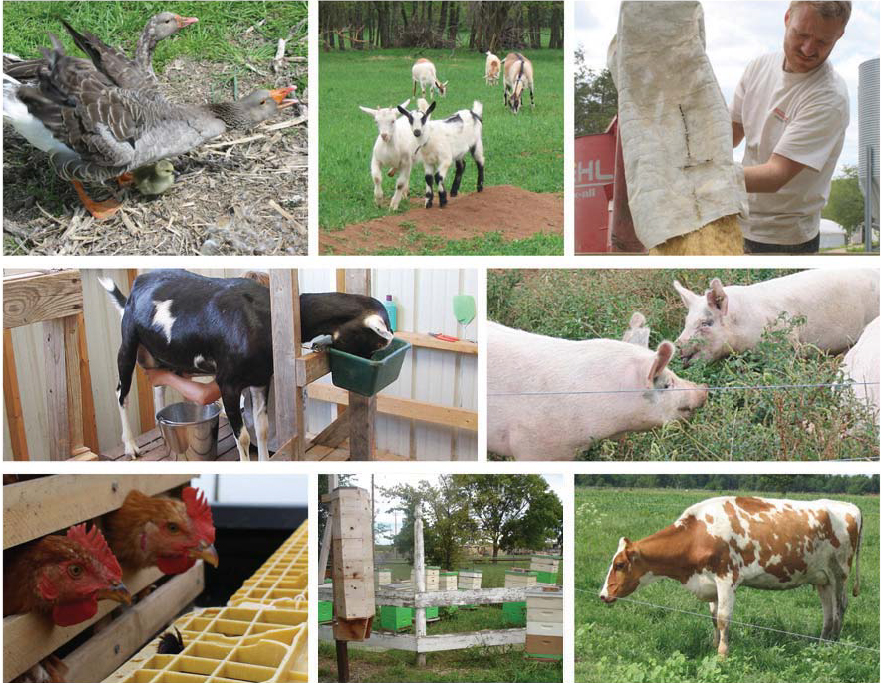
Planning for farm expansion requires careful resource and space management
By focusing on building strong relationships with your animals and planning thoughtfully for expansion, you can create a nurturing and prosperous environment for your domestic animals. Remember that the journey of animal rearing is as much about learning and adapting as it is about nurturing and growth. With the right approach, both you and your animals can thrive.
Final Thoughts on Raising Domestic Animals for Beginners
Embarking on the journey of raising domestic animals is akin to opening a new chapter of learning, growth, and companionship. Whether you’re drawn by the allure of self-sufficient living, the joy of animal companionship, or the desire to contribute to sustainable agriculture, this path offers a myriad of rewards. As we conclude this guide, let’s reflect on some key takeaways and insights for beginners.
Embracing the Joys and Responsibilities
Raising domestic animals is a rewarding endeavor, filled with moments of joy, laughter, and sometimes challenges. Each animal brings its own personality and quirks, teaching us patience and empathy. Understanding what are domestic animals goes beyond the surface; it’s about recognizing their roles and needs in our lives, whether as companions or contributors to our household.
Continuous Learning and Adaptation
One of the most significant aspects of animal husbandry is the continuous learning it demands. From understanding dietary needs to recognizing behavioral cues, the journey is ever-evolving. Beginners should embrace this learning curve, staying curious and open-minded. Attending workshops, reading up-to-date literature, and joining online forums can enhance your knowledge and skills.
Building a Community
Having a support system can make a significant difference. Connect with local farmers, join online groups, or participate in community events. Sharing experiences, challenges, and successes can be immensely beneficial. Remember, the world of animal rearing is vast, and there’s always something new to learn from others.
Sustainable Practices
Sustainability should be at the heart of your animal husbandry practices. Consider the environmental impact of your decisions, from feed choices to waste management. Sustainable practices not only benefit the planet but also enhance the health and productivity of your animals.
Planning for the Future
As you become more comfortable with your routine, consider planning for growth and expansion. Whether it’s increasing your flock size or diversifying the types of animals you raise, having a clear plan can help in managing resources and expectations effectively.
Reflecting on the Journey
Take time to reflect on your journey regularly. Celebrate the small victories, learn from the setbacks, and stay motivated by your progress. Documenting your experiences through a journal or blog can be a valuable tool for reflection and sharing your story with others.
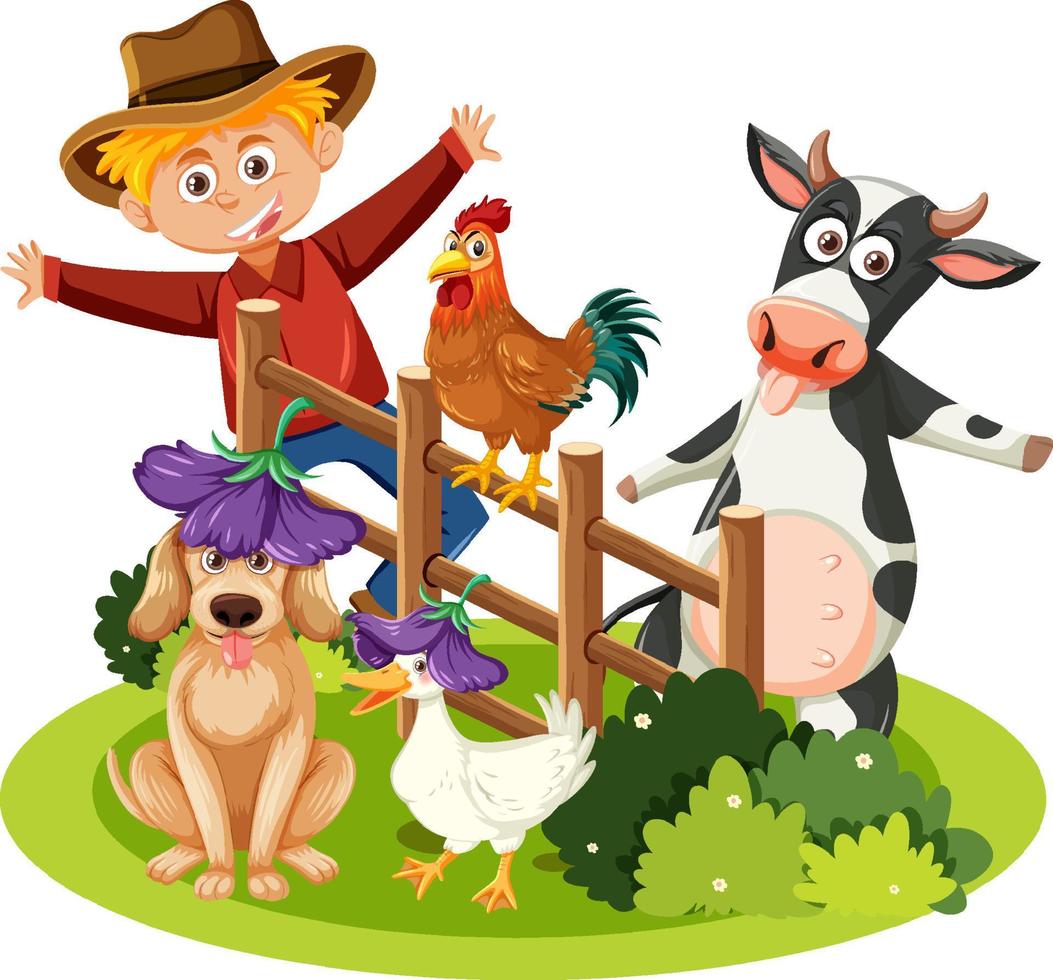
A farmer joyfully interacting with his domestic animals
Conclusion
Raising domestic animals is a fulfilling journey that not only strengthens your connection with nature but also teaches resilience, responsibility, and compassion. As you continue on this path, remember that each animal, whether a loyal dog or a productive chicken, contributes to the tapestry of life in unique ways. With dedication and love, even beginners can create a nurturing and prosperous environment for their animals.
For more stories, insights, and to join a community of animal enthusiasts, visit WildWhiskers. At WildWhiskers, we believe in “Tiny Tails, Big Stories!” and invite you to explore the magical lives of animals with us. Let’s celebrate these incredible creatures and the joy they bring into our lives.