

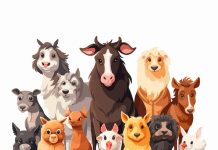




Raising happy and healthy farm animals is both an art and a science, a beautiful journey that intertwines the rhythms of nature with the daily life of a farmer. Whether you’re dreaming of lush green pastures dotted with cows or envisioning a bustling barnyard filled with clucking chickens, it’s essential to understand that the well-being of these creatures largely depends on how we meet their needs. The animals on the farm play a pivotal role in our lives, not only providing food and materials but also enriching our experiences with their unique personalities and behaviors.
As a beginner, you might feel both excited and overwhelmed by the prospect of starting your own farm. But fear not, this guide is here to illuminate your path. From understanding the basic needs of food, water, and shelter to ensuring they have a clean and spacious environment, every step you take will contribute to their overall happiness and health. It’s not just about survival; it’s about fostering an environment where animals can thrive, display natural behaviors, and form meaningful connections.
Choosing the right animals for your farm is crucial. Consider factors like space, climate, and resources, and soon you’ll find that cows, chickens, pigs, and the rest of the gang each bring their own special charm and utility to the farm. By focusing on balanced nutrition, regular health check-ups, and encouraging natural behaviors, you’ll create a sanctuary where animals are protected, respected, and loved.
So join us on this fulfilling journey of building a harmonious farm life. Whether it’s safeguarding your animals from predators or simply enjoying the sight of them frolicking in the fields, every moment spent tending to the animals on the farm is an opportunity to connect with nature and nurture life in its most elemental form. Let’s embark on this adventure together, ensuring that our four-legged and feathered friends live their best lives.
Understanding the Needs of Farm Animals
Raising farm animals successfully begins with understanding their fundamental needs. Each animal on the farm, from the gentle cow to the playful goat, requires specific care to thrive. Their well-being is not only crucial for the productivity of the farm but also for ensuring a harmonious relationship between humans and animals.
Basic Needs: Food, Water, and Shelter
The most essential elements for any farm animal are food, water, and shelter. These are the building blocks of a healthy life and should be prioritized by any aspiring farmer.
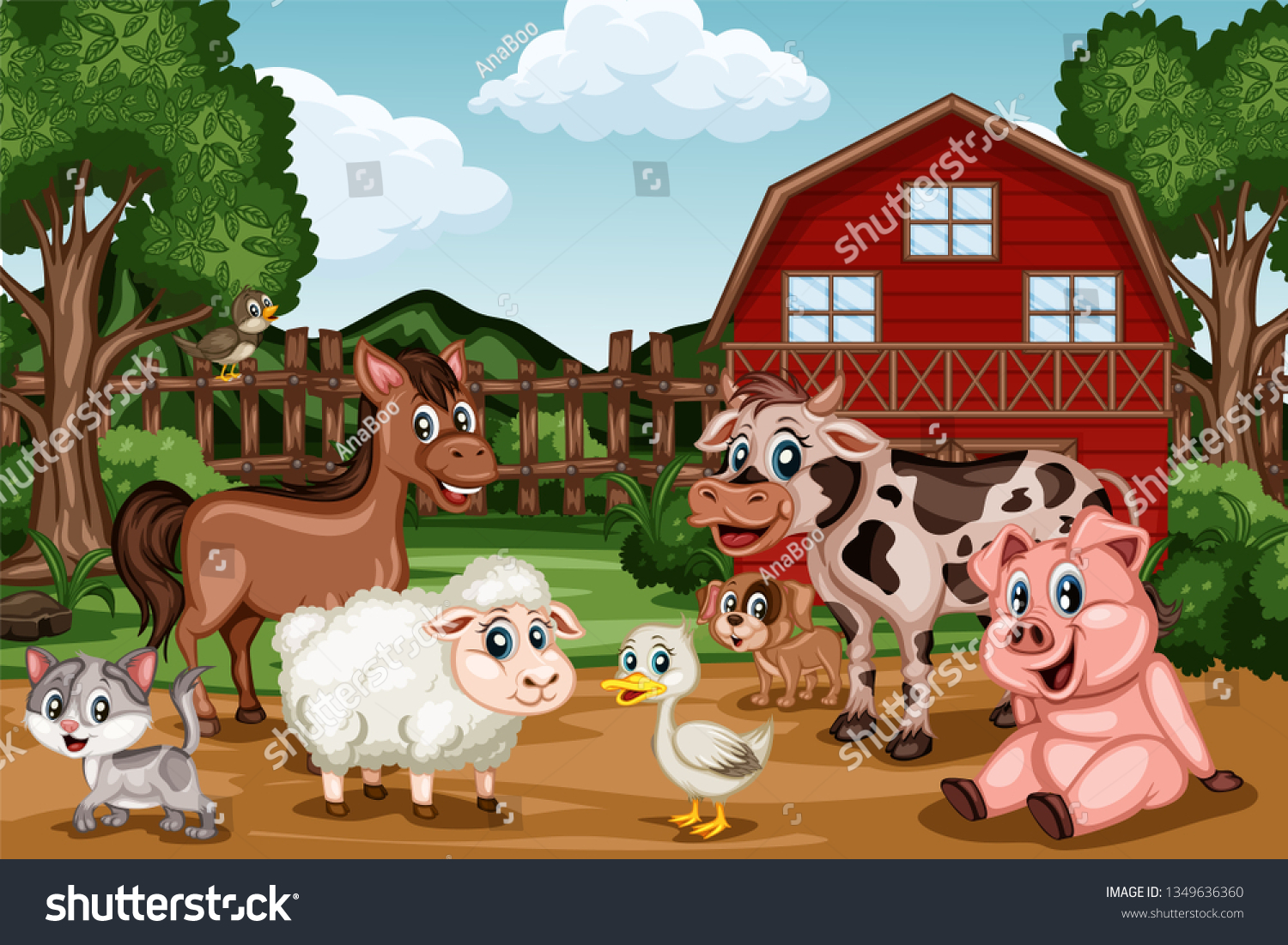
Food is the cornerstone of an animal’s health. Each species has unique dietary requirements that must be met to ensure optimal growth and productivity. For instance, cows require a diet rich in fiber, primarily from hay and grass, which supports their digestive system and milk production. Chickens, on the other hand, need a balanced diet of grains, seeds, and insects, which they naturally forage for throughout the day. Pigs, known for their intelligence and playful nature, thrive on a diet that includes grains, vegetables, and protein to support their robust growth.
Water is just as vital as food. All farm animals need constant access to clean, fresh water. Dehydration can lead to severe health issues and affect productivity, such as reduced milk yield in cows or decreased egg production in chickens. Ensuring that water sources are clean and free of contaminants is a critical aspect of farm management.
Shelter provides protection from the elements and predators, and it is crucial for the well-being of farm animals. A well-designed shelter keeps the animals safe from harsh weather conditions, such as rain, wind, and extreme temperatures. For example, sheep and goats require a dry and draft-free environment to prevent illnesses such as pneumonia. Horses, which are often used for work and companionship, need a stable or barn that offers both protection and comfort.
Importance of Social Interaction and Companionship
Beyond their basic physical needs, the animals on the farm also require social interaction and companionship. Animals, much like humans, benefit from social structures and relationships, which contribute to their mental and emotional health.
Social interaction is particularly important for herd animals like cows, sheep, and goats. These animals are naturally inclined to live in groups, where they establish hierarchies and social bonds. Isolation from their peers can lead to stress and behavioral issues, negatively impacting their health and productivity. Therefore, maintaining a group dynamic is essential for their well-being.
Companionship can also come from humans and other animals. For instance, dogs and cats are often integral parts of farm life, providing protection and companionship. Dogs can serve as protectors and herders, while cats help control rodent populations and offer affection to both animals and humans. The bond between a farmer and their animals can significantly enhance the animals’ quality of life, as seen in the gentle interactions between a farmer and their horse or the playful antics of goats engaging with their caretaker.

In conclusion, understanding and meeting the needs of farm animals is a vital part of successful farming. By providing adequate food, water, shelter, and social interaction, farmers can ensure that their animals are not only productive but also happy and healthy. This understanding lays the foundation for a thriving farm environment where humans and animals coexist harmoniously.
Choosing the Right Animals for Your Farm
Choosing the right animals for your farm is a crucial decision that can significantly impact the success and harmony of your agricultural endeavors. As a beginner, selecting animals that align with your farm’s resources, climate, and your own capabilities is essential. Let’s explore the factors to consider and the types of animals that are well-suited for novice farmers.
Factors to Consider: Space, Climate, and Resources
When selecting farm animals, it’s important to evaluate the space you have available. Different animals require varying amounts of space to thrive. For instance, cows and horses need ample pasture to graze and roam, while chickens and ducks can be accommodated in smaller coops with access to outdoor runs. Consider the layout of your farm and ensure that you can provide the necessary space for the animals you’re interested in raising.
The climate of your region also plays a significant role in determining which animals will thrive on your farm. Some animals are well-suited to specific weather conditions. For example, sheep and goats are adaptable and can thrive in various climates, but they may need additional care in extremely cold or hot conditions. On the other hand, pigs can be sensitive to heat and require shade and mud to stay cool.
Additionally, consider the resources you have access to, such as feed, water, and veterinary care. Some animals, like cows and horses, require significant amounts of feed and water, whereas ducks and chickens might have more modest needs. Ensure that you have a reliable source of high-quality feed and clean water to maintain the health and well-being of your animals.
Popular Farm Animals for Beginners
For those new to farming, starting with animals that are easier to manage and care for is often a wise choice. Here are some popular options:
-
Chickens: Chickens are a favorite among beginner farmers due to their relatively low maintenance needs and the dual benefits they provide in terms of eggs and meat. They are known for their hardy nature and can adapt to various living conditions, making them ideal for small-scale farms. Additionally, their daily egg-laying habits offer a steady supply of fresh produce.
-
Goats: Goats are another excellent option for beginners. They are agile, curious, and playful, often providing entertainment and companionship. Goats are versatile animals that can thrive on a variety of diets, including pasture, hay, and supplemental grains. They produce milk, cheese, and meat, adding diversity to farm products.
-
Sheep: Known for their wool and meat, sheep are relatively easy to care for and can adapt to different climates. They are social animals that thrive in flocks, making them a great choice if you have enough land to accommodate multiple animals. Raising sheep can also be a rewarding experience, particularly if you’re interested in producing wool for textiles.
-
Ducks: Ducks are hardy birds that provide both eggs and meat. They are known for their ability to live on both land and water, making them suitable for farms with ponds or water features. Ducks are also efficient foragers, helping to control pests and weeds in gardens and pastures.
-
Pigs: While pigs require more attention than some other animals, they are intelligent and can be rewarding to raise. They provide pork, bacon, and ham, and their playful nature can make them enjoyable farm residents. Pigs need proper shelter and a mud wallow to stay cool, especially in warmer climates.
By carefully considering the space, climate, and resources available, and starting with animals known for their adaptability and ease of care, you can create a thriving environment for the animals on the farm. As you gain experience and confidence, you can expand your farm to include a wider variety of animals, further enriching your agricultural lifestyle.
Creating a Healthy Environment
Creating a healthy environment for farm animals is crucial for their well-being and productivity. A well-maintained environment not only ensures the health of the animals but also supports their natural behaviors, which is essential for their happiness and overall quality of life. Let’s explore how to maintain cleanliness and provide adequate space for movement.
Maintaining Cleanliness and Hygiene
Maintaining cleanliness and hygiene on a farm is foundational to preventing diseases and ensuring the health of the animals. The animals on the farm, whether they are cows, chickens, pigs, or ducks, thrive in environments that are clean and well-organized. Regular cleaning routines should include removing waste, soiled bedding, and leftover food, as these can harbor bacteria and parasites.
Daily Cleaning Practices:
- Waste Management: Regularly remove manure and waste from barns and pens. This not only reduces the risk of disease but also minimizes unpleasant odors. Composting manure can be an eco-friendly way to manage waste.
- Bedding Management: Replace soiled bedding frequently to prevent the buildup of ammonia, which can cause respiratory issues in animals.
- Water Troughs and Feeders: Clean water troughs and feeders regularly to prevent the growth of algae and bacteria. Fresh, uncontaminated water is essential for the health of farm animals.
Seasonal Deep Cleaning:
- Conduct deep cleaning sessions at least once every season. This involves thorough washing and disinfection of all animal housing and equipment. Use safe, animal-friendly cleaning agents to minimize any adverse effects on the animals.
Maintaining cleanliness not only promotes the physical health of the animals but also contributes to a more pleasant and productive farm environment. It’s a critical part of ensuring that the animals on the farm are thriving.
Providing Adequate Space for Movement
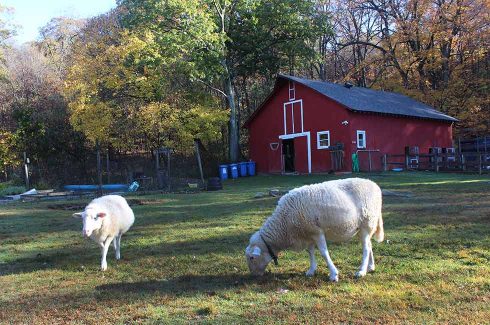
Providing adequate space for movement is essential for the physical health and mental well-being of farm animals. Animals that have enough space to move freely are less likely to develop stress-related behaviors and health issues. Ensuring that the animals on the farm have ample space is a key aspect of responsible animal husbandry.
Importance of Space:
- Physical Health: Adequate space allows animals to exercise naturally, promoting healthy muscle development and preventing obesity-related health problems.
- Mental Well-being: Animals that can roam and explore are generally happier and less stressed. This is particularly important for intelligent and active animals like pigs and goats, which require mental stimulation.
Space Requirements for Different Animals:
- Cows and Horses: Both require large pastures to graze and move around. A healthy pasture should be spacious enough to prevent overgrazing and should be rotated regularly to maintain grass health.
- Chickens and Ducks: Should have access to outdoor runs where they can forage and exhibit natural behaviors like dust bathing. A safe, enclosed area is essential to protect them from predators.
- Pigs and Goats: Need space to roam and explore. Pigs enjoy rooting around in the soil, while goats are natural climbers and require structures to climb and play.
Designing a farm environment that respects the natural behaviors and space needs of animals is crucial to their well-being. By ensuring that the animals on the farm have enough space to move and engage in their natural behaviors, farmers can create a harmonious and productive living environment.

In conclusion, creating a healthy environment on the farm through proper cleanliness and adequate space is fundamental to raising happy and healthy farm animals. These practices not only ensure the physical health of the animals but also support their mental well-being, leading to a more productive and harmonious farm life.
Nutrition and Feeding Practices
Feeding farm animals is a cornerstone of maintaining their health and happiness. Understanding the nutritional needs of different species ensures that they grow strong, are productive, and live long, fulfilling lives. Let’s delve into the essentials of providing a balanced diet and safe feeding practices on the farm.
Balanced Diets for Different Animals
Creating a balanced diet for the animals on the farm begins with understanding their unique nutritional needs. Each species has specific dietary requirements that are crucial for their development and productivity.
Cows, for instance, primarily need a diet rich in fiber. They thrive on grass, hay, and silage, which support their digestive systems and milk production. Supplementing with grains can boost their energy, especially for dairy cows that need extra calories for milk production.
Chickens require a protein-rich diet for egg production and overall health. Commercial chicken feed often includes grains, seeds, and protein sources like soybean meal. Adding kitchen scraps and allowing them to forage for insects can provide additional nutrients and stimulate natural behaviors.
Pigs are omnivores with a varied diet. They benefit from a mix of grains, vegetables, and protein sources. It’s essential to ensure they get enough lysine, an amino acid vital for their growth. Offering them a variety of food not only meets their nutritional needs but also keeps them engaged and happy.
Sheep and goats primarily consume roughage like hay and pasture plants. Goats, being natural browsers, prefer shrubs and leaves, while sheep are more suited to grazing. Supplementing their diet with minerals and vitamins is essential, especially during pregnancy and lactation.
Horses need a diet that is high in fiber but low in energy. Good quality hay and pasture grass form the bulk of their diet, with grains and supplements added for those with higher energy needs, such as working horses.
Ducks and other poultry benefit from a diet that includes grains, greens, and protein. Ducks particularly enjoy foraging for insects and aquatic plants, which should be encouraged to maintain their health.
Each animal’s diet should be tailored not just to their species but to their age, health status, and the purpose they serve on the farm, whether it’s for milk, meat, or companionship.
Safe Feeding Practices to Prevent Illness
Ensuring safe feeding practices is just as important as providing the right nutrients. Proper feeding methods can prevent illnesses and promote the wellbeing of the animals on the farm.
One of the most crucial practices is maintaining clean feeding areas. Dirty or contaminated feed can lead to serious health issues, such as bacterial infections or parasitic infestations. Regularly cleaning feeding troughs and ensuring that water is fresh and free from contaminants is vital.

Avoiding overfeeding is another important aspect. Overfeeding can lead to obesity and related health problems in animals, such as joint issues in cows or liver problems in chickens. Monitoring the body condition of animals regularly helps to adjust feeding amounts appropriately.
Additionally, it’s important to introduce new foods gradually. Sudden changes in diet can disrupt the digestive systems of animals, especially ruminants like cows and sheep. Slowly incorporating new feed allows their digestive systems to adapt without causing stress or illness.
Providing adequate roughage is essential, particularly for ruminants. Fiber aids in digestion and prevents issues like bloat or colic. Ensuring that animals have constant access to fresh, clean water is also critical, as dehydration can quickly become life-threatening.
Lastly, it’s important to be aware of toxic plants and substances. Some plants that are harmless to humans can be deadly to animals. Educating yourself about local flora and ensuring that pastures are free from hazardous plants can prevent accidental poisonings.
In conclusion, by understanding and implementing balanced diets and safe feeding practices, farm owners can ensure that their animals remain healthy and productive. Providing the right nutrition is not just about meeting physical needs but also about fostering a thriving, harmonious farm life.
Health Care and Regular Check-Ups
Ensuring the health and well-being of the animals on the farm is a cornerstone of successful farming. Regular health care and check-ups are essential not only for the animals’ well-being but also for maintaining productivity and preventing the spread of disease. This section will delve into two crucial aspects of animal health care: recognizing signs of illness and working effectively with veterinarians and specialists.
Recognizing Signs of Illness
Recognizing the early signs of illness in farm animals can mean the difference between a quick recovery and a prolonged, costly battle with disease. As a farmer, developing a keen eye for these signs is crucial. Animals, much like humans, exhibit various symptoms when they are unwell. Here are some key indicators:
- Changes in Behavior: Animals often exhibit changes in their usual behavior when they are sick. For example, a typically active horse may become lethargic, or a social goat may isolate itself from the herd.
- Appetite and Drinking Habits: A sudden decrease in food and water consumption is a common sign of illness. If a cow that usually feeds heartily suddenly shows disinterest in food, it may be a cause for concern.
- Physical Symptoms: Look for physical signs such as coughing, nasal discharge, limping, or changes in body condition. Skin issues, like rashes or unusual hair loss, can also indicate underlying health problems.
- Digestive Issues: Diarrhea, bloating, or constipation are significant indicators that something might be wrong. These symptoms are particularly critical in animals like pigs and cows, where digestive efficiency is paramount.
- Vital Signs: Regularly checking vital signs such as temperature, pulse, and respiration can help detect anomalies early. An elevated temperature, for instance, often signals infection.
Understanding these signs enables farmers to take swift action, thereby minimizing the impact of illness on their animals and their livelihood.
Working with Veterinarians and Specialists
While recognizing signs of illness is crucial, working closely with veterinarians and specialists forms the backbone of effective animal health care management. These professionals bring expertise that is indispensable in diagnosing and treating animal health issues.
- Regular Veterinary Visits: Establishing a routine schedule for veterinary check-ups is essential. Regular visits help in monitoring the overall health of the animals and can catch potential issues before they become serious problems.
- Specialist Services: Depending on the types of animals you have, you might need specialists for certain species or conditions. For instance, a poultry specialist may be required for chickens, while a large animal vet might be necessary for cows and horses.
- Vaccinations and Preventive Care: Vets can provide guidance on necessary vaccinations and preventive care measures to protect against common diseases. This is particularly crucial for controlling outbreaks and maintaining herd immunity.
- Emergency Care and Advice: In cases of sudden illness or injury, having a vet familiar with your farm’s animals can expedite emergency care. They can offer immediate advice over the phone or make swift visits to administer treatment.
- Education and Training: Veterinarians often provide valuable training for farm staff on proper animal handling, recognizing signs of distress, and administering basic first aid.
Building a strong relationship with veterinarians and specialists not only enhances the health of the animals on the farm but also equips farmers with the knowledge and confidence to manage health issues effectively. Regular interactions with these professionals can transform a reactive approach into a proactive health management strategy.

By focusing on these aspects of health care, farmers can ensure that their animals thrive, leading to a more productive and harmonious farm environment. The synergy between attentive care, early recognition of illness, and professional veterinary support lays the foundation for a successful farming operation.
Encouraging Natural Behaviors and Enrichment
Creating an environment that encourages natural behaviors and provides enrichment is crucial for the well-being of the animals on the farm. These practices not only enhance the quality of life for the animals but also help in maintaining their physical health and mental well-being. Understanding the natural instincts and behaviors of farm animals allows us to create a more harmonious and productive farm environment.
Providing Mental Stimulation and Activities
Mental stimulation is as important as physical health for farm animals. Just like humans, animals can become bored and stressed if they are not mentally engaged. Providing a variety of activities and stimuli that mimic their natural environment can help in keeping them happy and healthy.
For instance, pigs are known for their intelligence and curiosity. They enjoy exploring their environment and solving problems. Simple toys, such as balls or puzzles that dispense food, can keep them entertained and mentally sharp. Similarly, chickens, known for their natural foraging behavior, thrive when given the opportunity to peck and scratch the ground for food. Creating areas where they can engage in these activities helps satisfy their instincts and prevents behavioral issues.
Horses, being naturally active and social animals, benefit greatly from regular interaction with humans and other animals. Activities such as trail riding, obstacle courses, or even simple games with their handlers can provide the necessary mental stimulation. Additionally, providing them with a variety of environments to explore, such as pastures with varied terrain, can help maintain their interest and engagement.
Understanding and Respecting Animal Instincts
Respecting and understanding the instincts of the animals on the farm is fundamental in promoting their natural behaviors. Each species has unique traits and instincts that, when nurtured, can lead to a healthier and more fulfilling life.
Cows, for example, are social creatures that thrive in a herd environment. They have a natural pecking order and engage in social grooming. Providing them with ample space and opportunities to interact with other cows is essential for their social well-being. Recognizing these social dynamics and ensuring that cows are not isolated can prevent stress and promote a sense of security.

Sheep and goats, often seen grazing together, have strong flocking instincts. They feel safer and more secure in groups, which is why maintaining a flock environment is important. Understanding their need to roam and graze can help in designing pastures that allow them to express these behaviors naturally.
Finally, dogs, often used as sheepdogs or guard dogs on farms, have a natural instinct to protect and herd. Providing them with tasks that align with these instincts, such as herding exercises or patrol duties, not only keeps them physically fit but also mentally satisfied.
By fostering an environment that caters to these instincts and providing appropriate enrichment, we can ensure that the animals on the farm lead happy, healthy, and fulfilling lives. This approach not only benefits the animals but also enhances the overall productivity and harmony of the farm.
Ensuring Safety and Security on the Farm
Keeping farm animals safe and secure is crucial for any farm, ensuring that they can thrive and contribute effectively to the farm’s productivity. This entails not only protecting them from external threats but also ensuring that their living conditions are conducive to their health and well-being. Let’s delve into two vital aspects of farm safety and security: protecting animals from predators and implementing effective fencing and housing.
Protecting Animals from Predators
The animals on the farm face various threats from predators, depending on the region and the type of farm animals. Predators can range from small animals like foxes and raccoons to larger threats such as wolves and bears. Each predator poses unique challenges, and understanding these threats is the first step in safeguarding your livestock.
Foxes, for instance, are known to prey on smaller animals like chickens and ducks. They are cunning and can often find their way into seemingly secure areas. To protect your poultry, it’s essential to ensure that coops are well-constructed with no gaps or weak points that a fox could exploit. Additionally, installing motion-activated lights and alarms can deter these nocturnal hunters.
For larger predators, such as wolves or bears, more robust measures might be necessary. Guard animals like dogs, particularly those bred and trained for protection, such as Great Pyrenees or Anatolian Shepherds, can be invaluable in deterring predators. These dogs are not only loyal and protective but also capable of scaring off potential threats with their presence and bark.
Creating a perimeter that is difficult for predators to cross is another effective strategy. This might include reinforcing fences or using electric fencing for added security. It’s also beneficial to keep livestock in well-lit areas during the night, as predators tend to avoid bright lights.
Implementing Effective Fencing and Housing
Proper fencing and housing are pivotal in ensuring that the animals on the farm remain safe, healthy, and secure. When considering fencing, the type of animals you are raising will greatly influence your choice. For instance, sheep and goats require different fencing compared to cattle or horses.
For smaller animals like sheep and goats, woven wire fencing is often recommended. This type of fencing provides a physical barrier that is difficult for the animals to squeeze through, and it is also effective in keeping smaller predators out. For cattle and horses, barbed wire or electric fencing might be more suitable, as they require a barrier that can withstand their strength and size.

In addition to fencing, providing adequate housing is essential. Shelters should be constructed to protect animals from harsh weather conditions. During colder months, barns and sheds should be insulated to keep animals warm, while in the summer, they should provide ample ventilation to prevent overheating.
Housing should also be spacious enough to allow animals to move freely, reducing stress and promoting natural behaviors. For example, pigs need space to wallow and keep cool, while chickens benefit from perches and nesting boxes that encourage their natural behaviors.
Ultimately, ensuring safety and security on the farm involves a combination of physical barriers, strategic planning, and an understanding of both the needs of your animals and the potential threats they face. By taking these measures, you can create a secure environment where your livestock can thrive and contribute positively to the farm ecosystem.
Conclusion: Building a Harmonious Farm Life
Creating a harmonious farm life is about more than just meeting the basic needs of the animals on the farm. It involves nurturing an environment where each creature can thrive, contributing to a vibrant ecosystem that supports not only the animals but also the people who care for them. As we draw our guide to a close, let’s reflect on the key elements that contribute to a fulfilling and balanced life on the farm.
One of the most critical aspects of raising happy and healthy farm animals is understanding and respecting their individual and collective roles. Each species, from the gentle cows that provide us with milk to the playful pigs that enrich the soil with their rooting behavior, brings unique value to the farm. Their contributions extend beyond mere productivity; they add to the character and soul of the farm, creating a dynamic community that is both lively and productive.
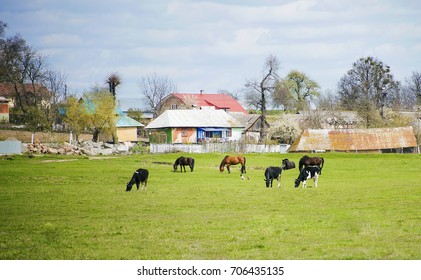
Social interaction and companionship are vital for farm animals, much like they are for humans. When animals are allowed to express their natural behaviors and form bonds with each other, they lead healthier and more content lives. This translates into better productivity, whether it be in the form of milk, eggs, wool, or companionship. Encouraging these interactions by providing adequate space and enrichment activities is a cornerstone of a successful farm life.
Safety and security are paramount to building a harmonious farm environment. Protecting animals from predators and ensuring they have safe shelters helps reduce stress and promotes well-being. Moreover, implementing effective fencing and housing solutions not only safeguards the animals but also defines the farm’s boundaries, creating a structured environment where both animals and humans can interact peacefully.
Nutrition and health care are the bedrock of animal welfare. By offering well-balanced diets tailored to each species and maintaining regular check-ups with veterinarians, farmers ensure that their animals remain healthy and robust. Recognizing the signs of illness early and seeking professional advice when needed can prevent minor issues from becoming significant health problems.

Ultimately, building a harmonious farm life involves a commitment to continuous learning and adaptation. As we gain more insights into animal behavior and well-being, we can refine our practices to better meet the needs of the animals on the farm. Embracing new techniques and technologies, while respecting traditional methods, allows farmers to create a sustainable and nurturing environment for all farm inhabitants.
In conclusion, a harmonious farm life is a tapestry of thoughtful planning, compassionate care, and a deep respect for the natural world. By focusing on the well-being of the animals on the farm, we contribute to a healthier planet and foster a community where both animals and humans can flourish. As you embark on your journey of raising farm animals, may you find joy and fulfillment in the small but magical lives you touch every day.
WildWhiskers is a dedicated news platform for animal lovers around the world. From heartwarming stories about pets to the wild journeys of animals in nature, we bring you fun, thoughtful, and adorable content every day. With the slogan “Tiny Tails, Big Stories!”, WildWhiskers is more than just a news site — it’s a community for animal enthusiasts, a place to discover, learn, and share your love for the animal kingdom. Join WildWhiskers and open your heart to the small but magical lives of animals around us!