





In the vibrant tapestry of the animal kingdom, yellow animals stand out as captivating performers, wielding their brilliant hues with an array of survival strategies. From the mesmerizing camouflage techniques of sand crabs blending seamlessly with their sun-kissed surroundings to the stark warnings of toxicity that poison dart frogs brandish through their vivid pigmentation, the color yellow serves as both a shield and a sword in the wild. But it’s not just about defense; yellow can also be a siren call in the dance of attraction, drawing mates with its irresistible allure. As we delve into the fascinating world of yellow animals, we uncover the complex interplay of color and survival, exploring how these creatures harness their radiant tones to thrive amidst nature’s challenges. This journey through the lens of evolution not only reveals the ingenious use of color as a survival tool but also underscores the importance of preserving the biodiversity that paints our planet.
The Role of Yellow in Animal Camouflage
How Yellow Blends with Natural Surroundings
In the vibrant tapestry of nature, yellow animals have mastered the art of blending in with their surroundings, despite their seemingly conspicuous color. While it might seem counterintuitive, the color yellow can provide exceptional camouflage in certain environments. For instance, in regions where sunlight filters through leaves, creating a dappled effect of light and shadow, yellow can mimic the sunlit patches, allowing animals to remain concealed from predators. This is particularly true in areas such as tropical forests or grassy landscapes where the interplay of light and shadow is constant and dynamic.
Moreover, in sandy or arid environments, shades of yellow can mimic the hues of dry grasses or sand. Here, the subtlety of yellow serves as a protective shield, enabling animals to avoid detection by predators. This natural blending is not just a survival tactic but also a testament to the incredible adaptability of wildlife in using color for their advantage.
Examples of Animals Using Yellow for Camouflage
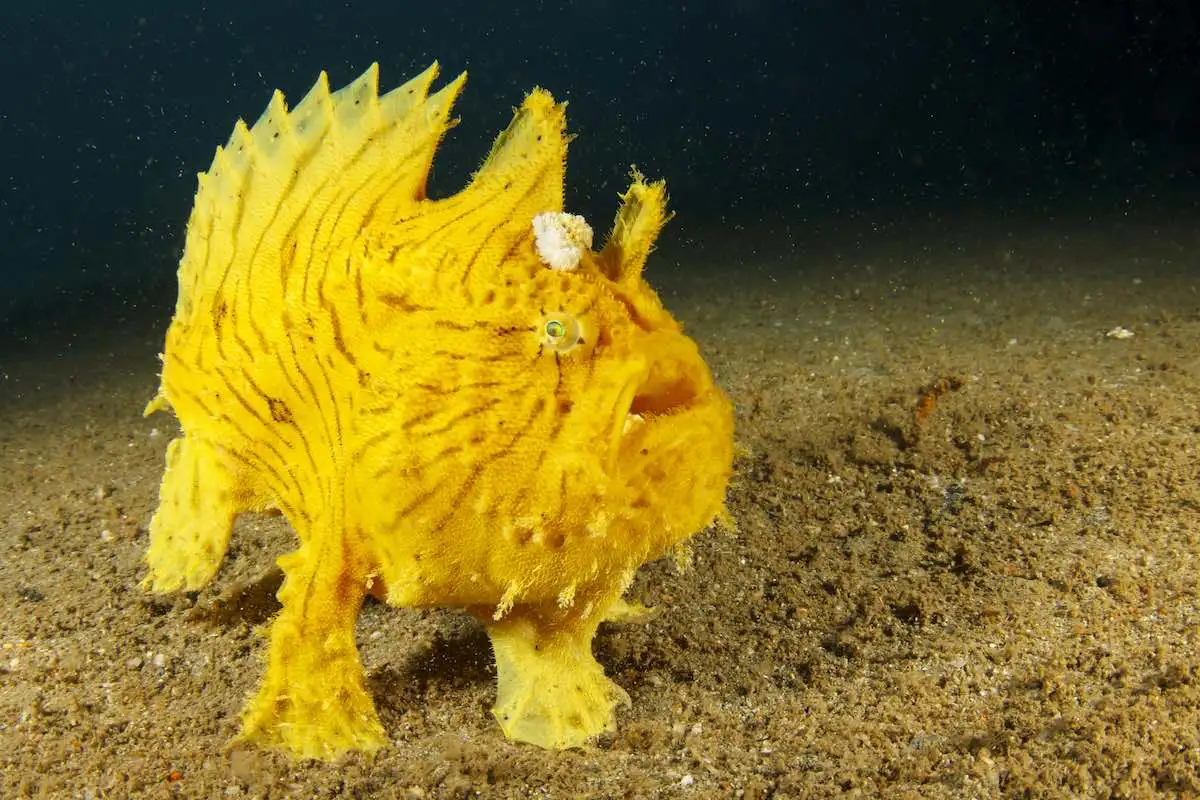
Several fascinating examples illustrate how yellow animals utilize their coloration to stay hidden from threats. The yellow sand crab, for instance, is a master at disappearing against the golden sands of beaches. Their pale yellow shells reflect the beach’s natural hue, making them nearly invisible to both predators above and prey below. This form of camouflage is crucial for their survival, allowing them to scuttle along the shore without drawing attention.
In desert habitats, certain bird species exhibit yellow plumage that mirrors the sunbaked landscape. The desert lark, with its subtle yellow and brown feathers, can easily blend into the background of dry grasses and sunlit rocks. This natural disguise not only helps them avoid predators but also assists in sneaking up on prey.
Another example is the yellow tree frog, which uses its bright coloration to blend in with sun-dappled leaves in the rainforest canopy. This clever use of color allows the frog to remain undetected by predators while also providing camouflage when hunting insects.
These instances demonstrate the remarkable ways in which yellow animals have evolved to leverage their color for survival, using nature’s palette to their advantage.

Warning Signals: The Bright Yellow Alert
Toxicity and Predators: A Defensive Mechanism
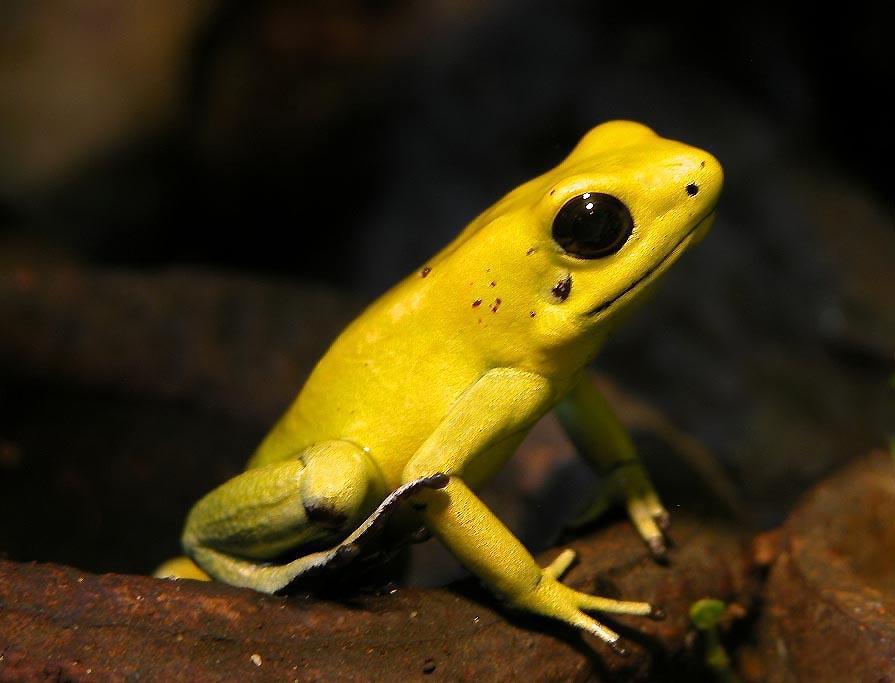
In the wild, yellow animals often use their striking coloration as a defensive mechanism against predators. This phenomenon, known as aposematism, is a strategy where bright colors signal danger. The vibrant hue of yellow serves as a universal warning sign, indicating that an animal might be toxic or unpalatable. For instance, the poison dart frog is an excellent example of this strategy. Its bright yellow skin is laced with potent toxins that can deter even the most persistent predators. Similarly, some species of snakes and insects, like the yellow-banded poison dart frog and the yellowjacket wasp, rely on their bold yellow patterns to signal their potential danger, effectively keeping predators at bay.
These yellow animals have evolved to maximize their survival through this visually arresting coloration, which acts as a natural deterrent. Predators quickly learn to associate the vivid yellow color with a negative experience, such as a nasty taste or a harmful sting, and therefore avoid these creatures in the future.

The Science Behind Warning Coloration
The science of warning coloration is fascinating and underscores the complexity of evolutionary adaptations. The bright yellow coloration seen in many animals is often the result of specific pigments or structural coloration. Pigments such as carotenoids are responsible for the yellow tones in many species. These chemicals can be either synthesized by the animals themselves or obtained through their diet, as seen in birds that consume carotenoid-rich foods.
The effectiveness of warning coloration is deeply rooted in evolutionary biology. Predators that ignore these signals and attempt to prey on yellow animals often experience negative consequences, such as illness or injury. Over time, natural selection favors those predators that heed these warnings, leading to a widespread understanding in the animal kingdom that bright colors, especially yellow, often equate to danger.
Scientific studies have shown that warning coloration is not only a passive defense mechanism but can also be an active part of an animal’s behavior. Some species, for example, will display their yellow patterns more prominently when threatened, further reinforcing the message of danger. This dynamic interplay between predator and prey showcases the intricate dance of survival in the wild, where color plays a pivotal role.

Attraction and Mating: The Allure of Yellow
In the vibrant tapestry of the animal kingdom, yellow animals often play a fascinating role in attraction and mating. The allure of yellow is not merely an aesthetic choice but a strategic evolutionary adaptation that plays a crucial role in the survival and continuation of species.
How Yellow Attracts Mates in the Animal Kingdom
The color yellow, with its bright and eye-catching properties, acts as a beacon for attracting mates. Many animals utilize this color to stand out in their natural habitats, signaling vitality and genetic fitness to potential partners. In the dense and lush environments where some of these animals reside, such as tropical rainforests, the ability to be visually distinctive can be a significant advantage during mating seasons.
Birds, particularly, leverage the brilliance of yellow in their plumage. The male American Goldfinch, for instance, dons a vivid yellow coat during the breeding season, which not only highlights its health and vigor but also makes it more attractive to females. Similarly, among insects, certain butterfly species, like the Clouded Yellow, flaunt their striking yellow wings to catch the attention of potential mates during their elaborate courtship displays.

Case Studies: Yellow in Mating Rituals
To further understand the role of yellow in mating rituals, let’s delve into some remarkable examples. The Great Yellow Mormon butterfly, native to Southeast Asia, is a prime example of how coloration influences mating behavior. During mating rituals, the males showcase their dazzling yellow patterns as they dance around females, a display that is both a courtship and a competitive show to ward off rival males.
In the aquatic realm, the Yellow Tang fish is another intriguing case. These fish are often seen in pairs or small groups, where their bright yellow coloration plays a pivotal role in social interactions and mate selection. The vivid hue serves not only to attract mates but also to maintain social bonds within their schools.

Through these examples, it’s evident that the strategic use of yellow in the animal kingdom goes beyond mere survival; it is also a crucial element in the complex dance of attraction and mating. The vivid yellows serve as a universal language of allure, conveying messages of health, vitality, and desirability across diverse species and ecosystems. As we observe these fascinating behaviors, yellow animals continue to teach us about the intricate balance between beauty, functionality, and evolution in the natural world.
Yellow as a Tool for Temperature Regulation
The vibrant hues of yellow animals in the wild often serve more than just an aesthetic function. Beyond camouflage and mating, yellow pigmentation can play a crucial role in temperature regulation. This function is particularly important for animals residing in environments where temperature fluctuations are significant.
The Physical Benefits of Yellow Pigmentation
Yellow pigmentation can significantly influence an animal’s ability to regulate its body temperature. In regions where sunlight is intense, having a lighter-colored surface can help in reflecting sunlight rather than absorbing it, which is particularly advantageous for small animals or those with a higher surface area to volume ratio. This reflection helps in maintaining a stable body temperature, preventing overheating, which can be a vital factor for survival in arid or tropical environments.
For example, certain desert reptiles and birds exhibit yellow tones on their bodies which help them stay cool under the blazing sun. The ability to reflect light rather than absorb it allows these animals to conserve energy and water, crucial resources in harsh climates. This adaptation showcases the evolutionary ingenuity of yellow animals in responding to environmental challenges.

Studies on Yellow Pigmentation and Heat Absorption
Scientific studies have delved into how different colors absorb varying amounts of heat. Darker colors, such as black or brown, tend to absorb more heat, making them less suitable for animals in hot environments. In contrast, yellow and other lighter colors absorb less heat, offering a natural advantage for temperature regulation.
Research conducted on yellow animals like certain species of butterflies and insects demonstrates that their lighter pigmentation allows them to thrive in sunny habitats. These studies indicate that yellow pigmentation can help these creatures maintain optimal body temperatures, thereby enhancing their survival prospects.
Moreover, this attribute of yellow pigmentation is not just limited to terrestrial animals. Aquatic creatures, such as the Yellow Tang fish, benefit from their coloration by regulating heat absorption in the sunlit shallows of tropical reefs. This ability to maintain a stable internal temperature is essential for their metabolic processes and overall health.
In summary, the yellow coloration seen in many animals is a testament to nature’s adaptability. By acting as a tool for temperature regulation, these yellow hues offer an evolutionary edge, ensuring these animals remain resilient in the face of environmental challenges. The intricate relationship between color and survival continues to inspire and educate us about the complexities of life on Earth.
Lessons from Nature: What Yellow Animals Teach Us
Insights into Evolutionary Adaptations
The world of yellow animals presents a fascinating glimpse into the wonders of evolution. These creatures, vibrant and conspicuous, have mastered the art of survival through their striking coloration. The color yellow, while seemingly bold and attention-grabbing, serves as a testament to the adaptive genius of nature. Through millions of years, various species have evolved to use yellow pigmentation as a strategic advantage in their environments. For some, like the poison dart frog, the bright yellow hue serves as a warning to potential predators, signaling toxicity and danger. This evolutionary tactic, known as aposematism, is a classic example of nature’s way of ensuring survival through visual communication.
Beyond warnings, yellow animals also use their coloration for camouflage. In certain habitats, yellow can blend seamlessly with the environment. For instance, the yellow sand crabs that inhabit sunlit beaches or the golden hues of desert-dwelling reptiles demonstrate how effective yellow can be in hiding from predators. These adaptations are not random but are instead a result of selective pressures that have honed these species’ survival tactics over time. Each splash of yellow on an animal’s body tells a story of evolutionary success, showcasing the dynamic interplay between species and their ecosystems.
The Importance of Biodiversity and Conservation
Studying yellow animals provides invaluable lessons on the importance of biodiversity and conservation. Each species, with its unique adaptations and ecological roles, contributes to the intricate web of life. The loss of even a single species can have cascading effects on entire ecosystems, highlighting the need for preserving biodiversity. Yellow animals, like the endangered Yellow Warbler, are often indicators of environmental health. Their presence or absence can signal changes in the ecosystem, alerting us to issues like habitat loss or climate change.
Conservation efforts become even more crucial as human activities continue to threaten these vibrant species. Protecting habitats, reducing pollution, and promoting sustainable practices are essential steps in ensuring that future generations can also marvel at the beauty and diversity of yellow animals. By understanding and valuing the lessons these creatures teach us, we can foster a deeper appreciation for the natural world and work towards a future where biodiversity thrives.

In conclusion, the study of yellow animals not only enriches our understanding of evolutionary biology but also underscores the urgency of conservation. By learning from these creatures, we embrace the responsibility to protect the delicate balance of our planet’s ecosystems.
WildWhiskers is a dedicated news platform for animal lovers around the world. From heartwarming stories about pets to the wild journeys of animals in nature, we bring you fun, thoughtful, and adorable content every day. With the slogan “Tiny Tails, Big Stories!”, WildWhiskers is more than just a news site — it’s a community for animal enthusiasts, a place to discover, learn, and share your love for the animal kingdom. Join WildWhiskers and open your heart to the small but magical lives of animals around us!