










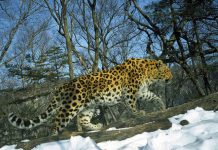
Embark on a journey across the globe and dive into the fascinating world of land animals. These incredible creatures, thriving in a variety of environments, paint a vibrant picture of Earth’s diverse ecosystems. From the vast, sun-drenched African savannas teeming with grassland animals like majestic elephants and agile cheetahs, to the lush, mysterious realms of South America’s rainforests, every continent offers a unique tapestry of life.
In the steppes of Asia, discover the resilient wildlife that has adapted to life in one of the planet’s most expansive biomes, and witness the profound impact of human activity on these delicate habitats. Venture into the enigmatic Australian Outback, where survival means mastering the art of thriving in arid conditions, and meet the extraordinary endemic species that call this harsh environment home.
North America, with its diverse ecosystems ranging from dense forests to arid deserts and sprawling plains, showcases a mosaic of life that reflects both the beauty and fragility of nature. Here, conservation efforts strive to preserve these precious habitats for future generations.
As you read on, you’ll uncover the intricate relationships between these land animals and their environments, understanding why they are essential to maintaining ecological balance. This blog invites you to appreciate the wonders of nature, and to consider the roles we play in safeguarding these habitats. Dive deep into the wonders of our planet’s terrestrial wildlife and learn how each creature, no matter how small or large, contributes to the grand symphony of life on Earth.
The Majestic African Savannas
The African Savannas are a quintessential representation of Earth’s terrestrial wildlife, where the vast expanses of grasslands stretch under the golden sun, creating a habitat teeming with life. These regions are not just a backdrop to the circle of life but a stage for some of the most iconic species known globally. The savannas offer a unique environment that supports a diverse array of land animals, each adapted to the challenges and opportunities presented by this ecosystem.
Iconic Species of the African Plains
The African savannas are home to an impressive roster of species, each contributing to the ecosystem’s dynamic balance. Among these, the African elephant, known as the largest land animal on Earth, plays a pivotal role. These gentle giants are crucial for maintaining the savanna ecosystem by creating clearings in woodlands and providing water access for other species during dry spells.
Equally iconic are the lions, often referred to as the kings of the savanna. These apex predators are essential for controlling the population of herbivores, ensuring that no single species dominates the landscape. The synchronized hunt of a lion pride is a testament to their social structure and hunting prowess.
The cheetah, renowned as the fastest land animal, relies on its speed and stealth to catch prey, while the zebra and giraffe add to the savanna’s picturesque scenery. Zebras, with their distinctive striped patterns, serve as a classic example of adaptation for camouflage against predators, while giraffes, the tallest land animals, utilize their height to reach leaves high up in acacia trees, avoiding competition for food at ground level.

African savanna with elephants and lions in their natural habitat
Adaptations to the Savanna Climate
Surviving in the savanna requires a set of finely-tuned adaptations due to its unique climate, characterized by distinct wet and dry seasons. The species found here have evolved various strategies to thrive in such an environment.
The African elephant is well-adapted to the savanna’s extremes. Its large ears not only help cool the body by dissipating heat but also serve as a means of communication. Elephants use low-frequency sounds to communicate over long distances, an adaptation essential for navigating the vast savanna landscape.
The lion has developed a social structure that maximizes hunting efficiency and provides protection for cubs. Living in prides, lions can take down larger prey, such as buffalo, which would be impossible for a solitary hunter. This social aspect is a critical adaptation for survival in the savanna.
The cheetah’s slender body and long legs are perfect for high-speed pursuits, although these adaptations come at the cost of reduced strength compared to other big cats. To conserve energy, cheetahs often rest under the sparse trees or tall grasses during the hottest parts of the day.
Moreover, species like the wildebeest and zebra engage in massive migrations across the savanna. Following the rain, these migrations are a survival tactic to exploit the seasonal availability of water and grazing grounds.

Cheetah showcasing its incredible speed in the African savanna
The savanna’s grassland animals, from the towering giraffe to the swift cheetah, embody the beauty and resilience of Earth’s land animals. Their adaptations not only highlight the complexity of the savanna ecosystem but also underscore the importance of preserving these majestic landscapes for future generations.
The Rich Biodiversity of South American Rainforests
The South American rainforests are a treasure trove of life, brimming with an astonishing array of land animals. These lush landscapes, dominated by the Amazon Basin, serve as a vital component of Earth’s ecological balance. The biodiversity found here is unparalleled, providing a home to countless species, many of which are yet to be fully understood or even discovered. The intertwined networks of flora and fauna create a thriving ecosystem that is both intricate and breathtaking.
Unique Fauna of the Amazon Basin
The Amazon Basin is often referred to as the “lungs of the Earth”, and for good reason. It harbors an immense variety of land animals that contribute to its vibrant ecosystem. Among the most fascinating are the jaguars, which are apex predators known for their strength and agility. These majestic creatures rely on the dense forest to stalk and ambush their prey, showcasing the intricate predator-prey relationships that sustain the forest’s ecological balance.
Another captivating inhabitant is the sloth, a symbol of the rainforest’s unique adaptation strategies. Sloths are remarkably slow-moving mammals that spend most of their lives hanging upside down in the treetops. Their slow metabolism and algae-covered fur provide effective camouflage, protecting them from predators. This adaptation highlights the evolutionary marvels that the Amazon nurtures.

A jaguar prowling through the dense Amazon rainforest
The Amazon Basin is also home to a myriad of bird species, like the vibrant macaws and toucans. These birds not only add bursts of color to the canopy but also play a crucial role in seed dispersal, maintaining the diversity of plant life. The symphony of bird calls reverberates through the forest, a testament to the richness of avian life in the region.
The Role of Rainforests in Global Ecology
Rainforests, particularly the Amazon, are indispensable to our planet’s ecological health. They act as major carbon sinks, absorbing vast amounts of carbon dioxide and producing oxygen, thus mitigating the effects of climate change. This function makes them vital allies in the fight against global warming, illustrating the interconnectedness of ecosystems worldwide.
Moreover, rainforests are reservoirs of genetic diversity. The vast array of species found here holds potential for scientific breakthroughs in medicine, agriculture, and biotechnology. The discovery of new plant compounds could lead to revolutionary treatments for diseases, showcasing the rainforest’s role as a natural laboratory.
Rainforests also regulate weather patterns, influencing rainfall and maintaining regional climate stability. Their dense canopies intercept rainwater, allowing it to slowly percolate into the ground, replenishing aquifers and supporting river systems. This hydrological cycle is crucial for both local communities and the broader environment.

The dense canopy of the Amazon rainforest
However, the rich biodiversity of these rainforests faces significant threats from deforestation and human encroachment. The loss of these habitats results in the decline of land animals and disrupts the delicate balance that sustains global ecology. Conservation efforts are essential to preserve these irreplaceable ecosystems. International cooperation, sustainable practices, and local community engagement are pivotal in safeguarding the rainforests for future generations.
In conclusion, the South American rainforests are not just a sanctuary for unique and diverse land animals, but they are also a cornerstone of global ecological stability. Their preservation is essential for maintaining biodiversity and ensuring the health of our planet. As we continue to explore and understand these complex ecosystems, it becomes increasingly clear that the survival of rainforests is intricately linked to our own.
The Vast Wilderness of the Asian Steppes
The Asian steppes stretch across vast expanses of Eurasia, offering a unique glimpse into one of the world’s most extensive and diverse grassland ecosystems. Known for their rolling plains and sparse vegetation, the steppes are home to a fascinating array of land animals that have adapted to this challenging environment. This region, often referred to as the “sea of grass,” provides a critical habitat for numerous species, each contributing to the delicate balance of the ecosystem.
Indigenous Wildlife of the Steppes
The Asian steppes are home to an incredible variety of indigenous wildlife, each uniquely adapted to the open and often harsh conditions of the region. Among the most iconic inhabitants are the Mongolian gazelles, which roam the grasslands in large herds, showcasing speed and endurance that are crucial for survival in such an expansive habitat. These animals are not just symbols of the steppes but also play a crucial role in maintaining the ecological balance by grazing on the grasses and dispersing seeds.
Another fascinating resident of the steppes is the Saiga antelope, with its distinctive humped nose, which helps filter out dust during the dry season and warms the cold air in winter. This remarkable adaptation highlights the ingenuity of nature in enabling species to thrive despite environmental challenges.
The steppes also host several predatory species, such as the steppe eagle and the elusive Pallas’s cat. These predators are vital for controlling the populations of smaller herbivores and maintaining the health of the ecosystem. The Pallas’s cat, with its thick fur and short ears, is well-suited for the cold climate of the steppes and is a perfect example of the unique adaptations found in grassland animals.

A herd of Mongolian gazelles grazing on the vast Asian steppes
Impact of Human Activity on Steppe Habitats
Despite the resilience of the steppe ecosystem, human activity has significantly impacted these regions. One of the most pressing issues is habitat loss due to agricultural expansion and urban development. As humans convert grasslands into farmland and cities, the natural habitat of many species is disrupted, leading to population declines and, in some cases, endangerment or extinction.
Another critical threat is overgrazing by domesticated livestock, which can lead to soil degradation and desertification. As more land is used for grazing cattle and sheep, the delicate balance of the steppe ecosystem is disturbed, reducing the availability of resources for native species. This competition for resources often results in the displacement of indigenous wildlife and a decline in biodiversity.
Moreover, climate change poses a significant threat to the steppes. Alterations in temperature and precipitation patterns can affect the growth of grasses and other vegetation, impacting the entire food chain. Species that depend on specific climatic conditions may find it difficult to survive, leading to shifts in species distribution and ecosystem dynamics.
Conservation efforts are essential to protect the Asian steppes and their unique wildlife. Strategies such as establishing protected areas, promoting sustainable agricultural practices, and raising awareness about the importance of these ecosystems can help mitigate the adverse effects of human activity. By embracing these initiatives, we can ensure that the rich biodiversity of the steppes continues to thrive for future generations.

A majestic steppe eagle soaring over the Asian grasslands
The Enigmatic Australian Outback
Endemic Species of the Outback
The Australian Outback is a vast, remote, and iconic landscape, known for its striking red deserts, rugged terrain, and unique wildlife. This region is home to a remarkable array of endemic species—creatures found nowhere else on Earth. The Outback’s harsh conditions have led to the evolution of animals that are incredibly resilient and fascinating.
One of the most iconic inhabitants of the Outback is the Red Kangaroo. As the largest marsupial on the planet, red kangaroos have adapted to the arid environment by developing powerful hind legs that allow them to cover great distances in search of food and water. Their keen sense of hearing and excellent vision help them detect predators, while their ability to go without water for extended periods showcases their incredible adaptability.
Another quintessential Outback creature is the Emu, Australia’s largest bird. Emus are flightless but possess strong legs, enabling them to run at speeds up to 50 kilometers per hour. This speed is vital for escaping predators and covering large areas in search of sustenance.

The Thorny Devil, a small lizard with a fearsome appearance, is another fascinating endemic species. Its spiny exterior serves as both camouflage and protection from predators. The thorny devil has a unique adaptation that allows it to collect moisture from the morning dew or rainfall, channeling it directly to its mouth through grooves on its skin.
In addition to these remarkable animals, the Outback is home to a wide variety of other species, including the nocturnal Bilby, the elusive Numbat, and the peculiar Platypus. Each of these animals contributes to the rich tapestry of life in the Outback, highlighting the incredible diversity of land animals in this unique ecosystem.
Survival Strategies in Arid Environments
Surviving in the arid environments of the Australian Outback requires specialized adaptations and strategies. The extreme temperatures, scarce water sources, and limited food supply present significant challenges. However, the animals of the Outback have evolved remarkable strategies to thrive in these harsh conditions.
One of the key survival strategies is water conservation. Many Outback animals, like the red kangaroo, can survive on minimal water by extracting moisture from their food and minimizing water loss through efficient metabolic processes. Some, like the thorny devil, have developed unique ways to absorb and store water directly from the environment.
Nocturnal behavior is another common adaptation. Many animals, such as the bilby and the spinifex hopping mouse, are active during the cooler night hours, avoiding the intense heat of the day. This behavior not only conserves energy but also reduces the risk of dehydration.
In terms of finding food, opportunistic feeding is a vital strategy. Outback animals often have varied diets and can switch food sources based on availability. The emu, for instance, is an omnivore, consuming a wide range of plants and insects, which allows it to adapt to the changing availability of food in its environment.
Lastly, the ability to hibernate or enter a state of torpor during extreme conditions is a crucial survival tactic. The fat-tailed dunnart, a small marsupial, can lower its metabolic rate to conserve energy and survive during periods of food scarcity.
The survival strategies of the Outback’s land animals are a testament to nature’s ingenuity and resilience. They highlight the incredible adaptations that allow life to flourish even in the most challenging environments, emphasizing the importance of understanding and preserving these unique ecosystems for future generations.
The Diverse Ecosystems of North America
North America is a continent of extraordinary diversity, where ecosystems range from lush forests to arid deserts and expansive plains. This diversity supports a remarkable variety of land animals, each uniquely adapted to their specific environment. Understanding these ecosystems provides valuable insights into the continent’s rich biodiversity and the conservation efforts necessary to protect it.
Forests, Deserts, and Plains: A Continental Overview
North America’s varied climates and landscapes create a mosaic of ecosystems, each hosting distinct communities of flora and fauna. Forests, both deciduous and coniferous, stretch across large swathes of the continent, providing habitats for numerous species. In the eastern United States, the Appalachian forests are home to black bears, white-tailed deer, and a myriad of bird species. Meanwhile, the towering conifers of the Pacific Northwest shelter elk, cougars, and the emblematic bald eagle.

A dense North American forest teeming with wildlife
Deserts, such as the Mojave and Sonoran, offer a stark contrast with their arid landscapes. Despite the harsh conditions, these deserts are alive with specially adapted species like the coyote, rattlesnake, and the iconic roadrunner. These animals have evolved remarkable adaptations to survive in such extreme environments, from water retention strategies to nocturnal lifestyles.
The Great Plains, often referred to as the “breadbasket of the world,” are vast grasslands that once echoed with the thunder of bison herds. Today, these plains support a variety of grassland animals, such as pronghorn antelope and prairie dogs, which play crucial roles in maintaining the ecological balance of the region.

Bison grazing in the vast plains of North America
Conservation Efforts in North American Habitats
With such a diverse array of ecosystems, North America faces unique conservation challenges. Human activities, such as urbanization, agriculture, and climate change, pose significant threats to these habitats and their inhabitants. However, numerous initiatives are underway to mitigate these impacts and preserve the continent’s natural heritage.
One of the most effective conservation strategies has been the establishment of protected areas, such as national parks and wildlife reserves. Yellowstone National Park, for example, plays a critical role in preserving the Greater Yellowstone Ecosystem, home to grizzly bears, wolves, and herds of elk and bison. These protected spaces not only safeguard wildlife but also provide opportunities for scientific research and public education.

Wildlife thriving in the protected expanses of Yellowstone National Park
Efforts to restore and rewild landscapes have also gained momentum. Initiatives like the American Prairie Reserve aim to restore large tracts of the Great Plains to their natural state, reintroducing native species and promoting biodiversity. These projects demonstrate the potential for successful conservation strategies that balance ecological restoration with human interests.
Moreover, conservationists are increasingly focusing on community engagement and education. By involving local communities in conservation efforts, these programs foster a deeper understanding and appreciation of natural ecosystems. Educational initiatives highlight the importance of biodiversity and the role individuals can play in its preservation.
In conclusion, North America’s ecosystems are a testament to the continent’s natural wealth and complexity. Through a combination of protected areas, restoration projects, and community involvement, significant strides are being made to ensure the survival of its diverse land animals and habitats. As stewards of this rich ecological tapestry, it is crucial that we continue to support and expand these efforts for the benefit of both current and future generations.
Embracing the Global Diversity of Land Animals
In the vast tapestry of Earth’s ecosystems, land animals play a crucial role in maintaining the balance and health of our planet. From the iconic lions of the African savannas to the elusive snow leopards of the Asian mountains, each species contributes to the intricate web of life that sustains our world’s biodiversity. As we journey through various continents, we uncover not only the fascinating adaptations these animals have developed but also the unique challenges they face in their respective habitats.
Celebrating the Remarkable Adaptations of Land Animals
Across the globe, land animals have evolved extraordinary adaptations to thrive in their environments. In the African savannas, the elephant’s large ears serve as natural fans, helping to regulate body temperature in the scorching heat. Meanwhile, in the cold expanses of the Arctic, the polar bear’s thick fur and layer of blubber provide essential insulation against freezing temperatures. These adaptations illustrate the resilience and ingenuity of wildlife in overcoming environmental challenges to survive and prosper.
The Intricate Web of Ecosystems
Each land animal is a vital thread in the ecosystem it inhabits. For instance, the presence of keystone species such as wolves in North American forests helps maintain the population balance of prey species, which in turn influences vegetation and other wildlife. The grassland animals like bison and prairie dogs in the Great Plains play a similar role, shaping the landscape and fostering biodiversity through their grazing patterns and burrowing activities.

Bison grazing in the vast grasslands of North America
The Role of Conservation in Protecting Biodiversity
The global diversity of land animals is under threat from habitat loss, climate change, and human interference. Conservation efforts have become paramount to safeguarding these species and their habitats. Protected areas like the Serengeti and Yellowstone National Park serve as sanctuaries for wildlife, allowing animals to roam freely and safely. Moreover, international agreements and local initiatives strive to combat illegal wildlife trade and promote sustainable practices that align with ecosystem preservation.
Connecting with Land Animals: A Call to Action
As stewards of the Earth, it is our responsibility to appreciate and protect the rich diversity of land animals. By supporting conservation efforts and educating ourselves and others about the importance of these creatures, we can ensure that future generations will also have the opportunity to marvel at their beauty and significance. Whether through visiting national parks, participating in wildlife conservation programs, or simply spreading awareness, each action contributes to the global effort to embrace and preserve the diversity of life on land.
In conclusion, the world of land animals is a testament to nature’s creativity and resilience. From arid deserts to lush rainforests, these creatures inspire us with their ability to adapt and survive against all odds. By embracing this diversity, we not only enrich our understanding of the natural world but also reinforce our commitment to protecting it.
Join us at WildWhiskers in celebrating the wonders of land animals. As a dedicated platform for animal lovers, we bring you stories that touch the heart and inspire action. Together, we can make a difference for our planet’s incredible wildlife. “Tiny Tails, Big Stories!” is more than just a slogan—it’s an invitation to open your heart to the magic of the animal kingdom.