











In the soaring heights where the air thins and temperatures drop, a world of incredible resilience unfolds—a realm where mountain animals have carved out niches in some of the planet’s most challenging environments. From the imposing peaks of the Himalayas to the rugged Andes, these creatures defy the odds, thriving in conditions that seem inhospitable at first glance. Imagine the snow leopard, a master of stealth, its thick fur not just a shield against the cold but a testament to nature’s ingenuity. Or the Andean condor, effortlessly gliding through skies that leave most birds breathless, a symbol of life’s tenacity at high altitudes.
The journey into the world above the clouds reveals a tapestry of life marked by extraordinary adaptations. These animals, from the nimble mountain goats scaling sheer cliffs to the vibrant Himalayan monals adding splashes of color against stark backdrops, embody survival’s art form. Their stories are not just about survival; they are about thriving against the odds, navigating steep, rocky terrains, and enduring the whims of extreme weather.
As we delve deeper into this blog, we’ll explore the unique challenges that mountain ecosystems present and uncover the remarkable biodiversity that calls these altitudes home. We’ll witness how mammals, birds, reptiles, and even insects have evolved to conquer their harsh surroundings. Join us in this exploration of mountain animals—a tribute to their resilience, a call to appreciate the delicate balance of life they represent, and a reminder of the conservation efforts needed to protect these extraordinary species. The mountains, with all their grandeur and mystery, await.
Introduction to Mountain Ecosystems
Mountains are majestic formations that dominate the landscape with their towering peaks and rugged terrain. These natural wonders are not just visually stunning but are also crucial ecosystems that support a diverse array of life forms. Within these high-altitude environments, a unique set of challenges shapes the lives of the creatures that call these places home. From the snow-capped Himalayas to the vast Andes, mountain ecosystems offer a fascinating glimpse into the resilience and adaptability of nature’s creations.
The Unique Challenges of High Altitudes
Living at high altitudes is not for the faint-hearted. The conditions are extreme, and survival requires specialized adaptations. One of the most pressing challenges is the low oxygen levels. As elevation increases, the air becomes thinner, making it difficult for both animals and humans to breathe. This hypoxic environment forces mountain animals to develop physiological adaptations such as increased lung capacity or blood with a higher concentration of red blood cells to efficiently capture and transport oxygen.
Another formidable challenge is the extreme temperature fluctuations. The climate in mountain regions can swing dramatically from scorching sun to freezing cold within hours. This necessitates adaptations like thicker fur or layers of fat for insulation. The limited vegetation and food sources also pose a survival challenge, requiring animals to have efficient metabolic processes and, often, to be opportunistic feeders.
The terrain itself, characterized by steep, rocky landscapes, demands physical adaptations for climbing and navigation. Many mountain animals, such as the mountain goat, have evolved strong, agile limbs and specialized hooves that provide traction on slippery surfaces. These adaptations are essential for finding food, escaping predators, and enduring the harsh conditions.
Biodiversity in Mountain Regions
Despite these challenges, mountains are teeming with life. They are hotspots of biodiversity, often serving as sanctuaries for species that have adapted to the unique conditions. The isolation created by rugged terrains has led to high levels of endemism, where species are found nowhere else on Earth.
For instance, the Himalayas are home to the elusive snow leopard, a species that has developed a coat of thick fur and a long tail for balance. The Andes boast the Andean condor, one of the largest flying birds, adapted to the thin air with its massive wingspan that allows it to soar effortlessly over vast distances. These iconic species are just the tip of the iceberg when it comes to the rich tapestry of life supported by mountain ecosystems.
The flora in these regions is equally diverse. Many plants have developed unique adaptations to survive in nutrient-poor soils and harsh climates. Alpine flowers, for instance, are often small and grow close to the ground to avoid cold winds and conserve heat. This intricate web of life, from the tiniest insects to the largest mammals, plays a crucial role in maintaining the ecological balance.
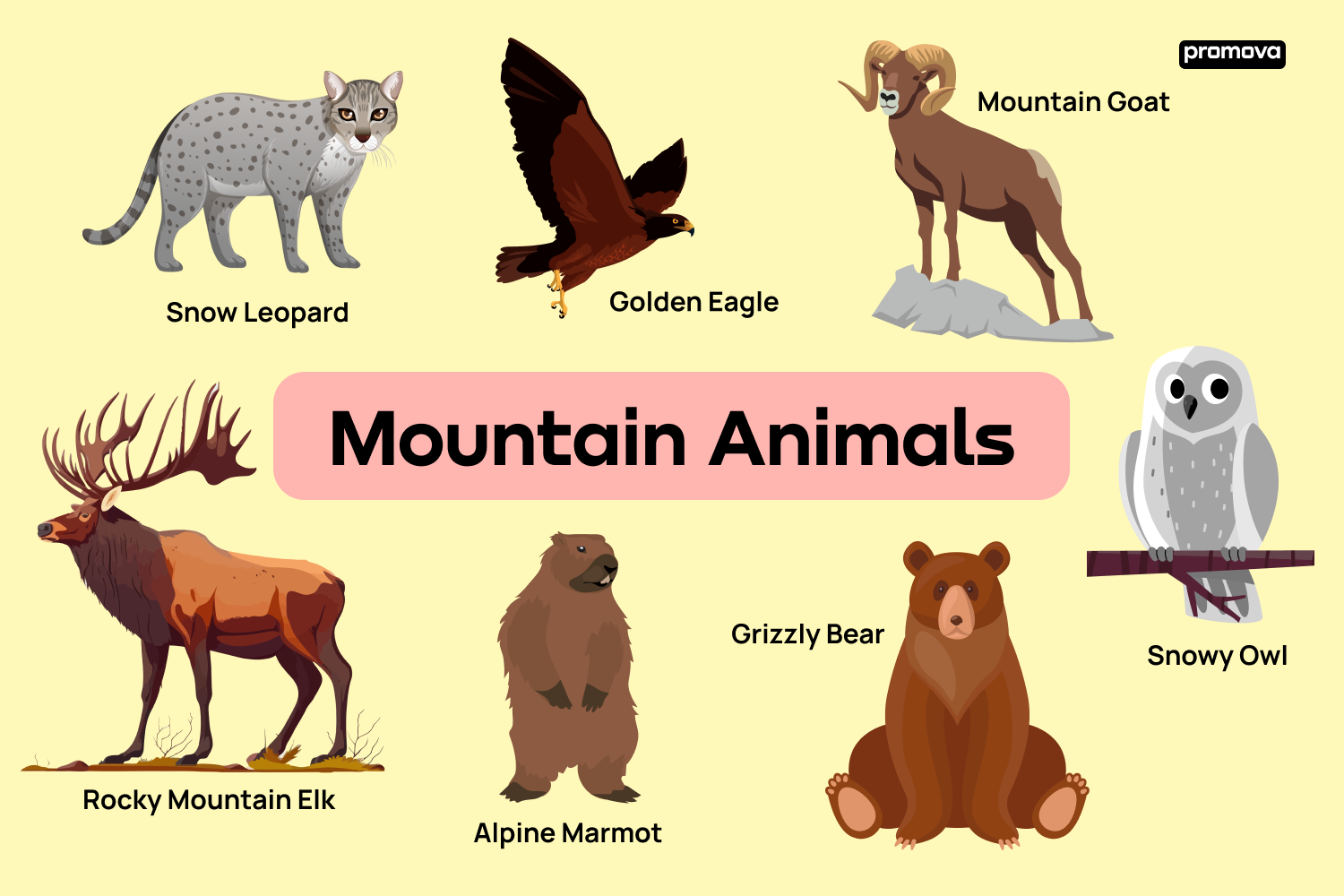
An array of wildlife including iconic mountain species thriving in a mountain region
Mountains also play a vital role in regulating climate and water cycles. They act as natural water towers, storing and releasing fresh water to surrounding lowlands, supporting millions of people and countless ecosystems. This makes the conservation of mountain ecosystems not only essential for the survival of mountain animals but also for the well-being of human populations that depend on these resources.
In summary, while mountains present a multitude of challenges, they also offer a unique environment where life can thrive against the odds. The biodiversity found in these regions is a testament to the remarkable adaptability and resilience of nature. As we continue to explore and understand these ecosystems, the importance of preserving their integrity becomes increasingly clear, ensuring that they remain a refuge for the incredible array of life they support.
Mammals of the Mountains
Mountain ecosystems are some of the most challenging environments on Earth. The mammals that call these high-altitude landscapes home have evolved remarkable adaptations to survive in the harsh conditions they face daily. From the snow-clad peaks of the Himalayas to the rugged terrains of the Rockies, these mountain animals showcase nature’s ingenuity.
Adaptations of Mountain Mammals
Survival in mountainous regions demands a unique set of adaptations due to the extreme weather conditions, limited oxygen, and scarce food resources. Mountain mammals have developed several physiological and anatomical traits to thrive in these environments.
Thicker Fur and Insulation: One of the most common adaptations is the development of a thicker coat of fur or hair. This serves as insulation against the biting cold. For instance, the Himalayan tahr has a dense undercoat beneath its long, shaggy hair, providing excellent warmth.
Enhanced Oxygen Utilization: At higher altitudes, the air is thinner, and oxygen levels are lower. Mountain mammals such as the yak have larger lung capacities and a higher count of red blood cells, enabling them to absorb more oxygen. This adaptation allows them to function effectively even in oxygen-poor conditions.
Compact Body Structure: Many mountain mammals possess a compact body shape, which minimizes heat loss. The snow leopard, for example, has a stocky build and a thick tail that it can wrap around its body to retain warmth during rest periods.
Specialized Limbs and Hooves: Navigating the steep, rocky terrains of mountains requires specialized limb structures. Mountain goats have split hooves with rough pads that provide a firm grip on rocky surfaces, allowing them to climb steep cliffs with ease. These adaptations are crucial for escaping predators and accessing food sources.
Behavioral Strategies: Beyond physical adaptations, many mountain mammals exhibit unique behavioral traits. Some species, like the Alpine ibex, are known to migrate to lower altitudes during harsh winters, while others, such as the marmot, hibernate to conserve energy.
Iconic Mountain Mammals: The Snow Leopard and Mountain Goat
Among the diverse array of mountain animals, the snow leopard and mountain goat stand out as iconic representatives of these ecosystems. Each species exemplifies the incredible adaptations required to survive at high altitudes.
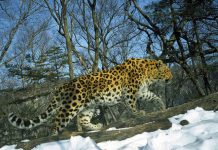
The Snow Leopard: Often referred to as the “ghost of the mountains,” the snow leopard is one of the most elusive and well-adapted predators of the high-altitude regions of Central Asia. Its thick, smoky-gray fur with black rosettes provides camouflage against the rocky terrain. The snow leopard’s long tail aids in balance when navigating narrow ledges and acts as a blanket during rest. Despite its prowess, the snow leopard is endangered, facing threats from poaching and habitat loss.
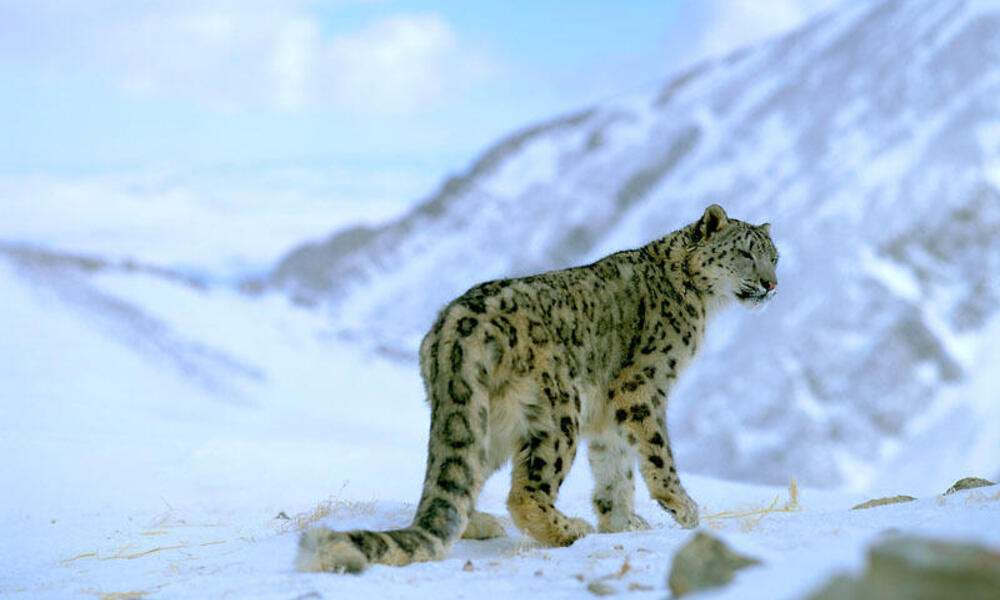
A snow leopard blending into the rocky landscape
The Mountain Goat: Found primarily in North America’s Rocky Mountains, the mountain goat is a master of vertical terrain. Its muscular build and specialized hooves allow it to traverse steep cliffs that would be daunting for most animals. The mountain goat’s thick, woolly coat protects it from the cold, while its ability to climb to great heights helps it avoid predators. Despite their name, mountain goats are more closely related to antelopes than to true goats.
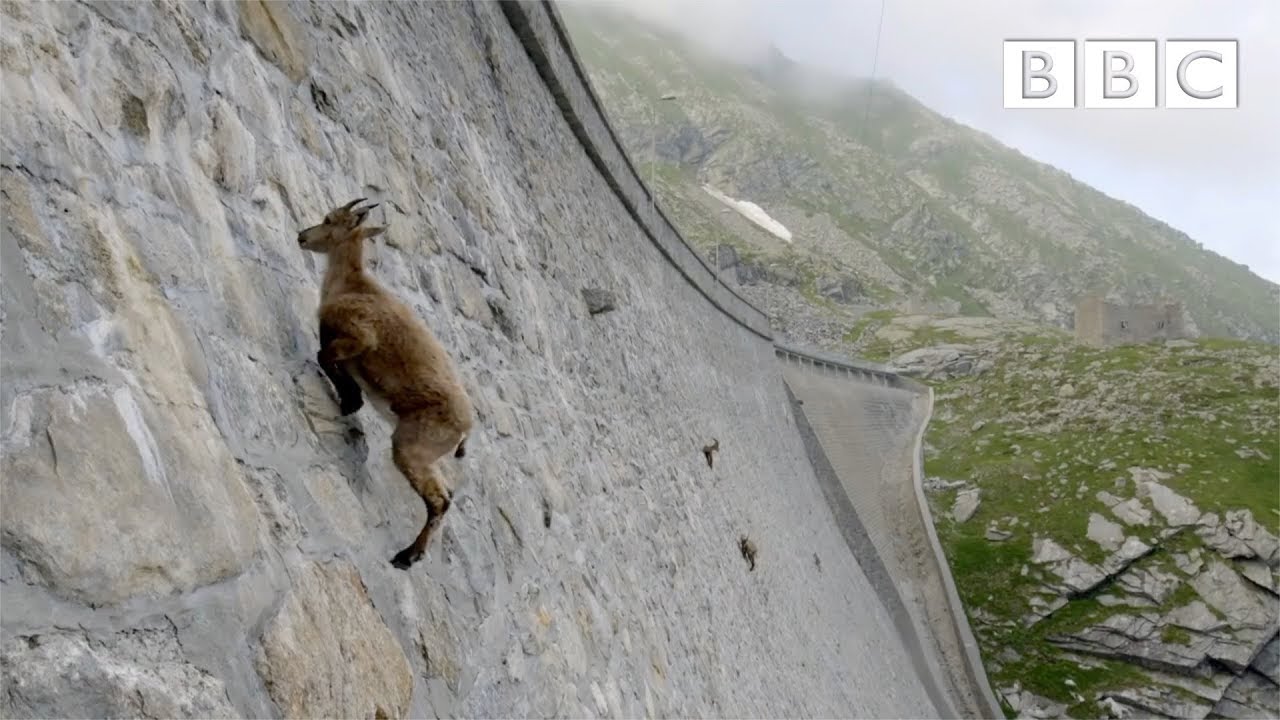
A mountain goat showcasing its climbing prowess on a rocky cliff
These mountain animals not only reveal nature’s adaptability but also the delicate balance required to sustain life in one of the world’s most challenging environments. By understanding and appreciating these adaptations, we can better appreciate the resilience and vulnerability of mountain wildlife.
Birds Thriving in Thin Air
Mountains, with their towering peaks and thin air, present a unique challenge for avian life. Yet, many bird species have evolved remarkable adaptations to thrive in these high-altitude environments. The landscape may appear barren and inhospitable, but for the birds that call these regions home, the skies are alive with opportunity.
Flight Adaptations for High Altitude
To understand how birds manage to soar above some of the world’s tallest peaks, we must first delve into the adaptations that enable them to navigate such extreme conditions. At altitudes where oxygen levels are significantly lower, birds have developed several physiological traits to ensure efficient flight and survival.
One of the most critical adaptations is the enhancement of their respiratory systems. Birds such as the Andean condor possess larger lungs relative to their body size, allowing them to extract more oxygen from the air. This increased efficiency is crucial when flying at altitudes where oxygen is scarce.
Moreover, these birds often have specialized hemoglobin that binds oxygen more effectively, ensuring that their muscles receive sufficient oxygen even in thin air. Their wings are also adapted for energy-efficient soaring, allowing them to cover vast distances with minimal effort. The large wingspan of species like the condor enables them to ride thermal updrafts, conserving energy by gliding rather than flapping continuously.
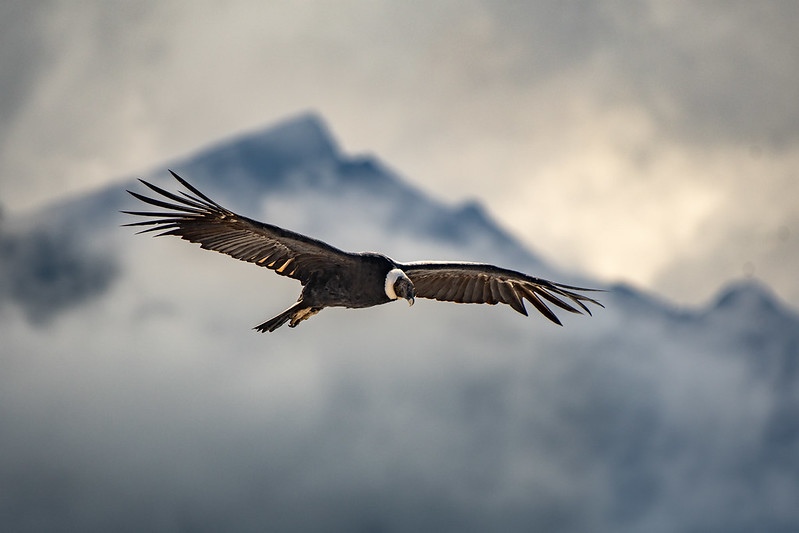
An Andean condor gracefully soaring above the mountains
Notable High-Altitude Birds: The Andean Condor and Himalayan Monal
Among the myriad of birds that dwell in mountain ecosystems, two stand out for their distinctive adaptations and roles within their environments: the Andean condor and the Himalayan monal.
The Andean condor, native to the South American Andes, is one of the largest flying birds in the world. Its impressive wingspan, which can reach over three meters, is a testament to its prowess in the skies. The condor’s ability to fly at altitudes of up to 5,500 meters is facilitated by its aforementioned physiological adaptations. This majestic bird is not only a marvel of nature but also an essential part of the Andean ecosystem, acting as a scavenger that helps maintain the health of its environment by consuming carrion.
In the Himalayas, the vibrant Himalayan monal serves as both a cultural symbol and a testament to nature’s adaptability. Known for its iridescent plumage, the monal thrives in the cold, rugged terrain of the Himalayas. Unlike the condor, the monal is a ground-dwelling bird that has adapted to forage on the forest floor, digging through the leaf litter to find insects, seeds, and plant matter. Its strong legs and curved beak are perfectly suited for this task, demonstrating the diversity of mountain animals and their specialized adaptations.
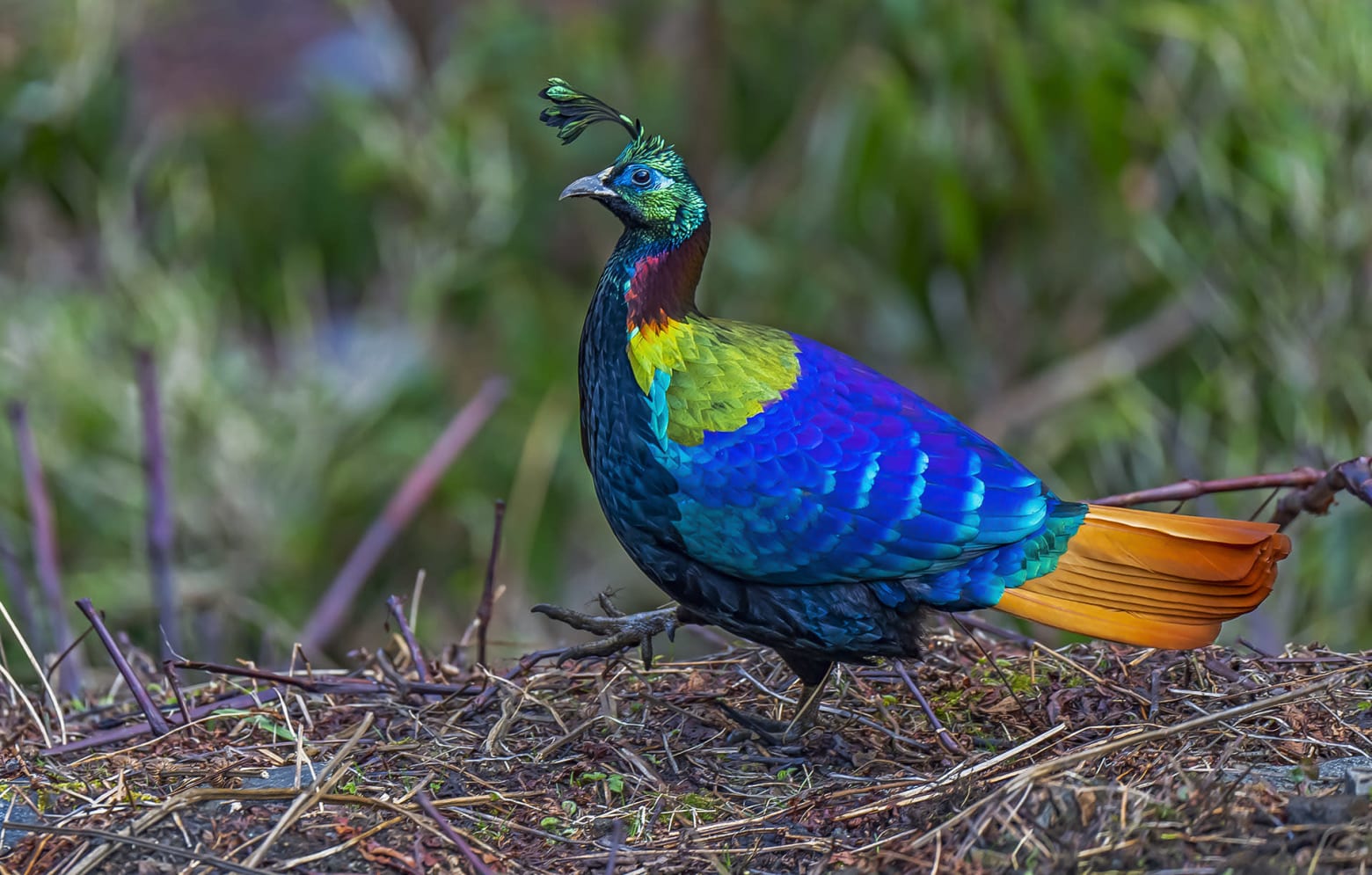
A Himalayan monal displaying its vibrant plumage in the Himalayan forests
These high-altitude birds exemplify the incredible adaptability of wildlife in mountain regions. From the soaring heights of the condor to the colorful presence of the monal, each species plays a vital role in the complex tapestry of life that thrives amid the peaks. As we continue to explore and understand these mountain animals, we gain invaluable insights into the resilience of nature and the delicate balance of mountain ecosystems.
Reptiles and Amphibians: Surviving the Chill
Mountains, with their breathtaking vistas and formidable terrains, house a surprising diversity of life. Among these are reptiles and amphibians, creatures often associated with warm, sunlit environments. Yet, these resilient animals have carved out niches at high altitudes, adapting remarkably to the cold and harsh conditions.
Cold Climate Adaptations
Reptiles and amphibians possess unique physiological and behavioral adaptations that allow them to survive in the cold, oxygen-thin air of mountainous regions. One of the most significant adaptations is their ability to regulate body temperature through behavioral means, as they are ectothermic (cold-blooded) and rely on environmental heat sources. For instance, many mountain reptiles bask in the sun during the warmer parts of the day to absorb heat and become active.
Amphibians, such as certain species of frogs and salamanders, exhibit fascinating adaptations like antifreeze proteins in their blood, which prevent ice crystal formation and allow them to survive sub-zero temperatures. Some amphibians enter a state of torpor or hibernation, reducing their metabolic rate to conserve energy during the colder months. This remarkable ability to withstand freezing conditions underscores the tenacity of mountain animals.
Reptiles, on the other hand, often have darker pigmentation, which helps them absorb heat more efficiently. This trait is particularly advantageous in high-altitude environments where sunlight is more intense but ambient temperatures remain low. By absorbing and retaining heat, these animals can maintain a body temperature conducive to survival and activity.

Reptiles absorbing heat in a mountain environment
Examples of Mountain Reptiles and Amphibians
Several species of reptiles and amphibians have made mountain regions their home. The Himalayan pit viper is one such example, a snake that thrives in the rocky terrains of the Himalayas. It is adept at camouflaging with the rocky substrate, which not only aids in hunting but also provides protection from predators.
Another fascinating inhabitant of mountainous regions is the Yunnan lake newt, found in the high-altitude lakes of China. This amphibian utilizes its permeable skin to absorb oxygen from the cold water, a critical adaptation for survival in such a challenging habitat. Furthermore, these newts exhibit a reduced activity level during colder months to conserve energy.
In the Andes, you can find the Andean toad, which has adapted to the cold climate by developing a robust, leathery skin that minimizes water loss and enables it to live in arid, high-altitude environments. This toad is a prime example of how mountain animals have evolved specific traits to thrive in seemingly inhospitable conditions.
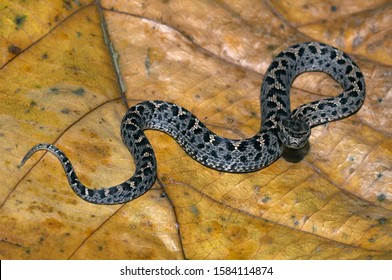
Himalayan pit viper camouflaged in its natural habitat
These adaptations highlight the incredible resilience and ingenuity of mountain animals. Their ability to endure extreme conditions and make the most of limited resources is a testament to the evolutionary marvel that these creatures represent. The study of their adaptations not only deepens our understanding of biological resilience but also inspires conservation efforts to protect these unique ecosystems from the growing threats of climate change and human encroachment.
Insects and Other Invertebrates
Role of Insects in Mountain Ecosystems
In the rugged and often inhospitable environments of mountain ecosystems, insects and other invertebrates play a surprisingly crucial role. Despite their small size, these creatures form the backbone of ecological processes in high-altitude regions. In mountain ecosystems, insects are vital for pollination, decomposition, and serving as a food source for higher trophic levels, including birds and mammals.
Pollination is a critical service provided by insects such as bees, butterflies, and other pollinators. In the sparse and limited floral landscapes of the mountains, these pollinators ensure the reproduction of the few flowering plants that manage to thrive at such altitudes. This not only sustains plant populations but also supports the entire food web that depends on these plants directly or indirectly.
Decomposition is another essential process facilitated by insects. Beetles, ants, and various other invertebrates break down organic matter, recycling nutrients back into the soil. This process is particularly important in mountain areas where nutrient cycling is slow due to cold temperatures and limited microbial activity. By accelerating decomposition, these insects help maintain soil fertility, supporting plant growth and sustaining the mountain ecosystem.
Moreover, insects serve as a primary food source for many mountain animals. Birds, small mammals, and even some reptiles depend on the abundance and diversity of insects to meet their nutritional needs. The presence of insects thus influences the distribution and survival of numerous species, making them indispensable to the ecological balance of mountain habitats.

A bee pollinating a mountain flower
Examples of High Altitude Invertebrates
High-altitude environments present unique challenges that require specific adaptations for survival. Some insects and invertebrates have evolved remarkable traits to cope with the extreme cold, low oxygen levels, and high radiation typical of mountain regions.
One fascinating example is the Himalayan jumping spider (Euophrys omnisuperstes), known to inhabit elevations as high as 6,700 meters (22,000 feet) on Mount Everest. This spider, often dubbed the “highest living animal,” has adapted to survive on windblown insects and other organic matter. Its ability to endure freezing temperatures and low oxygen conditions makes it an extraordinary example of resilience.
Another notable invertebrate is the ice crawler (Grylloblattidae), which thrives in cold environments such as glaciers and snowfields. These insects are nocturnal and avoid sunlight, feeding on organic debris and small invertebrates. Their unique adaptations, including antifreeze proteins, enable them to survive in temperatures that would be lethal to most other insects.
Alpine butterflies, such as the Apollo butterfly (Parnassius apollo), are another group adapted to high altitudes. These butterflies have developed specialized wing scales that absorb heat, helping them regulate their body temperature in the cold mountain air. Additionally, their life cycles are synchronized with the short growing seasons of mountain flora, allowing them to reproduce efficiently in challenging conditions.
In conclusion, insects and other invertebrates are not only integral to the functioning of mountain ecosystems but also stand as testaments to the incredible adaptability of life. Their presence enriches the biodiversity and ecological complexity of mountain environments, highlighting the interconnectedness of all living things in these majestic high-altitude landscapes.
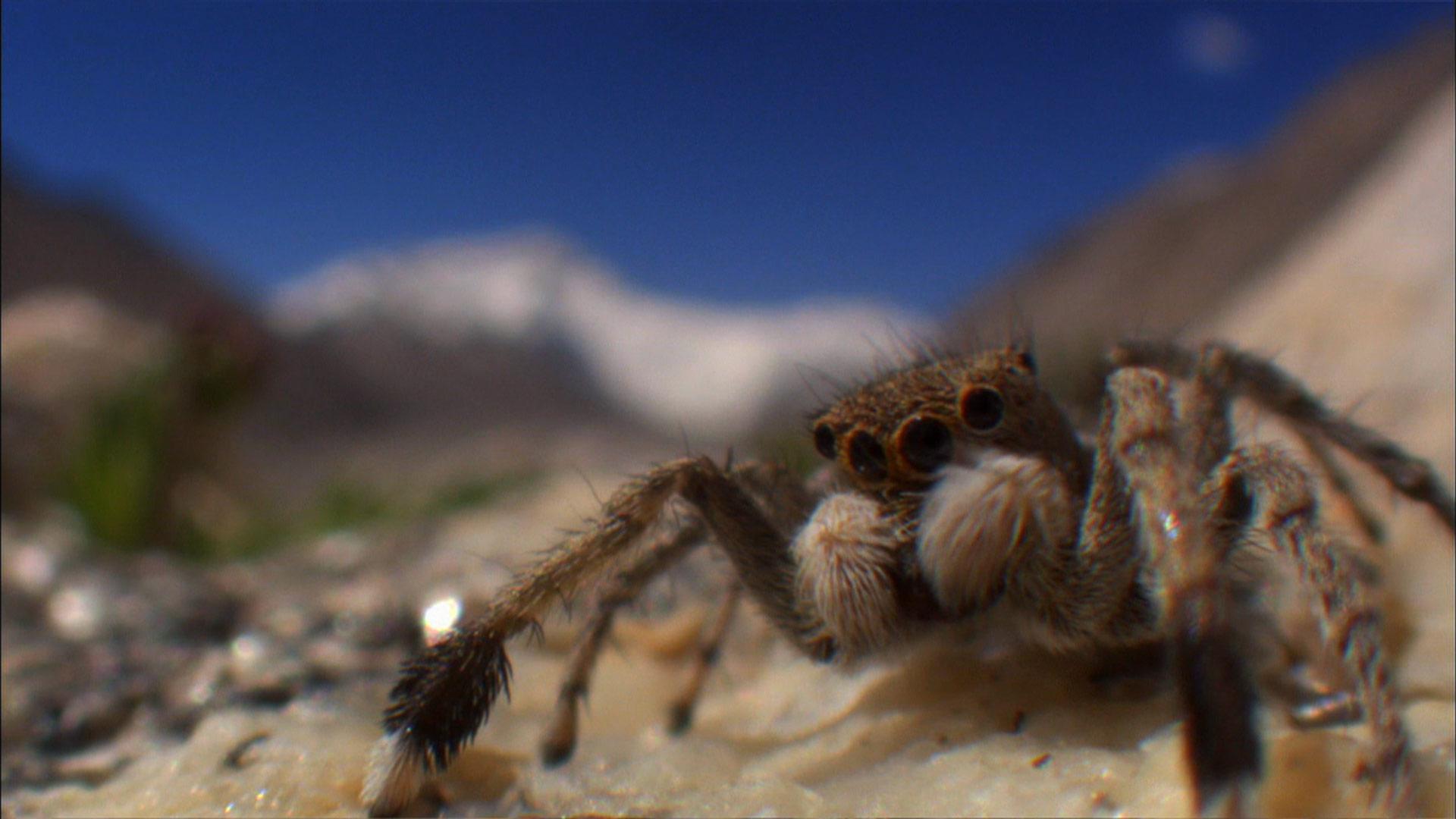
The Himalayan jumping spider an extraordinary highaltitude survivor
Reflecting on the Resilience of Mountain Wildlife
The sheer resilience of mountain animals is a testament to nature’s incredible ability to adapt and thrive in even the most challenging environments. These creatures, from the majestic snow leopard to the humble alpine marmot, have evolved over millennia to conquer the formidable challenges posed by high altitudes. Their stories are not just about survival but about thriving in conditions that would leave most other species gasping for breath.
The Art of Survival
Living at high altitudes demands a unique set of survival skills, and mountain animals have developed extraordinary adaptations to endure the thin air, frigid temperatures, and scarce food resources. For instance, the thick, dense fur of the snow leopard is not just a fashion statement; it’s an essential adaptation that provides insulation against the biting cold. Similarly, the Andean condor, one of the world’s largest birds, has wings designed to soar effortlessly in thin air, allowing it to traverse vast mountain ranges in search of food.
These adaptations are not merely physical. Behavioral changes play a crucial role in their survival strategies. Many mountain species have developed seasonal migration patterns, descending to lower altitudes during the harshest winter months to find food and milder climates. Others, like the alpine marmot, enter a state of hibernation, conserving energy until the warmer seasons return.
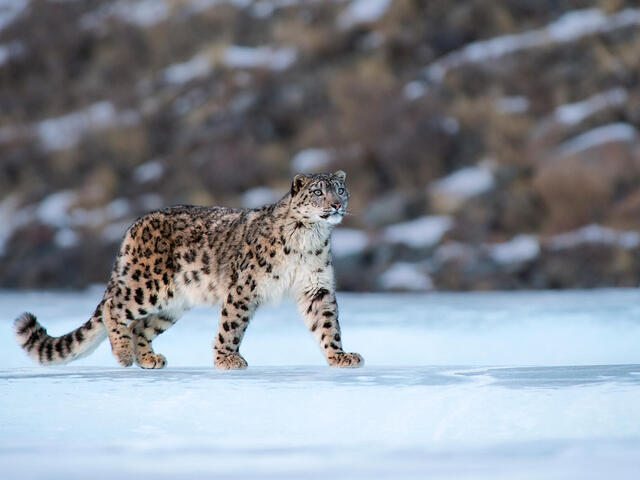
A snow leopard navigating the rocky terrains of the Himalayas
Nature’s Ingenious Problem Solvers
Mountains, with their steep, rocky cliffs and unpredictable weather patterns, are not an easy place to call home. Yet, these challenges have turned mountain animals into nature’s problem solvers. Take the mountain goat, for example. With its incredible climbing skills and sure-footedness, it navigates sheer cliffs with ease, accessing food sources that are unreachable to less agile predators.
Moreover, many mountain species have developed unique physiological traits that allow them to thrive where others cannot. The yak, for example, has larger lungs and heart compared to cattle living at lower altitudes, enabling it to breathe efficiently in oxygen-poor environments. These adaptations highlight the intricate balance of evolution, where every trait serves a purpose in the grand scheme of survival.
The Interconnectedness of Mountain Ecosystems
Mountain ecosystems are a delicate tapestry of life, where each species plays a vital role in maintaining ecological balance. Insects, often overlooked, are crucial pollinators for alpine plants, while predators like the snow leopard help control herbivore populations, ensuring that vegetation is not overgrazed.
However, the resilience of mountain animals is increasingly being tested by human-induced changes such as climate change, habitat loss, and poaching. These threats pose significant challenges not only to individual species but to the entire mountain ecosystem. As temperatures rise and snow patterns shift, many species find their traditional habitats and food sources dwindling, forcing them to adapt once again in a rapidly changing world.
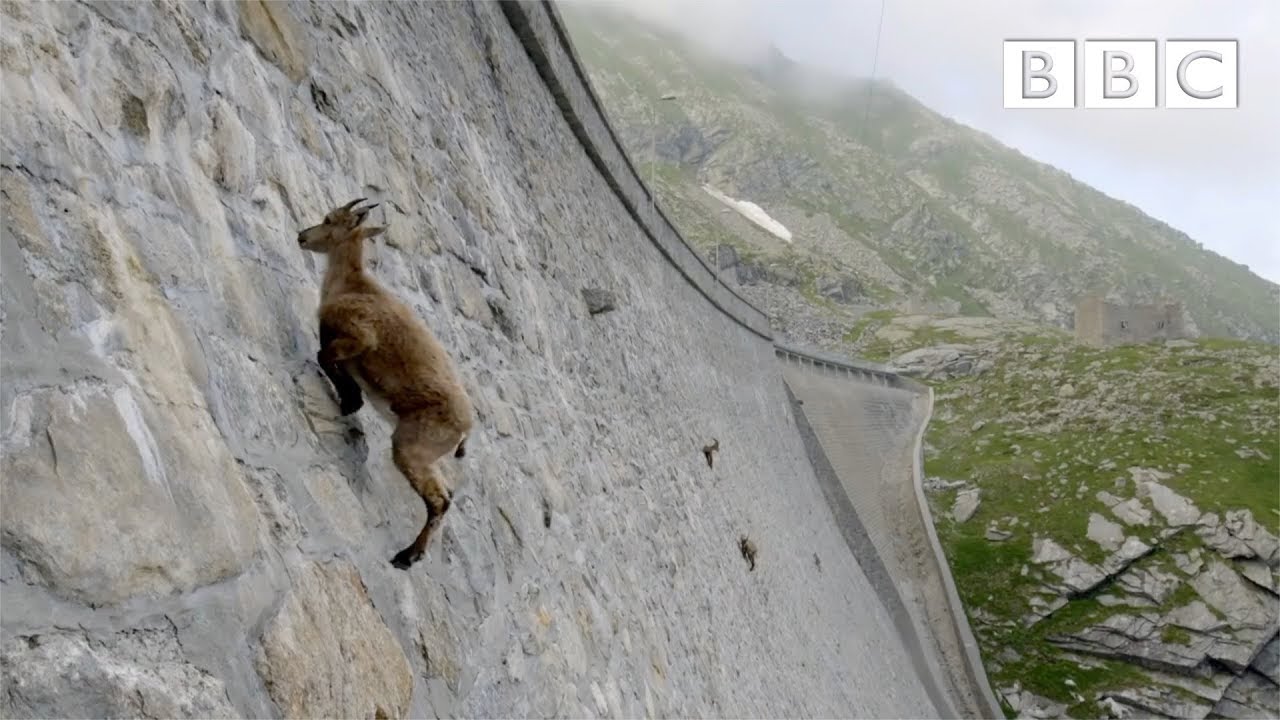
A mountain goat skillfully climbing a steep cliff
A Call to Action
Reflecting on the resilience of mountain animals reminds us of the importance of preserving these unique ecosystems. Conservation efforts are more crucial than ever to protect these remarkable creatures and the habitats they depend on. Initiatives such as creating protected areas, implementing anti-poaching laws, and engaging local communities in conservation projects are vital steps toward ensuring that mountain wildlife continues to thrive for generations to come.
As we marvel at the tenacity and adaptability of these creatures, we must also recognize our role in their future. By supporting conservation efforts and promoting sustainable practices, we can help preserve the delicate balance of mountain ecosystems and the incredible diversity of life they support.
In celebrating the resilience of mountain wildlife, we acknowledge nature’s capacity for innovation and adaptation. These animals are not just survivors; they are a testament to life’s enduring spirit. Let us be inspired by their resilience and commit to safeguarding their future.
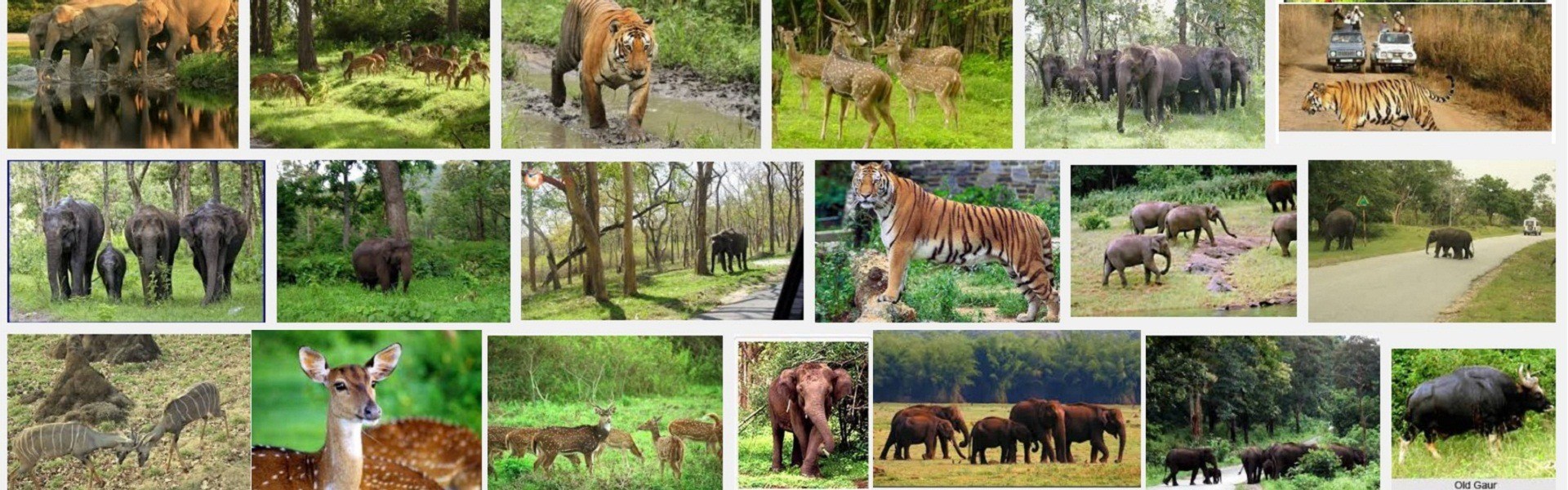
A vibrant representation of the Himalayan ecosystem with diverse mountain wildlife
WildWhiskers is a dedicated news platform for animal lovers around the world. From heartwarming stories about pets to the wild journeys of animals in nature, we bring you fun, thoughtful, and adorable content every day. With the slogan “Tiny Tails, Big Stories!”, WildWhiskers is more than just a news site — it’s a community for animal enthusiasts, a place to discover, learn, and share your love for the animal kingdom. Join WildWhiskers and open your heart to the small but magical lives of animals around us!