









From the heart of ancient folklore to the vibrant tapestry of modern culture, mythical animals have always captivated the human imagination. These fascinating beasts—whether they are the fierce dragons of European lore or the gentle unicorns that symbolize purity—transcend mere storytelling. They embody the hopes, fears, and aspirations of civilizations long past. As we delve into the rich histories of these creatures, we uncover not just tales of wonder, but also profound symbols of power, protection, and mystery.
Imagine the ancient civilizations that first breathed life into these mythical beings. For them, dragons weren’t just the stuff of legends; they were powerful entities that held sway over nature itself. Meanwhile, in the East, the graceful Qilin roamed peacefully, a harbinger of prosperity and serenity. Each culture crafted these creatures with distinct characteristics, reflecting unique societal values and beliefs.
Our fascination with these creatures endures, seamlessly weaving into our current narratives through literature, films, and even fashion. Who hasn’t been enthralled by the majestic dragons in “Game of Thrones” or the ethereal presence of unicorns in the “Narnia” chronicles? These mythical animals, though born in the imagination, continue to shape our experiences and perspectives.
As we journey through this exploration of mythical animals, let us embrace the enchanting allure they offer. These creatures remind us of the boundless creativity of the human mind and the timeless allure of stories that transcend time and reality. Join us in this voyage through myth and legend, where the eternal allure of imaginary beasts continues to inspire and captivate.
The Origins of Mythical Creatures
The allure of mythical animals dates back to the dawn of human civilization, when ancient societies crafted tales of extraordinary creatures to explain the mysteries of the natural world. These beings, often imbued with supernatural powers, reflected the values, fears, and aspirations of the cultures that created them. Understanding the origins of these mythical creatures offers insight into the human psyche and the cultural narratives that continue to resonate today.
Ancient Civilizations and Their Mythical Animals
In the cradle of civilization, the Mesopotamians, Egyptians, Greeks, and Romans laid the groundwork for a rich tapestry of mythical creatures. Each society had its own unique interpretations and stories that featured these enchanting beasts.
The Mesopotamians, for example, revered the Lamassu, a protective deity with the body of a bull or lion, wings of an eagle, and the face of a human. This composite creature, often found guarding the entrances of cities and palaces, symbolized strength and protection. Similarly, the Sumerian myth of the Anzu bird, a massive eagle-lion hybrid, captured the tension between divine authority and chaos.
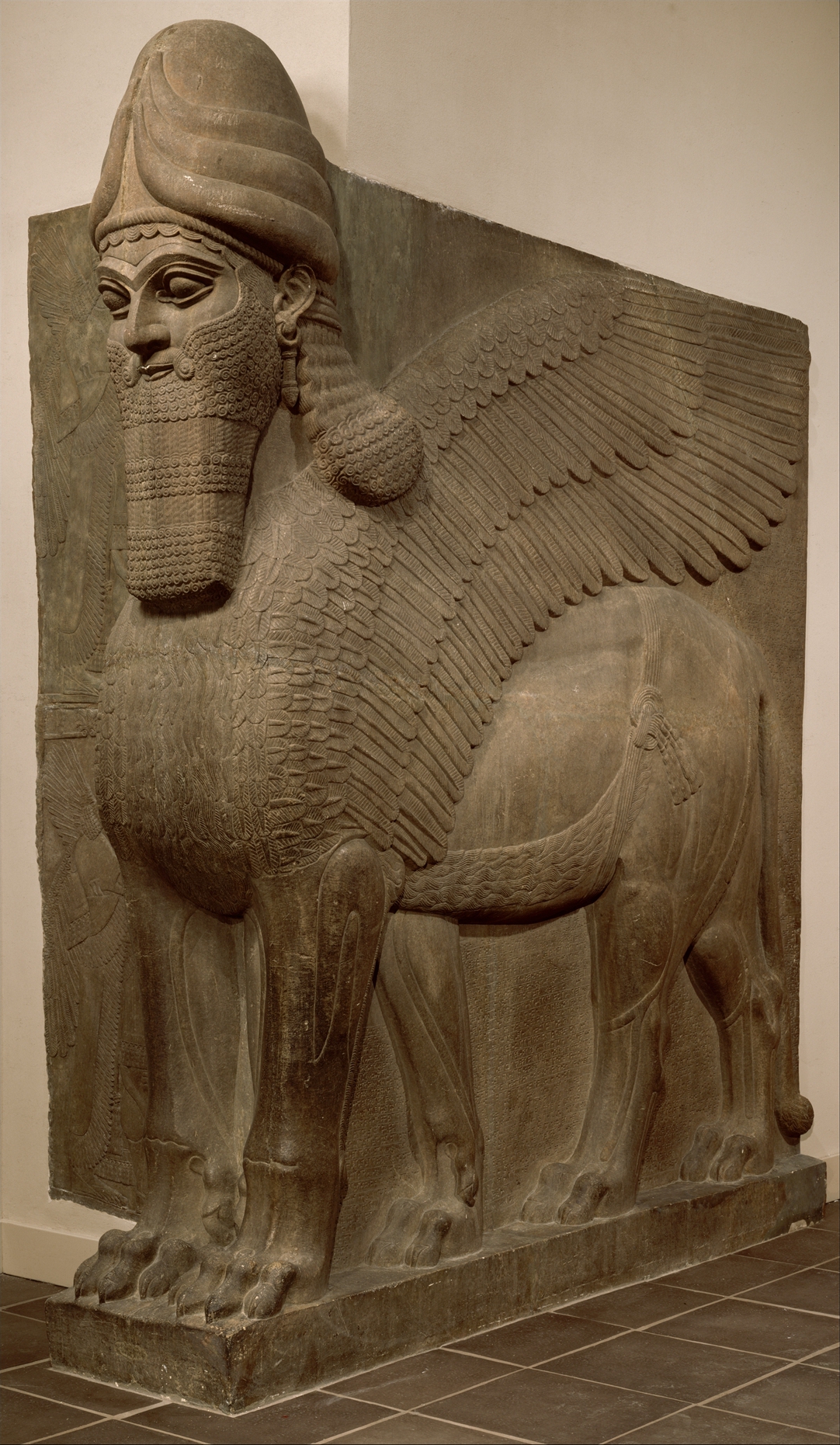
Lamassu sculpture from ancient Mesopotamia
The Egyptians are perhaps best known for their pantheon of deities that often took on animal forms. The Sphinx, with its lion’s body and human head, is emblematic of ancient Egypt’s fascination with the merging of the human and animal realms. This creature guarded the sacred spaces, symbolizing wisdom and strength. Meanwhile, the Bennu bird, associated with the sun god Ra, was a precursor to the legend of the Phoenix, representing life, death, and rebirth.
In Greek mythology, creatures such as the Hydra, a serpent-like water monster, and the Chimera, a fire-breathing beast with the heads of a lion, goat, and snake, illustrated the Greeks’ understanding of chaos and heroism. These creatures often served as formidable obstacles for heroes to overcome, reflecting the values of courage and resilience.
Role of Mythical Beasts in Cultural Narratives
Mythical animals played a pivotal role in the cultural narratives of ancient civilizations. They were not merely figments of imagination but integral components of the stories that shaped societal values and beliefs.
These creatures often served as symbols of power and fear, embodying the natural and supernatural forces that humans sought to understand and control. For instance, the Leviathan in Judaic texts symbolizes the chaos of the ocean, a force to be tamed by divine power. Similarly, the Chinese dragon, a symbol of benevolence and fortune, reflects the harmony and balance prized in Chinese culture.

Traditional Chinese dragon art
Moreover, mythical animals frequently acted as symbols of hope and protection. In many cultures, these creatures were seen as guardians of sacred spaces, mediators between the earthly and divine realms. The Garuda in Hindu mythology, a giant bird and the mount of the god Vishnu, protected against evil and symbolized the triumph of good over evil.
The narratives surrounding mythical creatures often offered lessons on morality, bravery, and the human condition. They were used to pass down cultural knowledge and values from one generation to the next, ensuring the continuity of tradition and shared identity.
In conclusion, the origins of mythical creatures in ancient civilizations reveal a deep-seated human fascination with the natural world and the unknown. These mythical animals were not only a reflection of the fears and hopes of the societies that created them but also served as a means of exploring and understanding the complexities of human existence. Through storytelling, they have endured, captivating our imaginations and continuing to influence modern culture in profound ways.
Iconic Mythical Creatures Around the World
Mythical animals have long captivated the human imagination, transcending cultural boundaries to become symbols of both wonder and fear. Each corner of the world boasts its own legendary beasts, rich with stories and meanings that reflect the values and beliefs of their respective cultures. Let’s explore some of the most iconic mythical creatures from different regions around the globe.
European Legends: Dragons and Unicorns
In European folklore, dragons are perhaps the most ubiquitous mythical animals, often depicted as large, fire-breathing reptiles with wings and formidable strength. These creatures have been the embodiment of chaos and destruction, often defeated by heroic figures, symbolizing the triumph of good over evil. The dragon’s image varies across European countries, with the English dragon being menacing and greedy, while the Welsh dragon, Y Ddraig Goch, signifies pride and power.
Conversely, unicorns are a symbol of purity and grace. First mentioned in ancient Mesopotamian writings, they gained prominence in medieval European lore. The unicorn, with its solitary horn, was believed to be a divine creature that could only be tamed by a virgin maiden. Its horn was rumored to possess the power to purify water and heal sickness, further enhancing its mystical allure.

Depictions of a European dragon and a unicorn from medieval manuscripts
Asian Mythology: The Qilin and Nian
In Asian mythology, especially within Chinese culture, the Qilin is revered as a benevolent creature embodying good fortune and prosperity. Often described as having the body of a deer, the tail of an ox, and the hooves of a horse, the Qilin is a gentle creature that walks on grass without trampling it. It is believed to appear only in areas ruled by a wise and benevolent leader, serving as an omen of prosperity and peace.
Meanwhile, the Nian is a fearsome beast that plays a crucial role in Chinese New Year celebrations. According to legend, the Nian would emerge from the mountains to terrorize villages, devouring crops and livestock. To ward off the Nian, villagers would use loud noises and bright red decorations, which led to the traditional use of firecrackers and red lanterns during the New Year festivities.
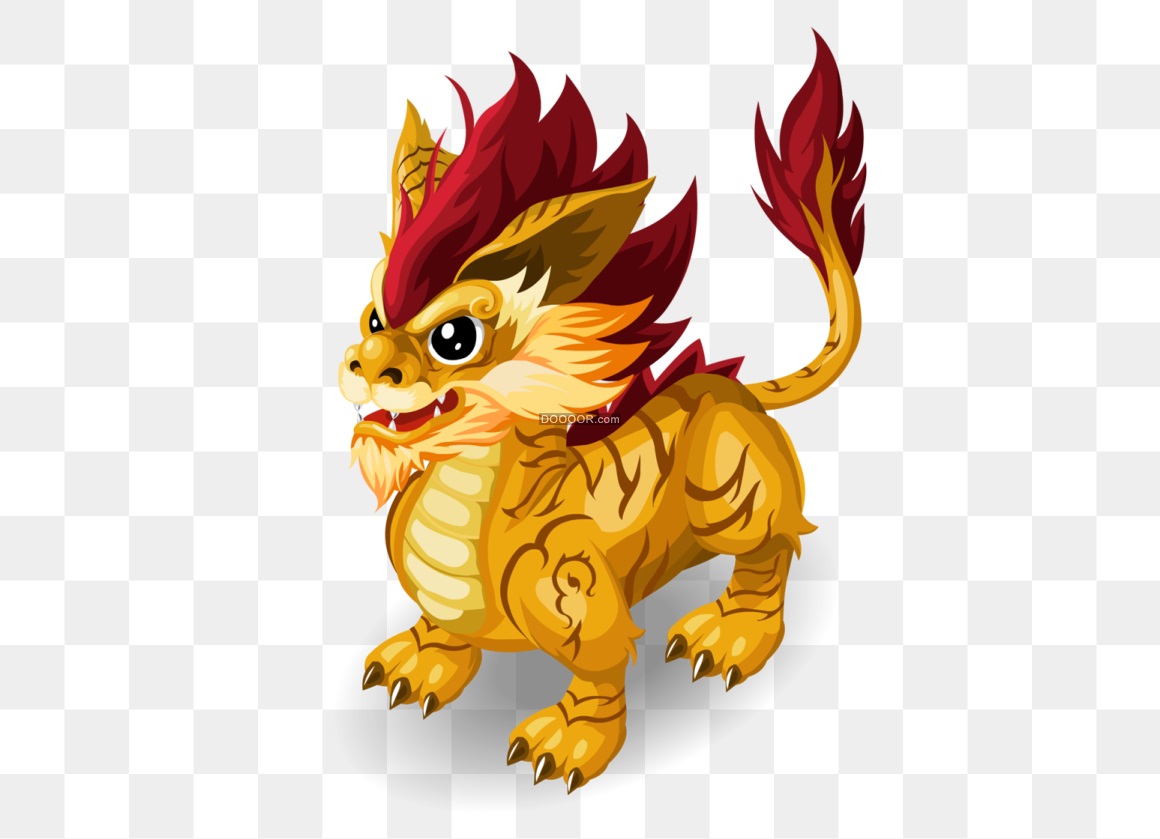
Artistic representations of the Qilin and Nian in Chinese folklore
African Folklore: The Mokele-Mbembe
The Mokele-Mbembe is a legendary creature said to inhabit the Congo River Basin in Africa. Described as a large, dinosaur-like creature, the Mokele-Mbembe is often compared to a sauropod due to its long neck and tail. Local folklore portrays it as a solitary and elusive creature, feared for its territorial nature. While there is no scientific evidence of its existence, the Mokele-Mbembe remains a fascinating subject of cryptozoological inquiry, capturing the imagination of explorers and adventurers.

An artists interpretation of the MokeleMbembe in the jungles of Africa
American Myths: The Thunderbird and Chupacabra
In Native American mythology, the Thunderbird is a powerful spirit bird associated with thunder, lightning, and rain. It is revered as both a protector and a harbinger of storms. The Thunderbird is often depicted as a massive bird with the ability to create thunder by flapping its wings and lightning by flashing its eyes. Its presence in folklore underscores the importance of rain and weather in the lives of indigenous peoples.
The Chupacabra, on the other hand, is a relatively modern addition to American folklore. First reported in Puerto Rico in the 1990s, this creature is often described as a hairless, dog-like beast with spikes along its back. It is infamous for allegedly attacking livestock and draining their blood, thus earning its name, which translates to “goat-sucker.” The Chupacabra embodies modern fears and mysteries, often linked to themes of alien encounters and genetic experiments gone awry.
In each of these cultural narratives, mythical animals serve as powerful symbols and storytellers, capturing the imaginations of people across the globe. Through their tales and depictions, they continue to influence literature, art, and popular culture, keeping the allure of the mystical alive in our modern world.
The Symbolism Behind Mythical Beings
The world of mythical animals is not just a realm of fantasy and imagination; it is a vivid tapestry woven with symbols that speak to the deepest aspects of human nature. These creatures are not merely figments of our imagination, but embodiments of complex ideas and emotions that have been passed down through generations. They serve as powerful symbols that reflect our fears, aspirations, and the mysteries of life itself. Let’s delve into the rich symbolism behind these fascinating beings.
Representation of Power and Fear
Throughout history, many mythical animals have been used to symbolize both power and fear, often acting as metaphors for the forces of nature and the unknown. Take, for example, the dragon—a creature that has captivated minds across different cultures. In Western mythology, dragons are often portrayed as fierce, fire-breathing beasts that hoard treasure and wreak havoc, representing chaos and destruction. They embody the fear of the untamed and the powerful, posing challenges that are often only overcome by the bravest heroes.

A fierce Western dragon breathing fire
Conversely, in Eastern cultures, dragons are revered as wise and benevolent beings, often associated with water and the heavens. They symbolize power, strength, and good fortune, and are considered guardians of the natural world. This dual representation highlights how mythical animals can embody both the terrifying and the awe-inspiring aspects of power.
Another creature that exemplifies this duality is the kraken, a legendary sea monster described in Norse mythology. The kraken is said to be capable of dragging entire ships into the depths of the ocean, embodying the fear of the unknown and the power of the sea. Such stories remind us of the awe humans have for the vast, unexplored oceans and the creatures that might inhabit them.

The mighty Kraken attacking a ship
Mythical Creatures as Symbols of Hope and Protection
While some mythical animals evoke fear, others serve as symbols of hope, protection, and renewal. The unicorn, for instance, is a creature that has long been associated with purity and grace. In European folklore, the unicorn is a symbol of innocence and beauty, often depicted as a gentle and elusive creature that can only be tamed by a pure-hearted maiden. This representation has made the unicorn a beacon of hope and a symbol of the divine in many cultures.

A unicorn symbolizing purity and grace
Similarly, the phoenix is a mythical bird that symbolizes renewal and immortality. Originating from Greek and Egyptian myths, the phoenix is known for its cycle of death and rebirth, bursting into flames and rising anew from its ashes. This powerful symbol of resilience and transformation resonates with the human spirit’s ability to overcome adversity and be reborn stronger than before.
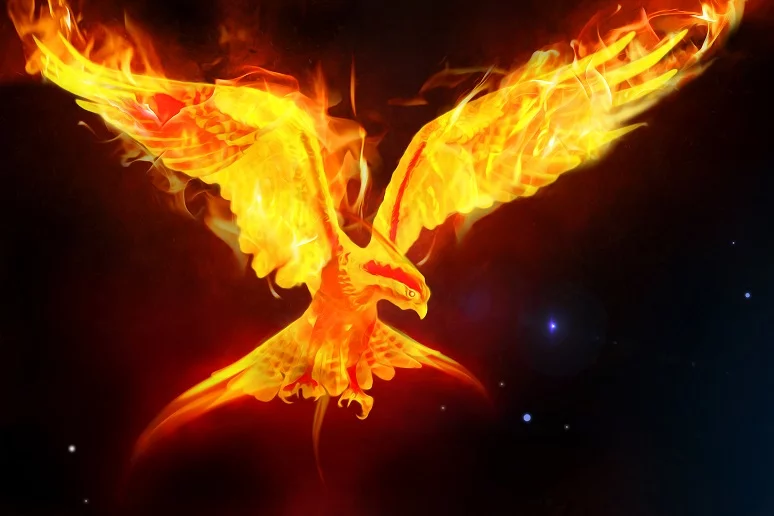
The phoenix rising from its ashes symbolizing renewal
In Native American culture, the thunderbird is a legendary creature that embodies protection and power. Believed to bring thunder and rain, the thunderbird is seen as a guardian of the people, using its might to protect against evil forces. It represents the strength and courage needed to defend one’s community and the natural world.
Through these diverse representations, mythical animals continue to captivate and inspire us. They are not merely fantastical creatures from ancient tales; they are potent symbols that reflect the complexities of the human experience, embodying the fears we face and the hope that guides us.
The Influence of Mythical Animals in Modern Culture
In today’s world, where the lines between reality and fantasy often blur, mythical animals continue to captivate our imagination. They have seamlessly transitioned from ancient folklore to modern narratives, inspiring countless works of art, literature, and fashion. Their enduring presence in our cultural landscape is a testament to their powerful allure and symbolic significance.
Literature and Films Inspired by Mythical Beasts
The impact of mythical animals on literature and film is profound and far-reaching. From the enchanting pages of classic novels to the dazzling scenes of blockbuster movies, these creatures offer rich narratives filled with wonder, fear, and awe.
One of the most iconic examples is J.K. Rowling’s Harry Potter series, where creatures like the majestic Hippogriff, the deadly Basilisk, and the mysterious Thestral are woven into the fabric of the wizarding world. These creatures encapsulate themes of friendship, bravery, and the unknown, resonating deeply with readers across the globe.
In the realm of films, Game of Thrones brings dragons to life in a way that is both terrifying and awe-inspiring. Daenerys Targaryen’s dragons, Drogon, Rhaegal, and Viserion, symbolize power and destruction, capturing the imagination of millions. These mythical beasts are not just characters; they are pivotal to the plot, influencing the fate of kingdoms.
Moreover, animated films like Disney’s Fantasia feature mythical creatures such as Pegasus and centaurs, captivating audiences of all ages with their magical presence. These films serve as a gateway, introducing younger generations to the enchanting world of mythical animals.
Mythical Animals in Modern Art and Fashion
The influence of mythical animals extends beyond literature and film, permeating the realms of art and fashion. Contemporary artists draw inspiration from these legendary beasts, creating works that are as intriguing as they are beautiful.
In the world of modern art, mythical creatures are often depicted in vibrant colors and dynamic forms, exploring themes of transformation and fantasy. Artists like Takashi Murakami integrate elements of Japanese mythology into their works, blending traditional and contemporary styles to create something entirely new and captivating.
Fashion designers, too, have embraced the allure of mythical animals. The unicorn, a symbol of purity and grace, has become a popular motif in fashion, appearing on everything from haute couture to everyday apparel. Brands like Gucci have incorporated dragon imagery into their collections, celebrating the creature’s association with power and mystique.
Additionally, mythical beings like the phoenix, known for its themes of rebirth and renewal, have inspired fashion lines that emphasize transformation and resilience. These designs not only pay homage to ancient legends but also encourage individuals to embrace their unique identities.
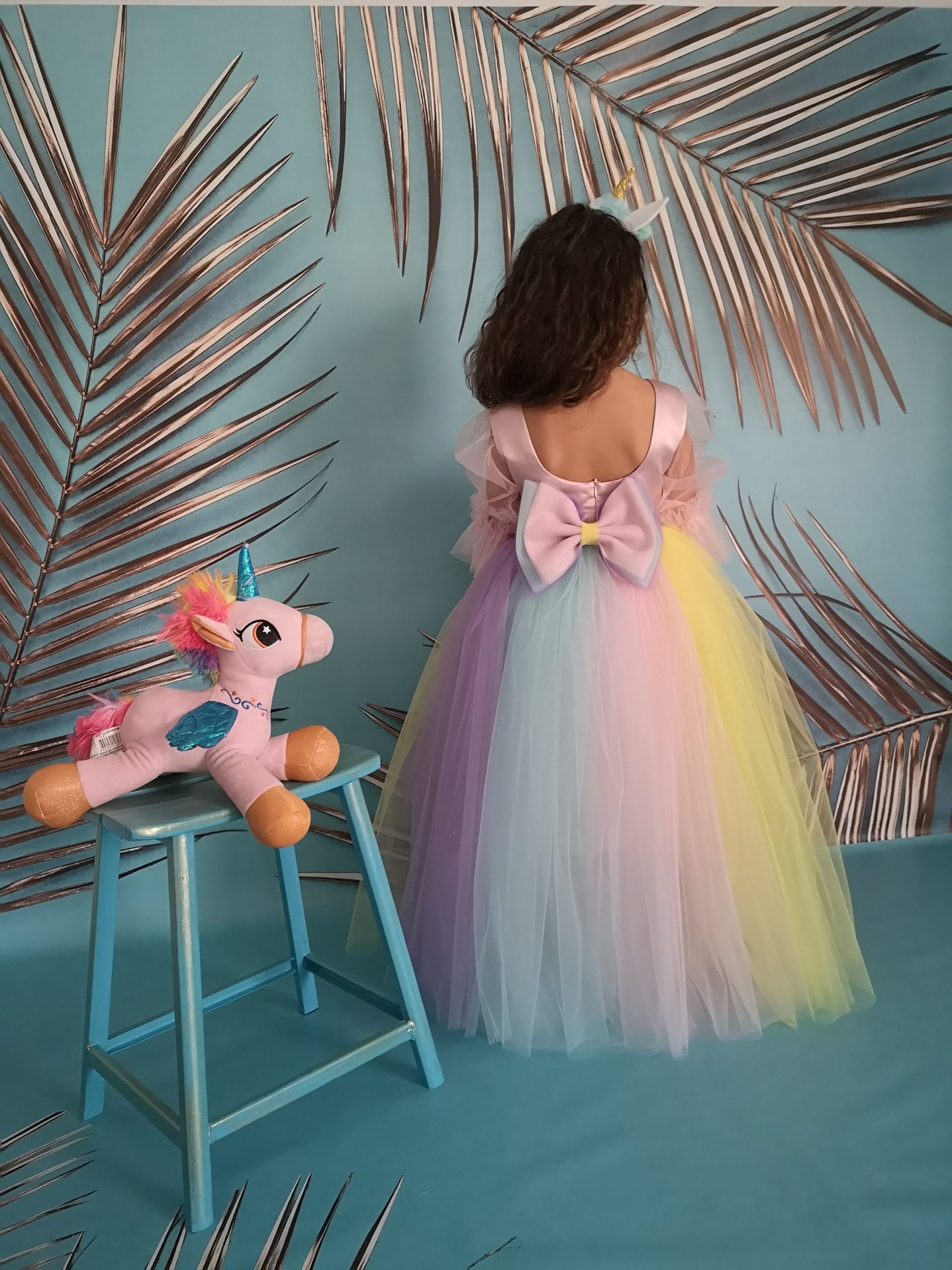
A vibrant unicornthemed fashion collection
In conclusion, the influence of mythical animals in modern culture is both pervasive and profound. Through literature, film, art, and fashion, these creatures continue to inspire and captivate us, reminding us of the timeless allure of the fantastical. Their presence in our cultural narrative encourages us to explore the boundaries of imagination and reality, celebrating the enduring power of myth and legend.
Why Mythical Creatures Continue to Captivate Us
The Human Fascination with the Unknown
Throughout history, humans have been inherently drawn to the unknown. This curiosity has driven exploration, scientific discovery, and technological advancement. Yet, it’s not only the tangible unknowns that captivate us; the allure of mythical animals lies in their ability to embody the mysteries that science can’t explain. These creatures, from dragons to unicorns, serve as vessels for our deepest fears and loftiest dreams, representing the enigmatic aspects of life that remain beyond our understanding.
The unknown is a powerful force—it triggers our imagination, fuels our creativity, and challenges our perceptions of reality. Mythical creatures often emerge from the depths of this unknown, offering a glimpse into worlds where magic reigns supreme, and anything is possible. They exist at the intersection of reality and fantasy, allowing us to explore the boundaries of our own beliefs and experiences. This fascination with the unknown is not merely about seeking answers but about embracing the wonder and magic that these creatures bring into our lives.

A mystical forest inhabited by mythical creatures
The Role of Storytelling in Preserving Mythical Legends
Storytelling is a timeless human tradition that has played a crucial role in preserving the legends of mythical animals. Through oral traditions, written texts, and visual arts, these stories have been passed down through generations, each iteration adding new layers of meaning and context. Mythical creatures like the phoenix, the kraken, and the chupacabra have become more than just stories; they’ve transformed into cultural icons that reflect the values, fears, and hopes of the societies that cherish them.
The power of storytelling lies in its ability to connect people across time and space. It serves as a bridge between the past and the present, allowing us to explore the beliefs and imaginations of our ancestors. In the case of mythical creatures, storytelling has kept their legends alive, allowing them to evolve and remain relevant in modern culture. As these stories are retold, they adapt to contemporary contexts, often finding new life in literature, film, and art.
Moreover, storytelling allows us to engage with these mythical beings on a personal level. It invites us to imagine what it would be like to encounter a dragon or witness the rebirth of a phoenix. These narratives provide a safe space to explore complex emotions and ideas, offering insights into the human condition through the guise of fantastical tales.
Mythical animals continue to captivate us because they offer more than just stories; they provide a lens through which we can view the world and ourselves. They challenge us to dream, to believe in the impossible, and to find meaning in the mysteries that surround us. As long as there is a hunger for wonder and a curiosity for the unknown, mythical creatures will remain an integral part of our cultural fabric.
WildWhiskers is a dedicated news platform for animal lovers around the world. From heartwarming stories about pets to the wild journeys of animals in nature, we bring you fun, thoughtful, and adorable content every day. With the slogan “Tiny Tails, Big Stories!”, WildWhiskers is more than just a news site — it’s a community for animal enthusiasts, a place to discover, learn, and share your love for the animal kingdom. Join WildWhiskers and open your heart to the small but magical lives of animals around us!