







The ocean, a vast and mysterious expanse, is home to a stunning array of marine animals that have captivated humans for centuries. From the vibrant coastal waters to the enigmatic depths of the deep sea, these creatures have developed incredible adaptations that allow them to thrive in their diverse habitats. In this blog, we will unlock the secrets of marine life by exploring how these fascinating beings have honed their physical and behavioral traits to survive and flourish.
Imagine the vibrant hues of a clownfish nestled among anemone tentacles, or the stealthy camouflage of an octopus blending seamlessly with the ocean floor. These vivid scenes are but a glimpse into the myriad ways marine animals have adapted to their environments. Some have evolved unique body structures that enable them to navigate treacherous waters, while others have developed intricate feeding strategies to sustain themselves in a world where competition is fierce.
But adaptation in the ocean goes beyond individual survival. Symbiotic relationships, where different species work together, highlight the intricate web of life beneath the waves. Mutualistic partnerships bring benefits to all involved, whereas parasitic relationships showcase survival at its most resourceful.
As we explore these wonders, it’s crucial to acknowledge the challenges marine life faces due to human impact. Conservation efforts and advancements in technology are pivotal in preserving these underwater marvels for future generations. Join us on this journey to embrace the awe-inspiring world of oceanic adaptation, where each discovery adds a new layer to our understanding of the natural world. The ocean’s secrets await—let’s dive in!
The Diverse Habitats of the Ocean
The ocean, covering more than 70% of the Earth’s surface, is a vast and varied realm filled with marine animals that have adapted to thrive in different environments. Each habitat within the ocean presents unique challenges and opportunities for life. In this section, we will explore two of the most intriguing oceanic habitats: Coastal Waters and The Deep Sea.
Coastal Waters: A Dynamic Environment
Coastal waters, where land meets the sea, are among the most dynamic environments on Earth. These areas are characterized by their rich biodiversity and their constantly changing conditions, influenced by tides, waves, and human activities. The interplay between freshwater from rivers and the saltwater of the sea creates brackish environments that are home to a unique assemblage of species.
One of the most remarkable features of coastal waters is their productivity. The nutrient-rich waters support a diverse array of marine animals, including fish, crustaceans, mollusks, and marine mammals. Mangroves, salt marshes, and seagrass beds provide essential habitats and breeding grounds for many species. These areas act as nurseries for young fish and invertebrates, which find shelter among the roots and leaves.
The adaptability of creatures in coastal waters is fascinating. For instance, animals like the fiddler crab have developed the ability to live both in water and on land, thanks to specialized gills that can extract oxygen from both environments. Similarly, the horseshoe crab, with its ancient lineage, has survived millions of years due to its hardy shell and the ability to thrive in intertidal zones.
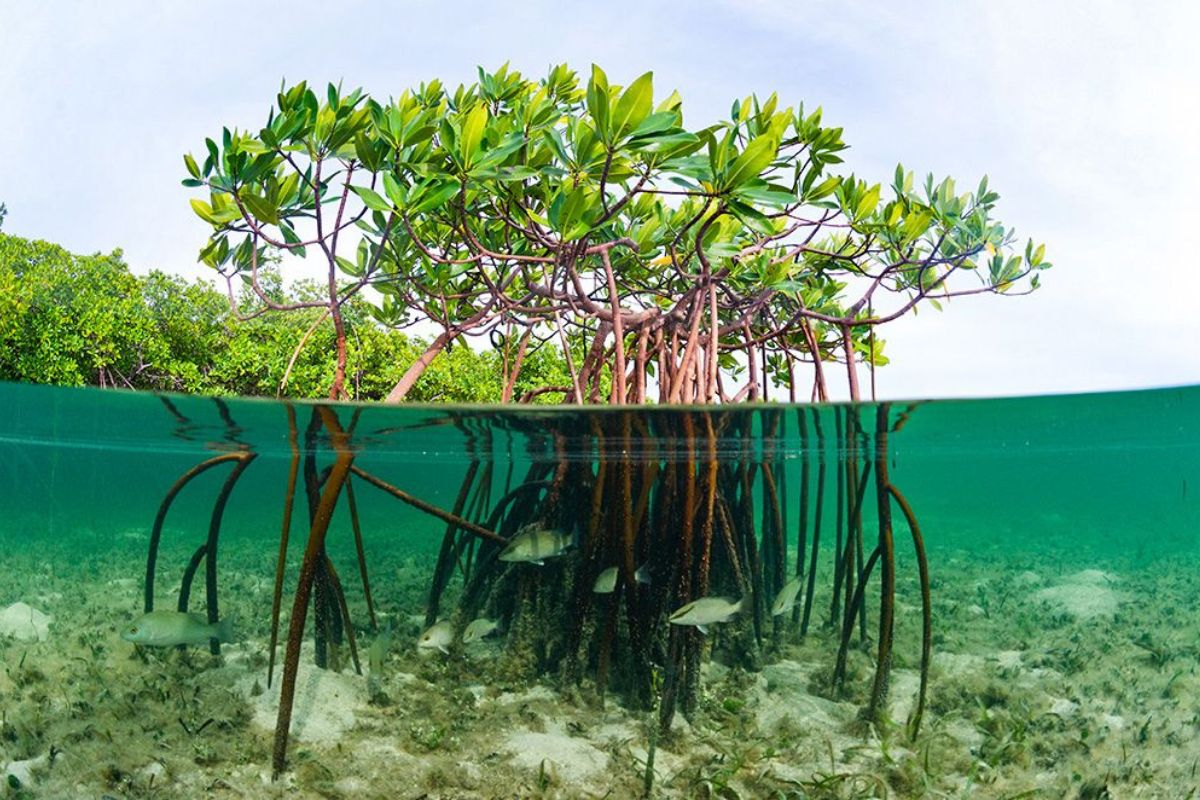
A rich coastal ecosystem with mangroves
Human activity significantly impacts coastal waters, leading to pollution, overfishing, and habitat destruction. Conservation efforts are crucial to maintaining these vital ecosystems. By creating marine protected areas and promoting sustainable practices, we can help preserve the delicate balance of life in coastal regions.
The Deep Sea: Life in Darkness
Beneath the sunlit surface, the ocean descends into the mysterious and largely unexplored realm of the deep sea. This environment, characterized by its extreme pressure, frigid temperatures, and complete darkness, is home to some of the most bizarre and intriguing marine animals on the planet.
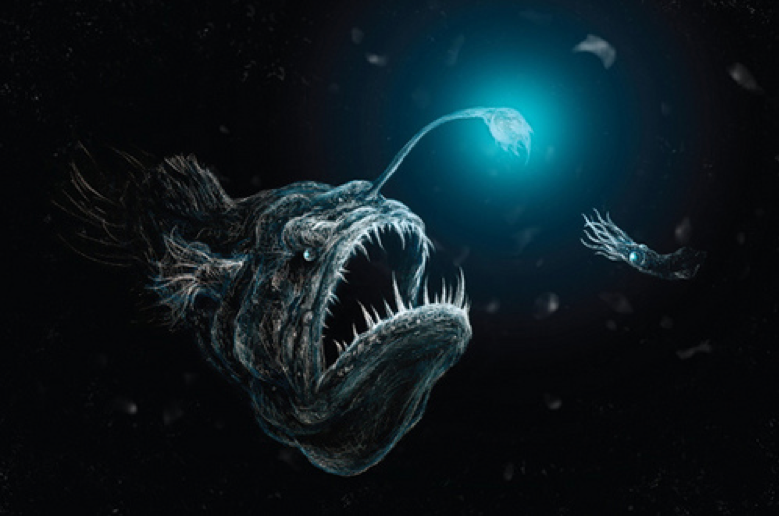
Life in the deep sea has adapted in extraordinary ways to cope with the harsh conditions. Bioluminescence is a common adaptation, with species like the anglerfish using it to attract prey in the pitch-black surroundings. The ability to produce light not only aids in hunting but also in communication and mate attraction.
The physical adaptations of deep-sea creatures are nothing short of remarkable. The giant squid, for example, boasts enormous eyes that allow it to detect the faintest traces of light. Meanwhile, the vampire squid, with its webbed arms and dark appearance, moves gracefully through the water, conserving energy in an environment where food is scarce.
The deep sea remains one of the least understood environments on Earth. Despite the challenges in studying these depths, advances in technology, such as remotely operated vehicles (ROVs) and submersibles, have allowed scientists to explore these dark waters, revealing new species and expanding our understanding of marine life.
As we delve deeper into these unique habitats, it becomes clear that the ocean is not just a single entity but a mosaic of life and ecosystems. The more we learn about the diverse habitats of coastal waters and the deep sea, the more we appreciate the resilience and adaptability of marine animals that call these places home.
Physical Adaptations of Marine Creatures
The ocean is a vast and varied environment, and marine animals have developed an extraordinary range of physical adaptations to survive and thrive in these waters. From the shallow coastal regions to the pitch-black depths of the abyss, these adaptations are nothing short of astounding.
Camouflage and Coloration
One of the most fascinating physical adaptations in marine life is camouflage and coloration. The ability to blend into their surroundings offers marine animals a significant advantage, whether they are predators sneaking up on their prey or prey trying to avoid predators.
For instance, the octopus is a master of disguise, capable of changing not only its color but also its texture to blend seamlessly with the ocean floor. This remarkable ability is achieved through specialized cells in their skin known as chromatophores, which can expand or contract to alter the animal’s appearance almost instantaneously. Similarly, the flounder has the ability to change its pigmentation to match the seabed, making it nearly invisible to both predators and prey.
Another intriguing example is the seahorse, which uses its bony plates to mimic the appearance of seaweed, providing both protection and stealth. The vibrant colors of the clownfish, on the other hand, serve a different purpose: they live among the stinging tentacles of sea anemones, where their bold coloration warns potential predators of the anemone’s venomous nature.
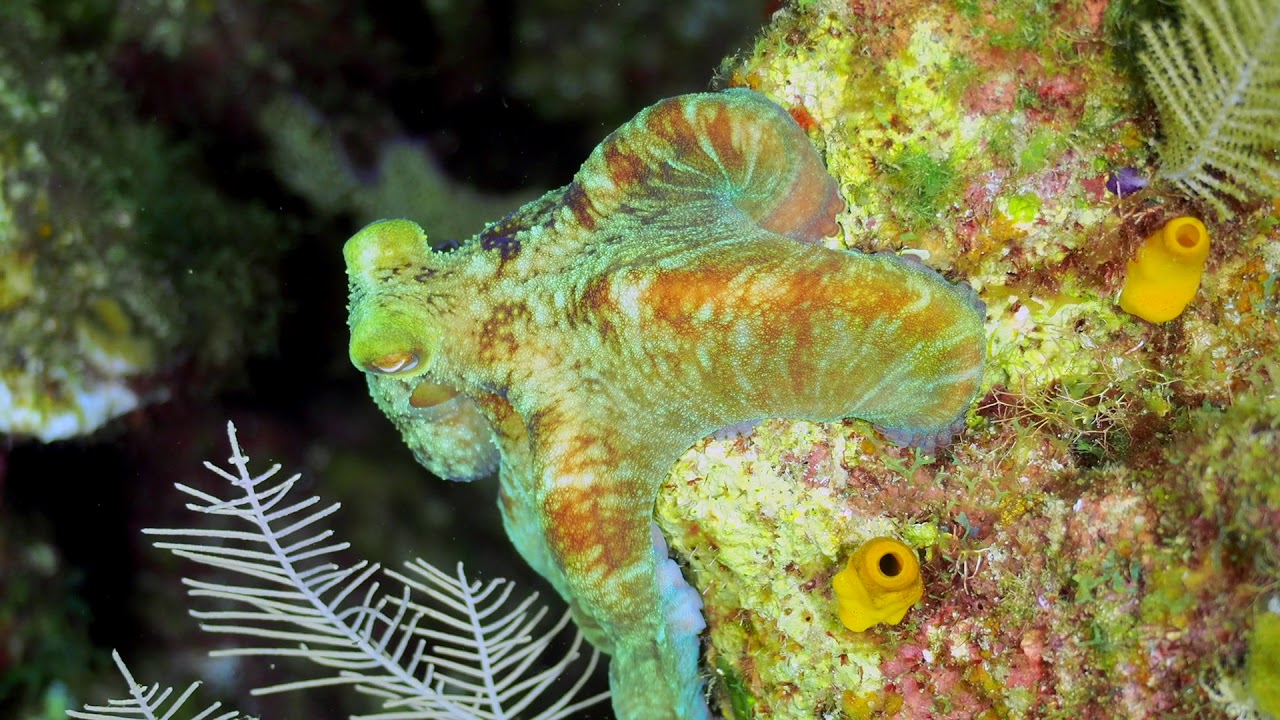
An octopus perfectly camouflaging with its surroundings
Unique Body Structures
The unique body structures of marine animals are another testament to the incredible adaptability of life under the sea. These structures are often specialized to meet the demands of their specific environments and ecological roles.
Consider the anglerfish, a deep-sea dweller that has developed a bioluminescent lure protruding from its head. This adaptation allows it to attract prey in the dark depths of the ocean, where light is scarce. The swordfish is another example, equipped with a long, flat bill that it uses to slash through schools of fish, stunning or injuring them to make capture easier.
The manta ray possesses large, wing-like pectoral fins that allow it to glide gracefully through the water. These fins not only aid in efficient swimming but also help in directing plankton into their mouths as they feed. Meanwhile, the narwhal‘s long tusk, an elongated tooth, is a source of mystery and marvel, thought to be used in mating rituals and social interactions.
Some marine animals, like the boxfish, have developed armor-like scales that protect them from predators, while others, like the jellyfish, have developed bodies that are mostly water, allowing them to drift effortlessly with the ocean currents.
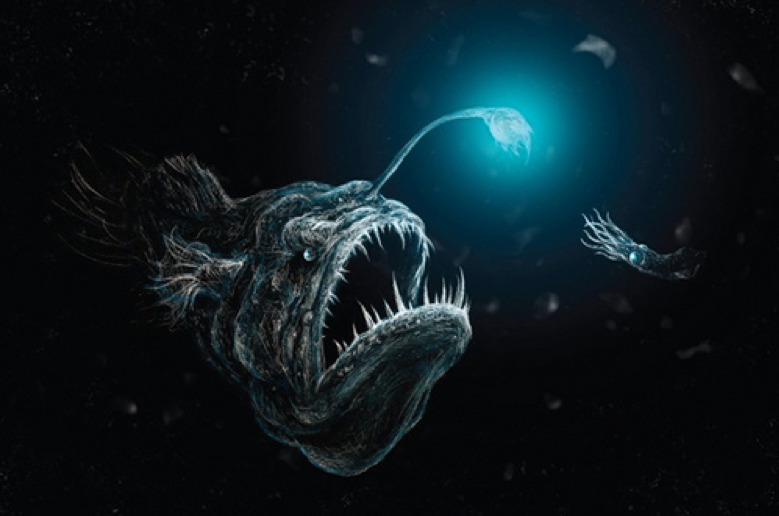
An anglerfish using its bioluminescent lure in the deep sea
In the diverse world of marine animals, these physical adaptations are just a glimpse into the myriad of strategies that enable survival in the ocean’s challenging environments. Each adaptation is a testament to the ingenuity of nature, showcasing how marine life continues to evolve and thrive in one of Earth’s most dynamic and demanding habitats.
Behavioral Adaptations for Survival
Marine animals exhibit a fascinating array of behavioral adaptations that enable them to survive in the vast and challenging environments of the ocean. These adaptations are essential for finding food, avoiding predators, and ensuring the continuation of their species. Two key behavioral adaptations that stand out are migration patterns and feeding strategies.
Migration Patterns
Migration is a common phenomenon among marine animals, often driven by the need to find food, breed, or escape unfavorable environmental conditions. These journeys can be incredibly long and fraught with danger, showcasing the resilience and adaptability of marine life.
One of the most well-known migratory marine animals is the humpback whale. These majestic creatures undertake one of the longest migrations of any mammal, traveling up to 16,000 miles round-trip from their feeding grounds in the polar regions to their breeding grounds in the tropical or subtropical waters. This journey is not only a testament to their incredible stamina but also to their ability to navigate vast oceanic distances with precision.
Another fascinating example is the sea turtle. Different species of sea turtles, such as the loggerhead and leatherback, embark on long migrations from their feeding areas to nesting beaches. These migrations can span thousands of miles across open oceans, guided by instinct and environmental cues. The loggerhead turtle, for instance, travels from the coast of Japan to the beaches of Baja California in Mexico. Their ability to return to the exact beach where they were born to lay eggs is a remarkable example of navigational skill and fidelity.
Feeding Strategies
Feeding strategies among marine animals are as diverse as the ocean itself. These strategies have evolved to exploit specific niches in the marine environment, ensuring that different species can coexist without directly competing for the same resources.
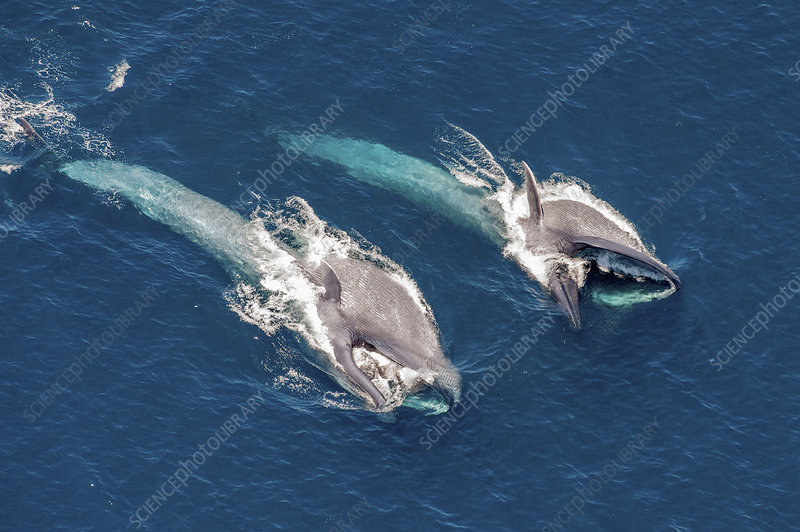
One intriguing feeding strategy is filter feeding, employed by animals such as baleen whales, manta rays, and some species of sharks. These marine animals feed by straining suspended matter and food particles from the water. Baleen whales, like the blue whale, use their baleen plates to filter out krill and small fish from massive gulps of water. This method allows them to consume large quantities of food efficiently, supporting their enormous size.
Another sophisticated feeding strategy is observed in octopuses. Known for their intelligence, octopuses employ a variety of hunting techniques, including ambush, mimicry, and using tools. Some octopuses are known to mimic the appearance and behavior of other marine animals to deceive both prey and predators. This level of strategic thinking and adaptability in feeding behavior highlights the complexity of interactions within marine ecosystems.
Moreover, the anglerfish showcases a unique adaptation for feeding in the deep sea, where food is scarce. It uses a bioluminescent lure that protrudes from its head to attract prey in the pitch-black environment of the ocean depths. This adaptation not only provides a novel method for capturing food but also demonstrates the innovative ways marine animals have evolved to survive in extreme conditions.
In conclusion, the behavioral adaptations of marine animals, such as migration patterns and feeding strategies, are essential for their survival in the diverse and often harsh environments of the ocean. These adaptations not only highlight the incredible resilience and ingenuity of marine life but also underscore the intricate balance of marine ecosystems. As we continue to explore and understand these behaviors, we gain deeper insights into the wonders of oceanic adaptation and the vital role these creatures play in the health of our planet.
Symbiotic Relationships in the Ocean
Symbiotic relationships are a fascinating aspect of marine life, highlighting the interconnectedness of the ocean’s diverse ecosystem. In the vastness of the sea, creatures of different species often engage in complex interactions that can be beneficial, neutral, or detrimental to one or both parties involved. These relationships are crucial for the survival and thriving of many marine animals, influencing their behavior, evolution, and role within their habitats.
Mutualism: Beneficial Partnerships
Mutualism is a type of symbiotic relationship where both parties benefit from the interaction. It’s a win-win situation that enhances the chances of survival and success for the involved species. One of the most iconic examples of mutualism in the ocean is the relationship between clownfish and sea anemones. Clownfish, like those made famous by the movie “Finding Nemo,” find refuge among the tentacles of sea anemones, which are toxic to most other fish. In return, the clownfish provide the anemone with nutrients in the form of waste and help to keep the anemone clean by eating debris and parasites.
Another remarkable example of mutualism is the partnership between cleaner fish, such as the cleaner wrasse, and larger fish species. Cleaner fish set up “cleaning stations” where they remove parasites and dead skin from the bodies of larger fish. This not only provides cleaner fish with a regular food source but also benefits the larger fish by keeping them healthy and free from harmful parasites.
Corals and zooxanthellae algae also engage in a mutualistic relationship that is vital for the survival of coral reefs. The algae live within the coral’s tissues, providing them with energy through photosynthesis. In return, the coral provides the algae with a protected environment and the compounds necessary for photosynthesis. This relationship is so essential that it significantly contributes to the vibrant colors and productivity of coral reefs.
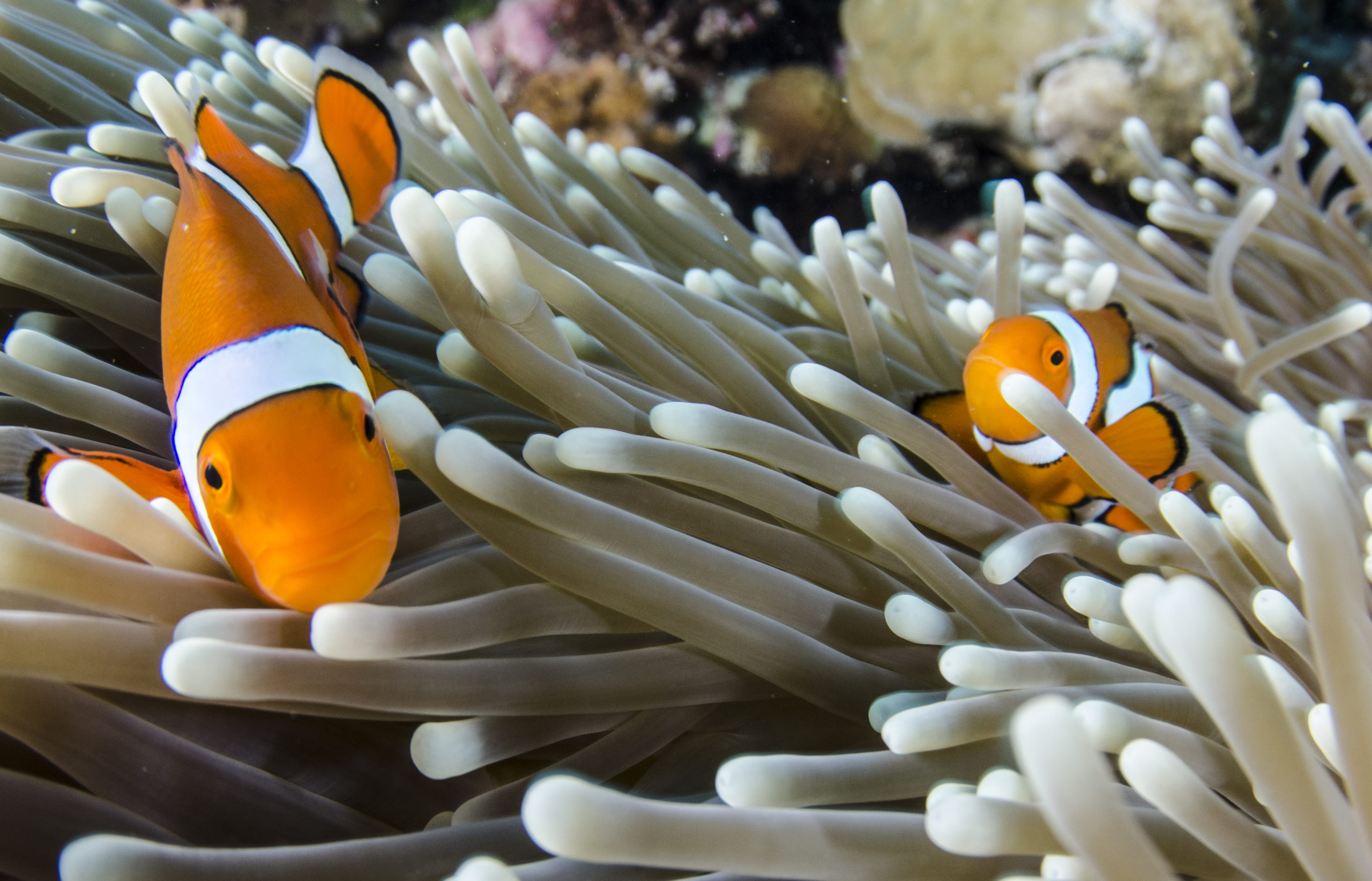
Clownfish living among the tentacles of sea anemones
Parasitism: Survival at a Cost
Parasitism is another form of symbiotic relationship where one organism, the parasite, benefits at the expense of the other, the host. In the marine environment, parasites can be found in various forms, from microscopic organisms to larger creatures. These relationships, while beneficial to the parasite, often harm the host, sometimes significantly.
A well-known example of parasitism in the ocean is the relationship between isopods and fish. Isopods, sometimes referred to as “tongue-eating lice,” attach themselves to the fish and feed off their blood or bodily fluids. In some cases, isopods will even replace the fish’s tongue, living inside the fish’s mouth and feeding on the host’s blood and mucus. This relationship can severely impact the health and survival of the host fish, reducing its ability to feed and thrive.
Lampreys provide another example, attaching themselves to fish and other marine animals using their suction-cup-like mouths filled with sharp teeth. They bore into the flesh of their hosts and consume their blood and tissues. While this can provide the lamprey with sustenance, it often leaves their hosts weakened and vulnerable to other threats.
Parasitism, while seemingly brutal, plays a significant role in controlling populations and maintaining ecological balance within marine environments. It highlights the harsh realities of survival in the ocean, where even the smallest organisms can have a significant impact on the health and dynamics of marine ecosystems.
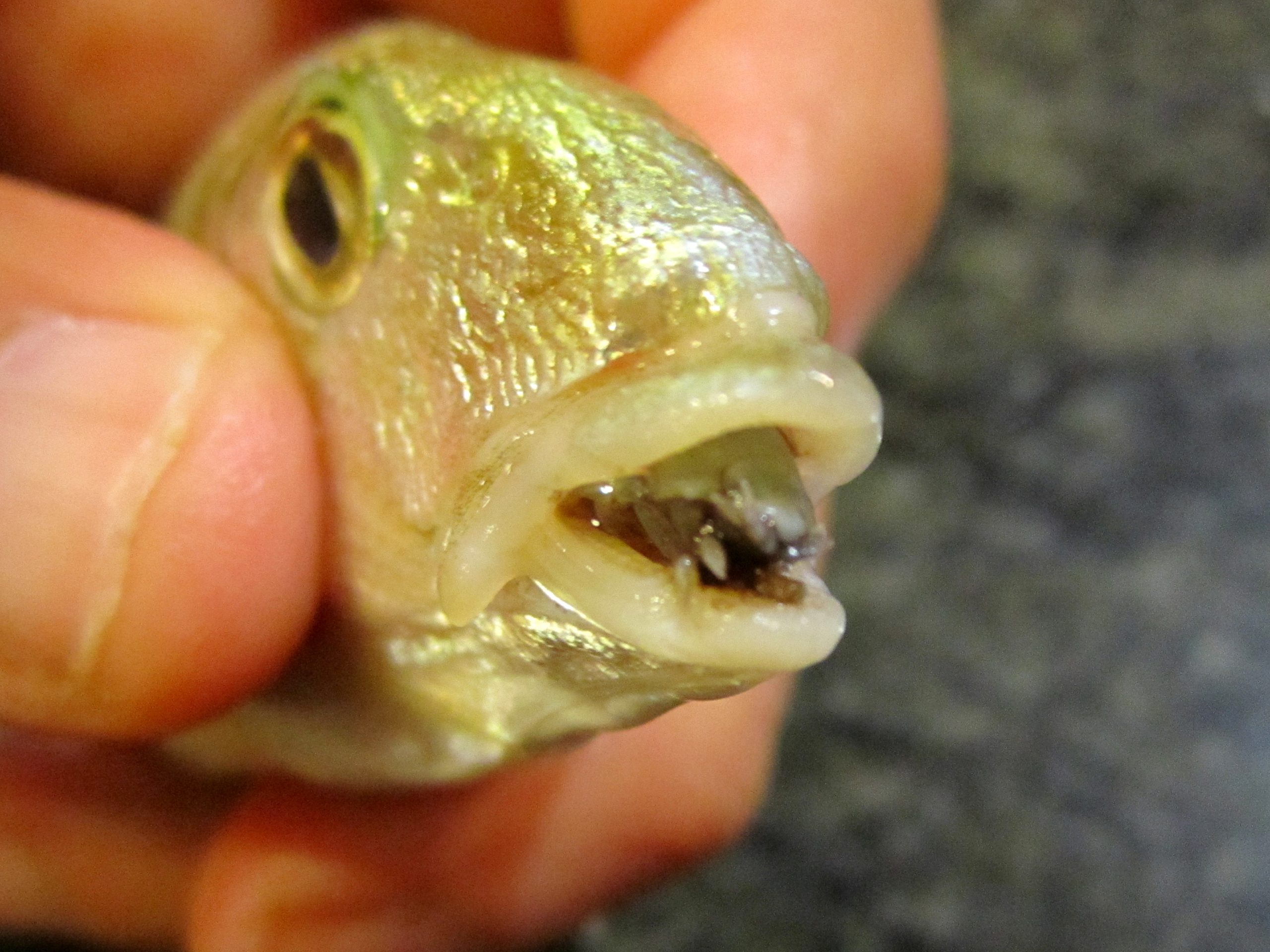
Isopod attached to a fish as a parasite
In conclusion, symbiotic relationships, whether mutualistic or parasitic, are vital to the fabric of marine ecosystems. These interactions demonstrate the intricate and delicate balance of life in the ocean, where marine animals have adapted in extraordinary ways to enhance their survival and coexist within their diverse and often challenging environments.
Human Impact and the Future of Marine Life
Conservation Efforts and Challenges
The ocean is a vast and mysterious realm, home to an incredible variety of life forms known as marine animals. However, the beauty and diversity of this underwater world are increasingly under threat due to human activities. Conservation efforts to protect these precious ecosystems face numerous challenges, but they are crucial for ensuring the survival of marine life.
One of the primary conservation strategies is the establishment of Marine Protected Areas (MPAs). These regions are designated to restrict human activities like fishing and development, providing a safe haven for marine species to thrive. MPAs have been shown to increase biodiversity and boost fish populations, offering a glimmer of hope for the future of marine ecosystems.
Despite these efforts, challenges remain. Overfishing continues to deplete fish stocks, with many species facing the threat of extinction. Unsustainable fishing practices, such as trawling and bycatch, cause significant damage to marine habitats and non-target species. Moreover, plastic pollution has become a pervasive problem, with millions of tons of waste entering the oceans each year. This pollution not only affects the health of marine animals but also disrupts entire ecosystems.
Climate change poses another significant threat, leading to rising sea temperatures and ocean acidification. These changes can cause coral bleaching, endangering the vibrant coral reefs that serve as vital habitats for numerous marine species. Additionally, the melting ice caps and rising sea levels threaten coastal ecosystems and the communities that depend on them.
To combat these challenges, a multifaceted approach is needed. This includes promoting sustainable fishing practices, reducing plastic waste, and addressing the root causes of climate change. Public awareness and education play a crucial role in conservation efforts, as informed individuals are more likely to support sustainable practices and policy changes.
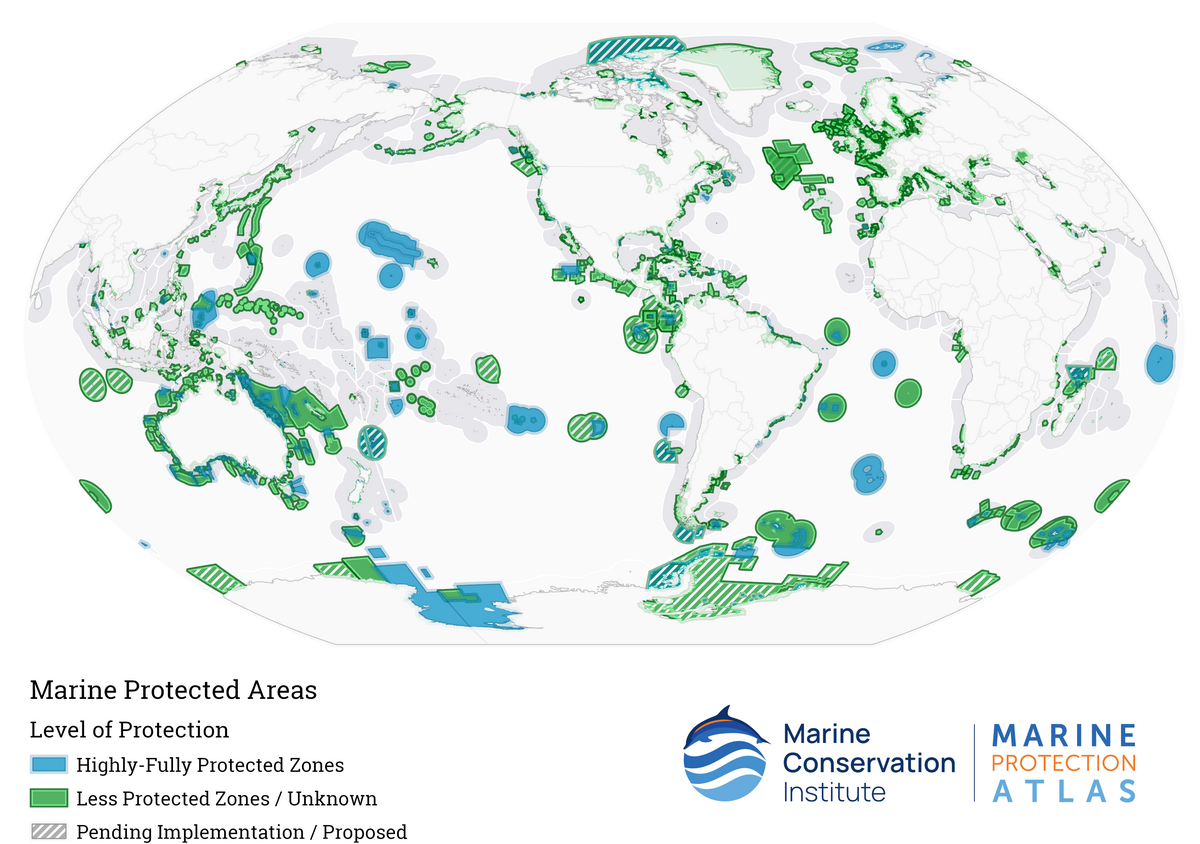
A vibrant marine protected area supporting diverse marine life
The Role of Technology in Marine Research
In the fight to protect marine life, technology plays an indispensable role. Advances in research technologies have allowed scientists to explore and understand the ocean like never before, providing insights that are essential for effective conservation strategies.
Satellite technology enables researchers to track the movements of marine animals, offering valuable data on migration patterns and population dynamics. This information is crucial for identifying critical habitats and implementing protective measures. Additionally, satellites help monitor ocean temperatures and sea level changes, providing a clearer picture of the impacts of climate change on marine ecosystems.
Another revolutionary tool is the use of underwater drones and remotely operated vehicles (ROVs). These devices can explore the ocean’s depths, capturing high-resolution images and videos of elusive deep-sea creatures and their habitats. The ability to observe marine life in its natural environment without direct human interference is invaluable for scientific research.
Furthermore, acoustic technology allows scientists to study the vocalizations of marine animals, such as whales and dolphins. Understanding these communication patterns helps researchers assess the health of populations and identify potential threats, such as noise pollution from shipping and industrial activities.
DNA analysis has also transformed marine research, enabling the identification of species and the study of genetic diversity. This information is vital for assessing the resilience of marine populations and their ability to adapt to environmental changes.
While technology offers powerful tools for marine research, it also presents new challenges and ethical considerations. The deployment of technology must be carefully managed to minimize its impact on marine environments and ensure that it is used for the benefit of conservation efforts.
In conclusion, the future of marine life depends on our ability to balance human activities with the needs of the natural world. Through concerted conservation efforts and the innovative use of technology, we can work towards a sustainable future for the incredible diversity of marine animals that inhabit our oceans.
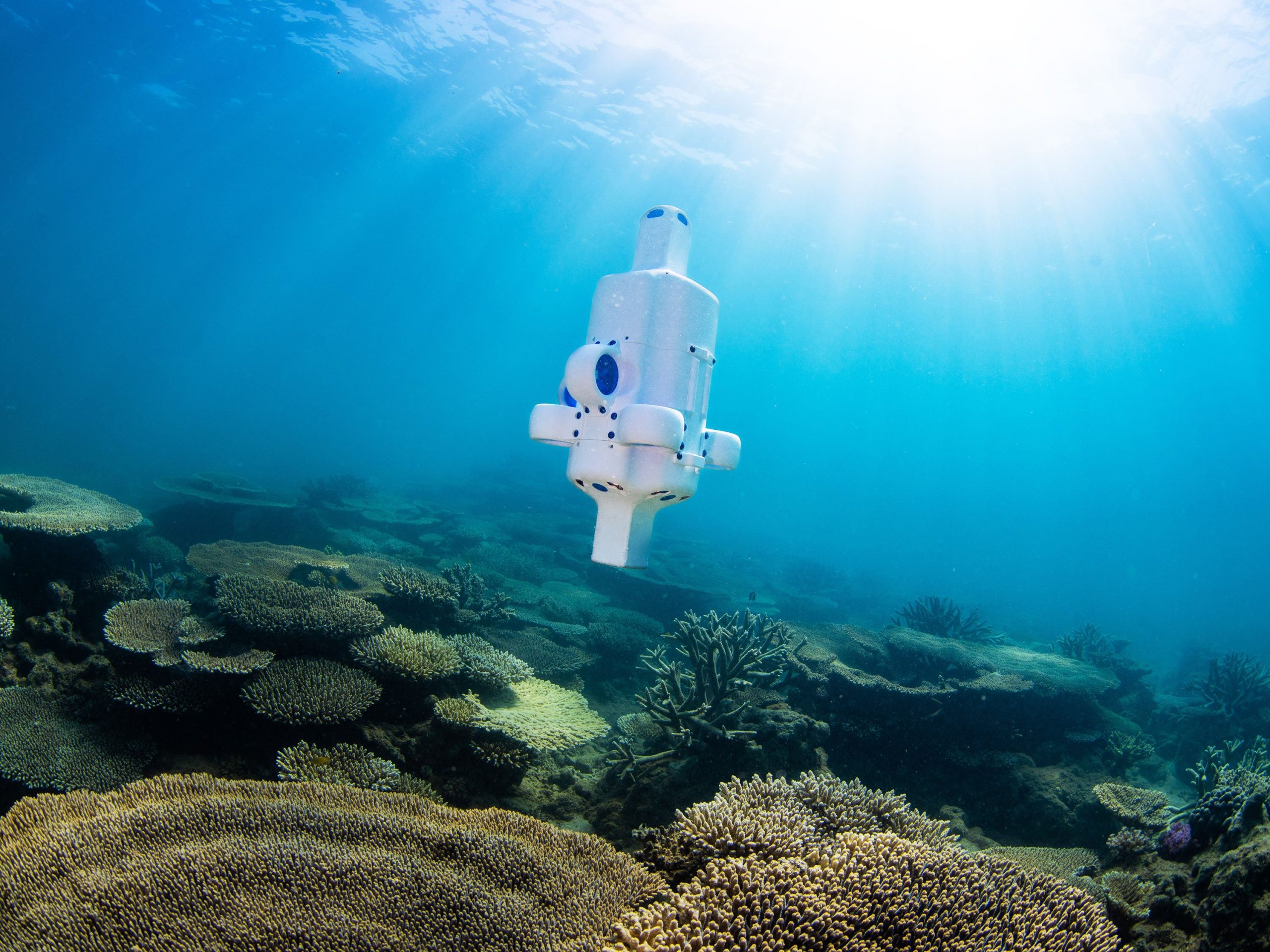
An underwater drone capturing footage of the oceans depths
Embracing the Wonders of Oceanic Adaptation
The ocean, with its vast and mysterious expanse, is home to an extraordinary array of marine animals, each uniquely adapted to thrive in their specific habitats. From the vibrant coral reefs to the shadowy depths of the abyss, the adaptability of marine life is nothing short of miraculous. As we delve into the wonders of oceanic adaptation, we uncover the remarkable strategies creatures employ to survive and flourish in one of the most challenging environments on Earth.
The Marvel of Camouflage
One of the most fascinating adaptations in the ocean is the ability of some marine animals to blend seamlessly into their surroundings. This skill, known as camouflage, is a vital survival tactic for both predators and prey. The octopus, for instance, is a master of disguise, able to change its skin color and texture in mere seconds. This not only helps it avoid predators but also aids in ambushing unsuspecting prey. The flounder, a flatfish, can mimic the appearance of the sandy ocean floor, providing it with an effective shield against predators.
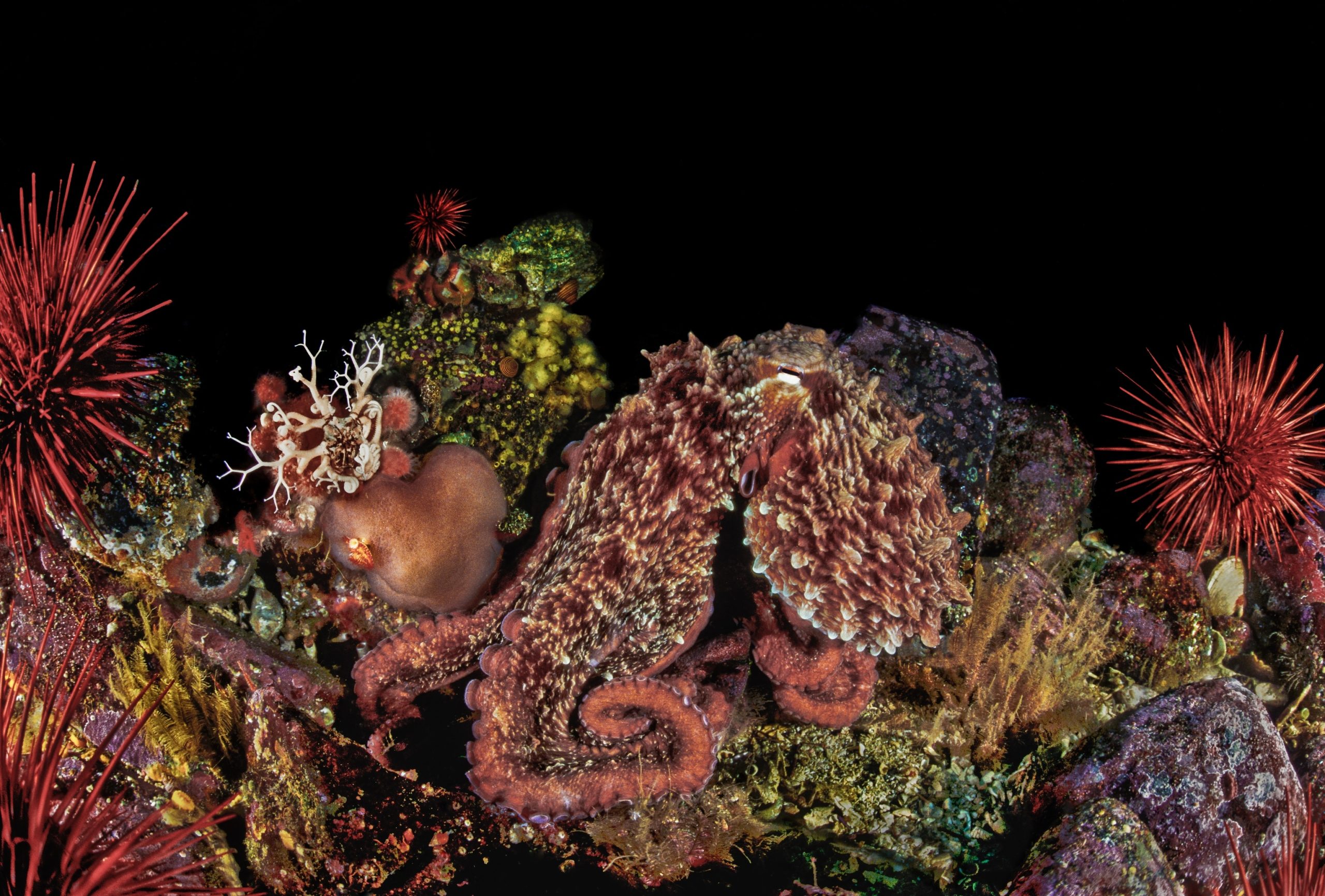
An octopus demonstrating its remarkable camouflage ability on a coral reef
Bioluminescence: Nature’s Light Show
In the dark, inhospitable depths of the ocean, where sunlight barely penetrates, many marine animals have evolved the ability to produce light through a process known as bioluminescence. This adaptation serves various purposes, from attracting prey to deterring predators. The anglerfish, with its glowing lure, epitomizes this phenomenon, using light to entice curious prey into its waiting jaws. Similarly, the vampire squid utilizes bioluminescence not to attract, but to startle and confuse predators, giving it a chance to escape.
Unique Body Structures
The physical form of marine animals often reflects their specific ecological niches. The streamlined bodies of dolphins and sharks, for example, are perfectly designed for fast swimming, allowing them to chase down prey or escape threats with ease. Meanwhile, the sea turtle possesses flippers that enable long-distance migrations across the open ocean. The giant squid, with its massive eyes, is perfectly adapted to detect the faintest glimmers of light in the deep sea, aiding in navigation and hunting.
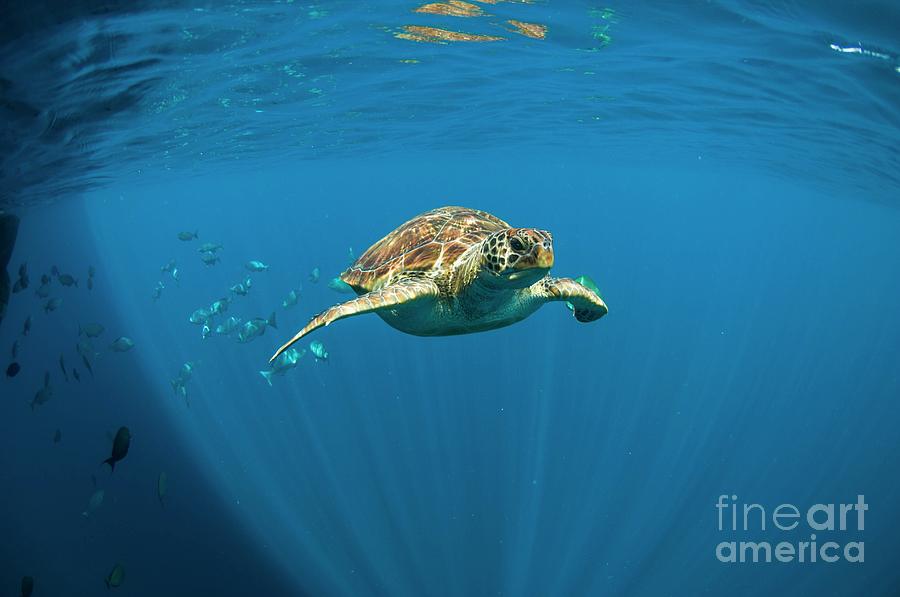
A sea turtle gracefully navigating the open ocean
Behavioral Adaptations: Migration and Feeding
Beyond physical adaptations, many marine animals exhibit complex behaviors that enhance their survival. Migration is a common strategy, allowing species like the humpback whale and sea turtle to exploit different environments throughout the year, often traveling thousands of miles between feeding and breeding grounds. This incredible journey is driven by instinct and environmental cues, demonstrating the profound connection these animals have with their ocean home.
In terms of feeding strategies, marine animals have evolved a diverse array of techniques to secure nourishment. The whale shark, for instance, is a filter feeder, consuming vast quantities of plankton by swimming with its mouth open. Conversely, the octopus uses its keen intelligence and dexterous tentacles to outwit prey, showcasing a level of problem-solving ability that is rare in the animal kingdom.
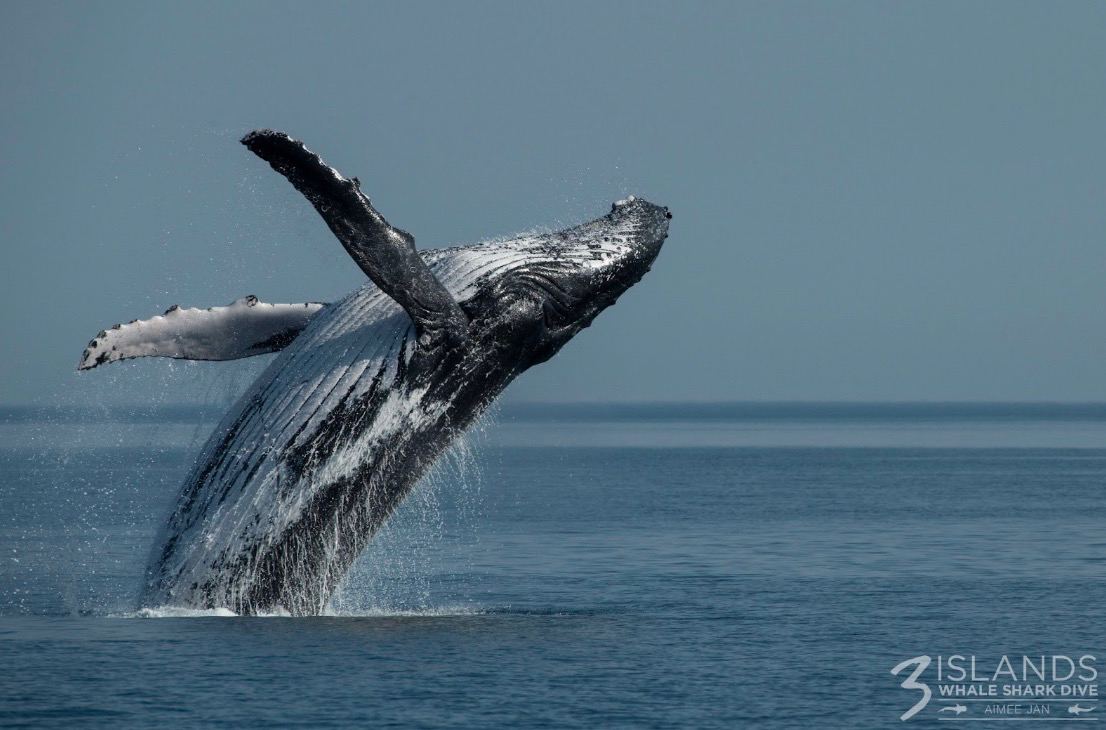
A humpback whale breaching during its long migration
The Role of Symbiotic Relationships
The ocean is a realm where symbiotic relationships flourish, enhancing the survival prospects of the involved parties. Mutualism, where both species benefit, is exemplified by the relationship between clownfish and sea anemones. The clownfish gains protection from predators by living among the anemone’s stinging tentacles, while the anemone benefits from the nutrients present in the clownfish’s waste. Parasitism, on the other hand, involves one organism gaining at the expense of another, such as the isopod that attaches to fish, feeding on its blood or tissues.
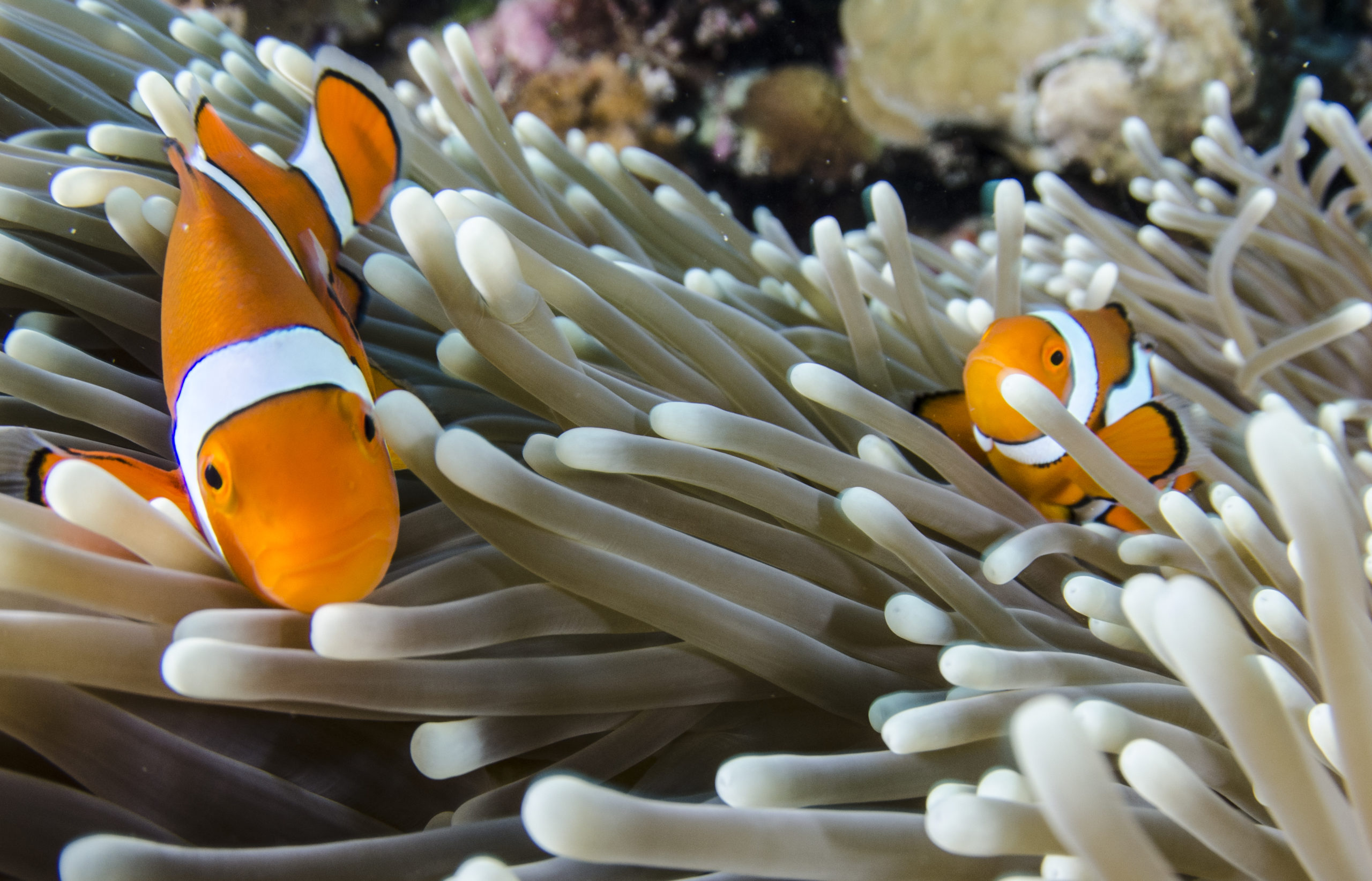
Clownfish seeking refuge within the tentacles of a sea anemone
Human Impact and the Future of Marine Life
The adaptability of marine animals is truly awe-inspiring, yet it is not without limits. Human activities, such as pollution, overfishing, and climate change, pose significant threats to oceanic ecosystems. Conservation efforts are crucial in ensuring the survival of these remarkable creatures. By understanding and appreciating the wonders of oceanic adaptation, we can better advocate for the protection and preservation of marine life.
In conclusion, the ocean’s myriad adaptations are a testament to the resilience and ingenuity of marine animals. As we continue to explore and learn from these extraordinary creatures, we must also commit to safeguarding their future, ensuring that the wonders of oceanic adaptation can be celebrated for generations to come.
WildWhiskers is a dedicated news platform for animal lovers around the world. From heartwarming stories about pets to the wild journeys of animals in nature, we bring you fun, thoughtful, and adorable content every day. With the slogan “Tiny Tails, Big Stories!”, WildWhiskers is more than just a news site — it’s a community for animal enthusiasts, a place to discover, learn, and share your love for the animal kingdom. Join WildWhiskers and open your heart to the small but magical lives of animals around us!