





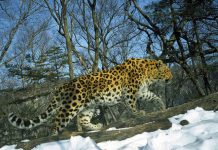
Venturing into the icy realm of Antarctica is like stepping onto a different planet. This frozen continent, cloaked in perpetual snow and ice, presents an environment where survival seems improbable. Yet, against all odds, a diverse array of animals of Antarctica thrives here, each showcasing extraordinary adaptations that defy the extreme cold. It’s a place where the thermometer often plummets below -60°C (-76°F), where daylight and darkness stretch for months, and where food is as scarce as the summer warmth. This inhospitable land is a testament to nature’s resilience, where life finds a way to not just survive but flourish.
From the iconic Emperor Penguins, which huddle together in the face of brutal winter winds, to the agile Adélie Penguins navigating icy waters with ease, each species has carved out a niche in this challenging environment. The vast, icy expanse is also home to the Weddell Seals, masters of deep dives under thick sea ice, and the fearsome Leopard Seals, apex predators with a taste for penguins. In the skies, the Snow Petrel and the hardy Antarctic Skua demonstrate the remarkable adaptability of avian life amidst the ice.
As we explore these creatures and their incredible survival strategies, we also confront the pressing issue of climate change, which threatens this delicate ecosystem. Understanding the vital role these animals play in the Antarctic food web is crucial. They are not only symbols of endurance but also indicators of the health of our planet. Join us on this journey into the frozen heart of the Earth, where the animals of Antarctica reveal the tenacity of life in the coldest place on Earth.
The Harsh Environment of Antarctica
Antarctica, the coldest, driest, and windiest continent on Earth, presents an environment so extreme that it challenges not just the imagination, but the very limits of survival. Situated around the South Pole, this icy wilderness is a land of superlatives, and its harsh conditions test the resilience of every living creature that dares to call it home.
Climate and Landscape Challenges
Antarctica’s climate is defined by its extreme cold, with temperatures plummeting below -60°C (-76°F) during the winter months. This relentless cold is compounded by fierce katabatic winds that can reach speeds of over 200 km/h (124 mph), making the environment even more inhospitable. These winds, driven by gravity, sweep down from the interior ice sheets towards the coast, creating an ever-present chill that bites through even the thickest of protective layers.
The landscape of Antarctica is as formidable as its climate. The continent is covered by an ice sheet that averages over a mile in thickness, accounting for about 90% of the world’s fresh water. This vast expanse of ice creates a stark, white desert, where most of the land is buried beneath layers of ancient ice. The few exposed rock formations, known as nunataks, are often battered by the elements, standing as lonely sentinels in a sea of ice.
The polar night and midnight sun further complicate life in Antarctica. During the winter, the sun does not rise for months, enveloping the continent in darkness. Conversely, the summer brings continuous daylight, a phenomenon that disrupts the internal clocks of many living organisms. These extreme light cycles can influence behaviors, such as feeding and reproduction, making survival a complex challenge.
Unique Adaptations Required for Survival
Despite these overwhelming challenges, the animals of Antarctica have developed remarkable adaptations that allow them to thrive in such an unforgiving environment. These adaptations are a testament to the incredible resilience and ingenuity of life.
One of the most critical adaptations is the development of insulating layers. Many Antarctic animals, such as seals and whales, possess thick layers of blubber that provide crucial insulation against the icy waters. Penguins and seabirds have evolved specialized feathers that trap air and provide buoyancy and warmth. These adaptations are essential for maintaining body heat in a climate where exposure can quickly lead to hypothermia.
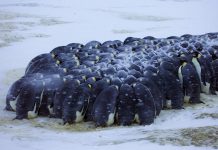
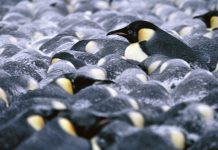
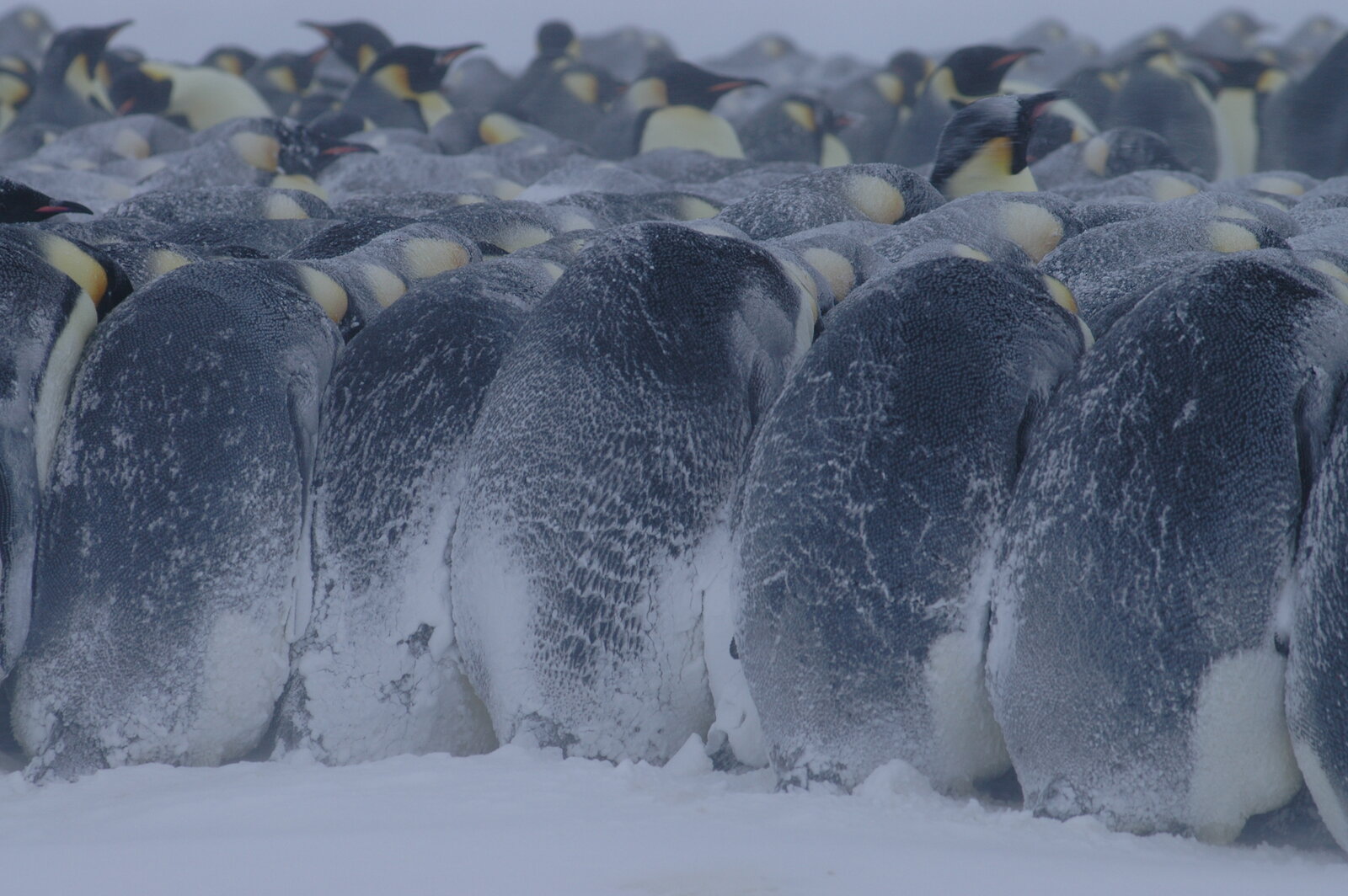
Behavioral adaptations also play a significant role in survival. For instance, huddling is a common strategy among emperor penguins, which gather in large groups to conserve warmth and protect each other from the wind. This social behavior reduces individual heat loss and increases the chances of survival during the harshest winter months.
Moreover, some animals have adapted their metabolic processes to cope with the scarcity of food. For example, the Antarctic krill can slow their metabolism and survive on their body reserves when food is scarce. This ability to endure periods of deprivation is vital in an environment where food sources are not always reliable.
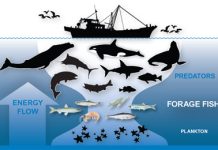
The Antarctic ecosystem also relies on a few keystone species, such as krill, which form the base of the food web. These tiny crustaceans are a primary food source for many larger animals, including whales, seals, and penguins, making their survival crucial for the entire ecosystem.

The animals of Antarctica are, without a doubt, some of the most fascinating and resilient creatures on our planet. Their extraordinary adaptations not only enable them to survive but also to flourish in one of the Earth’s most extreme environments. Understanding these adaptations provides insight into the complex interplay between life and the environment, highlighting the delicate balance required for survival in such a harsh climate.
Penguins: The Iconic Residents
When we think of the animals of Antarctica, penguins are often the first creatures that come to mind. These charismatic birds have become symbols of survival in one of the harshest climates on Earth. Their ability to withstand the icy temperatures and thrive in such an inhospitable environment is nothing short of remarkable. Among the various species, the Emperor Penguins and the Adélie Penguins stand out not only for their distinctive behaviors but also for their incredible adaptations to life on the ice.
Emperor Penguins: Masters of Cold Endurance
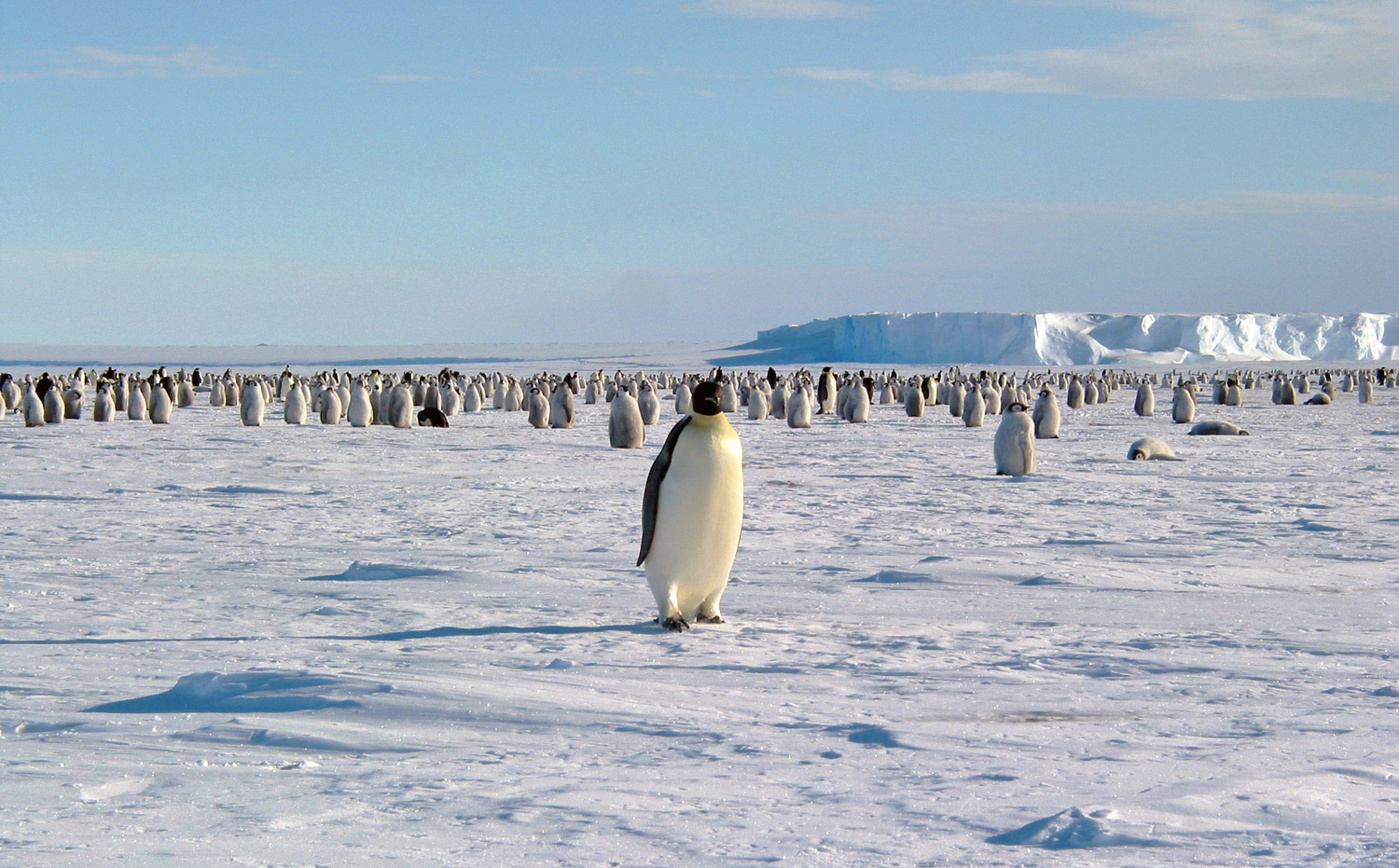
The Emperor Penguin is the tallest and heaviest of all penguin species, with adults reaching heights of up to 1.2 meters (about 4 feet) and weighing anywhere from 22 to 45 kilograms (49 to 99 pounds). These impressive birds are true masters of cold endurance, surviving and even thriving in temperatures that can plummet below -60°C (-76°F) during the harsh Antarctic winter.
One of the most fascinating aspects of the Emperor Penguin’s life cycle is its breeding process. Unlike most birds, Emperor Penguins breed during the Antarctic winter. After laying a single egg, the female transfers it to the male, who carefully balances it on his feet and covers it with a flap of skin to keep it warm. During this incubation period, which lasts about 65 days, the male fasts and relies on his fat reserves to survive. Meanwhile, the female returns to the sea to feed and replenish her energy.
To conserve heat, the males huddle together, forming tight groups that can include thousands of birds. They take turns moving from the exposed outer edges of the group to the more sheltered center, ensuring that each penguin gets a chance to warm up. This huddling behavior is a remarkable display of cooperation and communal survival in the face of extreme cold.
Adélie Penguins: Agile Ice Navigators
In contrast to the Emperor Penguins, the Adélie Penguins are known for their agility and speed. These smaller penguins, standing about 70 centimeters (27.5 inches) tall and weighing around 5 kilograms (11 pounds), are excellent swimmers and adept at navigating through the icy waters surrounding Antarctica.
Adélie Penguins are highly social and are often seen in large colonies, sometimes numbering in the tens of thousands. They are known for their distinctive black-and-white coloring and their bold, curious nature. These penguins feed primarily on krill and small fish, diving to depths of around 150 meters (492 feet) to catch their prey.
One of the remarkable behaviors of Adélie Penguins is their nesting strategy. During the breeding season, they construct nests out of small stones, which they meticulously gather and arrange. This practice not only provides a stable platform for their eggs but also helps elevate the nest above the wet ground, protecting it from melting snow and ice.
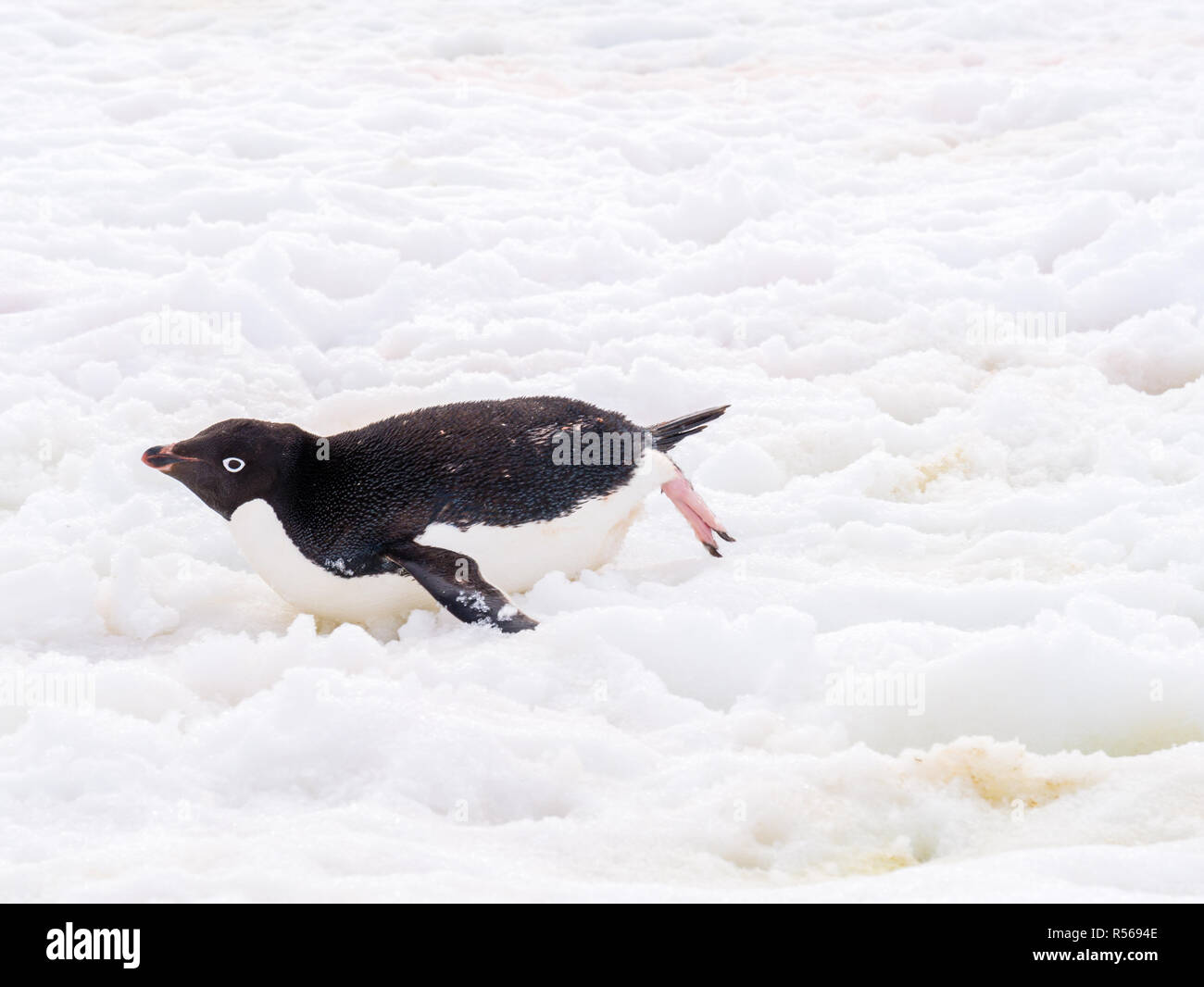
The agility of Adélie Penguins is particularly evident when they are on land. They use a combination of walking and tobogganing—sliding on their bellies using their flippers to push themselves forward—to move quickly across the ice. This adaptability allows them to efficiently navigate their environment and avoid potential predators.
The animals of Antarctica, such as the Emperor and Adélie Penguins, exemplify nature’s resilience and adaptability. Their presence on the continent is a testament to the incredible ways life can adapt to even the most challenging conditions, offering us insights into the delicate balance of the Antarctic ecosystem and the impacts of climate change on these iconic residents.
Seals: Marine Mammals of the Ice
Antarctica is home to some of the most intriguing animals of Antarctica, and among them are the resilient and adaptable seals. These marine mammals have evolved to thrive in the icy waters of the Southern Ocean, showcasing a remarkable array of adaptations that enable them to survive the harsh conditions of this frozen continent. In particular, the Weddell seal and the leopard seal represent two fascinating examples of how life can flourish in such an extreme environment.
Weddell Seals: Deep Divers in Icy Waters
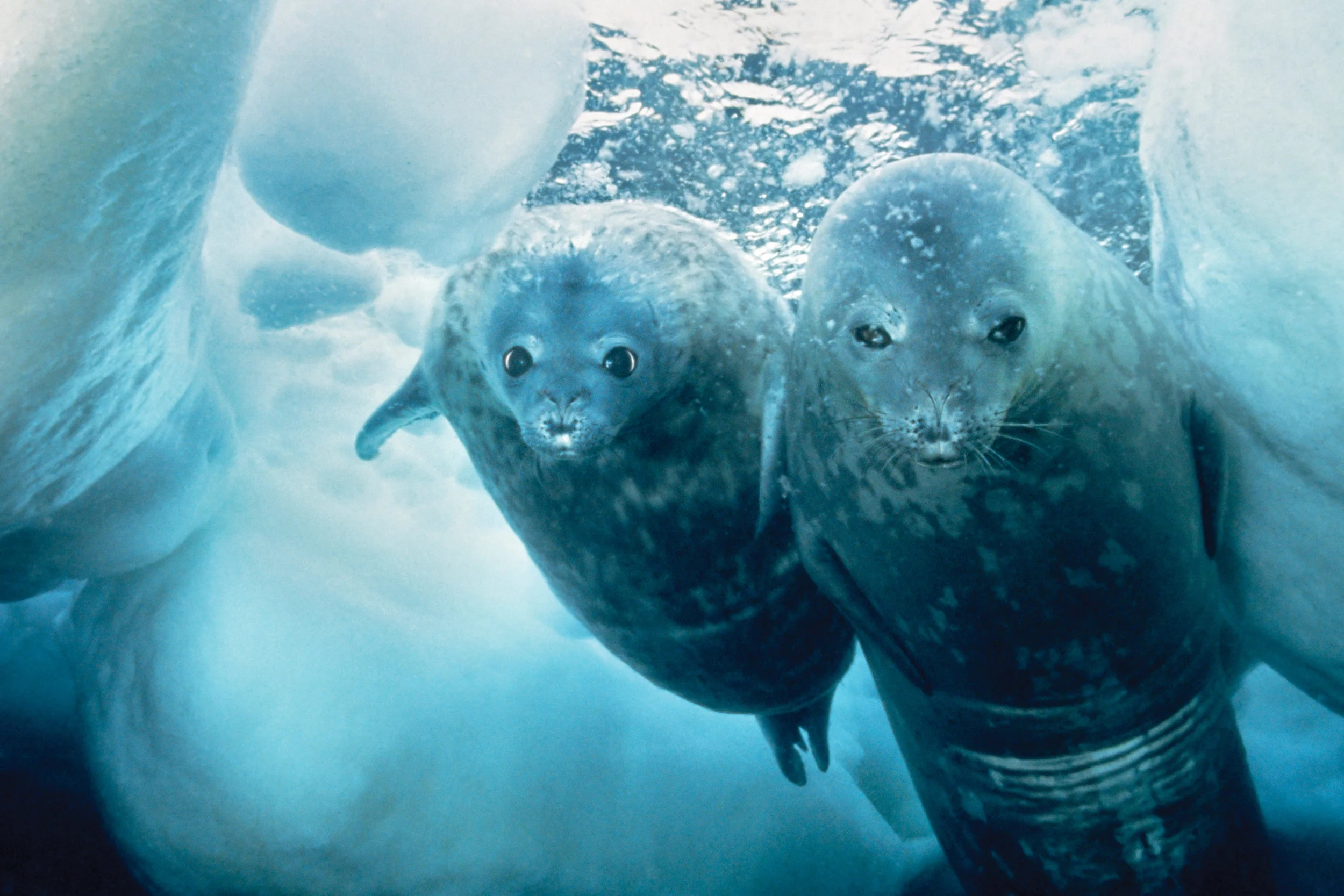
Weddell seals are often celebrated for their extraordinary diving abilities. These seals can dive to depths of up to 600 meters (approximately 1,970 feet) and remain submerged for more than an hour. This remarkable feat is made possible by several physiological adaptations, including a high blood volume that stores oxygen and a slowed heart rate that conserves it. Their ability to dive deep beneath thick sea ice allows them to access fish and other prey that are unavailable to many other predators in Antarctica.
One of the most fascinating aspects of Weddell seals is their ability to maintain breathing holes in the ice. They use their strong teeth to gnaw through the ice, ensuring they have access to air when they surface. This behavior is crucial for their survival, especially during the long Antarctic winters when the sea ice can become particularly thick.
Weddell seals are also known for their gentle and curious nature. Unlike some other seal species, they are often unafraid of humans and may even approach researchers out of curiosity. This has made them a popular subject of study, providing valuable insights into the adaptations of marine mammals in polar environments.
Leopard Seals: The Apex Predators
In stark contrast to the relatively benign Weddell seal, the leopard seal is a fearsome predator and one of the top carnivores in the Antarctic ecosystem. Known for their powerful build and formidable hunting skills, leopard seals are often referred to as the “wolves of the sea” due to their predatory prowess.
Leopard seals are easily recognizable by their long, reptile-like head and distinctive spotted coat. Their diet is diverse, ranging from krill and fish to penguins and even other seals. With a powerful set of jaws and sharp teeth, they are perfectly equipped for their role as apex predators. Leopard seals are particularly skilled at hunting penguins, often lurking near ice edges where they can ambush their unsuspecting prey.
Despite their fearsome reputation, leopard seals are also solitary and elusive creatures. They spend much of their time alone, patrolling the icy waters in search of food. Observing these majestic animals in their natural habitat is a rare and awe-inspiring experience.
In conclusion, seals are among the most remarkable animals of Antarctica, each species exhibiting unique adaptations that enable them to thrive in this extreme environment. From the deep-diving abilities of the Weddell seal to the predatory prowess of the leopard seal, these marine mammals play a vital role in the Southern Ocean’s ecosystem, highlighting the incredible diversity and resilience of life on this frozen continent.
Birds and Their Adaptive Strategies
Antarctica, a land of ice and extremes, is not just home to iconic penguins and mighty marine mammals. Among its inhabitants are birds that have developed extraordinary adaptations to survive in this unforgiving environment. These avian residents are a testament to the resilience of life in one of the harshest climates on Earth.
The Flight of the Snow Petrel
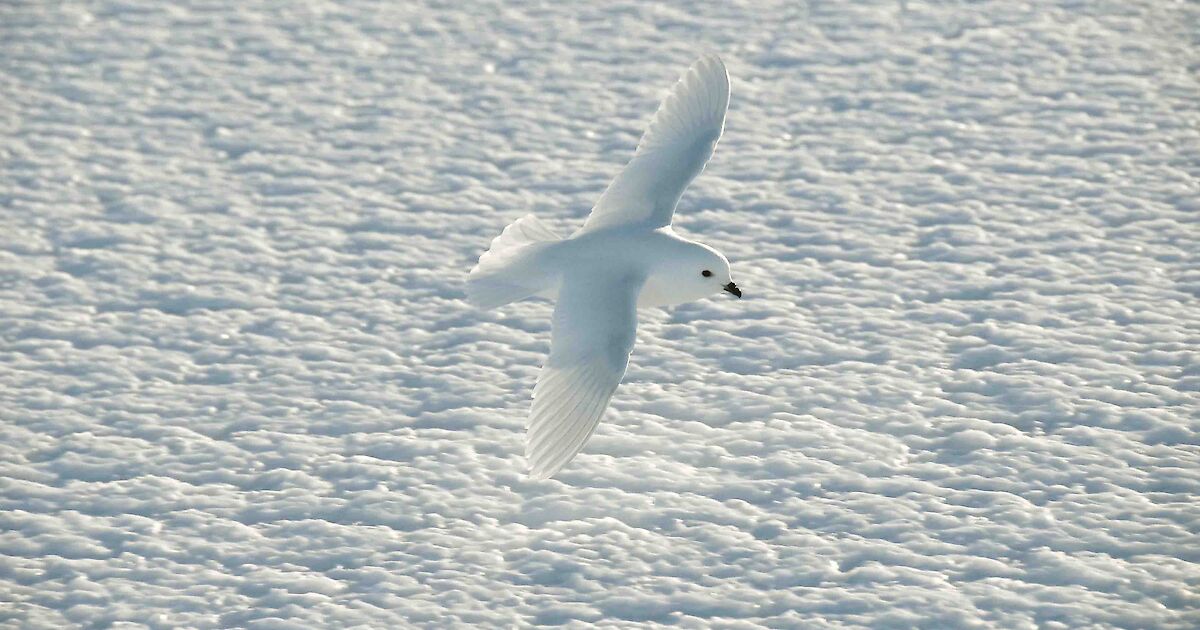
The Snow Petrel, with its striking white plumage, is one of the most beautiful and enduring birds of Antarctica. This small bird, often seen gliding gracefully over the icy landscape, is uniquely adapted to its habitat. The Snow Petrel’s pure white feathers offer excellent camouflage against the snow and ice, providing protection from predators.
These birds are known for their incredible flight skills, often navigating through treacherous winds and blizzards with ease. The Snow Petrel’s ability to fly long distances in search of food is crucial for its survival. They feed primarily on fish, krill, and squid, relying on the productivity of the Southern Ocean to sustain them.
Breeding exclusively on the continent, Snow Petrels nest in crevices and cliffs, where they lay a single egg each year. The harsh environment demands resilience, and both parents share the responsibility of incubating the egg and feeding the chick. Their dedication ensures the continuation of their species in this extreme habitat.
The Resilience of the Antarctic Skua
Another remarkable bird of Antarctica is the Antarctic Skua. Known for their adaptability and intelligence, Skuas have earned a reputation as opportunistic feeders. Unlike the Snow Petrel, which relies on a diet driven by the ocean, Skuas are known to scavenge and even steal food from other birds, demonstrating their resourcefulness.
The Antarctic Skua’s robust build and aggressive nature make it a formidable presence. They are known to prey on penguin chicks and eggs, as well as feed on carrion and fish. This varied diet allows them to thrive even when food sources are scarce.

Skuas are also highly territorial, often seen defending their nests fiercely against intruders. Their nesting sites are typically located on rocky outcrops, where they can keep an eye on their surroundings. This strategic advantage helps them protect their young from predators.
In the larger context of the animals of Antarctica, birds like the Snow Petrel and Antarctic Skua play crucial roles in the ecosystem. They are not just survivors but are integral to the balance of life in this icy wilderness. Their presence highlights the adaptability of Antarctic wildlife and underscores the importance of preserving these unique species amidst growing environmental threats.
Other Remarkable Antarctic Creatures
Antarctica, a land of ice and extreme cold, harbors a surprising array of life forms that have adapted to its harsh conditions in remarkable ways. Beyond the well-known penguins and seals, there are other animals of Antarctica that play crucial roles in the ecosystem and showcase extraordinary survival strategies. Among these are the hardy Antarctic krill and the mysterious icefish.
The Hardy Antarctic Krill
Antarctic krill (Euphausia superba) may not be the most glamorous creatures, but they are undoubtedly among the most important in the Antarctic food web. These small, shrimp-like crustaceans form massive swarms in the Southern Ocean, providing a critical food source for a multitude of species, including whales, seals, penguins, and fish.
Krill are incredibly well-adapted to their frigid environment. During the harsh Antarctic winter, when food is scarce, krill can shrink their bodies and survive on their own bodily reserves by consuming a layer of ice algae. This remarkable ability allows them to endure periods of limited resources and thrive once conditions improve.
The importance of krill cannot be overstated. They serve as a keystone species in the Antarctic ecosystem, supporting the survival of many larger animals. The health of krill populations is a direct indicator of the ocean’s health, and any decline in their numbers could have cascading effects on the entire food web.

However, krill populations are facing significant threats due to climate change and overfishing. As sea ice diminishes, so does the crucial habitat for krill, leading to potential declines in their numbers. Sustainable management and conservation efforts are essential to protect this vital species and, by extension, the entire Antarctic ecosystem.
The Mysterious Icefish
Another fascinating inhabitant of the Antarctic waters is the icefish, a group of species belonging to the family Channichthyidae. These fish are known for their unique adaptations to the cold, oxygen-rich waters of the Southern Ocean. One of the most intriguing features of icefish is their transparent blood, which lacks hemoglobin, the protein that typically carries oxygen in vertebrate blood.
Instead of relying on hemoglobin, icefish absorb oxygen directly through their skin and gills, a process facilitated by the cold water’s high oxygen content. This adaptation allows them to survive in temperatures that would be lethal to other fish species. Additionally, they have antifreeze proteins in their blood, which prevent ice crystals from forming in their bodies.
Icefish are not only biological curiosities but also play a significant role in the Antarctic food web. They prey on smaller fish and krill, while also serving as prey for larger predators like seals and penguins. Their presence is indispensable in maintaining the balance of the ecosystem.
Despite their resilience, icefish populations are vulnerable to environmental changes. As the climate warms and ice continues to melt, the delicate balance of the Antarctic ecosystem is disrupted, posing challenges to the survival of these remarkable creatures. Understanding and mitigating these impacts are crucial for preserving the biodiversity of animals of Antarctica.
Both Antarctic krill and icefish exemplify the incredible adaptability and resilience of life in one of the harshest environments on Earth. Their survival strategies offer valuable insights into the complexity of the Antarctic ecosystem and underscore the urgent need for conservation efforts to protect these and other animals of Antarctica from the looming threats of climate change and human activity.
Understanding the Impact of Climate Change
Threats to Antarctic Species
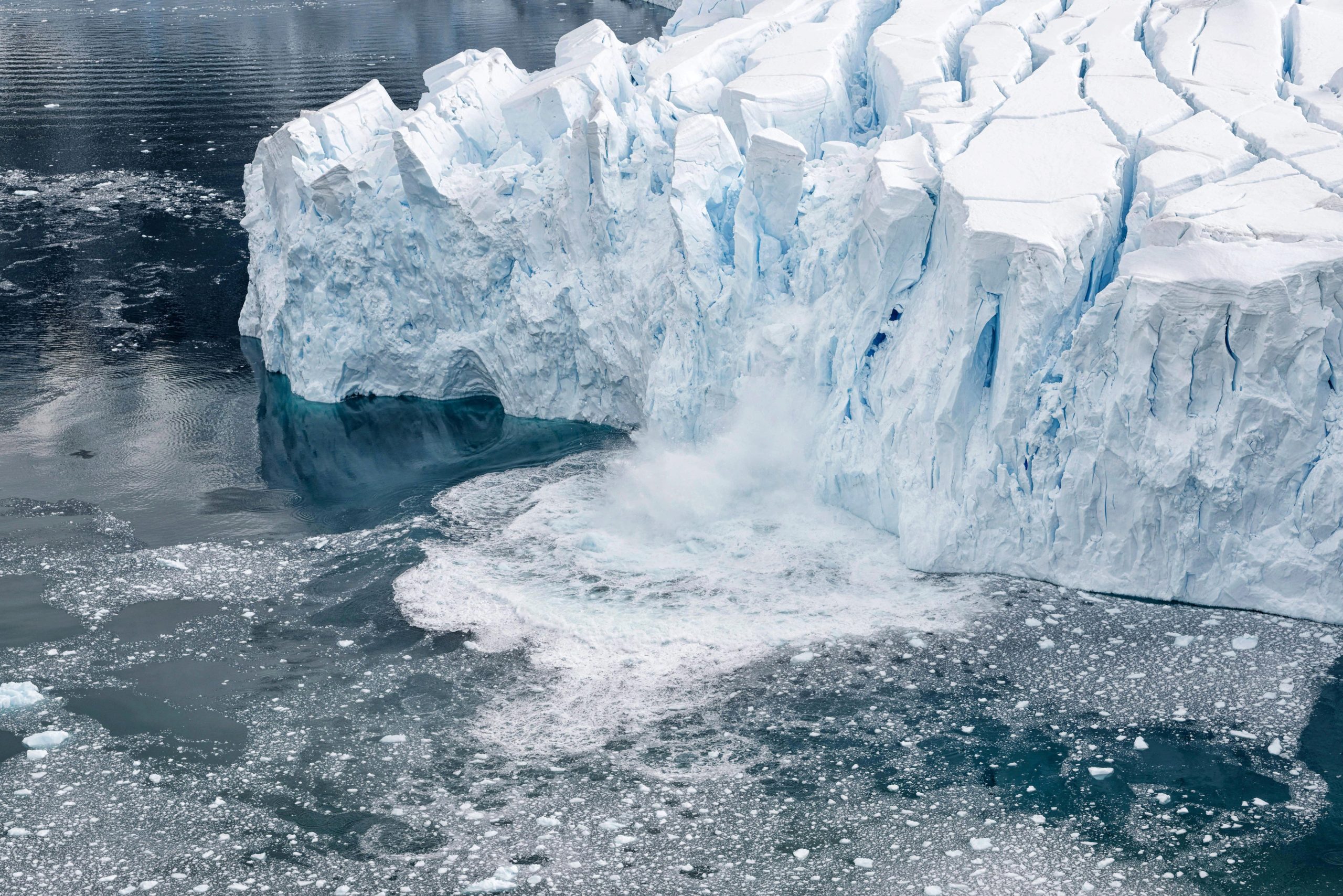
The animals of Antarctica are remarkable survivors, having adapted to one of the most inhospitable climates on Earth. However, climate change poses significant threats to these resilient species. The continent is experiencing warming at an accelerated rate, leading to dramatic changes in the ice cover and marine environment that these animals depend on for survival.
Melting Ice and Habitat Loss: The most immediate threat from climate change is the melting of sea ice. This ice acts as a critical habitat for many species, including the iconic emperor penguins and Weddell seals. As the ice melts, these animals lose their breeding and hunting grounds. Emperor penguins, for example, rely on stable sea ice to breed during the harsh winter months. With less ice, their breeding success declines, threatening the future of this species.
Impact on Food Sources: Another critical impact of climate change is the disruption of the Antarctic food web. Krill, small crustaceans that form the foundation of the Antarctic food chain, are particularly sensitive to changes in sea temperature and ice cover. A reduction in krill populations can ripple through the ecosystem, affecting various species, from penguins to the massive blue whale.
Ocean Acidification: As the oceans absorb more carbon dioxide from the atmosphere, they become more acidic. This change in pH levels can alter the availability of nutrients and impact the health of marine life, including the krill and fish that Antarctic animals rely on.
Conservation Efforts and Future Outlook
Despite these daunting challenges, there is hope. Conservation efforts aimed at protecting the animals of Antarctica are underway, focusing on safeguarding habitats and mitigating the effects of climate change.
Protected Areas and International Agreements: One of the primary strategies for conserving Antarctic wildlife is the establishment of Marine Protected Areas (MPAs). These areas restrict human activities such as fishing and tourism, providing a safe haven for marine life. The Antarctic Treaty System, an international agreement signed by multiple countries, plays a crucial role in managing these protected areas and ensuring the continent remains a zone dedicated to peace and science.
Research and Monitoring: Ongoing scientific research is vital for understanding the impacts of climate change on Antarctic ecosystems. By monitoring species populations and environmental conditions, scientists can make informed decisions about conservation strategies and adapt them as needed.
Innovative Solutions: In addition to traditional conservation methods, innovative solutions are being explored. These include developing technologies to better track and reduce carbon emissions and implementing sustainable fishing practices to prevent overexploitation of krill and other resources.
Community and Global Involvement: Finally, raising awareness and engaging the global community are essential components of conservation efforts. By educating people about the unique and fragile ecosystems of Antarctica, we can inspire collective action to protect these environments. Organizations and platforms like WildWhiskers play a pivotal role in spreading awareness and fostering a community of animal enthusiasts committed to conservation.
As we look to the future, it is clear that the survival of the animals of Antarctica will depend on our ability to address climate change and implement effective conservation measures. By taking action now, we can help ensure that these extraordinary creatures continue to thrive in their icy home for generations to come.
WildWhiskers is a dedicated news platform for animal lovers around the world. From heartwarming stories about pets to the wild journeys of animals in nature, we bring you fun, thoughtful, and adorable content every day. With the slogan “Tiny Tails, Big Stories!”, WildWhiskers is more than just a news site — it’s a community for animal enthusiasts, a place to discover, learn, and share your love for the animal kingdom. Join WildWhiskers and open your heart to the small but magical lives of animals around us!