




In the enchanting realm of Disney’s The Lion King, we are transported to a vibrant tapestry of life that celebrates the diverse and majestic creatures of the African wilderness. While the unfolding story of Simba’s growth and triumph captures our hearts, it’s the rich cast of animal characters that truly brings this animated classic to life. Each character, from the wise mandrill Rafiki to the comedic warthog Pumbaa, is inspired by real-life counterparts, embodying the essence of Africa’s wildlife.
This blog post invites you on an exploration beyond the silver screen, delving into the fascinating world of these Lion King animals and their natural habitats. We will examine the regal lions, like Mufasa and Simba, whose real-life counterparts play a crucial role in maintaining the balance of their ecosystems. Dive into the social intricacies of mandrills and hyenas, often misunderstood but vital to the natural order. Discover the playful dynamics of meerkats, whose social structures are as engaging as they are complex. And of course, we can’t forget the warthogs, whose surprising adaptability and lifestyle often go unnoticed.
As we journey through this exploration, we’ll reflect on how these animals fit into the larger tapestry of life in Africa, reminding us of the delicate balance that nature maintains. While The Lion King may be a work of fiction, its backdrop is all too real, highlighting the beauty and challenges faced by these species. Join us as we celebrate the Lion King animals in their natural splendor, offering a glimpse into the remarkable world of Africa’s wildlife and the importance of conservation efforts to safeguard their future.
The Majesty of the Lion: Mufasa and Simba
The lion, often referred to as the “king of the jungle,” holds a special place in both the natural world and popular culture. In Disney’s “The Lion King,” the characters Mufasa and Simba epitomize the grace, strength, and leadership that we often associate with these magnificent creatures. Through their story, audiences around the world have come to appreciate not only the fictional narrative but also the real-life majesty of lions in the African savanna.
Characteristics of Real-Life Lions
Lions are known for their regal appearance and powerful build. A male lion can weigh between 330 to 550 pounds and possesses a distinctive mane that makes him stand out among the big cats. The mane, which varies in color from blond to black, is not just for show; it plays an essential role in protecting the lion during fights and is a sign of maturity and health.
In the wild, lions are social animals and are the only truly social cats, living in groups known as prides. A pride typically consists of several related females, their cubs, and a small number of adult males. This social structure is unique among big cats and plays a critical role in the survival and hunting strategies of these animals.
Lions are apex predators, and their presence is a crucial component of their ecosystem. They are primarily nocturnal hunters and rely on teamwork to bring down large prey such as zebras, buffalo, and even young elephants. This cooperative hunting strategy is a testament to their intelligence and adaptability.

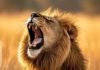
A majestic male lion with a full mane in the African savanna
The Role of Lions in African Ecosystems
Lions play a pivotal role in maintaining the health of their ecosystems. By preying on herbivores, they help control the populations of these animals, which in turn prevents overgrazing and promotes biodiversity. This balance is vital for the health of the savanna and its myriad inhabitants.
Moreover, lions are keystone species, meaning their presence is crucial for the stability of the ecosystem. Without them, there could be a cascade of negative effects that would disrupt the delicate balance of the environment. For instance, an unchecked increase in herbivore populations could lead to overgrazing, which would result in habitat degradation and a decline in biodiversity.
The importance of lions extends beyond their ecological role. They are cultural icons and generate significant economic benefits through tourism. Many people travel to Africa specifically to see these magnificent animals in their natural habitat, contributing to the local economies and funding conservation efforts.
Despite their importance, lions face numerous threats, including habitat loss, human-wildlife conflict, and poaching. Conservation efforts are crucial to ensure that future generations can continue to admire these incredible creatures both in the wild and in stories like “The Lion King.”
The story of Mufasa and Simba in “The Lion King” not only entertains but also educates us about the real-world dynamics of lion king animals. It highlights the importance of leadership, the circle of life, and the interconnectedness of all living beings. As we reflect on their tale, we are reminded of our responsibility to protect and preserve these majestic animals and their habitats.
The Wise Mandrill: Rafiki
In Disney’s “The Lion King,” Rafiki, the mystical mandrill, serves as a wise advisor to Mufasa and later to Simba. His unique personality and wisdom are deeply rooted in the characteristics and behaviors of real-life mandrills, which are fascinating creatures with distinct social structures and features.
Mandrill Behavior and Social Structure
Mandrills are known for their complex social structures, which are among the most intricate in the primate world. They live in large groups known as hordes, which can number in the hundreds, making them one of the largest social groupings found among non-human primates. Within these hordes, there is a clear hierarchy, led by a dominant male, who is usually the most colorful and robust of the group. This social structure ensures order and cooperation, essential for survival in the dense rainforests of Central Africa where they are predominantly found.
The social interactions among mandrills are fascinating. They communicate through a range of vocalizations, facial expressions, and body postures. Grooming plays a significant role in maintaining social bonds, and it is common to see mandrills engaging in this activity to reinforce alliances and reduce tension within the group. Rafiki’s role in “The Lion King” mirrors these real-life behaviors, as he acts as a mediator and guide, fostering harmony within the animal kingdom.

Mandrills engaging in social grooming in their natural rainforest habitat
The Unique Features of Mandrills
Mandrills are arguably one of the most visually striking primates, known for their vibrant facial coloration and impressive size. The dominant males, in particular, exhibit a resplendent array of colors on their faces and rumps, ranging from bright blues to fiery reds. This coloration is not just for show; it serves as a status symbol within the horde. The more colorful a male mandrill, the higher his rank, and the better his chances of attracting mates.
Another distinctive feature of mandrills is their large canine teeth, which can be intimidating but are primarily used for display rather than aggression. These teeth are often shown in a yawn-like gesture that communicates dominance or warns potential threats. In “The Lion King,” Rafiki’s wise and sometimes quirky demeanor might not showcase these physical traits directly, but his character encapsulates the mandrill’s blend of strength and wisdom.
Mandrills are omnivorous, with a diet that includes fruits, seeds, insects, and small animals. This diverse diet reflects their adaptability and intelligence, traits that are echoed in Rafiki’s character as he provides guidance and insights to other lion king animals.

A closeup of a mandrills vibrant facial colors
In essence, Rafiki’s character in “The Lion King” is a homage to the real-life mandrill’s intelligence, social complexity, and extraordinary physical traits. By understanding these animals better, we gain a deeper appreciation for the intricate tapestry of life that inspires such beloved characters in popular culture. As viewers connect with Rafiki and the other lion king animals, they are also invited to explore and cherish the rich biodiversity of Africa’s wildlife.
The Cunning Hyenas: Shenzi, Banzai, and Ed
In Disney’s The Lion King, the hyenas Shenzi, Banzai, and Ed provide a mix of comic relief and antagonistic presence. However, in the real world, spotted hyenas (Crocuta crocuta) are fascinating creatures with complex social structures and significant ecological roles. Let’s delve into their social hierarchy and the common misconceptions about these often misunderstood animals.
Hyena Social Hierarchy and Behavior
Spotted hyenas are known for their unique social structure, which is matriarchal. Unlike many other mammalian societies, female hyenas are dominant over males. The clan is led by an alpha female, and her daughters often inherit their mother’s high status. This hierarchy is not just a matter of aggression or size; it’s deeply rooted in the social fabric and genetics of the hyena community.
Hyenas live in large groups called clans, which can consist of up to 80 individuals. Within these clans, there is a clear ranking system determined by birthright and social alliances. Young females inherit their mother’s rank, while males are often lower in the hierarchy and may leave their birth clan to join another group, where they have to start at the bottom and work their way up.

A clan of spotted hyenas displaying their social hierarchy
The behavior of hyenas is equally intriguing. They are highly vocal animals, using a complex system of sounds to communicate with each other. The infamous “laugh” of the hyena is actually a vocalization used during social interactions, often indicating submission or excitement. These calls can travel several kilometers, helping clan members keep in touch over large distances.
The Misunderstood Role of Hyenas in the Wild
In popular culture, hyenas are often depicted as cowardly scavengers, but this portrayal does not do justice to their true nature. While they are indeed opportunistic feeders and will scavenge when the opportunity arises, hyenas are also skilled hunters. In many ecosystems, they are responsible for a significant proportion of the large mammal kills. In fact, in some regions, hyenas are known to hunt more efficiently than lions, with success rates as high as 74%.
Hyenas play a crucial role in the African ecosystem. As both hunters and scavengers, they help control the populations of other animals and clean up carrion, preventing the spread of disease. Their presence ensures a healthy balance within the food web, contributing to the overall biodiversity of their habitat.

Hyenas showcasing their hunting skills in the African grasslands
Despite their ecological importance, hyenas often face negative perceptions. This is partly due to their portrayal in movies like The Lion King, where they are depicted as villains. However, understanding their behavior and role in the ecosystem helps to dispel these myths. Conservation efforts are crucial to protect these fascinating creatures, as they face threats from habitat loss and human-wildlife conflict.
In conclusion, while Shenzi, Banzai, and Ed provide entertainment in the world of lion king animals, real-life hyenas are far from the bumbling sidekicks they’re made out to be. Their sophisticated social structure and ecological significance highlight the complexity and magnificence of the natural world. By appreciating the true nature of hyenas, we can foster a greater understanding and respect for these remarkable animals.
The Graceful Meerkat: Timon
In the vibrant world of “The Lion King,” Timon stands out as a character of charm and wit, representing the ever-curious and social meerkat. These small mammals are a significant part of the lion king animals ensemble, bringing both comedic relief and valuable life lessons to the story. Let’s delve into the fascinating real-life counterparts of Timon and explore the dynamics of meerkat colonies and their survival tactics.
Meerkat Colony Dynamics
Meerkats, known scientifically as Suricata suricatta, are small mongooses native to southern Africa. They are particularly famous for their highly social and cooperative living structures. Unlike many other wild animals, meerkats live in large groups called “mobs” or “gangs,” which can consist of up to 50 individuals. This social structure is crucial for their survival in the harsh desert environment they inhabit.
Each meerkat colony operates much like a well-oiled machine, with each member playing a specific role. Alpha males and females lead the group, and it is usually only the alpha pair that breeds, while the rest of the group assists in raising the young. This cooperative breeding system is a prime example of altruism in the animal kingdom, where non-breeding individuals help care for the offspring of others.
Communication is key in meerkat society. They use a complex system of vocalizations to convey information about predators, food, and social interactions. This ability to communicate effectively is vital for maintaining order and safety within the group. The meerkats’ system of standing guard, where one or more members act as sentinels to watch for predators while others forage or play, showcases their incredible teamwork and communal responsibility.

A meerkat colony on high alert in the desert
The Survival Tactics of Meerkats
Survival in the arid regions of southern Africa requires both adaptability and resilience. Meerkats have developed several ingenious tactics to thrive in such an unforgiving environment. One of their most notable survival strategies is their diet. Meerkats are omnivores, feeding on a variety of insects, small mammals, birds, and even fruits and vegetables. This diverse diet helps them stay nourished and hydrated in an environment where water is scarce.
Another critical survival tactic is their burrowing behavior. Meerkats are exceptional diggers, creating intricate underground networks of burrows that serve as protection from predators and the harsh desert sun. These burrows can be extensive, with multiple entrances and exits, allowing meerkats to escape quickly if threatened.
In addition to their physical adaptations, meerkats are known for their intelligence and problem-solving abilities. They have been observed using tools, such as stones, to crack open eggs or using their claws to dig for hidden insects. This ability to adapt and innovate is a testament to their intelligence and resourcefulness.
The meerkats’ ability to work together, communicate effectively, and employ innovative survival strategies makes them one of the most fascinating lion king animals to study. Their portrayal in “The Lion King,” through the character of Timon, captures their playful yet strategic nature, highlighting the intricate balance of life in the African savanna.

A meerkat digging a burrow to escape the midday heat
In conclusion, the real-life counterparts of Timon are remarkable creatures that embody the spirit of cooperation and adaptability. Their social structures and survival strategies offer a glimpse into the complex and interconnected world of African wildlife, enriching our understanding of the natural world and the lion king animals that inhabit it.
The Comedic Warthog: Pumbaa
In the vibrant world of Lion King animals, Pumbaa stands out as the lovable, comedic warthog that captures hearts with his carefree attitude and loyal companionship. While his antics provide comic relief, Pumbaa’s character is deeply inspired by the real-life warthog, known scientifically as Phacochoerus africanus. Let’s delve into the fascinating world of warthogs and explore how Pumbaa’s portrayal is both entertaining and enlightening.
Warthog Habitat and Lifestyle
Warthogs are native to sub-Saharan Africa, thriving in grasslands, savannas, and woodlands. Unlike many other wild animals, warthogs can adapt to various habitats, provided there’s enough food and water. Their ability to survive in diverse environments is one of their most remarkable traits. They often reside in abandoned burrows of aardvarks, which they modify to suit their needs. These burrows offer safety from predators and harsh weather conditions.
Warthogs are primarily herbivores, feeding on grasses, roots, berries, and even tree bark when food is scarce. This diet is reflected in Pumbaa’s on-screen love for grubs and insects, which he humorously enjoys alongside his meerkat friend, Timon. Warthogs are also known for their unique feeding behavior; they kneel on their front legs to graze, which helps them reach shorter grass. This peculiar trait adds to their charm and is a defining characteristic that Disney cleverly incorporates into Pumbaa’s animated persona.
Despite their somewhat rugged appearance, warthogs are social animals, often seen in small family groups called sounders, typically consisting of females and their young. Males may be more solitary but often join groups during the mating season. This social structure is subtly reflected in Pumbaa’s close bond with Timon and later with Simba, highlighting the importance of companionship in the animal kingdom.

A warthog grazing in the African savanna
Warthogs in Popular Culture and Reality
Warthogs have made their mark in popular culture, largely thanks to Pumbaa’s widespread popularity. In The Lion King, Pumbaa’s character challenges stereotypes by presenting warthogs as friendly and endearing, rather than fierce or unattractive. This positive portrayal has helped shift public perception of warthogs, showcasing their playful and sociable nature.
In reality, warthogs are often misunderstood due to their rugged appearance and tendency to flee at the first sign of danger. However, their ability to coexist with various animals and adapt to changing environments demonstrates their resilience and intelligence. Warthogs play a crucial role in their ecosystems by maintaining grasslands through grazing and providing habitats for other species with their burrowing activities.
The juxtaposition of Pumbaa’s comedic antics with the real-life warthog’s ecological significance highlights the importance of understanding and appreciating these unique creatures. By including warthogs in their narrative, Disney’s Lion King animals help raise awareness about the diverse wildlife of Africa and the need for conservation efforts to protect these species.
In conclusion, the portrayal of Pumbaa in The Lion King not only entertains but also educates audiences about warthogs and their real-life counterparts. Through humor and heart, Pumbaa helps bridge the gap between fiction and reality, encouraging viewers to learn more about the fascinating world of African wildlife. Whether in the animated savanna or the real African plains, warthogs like Pumbaa remind us of the beauty and complexity of nature’s circle of life.
Reflecting on the Circle of Life in Nature
The Circle of Life is a profound concept that lies at the heart of The Lion King’s narrative, capturing the interconnectedness of all living things. This theme is not just a fictional device but a reflection of real ecological principles that govern life in the wild. In nature, every creature plays a role that contributes to the balance and health of the ecosystem. From the majestic lions to the smallest insects, each species is part of a larger story — one that is constantly unfolding across the vast landscapes of Africa.
Understanding the Circle of Life
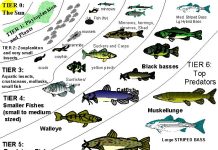
The Circle of Life is an emblematic phrase that encapsulates the idea of life’s cyclical nature. It highlights how birth, life, death, and rebirth are interconnected processes that sustain the natural world. In ecosystems, energy flows from the sun to plants, which are consumed by herbivores, and these, in turn, become prey for carnivores. When animals die, their bodies decompose, enriching the soil and nourishing plant life, continuing the cycle.
In African ecosystems, lion king animals like lions, hyenas, and meerkats play crucial roles in maintaining this delicate balance. Lions, as apex predators, help control the populations of herbivores, which prevents overgrazing and ensures plant diversity. Hyenas, often misunderstood scavengers, are essential for cleaning up carcasses and preventing the spread of disease. Meerkats contribute by controlling insect populations and aerating the soil through their burrowing activities.
The Role of Predators and Prey
Predators and prey have a dynamic relationship that is central to the Circle of Life. Predators ensure that only the strongest and fittest animals survive, which helps to keep prey populations healthy and resilient. In The Lion King, this relationship is exemplified through the interactions between lions and their prey. Lion king animals like Simba and Mufasa represent the strength and power of predators, while the antelopes and zebras symbolize the prey that sustains them.
This balance is not just about survival of the fittest but also about the interdependence of species. For example, when prey populations dwindle, predators must adapt or face starvation, which can lead to a natural decrease in their numbers. This ebb and flow ensure that ecosystems remain in equilibrium over time.

Lions hunting in the African savanna illustrating the predatorprey dynamic
Lessons from the Circle of Life
The Circle of Life teaches us about the importance of biodiversity and the need to protect every link in the ecological chain. Each species, no matter how small, has a unique role that contributes to the health of the environment. By understanding and respecting these roles, we can better appreciate the complexity and beauty of nature.
In the context of conservation, recognizing the value of each species is crucial. Many lion king animals, such as lions and elephants, are currently facing threats from habitat loss, poaching, and climate change. By conserving these species, we help to preserve the intricate web of life that sustains our planet.
Reflections on Our Place in the Circle
Humans, too, are part of the Circle of Life. Our actions have a profound impact on the environment and the creatures that inhabit it. As stewards of the Earth, it is our responsibility to ensure that our activities do not disrupt the natural balance. This means making conscious choices about resource use, supporting conservation efforts, and fostering a deeper connection with the natural world.
The Lion King serves as a powerful reminder of these responsibilities. By drawing parallels between the fictional world of Pride Rock and real African ecosystems, the film encourages us to reflect on our own role in nature’s circle. It inspires us to cherish the diversity of life and to work towards a future where humans and wildlife can coexist harmoniously.

A diverse African wildlife ecosystem reflecting the Circle of Life
In conclusion, the concept of the Circle of Life is not merely a narrative device in The Lion King but a profound truth about the natural world. By understanding and respecting this cycle, we can contribute to the health and sustainability of our planet, ensuring that future generations can also experience the wonders of nature. As we reflect on the lessons of The Lion King, may we be inspired to protect the lion king animals and all the creatures that share our world.
WildWhiskers is a dedicated news platform for animal lovers around the world. From heartwarming stories about pets to the wild journeys of animals in nature, we bring you fun, thoughtful, and adorable content every day. With the slogan “Tiny Tails, Big Stories!”, WildWhiskers is more than just a news site — it’s a community for animal enthusiasts, a place to discover, learn, and share your love for the animal kingdom. Join WildWhiskers and open your heart to the small but magical lives of animals around us!