








In the grand tapestry of life on Earth, intelligence is a trait that transcends species, revealing itself in myriad forms across the animal kingdom. While humans often pride themselves on being the apex of cognitive evolution, the most intelligent animals in nature provide a humbling reminder of the diverse expressions of genius surrounding us. From the intricate social dynamics of primates to the enigmatic problem-solving prowess of octopuses, animal intelligence is a marvel that invites awe and curiosity. Imagine dolphins weaving an intricate ballet of vocalizations in the ocean depths, or elephants displaying profound empathy as they mourn their departed. These are not mere behaviors but echoes of a deeper cognitive resonance. As we embark on a journey to uncover the most intelligent animals, prepare to be amazed by their remarkable skills and inspired by the lessons they offer about adaptation, survival, and the extraordinary tapestry of life itself.
Understanding Animal Intelligence
Defining Intelligence in the Animal Kingdom
When we talk about the most intelligent animals, it’s essential to first define what intelligence means within the animal kingdom. Unlike the human-centric view of intelligence, which often revolves around linguistic and mathematical abilities, animal intelligence can encompass a broad range of skills and behaviors. These may include problem-solving abilities, social complexity, tool use, and communication skills. Each species has evolved with unique adaptations that allow them to excel in their particular environments. Intelligence, therefore, is not a one-size-fits-all trait but a spectrum that varies significantly across species.
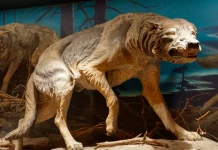
For instance, dolphins demonstrate intelligence through their complex social structures and sophisticated vocalizations. Elephants, on the other hand, showcase their intelligence through their impressive memory and emotional depth. Great apes like chimpanzees use tools and exhibit behaviors that suggest a high degree of self-awareness. Thus, defining intelligence in animals requires us to appreciate and recognize the diverse ways in which different species interact with their environment and each other.
Measuring Cognitive Abilities in Animals
Measuring the cognitive abilities of the most intelligent animals is a challenging yet fascinating endeavor. Scientists employ a variety of tests and observations to assess animal intelligence, taking into account the unique characteristics of each species. These tests often include problem-solving experiments, memory tests, and social interaction observations. For example, researchers might observe how quickly an octopus can solve a puzzle to obtain food or how effectively crows use tools to access hard-to-reach resources.
One famous experiment involves the “mirror test,” which gauges self-awareness by determining whether an animal can recognize itself in a mirror. Species like dolphins, elephants, and some primates have passed this test, indicating a level of self-recognition that is rare in the animal world. Additionally, studies on animal communication have revealed that some species possess highly sophisticated methods of conveying information. Parrots, for instance, are known for their ability to mimic human speech and understand meanings, highlighting their cognitive complexity.

Overall, the study of animal intelligence not only broadens our understanding of the animal kingdom but also challenges our perceptions of what it means to be intelligent. As research continues to uncover the remarkable capabilities of these creatures, it becomes increasingly clear that intelligence is a multifaceted trait shared by many inhabitants of our planet.
Remarkable Mammals
The Intelligence of Dolphins
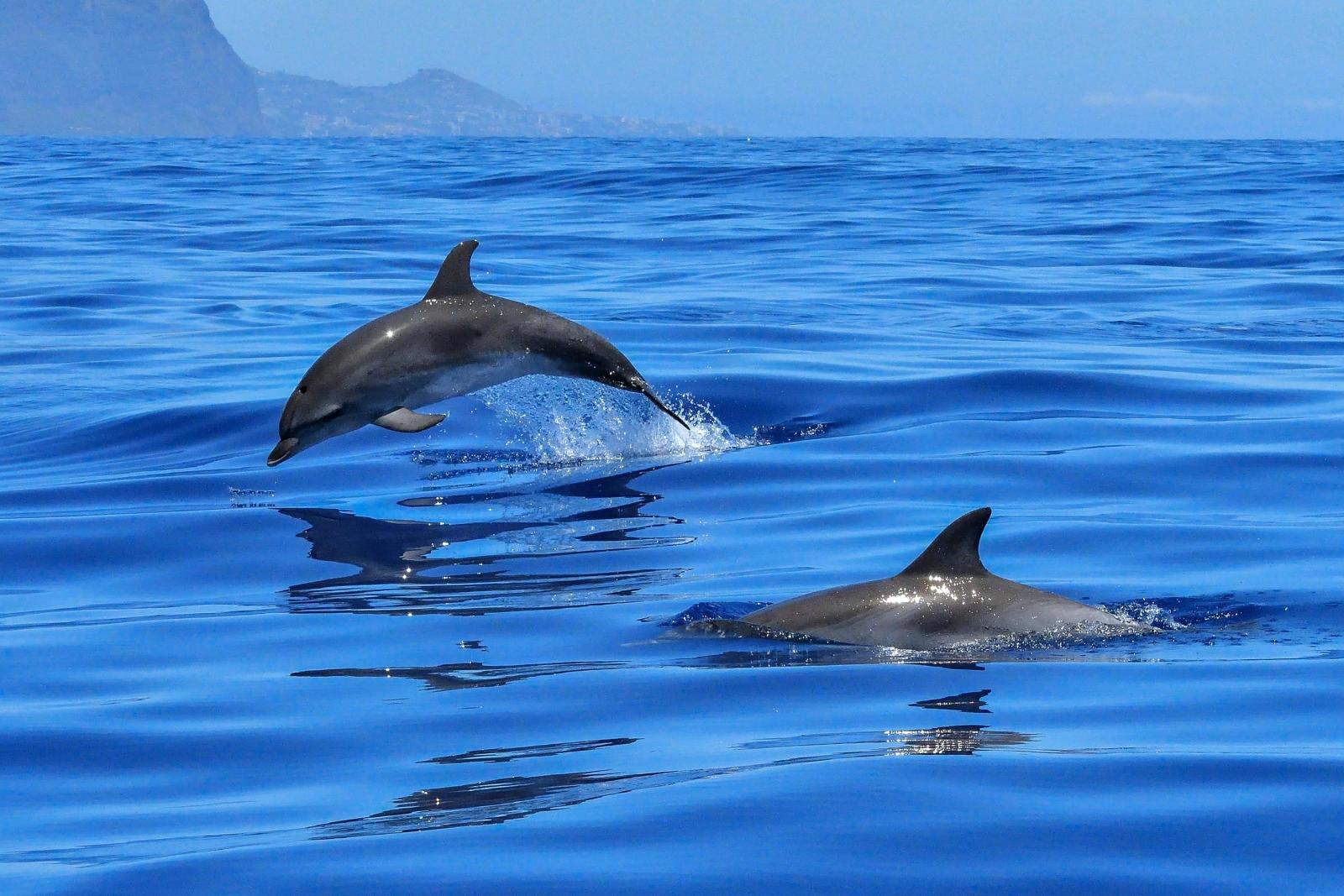
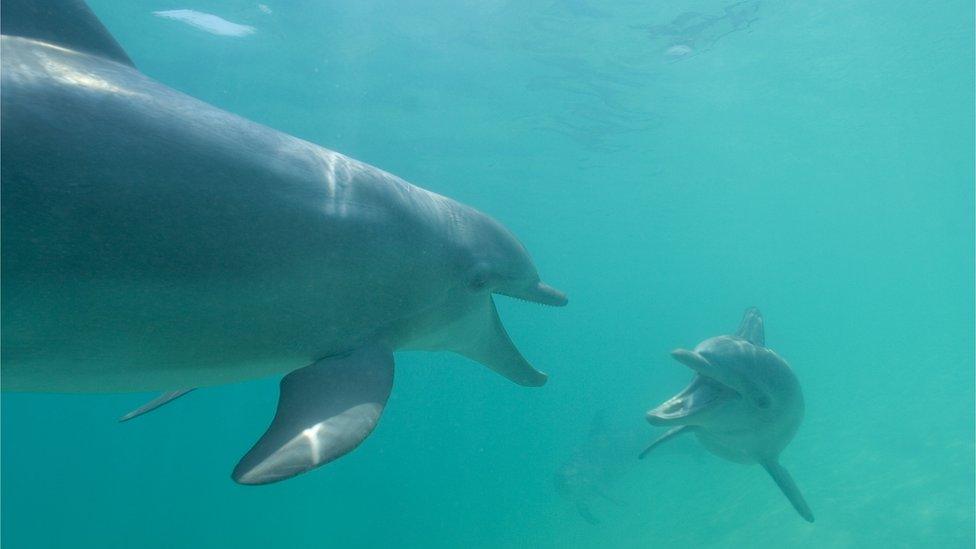
Dolphins, often celebrated as one of the most intelligent animals, exhibit a remarkable range of cognitive abilities that continue to fascinate scientists and enthusiasts alike. These marine mammals are not only masters of communication but also exhibit behaviors that suggest a deep understanding of their environment and social structures. Dolphins are known for their complex vocalizations, which they use to convey information and maintain social bonds within their pods. Their ability to recognize themselves in mirrors suggests a level of self-awareness that is rare in the animal kingdom.
Moreover, dolphins demonstrate cooperative hunting techniques, working together to herd fish into tight balls, making it easier for the group to feed. This level of collaboration indicates advanced problem-solving skills and an understanding of teamwork. Such behaviors highlight their cognitive flexibility and adaptability, traits that place them among the most intelligent animals.
The Problem-Solving Skills of Elephants
Elephants, often referred to as gentle giants, are renowned for their incredible memory and profound emotional intelligence. These attributes make them one of the most intelligent animals on land. Elephants are capable of recognizing individuals, both human and elephant, even after long periods of separation. This ability is a testament to their strong memory and social cognition.
In addition to their memory, elephants display impressive problem-solving skills. They have been observed using tools, such as sticks to scratch themselves or moving objects to reach food. Their empathy and understanding are also evident in their behavior; they are known to mourn their dead and show compassion towards other elephants in distress. Such behaviors underscore their sophisticated cognitive capabilities and emotional depth.
The Social Complexities of Primates
Primates, our closest relatives in the animal kingdom, offer a window into the evolutionary roots of human intelligence. Their social structures are intricate, with hierarchies and relationships that mirror aspects of human society. Primates, including chimpanzees, gorillas, and orangutans, are adept at using tools, which they fashion from available materials to aid in tasks such as foraging for food.
Communication among primates is multifaceted, involving vocalizations, gestures, and facial expressions. These complex communication systems enable them to convey information and emotions effectively within their groups. Moreover, primates exhibit behaviors that suggest an understanding of cooperation and fairness, such as sharing food and grooming each other to strengthen social bonds. These traits, coupled with their problem-solving abilities and emotional intelligence, firmly establish primates as some of the most intelligent animals in the world.

Birds with Brains
In the vast tapestry of the animal kingdom, birds stand out as some of the most intelligent animals on Earth. Their remarkable cognitive abilities are often underestimated, yet many bird species exhibit traits that rival even some mammals. Among these feathered geniuses, crows and parrots take center stage with their exceptional intelligence.
The Tool-Using Crows
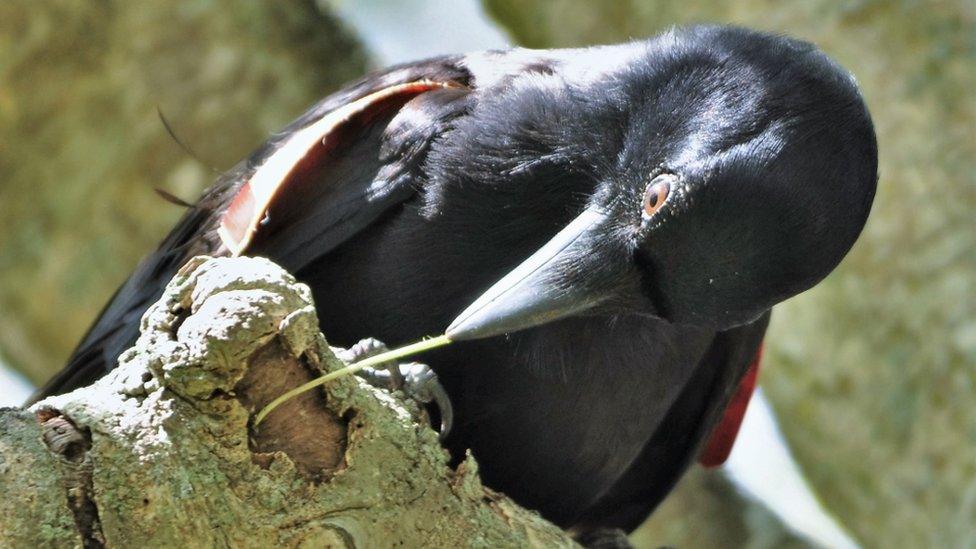
Crows, members of the corvid family, are renowned for their incredible problem-solving skills and tool-use abilities. These birds have been observed crafting tools out of twigs and leaves to extract insects from tree bark, a behavior that demonstrates advanced cognitive processes. Not only do they create tools, but they also exhibit the foresight to save tools for future use, showcasing a level of planning that is rarely seen in the animal kingdom.
One famous example involves the New Caledonian crow, which has been known to bend wires into hooks to retrieve food from hard-to-reach places. Such behavior suggests a deep understanding of cause and effect, as well as an ability to visualize solutions to problems. These skills place crows among the most intelligent animals, capable of adapting to various challenges in their environment.
The Communication Skills of Parrots
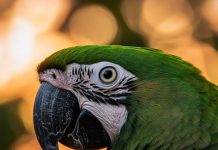
Parrots, with their vibrant plumage and charismatic personalities, are not just entertainers; they are also linguistic marvels. Known for their ability to mimic human speech, parrots exhibit a complex form of communication that goes beyond mere mimicry. Many species, such as the African Grey Parrot, can understand and respond to human words with context and intent.
These birds are capable of associating words with meanings, demonstrating a level of comprehension that is often only attributed to humans and some primates. For instance, the famous African Grey Parrot named Alex was able to identify colors, shapes, and quantities, engaging in basic conversations that showcased his understanding of abstract concepts.
Parrots’ vocal abilities are not merely for show; in the wild, they use a variety of calls and sounds to communicate with each other, coordinate movements, and alert their flock to danger. This sophisticated communication system highlights their role as one of the most intelligent animals, capable of navigating the complexities of social interactions.

In conclusion, the world of birds is filled with remarkable stories of intelligence and adaptation. Crows and parrots are just two examples of how avian species contribute to our understanding of animal intelligence. Their abilities challenge our perceptions and remind us of the diverse forms of intelligence that exist in nature.
Marine Minds
The Cognitive Marvels of Octopuses
Octopuses are often heralded as the ocean’s escape artists, possessing an enigmatic blend of intelligence and adaptability that rivals many terrestrial animals. Among the most intelligent animals in the marine world, octopuses have demonstrated remarkable problem-solving skills and a high degree of curiosity. Their ability to solve puzzles, navigate mazes, and even escape from enclosures in aquariums is a testament to their cognitive prowess. These cephalopods use their malleable bodies to fit through impossibly small spaces, showcasing their ability to assess their environment and make calculated decisions.
The intelligence of octopuses is further highlighted by their use of tools. Some species have been observed collecting coconut shells and using them as portable shelters, a behavior that requires foresight and planning. This tool use, combined with their complex nervous systems and the ability to learn through observation, positions octopuses as one of the most intriguing examples of marine intelligence.
The Complex Social Structures of Whales
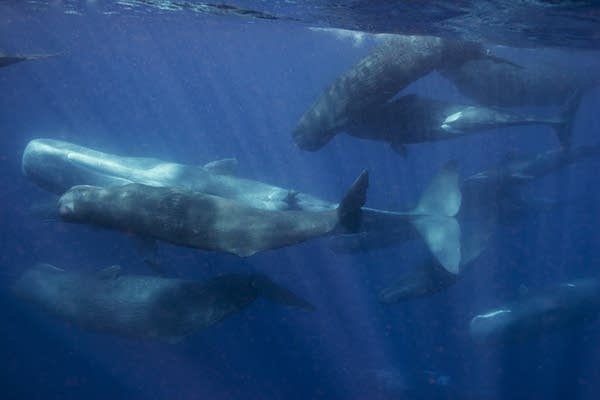
Whales, with their majestic presence and intricate social systems, are another fascinating example of marine intelligence. These giants of the ocean are known for their complex vocalizations, which serve as a form of communication among pod members. Each pod has its own unique dialect, suggesting a level of cultural transmission rarely seen in the animal kingdom. This ability to communicate effectively is crucial for coordinating activities such as hunting and migrating over vast oceanic distances.
Some whale species, like the sperm whale, display behavior that indicates deep social bonds and cooperative problem-solving. They engage in activities that suggest a high level of emotional intelligence, such as caring for the sick or injured members of their group. The social complexity of whales is further exemplified by their playful behavior and intricate mating rituals, which not only strengthen social bonds but also highlight their cognitive sophistication.
In exploring the most intelligent animals of the marine world, octopuses and whales stand out as extraordinary examples of nature’s genius. Their unique abilities and social complexities remind us of the diverse forms intelligence can take, offering a window into the remarkable adaptations that enable these creatures to thrive in their environments.
Insect Ingenuity
The Architectural Skills of Bees
When thinking of the most intelligent animals, one might not immediately consider insects. However, bees are a remarkable testament to the complex intelligence that can be found in the insect world. These industrious creatures demonstrate incredible architectural skills, creating intricate honeycombs that are both efficient and structurally sound. The hexagonal pattern of a honeycomb is not a random choice; it’s a geometric marvel that maximizes space while minimizing the amount of wax needed. This efficiency is crucial for the colony’s survival, showcasing a level of problem-solving and resource management that is nothing short of genius.
Bees communicate through a sophisticated “waggle dance,” a form of symbolic language that conveys precise information about the direction and distance of food sources. This dance is a testament to their advanced communication skills and social intelligence, which are key factors in the success of their colonies. Observing bees at work, one can’t help but marvel at their ability to coordinate and execute complex tasks as a unified community.

The Strategic Minds of Ants
Ants might be small, but their cognitive abilities are enormous when it comes to strategic thinking and teamwork. These insects exhibit behaviors that suggest a high level of intelligence, particularly in organization and warfare. Ants operate in highly structured colonies where each individual has a specific role, from workers to soldiers, and even queen ants. This division of labor ensures the efficiency and survival of the colony, demonstrating a complex understanding of societal structures.
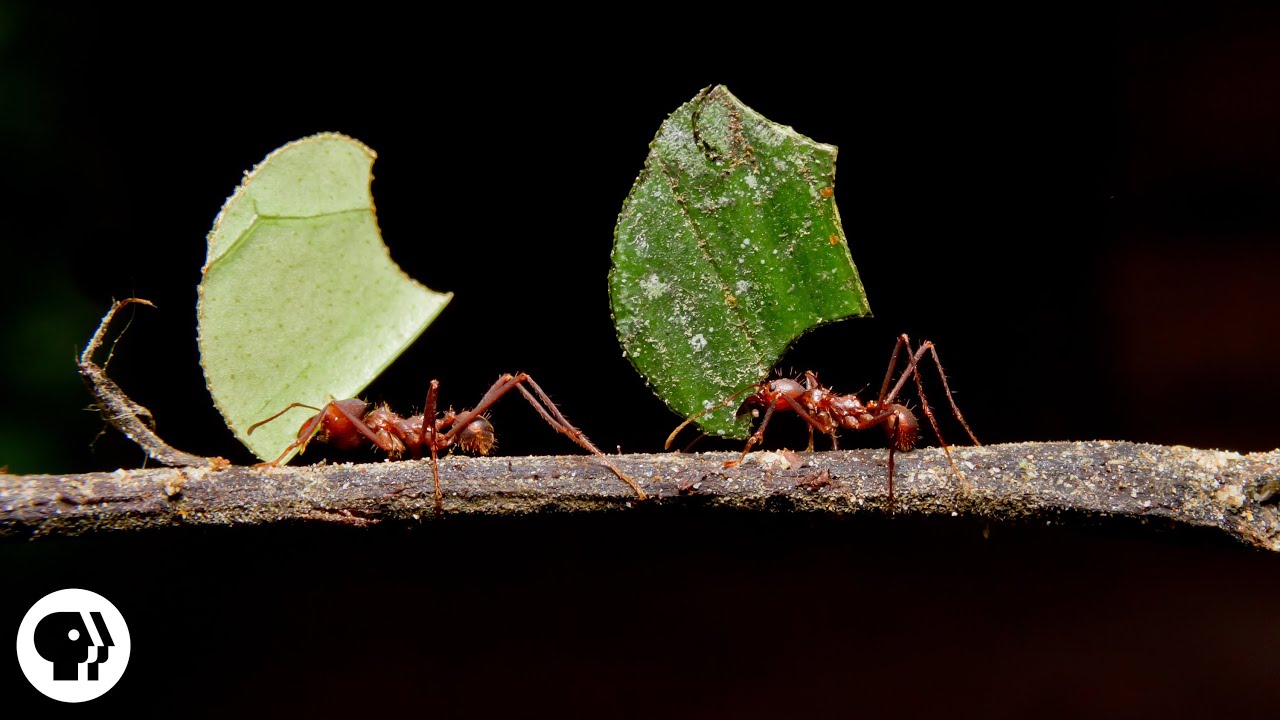
Ants are also known for their exceptional problem-solving abilities. They can navigate complex environments, find the shortest paths to food sources, and even engage in farming practices by cultivating fungi. Some species, like the leafcutter ants, cut leaves to cultivate mold, which they use as a food source. Such ingenuity highlights their capacity for strategic planning and adaptation.
Moreover, ants display remarkable resilience and adaptability. They can modify their behavior in response to changes in their environment, showing a level of flexibility and intelligence that is truly fascinating. In the grand tapestry of life, ants remind us that intelligence is not solely the domain of larger animals, but can be found in the most unexpected places.
Reflecting on Nature’s Geniuses
As we delve into the most intelligent animals on our planet, we find ourselves in awe of the diverse and remarkable cognitive abilities that these creatures possess. From the vast oceans to the dense forests, intelligence manifests in myriad forms, each adapted to the unique challenges of their environments. This reflection on nature’s geniuses not only broadens our understanding of what intelligence truly means but also deepens our appreciation for the rich tapestry of life on Earth.
Consider the dolphins, whose mastery of communication is nothing short of extraordinary. Their ability to use complex vocalizations to convey messages and coordinate group activities, such as hunting, showcases a sophisticated level of social interaction. Similarly, elephants, with their phenomenal memory and empathy, remind us that emotional depth and intelligence often go hand in hand. Their mourning rituals and the intricate social bonds they form are poignant examples of their cognitive complexity.
In the skies, crows and ravens demonstrate problem-solving skills that rival some primates. Their tool use and ability to recognize human faces suggest a level of intelligence that challenges our traditional perceptions. Meanwhile, parrots astound us with their communication abilities, mimicking human speech and forming unique vocalizations within their groups.
Beneath the waves, octopuses captivate us with their curiosity and problem-solving prowess. These marine escape artists can navigate mazes and use tools, offering a glimpse into the rich cognitive landscape of invertebrates. And the whales, with their complex social structures and songs that travel for miles, highlight the profound intelligence that thrives in the depths of our oceans.
Even among the smallest of creatures, intelligence prevails. The bees with their architectural marvels and the ants with their strategic foraging and colony management demonstrate that size does not limit cognitive capability. These insects exhibit behaviors that suggest a form of collective intelligence, where the whole is indeed greater than the sum of its parts.
Reflecting on these most intelligent animals, we are reminded of the interconnectedness of all life. Understanding and appreciating animal intelligence fosters a sense of stewardship and responsibility to protect these remarkable beings. Their survival is inextricably linked to our own, urging us to conserve and cherish the natural world.
In the end, the animal kingdom is a testament to the incredible ingenuity that life has to offer. Each species, in its own right, contributes to the beautiful mosaic of intelligence that exists on our planet. As we continue to learn from these natural geniuses, let us celebrate and protect the rich diversity of life that surrounds us.
WildWhiskers is a dedicated news platform for animal lovers around the world. From heartwarming stories about pets to the wild journeys of animals in nature, we bring you fun, thoughtful, and adorable content every day. With the slogan “Tiny Tails, Big Stories!”, WildWhiskers is more than just a news site — it’s a community for animal enthusiasts, a place to discover, learn, and share your love for the animal kingdom. Join WildWhiskers and open your heart to the small but magical lives of animals around us!