










In the heart of our vast oceans, fish play an indispensable role that goes far beyond their familiar place on our dinner plates. These fish animals, which often conjure images of serene underwater landscapes, are in fact dynamic architects of marine ecosystems. Their influence extends from the smallest plankton to the largest marine predators, helping to maintain the delicate balance of oceanic life. Imagine a world where the vibrant tapestries of coral reefs are preserved, thanks to the tireless grazing of herbivorous fish, or where the ocean’s carbon cycles are subtly regulated by the unseen actions of schools of swimming fish. The intricate dance of predation and survival among fish species keeps the marine food web robust and resilient, ensuring that no single species becomes too dominant. Yet, these vital contributors to natural harmony face unprecedented threats from human activities such as overfishing and the looming specter of climate change. As we delve into expert insights, it becomes clear that the conservation of fish populations is not just about preserving a food source; it’s about safeguarding the health of our planet. This blog aims to unravel the profound connections fish have with their environment, exploring how they support biodiversity, participate in carbon cycling, and shape the marine world in countless unseen ways. Join us on this journey to discover why protecting these remarkable creatures is crucial for the future of our oceans—and our own survival.
Importance of Fish in Marine Food Webs
The intricate tapestry of life beneath the ocean’s surface is a testament to nature’s artistry, where each creature plays a vital role in maintaining ecological balance. Among these, fish animals are pivotal players in the marine food webs, fulfilling roles that are crucial for the health and stability of marine ecosystems.
Fish as Primary Consumers and Their Impact
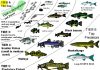
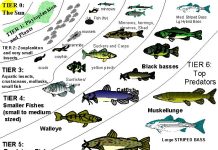
Fish animals as primary consumers form the bedrock of the marine food web, primarily feeding on phytoplankton and smaller zooplankton. These tiny, often microscopic plants and animals float in the ocean’s upper layers, capturing sunlight and converting it into energy. By consuming these organisms, fish animals help to regulate their populations, preventing any one species from overwhelming the system.
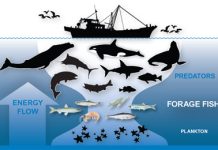
For instance, small pelagic fish like sardines, anchovies, and mackerel are quintessential primary consumers. They feed voraciously on plankton, converting it into biomass that supports larger predatory fish, seabirds, and marine mammals. This transfer of energy from the bottom to the top of the food chain is essential for the survival of diverse marine life forms.
Furthermore, the feeding habits of primary consumers have a direct impact on the ocean’s health. By consuming phytoplankton, fish help control algal blooms, which can otherwise lead to oxygen depletion and create “dead zones” in the ocean. These zones are inhospitable for most marine life, highlighting the crucial role that fish play in maintaining a hospitable marine environment.

Small pelagic fish like sardines feeding on plankton
Fish as Predators and Their Role in Controlling Populations
As fish animals transition from primary consumers to predators, they assume a new, equally important role in the marine ecosystem. Predatory fish, ranging from mid-level predators like groupers to apex predators like sharks, are instrumental in controlling the populations of other marine organisms.
The presence of predatory fish ensures that no single species dominates, which is vital for maintaining biodiversity. For example, groupers, which primarily feed on smaller fish and invertebrates, help keep herbivorous fish populations in check. Without such regulation, herbivorous fish could potentially overgraze on marine vegetation, leading to habitat degradation.
Similarly, apex predators like sharks play a critical role at the top of the food chain. By preying on a wide range of species, sharks help maintain the balance of marine ecosystems. Their absence can lead to a cascade of adverse effects, such as the unchecked growth of certain fish populations, which can ultimately disrupt the entire food web.
The ecological balance that predatory fish maintain is not just limited to population control; it extends to the health of coral reefs and seagrass beds. By managing the populations of species that graze on these habitats, predatory fish help preserve these vital marine environments.
In summary, fish animals are indispensable to marine ecosystems, acting both as primary consumers and predators. Their roles ensure the seamless transfer of energy across the food web and maintain the delicate balance necessary for oceanic health. The intricate dance of predator and prey among fish species is a testament to the complex and interconnected nature of life beneath the waves.
Biodiversity and Fish: Maintaining Ecological Balance
Fish play a critical role in maintaining ecological balance within marine ecosystems. Their presence and interactions significantly contribute to biodiversity, which is vital for the resilience and health of the ocean. Understanding these dynamics offers insights into the intricate web of life beneath the waves.
Contribution of Fish to Marine Biodiversity
Fish are not merely inhabitants of the ocean; they are key architects of marine biodiversity. Their activities shape the environment they live in, influencing both the biological and physical characteristics of their habitats. For instance, herbivorous fish such as parrotfish and surgeonfish play a crucial role in coral reef ecosystems. By grazing on algae, they prevent algal overgrowth that can suffocate corals, thus promoting a diverse and healthy reef environment. Without these “marine gardeners,” coral reefs would struggle to survive, leading to a significant loss in biodiversity.
Furthermore, fish contribute to biodiversity by serving as prey and predators within the food web. Small fish like anchovies and sardines are a vital food source for larger predators, including birds and marine mammals. This relationship supports a wide array of species diversity, ensuring that many different organisms can thrive. The presence of a variety of fish species also helps maintain genetic diversity, which is essential for the adaptation and resilience of marine populations in the face of environmental changes.
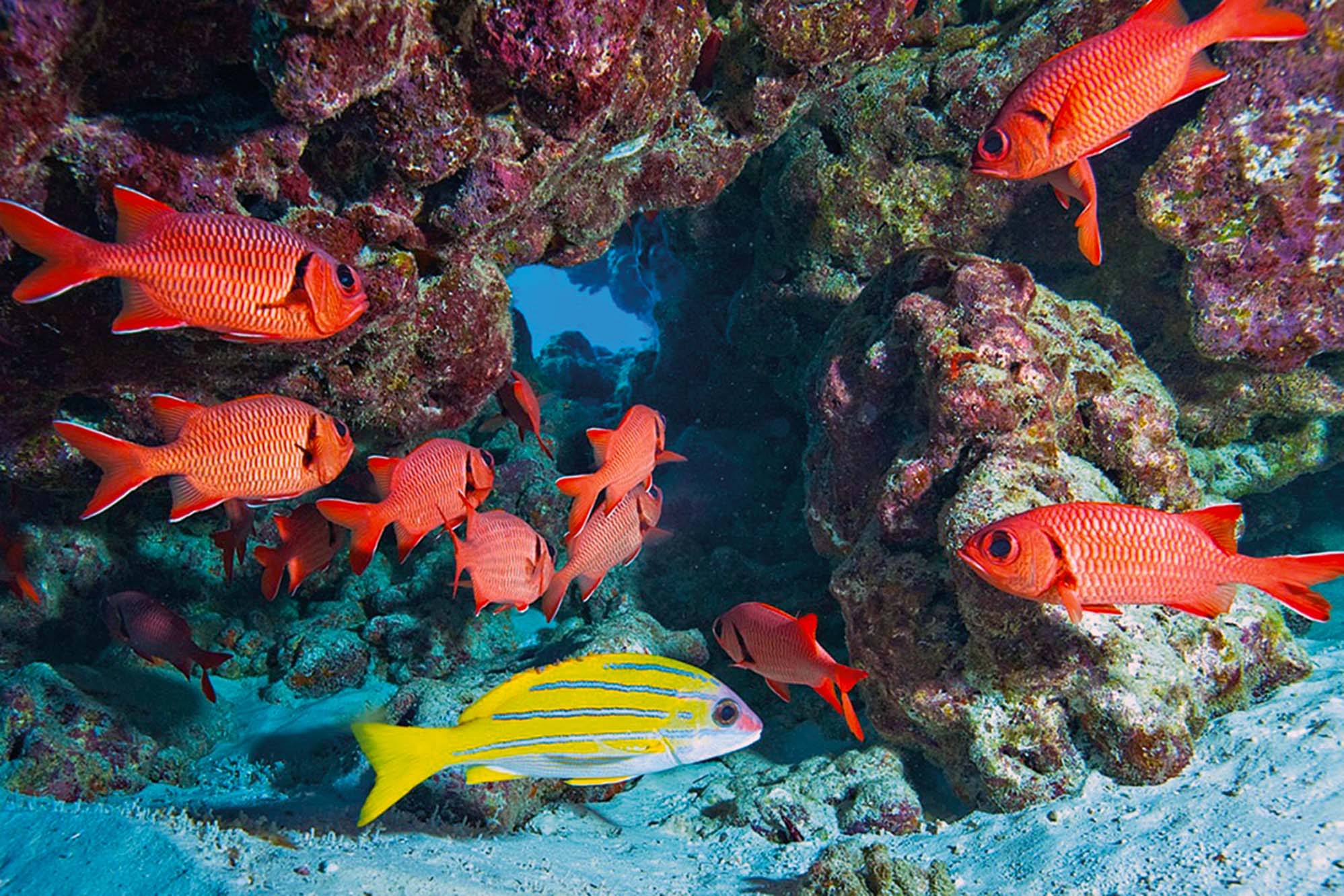
A vibrant coral reef teeming with diverse fish species
How Fish Species Interactions Promote Ecosystem Stability
In the complex dance of marine life, interactions between different fish species are fundamental to maintaining ecosystem stability. Predatory fish, for example, are crucial in regulating the populations of other marine animals. By controlling species that might otherwise dominate or overpopulate, predators help to prevent imbalances that could lead to cascading effects throughout the ecosystem. This regulatory effect maintains the integrity and functionality of marine environments.
Fish also engage in symbiotic relationships that enhance ecosystem stability. Cleaner fish, such as certain species of wrasses, form mutualistic partnerships with larger fish by removing parasites from their bodies. This not only benefits the larger fish by improving their health but also supports the cleaner fish by providing them with a reliable food source. These interactions exemplify the interconnectedness of marine life and highlight the importance of fish as facilitators of ecological harmony.
Moreover, fish contribute to nutrient cycling within their habitats. As they move through different areas, they help to distribute nutrients, which supports the growth of algae and seagrasses, foundational elements of the marine food web. This nutrient distribution is crucial for sustaining the productivity of marine ecosystems, ensuring that they can support a wide range of species.

A wrasse cleaning a larger fish showcasing a mutualistic relationship
In conclusion, fish are integral to the biodiversity and stability of marine ecosystems. Their interactions, both as consumers and as part of complex food webs, help sustain the delicate balance necessary for ocean health. Understanding and preserving these relationships is essential for the continued resilience of our planet’s oceans. As we explore further into the subject, it becomes increasingly clear that protecting fish populations is not just about conserving a single species, but about safeguarding the intricate tapestry of life that makes up the marine world.
Fish and Their Influence on Oceanic Carbon Cycles
The role of fish animals in the ocean extends far beyond their place in the food web and their contribution to biodiversity. They play a crucial part in the oceanic carbon cycles, which are essential for regulating the Earth’s climate. Understanding how fish contribute to these cycles provides insight into their importance in maintaining ecological balance and combating climate change.
Fish in Carbon Sequestration Processes
Fish animals contribute significantly to the ocean’s ability to sequester carbon, a process vital for mitigating the effects of climate change. A fascinating aspect of this process involves the excretion of calcium carbonate by fish, often overlooked in traditional carbon cycle assessments. When fish excrete calcium carbonate pellets, these sink to the ocean floor, effectively storing carbon in deep ocean layers. This form of carbon storage is a natural part of the marine ecosystem’s way of regulating carbon dioxide levels in the atmosphere.
The calcium carbonate excreted by fish comes from their digestion of plankton and other marine organisms. As fish consume these organisms, they also intake carbon, which they then release as calcium carbonate. This process not only aids in carbon sequestration but also contributes to the alkalinity of ocean waters, influencing the ocean’s capacity to absorb carbon dioxide.
Moreover, the sheer number of fish in the ocean amplifies this effect. With millions of fish constantly feeding and excreting, the cumulative impact on carbon storage becomes significant. This highlights the importance of maintaining healthy fish populations, as any decline could reduce the ocean’s ability to sequester carbon and exacerbate the impacts of climate change.

Fish contributing to carbon sequestration by excreting calcium carbonate
Impact of Fish on Oceanic Nutrient Distribution
In addition to carbon sequestration, fish animals play a pivotal role in the distribution of nutrients across the ocean. This nutrient distribution is crucial for supporting marine life and promoting biodiversity. Fish help in the redistribution of nutrients through their movement within the water column and across different marine environments.
Fish consume nutrients in one area and release them in another, a process known as nutrient translocation. For instance, when fish feed in nutrient-rich deeper waters and then migrate to shallower areas, they bring with them essential nutrients that support the growth of phytoplankton and other marine organisms. This movement ensures that nutrients are not confined to specific areas but are instead spread throughout the ocean, promoting a healthy and balanced ecosystem.
The role of fish in nutrient distribution is particularly important in regions where the water column is stratified, meaning there is little mixing of surface and deep water. In such environments, fish act as mobile nutrient transporters, helping to bridge the gap between different ocean layers and ensuring that nutrients are available for marine life at all depths.
Furthermore, the migration patterns of fish can have a profound impact on nutrient dynamics. Seasonal migrations see large schools of fish moving into new areas, where they release nutrients that stimulate local productivity. This can lead to blooms of phytoplankton, which form the base of the marine food web and are crucial for supporting a wide range of marine species.
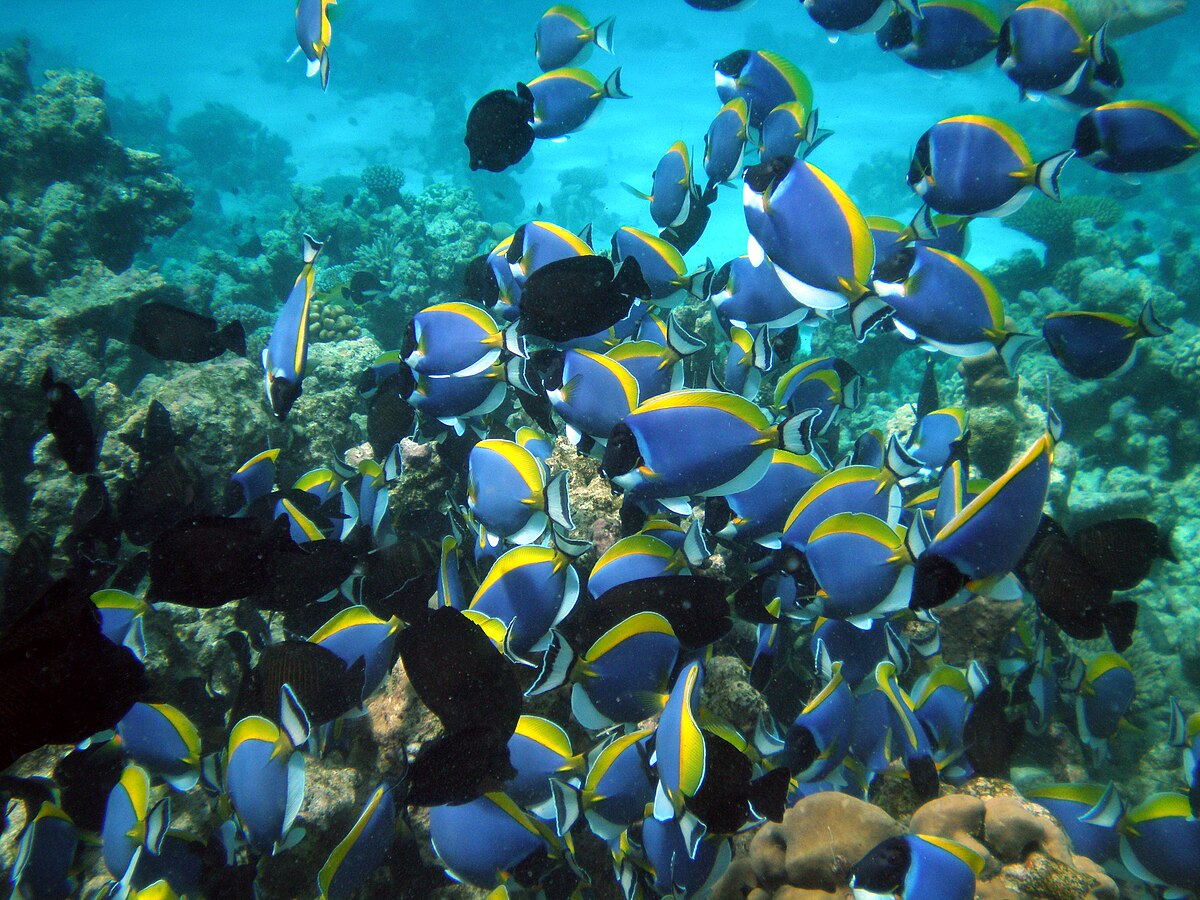
Fish migrating and redistributing nutrients in the ocean
In conclusion, the influence of fish animals on oceanic carbon cycles and nutrient distribution underscores their critical role in maintaining the health and stability of marine ecosystems. Protecting fish populations is not only about preserving biodiversity but also about safeguarding the intricate processes that regulate our planet’s climate and support life in the ocean.
Threats to Fish Populations and Ecosystem Consequences
In the vast, mysterious expanse of our oceans, fish animals play an indispensable role. However, their populations are under threat from various human activities and environmental changes. These threats not only endanger the fish themselves but also have profound implications for marine ecosystems and the planet as a whole. In this section, we will delve into two of the most pressing threats: overfishing and climate change, examining their impacts on marine ecosystems.
Overfishing and Its Impact on Marine Ecosystems
Overfishing is one of the most significant threats to marine life today. It occurs when fish are harvested at a rate faster than they can reproduce, leading to a decline in fish populations. This practice has severe repercussions on marine ecosystems, disrupting the delicate balance of the food web.
The excessive harvesting of fish animals diminishes the population of both targeted and non-targeted species, a phenomenon known as bycatch. For instance, when shrimp trawlers operate, they often catch other species like turtles and small fish unintentionally, which are then discarded. This not only reduces the numbers of these unintended catches but also disrupts the predatory relationships within the ocean.
Moreover, overfishing affects the structure of marine ecosystems. With fewer fish in the ocean, the species that rely on them for food also suffer. This can lead to the decline of apex predators, such as sharks and dolphins, which are crucial for maintaining the balance of marine life. When these top predators are removed, it can result in a cascading effect, where the population of mid-level predators may explode, leading to overgrazing on primary producers like algae and phytoplankton. This imbalance can ultimately affect the health of coral reefs and other critical marine habitats.
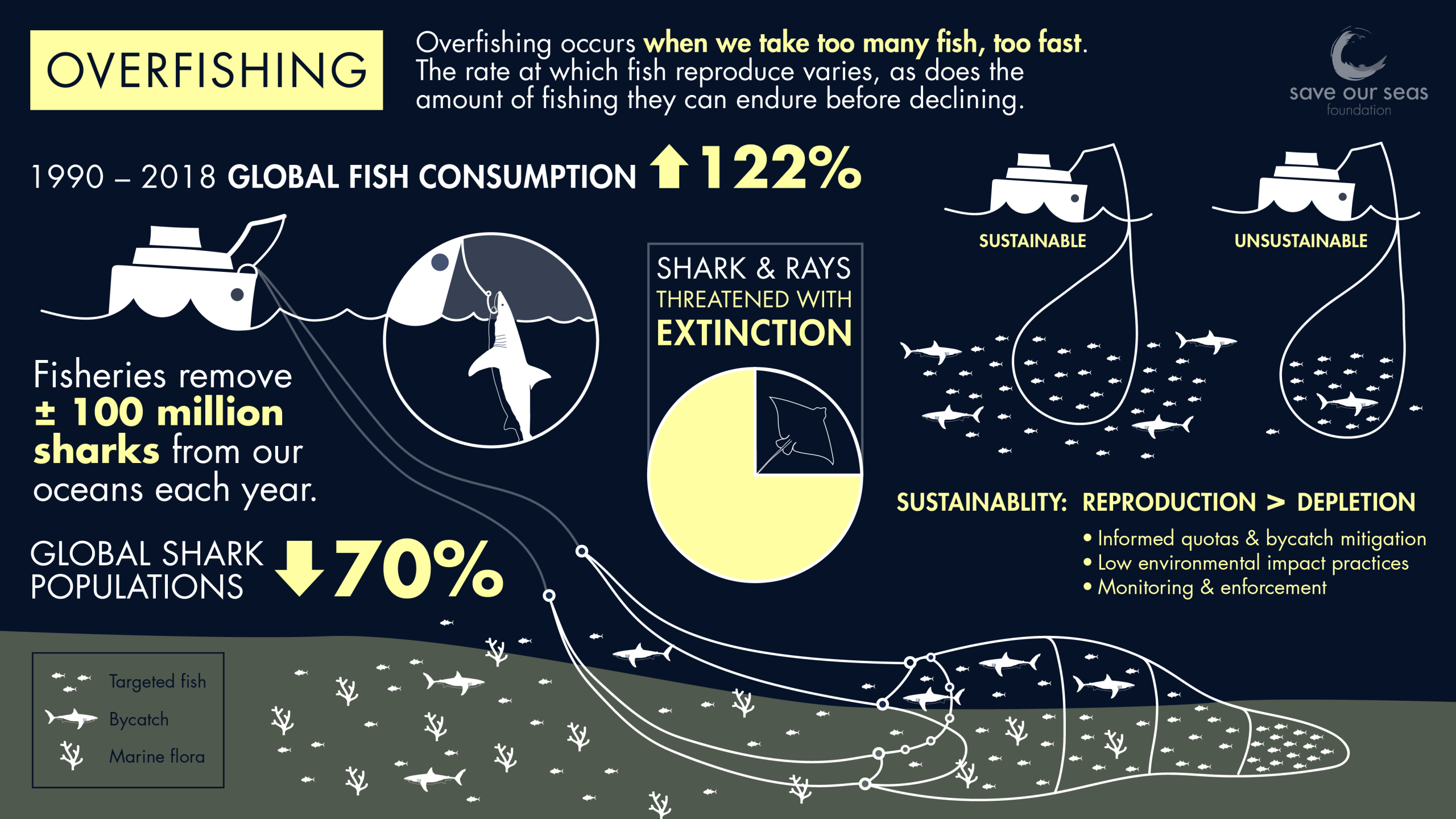
Overfishing can lead to the depletion of vital fish species
Climate Change and Its Effects on Fish Habitats
Climate change poses another formidable threat to fish animals and their habitats. Rising sea temperatures, ocean acidification, and changing ocean currents are some of the changes that have far-reaching effects on marine life.
Warmer ocean temperatures can lead to the migration of fish species to cooler waters. This shift can disrupt existing ecosystems, as fish that move may not find suitable conditions elsewhere, and the ecosystems they leave behind may suffer from the absence of key species. For example, species such as cod and herring have been observed moving towards the poles, impacting fisheries and the species that depend on them.
Ocean acidification, caused by the absorption of excess atmospheric CO2 by the ocean, reduces the availability of carbonate ions, which are crucial for the formation of shells and skeletons in marine organisms like corals and some planktons. These changes can weaken the structural integrity of coral reefs, which serve as essential habitats for many fish species. A weakened coral reef ecosystem can lead to reduced biodiversity and the loss of habitat for many marine species.
Additionally, climate change can alter ocean currents, affecting nutrient distribution and plankton blooms, which are vital food sources for many fish. Changes in the abundance and distribution of plankton can have ripple effects throughout the marine food web, ultimately impacting the survival of fish animals and the predators that rely on them.
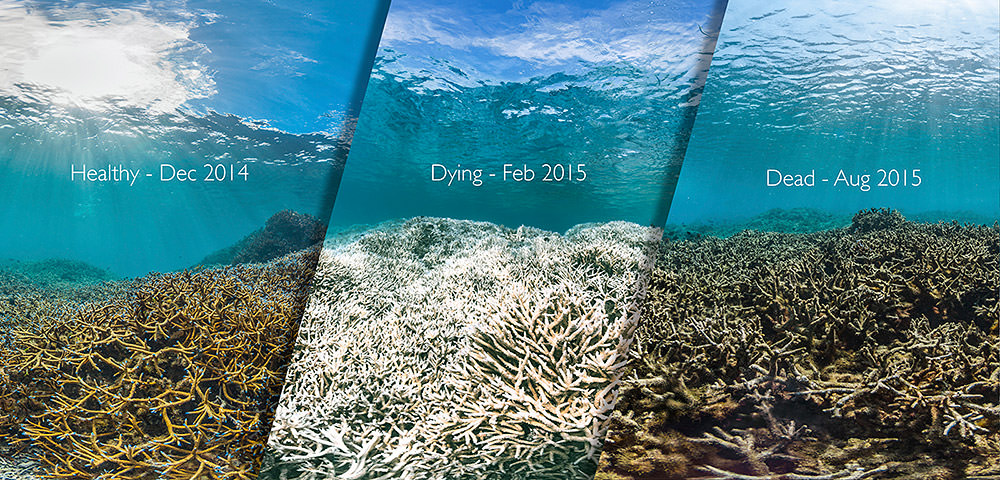
Coral bleaching is a direct consequence of rising sea temperatures
These threats to fish populations highlight the urgent need for sustainable practices and policies aimed at preserving marine biodiversity. By addressing the issues of overfishing and climate change, we can work towards ensuring the health and stability of our oceans for future generations.
The Future Role of Fish in Sustainable Marine Ecosystem Management
The future of our marine ecosystems heavily relies on the health and stability of fish populations. As fish animals play a crucial role in maintaining the balance of oceanic systems, it’s imperative to develop strategies that protect these vital creatures and their habitats. The path forward involves both innovative conservation strategies and robust policy frameworks supported by community engagement.
Strategies for Protecting Fish Populations and Ecosystems
To ensure the sustainability of fish populations and the ecosystems they support, a multifaceted approach is necessary. One of the most effective strategies is the implementation of Marine Protected Areas (MPAs). These designated zones restrict human activity, allowing ecosystems to recover and flourish. Studies have shown that MPAs can lead to increased fish biomass and diversity, ultimately benefiting both marine life and local fishing communities.
Moreover, advocating for sustainable fishing practices is essential. Overfishing is a significant threat to marine biodiversity, and adopting methods such as catch limits, gear restrictions, and seasonal closures can help maintain fish stocks at sustainable levels. The integration of technology, such as satellite monitoring and data-driven management, can also enhance these efforts by providing real-time insights into fish movements and population health.
Another promising strategy is habitat restoration. By investing in the restoration of critical habitats like coral reefs, mangroves, and seagrasses, we can provide essential breeding and nursery grounds for fish species. These habitats not only support fish populations but also offer protection against coastal erosion and serve as carbon sinks.
A thriving Marine Protected Area with diverse fish species
The Role of Policy and Community Engagement in Conservation Efforts
Effective conservation requires strong policy frameworks that prioritize the health of marine ecosystems. Governments and international organizations must collaborate to create and enforce regulations that address the root causes of fish population declines. Policies should focus on reducing pollution, combating climate change, and preventing habitat destruction.
Community engagement plays a pivotal role in the success of conservation initiatives. Local communities, especially those dependent on fishing, possess valuable knowledge and a vested interest in the health of marine environments. Encouraging community-based conservation efforts empowers these groups to take an active role in managing resources sustainably. Initiatives such as community fishing cooperatives or locally managed marine areas have proven successful in various parts of the world.
Education and awareness-raising campaigns are also crucial. By highlighting the importance of fish in marine ecosystems and the threats they face, we can inspire individuals to make informed choices that support ocean health. Whether it’s reducing plastic use, supporting sustainable seafood, or participating in citizen science projects, every action counts.

Community members participating in a marine conservation project
In conclusion, the future of our oceans depends on our ability to manage fish populations sustainably. By implementing effective strategies and fostering collaboration between policymakers and communities, we can ensure that fish animals continue to thrive and support the intricate web of life within our marine ecosystems.
WildWhiskers is a dedicated news platform for animal lovers around the world. From heartwarming stories about pets to the wild journeys of animals in nature, we bring you fun, thoughtful, and adorable content every day. With the slogan “Tiny Tails, Big Stories!”, WildWhiskers is more than just a news site — it’s a community for animal enthusiasts, a place to discover, learn, and share your love for the animal kingdom. Join WildWhiskers and open your heart to the small but magical lives of animals around us!