





When you picture green animals in nature, images of vibrant tree frogs, iridescent beetles, and lushly feathered parrots might spring to mind. But what underlies this striking coloration? Unlike plants that owe their green hue to chlorophyll, animals employ a diverse array of biological phenomena to achieve their verdant appearance. This intriguing blend of science and nature is a testament to the wonders of evolution and adaptation. In this blog, we delve into the captivating world of green pigmentation in animals, exploring how it serves not only as a tool for survival but also as a means of communication and attraction.
The allure of green pigmentation goes beyond mere aesthetics; it plays a crucial role in the lives of many species. From providing camouflage among dense foliage to acting as a vibrant signal in mating rituals, the color green is a powerful force in the animal kingdom. By examining the biological mechanisms that create this color, such as the interplay between pigments and microscopic structures, we uncover the secrets behind these fascinating hues.
Moreover, green pigmentation isn’t simply a matter of survival; it offers evolutionary advantages that have helped species thrive in diverse habitats. Whether it’s blending seamlessly into a rainforest canopy or standing out in a mate selection process, being green has its perks. As we explore examples from amphibians to insects, and consider the environmental pressures that shape these patterns, we gain a deeper appreciation for the resilience and adaptability of these creatures.
Join us on this journey through the vibrant tapestry of green in nature, where each shade tells a story of adaptation, survival, and the intricate balance of ecosystems. Discover how the science of green pigmentation reveals the brilliant creativity of evolution, offering insights into the challenges and triumphs faced by the green animals that inhabit our world.
Introduction to Green Pigmentation in Nature
The vibrant green pigmentation in animals is not only a captivating sight but also a fascinating aspect of the natural world. While the lush greenery of plants is a result of chlorophyll, animals have evolved different mechanisms to achieve this striking coloration. This phenomenon raises intriguing questions about the biological and ecological roles of green pigmentation in nature.
Overview of Pigmentation in Animals
In the animal kingdom, pigmentation serves a multitude of purposes, from camouflage to communication. Animal pigmentation is primarily driven by pigments—chemical compounds that absorb specific wavelengths of light and reflect others, giving creatures their distinctive colors. Common pigments found in animals include melanin, which typically provides black and brown shades, and carotenoids, which can impart vibrant reds and yellows.
However, true green pigments are surprisingly rare in animals. Instead, many species achieve their green appearance through structural coloration—a process where microscopic structures in skin, scales, or feathers scatter light, reflecting green wavelengths. This method of coloration is prevalent in various species, including certain birds, insects, and reptiles.
Importance of Green Pigmentation
The importance of green pigmentation extends beyond mere aesthetics. In nature, green serves as a critical survival tool. One of the primary benefits of green pigmentation is camouflage. In densely vegetated habitats like rainforests and grasslands, green animals can blend seamlessly with their surroundings, making it difficult for predators to detect them. This camouflage effect is crucial for both prey animals seeking to avoid predators and predators aiming to ambush their prey undetected.
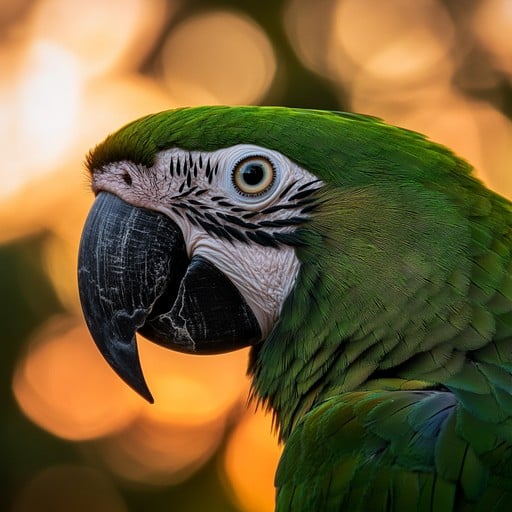
Moreover, green pigmentation can play a significant role in signaling and mate selection. In the animal kingdom, vibrant colors often signal good health and genetic fitness. For instance, many bird species, such as parrots, use their bright green feathers to attract mates, as these colors can indicate a successful diet and the absence of disease.
The evolutionary advantage of green pigmentation is not limited to camouflage and signaling. Some animals use it as a form of mimicry or warning coloration. For example, the bright green hue of certain insects and reptiles can mimic the appearance of toxic plants or animals, deterring potential predators from making a meal of them.
In conclusion, the study of green animals and their pigmentation reveals the intricate ways in which evolution has shaped the natural world. Whether through structural coloration, dietary influences, or genetic factors, the green hues that grace many species are a testament to the dynamic interplay between biology and environment. As we continue to explore and understand these mechanisms, we gain deeper insights into the complex web of life that thrives on our planet.
Biological Mechanisms of Green Pigmentation
In the vibrant tapestry of nature, green pigmentation in animals reveals an intricate interplay of biology and evolution. Understanding these mechanisms not only sheds light on how animals achieve their stunning green hues but also highlights the evolutionary purposes they serve. Let’s delve into the scientific intricacies that allow animals to don their green apparel.
Role of Pigments and Chromatophores
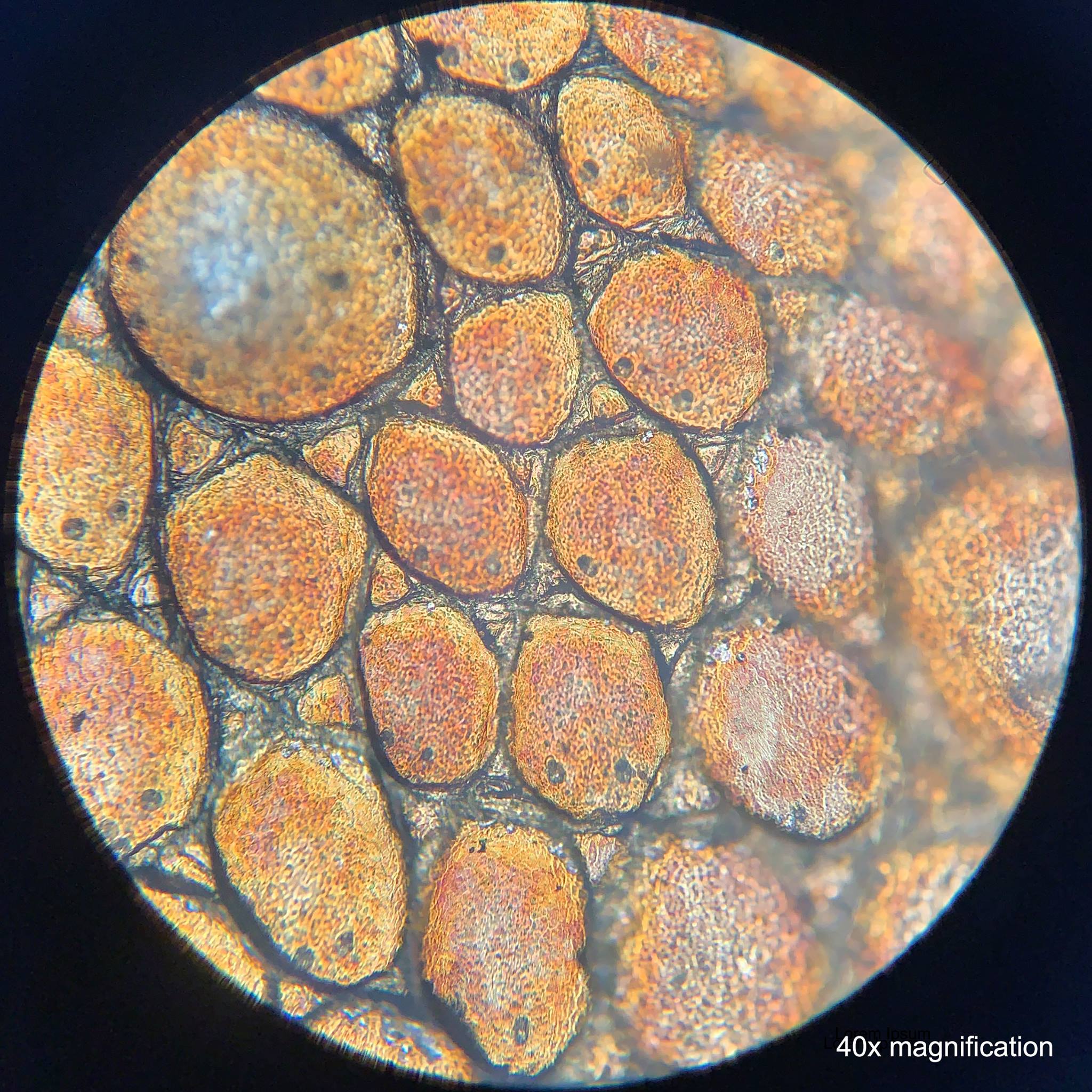
The vivid green coloration seen in many animals is often a result of complex interactions between pigments and specialized cells known as chromatophores. Unlike plants that utilize chlorophyll, animals rely on a different set of pigments and structural adaptations to achieve their green coloration.
Chromatophores are pigment-containing and light-reflecting cells found in a wide variety of animals, including reptiles, amphibians, and fish. These cells can contain different types of pigments such as melanin for darker colors, or pteridines, carotenoids, and guanine for lighter and more vibrant hues. In many green animals, the green color is not due to a green pigment itself but rather the result of a combination of yellow pigments (like carotenoids) and blue structural coloration. This phenomenon is particularly evident in species like tree frogs and certain lizards, where the underlying blue structure combined with yellow pigments results in a visible green appearance.
In addition to chromatophores, structural coloration plays a significant role. This involves microscopic structures that interfere with light waves to produce colors. In some parrots, for instance, the green is derived from the microscopic structure of their feathers, which reflects blue light through the presence of keratin. When this blue light mixes with yellow pigments in the feathers, the animal appears green.
Genetic Factors Influencing Pigmentation
The genetic basis of pigmentation is a fascinating field that reveals how genes control the distribution, type, and intensity of pigmentation in animals. The color and pattern of an animal are determined by the interaction between multiple genes, which influence the production and distribution of pigments within chromatophores.
In many cases, the genetic mechanisms that lead to green pigmentation are tied to genes that regulate the production of yellow and blue pigments. For instance, in birds, the gene responsible for the synthesis of carotenoids (yellow pigments) can be upregulated or downregulated depending on environmental factors and genetic predisposition. Similarly, genes involved in the formation of structural coloration can be influenced by evolutionary pressures, leading to variations in the intensity and shade of green across different populations and species.
Moreover, genetic mutations can lead to variations in pigmentation. These mutations can affect how pigments are produced, how chromatophores are structured, or even how pigments are distributed across an animal’s body. Such genetic diversity is crucial for adaptation, as it allows species to better blend into their environments or stand out for mating purposes.

In conclusion, the biological mechanisms behind green pigmentation involve a sophisticated blend of pigments, structural coloration, and genetic regulation. These mechanisms not only contribute to the aesthetic beauty of green animals but also play a critical role in their survival and evolutionary success. Whether through the clever use of chromatophores or the strategic expression of certain genes, nature has crafted a remarkable palette that allows these creatures to thrive in their respective ecosystems.
Evolutionary Advantages of Green Pigmentation
Green pigmentation in animals offers numerous evolutionary advantages, playing a pivotal role in their survival and reproduction. From seamlessly blending into the environment to attracting potential mates, the green hue serves various functional purposes that have evolved over millions of years. Let’s dive deeper into the specific advantages that green pigmentation provides.
Camouflage and Predation
One of the most evident advantages of green pigmentation is its utility in camouflage. In lush environments such as rainforests, grasslands, and even certain aquatic settings, being green allows animals to blend seamlessly with their surroundings. This natural disguise helps in both avoiding predators and hunting prey.
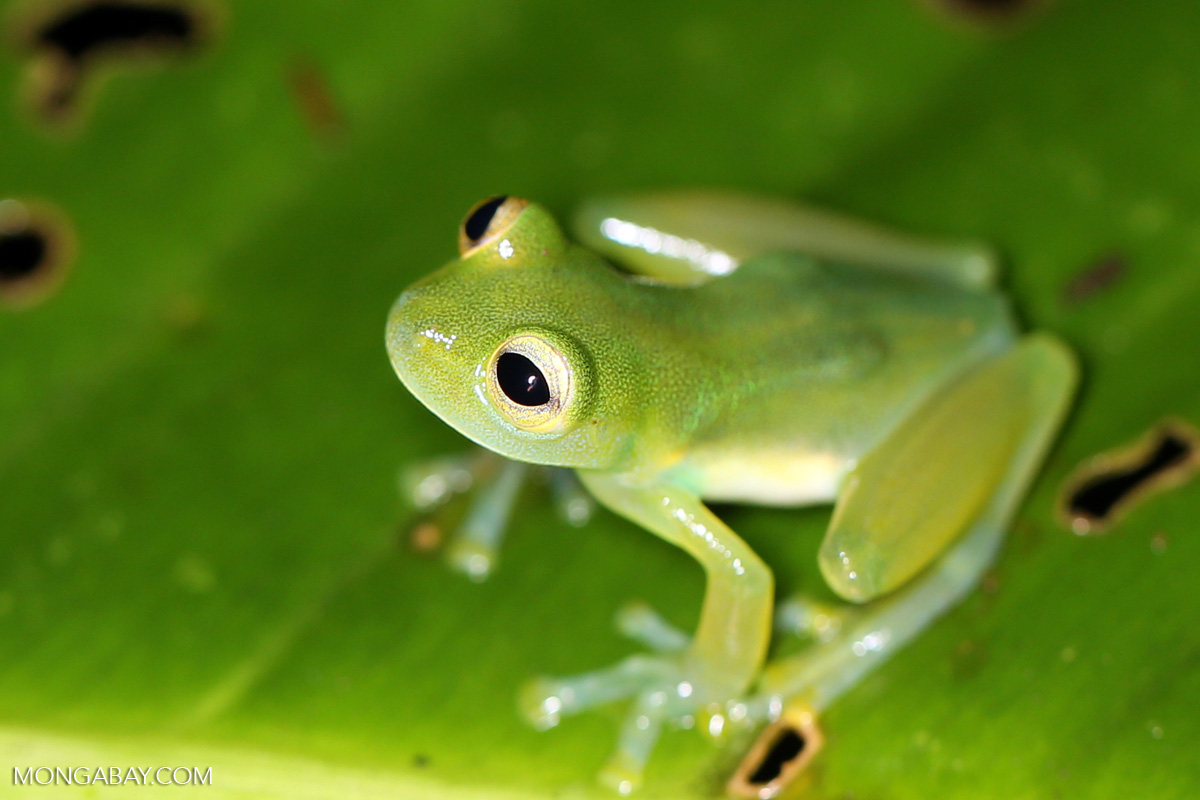
Consider the tree frog, which uses its vibrant green skin to hide among the leaves of rainforest canopies. This adaptation is crucial for evading predators like birds and snakes. Similarly, the praying mantis, with its leaf-like appearance, can remain virtually invisible to both its prey and predators, allowing it to ambush unsuspecting insects efficiently.
In the realm of the ocean, many fish and marine invertebrates exhibit green hues that enable them to merge with the water’s greenish tones, providing protection from predators lurking above. The green sea turtle is an excellent example, using its color to blend with the seagrass beds where it feeds.
The significance of camouflage extends beyond mere survival. By mastering the art of concealment, green animals can also gain the upper hand in predation. Predators that are less visible to their prey can approach more closely, increasing their chances of a successful hunt. This dual advantage makes green pigmentation a powerful evolutionary trait.
Signaling and Mate Selection
While camouflage is vital for survival, green pigmentation also plays a significant role in signaling and mate selection. In many species, vibrant colors are used to attract potential mates, indicating health, vitality, and genetic fitness.
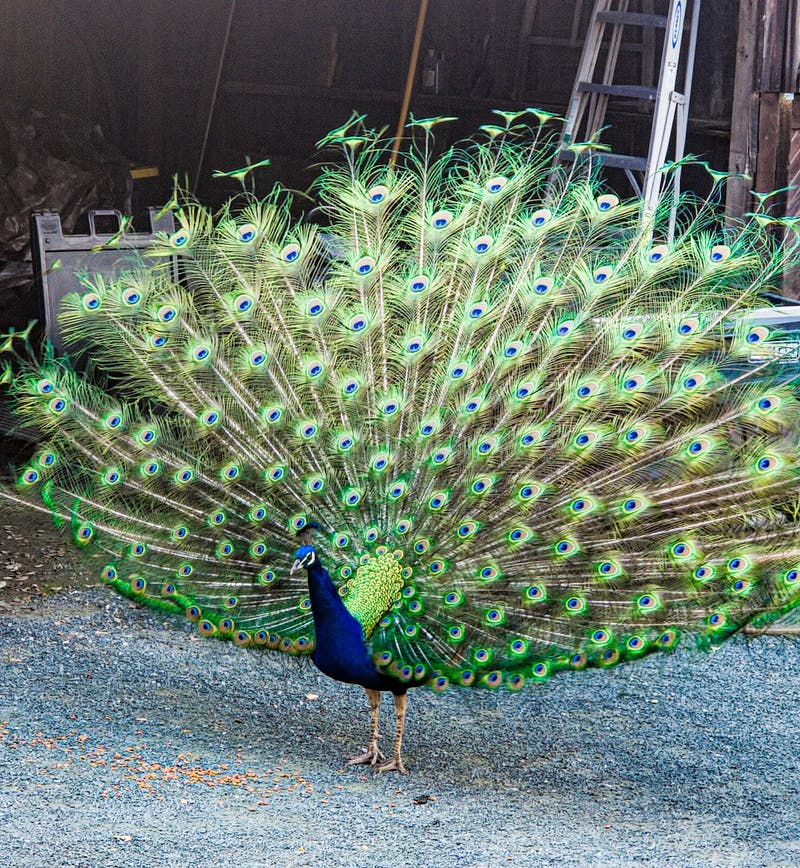
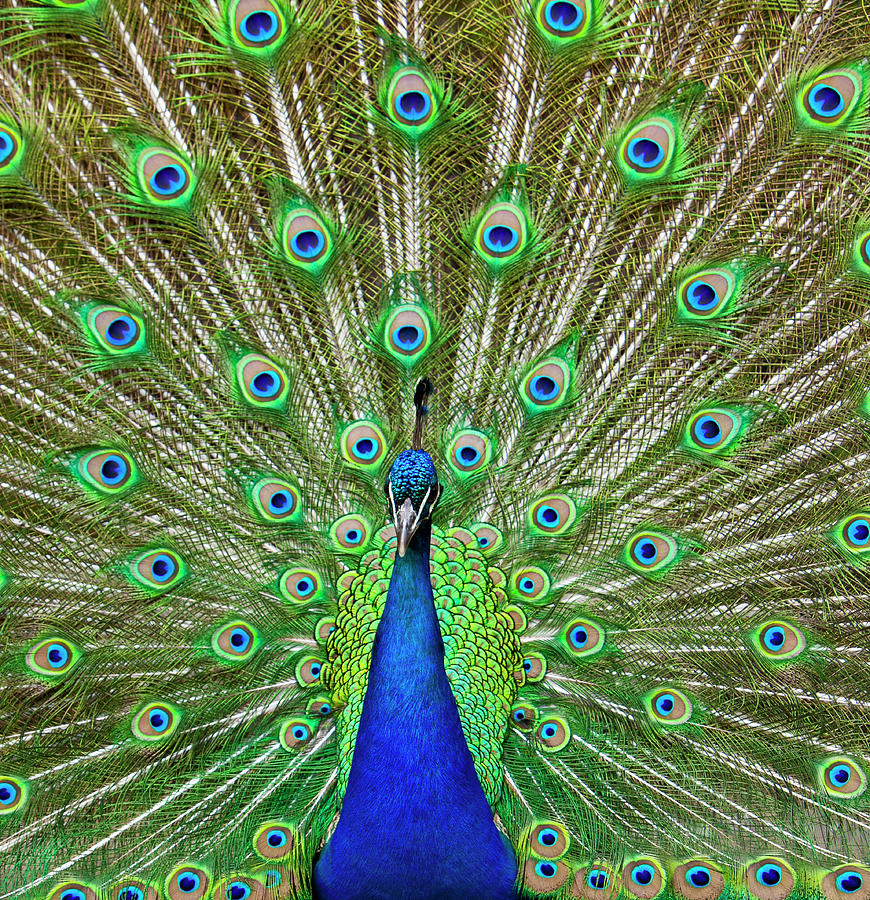
Among birds, the male peacock’s iridescent green plumage is a classic example of using color as a sexual signal. The brighter and more vibrant the feathers, the more attractive the male is to potential mates. This display is not just about beauty; it is a sign of the male’s ability to survive and thrive, making him an ideal choice for passing on genes.
In the insect world, some butterflies and beetles use their metallic green exoskeletons to signal mates from a distance. The brilliance of these colors is often enhanced by structural coloration, where microscopic structures reflect light in specific ways to produce dazzling hues.
Moreover, green pigmentation can also act as a warning signal in the case of mimicry. Some non-toxic species mimic the green coloration of toxic counterparts, deterring predators through association. This mimicry can extend beyond avoiding predation to include attracting mates, as the mimicry itself may be seen as a sign of intelligence and adaptability.
Overall, the evolutionary advantages of green pigmentation are multifaceted. Whether through the stealth of camouflage or the allure of vibrant displays, green animals leverage their coloration to navigate the complex dance of survival and reproduction. Through these strategies, nature showcases its ingenuity, using the simple color green to weave a tapestry of life that is as functional as it is beautiful.
Examples of Green Animals Across Species
The vibrant world of green animals is as diverse as it is fascinating. From the dense canopies of rainforests to the open fields of grasslands, various species have evolved unique ways to acquire and maintain their green hues. This natural phenomenon is not just a spectacle of beauty but a testament to the incredible adaptability of life on Earth. Let’s delve into the mesmerizing world of green creatures found in different animal classes.
Amphibians and Reptiles
Amphibians and reptiles are some of the most iconic representatives of green animals. Their ability to blend seamlessly into their surroundings is a survival tactic that has been perfected over millennia.
Tree Frogs are a prime example of this adaptation. Found primarily in the rainforests of Central and South America, these frogs utilize their green pigmentation to camouflage among the lush foliage. Their skin reflects light in a way that mimics the leaves, making them nearly invisible to predators. This camouflage is not only crucial for evading predators but also for ambushing prey. Interestingly, the green color in tree frogs is often a result of a combination of yellow pigments and blue structural coloration.

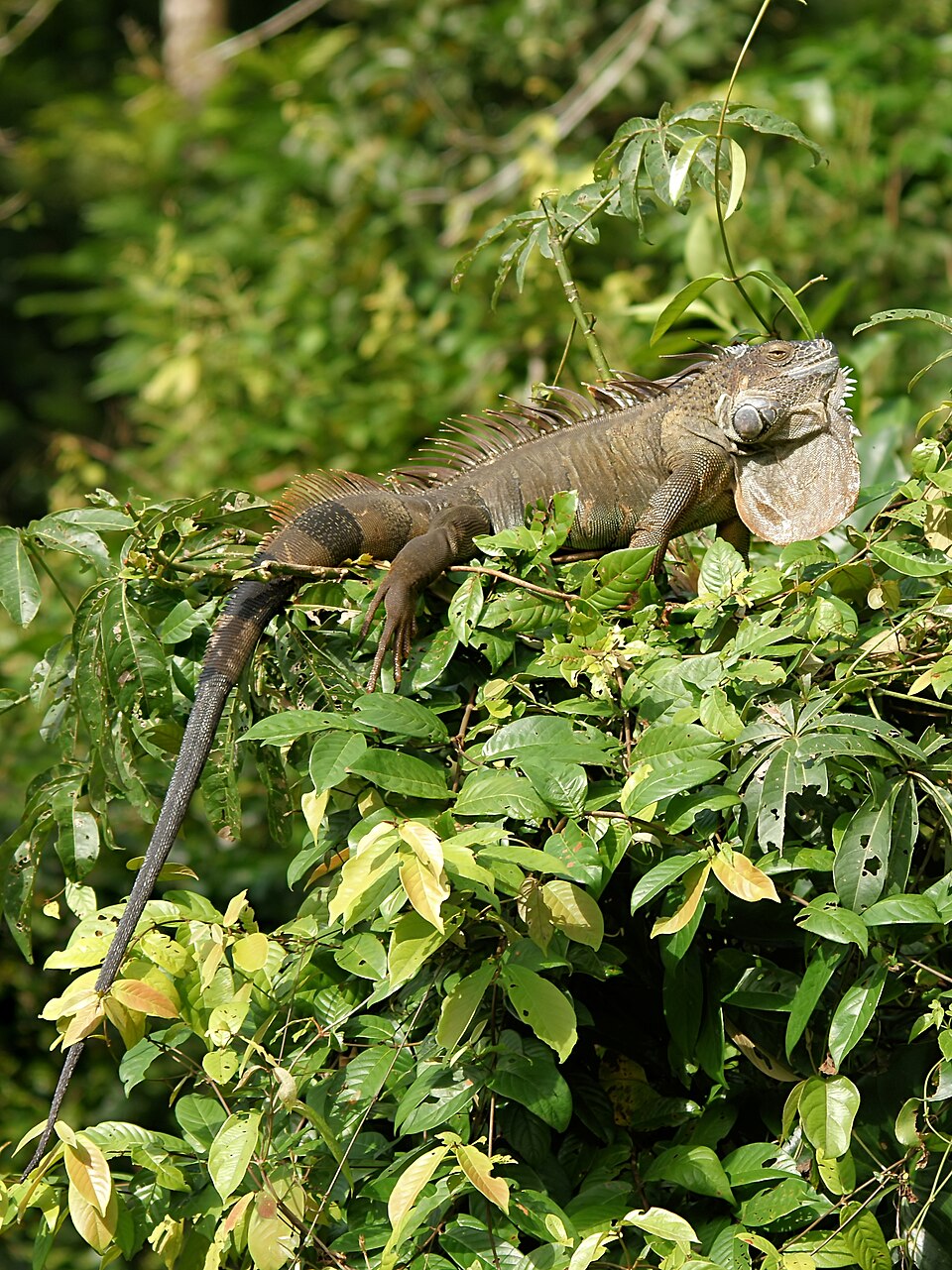
Another fascinating reptilian example is the Green Iguana. Native to tropical regions of Central and South America, these large lizards are often seen basking in the sun, their scales reflecting a vivid green that helps them blend into the dense tropical foliage. The iguana’s coloration is primarily due to a combination of natural pigments and light reflection through their scales. This camouflage is essential for evading predators such as birds of prey and for successful foraging.

Birds and Insects
Birds and insects have also mastered the art of green pigmentation, each species showcasing unique adaptations.
Among birds, Parrots are perhaps the most vivid and well-known. The green feathers of many parrot species are not due to a single green pigment but result from structural coloration, where microscopic structures in the feathers scatter light to produce a green appearance. This coloration not only aids in camouflage within the canopy but also plays a significant role in social signaling and mate selection. The vibrant green can indicate the health and vigor of the individual, important factors in attracting a mate.

In the insect world, the Praying Mantis stands out as a master of disguise. With its slender, elongated body and coloration that mimics leaves and branches, the praying mantis relies heavily on its camouflage for both defense and attack. This insect’s green hue is a blend of pigments and reflective surfaces, enabling it to remain unseen by both predators and unsuspecting prey. The praying mantis exemplifies how green animals utilize their coloration to survive in a world of constant threats.

Lastly, the Jewel Beetle showcases a mesmerizing metallic green that is a result of light refraction through its intricate exoskeleton. This beetle uses its dazzling appearance as both a form of camouflage in the dappled light of its forest habitat and as a display to potential mates. The jewel beetle’s iridescent green is a marvel of nature’s engineering, reflecting a spectrum of colors that change with the angle of the light.

In conclusion, the world of green animals is richly diverse, with each species adapting its pigmentation to suit its ecological niche. From the rainforests to the grasslands, these creatures highlight the intricate balance of evolution and survival. Their vibrant hues are not just for show but are integral to their existence, providing camouflage, signaling, and a myriad of other benefits in their natural habitats.
Environmental and Ecological Impacts
Habitat Influence on Pigmentation
The environment in which an animal lives plays a profound role in shaping its pigmentation, especially when it comes to green animals. The lushness of rainforests, the dappled light of woodlands, and the dense thickets of grasslands create a backdrop where green pigmentation serves as a vital adaptation for survival. This pigmentation not only helps animals blend seamlessly into their surroundings, but it also plays a crucial part in their overall ecology and behavior.
In rainforests, for example, the dense canopy creates a play of shadows and sunlight, which makes green an ideal color for camouflage. Animals like tree frogs and green iguanas use their green pigmentation to merge with the leaves and branches, effectively hiding from predators and sneaking up on unsuspecting prey. Similarly, in grasslands, creatures such as certain grasshoppers and lizards exhibit green hues that allow them to disappear into the sea of grass, avoiding the keen eyes of predators.
Moreover, the habitat’s light conditions can influence the development of structural coloration in animals. The structural components that reflect light in specific ways to produce the perception of green are often optimized for the unique lighting of each habitat. For instance, the vibrant greens of some beetles and birds may be more pronounced in the specific light spectrum prevalent in their natural environments.
Impact of Climate Change on Pigmentation Patterns
As climate change continues to alter ecosystems across the globe, it inevitably impacts the pigmentation patterns of green animals. Rising temperatures, changing precipitation patterns, and increasing frequency of extreme weather events can lead to habitat alterations that may affect the survival of species reliant on green pigmentation for camouflage and other ecological functions.
One significant impact of climate change is habitat loss and transformation. As forests are cleared or degrade, the green cover that many animals rely on for camouflage diminishes, exposing them to predators and reducing their chances of survival. Additionally, shifts in plant species composition due to changing climates can lead to mismatched camouflage, where the green pigmentation of animals no longer aligns with the dominant vegetation.

Furthermore, climate change can influence the distribution and abundance of pigments in animals. For example, changes in temperature and humidity can affect the availability of dietary sources for pigment absorption, such as carotenoids from plants. This can result in shifts in pigmentation intensity and coloration patterns, potentially affecting mating success and predation rates.
The evolutionary pressures exerted by climate change may also drive genetic changes in pigmentation. As environments change, animals that can adapt their pigmentation more rapidly may have a selective advantage, leading to evolutionary shifts over generations. However, the pace of climate change may outstrip the ability of many species to adapt, posing a threat to their survival.
In conclusion, the interplay between green pigmentation and the environment is a dynamic process that is profoundly impacted by ecological changes. Understanding these impacts is crucial for conserving biodiversity and ensuring the survival of green animals in a rapidly changing world.
Reflecting on the Fascination with Green-Hued Creatures
The allure of green animals has enchanted scientists, nature enthusiasts, and casual observers alike. Why do creatures dressed in shades of emerald, jade, and lime captivate our imagination so profoundly? The answer lies in a blend of biology, art, and the timeless narrative of adaptation and survival.
The Enigmatic Charm of Green
The color green holds a special place in our visual perception. In nature, green is often associated with life, growth, and vibrancy, symbolizing renewal and energy. For animals, wearing a coat of green is not merely about aesthetics but a nuanced adaptation that has evolved over millennia. In rainforests, where life is teeming with verdant hues, being green is a clever strategy for blending in, avoiding predators, and sneaking up on prey.
Yet, the fascination doesn’t stop at camouflage. In many cultures, green animals are seen as mystical and are often featured in folklore and mythology. Take, for example, the green tree frog, which is revered in some indigenous cultures as a symbol of rain and fertility. This societal reverence further cements our fascination with these creatures.

The Science Behind the Color
Our understanding of green pigmentation in animals unveils a complex interplay of light, pigment, and anatomy. Unlike plants that achieve their green hue through chlorophyll, animals employ a variety of methods to appear green. Some, like certain birds and insects, use microscopic structures that scatter light in such a way that only green wavelengths are reflected to our eyes. Others, such as some lizards and frogs, combine structural coloration with yellow pigments, creating the vivid greens we see.
This scientific marvel is not only a testament to the creativity of evolution but also a reminder of the intricate balance within ecosystems. The presence of green animals in a habitat often indicates a healthy environment, as they are typically integral parts of food webs and natural processes.
Cultural and Artistic Inspirations
Beyond the biological, green animals have inspired countless works of art and literature. From the lush descriptions of paradise in literature to the vibrant depictions of paradise birds in paintings, the imagery of green creatures evokes a sense of wonder and imagination. Artists have long drawn inspiration from the natural world, using the striking visual of a green animal to convey themes of mystery, elegance, and the exotic.
Consider the peacock, whose iridescent plumage has been a symbol of beauty and pride across civilizations. The peacock’s feathers, which appear green due to a combination of microscopic structures and pigments, have inspired fashion, art, and even architecture. This cultural significance underscores the deep connection between humans and the vibrant hues of nature.
A Future Green with Promise and Peril
While the current palette of green animals is a testament to nature’s ingenuity, their future is not without challenges. The threats of climate change, habitat destruction, and pollution pose significant risks to these creatures and their habitats. As environments change, so too might the colors of the animals that inhabit them. Some species may lose their green pigmentation, while others might develop new adaptations to survive.
This precarious balance highlights the urgent need for conservation efforts. Protecting the habitats of these animals not only preserves their vibrant colors but also the ecological roles they play. As we reflect on our fascination with green-hued creatures, it is crucial to recognize our responsibility to ensure that these natural wonders continue to thrive for future generations.
In conclusion, the allure of green animals is a captivating blend of science, culture, and artistry. They remind us of the beauty and complexity of the natural world and inspire us to cherish and protect the vibrant life that surrounds us.
WildWhiskers is a dedicated news platform for animal lovers around the world. From heartwarming stories about pets to the wild journeys of animals in nature, we bring you fun, thoughtful, and adorable content every day. With the slogan “Tiny Tails, Big Stories!”, WildWhiskers is more than just a news site — it’s a community for animal enthusiasts, a place to discover, learn, and share your love for the animal kingdom. Join WildWhiskers and open your heart to the small but magical lives of animals around us!