











In a world where fascination with prehistoric creatures thrives, the Dire Wolf stands out as a symbol of both mystery and power. Known to many through its dramatized portrayal in popular culture, particularly in shows like Game of Thrones, the real-life Dire Wolf (Canis dirus) was a formidable predator that roamed the Americas during the Late Pleistocene epoch. But what truly set this extinct animal apart from its fictional counterpart was its sheer strength and adaptability in an ever-changing prehistoric landscape.
Imagine a time when these magnificent beasts, larger and more robust than today’s gray wolves, prowled the vast expanses of North and South America. Their fossils, especially those unearthed from the iconic La Brea Tar Pits, tell a story of a predator that was not only abundant but also highly successful in its time. With powerful jaws capable of crushing bones, the Dire Wolf was a force to be reckoned with, preying on massive herbivores like bison and horses.
Yet, despite their dominance, the Dire Wolf eventually vanished, a fate sealed by the very forces of nature they once thrived in. Climate change, competition, and evolutionary pressures contributed to their extinction, leaving behind a legacy that continues to intrigue scientists and enthusiasts alike. Through DNA studies and fossil analysis, we are beginning to unveil secrets of their distinct evolutionary path, separate from the gray wolf lineage.
Join us as we delve into the enigmatic world of the Dire Wolf, exploring not only its physical prowess and ecological role but also its enduring impact on modern culture. This journey into the past offers profound insights into the delicate balance of survival and extinction, reminding us of the impermanence of even the most powerful creatures. Let’s embark on this exploration of extinct animals, revealing the untold stories of the Dire Wolf and the lessons they hold for our present and future.
The Mysterious World of the Dire Wolf
Introduction to the Dire Wolf
The Dire Wolf, scientifically known as Canis dirus, stands as one of the most intriguing subjects in the study of extinct animals. This formidable predator roamed the earth during the late Pleistocene epoch, approximately 250,000 to 13,000 years ago. Unlike its fictional portrayal in popular series like “Game of Thrones,” the real Dire Wolf was a creature of awe and mystery, captivating the imagination of scientists and enthusiasts alike. It was larger and more robust than the modern gray wolf, with an estimated weight of up to 150 pounds. Its formidable build and powerful jaws were adept at crushing bones, allowing it to take down prey such as bison and horses.
The fascination with the Dire Wolf is not just rooted in its physical prowess but also in the evolutionary secrets it holds. Recent genetic studies have revealed that despite superficial similarities, Dire Wolves were genetically distinct from gray wolves, representing an entirely separate lineage. This discovery further deepens the mystery surrounding this prehistoric predator and emphasizes its unique place in the tapestry of life on Earth.

Habitat and Distribution
The habitat and distribution of the Dire Wolf provide a fascinating glimpse into the environmental conditions and ecological niches of the late Pleistocene epoch. Fossil evidence, notably from the famous La Brea Tar Pits in Los Angeles, indicates that Dire Wolves were once abundant across North and South America. This widespread distribution suggests they were highly successful predators, well-adapted to a variety of landscapes and climates.
Dire Wolves primarily inhabited open plains and grasslands, areas rich in large herbivores which constituted their primary food source. Their presence across a broad geographic range speaks to their adaptability and hunting prowess. These regions, teeming with life during the Pleistocene, were ideal hunting grounds for packs of Dire Wolves, allowing them to thrive as apex predators.
The La Brea Tar Pits, in particular, have been a treasure trove of information about the Dire Wolf. This natural asphalt seep has preserved a wealth of fossils, providing invaluable insights into the life and times of these magnificent creatures. The abundance of Dire Wolf remains found here underscores their dominance in the prehistoric ecosystems of North America.

Understanding the habitat and distribution of the Dire Wolf not only sheds light on their ecological role but also raises intriguing questions about their eventual extinction. As the climate shifted at the end of the Ice Age, the habitats that once supported these formidable predators changed dramatically, ultimately contributing to their demise. The study of these extinct animals, like the Dire Wolf, offers crucial lessons about adaptation, survival, and the delicate balance of ecosystems.
The Dire Wolf’s story is a compelling chapter in the history of life on Earth, a reminder of the ever-changing nature of our planet and the species that inhabit it. As we continue to explore the secrets of this legendary creature, we gain a deeper appreciation for the rich tapestry of life that once existed and the forces that shape the world today.
Physical Characteristics and Adaptations
Size and Appearance
The Dire Wolf (Canis dirus), a prominent figure among extinct animals, was an imposing predator that roamed the prehistoric landscapes of North and South America. One of the most striking features of the Dire Wolf was its impressive size. On average, Dire Wolves were larger than today’s Gray Wolves, weighing up to 150 pounds and measuring over five feet in length. Their robust build and powerful frame were adapted to take down large prey that roamed the earth during the Late Pleistocene epoch.
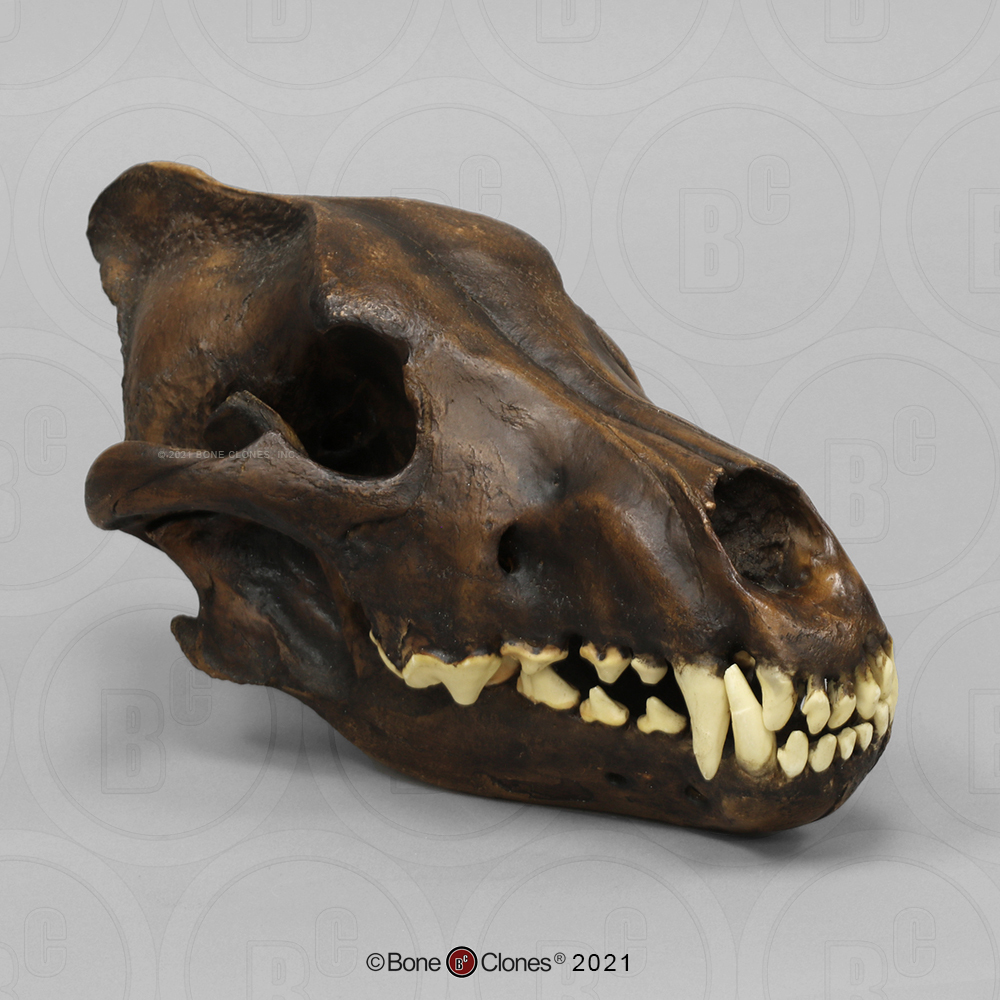
The Dire Wolf’s appearance was both majestic and fearsome. Its skull was broad, with a prominent sagittal crest, indicating strong jaw muscles ideal for gripping and crushing bones. This adaptation allowed them to consume not just the flesh but also the bones of their prey, extracting every possible nutrient. The teeth of the Dire Wolf were another distinctive feature, larger and stronger than those of their modern-day relatives, tailored for tackling the tough hides of the mega herbivores they hunted.
Their coats, though not preserved in the fossil record, are speculated to be dense and possibly darker, offering camouflage in the varied environments they inhabited, from dense forests to open plains. This adaptation would have been critical for both hunting and protection against the elements.
Hunting Techniques and Diet
The Dire Wolf was a formidable predator, employing a combination of strength and pack strategies to hunt effectively. Unlike the swift hunting style of the Gray Wolves, Dire Wolves relied more on their sheer power and teamwork. This strategy was crucial for bringing down large prey such as bison, giant sloths, and even young mammoths. The pack dynamics of Dire Wolves allowed them to coordinate attacks, using their numbers to outmaneuver and overwhelm their prey.
Their hunting techniques were a testament to their adaptability and intelligence. Dire Wolves would often use ambush tactics, utilizing the terrain to their advantage, and relying on their acute sense of smell and hearing to track prey over vast distances. This method of hunting was particularly effective in the varied terrains they inhabited, from the icy tundra to the lush woodlands.
The diet of the Dire Wolf was primarily carnivorous, with a preference for large herbivores. However, they were opportunistic feeders, and their powerful jaws allowed them to scavenge on carcasses, effectively crushing bones to access marrow, which was a rich source of nutrition. This adaptability in diet was crucial for their survival in the often harsh and unpredictable prehistoric ecosystems.
Despite their prowess, the Dire Wolf’s specialized hunting techniques and dietary preferences may have contributed to their eventual extinction. As the climate shifted and prey availability decreased, the Dire Wolves faced increased competition from more adaptable predators, such as the faster Gray Wolves and the cunning humans. This shift in the ecosystem ultimately played a significant role in the decline of these fascinating creatures.
The story of the Dire Wolf is a captivating chapter in the history of extinct animals, offering insights into the evolution and adaptation of prehistoric predators. Their legacy continues to intrigue scientists and the public alike, as we uncover more about their lives and eventual disappearance.
The Dire Wolf in the Ecosystem
The Dire Wolf (Canis dirus), a remarkable member of the prehistoric world, played a crucial role in its ecosystem. As we delve into the prehistoric food chain and its interaction with other species, we gain a deeper understanding of how this magnificent creature thrived and eventually faced extinction.
Role in the Prehistoric Food Chain
The Dire Wolf was a formidable predator at the top of the prehistoric food chain. Occupying the apex position, it had a significant impact on the populations of herbivores and smaller predators. These wolves primarily hunted large prey, such as the massive herbivores that roamed North and South America during the Late Pleistocene epoch. Their diet included giant sloths, mastodons, and bison, which required not just strength but also strategic hunting methods.
The Dire Wolf’s robust build and powerful jaws allowed it to take down large animals, a feat that was critical for its survival in a competitive environment. Unlike modern wolves, which rely on speed and agility, Dire Wolves depended largely on their raw power. This adaptation was essential for their role in controlling the population of large herbivores, which in turn influenced the vegetation and overall biodiversity of their habitat.

Their presence ensured a balance within the ecosystem, preventing overgrazing by herbivores and maintaining a healthy habitat. As apex predators, Dire Wolves also competed with other large carnivores, such as the saber-toothed cats and American lions, for resources. This competition further defined their role and behavior within the food web.
Interaction with Other Species
The interactions of Dire Wolves with other species were complex and multifaceted. As pack animals, they exhibited cooperative behavior that allowed them to tackle prey much larger than themselves. This social structure not only enhanced their hunting efficiency but also strengthened their position against rival predators.
Despite being dominant predators, Dire Wolves faced competition from other formidable carnivores. Saber-toothed cats, for instance, were known competitors. These interactions were likely characterized by intense rivalry for prey, especially as the climate began to change and resources became scarce. The presence of humans towards the end of the Dire Wolves’ existence introduced another layer of competition, as humans also hunted similar prey and possibly targeted Dire Wolves themselves.
Additionally, Dire Wolves were not immune to the changes in their environment. As the Ice Age came to an end, shifts in climate and the resulting environmental changes would have impacted their prey availability. This, combined with growing competition from other predators like the faster and more adaptable gray wolves, posed significant challenges to their survival.
In conclusion, the Dire Wolf was an integral part of its ecosystem, influencing both prey populations and predator dynamics. Its interactions with other species highlight the interconnectedness of life during the Pleistocene. Studying these interactions offers valuable insights into the complex relationships that define ecosystems and the factors that can lead to the extinction of even the most formidable creatures. The legacy of the Dire Wolf continues to captivate scientists and enthusiasts alike, as they uncover the secrets of these extinct animals dire wolf through fossils and genetic studies.
Theories Behind the Extinction of the Dire Wolf
The Dire Wolf (Canis dirus) stands as one of the most iconic extinct animals, captivating the imagination of both scientists and the general public. Understanding the factors that led to its extinction not only unravels the mysteries of the past but also provides valuable lessons for the present and future. Two predominant theories have been proposed to explain the demise of this formidable predator: climate change and environmental shifts and competition with other predators.
Climate Change and Environmental Shifts
The end of the Ice Age marked a period of significant transformation in the Earth’s climate, which had profound effects on the environments where extinct animals like the Dire Wolf thrived. As glaciers receded and temperatures rose, the ecosystems that supported the Dire Wolf’s prey began to change drastically. The large herbivores, such as mastodons and giant sloths, which constituted a significant portion of the Dire Wolf’s diet, faced dwindling habitats and food sources. This decline in prey availability likely put immense pressure on the Dire Wolf populations.
The shift from the cold, glacial conditions to a more temperate climate not only altered the landscape but also the ecological balance. Forests expanded, replacing open plains and reducing the habitats suitable for large prey animals. This environmental shift would have necessitated a change in hunting strategies and dietary preferences—adaptations that the Dire Wolf, with its highly specialized hunting techniques, might not have been able to achieve quickly enough.

Moreover, the rapid pace of these changes could have left the Dire Wolf populations with little time to adapt. Evolutionary adaptations generally require generations to manifest, and the speed of climate change at the end of the Pleistocene might have outpaced the Dire Wolf’s ability to evolve necessary survival traits.
Competition with Other Predators
Another crucial factor in the extinction of the Dire Wolf is competition with other predators. As the environment changed, so did the dynamics among predator species. The emergence and expansion of the more adaptable gray wolf (Canis lupus) presented a direct challenge to the survival of the Dire Wolf. Gray wolves were not only faster but also more versatile in their hunting strategies, allowing them to exploit a wider range of prey and habitats.

The competition was not limited to other wolf species. Human populations, which were also expanding during this period, introduced further challenges. Humans were not only direct competitors for prey but also potential predators of the Dire Wolf. The use of advanced hunting tools and techniques by humans could have contributed to the decline of large prey species, further exacerbating the food scarcity faced by Dire Wolves.
Furthermore, the presence of other predators such as saber-toothed cats and American lions introduced additional competition. In this increasingly competitive environment, the specialized nature of the Dire Wolf’s hunting and dietary habits might have placed it at a disadvantage, unable to compete effectively for the dwindling prey resources.
In summary, the extinction of the Dire Wolf was likely the result of a combination of climate change, environmental shifts, and heightened competition with other predators. These factors created a scenario where the Dire Wolf could no longer sustain its populations, leading to its eventual disappearance from the landscape. Understanding these dynamics offers insights into the vulnerabilities of species to environmental changes and interspecies competition, reminding us of the delicate balance that sustains life on Earth.
The Legacy of the Dire Wolf in Modern Culture
Influence on Literature and Media
The Dire Wolf has left an indelible mark on modern culture, transcending time from its prehistoric existence to becoming a staple in literature and media. Its portrayal in popular culture often emphasizes its formidable presence and mysterious allure, captivating audiences across generations.
One of the most notable examples is its depiction in the widely acclaimed series “Game of Thrones,” where the Dire Wolf is not just a mythological creature but a symbol of strength, loyalty, and survival. The series reinvigorated interest in these extinct animals, sparking curiosity about the real Dire Wolf among fans and scholars alike. The Dire Wolves in “Game of Thrones” are depicted as massive, almost mythical beasts, serving as companions to the Stark children. This portrayal has elevated the Dire Wolf from an extinct species to a cultural icon, representing a blend of fact and fantasy that fascinates audiences.
In literature, Dire Wolves have been featured in various novels, often depicted as powerful predators or mystical creatures. Their presence in stories serves as a bridge between the ancient past and the present, allowing readers to explore the mysteries of an era long gone. Authors frequently use the Dire Wolf as a symbol of nature’s raw power and the relentless passage of time, evoking a sense of wonder and respect for these majestic creatures.

Scientific Studies and Discoveries
While the Dire Wolf’s presence in pop culture is undeniable, scientific studies have also played a crucial role in unraveling the mysteries of these extinct animals. Research into Dire Wolf fossils has provided significant insights into their biology, behavior, and evolutionary history, offering a clearer picture of why these magnificent creatures thrived and eventually vanished.
One of the most groundbreaking discoveries is the revelation that Dire Wolves are genetically distinct from modern wolves. Recent DNA analysis has shown that despite their superficial similarities, Dire Wolves belong to a separate evolutionary lineage. This finding has reshaped our understanding of the Canidae family, highlighting the diverse evolutionary paths that ancient predators took.
Paleontologists have also uncovered fascinating details about the Dire Wolf’s hunting strategies and social behavior through fossil evidence. These studies indicate that Dire Wolves likely hunted in packs, similar to their modern relatives, but relied more on brute strength than speed to capture prey. This adaptation allowed them to tackle large herbivores like bison and horses, positioning them as apex predators of their time.

The study of extinct animals like the Dire Wolf not only enriches our understanding of prehistoric ecosystems but also serves as a poignant reminder of the delicate balance within nature. Through continued research and exploration, scientists hope to uncover more secrets locked within the bones of these enigmatic creatures, ensuring that the legacy of the Dire Wolf endures in both the scientific community and popular imagination.
In conclusion, the Dire Wolf’s impact on modern culture is multifaceted, spanning the realms of fiction, media, and scientific research. As we continue to explore the mysteries of these extinct animals, the Dire Wolf remains a powerful symbol of the ancient world, inviting us to reflect on the wonders of evolution and the ever-changing tapestry of life on Earth.
Reflecting on the Lessons from the Dire Wolf’s Extinction
The extinction of the Dire Wolf offers a profound lesson in the delicate balance of nature and the intricate web of life that defines our planet. As we journey through the stories of these magnificent creatures, we uncover not just tales of survival and dominance but also of adaptation and eventual decline. The story of the Dire Wolf, an iconic member of the extinct animals, serves as a poignant reminder of the impermanence of species and the critical role of environmental harmony.
The Fragility of Ecosystems
The Dire Wolf’s extinction highlights the fragility of ecosystems and the impact of climate change. During the Ice Age, the environment was in a constant state of flux, with temperatures and landscapes shifting dramatically. Such changes were pivotal in shaping habitats and influencing the availability of prey. As the climate warmed and the ice receded, the Dire Wolf’s prey dwindled, leading to their decline. This serves as a powerful illustration of how dependent species are on stable environments.

The Importance of Adaptation
Adaptation is a cornerstone of survival. The Dire Wolf, despite its formidable size and strength, was highly specialized in its hunting techniques. Unlike its more adaptable cousin, the gray wolf, which could shift its diet and hunting strategies, the Dire Wolf struggled to adapt to the changing prey landscape. This specialization, while beneficial in a stable environment, became a disadvantage as conditions changed. It underscores the importance of flexibility and adaptability in the face of environmental shifts.
Interactions with Other Predators
The competition with other predators, such as the gray wolf and early humans, further complicated the Dire Wolf’s survival. This interaction illustrates the concept of competitive exclusion, where two species competing for the same resources cannot coexist indefinitely. The gray wolf’s ability to adapt more readily and the strategic hunting of humans placed the Dire Wolf at a disadvantage. This interaction serves as a lesson in how inter-species dynamics can influence the survival of a species.
Modern Reflections
In today’s world, the lessons from the Dire Wolf’s extinction become increasingly relevant. As modern ecosystems face unprecedented challenges from human activity and climate change, understanding the past can guide us in preserving biodiversity. The story of the Dire Wolf encourages us to reflect on our role as stewards of the planet and the importance of protecting the delicate balance of life.
Furthermore, the ongoing scientific studies and DNA research into the Dire Wolf continue to shed light on evolutionary processes and genetic diversity. These studies not only enrich our understanding of extinct animals like the Dire Wolf but also provide insights into the broader narrative of life’s history on Earth.

In conclusion, while the Dire Wolf may no longer roam the Earth, its legacy endures in the lessons it imparts. By studying the factors that led to its extinction, we are reminded of the importance of adaptability, the impact of environmental changes, and the intricate connections within ecosystems. Let us carry these lessons forward as we strive to protect and preserve the natural world for future generations.
WildWhiskers is a dedicated news platform for animal lovers around the world. From heartwarming stories about pets to the wild journeys of animals in nature, we bring you fun, thoughtful, and adorable content every day. With the slogan “Tiny Tails, Big Stories!”, WildWhiskers is more than just a news site — it’s a community for animal enthusiasts, a place to discover, learn, and share your love for the animal kingdom. Join WildWhiskers and open your heart to the small but magical lives of animals around us!