






In the intricate tapestry of nature, venomous animals stand out as both awe-inspiring and fearsome creations. These creatures, from the stealthy snakes lurking in the underbrush to the nearly invisible jellyfish drifting through oceans, have mastered the art of survival using their potent venoms. Their toxins, designed by millions of years of evolution, serve not only as a means of defense but also as an effective tool for hunting. It’s fascinating to think how these lethal concoctions, often viewed with trepidation, contribute significantly to the balance of ecosystems and hold untapped potential for medical advancements. As we delve into the world of these venomous animals, we’ll uncover the science behind their deadly abilities and explore their crucial roles in nature’s grand design. Join us on this journey to appreciate the delicate balance of nature, where danger coexists with beauty, and learn how to coexist safely and respectfully with these extraordinary creatures.
The Science of Venom
Definition and Composition of Venom
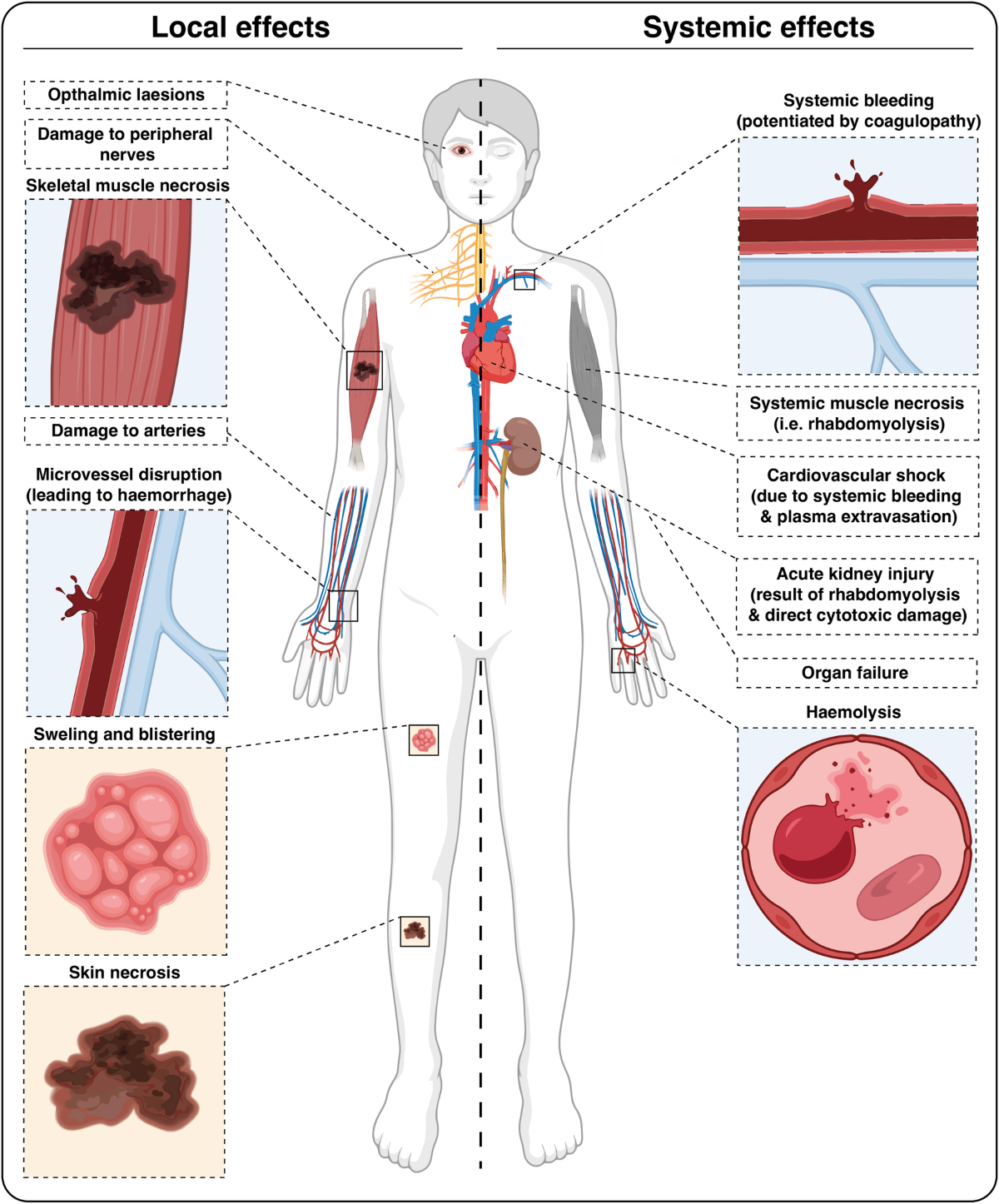
Venom is one of nature’s most intricate biochemical marvels, designed for both defense and predation by various venomous animals. By definition, venom is a toxic substance produced by animals such as snakes, spiders, and scorpions, which is injected into another organism through a bite, sting, or other specialized mechanism. The composition of venom is a complex cocktail of proteins, enzymes, and peptides, each tailored to target specific physiological systems of their prey or threats. For instance, neurotoxins disrupt nerve transmission, causing paralysis, while hemotoxins can damage blood cells and blood vessels, leading to tissue necrosis.
The diversity of venom is astounding, with each species evolving its unique concoction to optimize survival. The adaptability of venom reflects millions of years of evolution, resulting in some of the most effective natural poisons known to man. This biochemical sophistication not only underscores the lethal potential of venom but also highlights its role in the ecological niches occupied by these creatures.

How Venom Affects Victims
The impact of venom on victims varies widely, depending on the type of venom and the species it comes from. Venomous animals have fine-tuned their toxins to achieve specific biological effects that incapacitate their prey swiftly. For instance, the venom of an Inland Taipan, often regarded as the most venomous snake, can cause rapid systemic damage by disrupting the victim’s nervous system, leading to symptoms like convulsions, respiratory failure, and even death if untreated.
Similarly, the venom of a Brazilian Wandering Spider can induce intense pain, swelling, and in severe cases, paralysis. The mechanisms by which these venoms operate are a testament to their evolutionary refinement, allowing predators to subdue prey efficiently and deter potential threats.
In addition to their immediate effects, venoms have long-term implications for medical research. Scientists are increasingly studying these natural poisons to develop new pharmaceuticals, such as painkillers and blood pressure medications, transforming what once was a lethal weapon into a potential lifesaver.
The Most Venomous Land Animals
Snakes: Masters of Venom
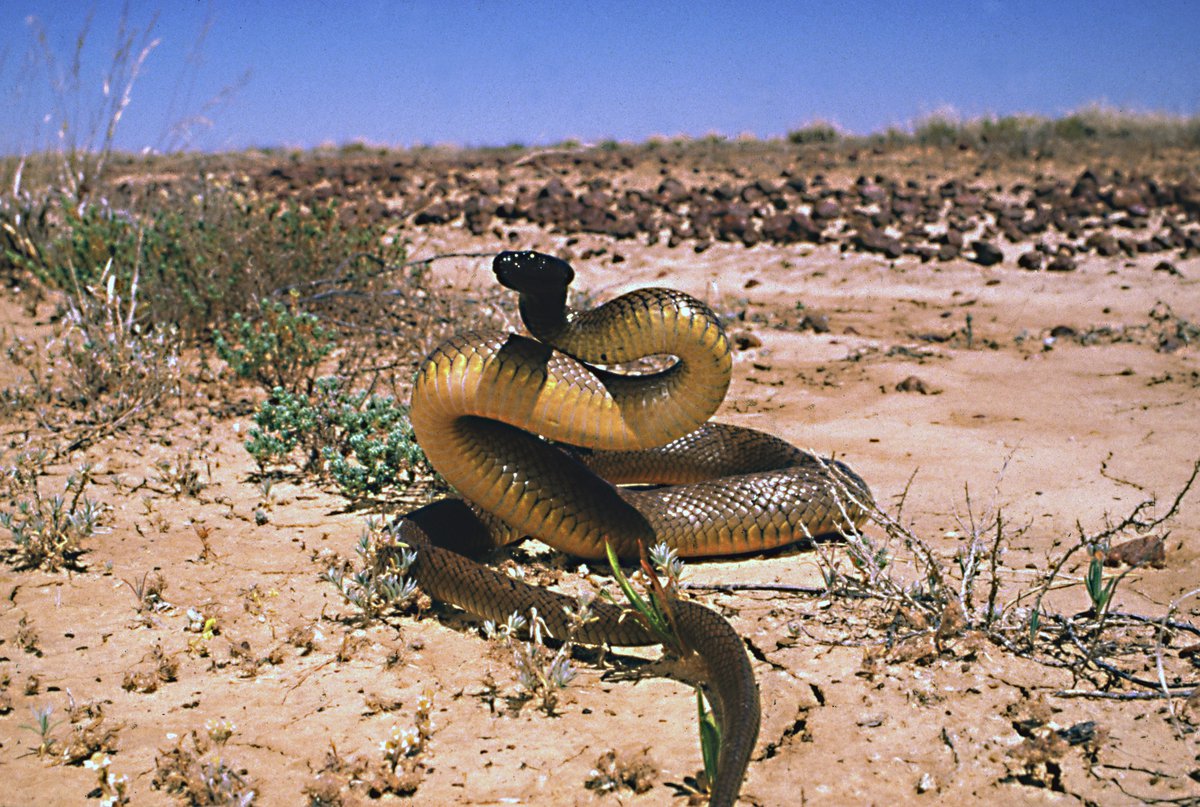
Snakes have long captivated the human imagination with their cunning and, in many cases, their deadly venom. These venomous animals are true masters of adaptation, having developed complex venom delivery systems to subdue prey and deter predators. Among the most notorious is the Inland Taipan, often referred to as the “fierce snake”. Found in Australia, its venom is the most toxic of any land snake, capable of causing paralysis and death within hours. Despite its fearsome reputation, the Inland Taipan is shy and reclusive, rarely seen by humans.
Another infamous snake is the King Cobra, known for its impressive size and potent venom. Unlike many other snakes, the King Cobra can deliver multiple bites in one encounter, injecting a large volume of venom. This venom acts quickly to incapacitate prey, a necessity for this predator that often hunts other snakes. The King Cobra’s elegant yet intimidating presence is a testament to nature’s ingenuity in the evolution of venomous animals.
Spiders: Tiny Yet Deadly
While they might be small, spiders are among the most efficient predators in the animal kingdom, thanks in large part to their venom. The Brazilian Wandering Spider, also known as the “banana spider”, is one of the most venomous spiders on Earth. Its venom can cause extreme pain, loss of muscle control, and even death if not treated promptly. Despite its dangerous nature, this spider plays a crucial role in controlling insect populations in its native habitat.
Another formidable arachnid is the Sydney Funnel-Web Spider. Found in Australia, this spider’s venom is potent enough to kill a human within hours. However, thanks to advances in medical treatments and awareness, fatalities are rare. The Sydney Funnel-Web’s aggressive behavior and powerful venom make it a creature to be respected and approached with caution.

These venomous animals remind us of the delicate balance within ecosystems, where even the smallest creatures play significant roles. Understanding and respecting these animals is crucial, both for our safety and the preservation of biodiversity.
Aquatic Venomous Creatures
The ocean is home to some of the most fascinating and venomous animals on Earth. These creatures have adapted to their watery environments with deadly precision, using venom as a means of defense and predation. Among these, jellyfish, sea anemones, fish, and mollusks stand out as particularly potent.
Deadly Jellyfish and Sea Anemones
Jellyfish and sea anemones are among the most infamous of the ocean’s venomous inhabitants. The box jellyfish, for instance, is notorious for its lethal sting. Found in the Indo-Pacific region, its venom can cause cardiac arrest within minutes, making it one of the ocean’s most feared creatures. The transparent nature of jellyfish often makes them hard to spot, adding to the peril they pose to unsuspecting swimmers.
Sea anemones, while often stationary and seemingly benign, also wield powerful venom. They use their stinging cells, called nematocysts, to immobilize prey and deter predators. Despite their beauty, both jellyfish and sea anemones remind us that the ocean is a realm where danger often lurks in unexpected forms.

Venomous Fish and Mollusks
The aquatic world also hosts a plethora of venomous fish and mollusks. Among them, the stonefish is particularly feared. Often camouflaged as a rock on the ocean floor, the stonefish possesses venomous spines that can deliver excruciating pain and even death if not treated promptly. This makes it a formidable presence in the waters of the Indo-Pacific.
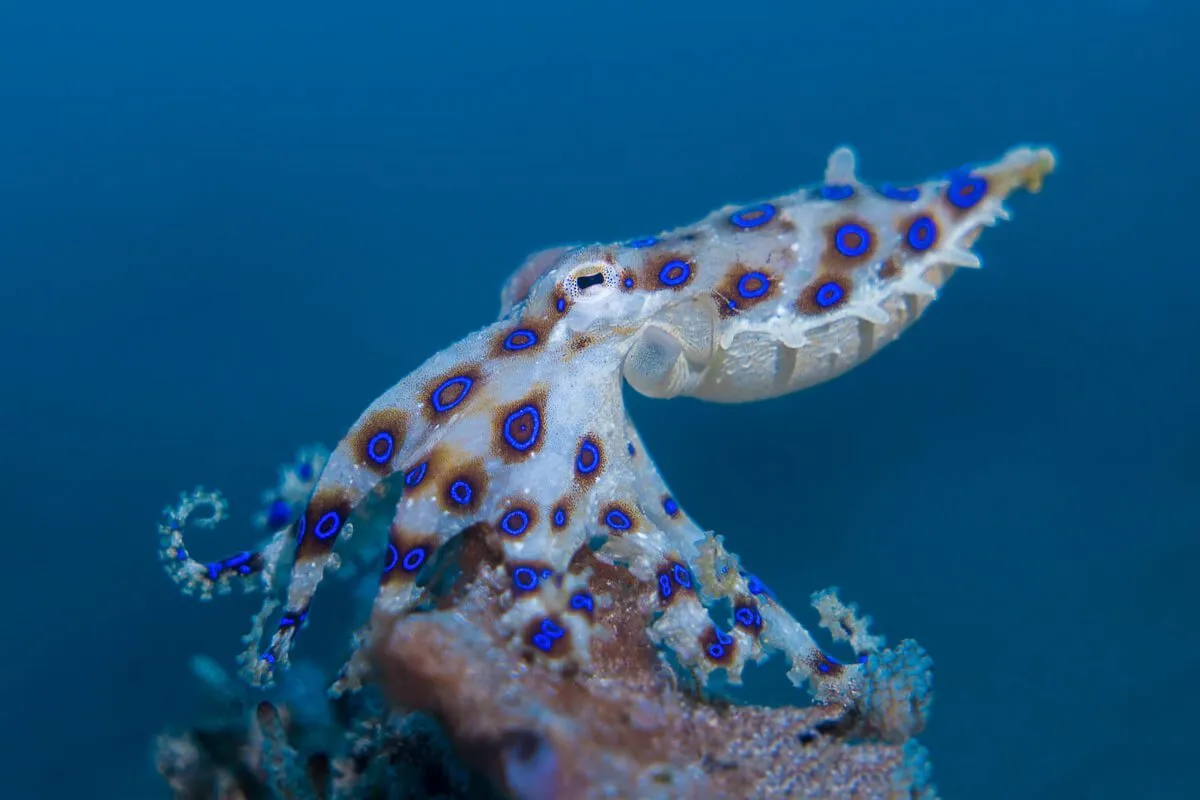
Mollusks like the blue-ringed octopus are small but extremely dangerous. This tiny creature, found in tide pools and coral reefs, carries venom potent enough to cause paralysis and death in humans. The fact that there is no known antivenom heightens its threat level. Cone snails, with their beautiful shells, hide another lethal secret: a harpoon-like tooth equipped with venom that can paralyze prey almost instantly.
These venomous animals play crucial roles in their ecosystems, controlling populations and maintaining balance. While their venom can be deadly, it also holds potential for medical breakthroughs, reminding us of the complex interplay between beauty and danger in nature’s design.
The Role of Venom in Ecosystems
Predator-Prey Dynamics
In the intricate web of ecosystems, venomous animals play a pivotal role in maintaining nature’s balance. Their use of venom is not merely a defense mechanism but a sophisticated tool for hunting and survival. Predators like snakes and spiders have evolved to possess venom that can immobilize or kill their prey almost instantly. This capability ensures that they can secure a meal without expending excessive energy in a chase, which is crucial in the survival-of-the-fittest world of the wild. For example, the Inland Taipan, with its incredibly potent venom, can quickly subdue its prey, ensuring its survival in the harsh Australian outback.
Conversely, venomous animals also influence prey populations, preventing any single species from becoming too dominant, which could lead to overgrazing or depletion of resources. This dynamic creates a predator-prey balance that is essential for biodiversity. Furthermore, these creatures often become prey themselves, with their venom serving as a deterrent or a last line of defense. This delicate balance highlights the interconnectedness of life forms and showcases the complexity of natural ecosystems.
Venom in Medical Research
Beyond their ecological role, venomous animals have significantly impacted the field of medical research. Scientists have long been fascinated by the complex composition of venom, which contains a wide array of biologically active compounds. These compounds have the potential to revolutionize medicine. For instance, venom components are being studied for their potential to treat chronic pain, as some venoms can block specific pain pathways without the addictive side effects of traditional painkillers.
Moreover, the venom of certain species, like the cone snail, has yielded compounds that are being researched for their potential in cancer treatment, showcasing the untapped potential of nature’s pharmacy. The study of venom has also led to the development of antivenoms and treatments for snake bites and other venomous encounters, saving countless lives each year.
In essence, venom is more than a weapon for venomous animals; it is a key to understanding and harnessing the power of nature for scientific advancement. The continued exploration of venom in medical research underscores the importance of preserving these creatures and their habitats, as they hold secrets that could unlock future breakthroughs in health and medicine.
Coexisting with Venomous Wildlife
Safety Tips and Precautions
Living in harmony with venomous animals requires awareness and respect for their habitats. These creatures, though potentially dangerous, are vital members of our ecosystems. Here are some essential safety tips to help ensure peaceful coexistence:
-
Educate Yourself: Understanding which venomous animals inhabit your area is the first step in ensuring safety. This knowledge allows you to recognize potential threats and respond appropriately.
-
Wear Protective Clothing: When hiking or exploring areas known for venomous wildlife, wear long sleeves, pants, and sturdy boots. This attire can provide a barrier against bites or stings.
-
Stay on Trails: Venturing off marked paths increases the risk of encountering venomous animals. Stick to established trails where visibility is better, and you’re less likely to disturb wildlife.
-
Be Cautious Near Water: Many venomous creatures, like certain snakes and the box jellyfish, often inhabit water bodies. Exercise caution when swimming or wading in unfamiliar waters.
-
Immediate Medical Attention: If bitten or stung, seek medical help immediately. Knowing basic first aid for venomous bites can also be lifesaving while waiting for professional assistance.
By following these precautions, we can enjoy the beauty of nature without compromising our safety or that of the animals we encounter.

Conservation and Respect for Nature
Beyond safety, it’s crucial to foster a sense of conservation and respect for nature, especially regarding venomous animals. These creatures, often misunderstood, play essential roles in maintaining ecological balance.
-
Appreciate Biodiversity: Venomous animals help control prey populations, contributing to a balanced ecosystem. By acknowledging their ecological importance, we can better appreciate the diversity of life.
-
Support Conservation Efforts: Many venomous species are threatened by habitat loss and human activities. Supporting conservation initiatives helps protect these animals and their habitats.
-
Promote Education and Awareness: Educating others about the importance of venomous animals can lead to greater understanding and reduced fear. Awareness campaigns can dispel myths and highlight the benefits these creatures bring to ecosystems.
-
Respect Their Space: Observing wildlife from a distance and not disturbing their natural habitats is crucial. Respecting their space ensures their survival and reduces the risk of negative encounters.
By promoting conservation and respect, we can ensure that future generations will also marvel at the intricate beauty and complexity of nature, where even the most lethal creations have their place.
Reflecting on Nature’s Balance and Beauty
In the intricate tapestry of the natural world, venomous animals are a testament to nature’s creativity and resilience. These creatures, often feared and misunderstood, play an essential role in maintaining the delicate balance of ecosystems. Their existence poses a reminder of the complex beauty and interdependence found in nature.
The Intricacies of Ecosystem Balance
Venomous animals such as snakes, spiders, and jellyfish are not just survivalists; they are pivotal players in the predator-prey dynamics that sustain biodiversity. Predators with venom have evolved to efficiently hunt and control prey populations, ensuring that no single species dominates an ecosystem. This balance prevents overpopulation, which could lead to a depletion of resources and ultimately harm the environment.
For instance, the Inland Taipan, often dubbed the “fierce snake,” plays a crucial role in regulating the populations of its prey in the Australian outback. Without such predators, prey species might proliferate to unsustainable numbers, leading to ecological imbalance. Thus, venomous creatures are unsung heroes in the narrative of nature’s harmony.

The Beauty of Nature’s Design
Beyond their ecological roles, venomous animals exemplify the extraordinary adaptations that have emerged through millions of years of evolution. Each venom is a complex biochemical cocktail, fine-tuned for specific purposes like hunting or defense. The vibrant colors of the blue-ringed octopus or the intricate patterns of a Brazilian wandering spider are not just warnings but also stunning displays of nature’s artistry.
These adaptations inspire awe and respect for the natural world. They remind us that beauty can be found in even the most unexpected places. The venom in these creatures is not merely a weapon but a work of art, showcasing the elegance of evolutionary processes.
Lessons in Coexistence
Learning to coexist with venomous animals involves embracing a mindset of conservation and respect. While their presence can be intimidating, it’s crucial to remember that they are integral to our shared environment. Conservation efforts aimed at preserving their habitats help maintain the biodiversity that is vital for the planet’s health.
By fostering a deeper understanding and appreciation for these animals, we can ensure that future generations inherit a world where nature’s balance and beauty continue to thrive. This perspective encourages us to take proactive steps in wildlife conservation, recognizing the intrinsic value of every creature, venomous or not.
As we reflect on the role of venomous animals, we’re reminded of the interconnectedness of all life forms and the responsibility we hold in preserving this intricate web. WildWhiskers invites you to join us in celebrating the wonders of the animal kingdom and to cherish the small yet magical lives of animals around us.
WildWhiskers is a dedicated news platform for animal lovers around the world. From heartwarming stories about pets to the wild journeys of animals in nature, we bring you fun, thoughtful, and adorable content every day. With the slogan “Tiny Tails, Big Stories!”, WildWhiskers is more than just a news site — it’s a community for animal enthusiasts, a place to discover, learn, and share your love for the animal kingdom. Join WildWhiskers and open your heart to the small but magical lives of animals around us!