







In the grand tapestry of life on Earth, few aspects are as fascinating and crucial as the diverse reproductive strategies that species have evolved to ensure their survival. At the heart of this biological marvel lies a captivating question: viviparous and oviparous animals, which strategy holds the edge in the unending race of evolution? Reproductive adaptations are not merely about the continuation of a species; they represent a complex interplay of survival tactics shaped by millions of years of natural selection.
Viviparous reproduction, where the offspring develop inside the parent’s body, is commonly found in mammals and some reptiles and fish. This strategy offers the undeniable advantage of protection and a higher survival rate for the young, although it demands significant energy investment from the parent. On the other hand, oviparous reproduction, where eggs are laid and develop externally, is a hallmark of birds, reptiles, amphibians, and most fish. This approach allows for a greater number of offspring with less maternal burden, albeit at the cost of exposing the eggs to environmental threats.
As we delve into the intricacies of these reproductive strategies, we’ll explore their respective advantages and challenges, drawing insights from nature’s own case studies. From the nurturing warmth of a mammalian womb to the strategic dispersal of eggs by birds and amphibians, each method tells a story of adaptation and survival. Ultimately, the question of which strategy “wins” is not merely a matter of numbers but a testament to the evolutionary wisdom that allows both viviparous and oviparous animals to thrive in their ecological niches. Join us on this journey as we unravel the evolutionary dance between these two remarkable reproductive strategies, celebrating the diversity and resilience of life itself.
Introduction to Reproductive Strategies
Reproductive strategies are fascinating facets of biology that reveal the incredible diversity of life on Earth. They are essential for understanding how different species have adapted to their environments over millions of years. Two primary reproductive strategies, viviparous and oviparous, dominate the animal kingdom. Each strategy has its unique mechanisms and evolutionary advantages that have shaped the survival and proliferation of countless species.
Definition of Viviparous Reproduction
Viviparous reproduction is a strategy where the embryo develops inside the body of the mother, receiving nourishment directly from her until birth. This strategy is predominantly observed in mammals, including humans, as well as some reptiles and certain species of fish. The defining characteristic of viviparous animals is the internal fertilization and gestation process, which provides a protective environment for the developing embryo. This internal development often results in the birth of relatively mature and viable offspring.
The primary advantage of viviparous reproduction lies in the protection and care the offspring receive during development. Being nurtured inside the mother’s body shields the young from environmental hazards such as predators and harsh weather conditions. This protection often translates into higher survival rates, as the offspring are born at a more advanced stage, ready to face the challenges of the outside world. However, this strategy is also energy-intensive for the mother, as it requires significant resources to nourish and sustain the developing young.

Definition of Oviparous Reproduction
In contrast, oviparous reproduction involves the laying of eggs, with embryos developing and hatching externally. This strategy is prevalent among birds, reptiles, amphibians, insects, and most fish. Oviparous animals typically engage in external fertilization, though some may also utilize internal fertilization before laying eggs. The eggs are often equipped with a protective shell or membrane to safeguard the developing embryo from environmental threats.
One of the key advantages of oviparous reproduction is energy efficiency and resource management. By laying eggs, the mother can distribute her energy resources across multiple offspring, potentially increasing her reproductive output. This strategy allows for the possibility of laying many eggs at once, thereby maximizing the chances of some offspring surviving to adulthood. Additionally, oviparous reproduction often enables wider distribution of the species, as eggs can be laid in various locations, expanding the ecological reach of the species.

Both viviparous and oviparous animals have evolved these reproductive strategies to meet the demands of their specific ecological niches, demonstrating the flexibility and adaptability of life. Understanding these strategies not only illuminates the complexities of reproduction but also underscores the diverse paths life can take to ensure survival and success in the ever-changing tapestry of the natural world.
Advantages of Viviparous Reproduction
Protection and Development of Offspring
In the vast tapestry of nature, viviparous reproduction stands out as a sophisticated evolutionary strategy that offers substantial advantages, particularly in the protection and development of offspring. This method of reproduction involves the mother nurturing her young within her body until they are adequately developed to survive in the external environment. The primary benefit of this strategy is the enhanced protection it provides to the developing embryos.
Within the safe confines of the mother’s body, the offspring are shielded from environmental hazards such as predators, harsh weather conditions, and disease. This internal gestation allows for a controlled environment where the developing young can receive nutrients directly from the mother through specialized structures like the placenta in mammals. This direct nourishment ensures that the offspring have a consistent supply of necessary nutrients, promoting proper growth and development.
Furthermore, the internal development phase allows for the mother’s immune system to offer a degree of protection, potentially reducing the risk of infections that could affect the embryos. This intimate connection between mother and offspring is a hallmark of viviparous reproduction, providing a nurturing environment that is unmatched by external methods of reproduction.

Increased Survival Rates
Another significant advantage of viviparous reproduction is the increased survival rates of the offspring. By carrying the young internally, the mother can better control exposure to external threats that might otherwise jeopardize the developing embryos. This protection leads to higher chances of survival compared to oviparous species—those that lay eggs externally—where eggs and hatchlings can be vulnerable to various dangers.
For example, many viviparous animals like mammals have evolved behaviors and physiological adaptations that further enhance the survival prospects of their young. These include nurturing behaviors post-birth, such as feeding, grooming, and teaching survival skills. Such parental investment ensures that the young have a better chance of reaching maturity, thus perpetuating the species.
Moreover, because the young are born at a more advanced developmental stage, they are often better equipped to fend for themselves shortly after birth. In contrast, many oviparous species produce numerous eggs to offset the high mortality rate of their offspring, but this can result in less parental investment per individual offspring.
In environments where the viviparous strategy is advantageous, species adopting this reproductive method can thrive and maintain stable populations. This is particularly evident in mammals, where the combination of internal development and postnatal care creates a robust framework for offspring survival.

These advantages clearly demonstrate why viviparous reproduction is a successful strategy for many species, providing a secure and nurturing environment for offspring development and significantly boosting survival rates in the wild.
Advantages of Oviparous Reproduction
Energy Efficiency and Resource Management
When we delve into the world of reproductive strategies, the oviparous reproduction method stands out for its unique approach to energy efficiency and resource management. In the animal kingdom, where survival often hinges on the optimal use of resources, this strategy offers a distinctive advantage. Oviparous animals lay eggs, which allows them to distribute their reproductive investment over a broader range of environments and conditions.
One of the key benefits of this strategy is how it allows the parent, typically the mother, to conserve energy. Unlike viviparous reproduction, where the developing embryo relies on the mother’s continuous nourishment through a placenta or similar structure, oviparous animals invest energy upfront while forming the eggs. Once the eggs are laid, the parental energy expenditure significantly decreases, allowing the parents to focus on their survival and future reproduction. This can be particularly advantageous in environments where resources are scarce or fluctuate seasonally.
Moreover, eggs can often be laid in environments that are more favorable for the embryos’ development, which optimizes the use of available resources. For example, certain species of frogs lay their eggs in water bodies that provide the necessary nutrients and protection, thus ensuring higher survival rates for their offspring. This strategic positioning of eggs serves as a resource management tactic, maximizing the likelihood of survival without continuous parental intervention.

Potential for Wider Distribution
The oviparous reproduction strategy also offers the potential for wider distribution of offspring, a factor that can be pivotal in the survival and evolution of species. By laying eggs in various locations, oviparous animals can spread the risk of predation, disease, and environmental changes. This dispersion means that if one clutch of eggs is lost to a predator or environmental disaster, others in different locations may survive.
This strategy is particularly beneficial in dynamic or harsh environments, where conditions can change rapidly. For instance, many marine animals release eggs into the water, where currents can carry them far from the original laying site. This natural distribution mechanism increases the chances of the species colonizing new areas, potentially leading to evolutionary diversification.
Furthermore, the ability to lay eggs in diverse environments allows oviparous species to exploit a range of ecological niches. Birds, for example, can migrate and lay eggs in regions that offer optimal conditions for their offspring, such as abundant food sources and suitable climates. This adaptability is a testament to the evolutionary success of oviparous reproduction in allowing species to thrive across various habitats.
In conclusion, the oviparous reproduction strategy, with its emphasis on energy efficiency and the potential for wider distribution, provides a robust framework for understanding the success of many species in the animal kingdom. It highlights the intricate balance between energy investment, resource management, and survival, offering insights into the diverse reproductive strategies observed in viviparous and oviparous animals.
Challenges Faced by Each Strategy
The reproductive strategies of viviparous and oviparous animals have evolved over millions of years, each with its distinct set of advantages and challenges. Understanding the pressures and adaptations involved in these strategies not only sheds light on the marvels of evolution but also highlights the intricate balance of nature.
Environmental and Evolutionary Pressures
In the grand theater of evolution, environmental pressures play a pivotal role in shaping reproductive strategies. For viviparous animals, which include mammals and certain reptiles, the internal gestation of offspring offers protection against predators and environmental hazards. However, this strategy is not without its challenges. The gestational process demands significant energy and resources from the mother, often limiting the number of offspring she can bear at one time. This trade-off between quality and quantity is a direct consequence of natural selection favoring offspring survival over sheer numbers.
Conversely, oviparous animals such as birds, amphibians, and most fish face different environmental pressures. Laying eggs externally allows these animals to produce a larger number of offspring, increasing the chances that some will survive to adulthood. However, this strategy exposes eggs to numerous threats, including predation, environmental conditions, and habitat destruction. The evolutionary pressure for oviparous species thus revolves around optimizing egg survivability through various means such as camouflage, protective nesting behaviors, or even biochemical defenses within the eggs themselves.
The environment also influences the distribution and success of these reproductive strategies. In stable environments with fewer predators, oviparous reproduction may thrive due to the sheer volume of offspring produced. In contrast, fluctuating or hostile environments may favor viviparous reproduction, where offspring receive more parental investment and protection during critical developmental stages.
Adaptation and Survival Mechanisms
Adaptation is the cornerstone of survival for both viviparous and oviparous animals. Viviparous species have developed remarkable physiological adaptations to support internal gestation. For instance, the placenta in mammals serves as a critical organ for nutrient exchange between mother and fetus, allowing for the development of more complex organisms. This adaptation is a testament to the intricate ways in which life has evolved to overcome the challenges of reproduction.
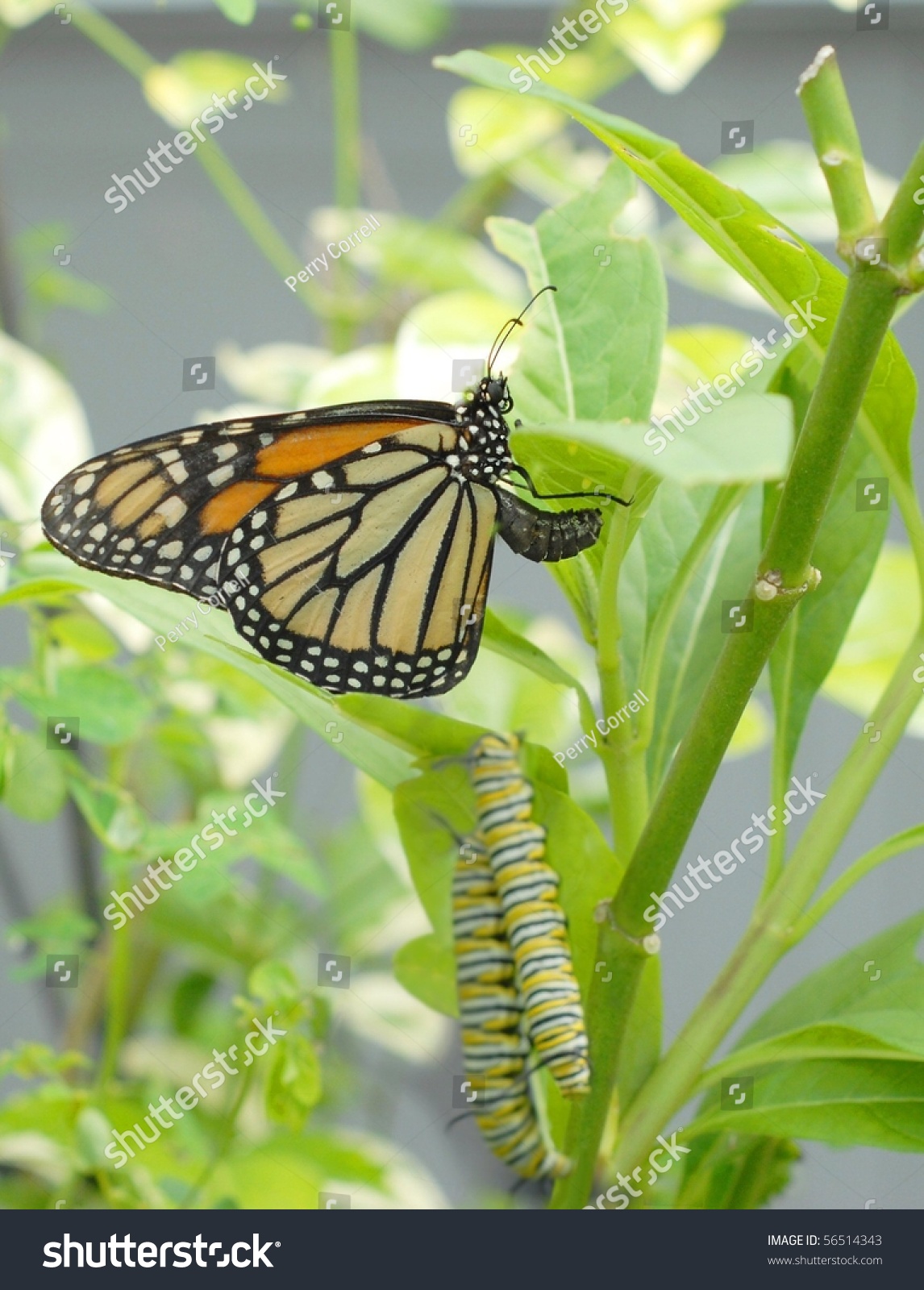
Oviparous species, on the other hand, have evolved a variety of mechanisms to enhance the survival chances of their eggs. Some fish, like the clownfish, engage in active parental care by aerating and guarding their eggs until they hatch. In the insect world, certain species lay their eggs in specific environments that provide food and protection for the emerging larvae, such as the monarch butterfly, which lays eggs on milkweed plants that serve as a food source and deterrent to predators due to their toxicity.
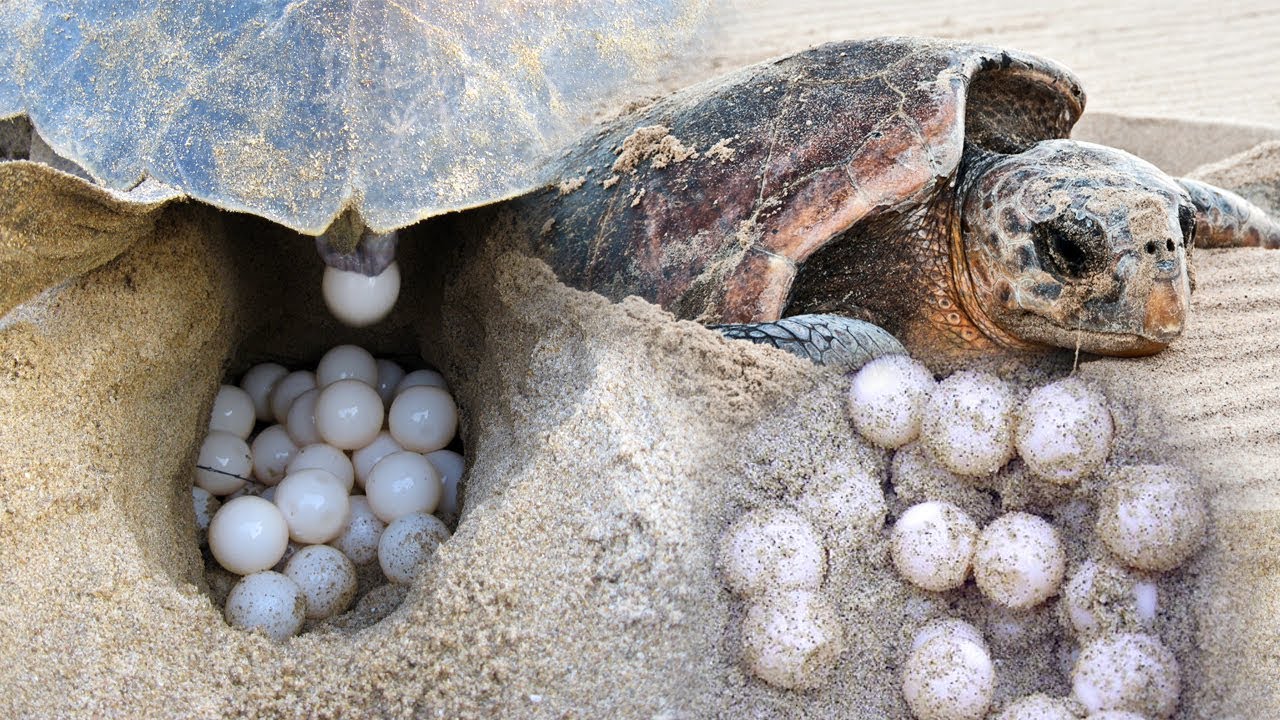
Moreover, both strategies have developed unique ways to adapt to changing environmental conditions. Climate change, habitat loss, and human activities pose significant threats to both viviparous and oviparous species. Adaptive behaviors, such as altering breeding seasons or migrating to more favorable environments, are crucial for survival. For example, sea turtles, which are oviparous, adjust their nesting sites and timing in response to temperature changes, showcasing the dynamic nature of reproductive strategies in the face of environmental challenges.
In conclusion, the challenges faced by viviparous and oviparous animals underscore the complexity of evolutionary biology. While each strategy has its distinct advantages, both are subjected to relentless environmental and evolutionary pressures that drive adaptation and innovation. Understanding these challenges not only enriches our knowledge of the natural world but also highlights the resilience and ingenuity of life on Earth.
Case Studies and Examples
Mammals: A Viviparous Success Story
Mammals, the quintessential example of viviparous reproduction, have thrived across diverse environments, from the arid deserts to lush rainforests. This reproductive strategy, where offspring develop inside the mother’s body, has proven to be a significant evolutionary advantage. One primary benefit is the protection and development of the young in a controlled internal environment, which increases their chances of survival.
Consider the African elephant, one of the most iconic mammals. The gestation period for an elephant lasts about 22 months, the longest of any land animal. This lengthy development allows the calf to be born relatively mature, increasing its survival odds in the challenging savannah ecosystem. The mother’s body provides nourishment, warmth, and protection against predators, enabling the young to develop robustly before facing the outside world.
Moreover, mammals like whales and dolphins, which are also viviparous, have adapted to life in the ocean, showing how this reproductive strategy can succeed in aquatic environments as well. These marine mammals give birth to fully developed offspring, ready to swim alongside their mothers, a testament to the efficiency of viviparous reproduction in ensuring high survival rates.
Birds and Amphibians: The Oviparous Advantage
In contrast, oviparous reproduction has its own set of advantages, particularly evident in birds and amphibians. Oviparous animals lay eggs, which allows for the possibility of producing a larger number of offspring at once. This strategy is less energy-intensive for the mother post-egg-laying, as the development of the young takes place externally.
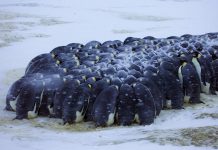
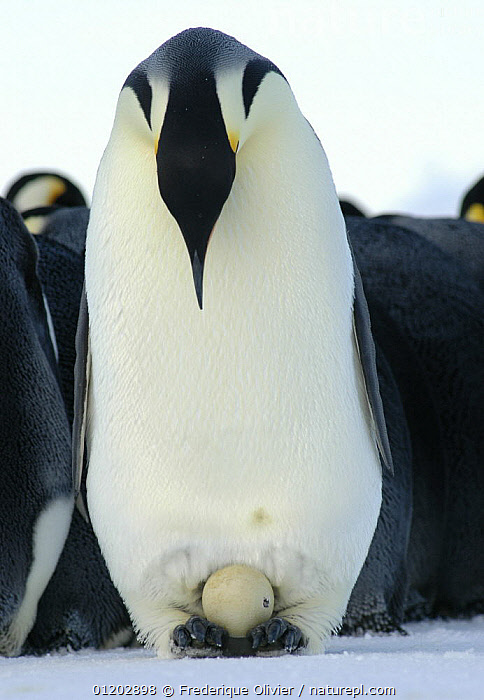
Birds, such as the emperor penguin, exemplify the success of oviparous reproduction in harsh environments. Emperor penguins lay their eggs in the frigid Antarctic climate, where the father takes on the critical role of incubating the egg on his feet, protected by a flap of skin. This shared parental investment ensures the egg’s safety and warmth, crucial for the chick’s development.
Amphibians, like the common frog, utilize water bodies for laying eggs, benefiting from a wider distribution potential. This dispersal strategy increases the chances of species survival, as eggs can be placed in various locations, reducing the risk of total loss from a single environmental threat. The eggs of many amphibians are also designed to blend with their surroundings, providing a level of camouflage against predators.
The diversity of reproductive strategies among viviparous and oviparous animals highlights the evolutionary ingenuity of life. Both approaches demonstrate unique adaptations to environmental pressures, showcasing the intricate balance of energy efficiency, protection, and survival that dictates reproductive success across the animal kingdom. The coexistence of these strategies underscores the complexity and resilience of nature, where no single method reigns supreme but rather complements the vast tapestry of life on Earth.
Choosing the Right Strategy: An Evolutionary Perspective
In the grand tapestry of life’s evolution, the choice between viviparous and oviparous reproductive strategies is a fascinating tale of adaptation and survival. Both strategies have been honed over millions of years, each presenting unique advantages and challenges that reflect the diverse environments and ecological niches they occupy. But how do species determine which path to take, and what evolutionary pressures shape these decisions?
The Role of Environment in Shaping Reproductive Strategies
The environment plays a crucial role in shaping whether a species is viviparous or oviparous. In harsh climates where the survival of exposed eggs is threatened by predators or extreme weather, viviparous reproduction offers a significant advantage. The maternal body provides a controlled environment, protecting developing embryos from external threats. This is one reason why many mammals, which often inhabit diverse and sometimes harsh environments, have evolved to be viviparous.
On the other hand, species that thrive in more stable or resource-rich environments might favor oviparous reproduction. The ability to lay numerous eggs at once can be advantageous in ecosystems where food is abundant and space is not as constrained. For instance, many fish and amphibians utilize this strategy, maximizing their reproductive output with minimal parental investment.

Evolutionary Pressures and Adaptations
Over evolutionary time, the pressures that drive the development of reproductive strategies are closely tied to survival and reproduction success. Predation, resource availability, and habitat stability are just a few of the myriad factors influencing whether viviparous or oviparous reproduction is favored.
Viviparous and oviparous animals have evolved a range of adaptations to optimize their respective strategies. For viviparous species, this includes complex placental structures, which facilitate nutrient and waste exchange between mother and developing young. This adaptation ensures higher survival rates of the offspring, albeit at a higher energy cost for the mother.
Conversely, oviparous species often develop strategies to protect eggs, such as hard shells or strategic laying sites. Birds, for example, may build intricate nests hidden from predators, while reptiles may bury their eggs in sand or soil for incubation. These adaptations reflect the necessity for oviparous species to enhance the chances of egg survival in environments where parental protection ends at laying.
Coexistence and Evolutionary Diversity
The coexistence of viviparous and oviparous strategies across the animal kingdom highlights the incredible diversity of life and the myriad ways in which species adapt to their environments. There is no definitive “winner” in this evolutionary race; instead, both strategies demonstrate the flexibility and resilience of life on Earth.
In some cases, species may even exhibit both strategies, a phenomenon known as facultative reproduction. Certain reptiles and fish can switch between viviparous and oviparous modes depending on environmental conditions, showcasing an extraordinary level of adaptability.

Conclusion: A Balanced Perspective
Ultimately, the choice between viviparous and oviparous reproduction is not about one being superior to the other. Instead, it’s about what works best for a species in its specific ecological context. This diversity is a testament to the power of evolution and the endless possibilities it explores.
Understanding these strategies provides insight into the complexities of life and aids in conservation efforts, ensuring that we preserve the rich tapestry of species and their unique ways of thriving. As we continue to explore these themes, it becomes clear that nature’s ability to adapt and endure is as inspiring as it is mysterious.
WildWhiskers is a dedicated news platform for animal lovers around the world. From heartwarming stories about pets to the wild journeys of animals in nature, we bring you fun, thoughtful, and adorable content every day. With the slogan “Tiny Tails, Big Stories!”, WildWhiskers is more than just a news site — it’s a community for animal enthusiasts, a place to discover, learn, and share your love for the animal kingdom. Join WildWhiskers and open your heart to the small but magical lives of animals around us!