






In a world teeming with life, the thought of losing any species forever is both daunting and heartbreaking. What are endangered animals, you might ask? These are species teetering on the precipice of extinction, their existence threatened by human activities and natural changes. Whether it’s the majestic African Elephant or the gentle Giant Panda, these creatures face challenges such as habitat loss, poaching, and climate change. The plight of these animals is not just an ecological concern; it touches on ethical and cultural values that define our humanity. As we delve into the importance of protecting these species, we’ll explore the current conservation efforts and the hurdles they face. But it’s not just up to organizations—every individual can make a difference. From advocating for policy changes to adopting sustainable lifestyle choices, our collective actions can help write more success stories in conservation. Let’s embark on this journey to understand and support a future rich in biodiversity.
Understanding Endangered Animals
Definition and Categories of Endangered Animals
When we talk about endangered animals, we’re referring to species that face a significant risk of extinction in the near future. These are creatures whose populations have dwindled to critical levels, often due to human activities that threaten their habitats. Without intervention, these animals may vanish completely, either from their natural environments or entirely from existence.
The International Union for Conservation of Nature (IUCN) plays a crucial role in assessing the status of these species. They classify animals into different categories based on their risk of extinction: Vulnerable, Endangered, and Critically Endangered. This classification helps in prioritizing conservation efforts and raising awareness about the urgency of protecting these animals. For instance, the Giant Panda, once on the brink of extinction due to habitat loss, is now classified as Vulnerable thanks to concerted conservation efforts.

Understanding what are endangered animals involves recognizing the complex interplay of factors that contribute to their status. It’s not just about numbers; it’s about ecosystems, biodiversity, and the delicate balance of nature that these species help maintain.
Causes of Endangerment
The reasons behind the endangerment of species are multifaceted and often interlinked. Habitat loss is a primary cause, driven by deforestation, urbanization, and farming. These activities drastically reduce the living spaces available for wildlife, forcing them into smaller areas where resources are scarce.
Climate change also plays a significant role, altering ecosystems in ways that many species cannot adapt to quickly enough. Melting ice caps, rising sea levels, and changing weather patterns disrupt food chains and breeding cycles, putting additional stress on already vulnerable populations.
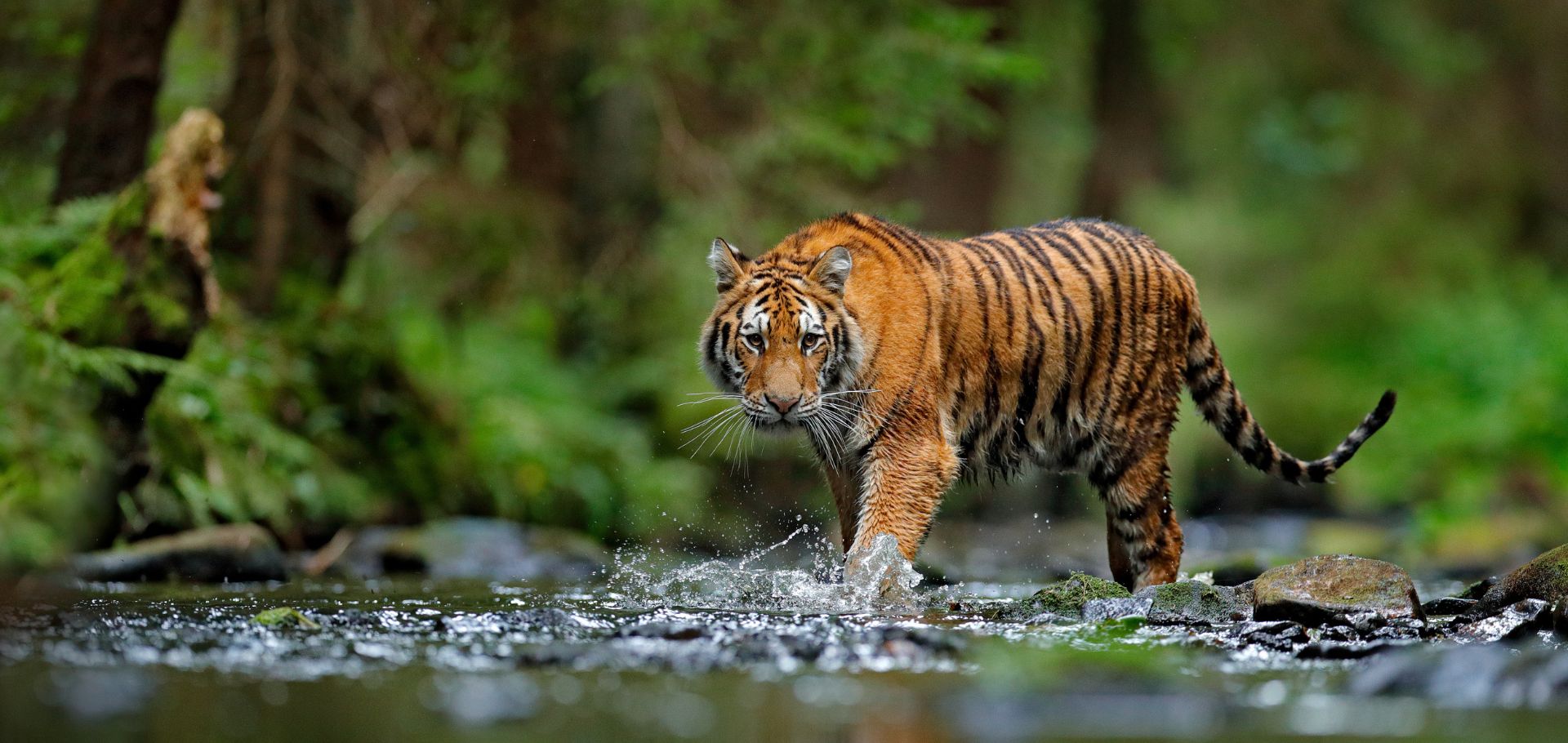
Poaching and hunting exacerbate the problem, with illegal wildlife trade and overfishing pushing some species to the brink. The African Elephant, for example, is severely threatened by ivory poaching, while the majestic Tiger faces risks from both poaching and habitat destruction.
Pollution is another critical factor, with plastics, chemicals, and oil spills contaminating habitats and harming wildlife. Moreover, invasive species—non-native species introduced to ecosystems—can outcompete native species for resources, further destabilizing these delicate environments.
In considering what are endangered animals, we must acknowledge these human-driven threats and recognize our responsibility to mitigate them. This understanding is the first step towards meaningful action and conservation.
Importance of Protecting Endangered Animals
Ecological Importance
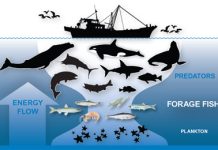
Endangered animals are more than just fascinating creatures; they are integral components of our planet’s ecosystems. The question of “what are endangered animals” often leads us to understand that these species are at severe risk of extinction, which would disrupt the delicate balance of nature. Each species, no matter how small, plays a vital role in its ecosystem. For instance, the disappearance of a single predator can lead to the overpopulation of prey species, which in turn may overconsume vegetation, leading to habitat degradation.
Consider the example of bees, which are essential pollinators in many ecosystems. Their decline has a direct impact on the pollination of plants, affecting both natural flora and agricultural crops. Similarly, apex predators like tigers and wolves help maintain the health of their prey populations by preventing overgrazing and supporting biodiversity. This ecological chain reaction highlights the importance of each species and underscores why protecting endangered animals is crucial for maintaining ecological balance.
Ethical and Cultural Significance
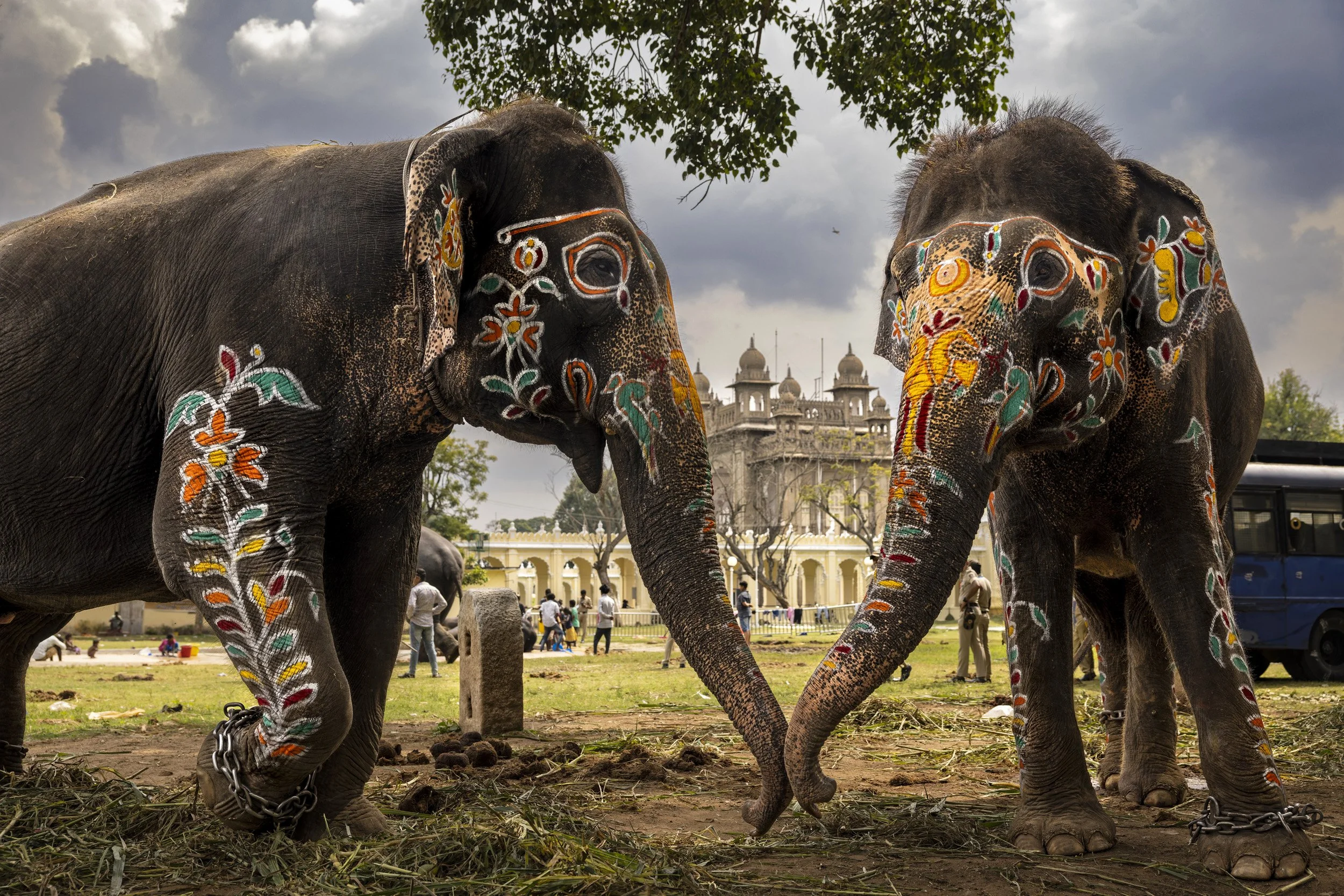
The protection of endangered animals is not only an ecological concern but also an ethical and cultural one. Many cultures around the world have deep-rooted connections with wildlife, often considering certain animals as sacred or symbolic. These animals play a vital role in cultural storytelling, traditions, and spirituality. For example, elephants are revered in many Asian cultures, symbolizing wisdom and strength. Their endangerment threatens not only their survival but also the cultural heritage of millions.
Moreover, the ethical responsibility of ensuring the survival of endangered animals falls on us as stewards of the planet. It raises critical questions about our role in the natural world and our duty to preserve it for future generations. The concept of “what are endangered animals” extends beyond mere biological concern; it challenges us to reflect on our ethical obligations to care for and protect these creatures.
The loss of any species is a loss to the richness of human culture and history. Therefore, the efforts to save endangered species are not just about preventing extinction but also about preserving the stories, values, and identities that have been interwoven with these animals for centuries.
Current Efforts and Challenges
Conservation Programs and Organizations
In the fight to protect endangered animals, numerous conservation programs and organizations are at the forefront of efforts to prevent species from reaching the brink of extinction. Notable among these is the International Union for Conservation of Nature (IUCN), which plays a critical role in assessing the conservation status of species worldwide and categorizing them based on their risk of extinction. The IUCN Red List is a vital tool for conservationists, providing a comprehensive inventory of the global conservation status of biological species.
Another key player is the World Wildlife Fund (WWF), which works tirelessly to combat threats such as habitat destruction, poaching, and climate change. Through various initiatives, the WWF collaborates with local communities, governments, and other organizations to create sustainable solutions that benefit both people and wildlife. For instance, the WWF has been instrumental in increasing the population of the Giant Panda, a species that was once critically endangered due to habitat loss and now has a more stable population.
Conservation organizations often engage in habitat restoration projects, which aim to restore environments to their natural state, thus providing safe havens for endangered species. These projects can include reforestation efforts, wetland restoration, and creating wildlife corridors that allow animals to move freely between habitat fragments.

Challenges in Conservation Efforts
Despite the valiant efforts of conservation programs and organizations, several challenges persist in the quest to protect endangered animals. A primary obstacle is the lack of funding. Conservation initiatives often rely on donations and grants, which can be unpredictable and insufficient to meet the vast needs of global conservation efforts. This financial constraint limits the ability of organizations to implement and sustain long-term projects.
Another significant challenge is political and legislative hurdles. Enacting and enforcing effective wildlife protection laws can be a slow and contentious process, particularly in regions where economic development is prioritized over environmental conservation. Furthermore, cross-border cooperation is essential, as many endangered species migrate across national boundaries, complicating conservation efforts.
Climate change poses an overarching threat, exacerbating existing challenges such as habitat loss and making it more difficult for species to adapt to changing environments. As temperatures rise and weather patterns shift, the delicate balance of ecosystems is disrupted, putting additional stress on already vulnerable species.
Lastly, public awareness and education remain crucial yet underdeveloped areas. Many people are still unaware of what are endangered animals and the critical roles they play in maintaining biodiversity. Increasing public understanding and engagement is essential to garner broader support for conservation initiatives.
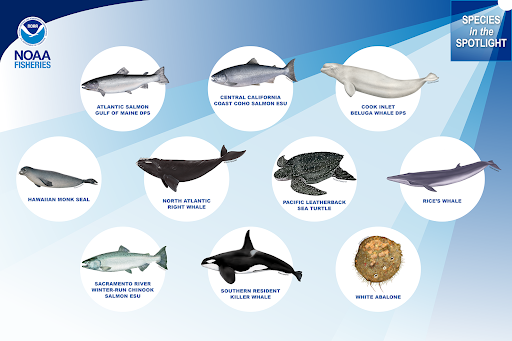
Addressing these challenges requires a multifaceted approach, involving collaboration between governments, NGOs, local communities, and individuals worldwide. By understanding the complex dynamics at play, we can work towards more effective strategies to protect these vital species and ensure a future rich in biodiversity.
How Individuals Can Help
Supporting Conservation Organizations
One of the most direct ways individuals can contribute to protecting endangered animals is by supporting conservation organizations. These organizations, such as the World Wildlife Fund (WWF) and the International Union for Conservation of Nature (IUCN), are at the forefront of efforts to protect species that are at risk of extinction. By donating time, money, or resources, you can help these organizations continue their vital work in preserving wildlife habitats, conducting essential research, and implementing conservation strategies. Volunteering for local wildlife reserves or conservation projects can also make a significant impact, offering hands-on support in efforts to protect endangered species.
Advocating for Policy Changes
Another powerful way individuals can help is by advocating for policy changes. Governments play a crucial role in wildlife protection, and public pressure can influence policy decisions. By supporting legislation that protects natural habitats, regulates hunting and fishing, and addresses climate change, individuals can help create a safer world for endangered species. Engaging with policymakers, signing petitions, and participating in campaigns can amplify the call for stronger environmental protections. Understanding “what are endangered animals” and their critical roles in ecosystems can empower you to advocate more effectively.
Sustainable Lifestyle Choices
Adopting a sustainable lifestyle can significantly impact the survival of endangered species. Everyday choices, from the products we buy to the food we consume, can either harm or help the environment. Opting for sustainably sourced products, reducing waste, and minimizing carbon footprints are practical steps individuals can take to protect wildlife habitats. For instance, choosing products that do not contribute to deforestation, such as those free from palm oil, can help preserve the habitats of species like orangutans. Educating others about “what are endangered animals” and encouraging them to make conscious choices further supports conservation efforts.

By taking these actions, individuals not only contribute to the survival of endangered animals but also promote a future where biodiversity thrives. Every small effort counts and, collectively, can lead to significant changes in safeguarding our planet’s precious wildlife.
Success Stories in Conservation
Species Brought Back from the Brink
In the face of numerous challenges, conservation efforts have led to some truly inspiring success stories, where species once on the brink of extinction have been given a second chance at survival. These stories not only highlight the resilience of nature but also the dedication and ingenuity of conservationists worldwide.
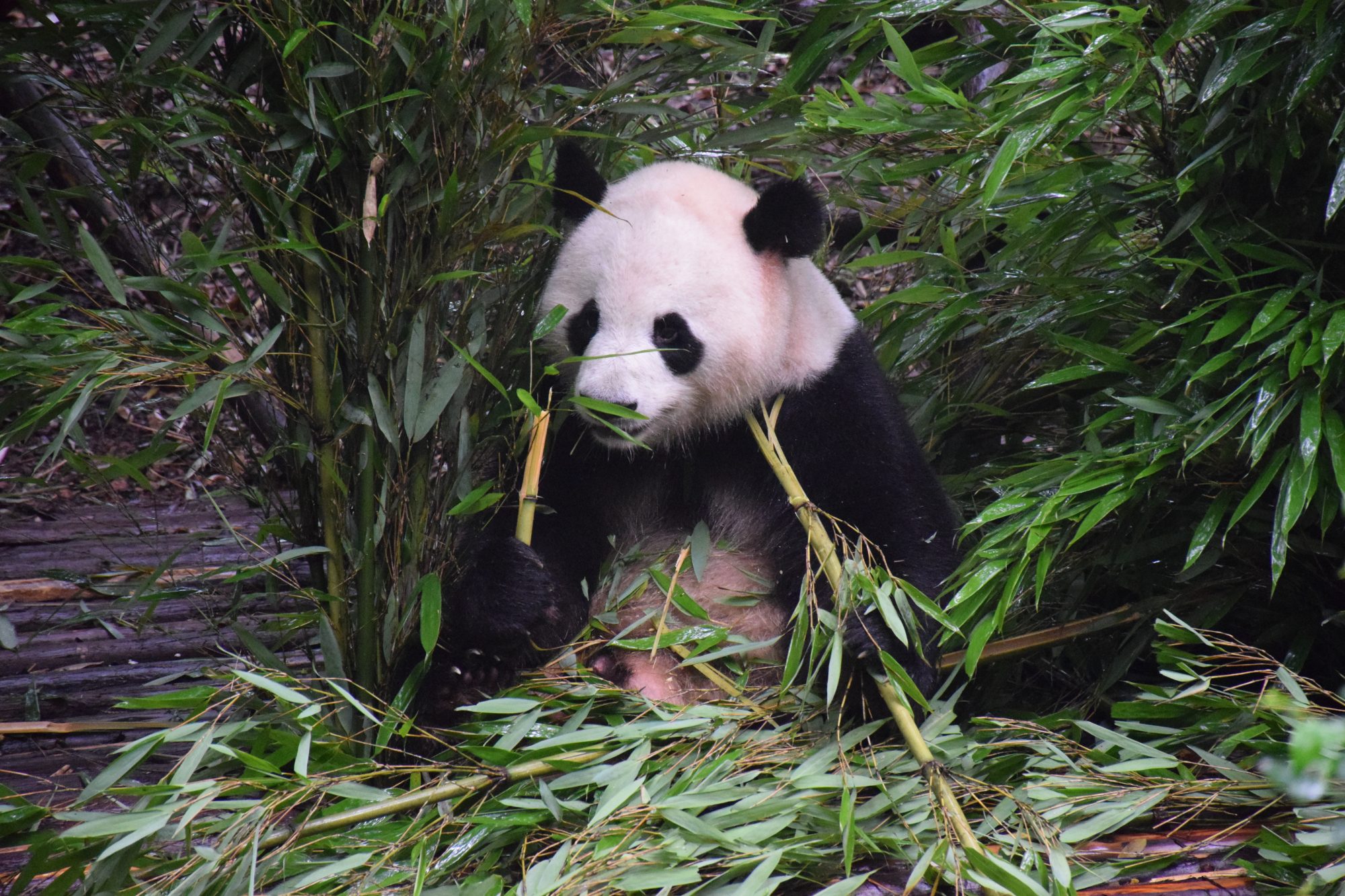
One of the most heartwarming success stories is that of the Giant Panda. Once classified as endangered due to habitat loss and low birthrates, the Giant Panda has seen a remarkable recovery. Thanks to intensive breeding programs and habitat restoration efforts in China, their status was recently downgraded from “Endangered” to “Vulnerable” by the IUCN. This achievement was a result of decades of collaboration between local communities, governments, and international organizations.
Similarly, the Bald Eagle, a symbol of American freedom, was once teetering on the edge of extinction due to DDT pesticide use and habitat destruction. Through legal protection, banning harmful chemicals, and concerted conservation efforts, the Bald Eagle population has rebounded significantly, leading to its removal from the U.S. Endangered Species list in 2007.
These stories underscore the importance of asking “what are endangered animals?” and understanding the significance of each species’ recovery. They remind us that with targeted efforts and global cooperation, it is possible to reverse the tide of extinction.
Lessons Learned from Successful Conservation Efforts
The path to bringing endangered species back from the brink is fraught with challenges, but each success story offers valuable lessons that can inform future conservation strategies.
Community Involvement: One key takeaway is the crucial role that local communities play in conservation. Engaging and empowering these communities leads to more sustainable and effective conservation outcomes. For example, in the case of the Mountain Gorilla, conservationists worked closely with local communities in the Virunga Mountains, leading to a significant increase in gorilla populations.
Legislation and Policy: Effective legislation and policy changes have proven to be another cornerstone of successful conservation efforts. The recovery of the Bald Eagle was largely due to the banning of DDT and the enactment of the Endangered Species Act, which provided legal frameworks for protection and recovery.
Innovation and Technology: The use of technology and innovation has also been instrumental. From using drones for monitoring to employing genetic studies for breeding programs, technology has enhanced our ability to protect and revive endangered species.
These lessons highlight that while the journey to conservation success can be long and arduous, it is also filled with hope and possibility. By learning from past efforts, we can better address the question of “what are endangered animals?” and how we can help preserve them for future generations.

Encouraging a Future of Biodiversity
The Role of Education and Awareness
Education and awareness are pivotal in safeguarding biodiversity and ensuring a future where all species, including those currently endangered, can thrive. By understanding what are endangered animals and recognizing the critical roles they play in ecosystems, individuals and communities can be more motivated to participate in conservation efforts. Education initiatives in schools, communities, and online platforms can illuminate the importance of biodiversity, highlighting how each species contributes to the intricate web of life.
For example, programs that introduce children to local wildlife and endangered species not only foster a love for animals but also instill a sense of responsibility for their protection. Similarly, workshops and seminars for adults can provide insights into sustainable practices and how everyday choices impact wildlife. Awareness campaigns using social media and traditional media can further amplify messages about the urgency of conserving endangered species and the practical steps individuals can take to make a difference.
Public engagement through storytelling, such as sharing success stories of species brought back from the brink, can inspire collective action and hope. When people understand and connect emotionally with the plight of endangered animals, they are more likely to take meaningful action.
Building a Sustainable Future for All Species
Building a sustainable future where biodiversity flourishes requires a multifaceted approach involving governments, organizations, and individuals. Key to this is the integration of sustainability into everyday life, making it a core value that guides personal and collective actions. This involves adopting sustainable lifestyle choices that reduce harm to habitats and wildlife, such as minimizing plastic use, supporting eco-friendly products, and promoting renewable energy sources.
Governments and policymakers play a critical role by enacting and enforcing laws that protect endangered species and their habitats. Policies that curb deforestation, regulate hunting, and mitigate climate change are essential for creating an environment where biodiversity can thrive. Moreover, international cooperation is crucial, as many endangered species migrate across borders and require a global effort for their conservation.
Community-based conservation projects can also have a significant impact. These projects often involve local populations in the management and protection of wildlife, ensuring that conservation efforts are culturally relevant and economically beneficial to those living in proximity to endangered species. By empowering local communities, we can create a network of stewards dedicated to preserving biodiversity.
Ultimately, a sustainable future for all species is one where human activities and nature are harmoniously balanced. By fostering a global culture that values and prioritizes biodiversity, we can ensure that the incredible variety of life on Earth, from the smallest insects to the largest mammals, is preserved for future generations.

WildWhiskers is a dedicated news platform for animal lovers around the world. From heartwarming stories about pets to the wild journeys of animals in nature, we bring you fun, thoughtful, and adorable content every day. With the slogan “Tiny Tails, Big Stories!”, WildWhiskers is more than just a news site — it’s a community for animal enthusiasts, a place to discover, learn, and share your love for the animal kingdom. Join WildWhiskers and open your heart to the small but magical lives of animals around us!