







In the vast, mysterious expanse of our planet’s oceans lie the guardians of life itself—marine animals. These extraordinary creatures, from the majestic whales that glide through the deep to the tiny phytoplankton barely visible to the naked eye, are pivotal in maintaining the delicate balance of our planet. They are not merely inhabitants of the ocean, but rather, they are integral to the very fabric of Earth’s ecosystems. As we delve into this captivating world, we uncover the profound ways in which marine animals contribute to humanity’s survival and well-being.
Consider the invisible yet powerful role of phytoplankton, those tiny marine organisms that produce over 50% of the world’s oxygen. Imagine the life-giving breaths we take, made possible by these microscopic wonders. Then there are the whales, not just majestic creatures of the sea, but mighty climate regulators. Their nutrient-rich waste spurs the growth of plankton, which in turn absorbs vast amounts of carbon dioxide, aiding in climate regulation.
But the contributions of marine life extend beyond environmental significance. They are a source of nutritional bounty, a foundation for medical breakthroughs, and an economic engine driving coastal communities and global industries. The rich tapestry of marine life also weaves through our cultural and spiritual narratives, inspiring mythology, art, and indigenous traditions.
Yet, as we marvel at their significance, we must also confront the stark reality of the threats they face—from pollution to climate change. The survival of these oceanic sentinels is intertwined with our own, and embracing conservation is not just an ecological imperative but a human necessity. Join us as we explore the surprising benefits of marine life and why safeguarding them is essential for a sustainable future. 🌊🐠
The Ecological Role of Marine Animals
Marine animals are indispensable pillars in sustaining the ecological balance of our oceans. They are not just passive inhabitants but active participants in maintaining the health and stability of marine environments. Their roles span from supporting the food chain to enhancing biodiversity, each action contributing significantly to life both underwater and on land. Let’s delve deeper into how these fascinating creatures uphold the delicate balance of oceanic ecosystems.
Maintaining Oceanic Ecosystems
The vast expanse of the ocean is a complex web of life, where every species, from the tiniest plankton to the largest whales, plays a crucial role. Marine animals are key architects of these ecosystems, actively participating in the cycling of nutrients, regulation of climate, and maintenance of water quality.
For instance, whales, often referred to as the “engineers of the ecosystem,” have a remarkable impact on the marine environment. Their feeding and migration patterns facilitate nutrient distribution across vast stretches of the ocean. When whales feed in the ocean’s depths and return to the surface, their waste releases essential nutrients like iron and nitrogen. This process, often termed as the “whale pump,” stimulates the growth of phytoplankton. These microscopic organisms are not only the foundation of the marine food web but also significant contributors to atmospheric oxygen. It’s astonishing to think that more than 50% of the world’s oxygen comes from these tiny ocean dwellers.
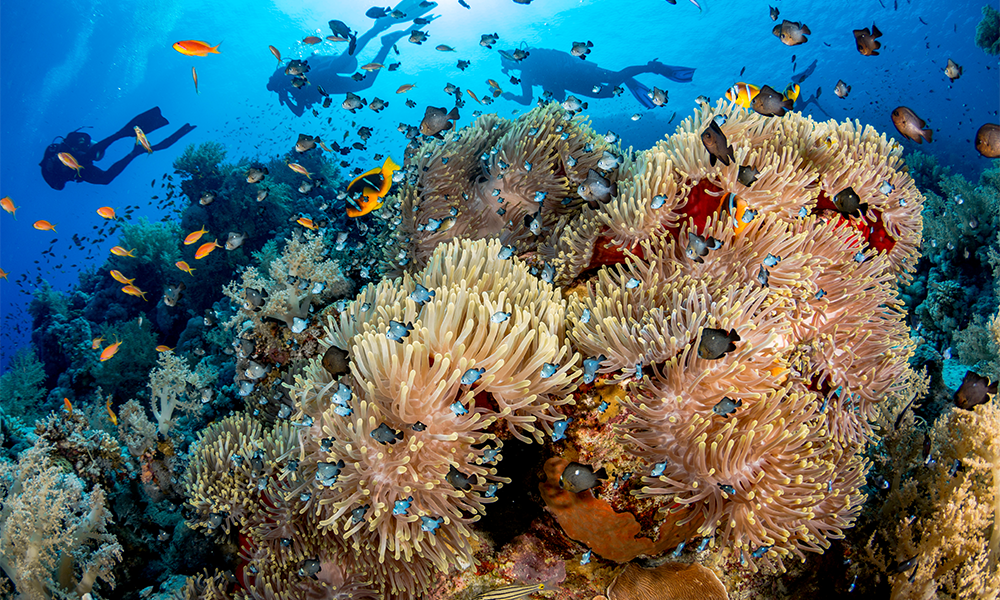
Another critical component of marine ecosystems is coral reefs. Often dubbed the “rainforests of the sea,” coral reefs provide habitat and shelter for nearly a quarter of all marine species. The symbiotic relationship between corals and the algae living in their tissues is a prime example of nature’s intricate balance. The algae perform photosynthesis, providing the coral with nutrients, while the coral offers the algae protection and access to sunlight.
Marine animals also play a significant role in carbon sequestration. Seagrasses and mangroves, often home to numerous marine species, capture and store carbon dioxide, helping to mitigate climate change. Their preservation is vital not just for marine life but for the planet’s overall health.
The Food Chain and Biodiversity
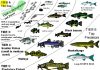
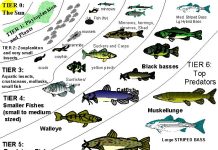
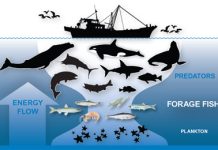
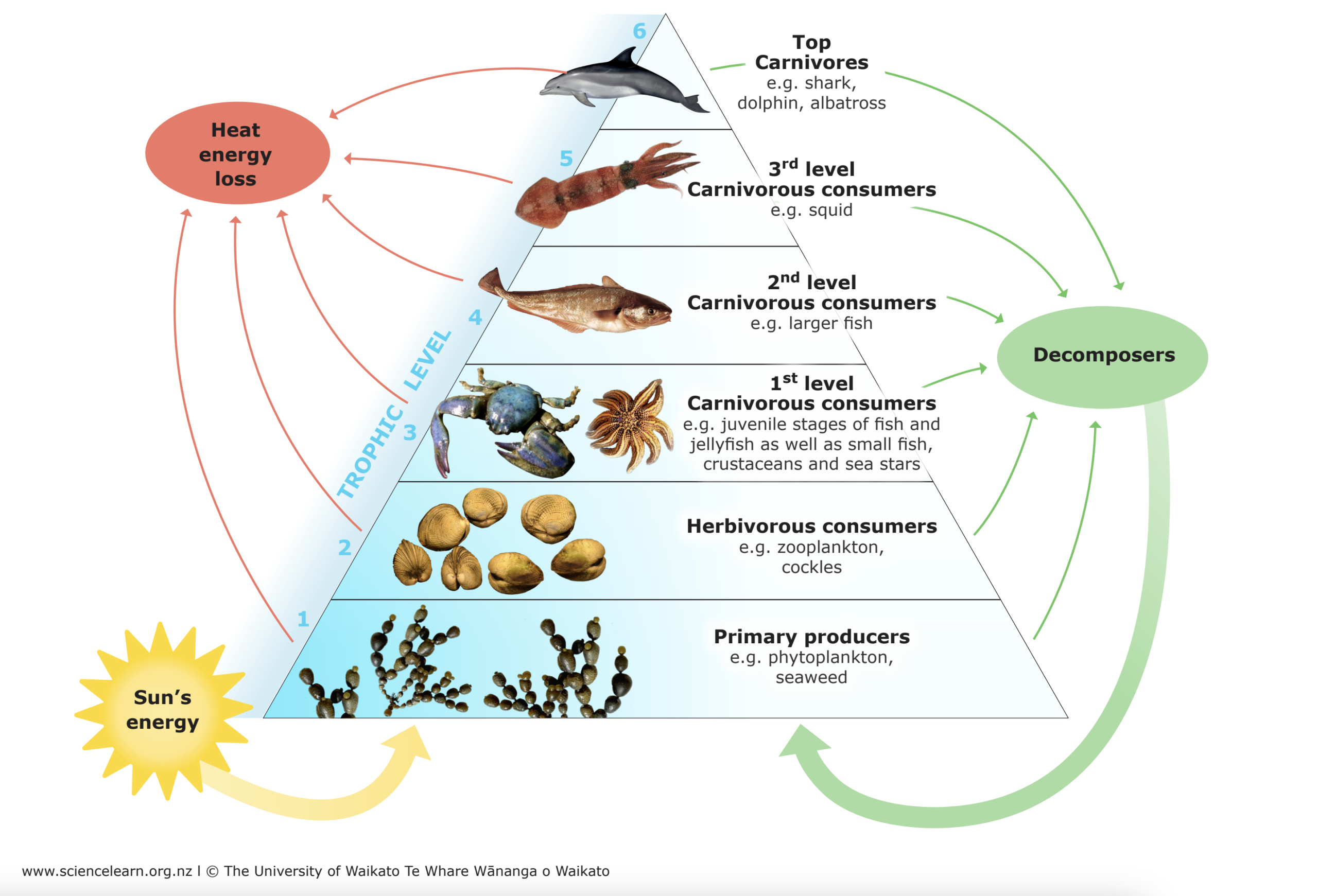
Marine animals are integral to the marine food chain, ensuring the transfer of energy and nutrients through various trophic levels. This chain begins with the smallest organisms, such as phytoplankton and zooplankton, and extends to apex predators like sharks and orcas. Each level of this chain is crucial; the removal or decline of a single species can have cascading effects throughout the ecosystem.
For example, consider the role of small fish like anchovies and sardines. These species are primary consumers, feeding on plankton and in turn becoming prey for larger fish, seabirds, and marine mammals. Their presence ensures that energy is efficiently passed up the food chain, supporting diverse marine life. The decline of such small fish populations due to overfishing or habitat destruction can lead to significant disruptions, affecting not only their predators but also the entire marine ecosystem.
Biodiversity in marine environments is not just about the number of species but the variety of roles they play. Each species, no matter how small, contributes to the resilience of the ecosystem. Biodiversity enhances an ecosystem’s ability to withstand environmental changes and recover from disturbances such as storms or human activities.
Moreover, marine animals’ interactions often lead to evolutionary adaptations, resulting in a wide array of species uniquely suited to their environments. This diversity is a treasure trove of genetic resources, offering potential solutions for biotechnological and medical advancements.
In conclusion, the ecological role of marine animals extends far beyond the ocean. They are vital for maintaining the health of marine ecosystems, supporting biodiversity, and ultimately sustaining life on Earth. By understanding and appreciating these roles, we can better advocate for their protection and the conservation of our precious marine environments.
Marine Animals and Human Health
The relationship between marine animals and human health is both profound and intricate. While we often marvel at the beauty and diversity of life beneath the waves, these oceanic inhabitants provide significant benefits that directly impact human well-being. From offering essential nutrients to contributing to groundbreaking medical research, marine animals play a pivotal role in sustaining and enhancing human health.
Source of Nutritional Benefits
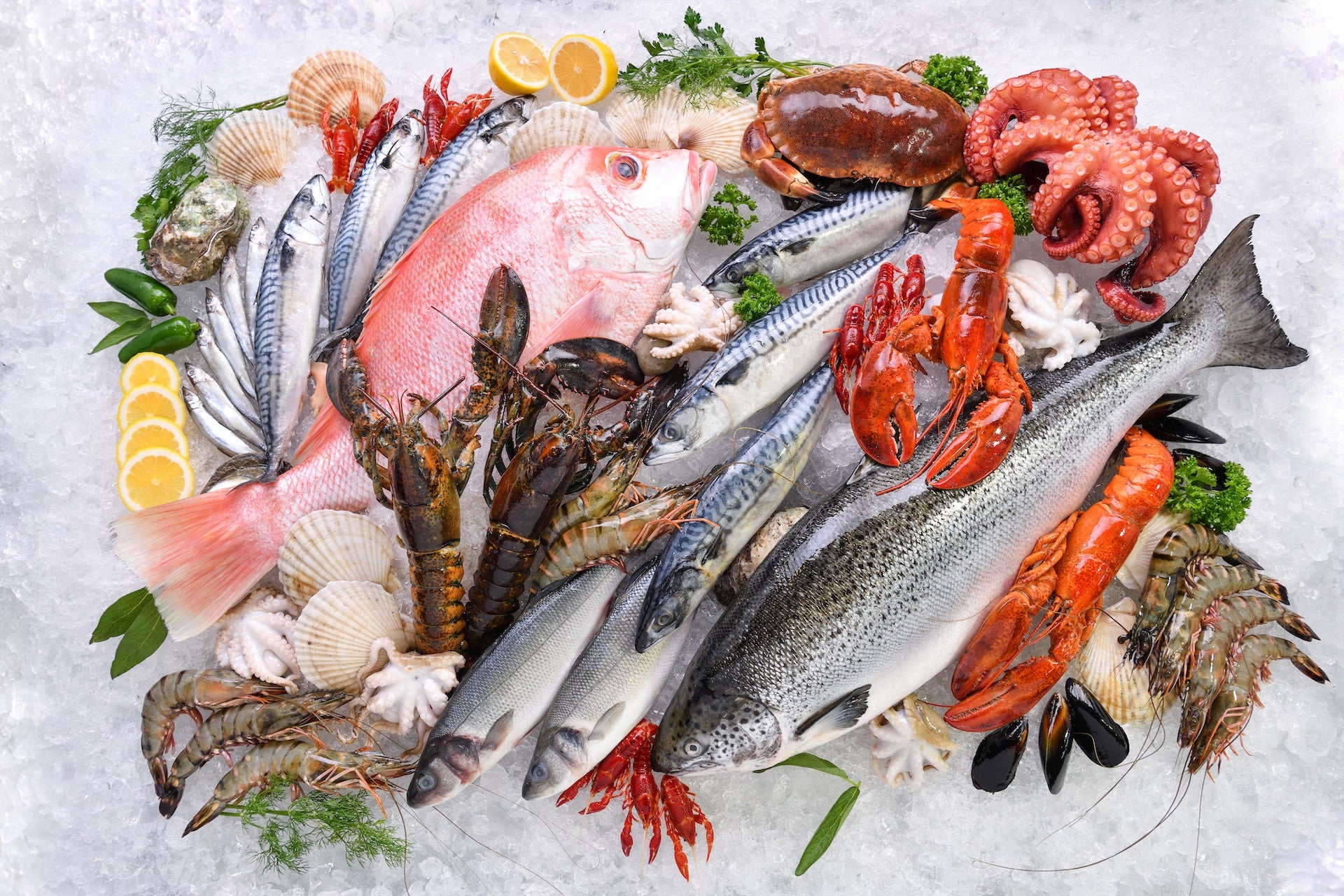
One of the most direct ways in which marine animals impact human health is through their role as a source of nutrition. The oceans are brimming with life forms that are not only edible but also incredibly nutritious. Fish, for example, is a staple in many diets around the world and is celebrated for its high protein content and beneficial omega-3 fatty acids. These fatty acids are crucial for maintaining heart health, reducing inflammation, and supporting brain function.
Moreover, seafood such as shellfish, including shrimp, crabs, and clams, are packed with essential vitamins and minerals like zinc, iodine, and selenium. These nutrients are vital for various bodily functions, including immune response and thyroid health. The consumption of marine-derived food has been linked to numerous health benefits, such as reduced risk of heart disease, improved mental health, and enhanced maternal and infant health.
In addition to traditional seafood, marine algae and seaweed are gaining popularity as superfoods. Rich in vitamins A, C, E, and K, as well as a variety of minerals, seaweeds are a low-calorie food source that can supplement a healthy diet. They are especially important in regions where other sources of these nutrients may be scarce.
Contribution to Medical Research
Beyond their nutritional value, marine animals have made significant contributions to medical research, leading to the development of new treatments and therapies. The unique biochemical compounds found in various marine species are invaluable in the field of medicine. For instance, certain marine organisms produce compounds that have been used to develop antiviral, antibacterial, and anticancer drugs.
One notable example is the sea sponge, which has been instrumental in the discovery of cytarabine, a drug used to treat leukemia and lymphoma. This compound, derived from the Caribbean sponge, was one of the first marine-derived drugs to gain widespread use in cancer treatment. Similarly, the cone snail’s venom has led to the development of a potent painkiller, ziconotide, which is used to treat chronic pain in humans.
Moreover, marine animals contribute to understanding human physiology and disease. Studies on creatures like the horseshoe crab have led to advancements in testing for bacterial contamination in medical equipment. The blue blood of these ancient animals contains a substance known as Limulus Amebocyte Lysate (LAL), which clots in the presence of bacterial endotoxins, making it an essential tool in ensuring the safety of vaccines and other medical products.

The vast potential of marine animals in medical research is still largely untapped. With ongoing exploration and scientific inquiry, it is likely that the oceans will continue to provide new insights and breakthroughs in health sciences. As we deepen our understanding of these remarkable creatures, we not only improve human health but also underscore the importance of conserving marine biodiversity for future generations.
Economic Importance of Marine Life
Fisheries and Coastal Economies
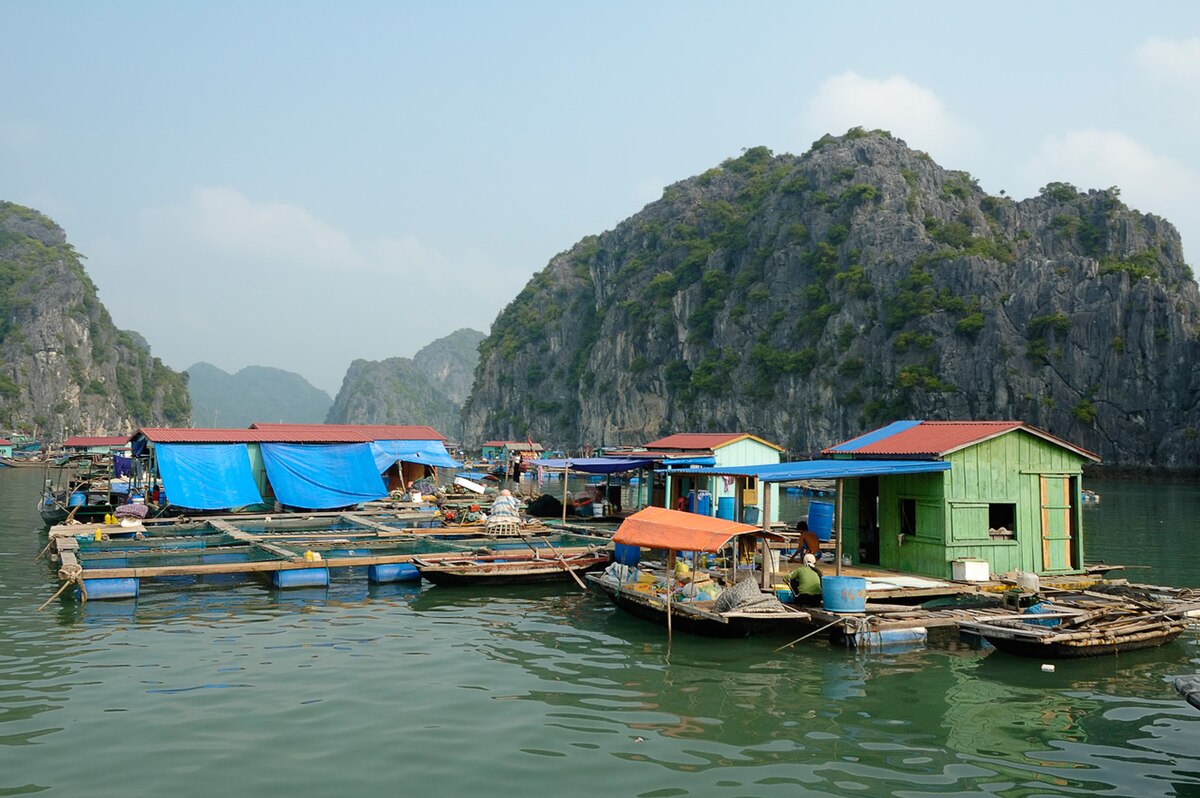
The economic importance of marine life is immense, with fisheries playing a pivotal role in sustaining both local and global economies. Marine fisheries are a cornerstone of many coastal communities, providing not just food but also employment and trade opportunities. The ocean’s bounty supports millions of livelihoods worldwide, from small-scale fishers to large-scale commercial operations.
Fisheries contribute significantly to the global economy. According to the Food and Agriculture Organization (FAO), fisheries and aquaculture provide employment to over 59 million people globally. In many developing countries, fish is a primary source of protein and a critical part of the local diet. The fish industry also feeds into secondary sectors such as processing, distribution, and retail, creating a ripple effect of economic activity.
Coastal economies are deeply intertwined with the health of marine ecosystems. For instance, regions like Southeast Asia and West Africa rely heavily on fish as both a staple food and a major economic driver. The sustainability of these fisheries is crucial; overfishing and habitat destruction pose significant threats to this vital resource. The implementation of sustainable fishing practices, such as quotas and protected areas, is essential to maintain fish populations and ensure the long-term viability of these economies.
Moreover, the cultural significance of fishing in coastal regions cannot be overstated. Traditions and local customs often revolve around fishing activities, emphasizing the interconnection between community welfare and marine health. These traditions foster a sense of stewardship and responsibility towards marine animals and their habitats.
Marine Tourism and Recreation
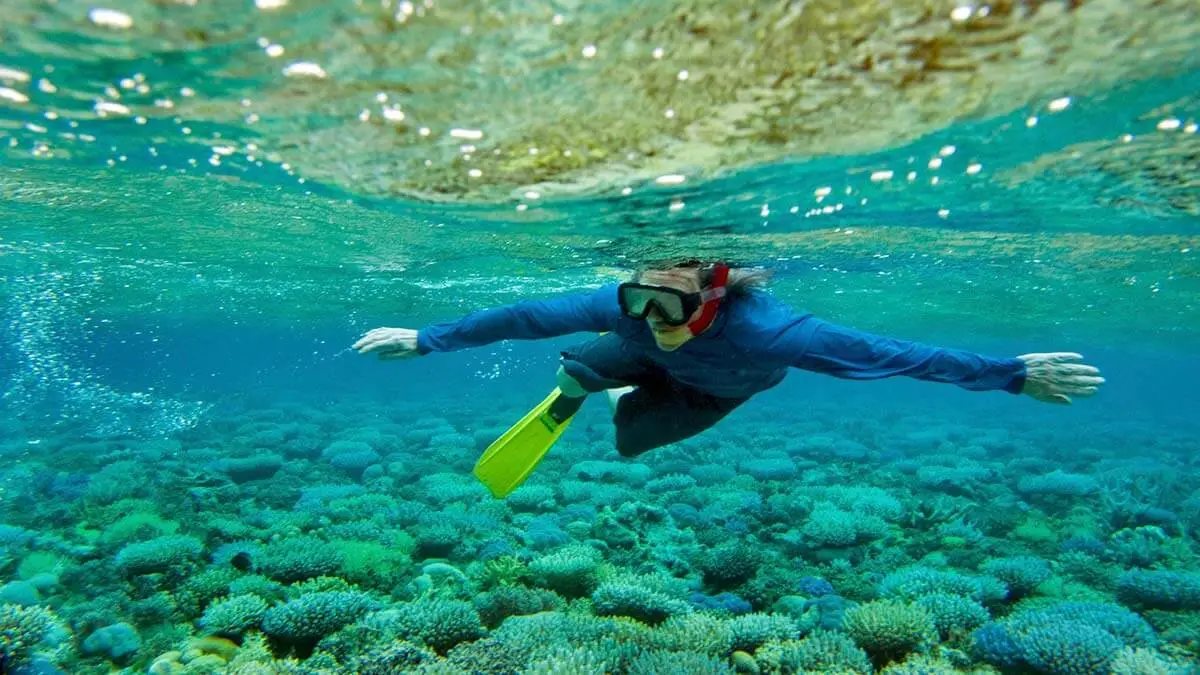
Marine tourism and recreation are thriving industries, attracting millions of visitors to coastal areas each year. The allure of pristine beaches, vibrant coral reefs, and diverse marine animals draws tourists from around the globe, eager to experience the wonders of the ocean firsthand. This influx of visitors generates substantial revenue for local economies, supporting businesses ranging from hotels and restaurants to tour operators and souvenir shops.
One of the most popular forms of marine tourism is ecotourism, which emphasizes sustainable travel practices and environmental conservation. Destinations like the Great Barrier Reef in Australia and the Maldives have become iconic for their commitment to preserving marine biodiversity while providing unforgettable experiences for tourists. Activities such as snorkeling, scuba diving, and whale watching not only offer recreational enjoyment but also foster a deeper appreciation for marine life and the ecosystems they inhabit.
The economic impact of marine tourism extends beyond direct revenues. It creates jobs, supports infrastructure development, and promotes cultural exchange. Additionally, tourism often leads to increased awareness and advocacy for marine conservation, as visitors witness firsthand the beauty and fragility of ocean environments.
However, the rapid growth of marine tourism also poses challenges. Overcrowding, pollution, and habitat degradation are concerns that must be addressed to ensure the sustainability of these ecosystems. Responsible tourism practices, such as limiting visitor numbers and implementing conservation fees, are crucial in balancing economic benefits with environmental protection.
In conclusion, the economic importance of marine life is vast and varied, with fisheries and tourism playing integral roles in supporting global economies and promoting sustainable development. The health and vitality of marine animals are inextricably linked to these sectors, underscoring the need for responsible management and conservation efforts to safeguard our oceans for future generations.
Cultural and Spiritual Significance
Marine Animals in Mythology and Art
Marine animals have long held a profound place in human culture, particularly through mythology and art. Across various civilizations and eras, these fascinating creatures have been depicted as both majestic and mysterious, embodying the power and unpredictability of the sea. Their influence extends beyond mere admiration, offering a window into how humanity perceives the natural world and our place within it.
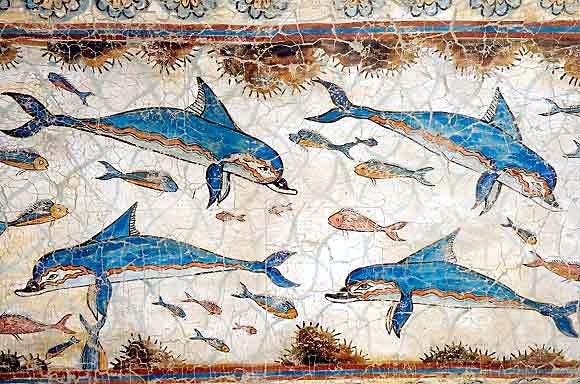
In ancient Greek mythology, for instance, the sea was ruled by Poseidon, a powerful god often depicted alongside horses and dolphins. These marine animals were believed to be his loyal companions, symbolizing strength and agility. The dolphin, in particular, was seen as a good omen and often featured in stories of rescue and guidance for sailors lost at sea. This mythological significance is not confined to Greece alone; similar stories can be found throughout the world, illustrating the universal allure of marine life.
In Japanese folklore, the figure of the Umibōzu—a giant sea spirit—was believed to capsize ships of those who disrespected the sea. This mythical creature underscores the reverence and fear that the ocean inspired in people. Moreover, marine animals like the koi fish symbolize perseverance and transformation in Japanese culture, often appearing in art and tattoos to convey these themes.
Artistic depictions of marine animals have also been prominent throughout history, from the intricate mosaics of ancient Rome showcasing sea creatures to the vibrant paintings of the Impressionist era, where artists like Claude Monet captured the essence of water and its inhabitants. These artworks not only celebrate the beauty of marine animals but also emphasize their importance in human culture as symbols of life, mystery, and the unknown.
Indigenous Connections to Marine Life
For many Indigenous cultures, marine animals are more than just subjects of stories and art—they are integral to their way of life and spiritual beliefs. Indigenous communities around the world maintain a deep connection to the ocean and its inhabitants, viewing them as essential to their cultural identity and survival.
In the Pacific Northwest, the Indigenous peoples, such as the Haida and Salish, have a rich tradition of storytelling that features marine animals as central figures. The orca, or killer whale, is a particularly sacred creature, often regarded as a protector of the sea and a symbol of family and community. Totem poles and carvings frequently depict orcas alongside other marine animals, serving as both artistic expression and a means of preserving cultural heritage.
Similarly, the Australian Aboriginal peoples have a profound connection to marine life, with the turtle being one of the most revered creatures. It features prominently in their creation stories and is often associated with the Dreamtime—a sacred era in which the world was created. The turtle’s journey from the sea to lay eggs on land is symbolic of life cycles and the interconnectedness of all living things.
The Māori of New Zealand also hold marine animals in high esteem, especially the whale. For them, whales are regarded as ancestors and guides, with stories recounting how these magnificent creatures led their forebears to the islands of New Zealand. This deep respect is reflected in traditional carvings and tattoos, which often incorporate motifs of marine life.
Through mythology, art, and cultural practices, marine animals have shaped and enriched human societies. They remind us of our shared history and the deep connections we have with the natural world. As we continue to explore and understand these links, it becomes clear that marine animals are not just vital to the environment but also to the very fabric of human culture.
Threats to Marine Animals and Their Consequences
The world’s oceans, covering more than 70% of the Earth’s surface, are home to an astonishing diversity of life forms, collectively known as marine animals. These creatures, ranging from the largest whales to the tiniest plankton, are integral to the health of our planet. However, they face numerous threats that not only endanger their survival but also have profound implications for humanity.
Pollution and Habitat Destruction
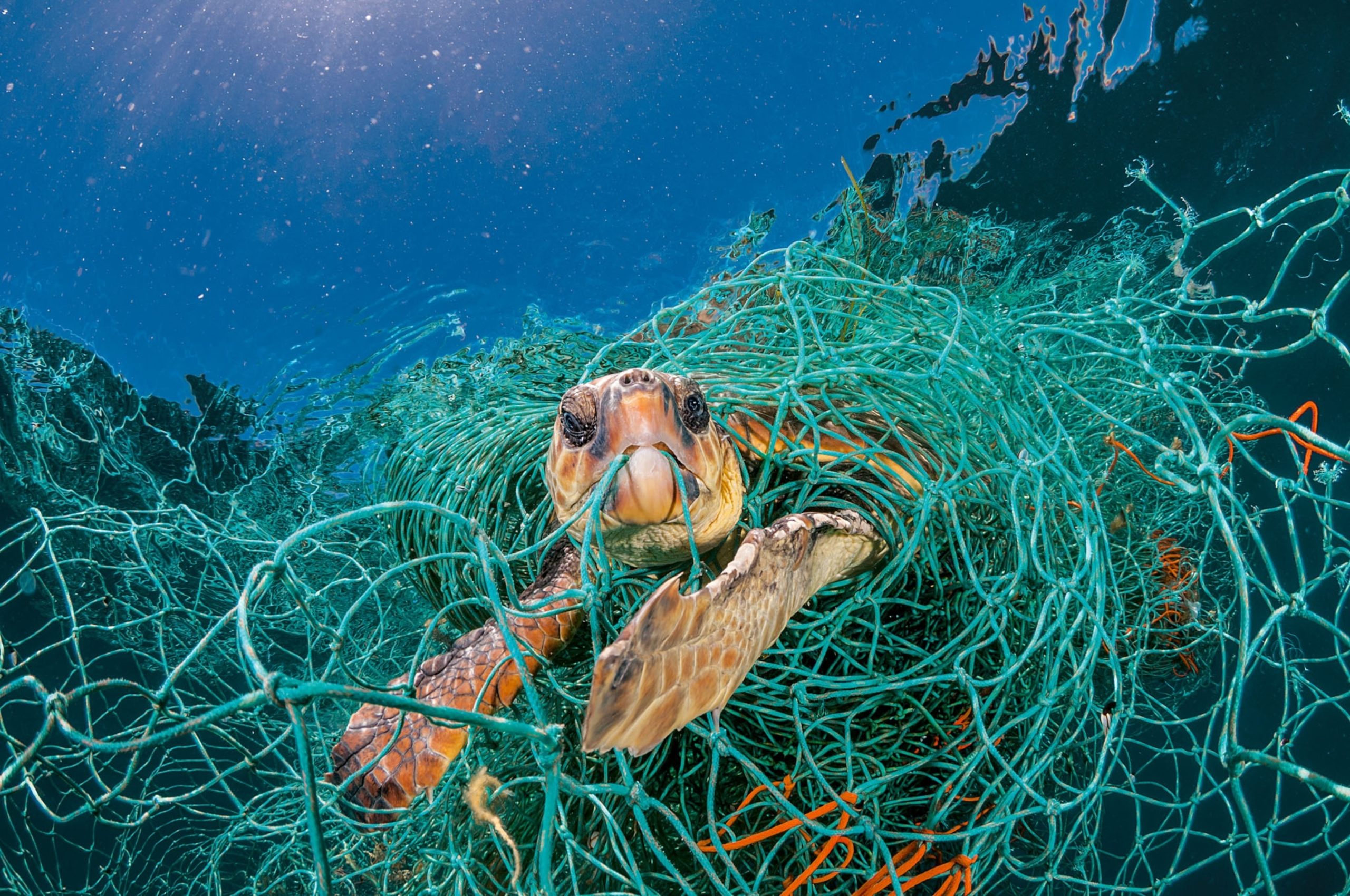
Pollution is one of the most formidable threats to marine life. Oceans are inundated with millions of tons of plastic waste, oil spills, and chemical runoffs from agricultural and industrial sources. These pollutants have dire consequences for marine animals, often leading to entanglement, ingestion, and ultimately, death.
Plastic pollution, for example, is ubiquitous and insidious. Marine animals, such as sea turtles, often mistake plastic bags for jellyfish, a primary food source, leading to ingestion that can cause internal blockages and starvation. Birds and fish are likewise affected, with microplastics infiltrating the food chain, affecting not only the animals themselves but also humans who consume seafood.
In addition to pollution, habitat destruction poses a grave threat to marine ecosystems. Coastal areas, home to vital habitats like mangroves, coral reefs, and seagrass beds, are often destroyed for urban development, tourism, and aquaculture. Coral reefs, often referred to as the “rainforests of the sea,” are particularly vulnerable. They provide shelter, food, and breeding grounds for countless species. When these habitats are compromised, the entire ecosystem is affected, leading to a loss of biodiversity and the collapse of local fisheries.
Climate Change and Its Impact
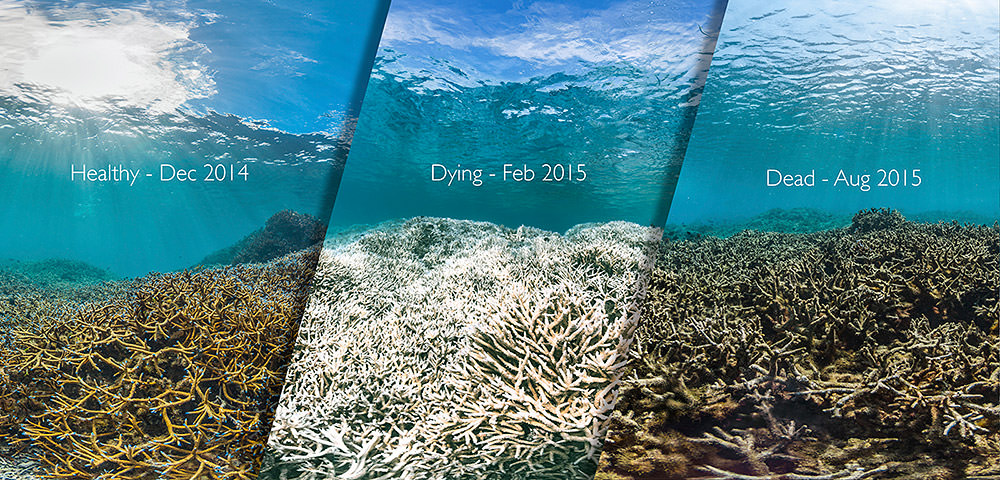
Climate change is another significant threat to marine animals, affecting them in numerous ways. Rising global temperatures lead to ocean warming, which disrupts the delicate balance of marine ecosystems. Coral bleaching, a direct consequence of higher water temperatures, results in the loss of symbiotic algae that corals depend on for color and energy, eventually leading to coral death.
Ocean acidification, another byproduct of increased carbon dioxide emissions, affects calcifying species like corals, mollusks, and some plankton. As the ocean absorbs more CO2, it becomes more acidic, making it difficult for these organisms to build and maintain their calcium carbonate shells and skeletons. This change not only threatens individual species but also the entire marine food web.
Moreover, climate change leads to sea level rise and alterations in ocean currents, which affect the distribution and migration patterns of marine animals. Species that rely on specific temperature ranges for breeding and feeding may find their habitats shrinking or disappearing altogether. For instance, polar bears and seals are profoundly impacted by the melting of Arctic ice, losing their natural habitats and hunting grounds.
In conclusion, the threats of pollution, habitat destruction, and climate change are interlinked and create a perilous environment for marine animals. These challenges require urgent global attention and concerted conservation efforts to ensure the survival of these essential creatures and the health of our planet. As stewards of the Earth, it is imperative that we address these issues to preserve the intricate web of life within our oceans.
Embracing Conservation for a Sustainable Future
The world’s oceans are not just vast bodies of water; they are teeming with life that is vital to the health of our planet and to humanity itself. Marine animals play a crucial role in maintaining the delicate balance of oceanic ecosystems, providing invaluable resources and services that benefit all living beings. As we face growing environmental challenges, embracing conservation efforts is essential to ensure a sustainable future for both marine life and humanity.
The Importance of Marine Conservation
Marine conservation is not just about protecting the marine animals but preserving the intricate web of life that supports them. Oceans cover more than 70% of our planet and are responsible for producing over half of the oxygen we breathe, primarily through the activity of tiny marine organisms like phytoplankton. The health of marine ecosystems directly impacts global climate systems, food security, and biodiversity.
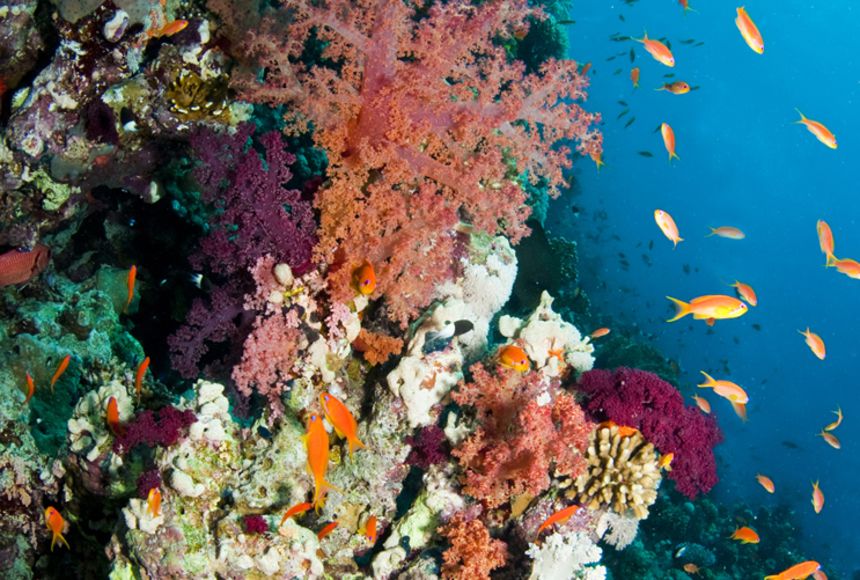
To illustrate, consider the role of coral reefs, often referred to as the “rainforests of the sea.” These vibrant ecosystems support approximately 25% of all marine species. Unfortunately, they are under threat from pollution, overfishing, and climate change. By focusing conservation efforts on protecting coral reefs, we not only save countless species but also preserve the natural barriers that protect coastal communities from storms and erosion.
Strategies for Effective Conservation
Effective conservation strategies require a multifaceted approach that includes policy changes, community engagement, and scientific research. Governments play a vital role by establishing marine protected areas (MPAs), which restrict human activities in sensitive regions to allow ecosystems to recover and thrive. For example, the Great Barrier Reef Marine Park in Australia is one of the largest MPAs in the world and serves as a model for preserving precious marine habitats.
Moreover, engaging local communities in conservation efforts is crucial. Many indigenous cultures have deep-rooted connections to the ocean and possess traditional knowledge that can enhance modern conservation practices. By empowering these communities, conservation efforts become more sustainable and culturally inclusive.
The Role of Technology in Conservation
Advancements in technology have opened new frontiers in marine conservation. Drones, satellite imagery, and autonomous underwater vehicles provide scientists with unprecedented access to remote and understudied areas of the ocean. These tools help monitor marine animal populations, track illegal fishing activities, and assess the health of marine habitats.
Furthermore, technology can aid in restoring damaged ecosystems. For instance, coral gardening involves growing coral fragments in nurseries before transplanting them back into the reef, a technique that has shown promising results in rehabilitating degraded coral reefs.
The Power of Individual Action
While large-scale efforts are essential, individual actions also play a significant role in marine conservation. Reducing plastic use, supporting sustainable seafood choices, and advocating for policies that protect marine environments can collectively drive meaningful change. Education and awareness are equally vital, as informed citizens are more likely to engage in conservation efforts and influence others to do the same.
By embracing conservation, we not only ensure the survival of marine animals but also protect the myriad benefits they provide to humanity. A sustainable future depends on our ability to balance human needs with the health of our oceans, and it is a responsibility we must all share.
As we continue to explore the wonders of the animal kingdom, join us at WildWhiskers, where animal lovers from around the world come together to celebrate the magic of nature. With our slogan “Tiny Tails, Big Stories!”, we invite you to discover, learn, and share your love for the animals that enrich our lives.