










In the intricate dance of nature, reptile animals emerge as some of the most enigmatic performers. From the slithering grace of snakes to the armored might of crocodiles, these creatures have captivated human curiosity for centuries. Their survival tactics in the wild are nothing short of extraordinary, showcasing an incredible array of adaptations that have allowed them to thrive in the harshest of environments. As we delve into the world of reptiles, we’ll uncover how they employ camouflage to vanish from sight, use cunning stealth to outwit predators, and harness unique defense mechanisms to ensure their survival. These cold-blooded strategists have perfected the art of living in extremes, from blistering deserts to dense rainforests. Through exploring their reproductive strategies and understanding their vital role in ecosystems, we gain profound insights into the resilience of life itself. Join us as we embark on this journey to appreciate the remarkable adaptability of these ancient survivors.
Introduction to Reptile Survival Strategies
Defining Reptiles and Their Unique Adaptations
Reptile animals, encompassing a diverse group that includes snakes, lizards, crocodiles, and turtles, are some of the most ancient and intriguing creatures to inhabit our planet. Their evolutionary journey, spanning millions of years, has endowed them with a suite of unique adaptations that enable them to thrive in an array of environments—from arid deserts to lush rainforests. At the core of their survival prowess is their ectothermic nature, meaning these creatures are cold-blooded and depend on external heat sources to regulate their body temperature. This thermoregulation strategy allows reptiles to conserve energy, a vital adaptation in ecosystems where food resources can be inconsistent.
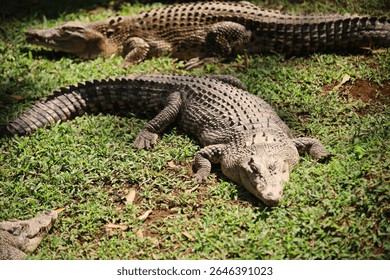
Reptiles also exhibit a fascinating array of physical adaptations. For instance, the hard scales of a crocodile provide both protection and aid in thermoregulation, while the vibrant, color-changing skin of a chameleon serves as a versatile tool for camouflage and communication. Each feature, meticulously honed by natural selection, contributes to the reptile’s ability to navigate the challenges of their habitats.

Overview of Survival Challenges in the Wild
Survival in the wild is a relentless pursuit, filled with challenges that test the resilience of reptile animals. Predation, climate extremes, and competition for resources are just a few of the hurdles these creatures face. Predators such as birds of prey and larger carnivores constantly loom as threats, driving reptiles to develop stealth and defense mechanisms. For example, many reptiles employ cryptic coloration, blending seamlessly into their surroundings to evade detection by both predators and prey.
Extreme temperatures pose another significant challenge. Reptiles have adapted to survive in both scorching deserts and frigid habitats. In the desert, they may become nocturnal to avoid the blistering daytime heat, while in colder regions, some species can enter a state of brumation—a hibernation-like slowdown of metabolic processes—to endure the chill.
Moreover, the struggle for food and water is ever-present. Reptiles often occupy niches that allow them to exploit specific resources, reducing direct competition. Their ability to go for extended periods without food by reducing metabolic rates exemplifies their resilience and adaptability.
In summary, the survival strategies of reptile animals are a testament to their evolutionary success. Each adaptation is a response to the myriad challenges they encounter, underscoring their role as masters of survival in nature’s vast tapestry.
Camouflage and Stealth Techniques
How Reptiles Use Camouflage to Evade Predators
Reptile animals have mastered the art of camouflage, a vital survival tactic that enables them to evade predators by blending seamlessly into their surroundings. This natural adaptation is a fascinating aspect of their biology, showcasing the incredible diversity and creativity of evolution. Chameleons, for example, are perhaps the most famous for their ability to change colors. This remarkable skill allows them to not only avoid detection by predators but also to communicate and regulate their body temperature. Similarly, many snakes possess cryptic patterns and colors that mimic the textures and hues of their natural habitat, making them nearly invisible to both predators and prey.
In the dense foliage of rainforests or the arid landscapes of deserts, blending in can mean the difference between life and death. Lizards, such as the leaf-tailed gecko, exhibit leaf-like shapes and colors that allow them to remain undetected by birds and other predators. This form of camouflage not only provides protection but also offers a strategic advantage in hunting, as they can ambush unsuspecting prey.

The Role of Stealth in Hunting for Prey
Stealth is another critical component of the survival strategy for many reptile animals. By moving silently and remaining motionless for long periods, reptiles can close in on their prey without detection. Snakes, for instance, are adept at using stealth to slither quietly through underbrush or across the forest floor. The ability to strike quickly and without warning is essential for securing a meal, especially when hunting agile or fast-moving prey.
Crocodiles, with their low-profile bodies and water-adapted features, exemplify stealth in an aquatic setting. They can lie submerged with only their eyes and nostrils above water, waiting patiently for the perfect moment to lunge at an unsuspecting animal. This level of patience and precision highlights the sophistication of their hunting tactics. Komodo dragons also employ stealth, using their keen sense of smell to track prey over long distances and then ambushing them with a sudden rush.

In essence, the combination of camouflage and stealth allows reptiles to navigate the wild with unmatched efficiency. These tactics not only help them avoid becoming prey but also enhance their ability to capture food, ensuring their survival across diverse and often harsh environments. Through these remarkable adaptations, reptile animals continue to thrive in ecosystems around the world, a testament to their resilience and evolutionary success.
Defense Mechanisms Against Predators
Physical Adaptations for Defense
Reptile animals have developed a fascinating array of physical adaptations that serve as formidable defenses against predators. These adaptations are not just random quirks of evolution but are vital for their survival in the wild. Take the armored bodies of crocodiles and turtles, for example. The tough, protective shells of turtles and the rugged, scaly skins of crocodiles are not just for show; they provide excellent protection against attacks from predators, ensuring these reptiles remain resilient even in hostile environments.
Furthermore, many lizards have evolved the incredible ability to shed their tails. This self-amputation, known as autotomy, allows them to escape predators by leaving a part of themselves behind, which continues to wriggle and distract the predator while the lizard makes its escape. This tactic is a brilliant survival strategy that highlights the ingenuity of reptile animals in the face of danger.
Chemical and Behavioral Defense Strategies
In addition to physical adaptations, reptile animals often rely on chemical and behavioral defense strategies to protect themselves. Venomous snakes are perhaps the most well-known example. Their potent bites serve a dual purpose: not only do they help in subduing prey, but they also act as a powerful deterrent against potential threats. The venom can cause severe harm to predators, making these snakes some of the most feared and respected creatures in the animal kingdom.
Behaviorally, many reptiles employ intimidation tactics to ward off predators. For instance, the frilled-neck lizard can unfurl an impressive collar of skin around its neck to appear larger and more threatening when faced with danger. Similarly, the hissing and hood-spreading of a cobra are iconic displays meant to intimidate and deter potential threats.
These chemical and behavioral strategies underscore the complexity of reptile animals’ survival tactics, showcasing their ability to adapt and thrive in diverse environments. By combining physical, chemical, and behavioral adaptations, reptiles have secured their place as some of the most resilient and adaptable creatures on Earth.
Thermoregulation: Surviving Extreme Temperatures
Cold-Blooded Advantages and Disadvantages
Reptile animals, as cold-blooded creatures, or ectotherms, have a unique approach to surviving extreme temperatures. Unlike warm-blooded animals, reptiles do not internally regulate their body temperature. Instead, they rely heavily on external environmental conditions. This reliance on external heat sources allows them to conserve energy, which is particularly advantageous during times when food is scarce. For instance, a snake can endure long periods without eating by simply reducing its metabolic rate to match the ambient temperature.
However, there are also inherent challenges associated with being cold-blooded. Reptiles are vulnerable to temperature fluctuations. Extreme cold can render them sluggish and unable to hunt or escape predators, while excessive heat might lead to overheating and dehydration. The adaptability of reptiles is truly tested in these circumstances, yet their survival through millions of years is a testament to their resilience.

Adaptations to Extreme Heat and Cold
To navigate the challenges of temperature extremes, reptile animals have developed remarkable adaptations. In hot environments, such as deserts, many reptiles are nocturnal, becoming active during cooler nighttime hours. This behavior minimizes water loss and overheating. For example, the desert-dwelling Gila monster spends most of its life underground, emerging only when temperatures are favorable.
Conversely, in colder climates, some reptiles hibernate or enter a state of brumation, a period of dormancy that is similar to hibernation but involves reduced metabolic activity rather than a complete shutdown. Turtles, for instance, bury themselves in mud at the bottom of ponds to survive the winter months, slowing their metabolism to conserve energy.
Additionally, some reptiles have developed physical adaptations to cope with temperature extremes. The skin of many reptiles acts as a barrier to prevent water loss in arid conditions, while others may exhibit coloration that reflects sunlight, aiding in temperature regulation. These adaptations highlight the incredible evolutionary journey of reptile animals, showcasing their ability to thrive even in the harshest of environments.

Reproduction and Continuation of Species
Reproductive Strategies for Survival
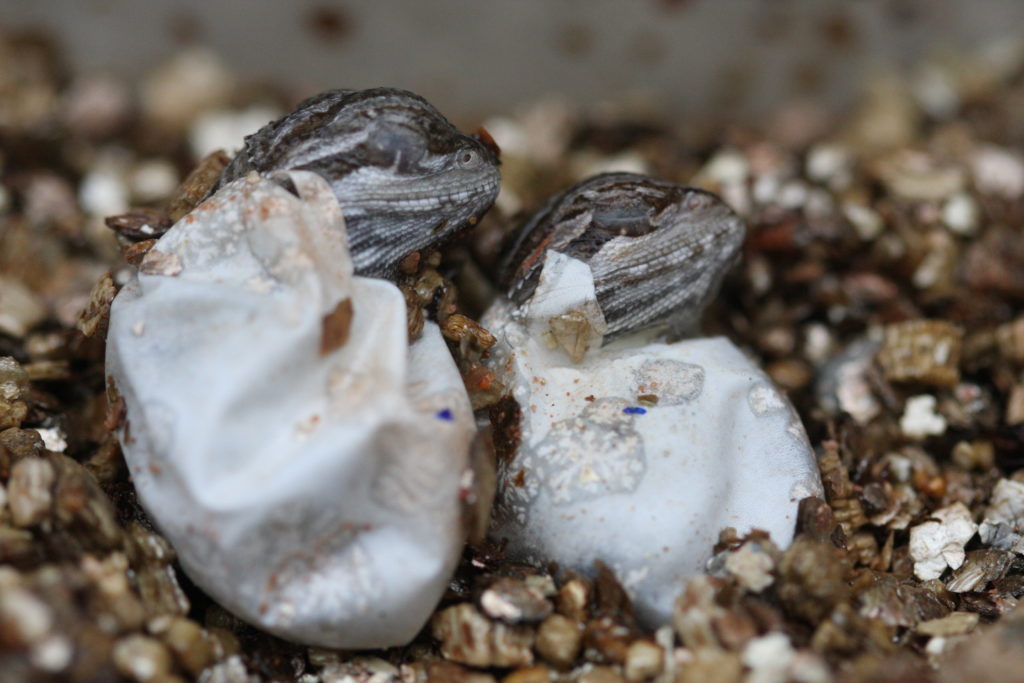
Reptile animals have evolved a myriad of reproductive strategies that ensure their survival in the wild. These strategies are as diverse as the reptiles themselves, ranging from egg-laying to live births. Most reptiles, such as turtles and many lizards, lay eggs with robust, leathery shells that provide protection to the developing embryos against harsh environmental conditions. This adaptation not only safeguards the young but also allows the eggs to be deposited in a variety of environments, increasing the chances of survival.
On the other hand, some species, like boas and certain skinks, have developed the ability to give birth to live young. This is particularly advantageous in environments where egg predation is high or conditions are unsuitable for egg incubation. By retaining the eggs within their bodies, these reptiles can better protect their offspring until they are ready to face the world.
The timing of reproduction is also a crucial factor. Many reptiles synchronize their breeding with favorable environmental conditions to maximize the survival rate of their offspring. This means that in many species, mating and egg-laying occur during times of abundant resources, ensuring that the young have the highest chance of thriving.
The Role of Habitat in Reproductive Success
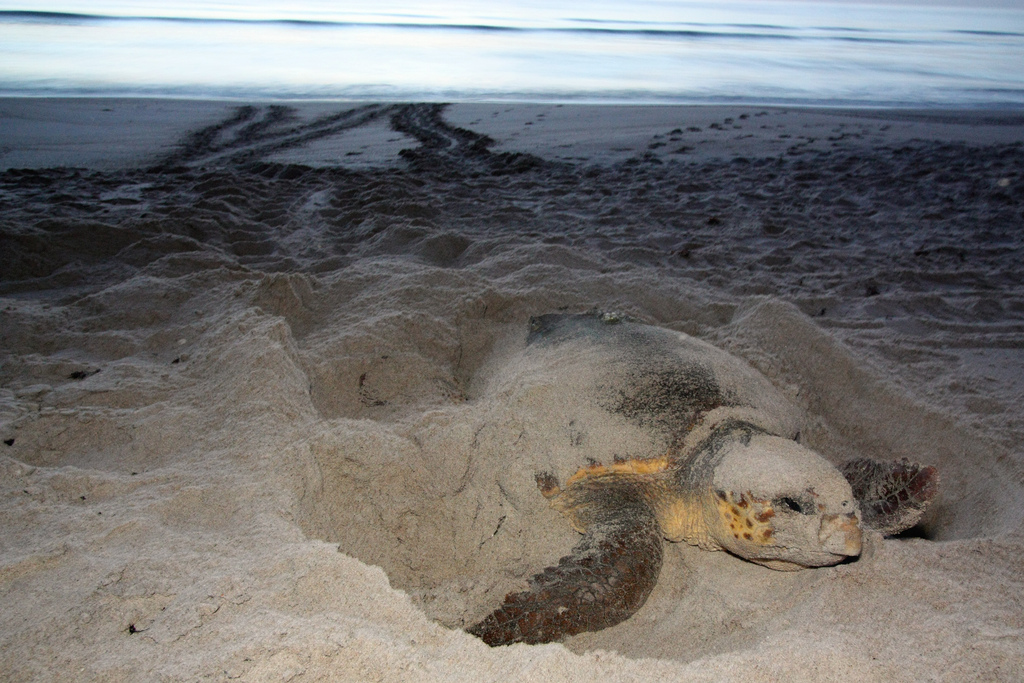
The habitat plays a pivotal role in the reproductive success of reptile animals. Different species have adapted to utilize their specific environments to optimize reproductive outcomes. For instance, sea turtles travel thousands of miles to return to their natal beaches, where the sand provides the perfect incubation temperature and moisture levels for their eggs.
Similarly, desert reptiles have adapted to lay their eggs in burrows or beneath rocks where they are protected from the extreme heat and potential predators. The choice of nesting site is often a critical decision that can determine the survival of the offspring.
Moreover, some reptiles, like certain chameleons, depend on the availability of specific microhabitats within forests to ensure that their young have access to food and shelter immediately after hatching. The loss or alteration of these habitats can severely impact their reproductive success and, consequently, the survival of the species.
In conclusion, the reproductive strategies and habitat preferences of reptile animals are finely tuned to ensure their continued survival in the wild. By understanding these intricate dynamics, we can better appreciate the resilience and adaptability of these fascinating creatures.
Conclusion: The Resilience and Adaptability of Reptiles in the Wild
Reptile animals have truly stood the test of time, showcasing an unparalleled resilience and adaptability that has allowed them to thrive in some of the planet’s most challenging environments. Their story is one of evolution, where only the most adaptable species have survived the countless changes our planet has undergone over millions of years. From the harsh, arid deserts to the vibrant, lush rainforests, reptiles have carved out niches that highlight their incredible survival tactics.
One of the key elements in the success of reptile animals is their cold-blooded nature, which provides them with unique advantages and challenges. This ectothermic trait allows them to conserve energy and adapt their lifestyles to match their surroundings. For instance, many desert reptiles are active during the cooler parts of the day, minimizing water loss while maximizing survival. Such clever adaptations underscore their ability to cope with extreme temperatures and scarcities.
Moreover, their camouflage and stealth techniques are nothing short of extraordinary. The ability to blend seamlessly into their environments not only helps reptiles evade predators but also aids in their hunting strategies. The chameleon, for example, is renowned for its color-changing abilities, which serve as both a defense mechanism and a hunting strategy. Similarly, snakes with cryptic patterns can remain undetected until they strike, demonstrating a fascinating blend of stealth and precision.
Reptile animals also exhibit remarkable defense mechanisms. The tough, protective shells of turtles and the formidable armored skin of crocodiles are classic examples of physical adaptations that have ensured their survival against both natural predators and environmental hazards. In addition, behavioral strategies, such as the ability of certain lizards to shed their tails, further illustrate their capacity to outsmart predators.
Finally, the reproductive strategies of reptiles are key to their long-term success. By laying eggs with hard or leathery shells, they protect their young in harsh environments, ensuring the continuation of their species. Some reptiles, like boas, have even evolved to give birth to live young, showcasing another layer of adaptability.
In conclusion, the survival tactics of reptile animals not only highlight their resilience but also emphasize the incredible diversity of life on Earth. Their continued existence is a testament to their ability to adapt and thrive amidst ever-changing conditions. By understanding and protecting these fascinating creatures, we contribute to the preservation of ecosystems that are vital for maintaining ecological balance.
WildWhiskers is a dedicated news platform for animal lovers around the world. From heartwarming stories about pets to the wild journeys of animals in nature, we bring you fun, thoughtful, and adorable content every day. With the slogan “Tiny Tails, Big Stories!”, WildWhiskers is more than just a news site — it’s a community for animal enthusiasts, a place to discover, learn, and share your love for the animal kingdom. Join WildWhiskers and open your heart to the small but magical lives of animals around us!