


In the intricate tapestry of life on Earth, viviparous animals hold a fascinating niche. These creatures, ranging from the majestic elephants to the elusive viviparous snakes, defy the norm of laying eggs by giving birth to live young. This unique reproductive strategy has intricately tied their survival to the stability of their environments. However, as the planet witnesses unprecedented climate changes, these species face new and formidable challenges. Rising temperatures, shifting precipitation patterns, and habitat disruptions are not just abstract concepts but real threats that ripple through the ecosystems these animals inhabit.
As we delve into the world of viviparous animals, we uncover a remarkable story of adaptation and resilience. These species have evolved a suite of physiological and behavioral adaptations that allow them to navigate the challenges posed by a changing climate. From the thickening fur of Arctic foxes to the nocturnal habits of desert-dwelling creatures, their responses are as varied as they are ingenious. Yet, the question remains: Can these adaptations keep pace with the rapid environmental shifts we are witnessing today?
In this exploration, we will journey through compelling case studies of both terrestrial and marine viviparous animals, highlighting their incredible ability to adjust and survive. We will also examine the crucial role of human intervention in supporting these species through conservation efforts and innovative strategies. As we ponder the future of viviparous animals in a warming world, it becomes clear that their fate is intertwined with our actions and commitment to preserving the delicate balance of nature. Join us as we unravel the complexities of their adaptations and the looming challenges that threaten their existence.
Understanding Viviparous Animals
Definition and Characteristics
Viviparous animals are a fascinating group of creatures that give birth to live young, distinguishing them from oviparous species, which lay eggs. This unique reproductive strategy is advantageous in many ways, particularly in environments where egg-laying could expose offspring to predators or harsh environmental conditions. Most mammals, some reptiles, and a few species of fish fall into the category of viviparous animals, showcasing a wide array of adaptations that support this mode of reproduction.
The defining characteristic of viviparous animals is that the developing embryo is retained within the mother’s body, where it receives nourishment directly from her. This is in stark contrast to oviparous species, where the embryo develops outside the mother’s body, typically in an egg. The internal development process in viviparous animals often includes a placenta, a specialized organ that facilitates the exchange of nutrients and waste between the mother and the developing young. This intimate connection not only provides a stable and protective environment for the embryo but also allows the mother to regulate the conditions in which the young develop, such as temperature and nutrient supply.
Examples of Viviparous Species
Viviparous animals are found across a variety of habitats, from the depths of the oceans to the arid deserts. Each species has evolved unique adaptations to support live birth, reflecting the diverse environments they inhabit.
Mammals are perhaps the most well-known viviparous animals. Within this group, humans, elephants, and whales are prime examples. Elephants, for instance, have a long gestation period of up to 22 months, the longest of any land animal, allowing the calf to develop fully before being born. Whales, on the other hand, are adapted to give birth in water, with calves that are born tail-first to prevent drowning.
In the realm of reptiles, certain species of snakes and lizards are viviparous. The boa constrictor is a notable example, giving birth to live young that are immediately independent and capable of fending for themselves. These reptiles have evolved viviparity to thrive in cooler climates where laying eggs could result in suboptimal incubation temperatures.
Among fish, the guppy is a well-known viviparous species. Guppies, popular in home aquariums, give birth to live fry, which are miniature versions of the adults. This reproductive method allows for a higher survival rate in environments with many aquatic predators, as the young are immediately capable of swimming and hiding.
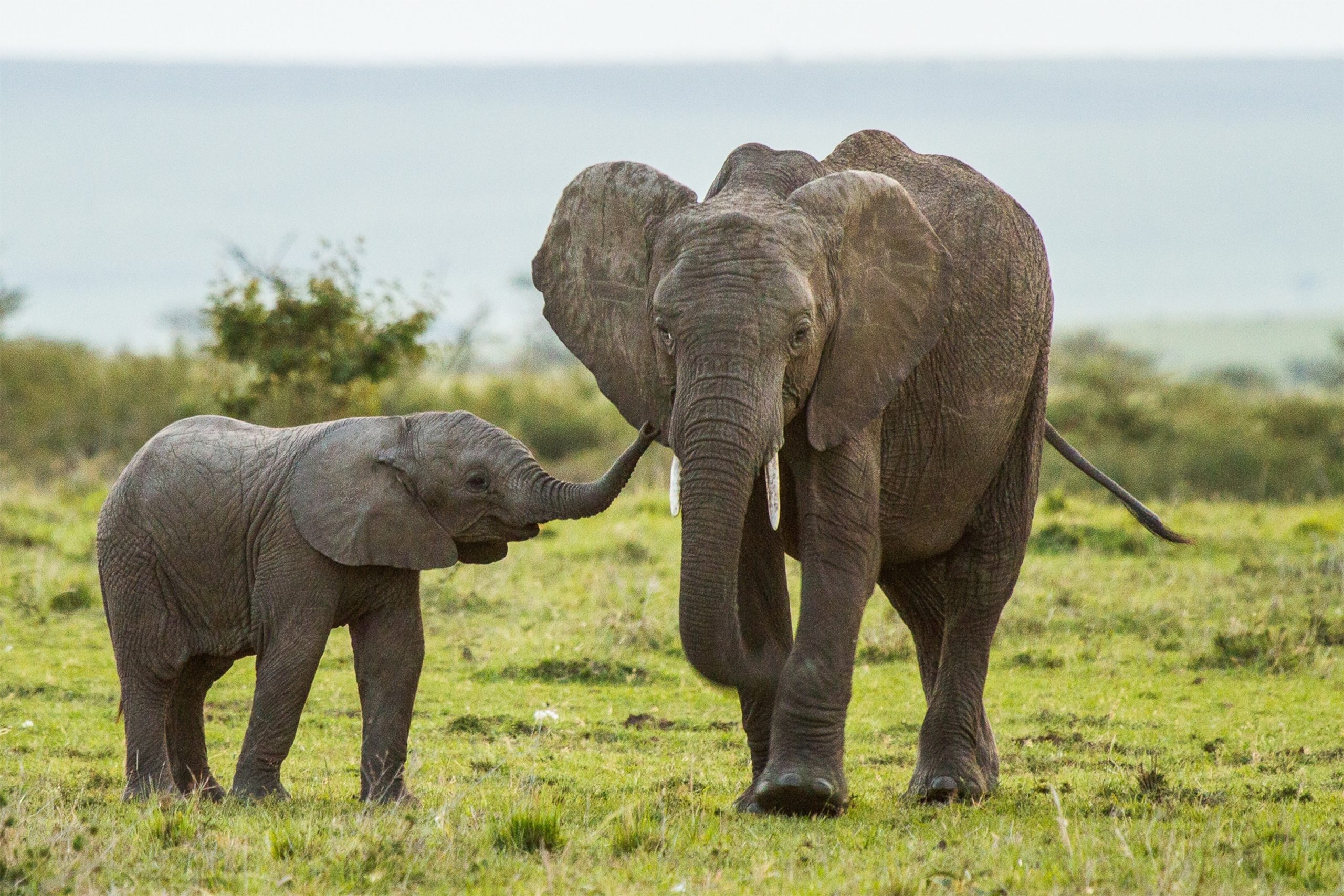
A mother elephant with her calf illustrating viviparous reproduction
The diversity of viviparous animals across different taxa highlights the evolutionary advantages of this reproductive strategy. By giving birth to live young, these species can enhance the survival prospects of their offspring in challenging environments, underscoring the adaptability and resilience of life in the face of changing climates.
Understanding these animals’ unique reproductive strategies is crucial as we explore their adaptations to climate change, which will be discussed in subsequent sections.
Climate Change Impact on Viviparous Animals
Climate change poses a significant threat to viviparous animals, those fascinating creatures that give birth to live young. Understanding how these animals are affected by the changing climate is crucial for developing effective conservation strategies. Two primary factors influenced by climate change—rising temperatures and changes in precipitation patterns—play a pivotal role in shaping the habitats and survival strategies of viviparous species.
Rising Temperatures and its Effects
The global rise in temperatures is perhaps the most apparent aspect of climate change, and its impact on viviparous animals is profound. As temperatures climb, these animals face a myriad of challenges that can affect their physiology, behavior, and overall survival.
Physiological Stress and Metabolism: Viviparous animals, like many other species, are vulnerable to heat stress. For instance, mammals such as elephants have to exert more energy to cool their bodies, leading to increased water and food requirements. Similarly, reptiles, which are ectothermic, experience altered metabolic rates in response to temperature changes, impacting their growth and reproductive success.
Habitat Alterations: Rising temperatures can lead to habitat changes that may not be conducive to the survival of viviparous animals. Polar bears, for instance, rely heavily on sea ice for hunting and breeding. As temperatures rise and ice melts, these bears are forced to swim longer distances to find suitable habitats, increasing the risk of exhaustion and mortality.
Breeding and Reproduction Challenges: Many viviparous species are finely tuned to their environmental conditions, and temperature shifts can disrupt breeding patterns. For example, some reptile species determine the sex of their offspring based on incubation temperatures. An increase in average temperatures could skew sex ratios, potentially leading to population declines over time.
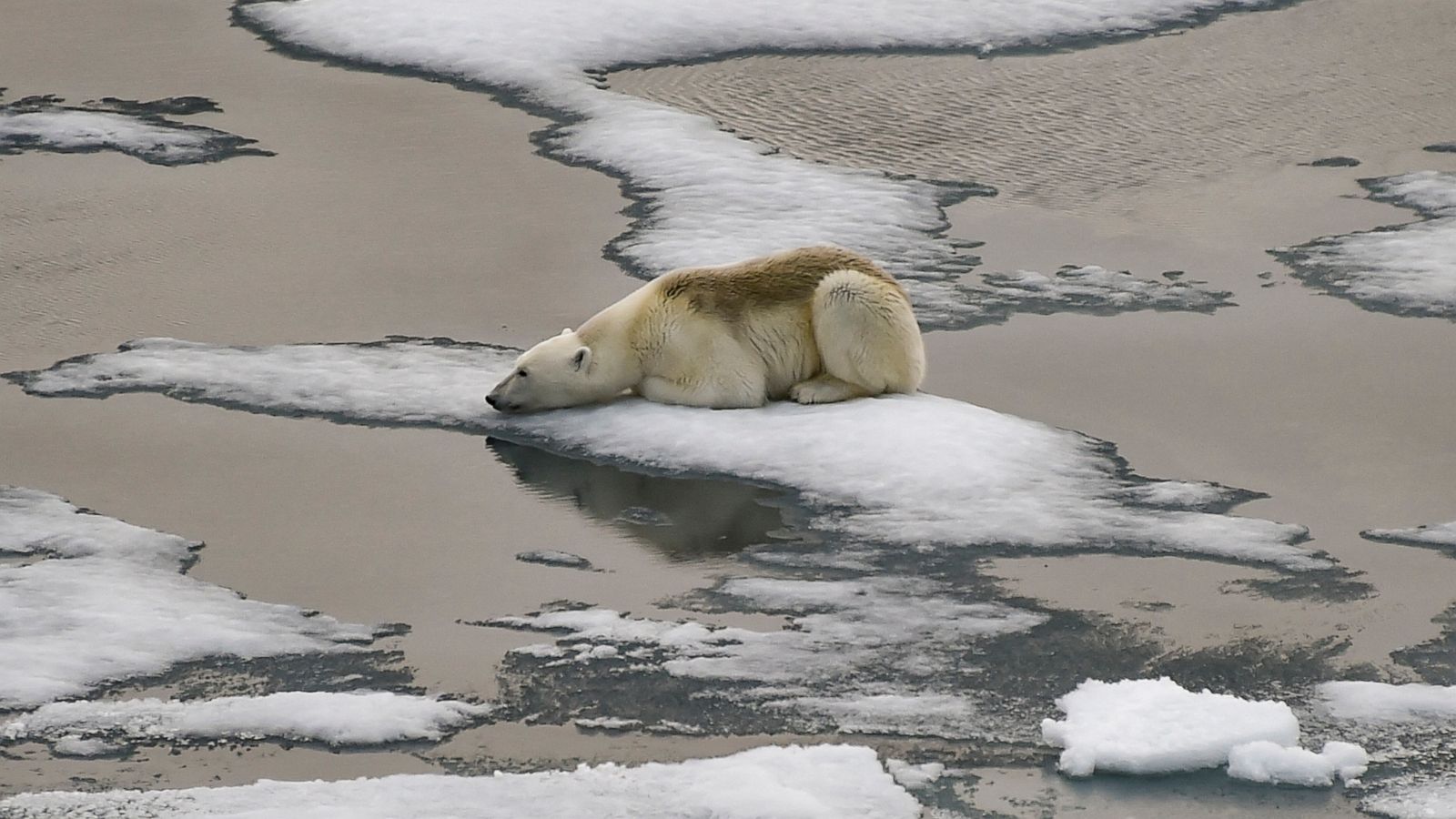
Polar bear navigating melting ice
Changes in Precipitation Patterns
Alongside rising temperatures, changes in precipitation patterns are another critical aspect of climate change impacting viviparous animals. Altered rainfall can lead to shifts in habitat conditions, affecting food availability, water sources, and breeding grounds.
Water Availability and Ecosystem Health: Many viviparous species depend on stable water sources for survival. Elephants, renowned for their long migrations in search of water, face increased challenges as rainfall becomes unpredictable. Droughts can lead to water scarcity, forcing these animals to travel further, which can exacerbate human-animal conflicts in shared landscapes.
Vegetation and Food Sources: Changes in precipitation influence plant growth, which directly affects the food supply for herbivorous viviparous animals. For instance, reduced rainfall in savannah ecosystems can lead to sparse vegetation, impacting species like giraffes and elephants that rely on specific plants for nutrition.
Breeding and Nesting Sites: For many viviparous reptiles, suitable nesting sites are contingent upon stable moisture levels in the soil. Altered rainfall patterns can make traditional nesting sites unsuitable, forcing these species to adapt quickly or risk reproductive failure.
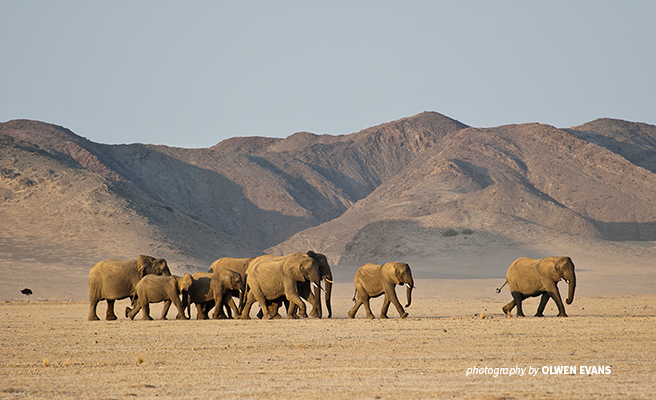
Elephants migrating across a dry savannah
In conclusion, the impacts of climate change, particularly through rising temperatures and changing precipitation patterns, pose significant challenges to viviparous animals. These changes not only threaten their immediate survival but also have long-term implications for biodiversity and ecosystem health. Understanding these impacts is essential for developing strategies to mitigate risks and support the resilience of these remarkable species in a warming world.
Adaptation Mechanisms in Viviparous Animals
As climate change continues to reshape ecosystems and habitats around the globe, viviparous animals—species that give birth to live young—are compelled to adapt in order to survive. These adaptations can be broadly categorized into physiological and behavioral changes, each playing a crucial role in the resilience of these species.
Physiological Adaptations
Physiological adaptations refer to the internal and structural changes that enable viviparous animals to survive in varying environmental conditions. These adaptations are essential for maintaining homeostasis and ensuring reproductive success in the face of climate change.
One of the key physiological adaptations observed in many viviparous animals is the ability to regulate body temperature despite fluctuations in ambient temperatures. For instance, mammals like the Arctic fox have developed thick fur and a compact body shape, allowing them to retain heat and survive in freezing conditions. Conversely, animals like camels exhibit remarkable heat tolerance; their bodies are adapted to conserve water and withstand extreme desert heat. This ability to endure high temperatures is a testament to their evolutionary success in harsh environments.
Furthermore, changes in fur and skin thickness are common among viviparous mammals. Seasonal coat changes help these animals adapt to temperature shifts, enhancing their survival during both winter and summer months. This ability to alter physical attributes is crucial for maintaining energy balance and protecting against environmental stressors.
In addition to temperature regulation, some viviparous species have evolved to adjust their reproductive cycles in response to climate cues. This includes altering gestation periods and birthing seasons to coincide with optimal environmental conditions. For example, certain species of viviparous snakes adjust their birthing seasons based on temperature cues, ensuring that their young are born during periods of favorable weather conditions.
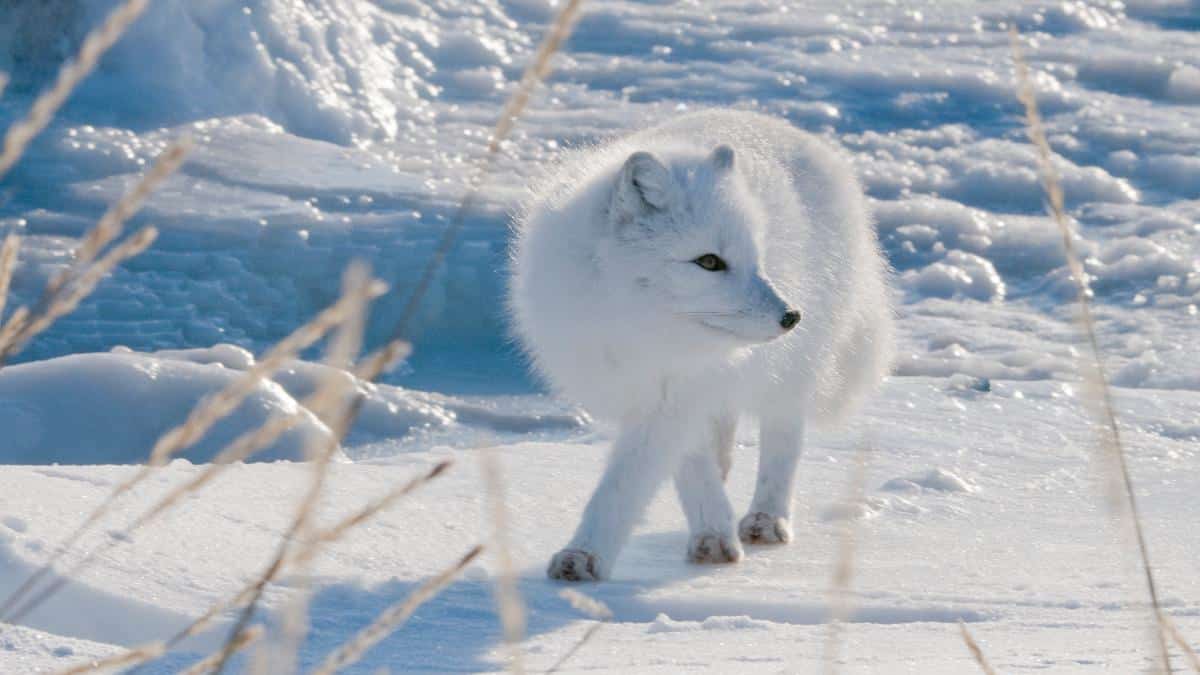
The Arctic fox with its thick fur and compact body is a prime example of physiological adaptation to cold climates
Behavioral Adaptations
Behavioral adaptations are equally critical in enabling viviparous animals to navigate the challenges posed by climate change. These adaptations involve changes in behavior that increase the chances of survival and reproduction in changing environments.
One of the most prominent behavioral adaptations is the shift in activity patterns. In hot climates, many viviparous animals have adopted nocturnal activity to avoid the peak heat of the day. By being active during cooler nighttime hours, these animals can reduce the risk of overheating and dehydration, thereby conserving energy and water.
Migration is another significant behavioral adaptation. Viviparous animals such as whales and elephants are known for their long-distance migrations, which are driven by the need to find suitable feeding and breeding grounds. These migrations are influenced by changes in temperature, food availability, and breeding conditions. For instance, elephants may alter their migration routes based on water availability, while whales travel thousands of miles between feeding and birthing areas, ensuring their young are born in safe environments.
Hibernation is also a notable behavioral strategy employed by some viviparous mammals to survive harsh winters. By entering a state of dormancy, these animals can conserve energy during periods when food is scarce and conditions are unfavorable. This adaptation is particularly important for species living in temperate and polar regions, where winter conditions can be severe.
Overall, the combination of physiological and behavioral adaptations underscores the resilience of viviparous animals in the face of climate change. These adaptations are a testament to the remarkable ways in which life on Earth can adjust to environmental challenges, ensuring the continued survival of species across diverse ecosystems.
Case Studies: Successful Adaptations
Marine Viviparous Animals
Marine environments present unique challenges due to climate change, particularly for viviparous animals that rely on the ocean for survival. As sea temperatures rise and oceanic conditions fluctuate, marine viviparous species exhibit remarkable adaptability.
One of the most fascinating examples is the seahorse, a marine creature known for its unique reproductive role reversal, where males carry the young in specialized pouches. Seahorses have adapted to changing water temperatures by shifting their breeding seasons. In cooler waters, they might breed more frequently to take advantage of optimal conditions. This adaptability ensures that their offspring have the best chance of survival.
Another example is the dolphin, which faces challenges due to shifting prey availability caused by warming waters. Dolphins have adapted by altering their migratory routes and expanding their dietary preferences to include a wider range of fish species. This flexibility in feeding habits is crucial for maintaining their populations in unpredictable ocean environments.
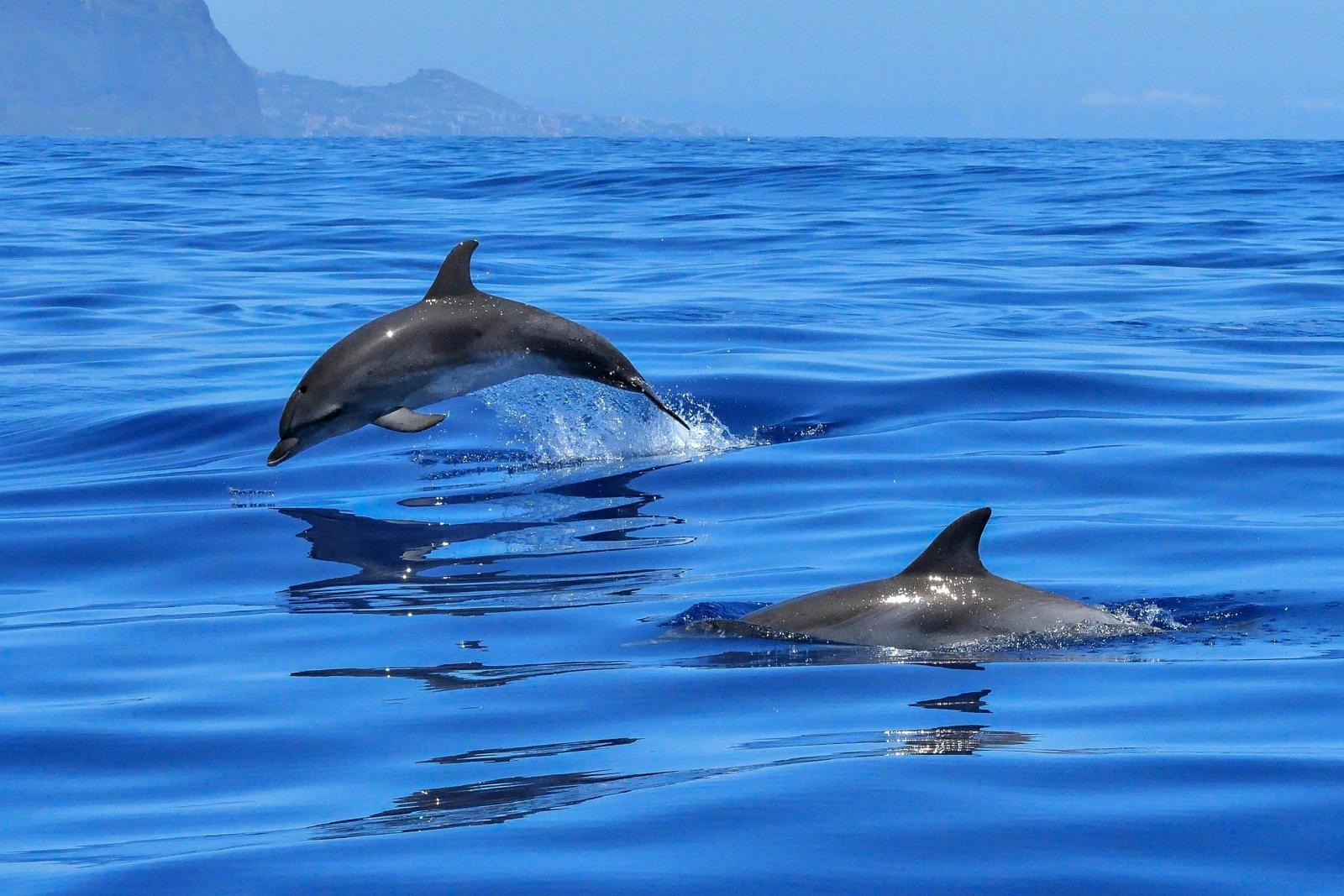
Dolphins adapting to changing oceanic conditions
Similarly, the viviparous blenny, a small fish found in rocky coastal areas, has shown adaptability in its reproductive strategies. These fish have been observed changing their habitat preferences, moving to cooler waters or deeper areas as surface temperatures rise. Such behavioral shifts help them avoid the detrimental effects of warming seas on their reproductive cycles.
Terrestrial Viviparous Animals
On land, viviparous animals such as mammals and reptiles face a different set of challenges due to climate change. Rising temperatures and altered precipitation patterns necessitate a range of adaptive strategies.
Polar bears, one of the most iconic viviparous species affected by climate change, have had to adapt to the reduction of sea ice in the Arctic. With their primary hunting grounds diminishing, polar bears have extended their swimming ranges and adjusted their diet to include more terrestrial food sources. These adaptations are crucial for their survival as traditional hunting methods become less viable.
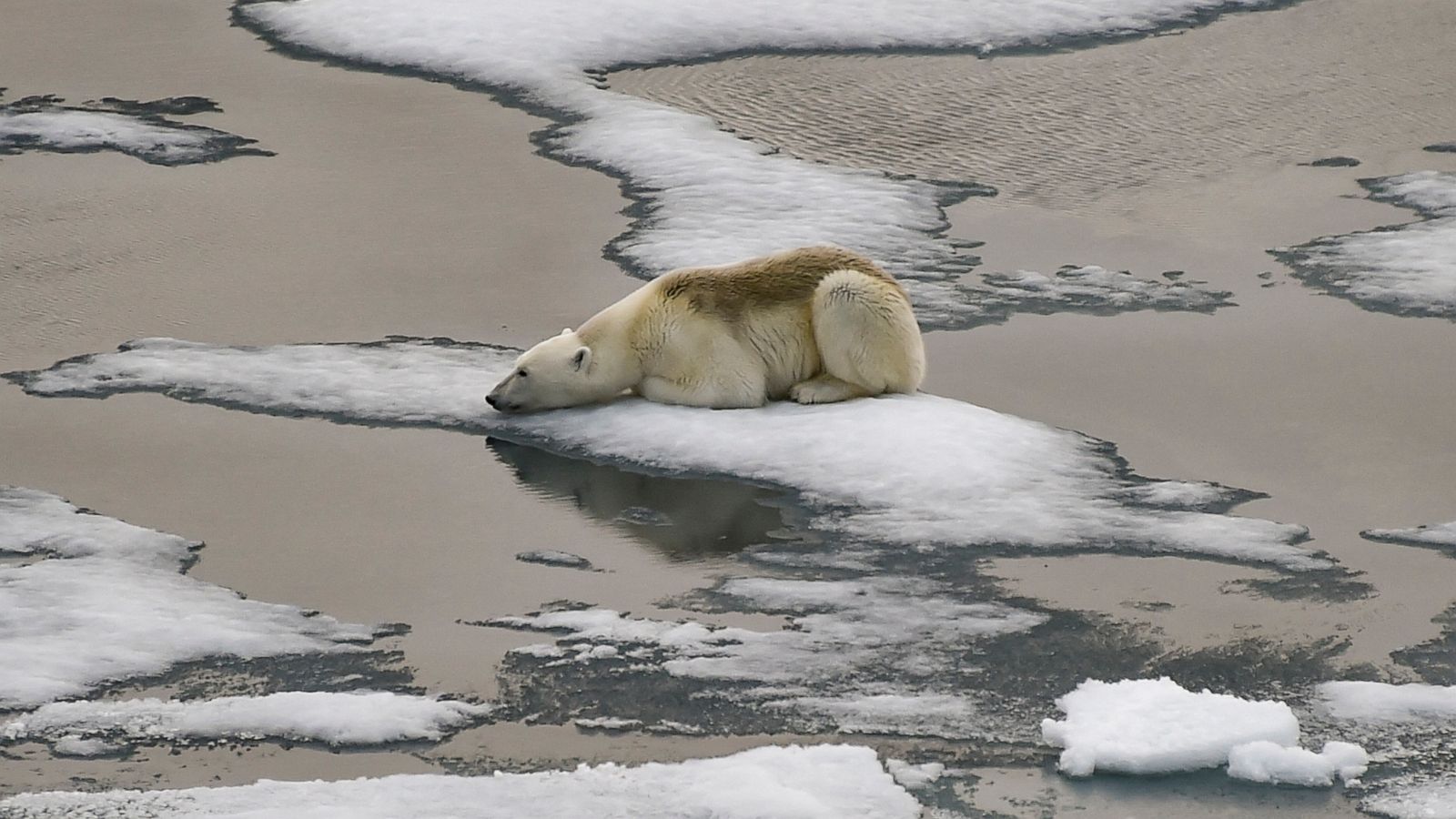
Polar bears adapting to diminishing sea ice
In more temperate climates, elephants have showcased their adaptability through changes in migration patterns. As rainfall patterns shift, elephants alter their traditional routes in search of water and food. Their incredible memory and social structures enable them to communicate and adapt collectively, ensuring access to essential resources despite environmental changes.
Viviparous snakes, such as the rattlesnake, offer another intriguing case of adaptation. These reptiles have adjusted their birthing seasons to align with temperature cues, ensuring that their young are born during optimal conditions. By timing their reproduction to coincide with warmer periods, they maximize the survival rate of their offspring.
In summary, both marine and terrestrial viviparous animals demonstrate a remarkable capacity for adaptation in the face of climate change. Through physiological and behavioral changes, these species continue to evolve, showcasing the resilience of life on Earth even in the most challenging conditions. The success of these adaptations underscores the importance of supporting conservation efforts to ensure these species can continue to thrive in a warming world.
Challenges and Future Prospects
Threats to Viviparous Species
Viviparous animals, which include many mammals, some reptiles, and a few species of fish, face a myriad of challenges as climate change continues to alter the planet’s ecosystems. These animals are particularly vulnerable due to their reproductive strategy, which involves giving birth to live young. This method of reproduction is highly dependent on stable environmental conditions, making these species particularly susceptible to the impacts of climate change.
One of the primary threats to viviparous species is rising temperatures. Many viviparous animals have evolved to thrive within specific temperature ranges, and sudden changes can disrupt their physiological processes. For instance, increased temperatures can lead to heat stress, affecting the animals’ ability to reproduce successfully. The metabolism of these animals can be thrown off balance, leading to decreased fertility rates and higher mortality in offspring.
Another significant threat comes from changing precipitation patterns. Altered rainfall can impact the availability of water and food resources, crucial for the survival of viviparous animals. For example, animals such as elephants that rely on predictable water sources for drinking and bathing may find themselves in regions where droughts become more frequent or prolonged, leading to dehydration and malnutrition.
Additionally, habitat loss poses a severe threat. As climate change progresses, the natural habitats of many viviparous animals are shrinking or shifting, forcing them to migrate to new areas that may not provide the same resources or conditions they need to survive. This can result in increased competition for resources, both with other wildlife and with human populations encroaching on these new habitats.
Finally, the increased frequency of extreme weather events, such as hurricanes, floods, and wildfires, can directly impact viviparous animals. These events can destroy habitats, lead to direct mortality, and disrupt breeding seasons, further threatening their populations.
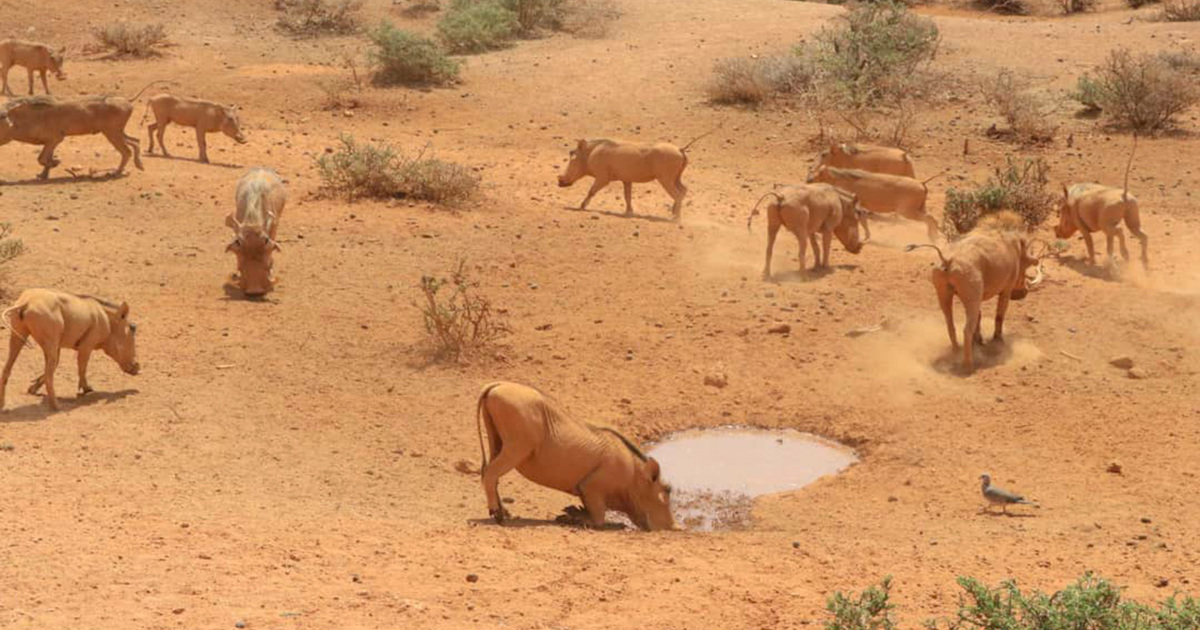
Droughtstricken landscape impacting wildlife
Conservation Efforts and Strategies
In response to these growing threats, a range of conservation efforts and strategies are being implemented to protect viviparous animals and ensure their survival in a warming world. These strategies focus on both mitigating the effects of climate change and enhancing the resilience of these species to environmental changes.
One key approach is the establishment of wildlife corridors. These are designated pathways that allow animals to safely migrate between habitats in response to environmental changes. By connecting fragmented habitats, wildlife corridors enable viviparous animals to find new areas with suitable living conditions, thereby preserving their populations.
Conservation breeding programs are also being developed for endangered viviparous species. These programs aim to maintain genetic diversity and boost population numbers by breeding animals in controlled environments and, when possible, reintroducing them into the wild. This strategy has been particularly successful with species such as the California condor and the European bison.
Efforts are also underway to design climate-resilient habitats. Conservationists are working to restore and manage ecosystems in ways that enhance their resilience to climate change. This involves practices such as reforestation, wetland restoration, and the creation of artificial nesting sites. By bolstering the natural environment, these efforts help viviparous animals to withstand the impacts of climate change.
In addition to these direct conservation strategies, there is a broader push for policy and advocacy work. This includes lobbying for stronger environmental protections, promoting sustainable development practices, and raising public awareness about the importance of conserving viviparous species. By influencing policy and public perceptions, conservationists hope to create a more supportive environment for these animals.
These concerted efforts highlight the necessity of both immediate action and long-term planning in the fight to protect viviparous animals. As climate change continues to pose unprecedented challenges, it is crucial to adapt and innovate to ensure the survival and prosperity of these remarkable creatures.
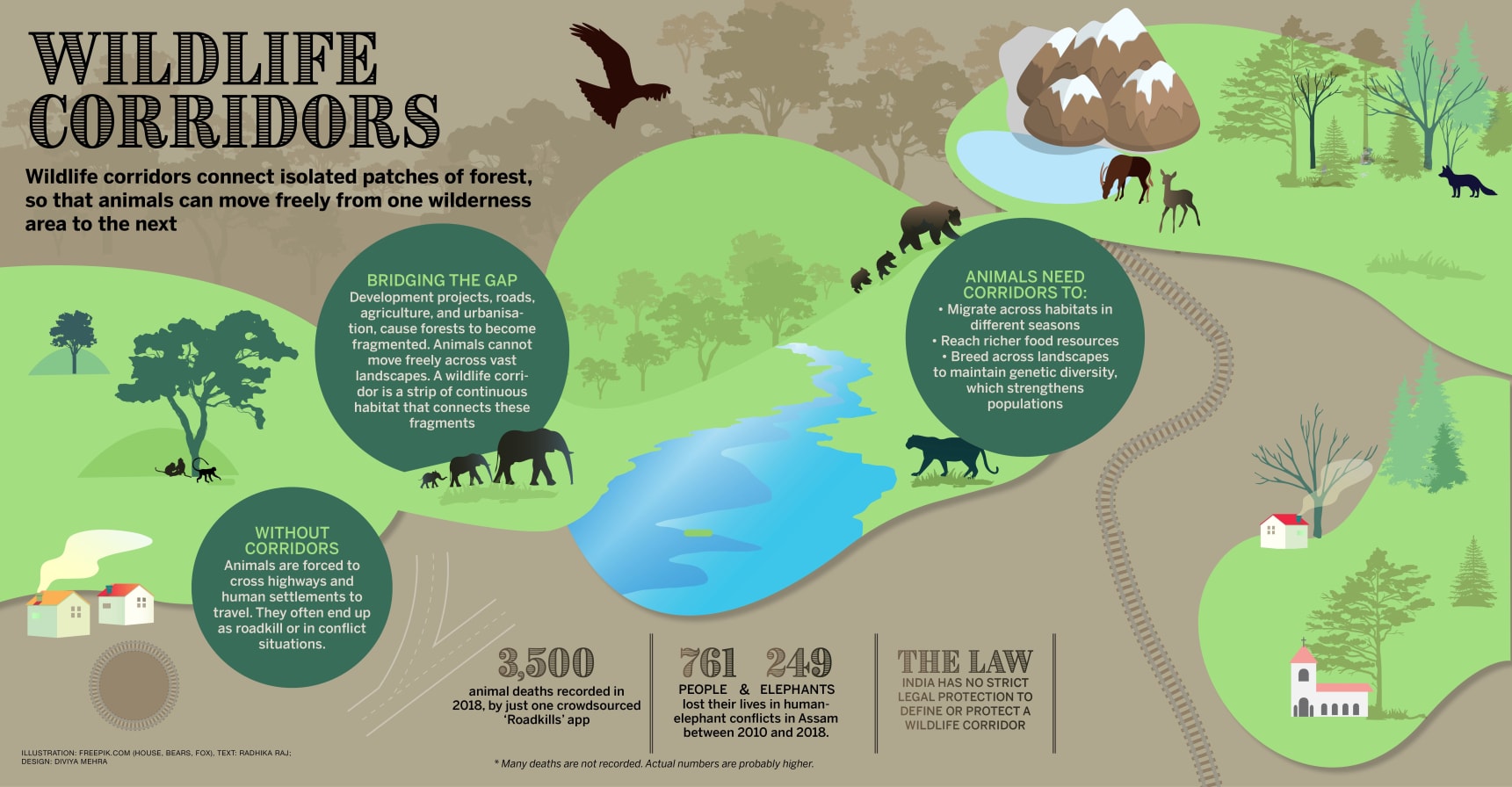
A wildlife corridor facilitating animal migration
Embracing Change: The Future of Viviparous Animals in a Warming World
As the world grapples with the realities of climate change, viviparous animals find themselves at a pivotal crossroads. These creatures, which bring forth live young rather than laying eggs, face unique challenges as their environments shift around them. From the arid deserts to the lush rainforests, viviparous species are adapting to survive in a climate that is becoming increasingly unpredictable. But what does the future hold for these resilient creatures?
The Evolutionary Arms Race
The future of viviparous animals is largely dependent on their ability to adapt quickly to rapidly changing conditions. Evolution is often a slow process, but in the face of climate change, it must accelerate. Species like the Arctic fox have shown remarkable adaptability, evolving compact bodies and thick fur to retain heat in frigid climates. However, as temperatures rise, even these adaptations may need further refinement.
For viviparous animals, the key to survival may lie in their genetic diversity. A rich genetic pool provides a greater chance of developing beneficial mutations that can help species cope with new environmental pressures. Conservation efforts must focus on maintaining and enhancing this diversity to facilitate natural evolutionary processes.
Human-Wildlife Interaction: A Double-Edged Sword
As habitats shrink and resources become scarce, viviparous animals are increasingly coming into contact with human populations. This interaction can lead to conflicts, but it also presents opportunities for symbiosis. Human intervention can play a crucial role in supporting these species through the establishment of wildlife corridors, conservation breeding programs, and climate-resilient habitats.
For instance, conservationists are creating corridors that allow elephants to migrate safely in search of water and food. Similarly, breeding programs are helping to bolster populations of endangered viviparous species, ensuring that they have a fighting chance to thrive in their changing environments.
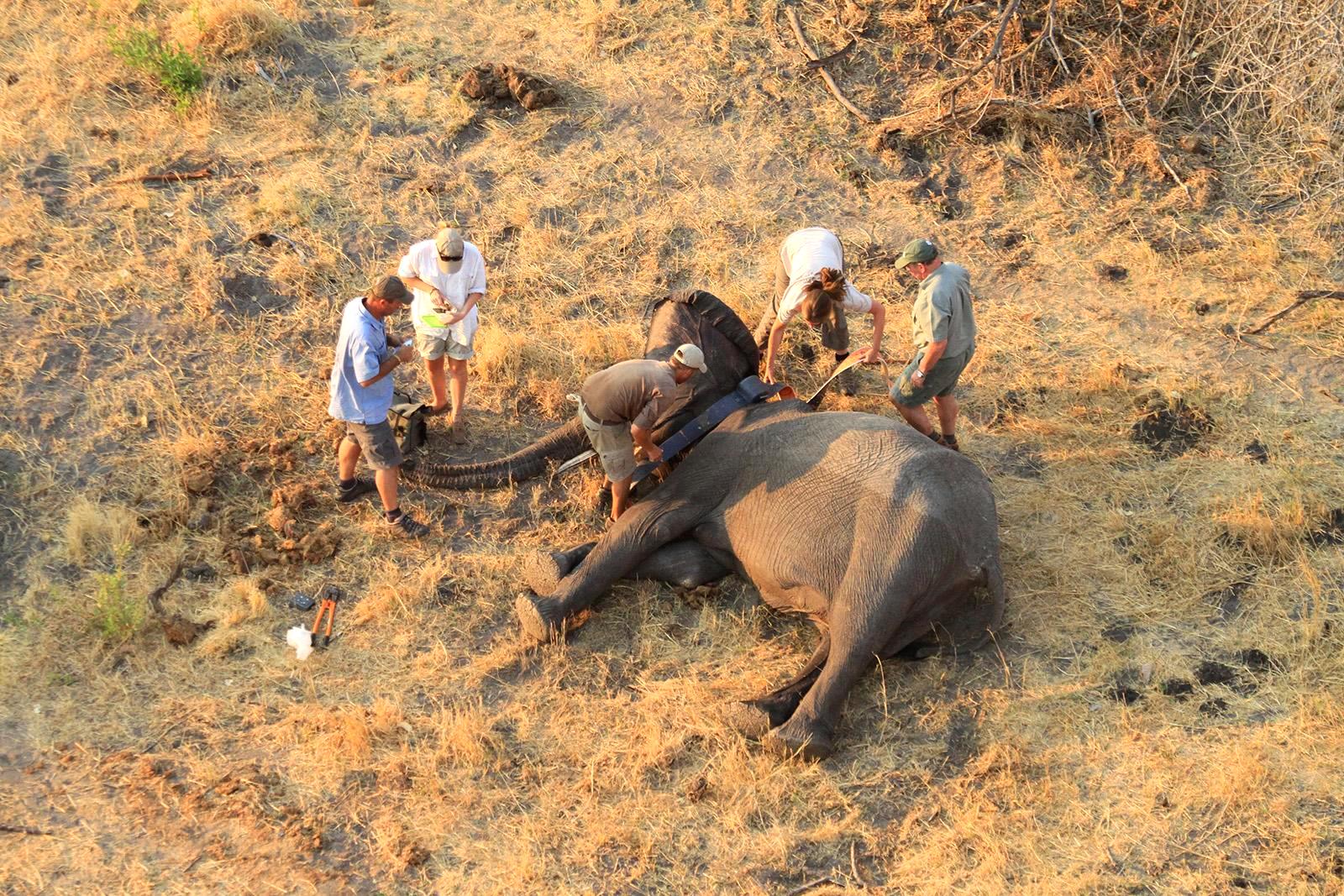
Elephants utilizing a wildlife corridor for safe migration
Rapid Evolution or Extinction: The Stark Reality
In some cases, the pace of climate change may outstrip the ability of species to adapt, leading to the stark possibility of extinction. The polar bear, a quintessential viviparous animal, exemplifies this challenge. As sea ice dwindles, polar bears are forced to swim longer distances, which can be unsustainable for mother bears carrying cubs.
Conversely, some species may undergo rapid evolution, developing new traits that allow them to thrive in altered conditions. The possibility of rapid evolution in response to extreme pressures is a fascinating area of study and underscores the resilience of life in the face of adversity.
The Role of Conservationists
Conservationists are at the forefront of efforts to secure the future of viviparous animals. By protecting habitats, reducing human-wildlife conflict, and fostering community engagement, they are creating a more sustainable coexistence between humans and wildlife. Innovative strategies, such as using technology to monitor animal movements and environmental conditions, are enhancing our ability to support these species.
A Call to Action
The future of viviparous animals in a warming world is uncertain but not without hope. It requires a concerted effort from scientists, conservationists, policymakers, and the public to ensure that these species not only survive but thrive. By prioritizing conservation and sustainable practices, we can embrace the changes ahead and safeguard the diverse tapestry of life that viviparous animals represent.
In conclusion, the adaptability and resilience of viviparous animals offer a glimmer of hope in the face of climate change. With the right support and intervention, these remarkable creatures will continue to grace our planet with their presence for generations to come.
WildWhiskers is a dedicated news platform for animal lovers around the world. From heartwarming stories about pets to the wild journeys of animals in nature, we bring you fun, thoughtful, and adorable content every day. With the slogan “Tiny Tails, Big Stories!”, WildWhiskers is more than just a news site — it’s a community for animal enthusiasts, a place to discover, learn, and share your love for the animal kingdom. Join WildWhiskers and open your heart to the small but magical lives of animals around us!